20 Facts About Red Dye 40, The Behavior-Changing Food Additive
You're Telling Us The Bright Red Food Isn't Natural?
Known for giving many foods a bold, familiar look, Red Dye 40 is common in goodies from cherry drinks to cupcakes to candy. It’s been around for decades, and it’s still used in plenty of everyday products. Some children may be more sensitive to synthetic food dyes than others, while many children don’t seem to have problems with them. That difference is why Red Dye 40 keeps coming up in conversations about food, kids, and health. These 20 facts provide you with more information on what Red Dye 40 does, where it shows up, and why it’s getting more attention.
1. Red 40 Has A Few Different Names
Most people know this ingredient as Red Dye 40, though it may also be called FD&C Red No. 40 or Allura Red AC. On foods made for the European market, you may see E129 instead, so the same dye can look like a totally different ingredient. These descriptions change depending on whether the item in question is for consumers, companies, or to tell professionals about the chemical composition of the item.
2. It’s A Man-Made Food Dye
Red Dye 40 is a lab-made dye from a group of chemicals called azo dyes. It isn’t added for flavor, nutrition, or freshness, so its sole job is to make food look brighter and more consistent.

3. Adding Color
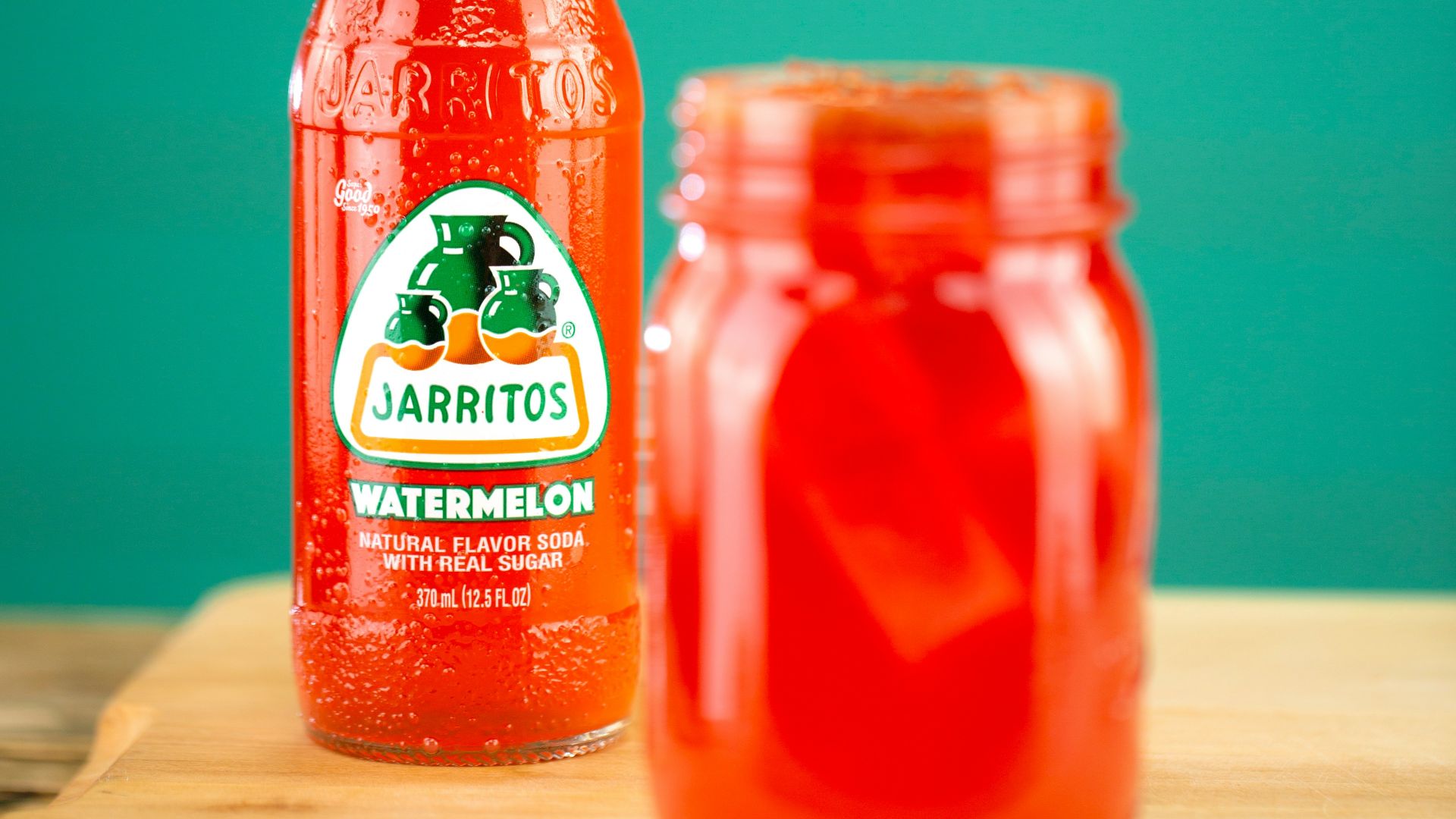
Food makers use Red Dye 40 to replace color that fades during processing or storage. It can also make pale foods look more appealing, which is why a cherry drink may look extra red even when that color doesn’t come from cherries.
 Jarritos Mexican Soda on Unsplash
4. Each Batch Has To Be Checked
Red Dye 40 is part of a group of colors that must be tested before they’re used in food. The testing checks whether a batch meets purity and identity standards, though it doesn’t mean every finished bag of candy or bottle of juice gets tested on its own.

5. It’s Still Allowed In Foods
Red Dye 40 is still currently approved for use in foods, medicines, and cosmetics in the United States. While the dye has undergone some research in terms of safety, it's still ultimately believed to be safe for consumption... for now.
6. Red Dye 40 And Red 3 Aren’t The Same Thing
While the names sound alike, that’s made recent news about food dyes harder to follow. Red 3 is a separate dye that was recently removed by the FDA due to its associated cancer risks.
7. Synonyms
Some labels say Red 40 right out in the open, while others use phrases such as “artificial color,” “color added,” or “certified color.” The ingredient list is usually the clearest place to look, especially when a food or drink is unusually bright.
8. It’s Found In More Than Candy
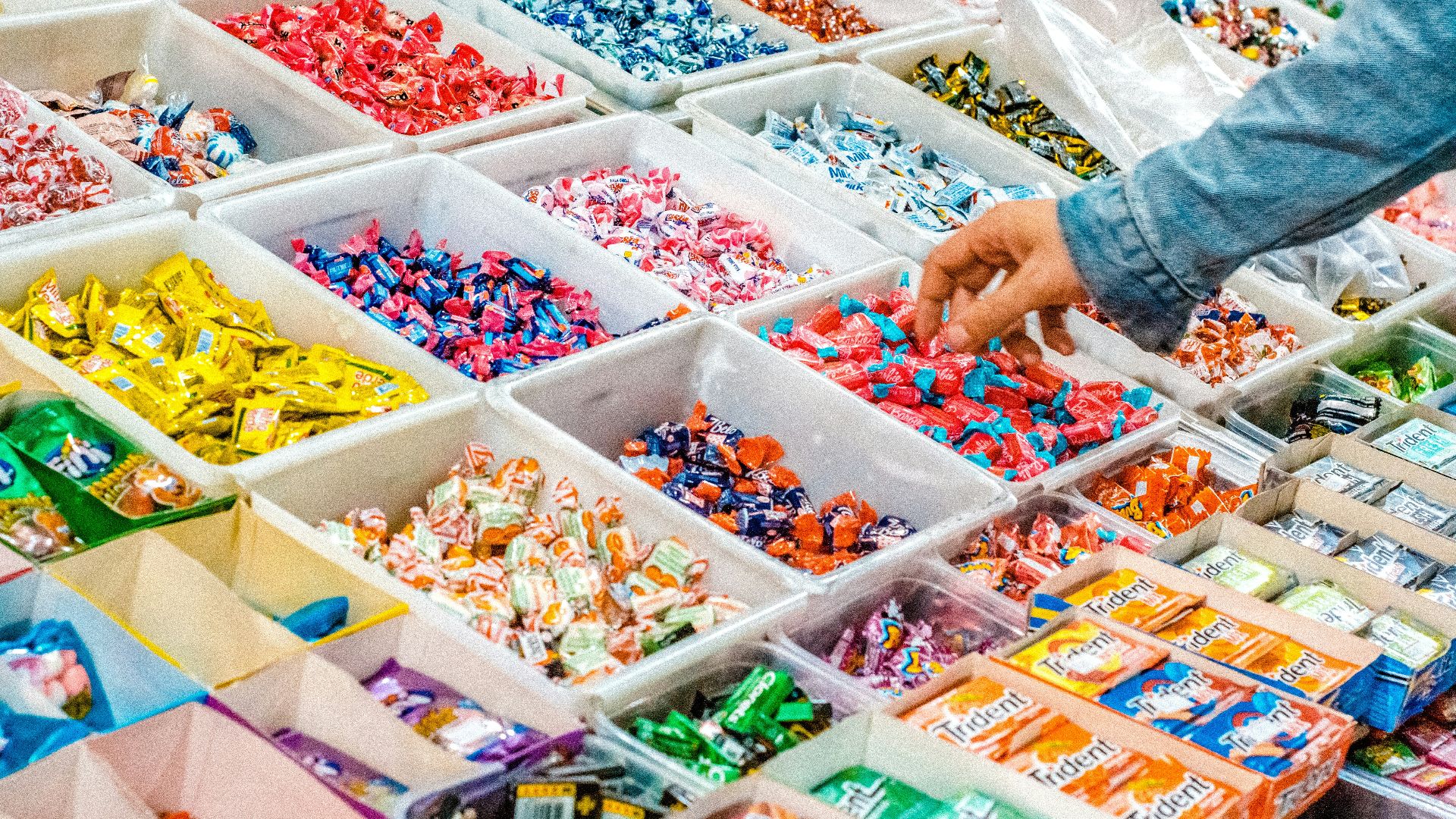
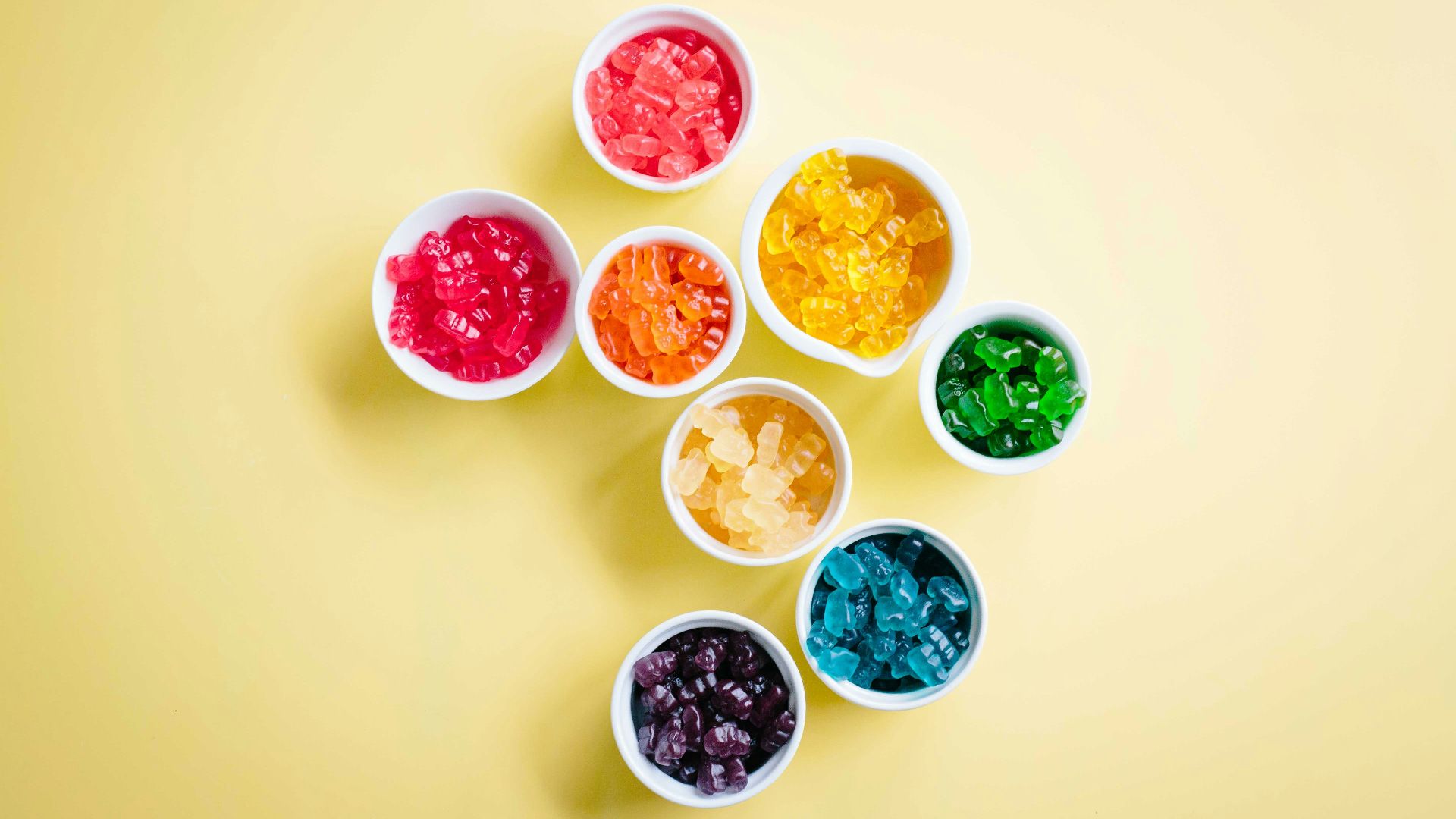
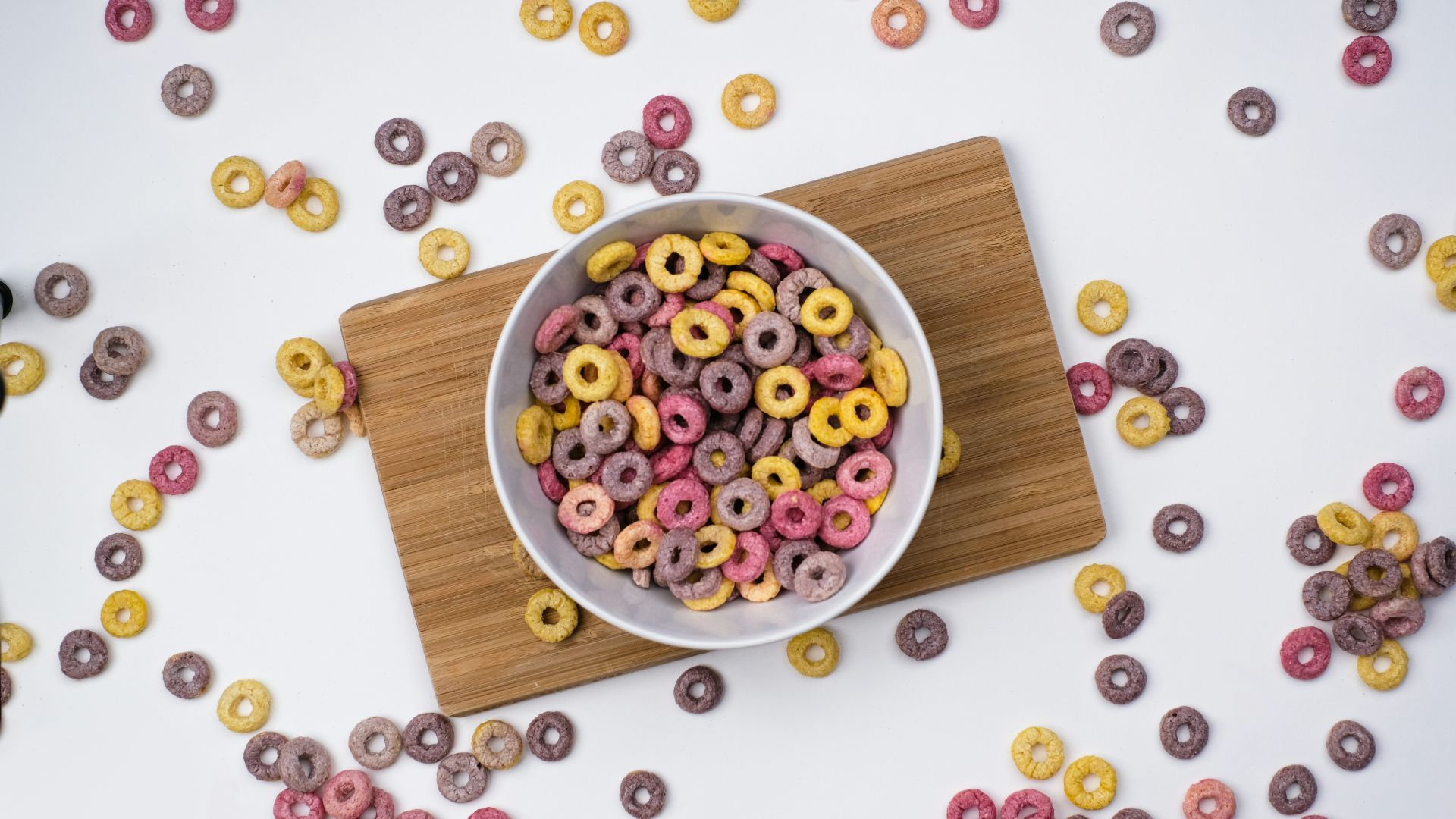
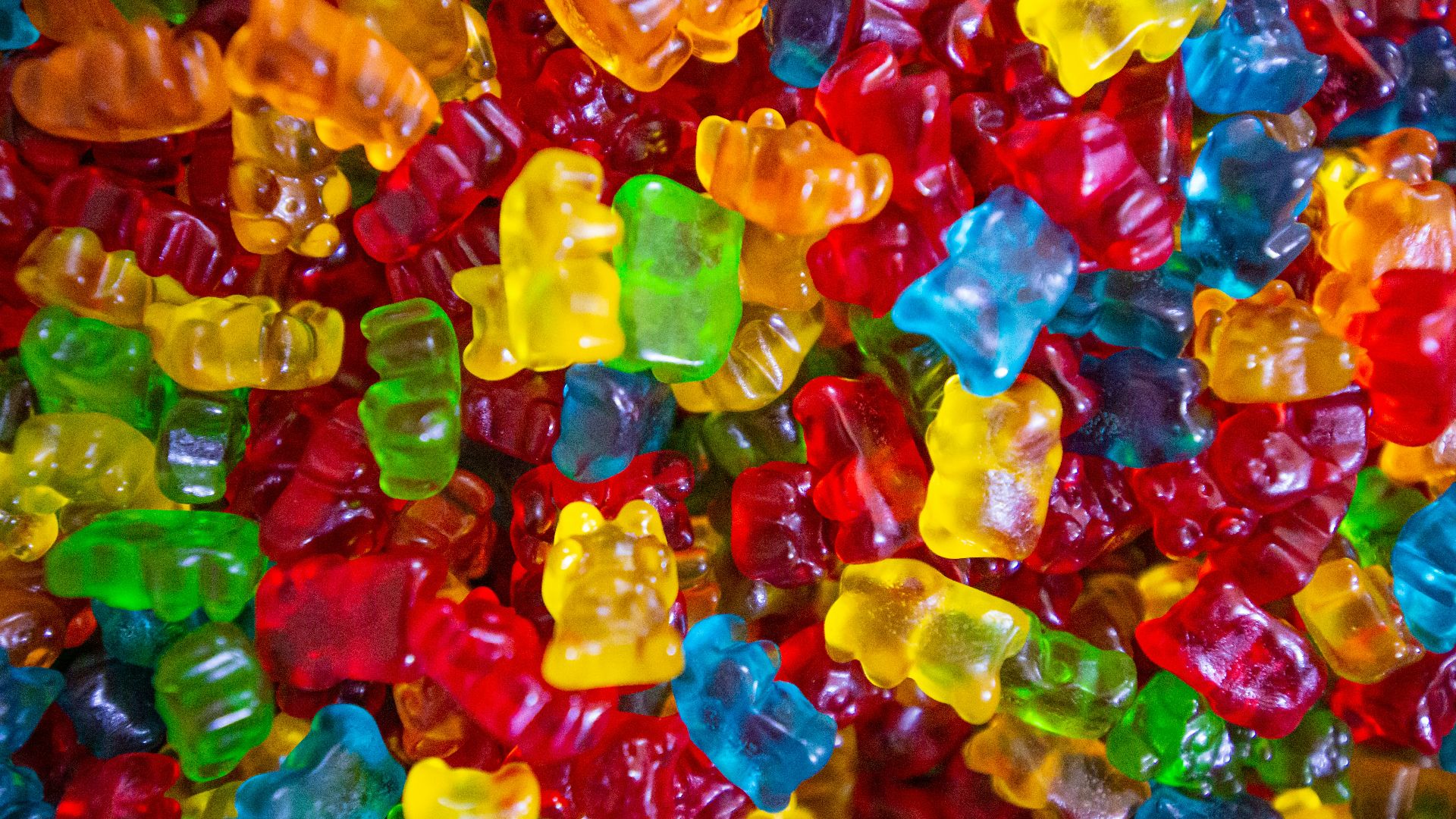
Candy is arguably one of the easiest places to spot Red 40, though it can also show up in fruit drinks, breakfast cereal, frosting, frozen treats, baked goods, and snack foods. Some over-the-counter medicines contain it, too, especially fruit-flavored liquids made for children.
9. Colorful Drinks
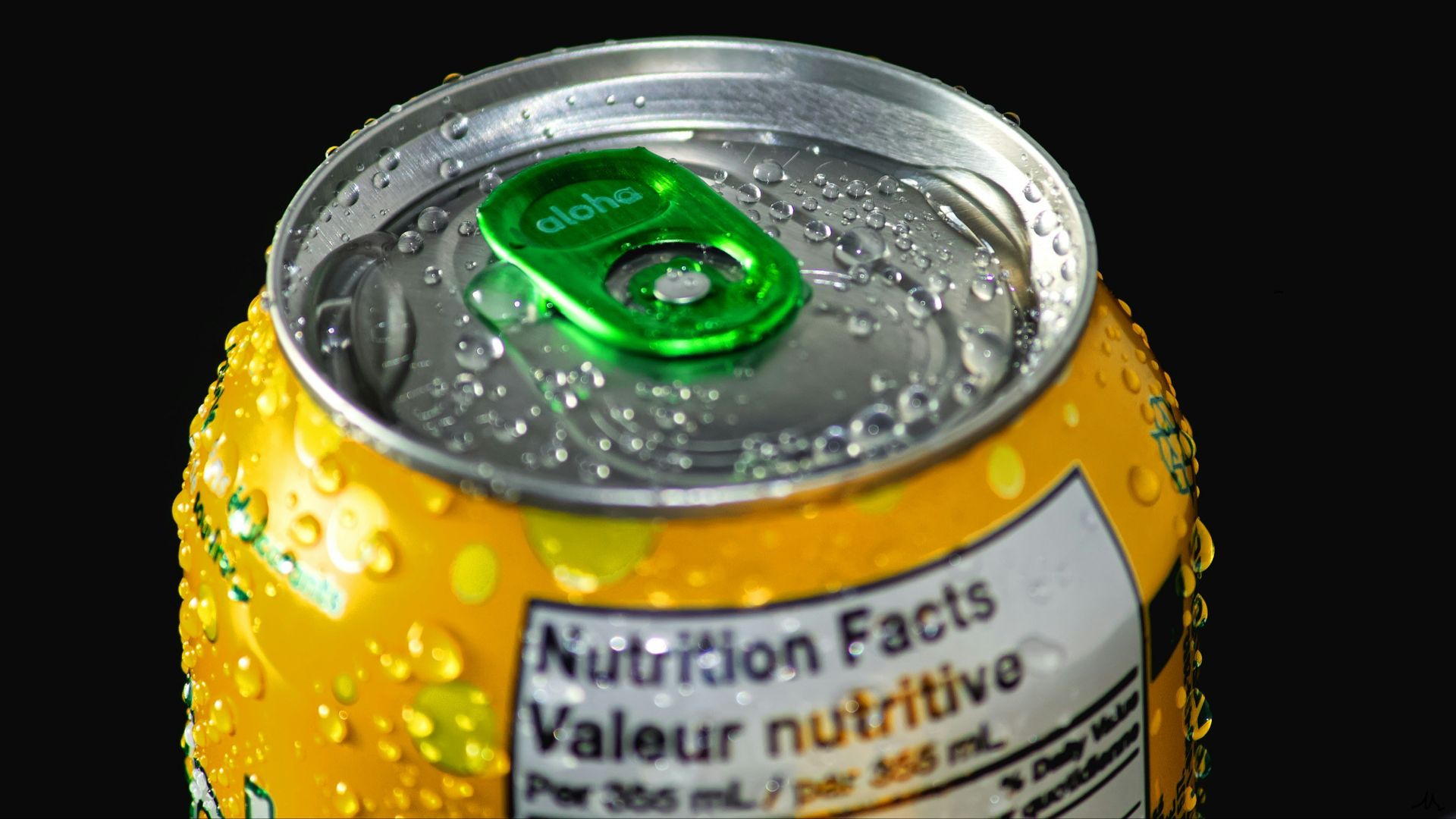
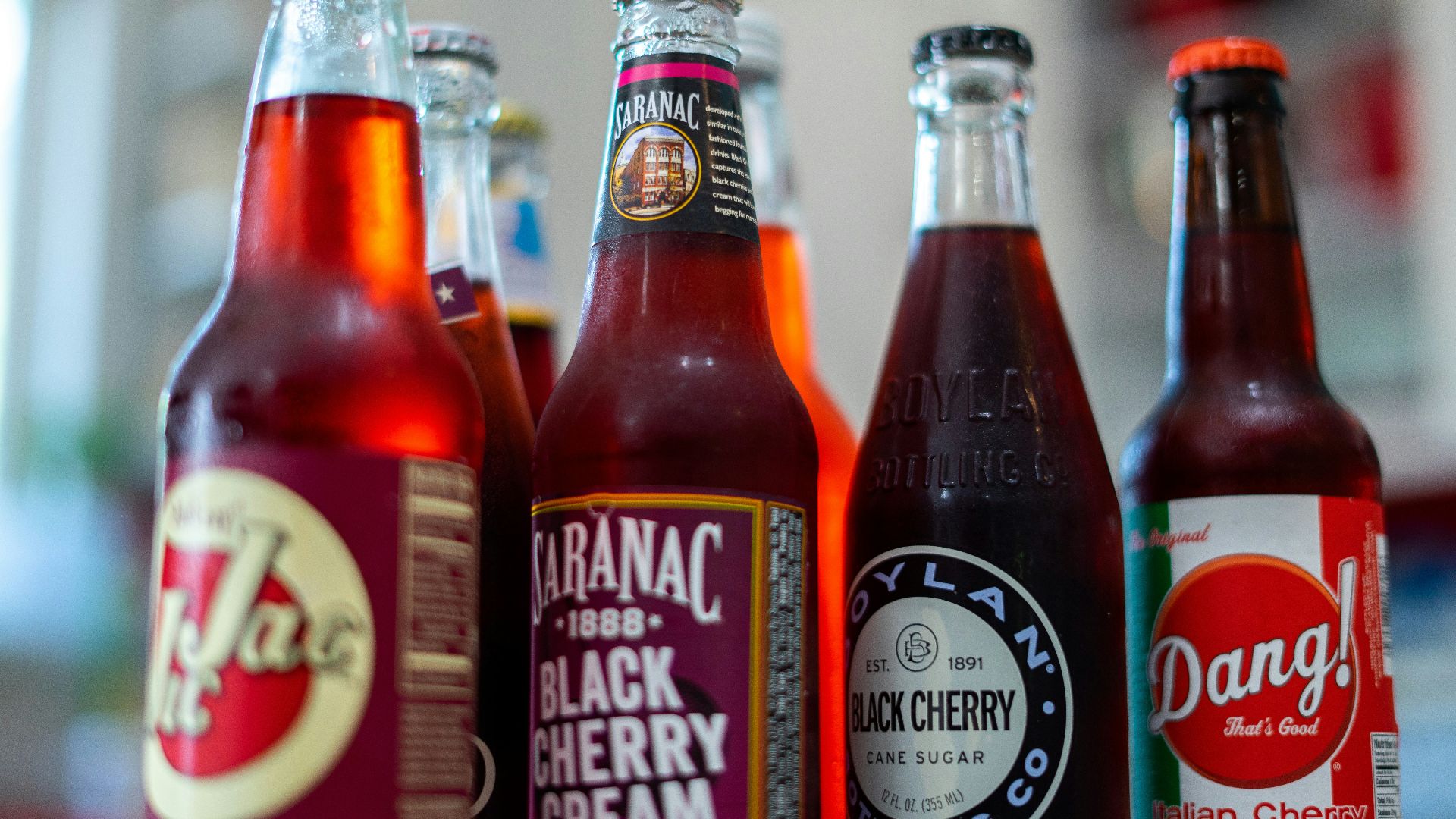
Juice drinks, soft drinks, and powdered fruit drinks are common sources of synthetic food dyes for children. One strongly colored drink can add more to a child’s daily dye exposure than a couple of pieces of candy after dinner.
10. Children Can Get More For Their Size
Children usually eat less than adults, though their smaller body size means the same serving can add up to more dye per pound. Many foods and drinks made for kids use added colors, so those small amounts can build up over a day.

11. Some Children May Be More Sensitive
Children don’t all respond to synthetic dyes in the same way. Certain children may become more restless, hyperactive, or have a harder time paying attention after eating foods with added dyes, while others may not notice any change at all.

12. A Diagnosis Isn’t Always Part Of It
Some children with no previous behavioral diagnosis may still seem sensitive to synthetic dyes. That doesn’t mean a dye causes a condition, though it does mean certain children may react differently to foods with added colors.

13. Red Dye 40 Often Comes With Other Ingredients
Red 40 is often considered alongside other dyes and preservatives, rather than on its own. That makes it harder to tie every possible behavior change to Red 40 alone.
14. There Isn’t One Simple Answer
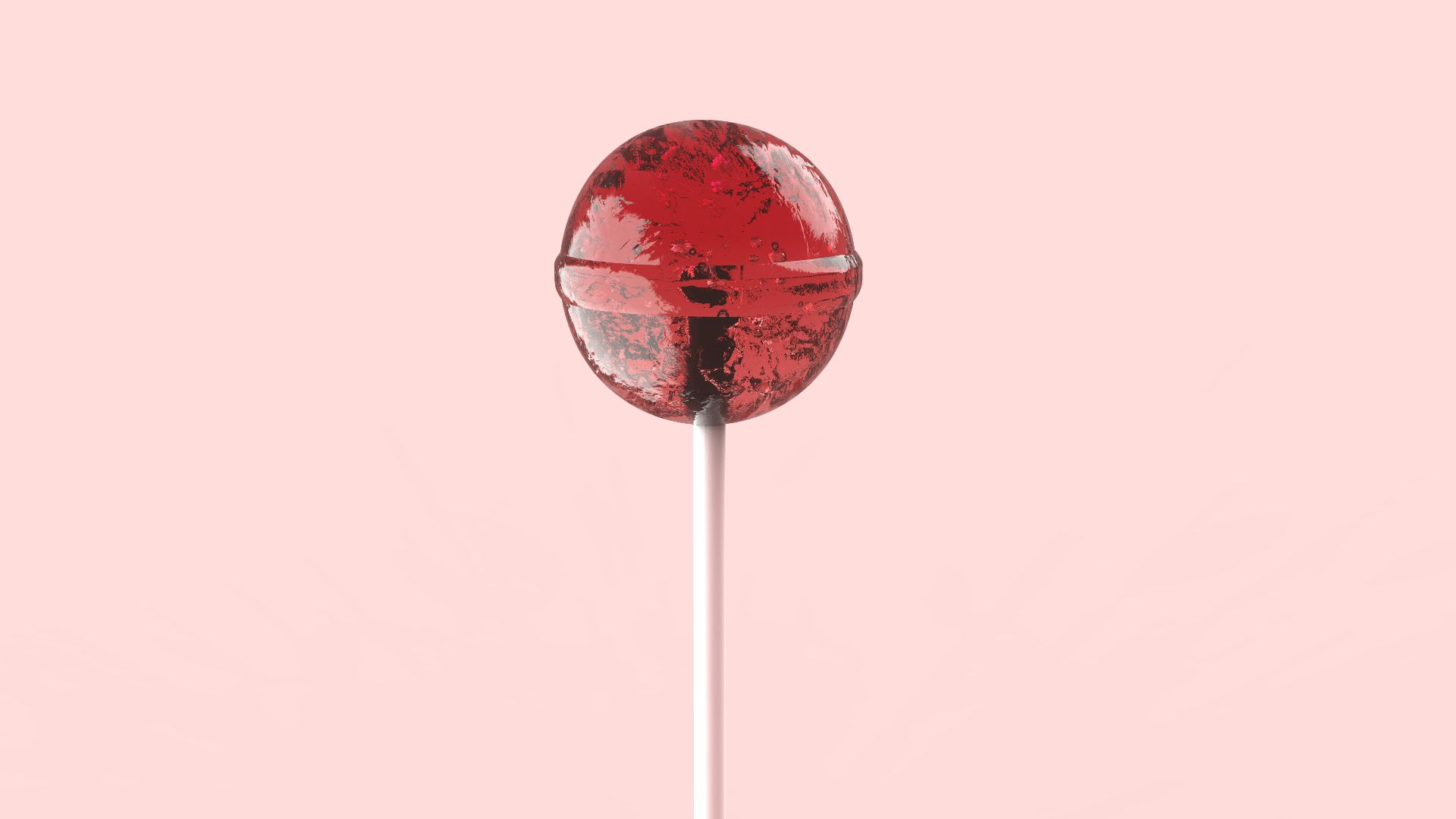
Many children don’t appear to have adverse effects from food colors. Some children may be sensitive, though, which is why concerns about Red 40 haven’t simply gone away.

15. It Can Be Mixed With Other Dyes
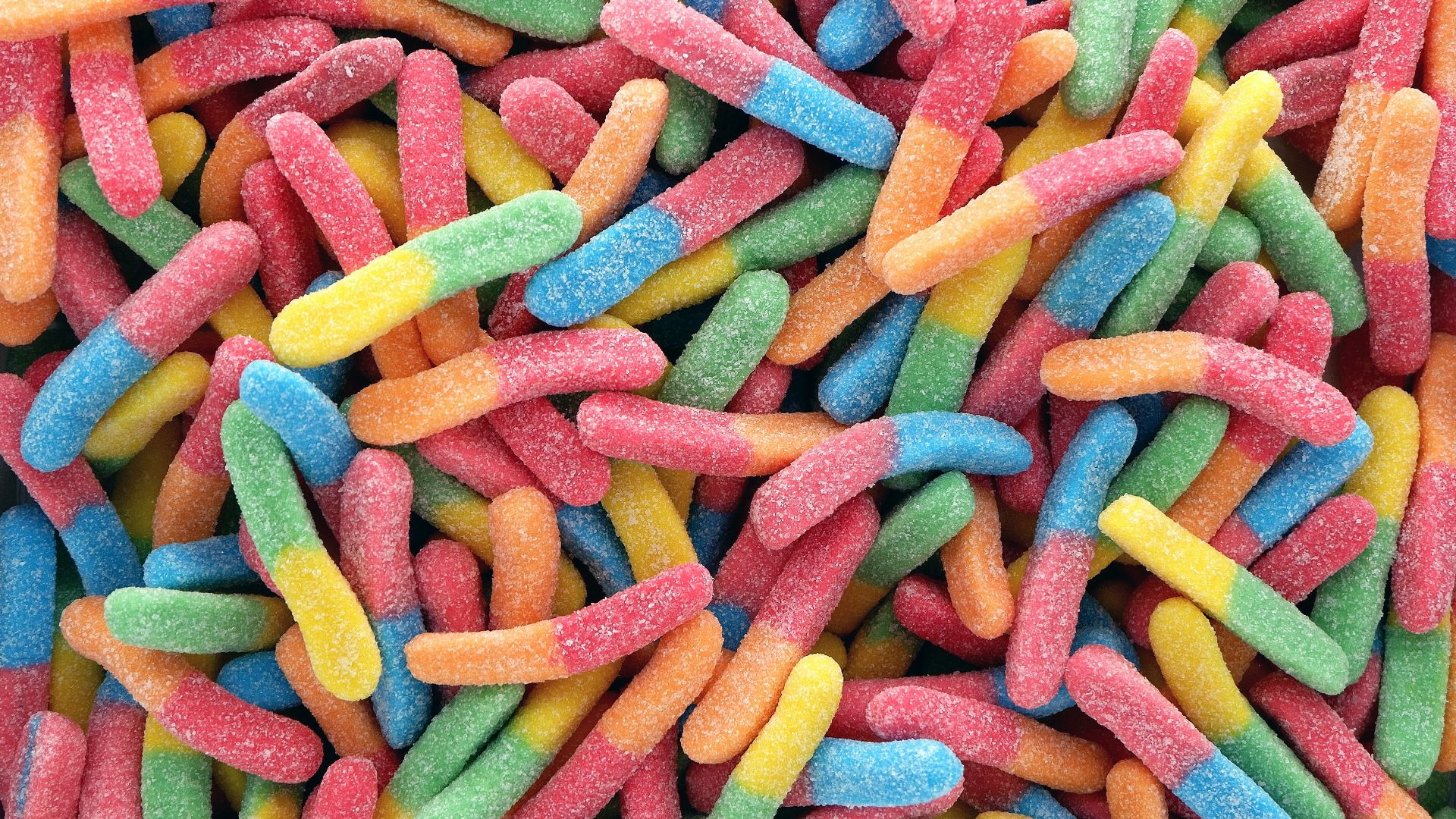
Red 40 can be blended with other food colors to create different shades, so it doesn’t only appear in foods that look bright red. That’s one reason it can show up in products that look orange, purple, or berry-colored.
16. The Body Breaks It Down
Red Dye 40 is mostly broken down in the gut, where it forms other compounds. The possible effects of those compounds aren’t fully understood, so the story doesn’t end with the dye listed on the package.
17. The Whole Picture Isn’t Fully Clear
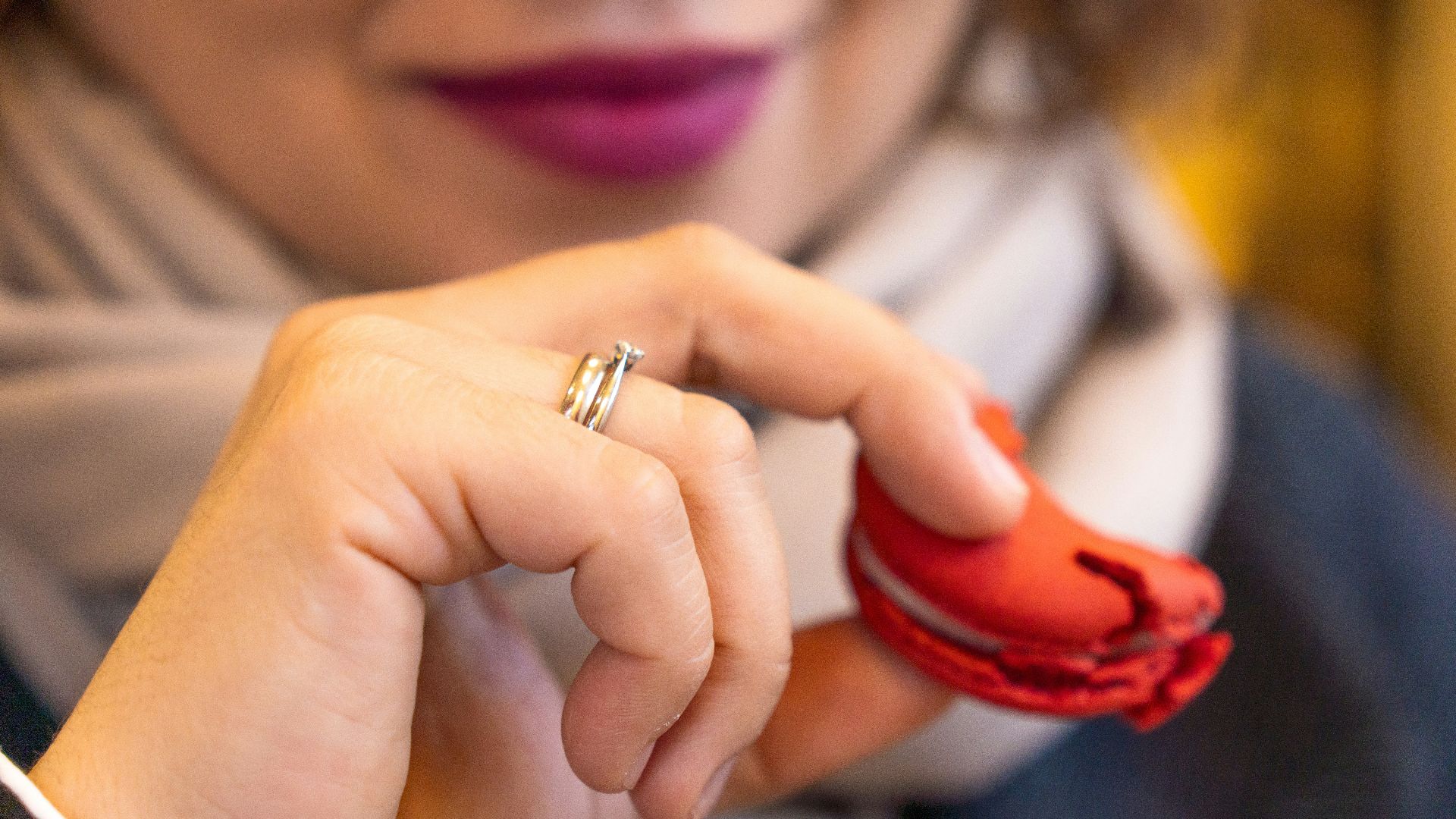
Concerns around synthetic dyes include inflammation, oxidative stress, brain signaling, and development. Those concerns don’t prove that every child who eats a food with Red Dye 40 will have a reaction.
18. One Food Reaction Doesn’t Diagnose ADHD
A tough afternoon after a birthday party doesn’t prove that a child has ADHD or that Red Dye 40 caused a problem. Sugar, excitement, missed naps, and a room full of kids can all play a part, so ongoing behavior concerns deserve a conversation with a qualified healthcare professional.

19. Some Families Try Cutting Back
Parents who notice the same pattern more than once may choose to cut back on artificial colors for a short time and watch for changes. Keeping that approach calm and temporary can be more helpful than making every grocery trip feel stressful.
 Alexander Schimmeck on Unsplash
20. The Rules Are Starting To Change
A California school-food law will restrict Red 40 and several other dyes in school meals and campus sales starting December 31, 2027. Food makers across the country are also being encouraged to phase out Red 40 and several other petroleum-based dyes by the end of 2027, so it may show up less often in the years ahead.

KEEP ON READING

Just How Unhealthy Is Instant Ramen?
20 Secrets McDonald's Doesn't Want You to Know About