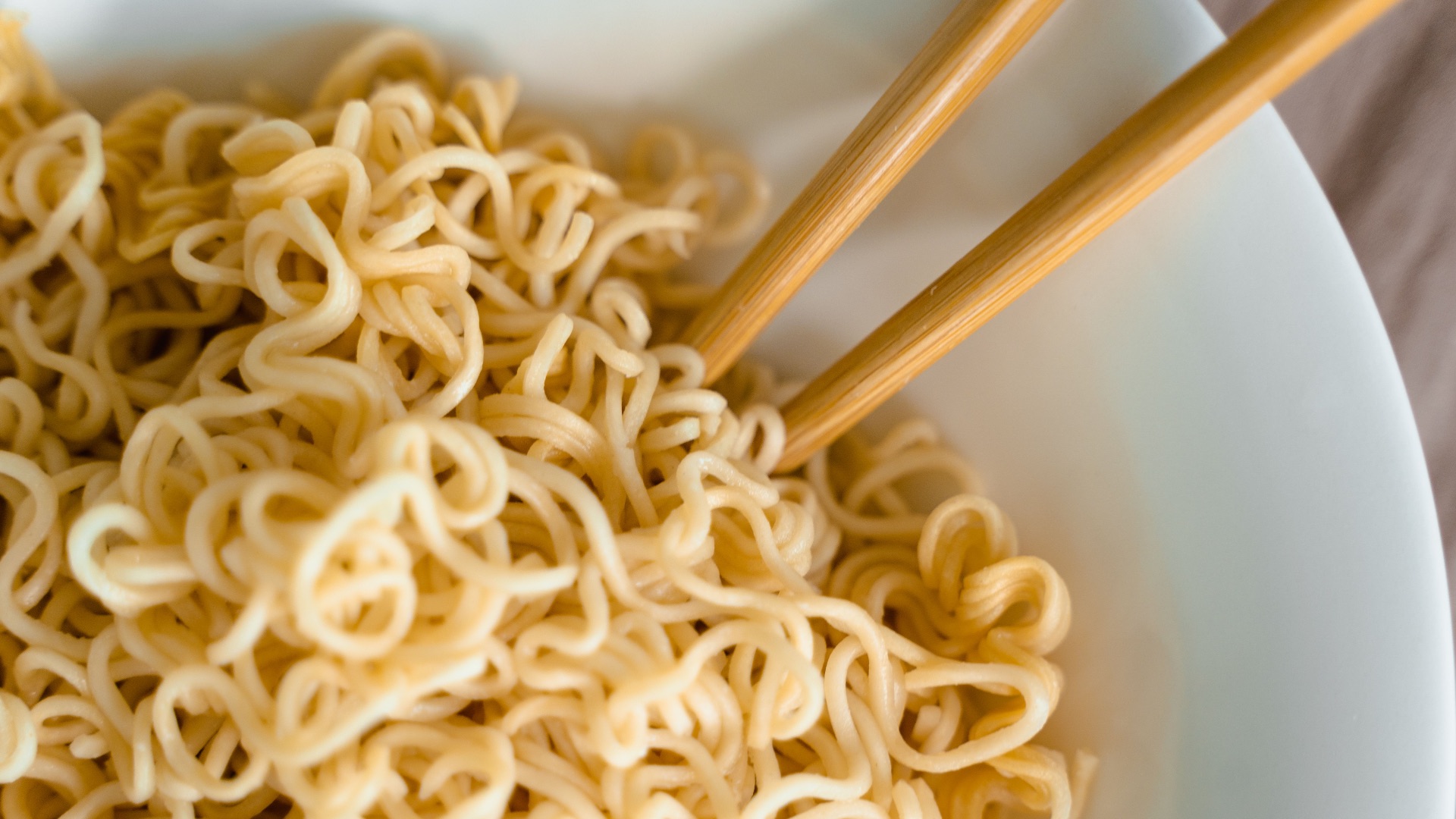
There's something undeniably comforting about a steaming bowl of instant ramen, especially when you're short on time and money (or you're just too lazy) to cook something more elaborate. After all, it's cheap, fast, and tastes good, so what more could you ask for? Unfortunately, convenience often comes with a catch—and instant ramen is no exception to that rule.
Behind that satisfying slurp lies a nutritional profile that health experts have been sounding the alarm about for years. From sky-high sodium levels to a near-total absence of essential vitamins and minerals, instant ramen packs a lot into a small package that isn't doing your body any favors. Let's break down exactly what you're consuming when you tear open that familiar wrapper and why moderation matters more than you might think.
The Sodium Problem Is Bigger Than You'd Expect
Sodium is where instant ramen really earns its unhealthy reputation, and the numbers back that up in a big way. According to USDA data, generic ramen noodles contain 1,503 mg of sodium, which comes out to roughly 65% of the daily FDA-recommended intake in just one package. That's a substantial chunk of your entire day's allowance from a single meal, and it doesn't leave much wiggle room for anything else you eat afterward.
The situation gets even more concerning when you look at research comparing brands across different countries. A study analyzing 765 instant noodle products from 10 countries found sodium levels were both high and highly variable, with China's instant noodles averaging the highest mean sodium content at 1,944 mg per 100 grams. Some packages, depending on where they're sold and how they're prepared, can push sodium content well past what most health organizations consider safe for a single serving. That kind of variability makes it hard to know exactly what you're getting unless you check the label closely.
The health consequences of routinely consuming that much sodium aren't minor either. Consuming too much sodium can negatively impact your health and has been linked to an increased risk of heart disease, stomach cancer, and stroke. Doctors also point out that ramen's processed ingredients, high sodium levels, and considerable amount of saturated fat contribute to high blood pressure, high blood sugar levels, and an increased risk of stroke, diabetes, and heart disease. Cutting back on how much seasoning you use can genuinely make a difference here, and it's one of the simplest changes you can make without giving up the food entirely.
What Your Body Isn't Getting from That Bowl
But it's not just what's in instant ramen that's the issue. In fact, other than being high in salt, it's notoriously low in the nutrients your body actually needs to function well, which becomes a real problem if it starts replacing more balanced meals in your diet. You might feel full after eating it, but that fullness doesn't translate into meaningful nourishment.
Research comparing regular instant noodle eaters to those who avoid the food paints a fairly clear picture of what gets left out. A study of 6,440 Korean adults found that those who regularly ate instant noodles had lower intakes of protein, phosphorus, calcium, iron, potassium, niacin, and vitamins A and C compared to those who didn't consume the food. On top of that, frequent instant noodle eaters consumed significantly fewer vegetables, fruits, nuts, seeds, meat, and fish, which suggests the food may be crowding out other, more nutrient-dense options rather than simply supplementing them.
This nutritional gap matters because your body relies on a steady supply of vitamins and minerals to keep everything running smoothly, from your immune system to your bone health. Skipping out on iron and calcium regularly, for instance, can eventually catch up with you in ways that aren't immediately obvious. While instant ramen isn't going to cause harm from a single bowl here and there, building a diet around it means consistently missing out on nutrients your body depends on.
The Long-Term Risks of Frequent Consumption
Eating instant ramen once in a while is unlikely to do any lasting damage, but the story changes considerably when it becomes a regular habit. Frequency really does seem to be the deciding factor in how much risk you're taking on, and researchers have found some striking patterns among people who eat it often.
One of the more notable findings comes from a study specifically looking at women's health outcomes. Women who eat instant noodles two or more times a week are 68% more likely to develop a higher risk of metabolic syndrome, regardless of how healthy they eat otherwise or how physically active they are. Metabolic syndrome isn't a single condition but rather a cluster of issues, including elevated blood pressure and unhealthy cholesterol levels, that together raise your risk for more serious diseases down the road.
Other research backs up this connection between frequent consumption and cardiometabolic trouble. A 2017 study in Nutrition Research and Practice found that frequent consumption of instant noodles like ramen is associated with a higher risk of cardiometabolic risk factors, including higher triglyceride levels and higher blood pressure. Taken together, this evidence suggests that occasional indulgence is one thing, but making instant ramen a weekly staple is a different story entirely, particularly for your heart and metabolic health over time.
Finding a Middle Ground
Of course, none of this means you need to swear off instant ramen forever; it just means being smarter about how often you reach for it and how you prepare it. For example, using only half the seasoning packet can cut sodium substantially, and tossing in vegetables, an egg, or a lean protein turns an otherwise empty meal into something with actual nutritional value. Small adjustments like these let you keep enjoying the food without taking on the full brunt of its downsides.
At the end of the day, instant ramen isn't inherently dangerous in moderation, but it's also not something your body should be relying on as a regular meal. The combination of excessive sodium, missing nutrients, and links to metabolic issues means this is a food best kept as an occasional treat rather than a dietary cornerstone. Enjoy the bowl when you want it, just don't let it become the whole meal plan.
KEEP ON READING
You’re Storing Tomatoes Wrong in This Heat


Just How Unhealthy Is Instant Ramen?