20 Facts About What Food Does to Your Body That Sound Fake But Aren't
Your Body Is Doing Weird Things Right Now
Most of what we think we know about food came from a health class we were half awake for, or from a Facebook post we scrolled past and never checked. What's actually happening in our bodies is stranger than the folklore. Digestion is a chemistry problem your body solves constantly, and some of the solutions sound made up. Once you know a few of them, the fridge starts to look different. Here's 20 that sound fake and aren't.

1. Pineapple Fights Back
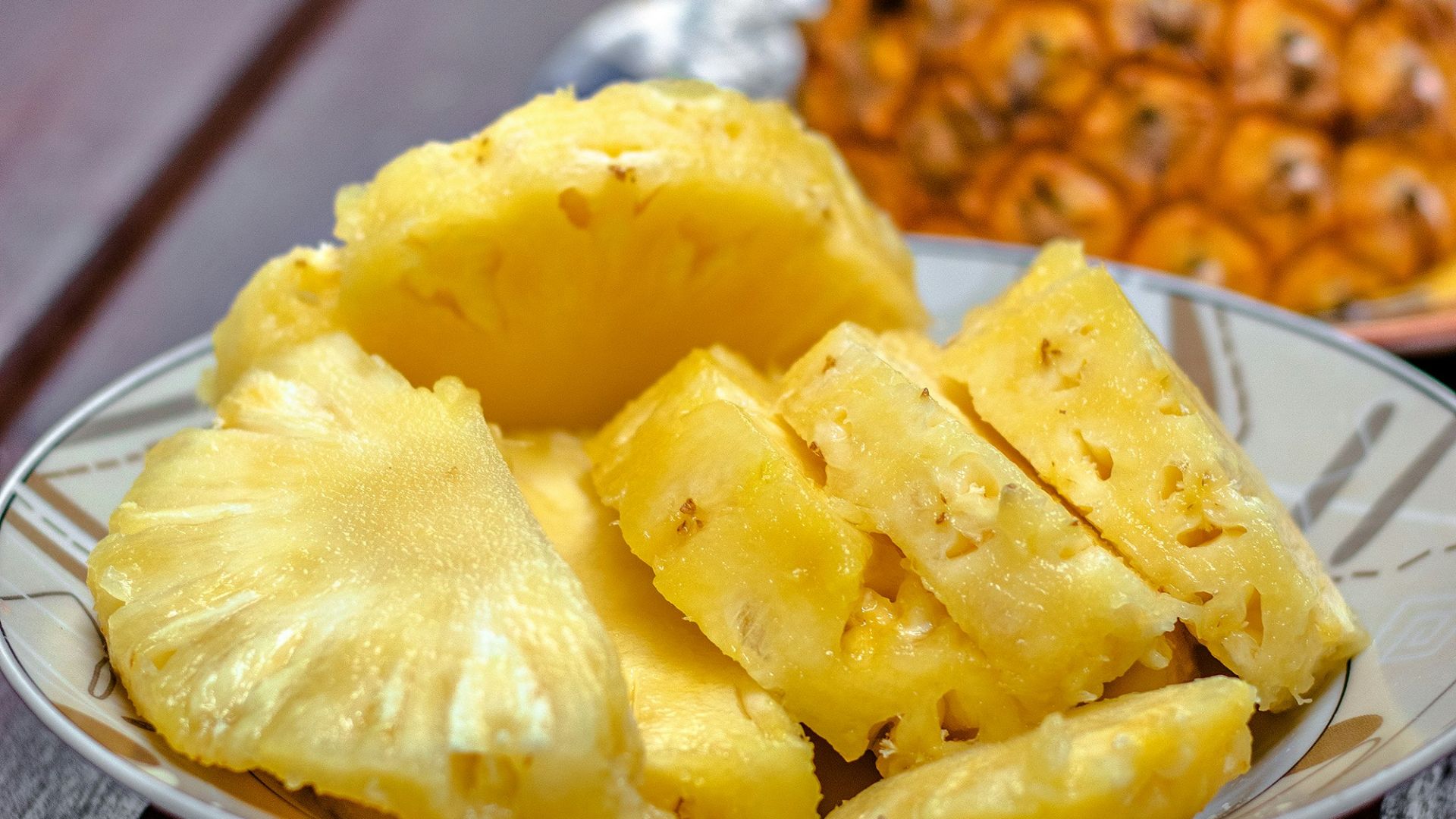
Eat enough fresh pineapple in one sitting and your tongue starts to sting. That's bromelain, an enzyme that breaks down protein, and your tongue happens to be made of protein. Canned pineapple never does this, because the heat of the canning process kills the enzyme before it ever reaches you.
2. Bananas Are Radioactive
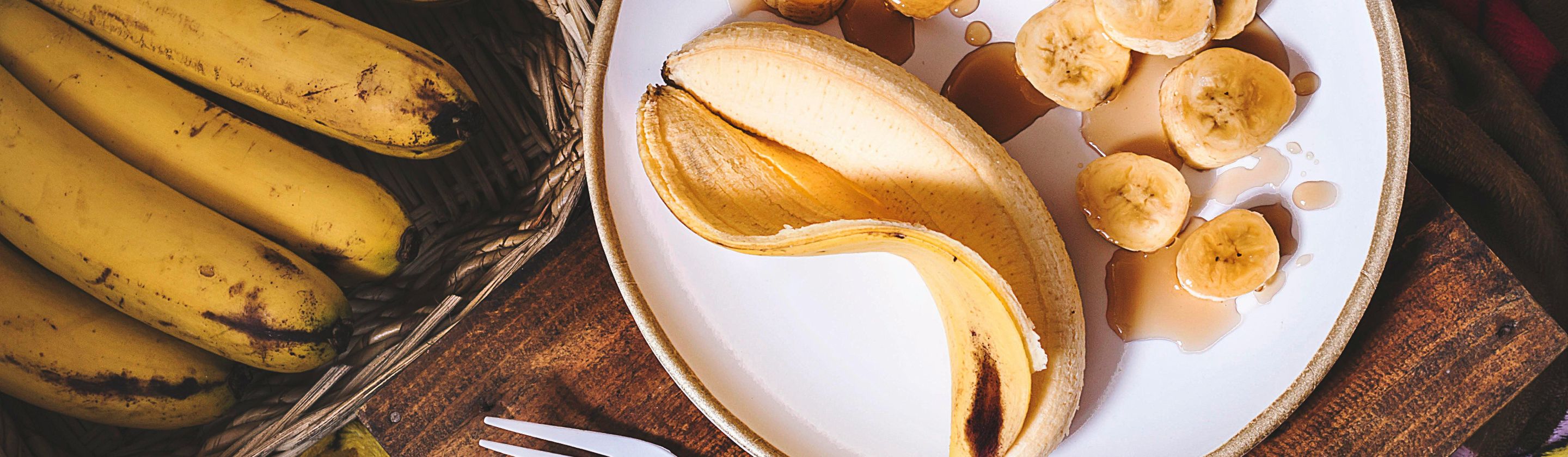
Physicists use an informal unit called the banana equivalent dose to explain small radiation exposures to nervous audiences. Bananas are loaded with potassium, and a tiny fraction of all potassium on Earth is the radioactive isotope potassium-40. You would need to eat several million in one sitting for it to matter, and the potassium itself would stop your heart long before the radiation had a say.
3. You Rebuild Your Stomach Weekly
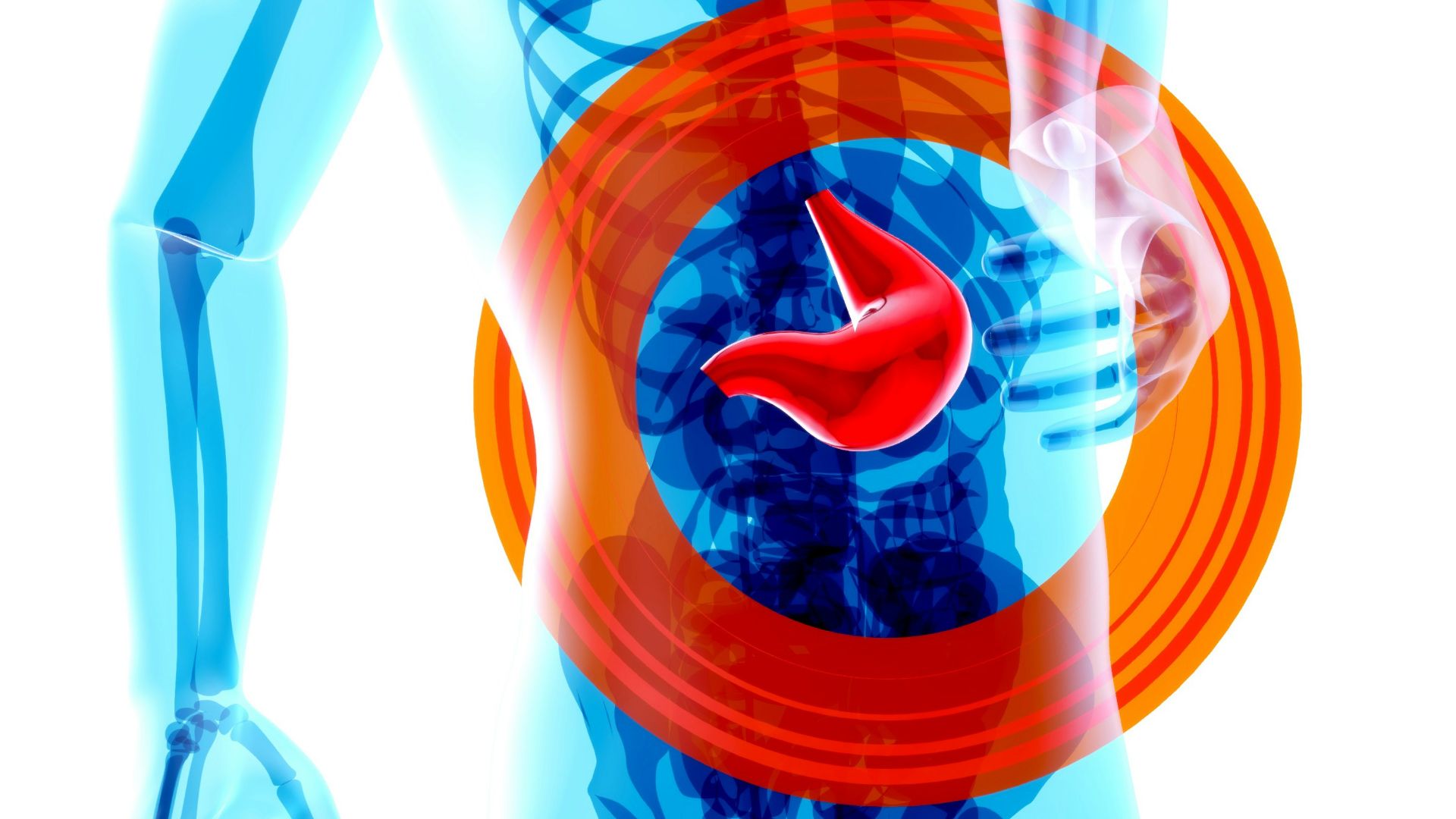
Battery acid and the inside of your stomach are not far apart on the pH scale.
What keeps you from digesting yourself is a layer of mucus that gets destroyed and replaced every few days. Ulcers are what happens when that replacement schedule falls behind, usually with help from a bacterium called H. pylori.
4. Cheese Hits Opioid Receptors
Casein makes up most of the protein in dairy, and digestion snaps it into fragments called casomorphins. Those fragments bind to the same receptors opioids use, though the effect is faint enough that nobody is getting high off a cheese plate. Cheese concentrates casein harder than any other dairy product, which offers a little scientific cover to anyone who has finished a wheel of brie alone.

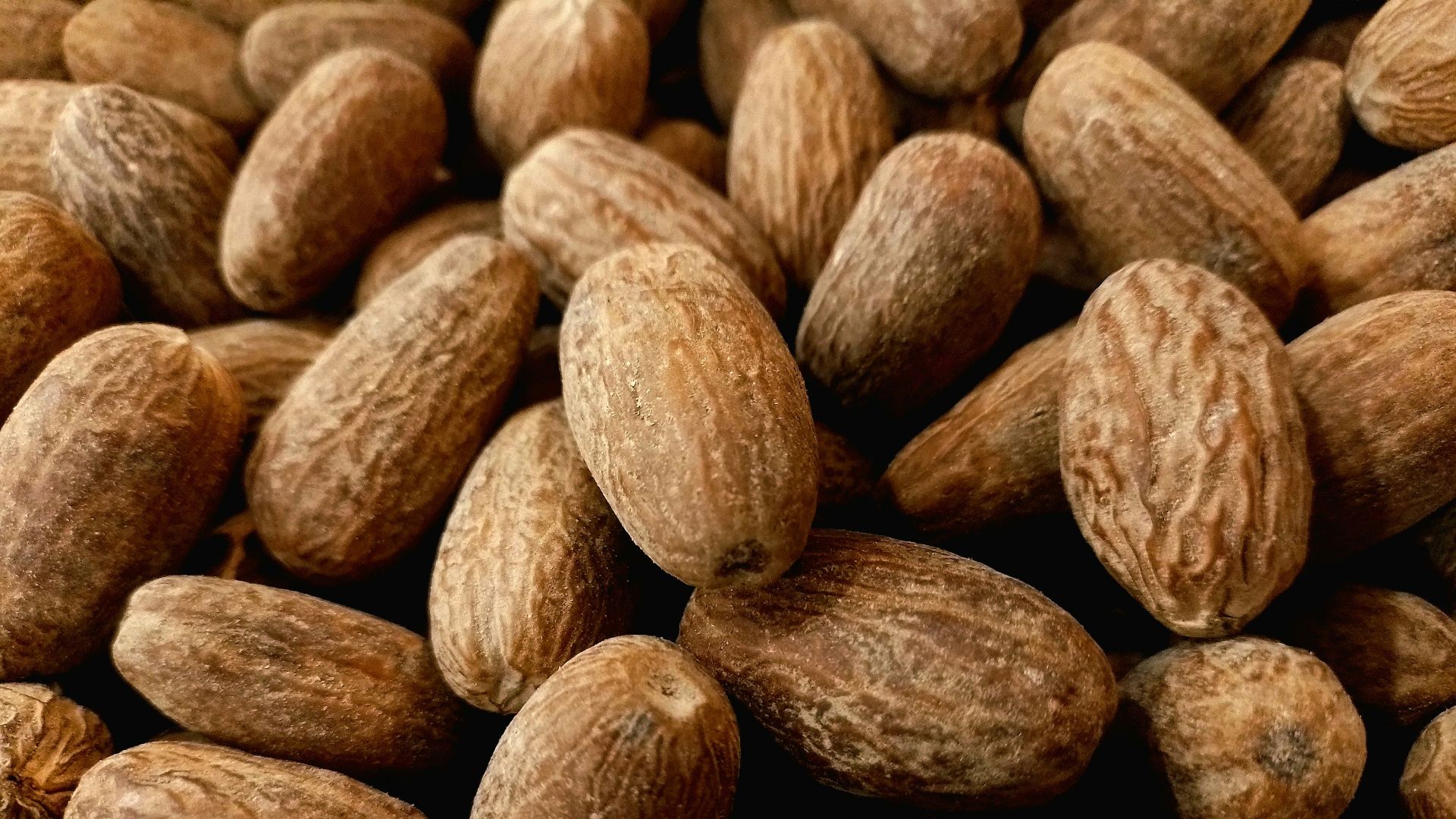
5. Nutmeg Can Send You to the ER
Two tablespoons is roughly where nutmeg stops being a spice and becomes a problem. Myristicin can produce hallucinations along with a heart rate that refuses to settle, plus a hangover that drags on for a day or two. Poison control centers take these calls every year, mostly from teenagers with internet access and a spice rack.
6. Gum Doesn't Sit in You for Seven Years
Seven years is the number everyone repeats, and no one has ever traced it to a medical source. The gum base is indigestible, and that much is true, but your intestines move it along the way they move any other object they can't break down.
It leaves within a few days, same as everything else.

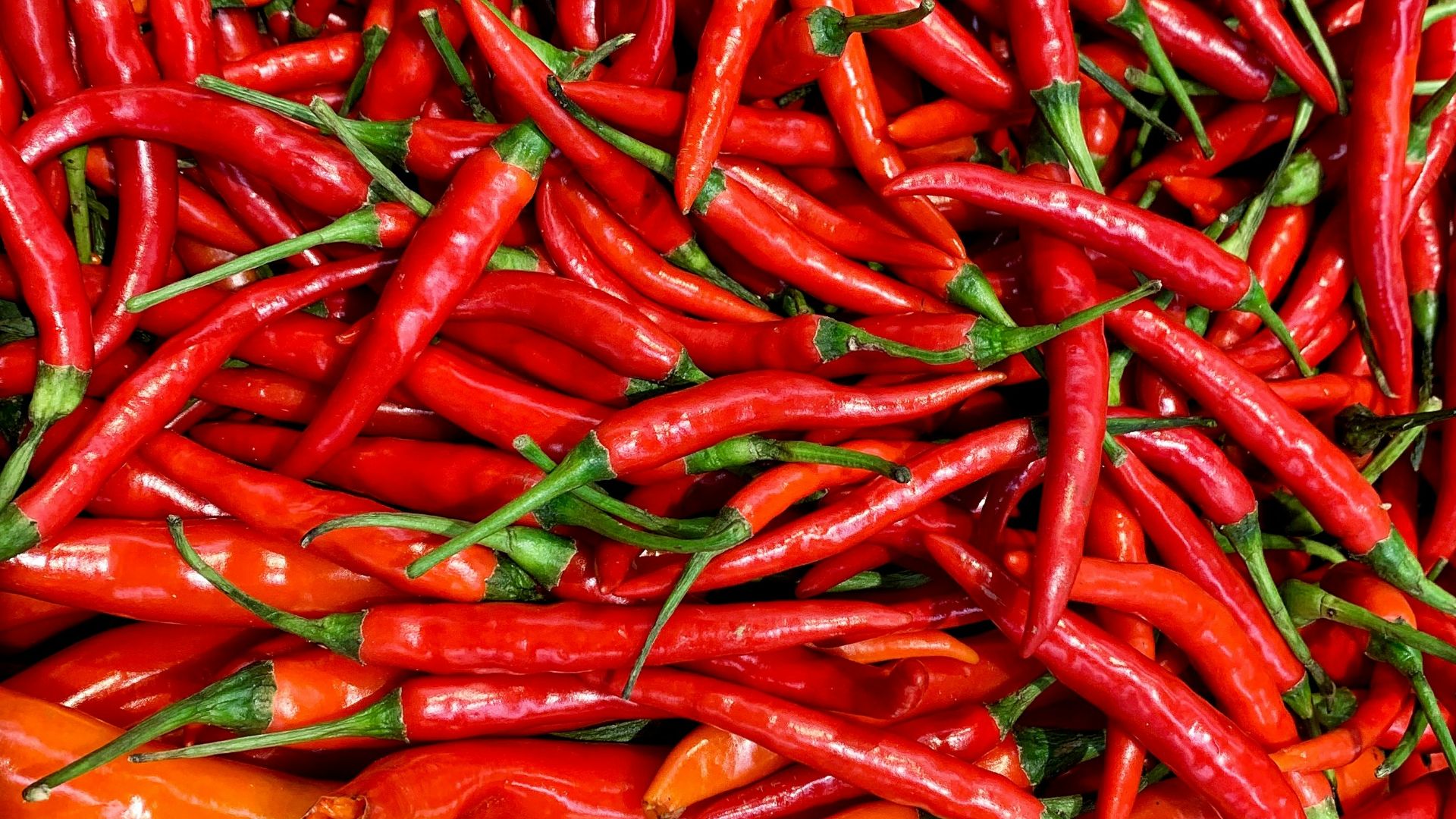
7. Chili Peppers Aren't Hot
Nothing in a chili pepper is warm to the touch. Capsaicin binds to TRPV1, a receptor built to detect real temperatures above about 109 degrees Fahrenheit, so your nerves report a fire that doesn't exist. The sweating and the runny nose show up because your body is busy cooling down a burn it fabricated.
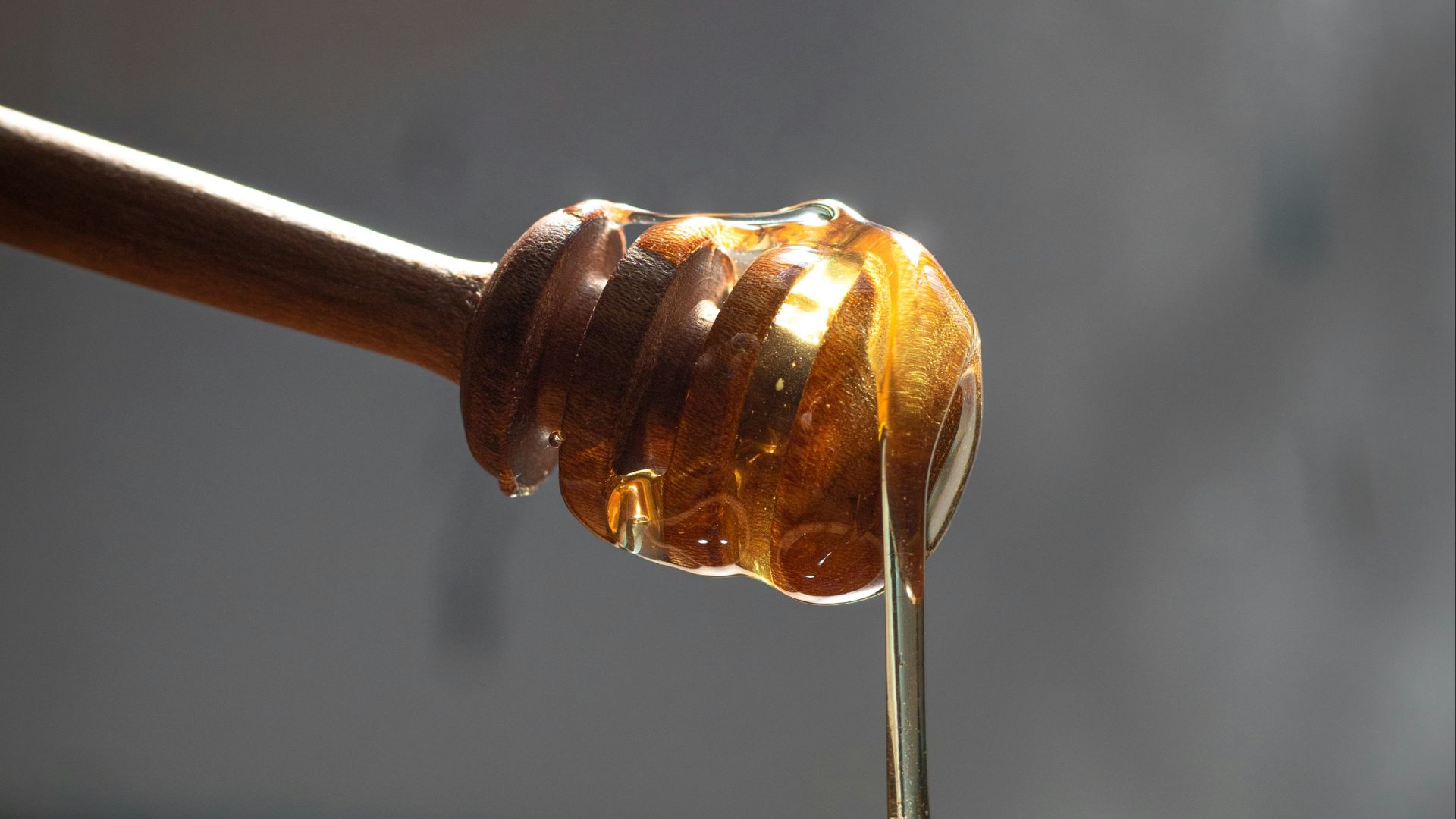
8. Honey Doesn't Expire
Jars pulled from Egyptian tombs have been found still edible after three thousand years. Honey holds almost no water and runs acidic, so bacteria can't get a foothold, and bees add an enzyme that produces small amounts of hydrogen peroxide. That crystallized jar in the back of your cabinet hasn't gone bad, and you can revive it with a little warm water.
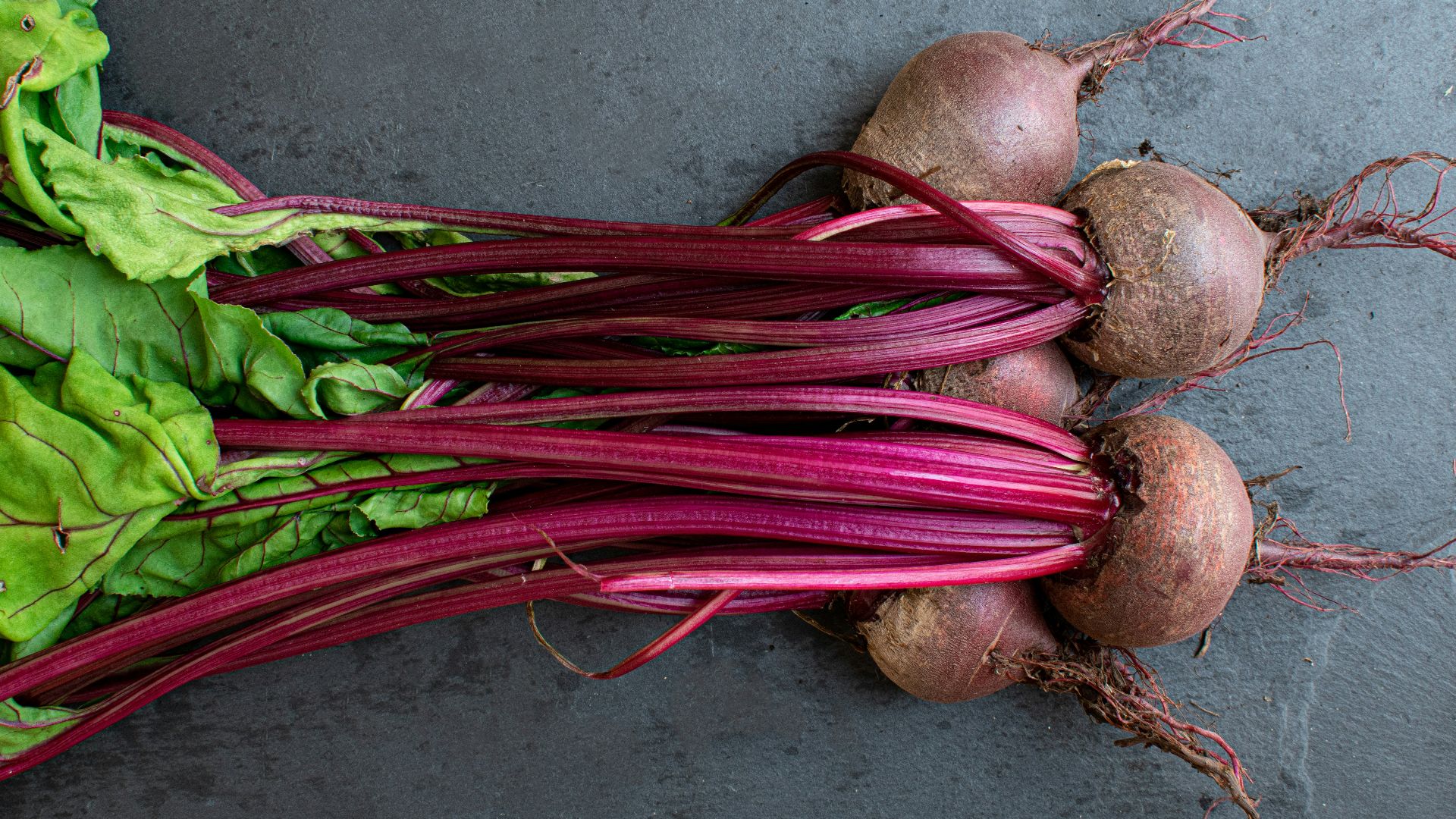
9. Beets Can Dye Your Urine
The first time it happens, you start mentally drafting a phone call to your doctor. Betanin gives beets their color, and some people pass it straight through without breaking it down at all. Doctors call the phenomenon beeturia, it affects somewhere between 10 and 14 percent of us, and it seems tied to how quickly the stomach empties.
10. Your Gut Holds Most of Your Serotonin
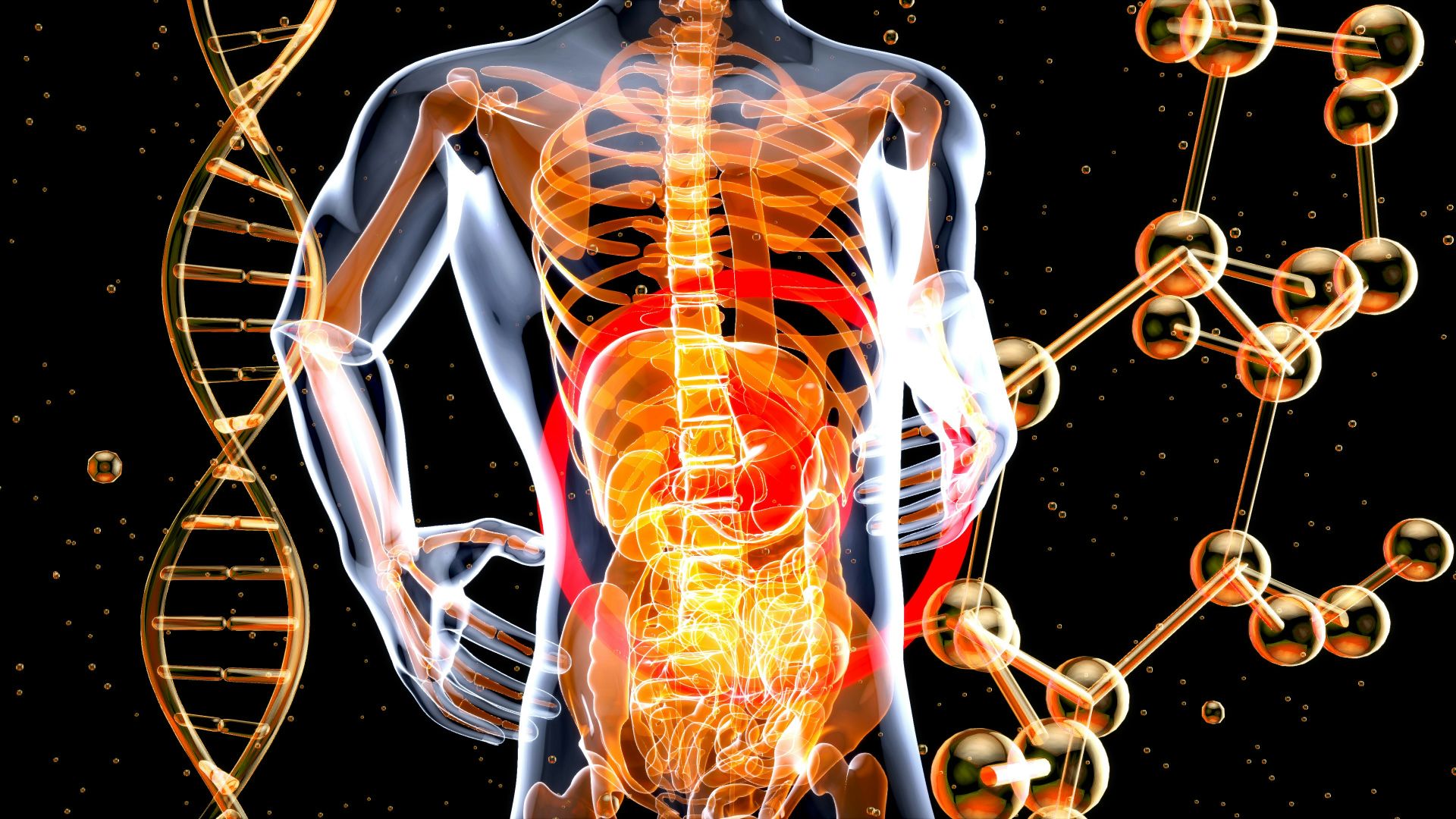
About 90 percent of your serotonin is sitting in your digestive tract right now rather than your brain. Down there it manages muscle contractions more than mood, but the gut and the brain trade signals constantly along the vagus nerve.
Anxiety arriving in your stomach before it reaches your thoughts is that conversation happening live.
11. Raw Cashews Aren't Raw
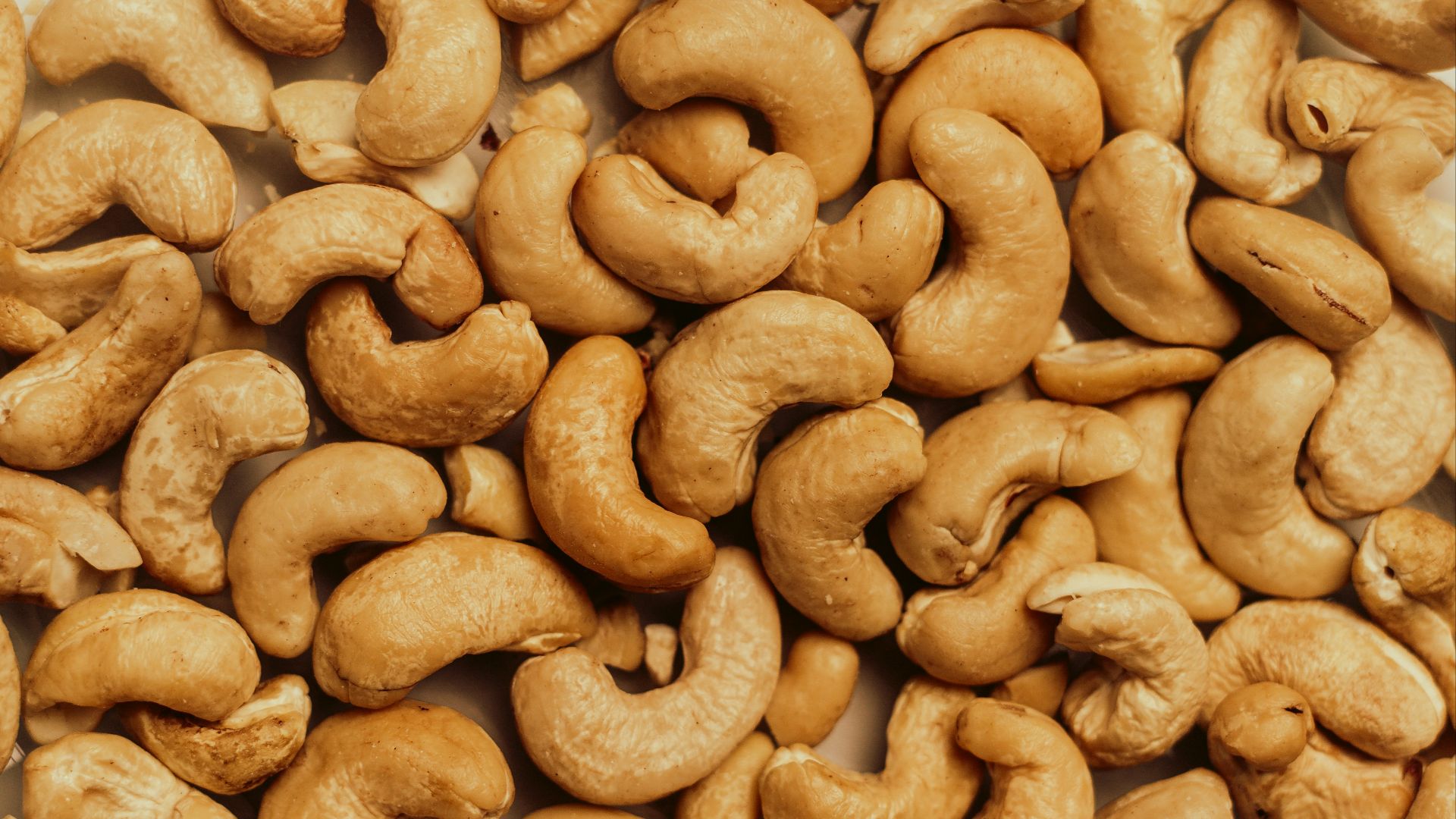
The bag says raw, and the bag is wrong. Cashew shells contain urushiol, the same oil that makes poison ivy such a memorable experience, and every cashew sold in a store has been steamed or roasted to strip it out. A truly raw one would leave your mouth with a rash.
12. Coffee Gives You Nothing
Caffeine adds no energy to your system whatsoever. Adenosine is the chemical that piles up in your brain across the day and makes you feel tired, and caffeine parks itself in the receptor so the adenosine can't dock. All of it keeps accumulating behind that blockade, which is why the crash arrives a few hours later.

13. Asparagus Pee Is Genetic Luck
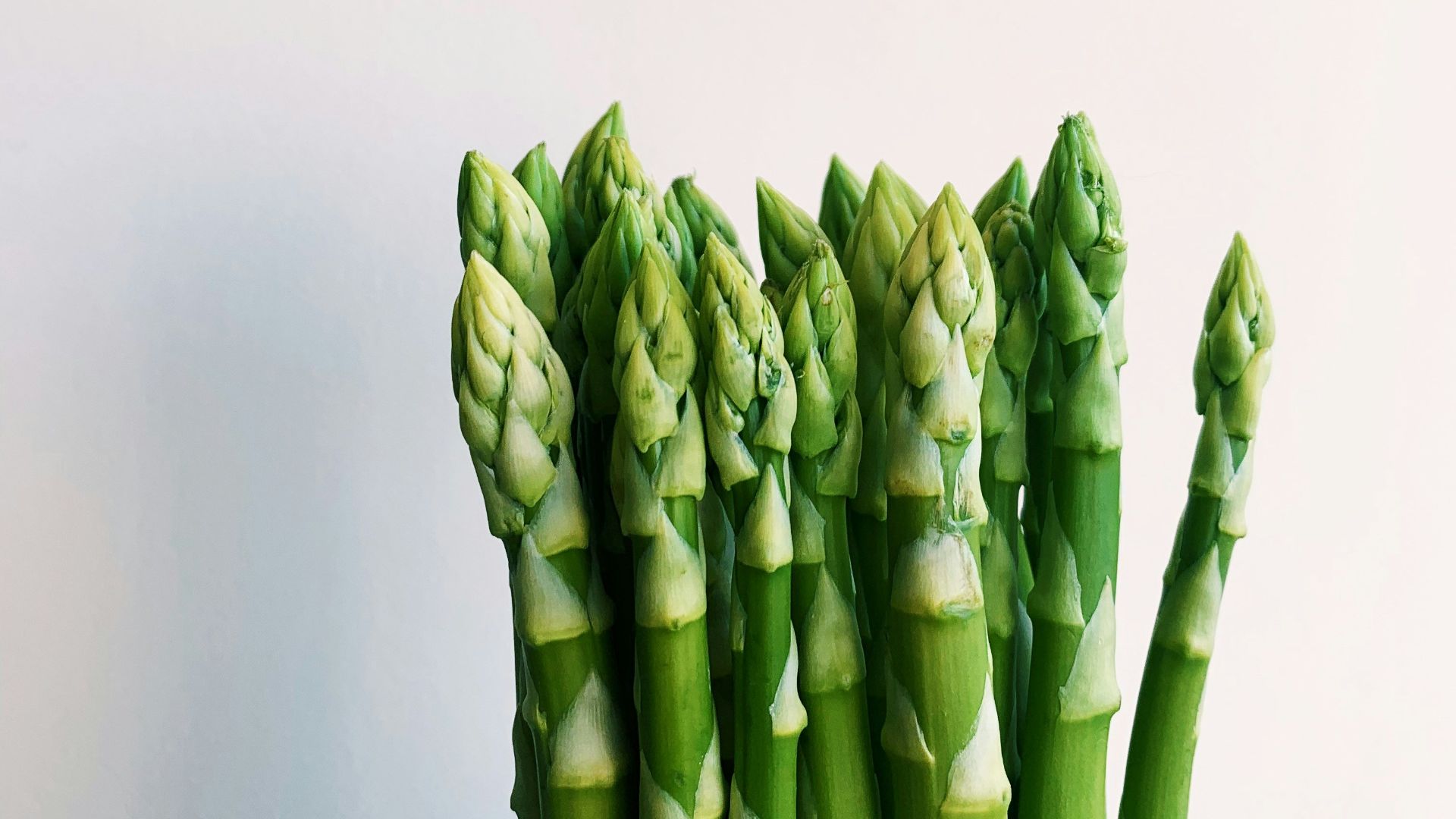
Roughly 40 percent of people can smell it, according to a genetics study from Harvard's school of public health, and the rest sit there confused by the conversation. The sulfur compounds responsible break down fast, sometimes within twenty minutes of the meal. Whether you produce the smell and whether you can detect it appear to be two separate genetic questions.
14. Milk Doesn't Coat Anything
Lining your stomach with milk before a night out has been passed down through generations and does close to nothing. Milk is protein and fat, it clears the stomach fairly quickly, and it may nudge acid production upward rather than down.
Whatever mild benefit exists comes from slowing alcohol absorption, which a slice of pizza handles just as well.

15. Cooking Tomatoes Improves Them
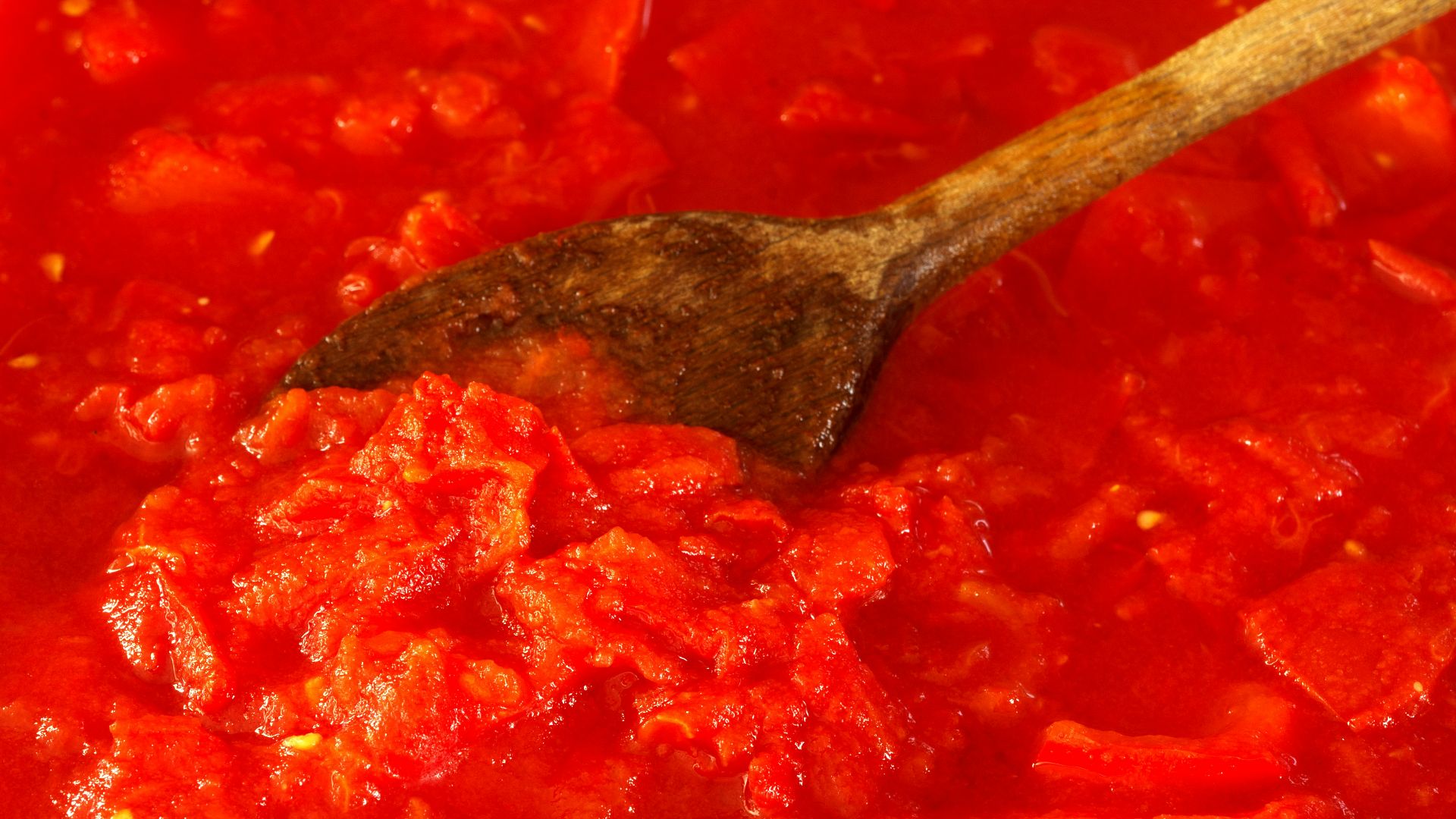
Heat collapses the cell walls of a tomato and reshapes its lycopene into a form your body absorbs far more easily. Some vitamin C is destroyed in the process, so it's a bit of a tradeoff. Canned sauce beats a fresh tomato on lycopene by a wide margin, which sounds backwards but holds up scientifically.
16. Your Taste Buds Are Temporary
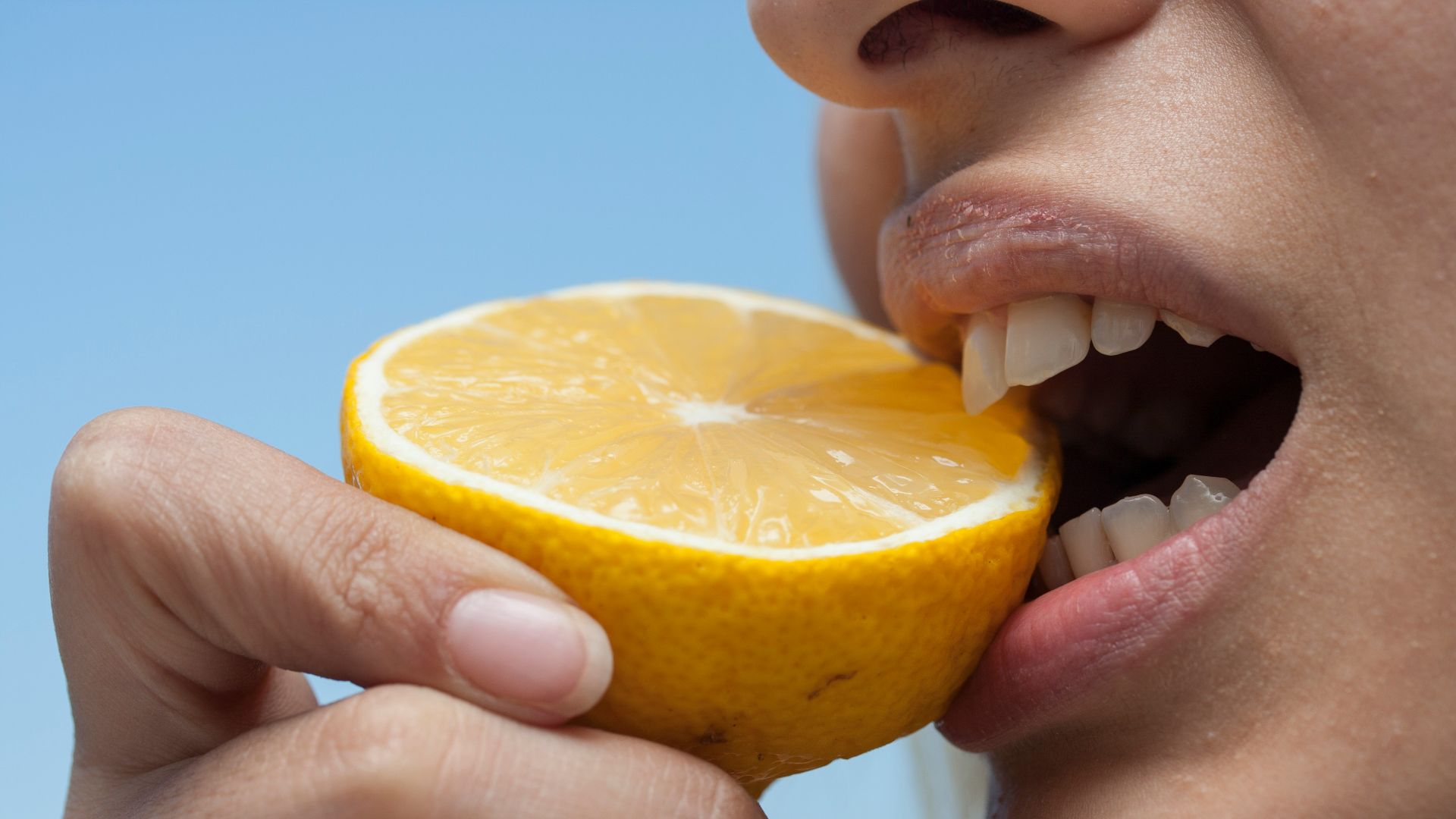
Every taste bud you own gets replaced within one to two weeks. Burning your mouth on pizza feels catastrophic for about three days and then simply stops being a problem. It also muddies the usual story about maturing palates, since the equipment doing the tasting isn't the equipment you had when you were nine.
17. Grapefruit Interferes With Medication
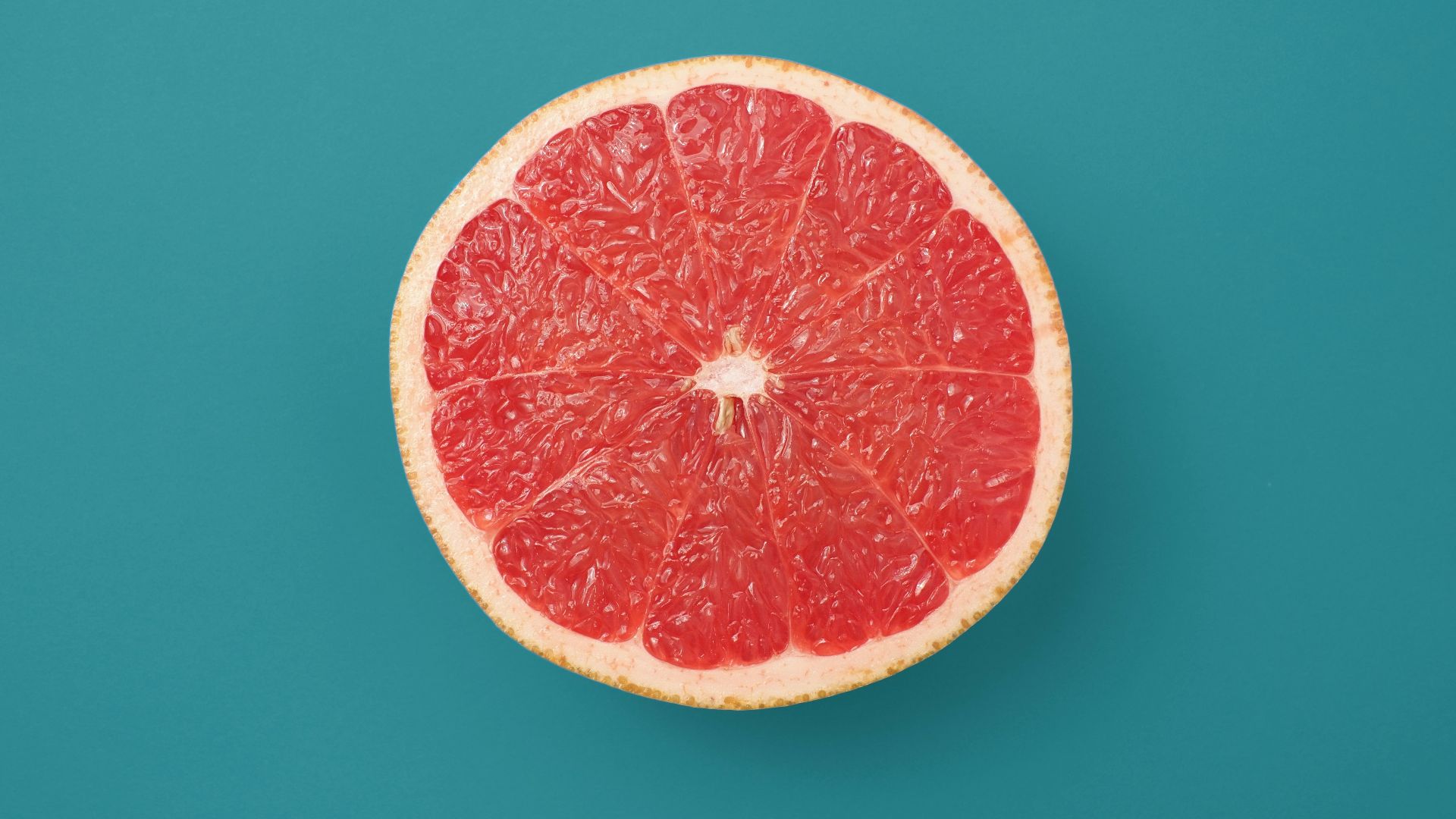
More than eighty prescription drugs carry a grapefruit warning, including several statins and blood pressure medications. The fruit disables an intestinal enzyme that normally destroys a chunk of a drug before it ever reaches your bloodstream. With that enzyme sidelined, a standard dose starts behaving like a much larger one.
18. Water Can Kill You
Drink enough of it fast enough and you'll end up in an emergency room. Flooding the system dilutes blood sodium until cells swell, and the cells inside your skull have nowhere to expand.
Most documented cases involve marathon runners or hazing rituals, both situations where someone is being encouraged to keep going.

19. Apple Seeds Contain Cyanide
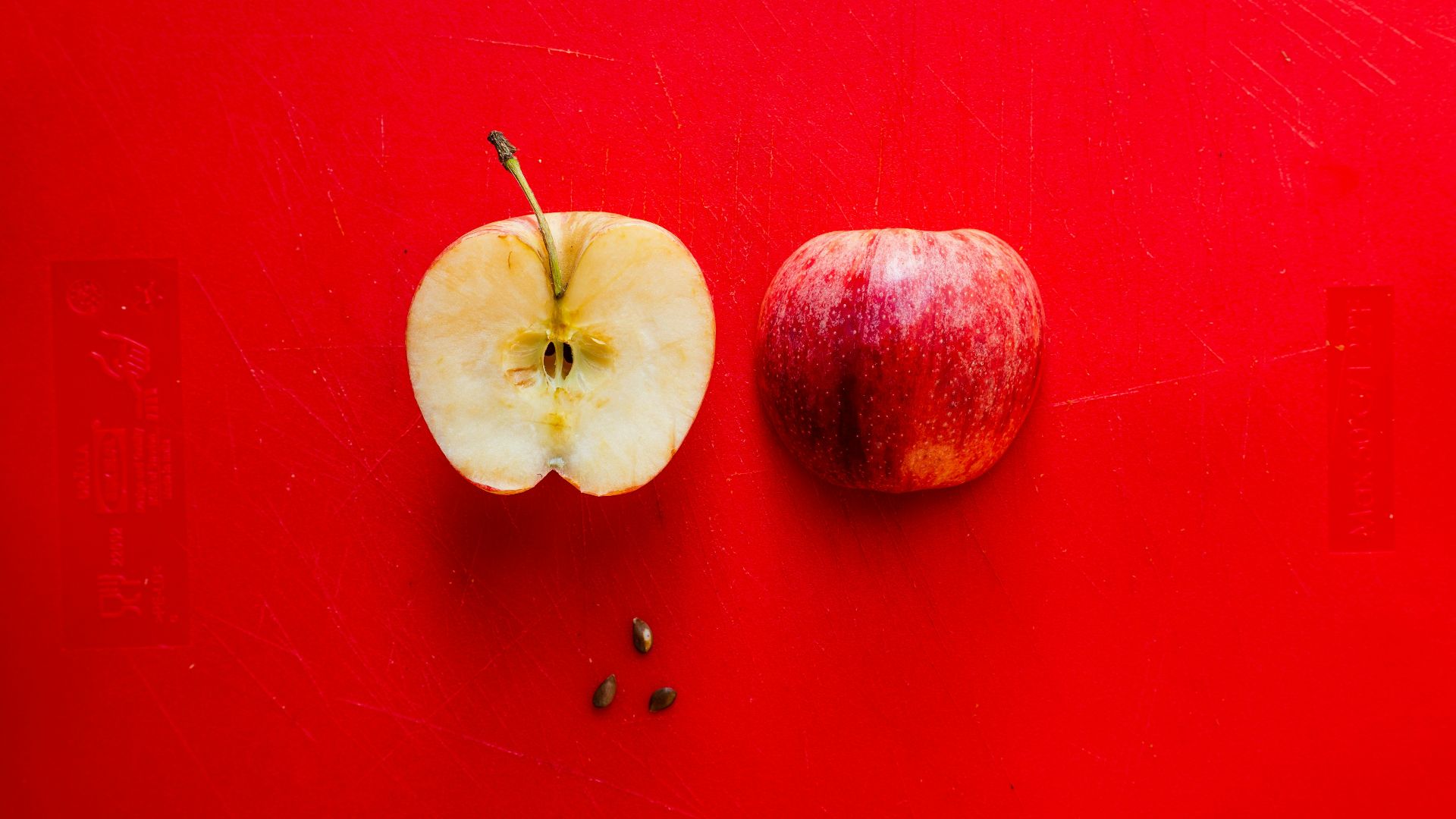
Swallowing an apple seed whole does absolutely nothing, because the coating survives the trip intact. Crush one and the amygdalin inside converts into hydrogen cyanide. Reaching a dangerous dose would take north of 150 seeds, thoroughly chewed, which is not an accident anyone has ever had.
20. Your Intestine Is Apartment-Sized
The absorbing surface of your small intestine is closer to a studio apartment than to the tennis court older textbooks claimed. Folds covered in villi covered in microvilli stack the total to around 30 square meters, according to measurements published in the Scandinavian Journal of Gastroenterology. All of that engineering exists so you can pull nutrients out of a burrito.
KEEP ON READING
The Most Popular Chocolate Bars in the USA

The Most Popular Candies in the USA