

20 Foods Nutritionists Wish People Would Stop Calling Healthy
Just Because Something Sounds Healthy Doesn't Mean It Is
Walk through any grocery store, and you'll find countless products promising to improve your health, boost your energy, or help you make better dietary choices. Unfortunately, some of these "nutritious" foods contain surprising amounts of added sugar, sodium, or other ingredients that make them less healthy than their packaging suggests. Even products that genuinely offer beneficial nutrients aren't always as good for you as you might think, especially when portion sizes and preparation methods come into play. From breakfast staples to trendy health foods, here are 20 items that nutritionists wish people would stop assuming are healthy.

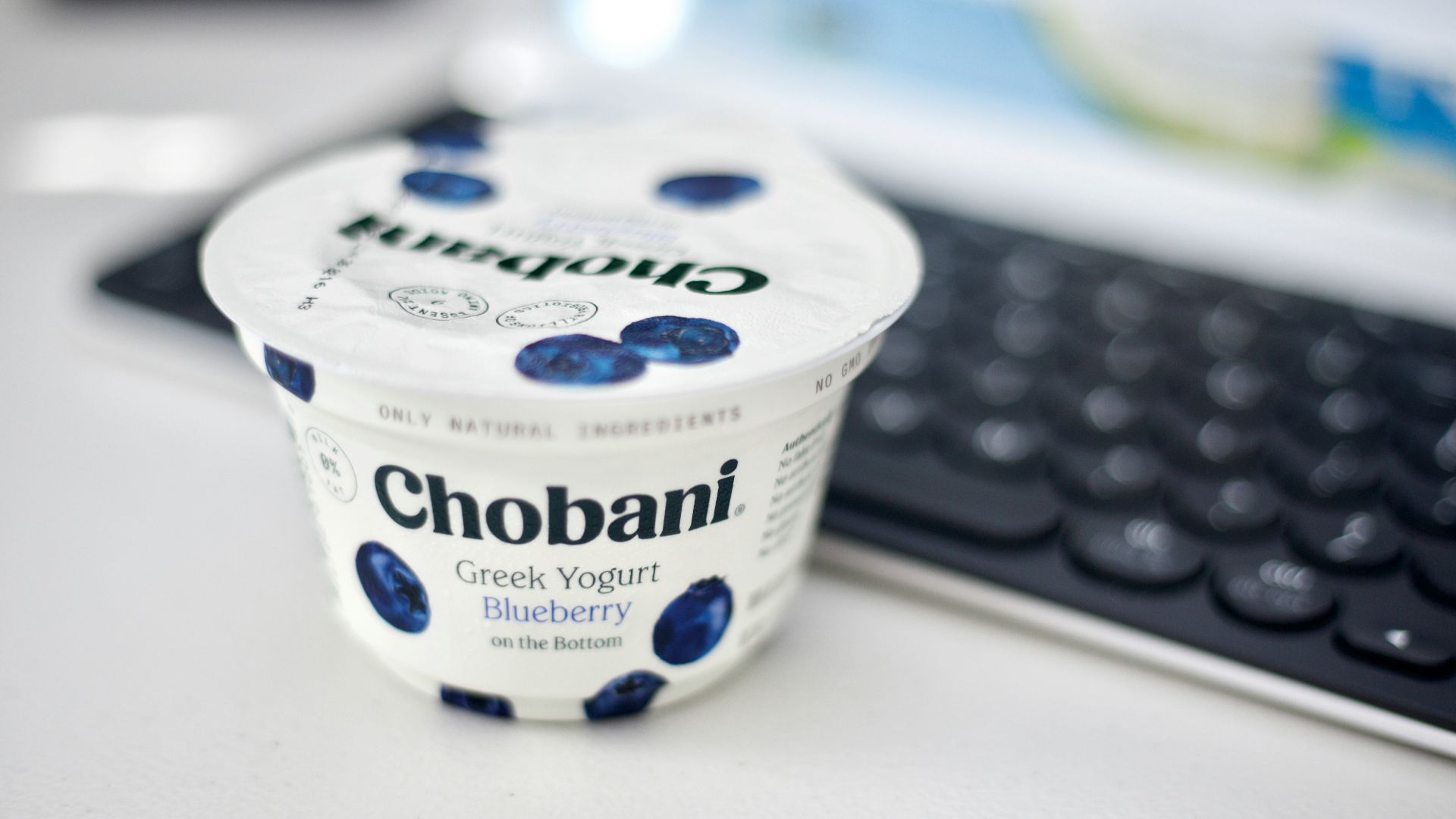
1. Flavored Yogurt
Yogurt has earned a great reputation thanks to its protein, calcium, and potentially beneficial live cultures. However, many flavored varieties contain surprisingly high amounts of added sugar, particularly those marketed as dessert-inspired breakfast options. Opting for plain yogurt and adding your own fresh fruit lets you enjoy the nutritional benefits without all the extra sweetness.
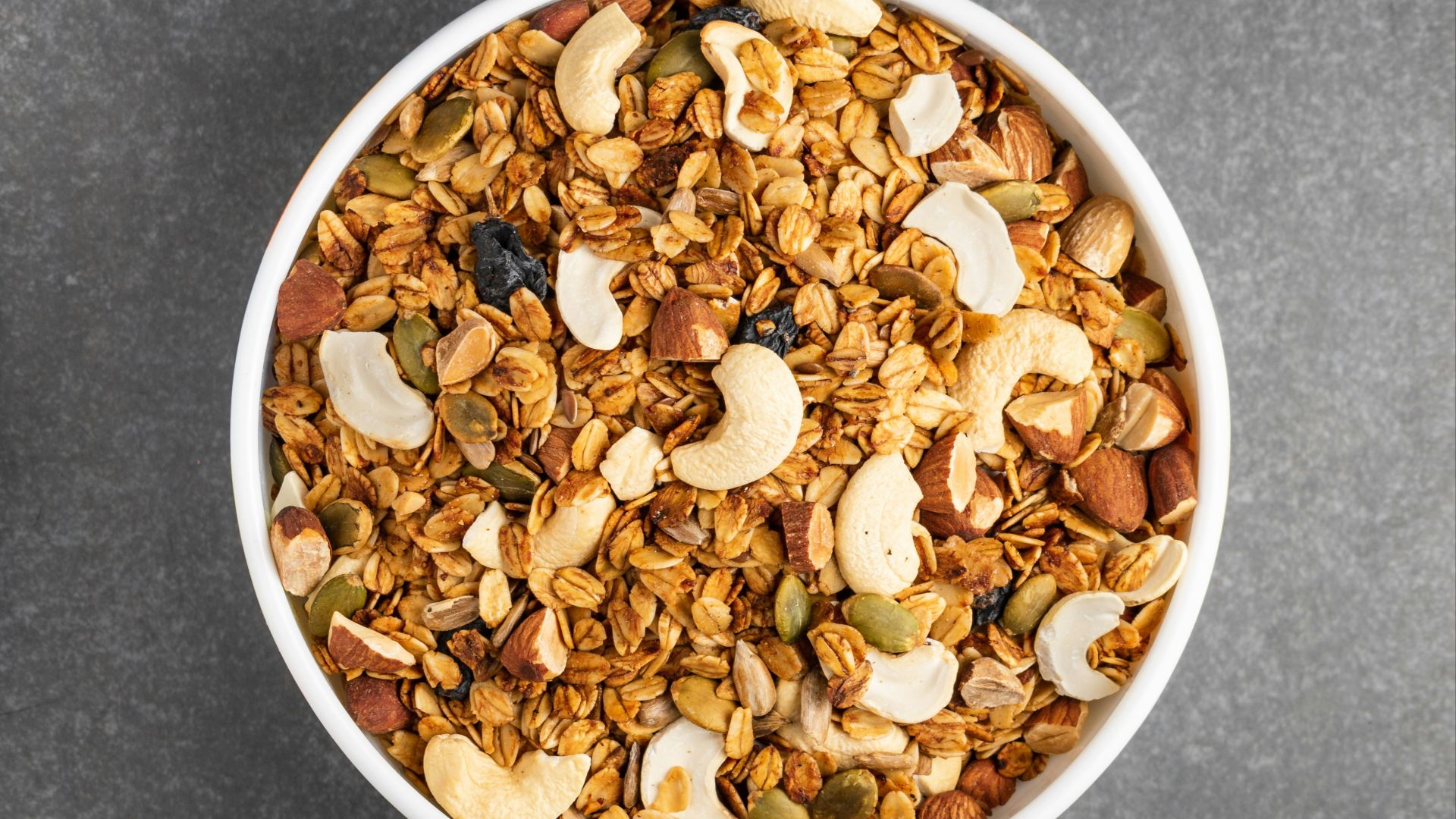
2. Granola
Granola sounds like an incredibly wholesome choice when you consider its usual ingredients, including oats, nuts, and seeds. Unfortunately, store-bought varieties can contain generous amounts of added sugar and oil, making them surprisingly calorie-dense. There's nothing wrong with enjoying granola, but nutritionists generally recommend paying attention to the serving size rather than assuming a giant bowl automatically makes for a nutritious breakfast.
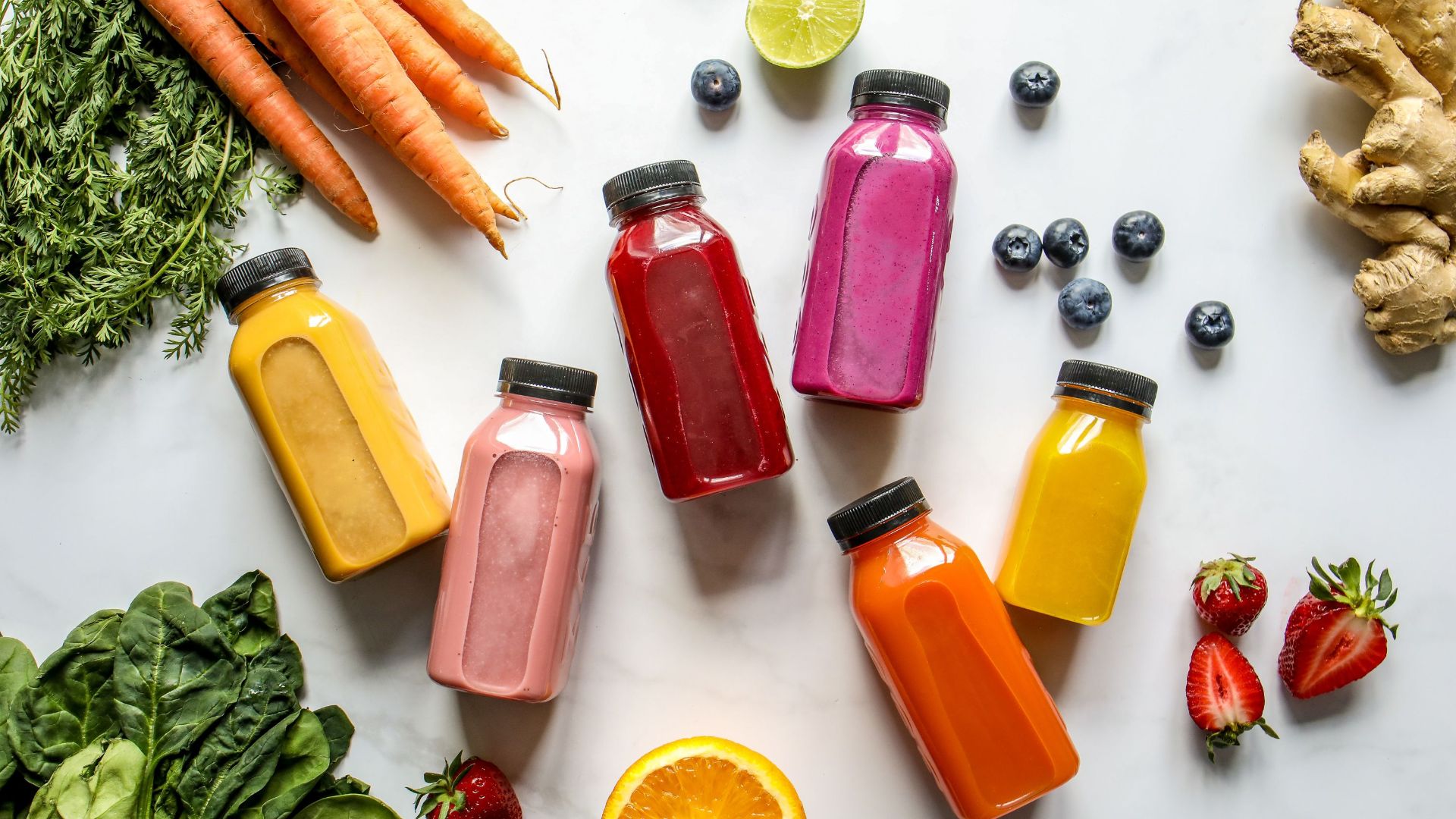
3. Bottled Smoothies
A smoothie made with whole fruits, vegetables, and protein-rich ingredients can certainly be part of a balanced diet. The trouble is that some bottled smoothies contain multiple servings of fruit puree or juice, delivering plenty of sugar without much protein or fiber to keep you full. Making your own with whole fruit, unsweetened yogurt, and other filling ingredients gives you more control over what you're actually drinking.
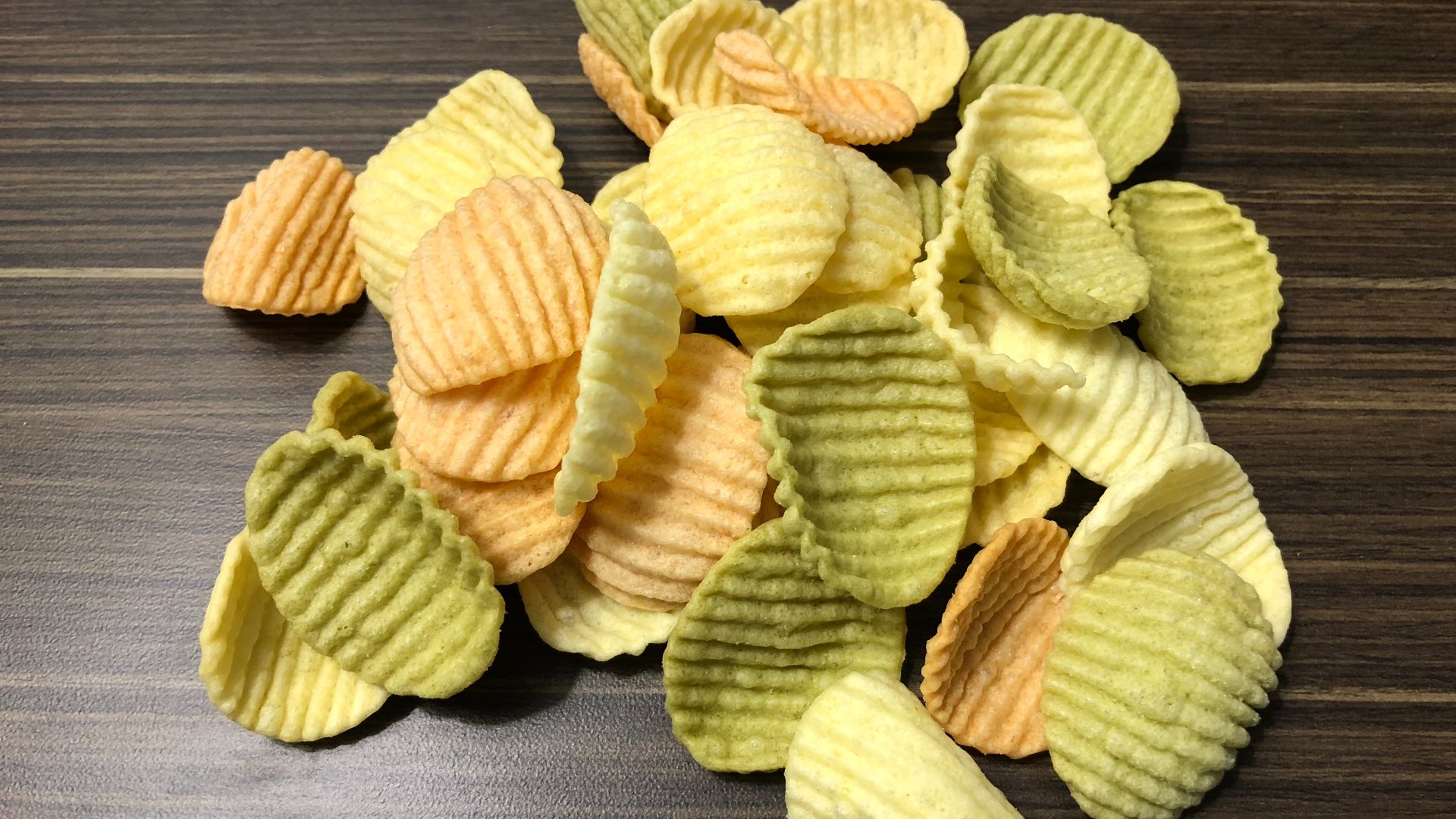
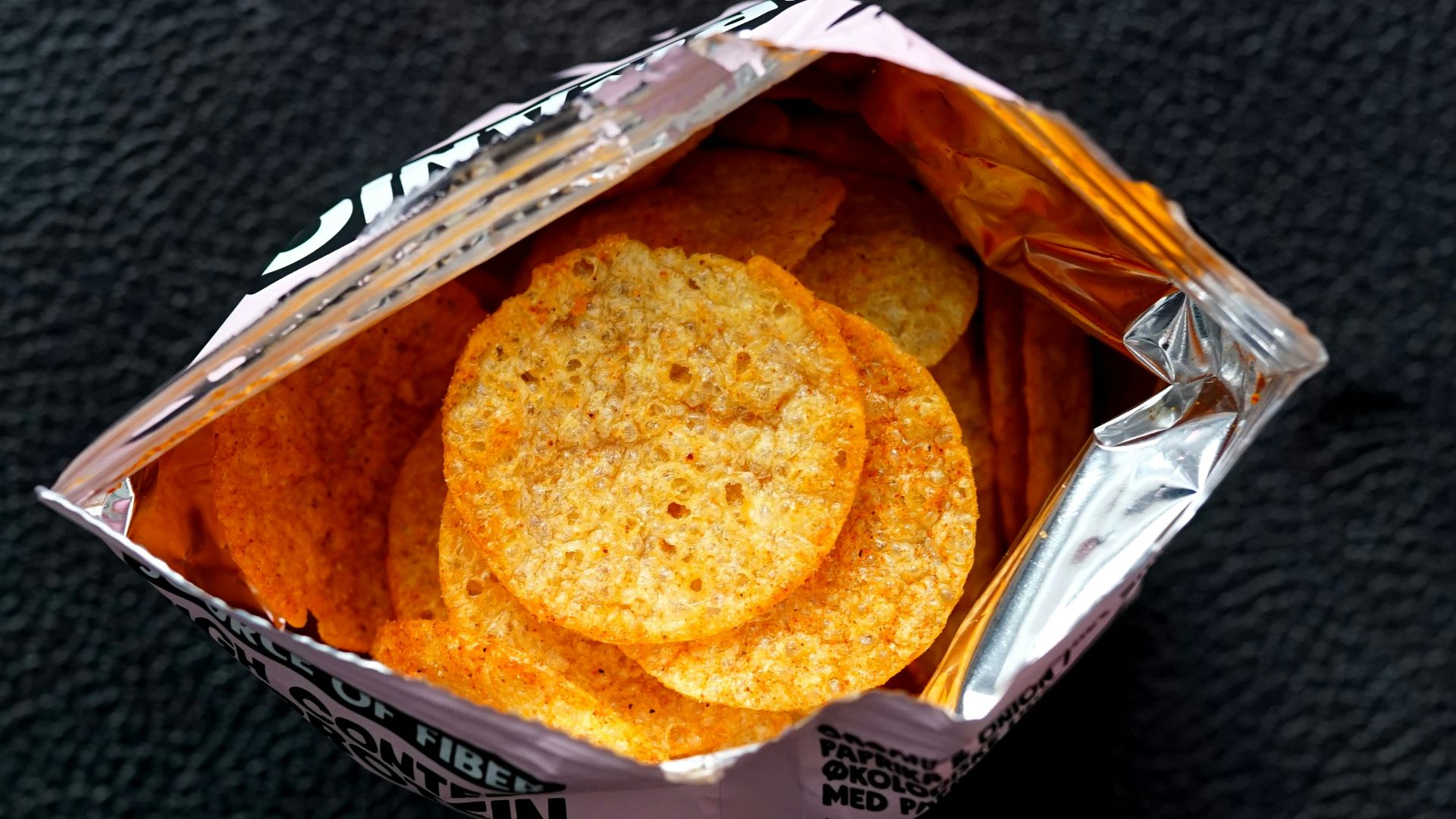
4. Veggie Chips
Don't let the colorful pictures of vegetables on the packaging fool you into thinking veggie chips are anywhere near as healthy as actual veggies. Many varieties are made primarily from potato starch, corn flour, or vegetable powders, giving them nutritional profiles that aren't much different from ordinary potato chips. They're perfectly fine to enjoy as snacks, as long as you treat them the same way you would a bag of chips.
5. Protein Bars
Protein bars have become a popular choice for people looking for convenient snacks that complement an active lifestyle. While some provide a decent combination of protein and fiber, others are loaded with added sugar and pack as many calories as a small meal. Before grabbing one based on its protein claims, it's worth checking the ingredient list and nutrition label to see what else you're getting.
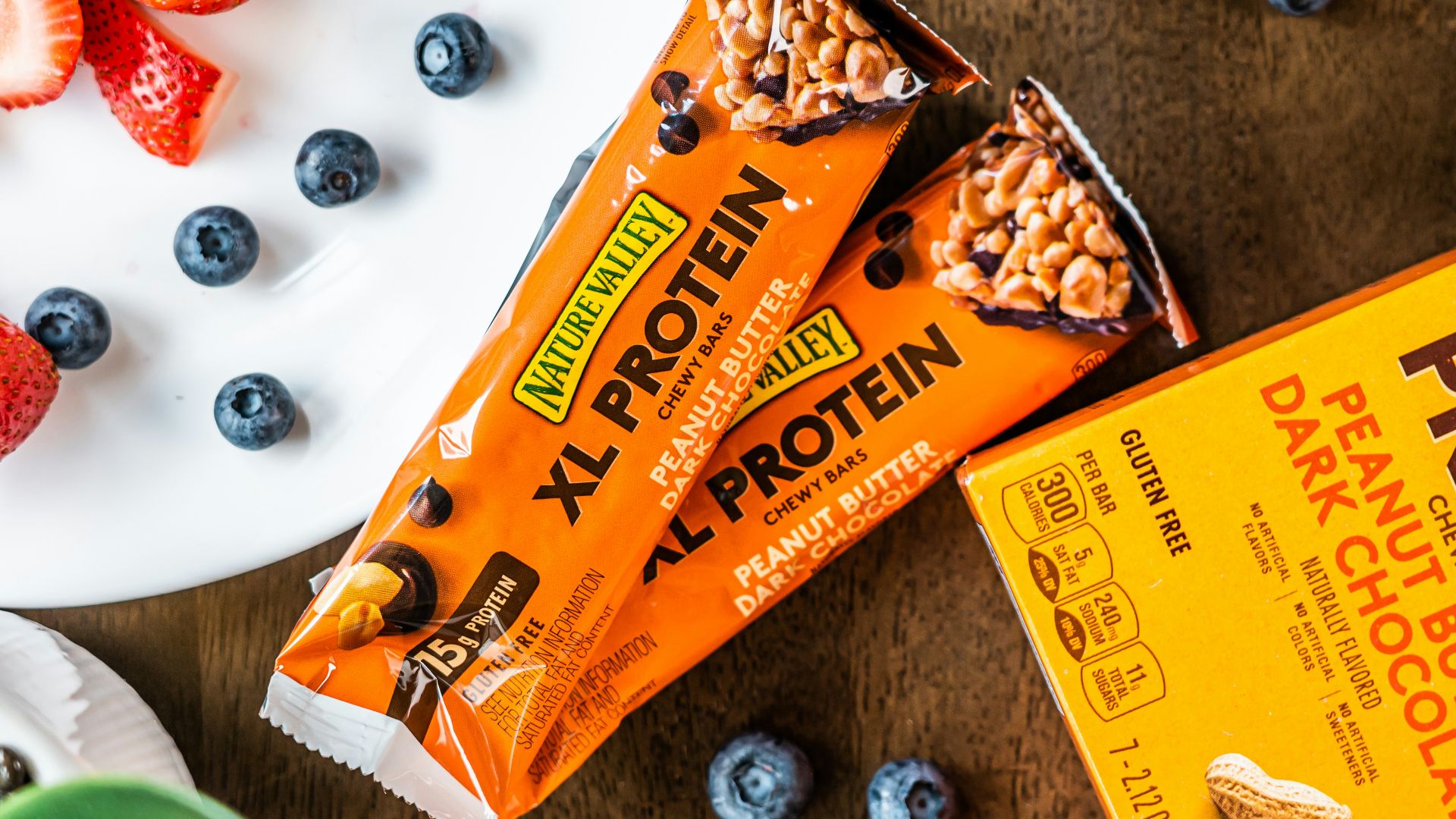 Hybrid Storytellers on Unsplash
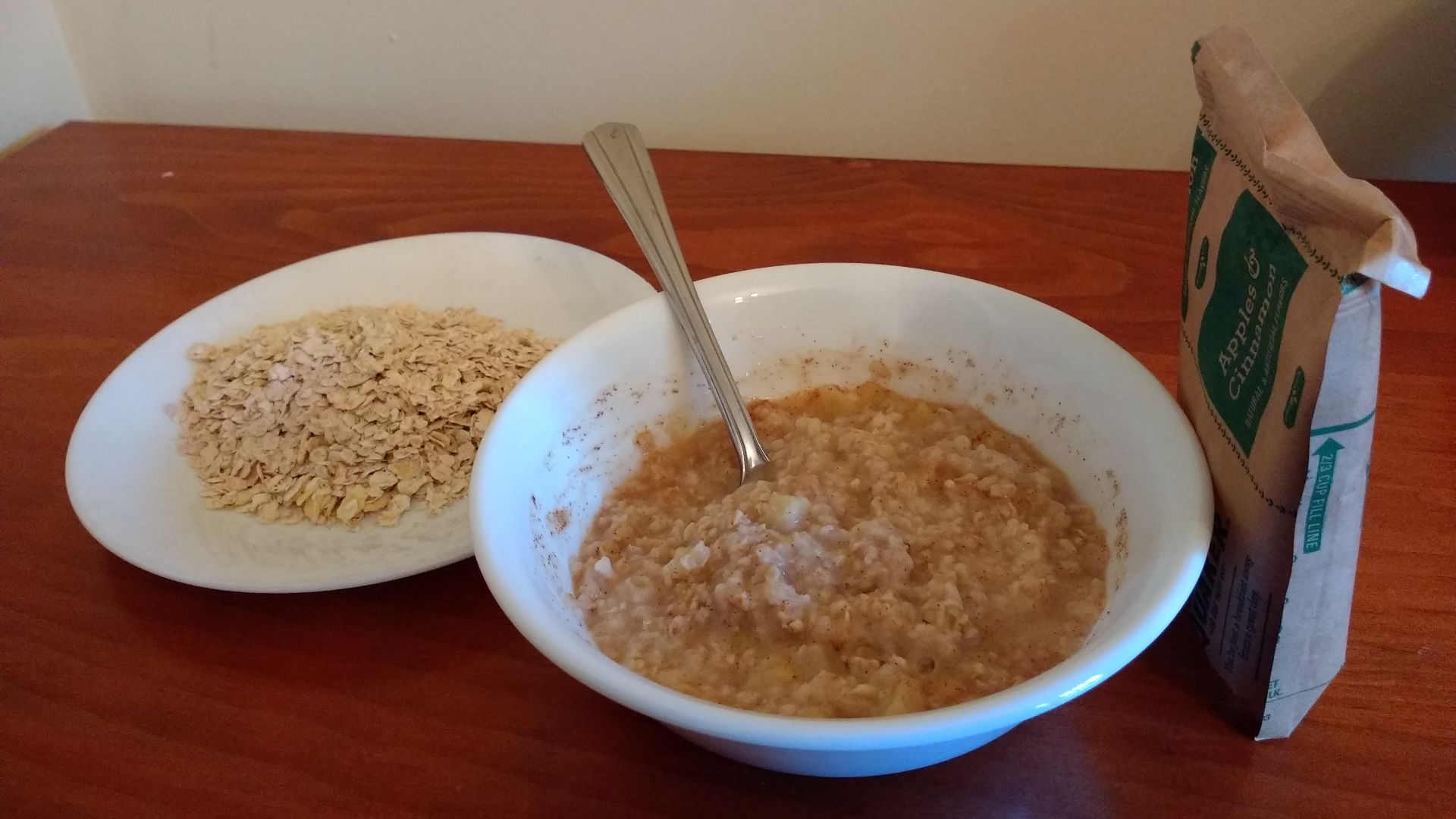
6. Instant Oatmeal Packets
Oatmeal is an excellent source of soluble fiber, particularly beta-glucan, which can help support healthy cholesterol levels. However, flavored instant oatmeal packets sometimes come with plenty of added sugar, especially varieties inspired by cookies, maple syrup, or other sweet treats. Plain instant oats are just as convenient, and you can easily dress them up with fresh fruit, cinnamon, or a handful of nuts.
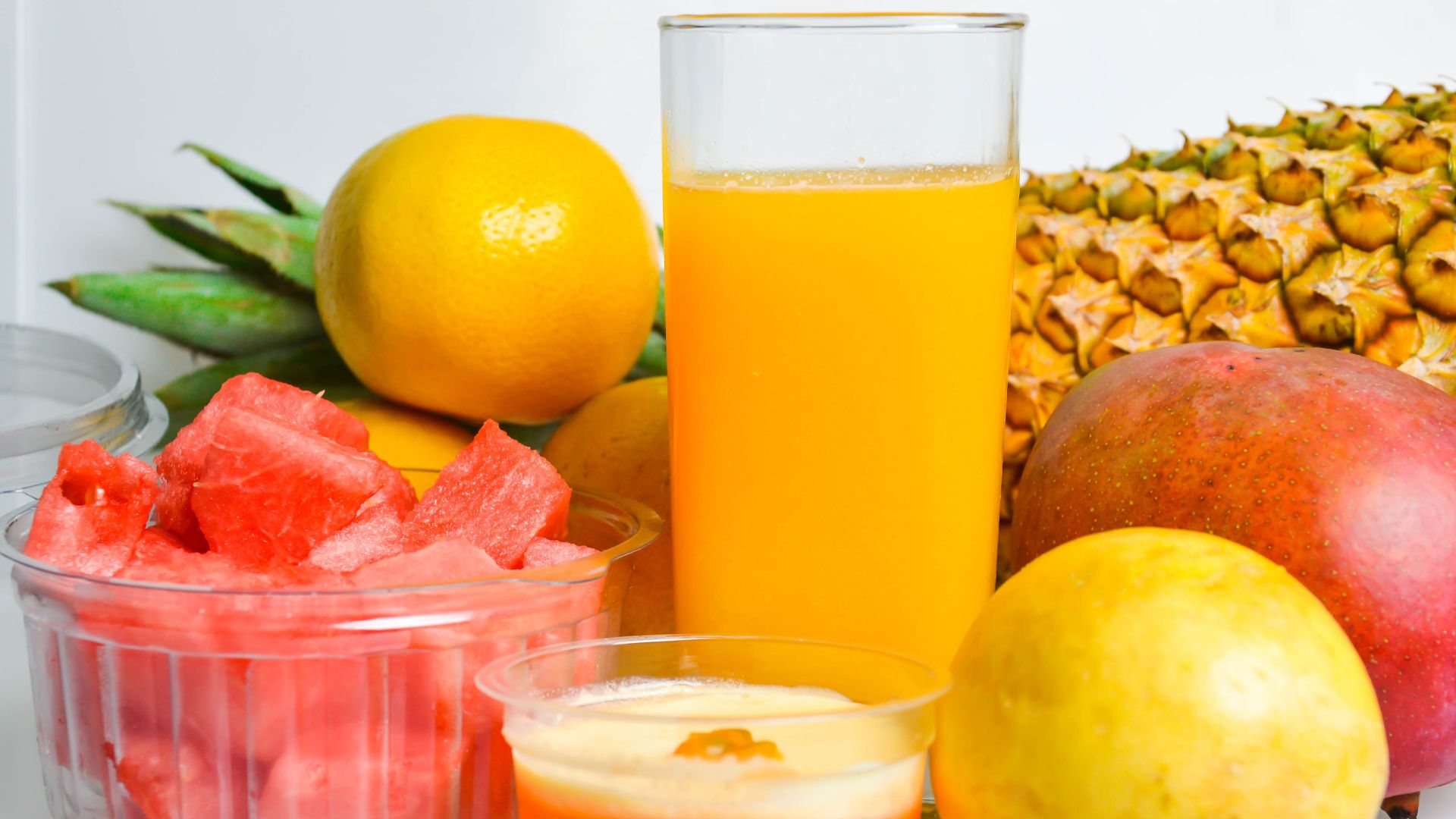
7. Fruit Juice
Fruit juice might contain vitamins and natural ingredients, but that doesn't make it nutritionally equivalent to eating whole fruit. The juicing process removes much of the fiber that helps keep you satisfied, making it easy to drink the sugars from several pieces of fruit in one sitting. Even 100% fruit juice without added sugar is something best enjoyed in moderation rather than treated as an unlimited health drink.
8. Store-Bought Salad Dressing
A big salad can provide plenty of vegetables, fiber, and essential vitamins, but it's worth paying attention to what you're pouring on top. Some creamy and sweetened bottled dressings contain considerable sodium, added sugar, or saturated fat, depending on how they're made. Since a little dietary fat actually helps your body absorb certain vitamins, there's no reason to avoid dressing entirely, but choosing one with a reasonable nutritional profile makes sense.

9. Low-Fat Cookies
It's easy to assume that removing fat automatically makes something healthier, which helps explain why low-fat cookies have remained popular for so long. To make up for changes in texture and flavor, manufacturers sometimes add extra sugar or refined starches, leaving you with a product that isn't particularly nutritious. At the end of the day, a cookie with less fat is still a cookie, and you don't need to convince yourself it's healthy to enjoy one occasionally.

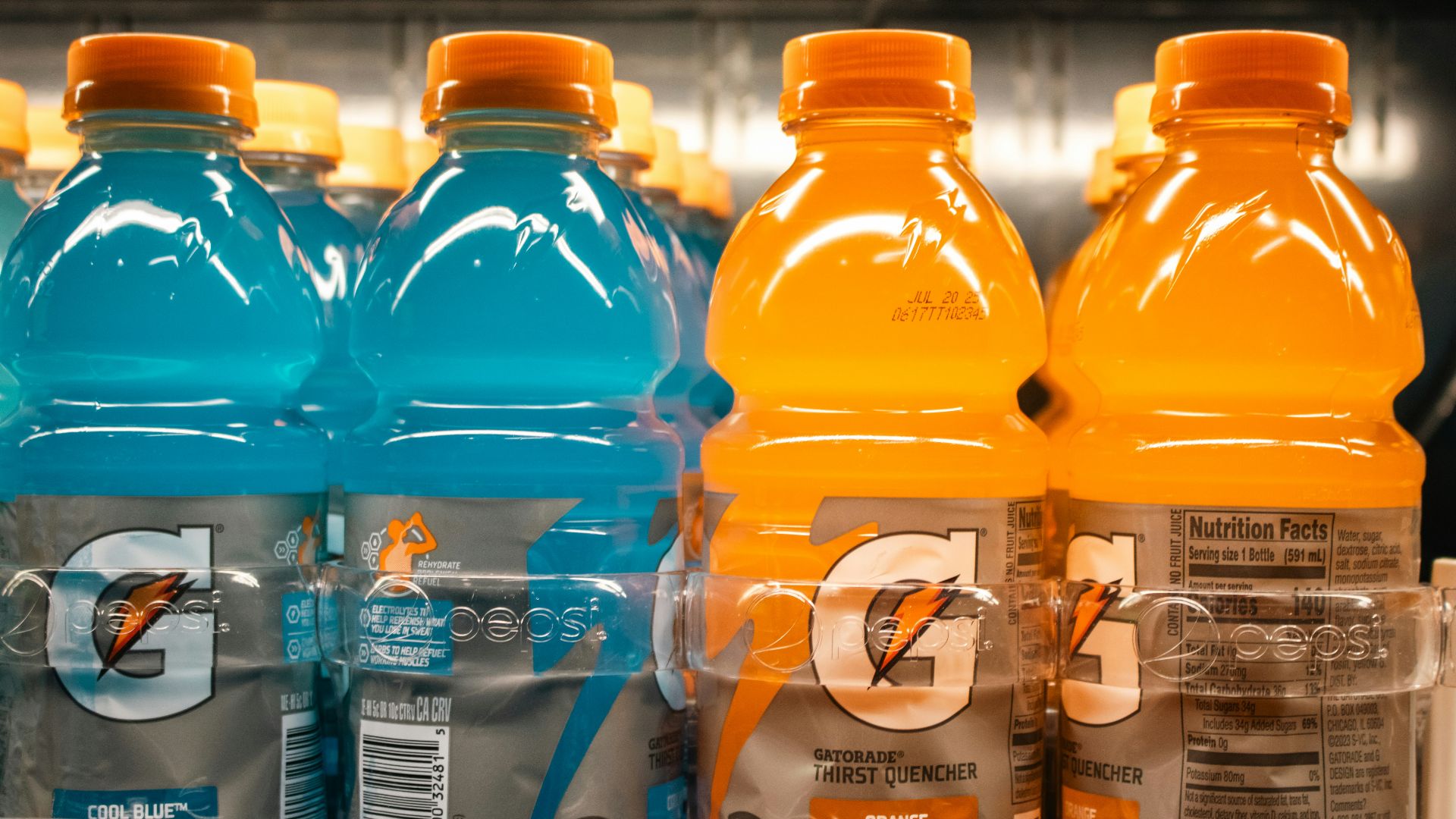
10. Sports Drinks
Sports drinks certainly have their place, especially during prolonged, intense exercise when your body needs to replace fluids and electrolytes lost through sweating. However, plenty of people reach for them during everyday activities that don't call for extra sugar or specialized hydration. Unless you're working out intensely for an extended period or have another specific hydration need, regular water will generally do the job just fine.
11. Gluten-Free Packaged Snacks
Gluten-free foods are essential for people with celiac disease and can also benefit those with certain other medical conditions. That said, eliminating gluten doesn't automatically make a product more nutritious, and some gluten-free crackers, cookies, and breads actually contain less fiber than their conventional counterparts. If you don't have a medical reason to avoid gluten, there's no need to assume that a gluten-free label makes a packaged snack the healthier choice.
 THE ORGANIC CRAVE Ⓡ on Unsplash
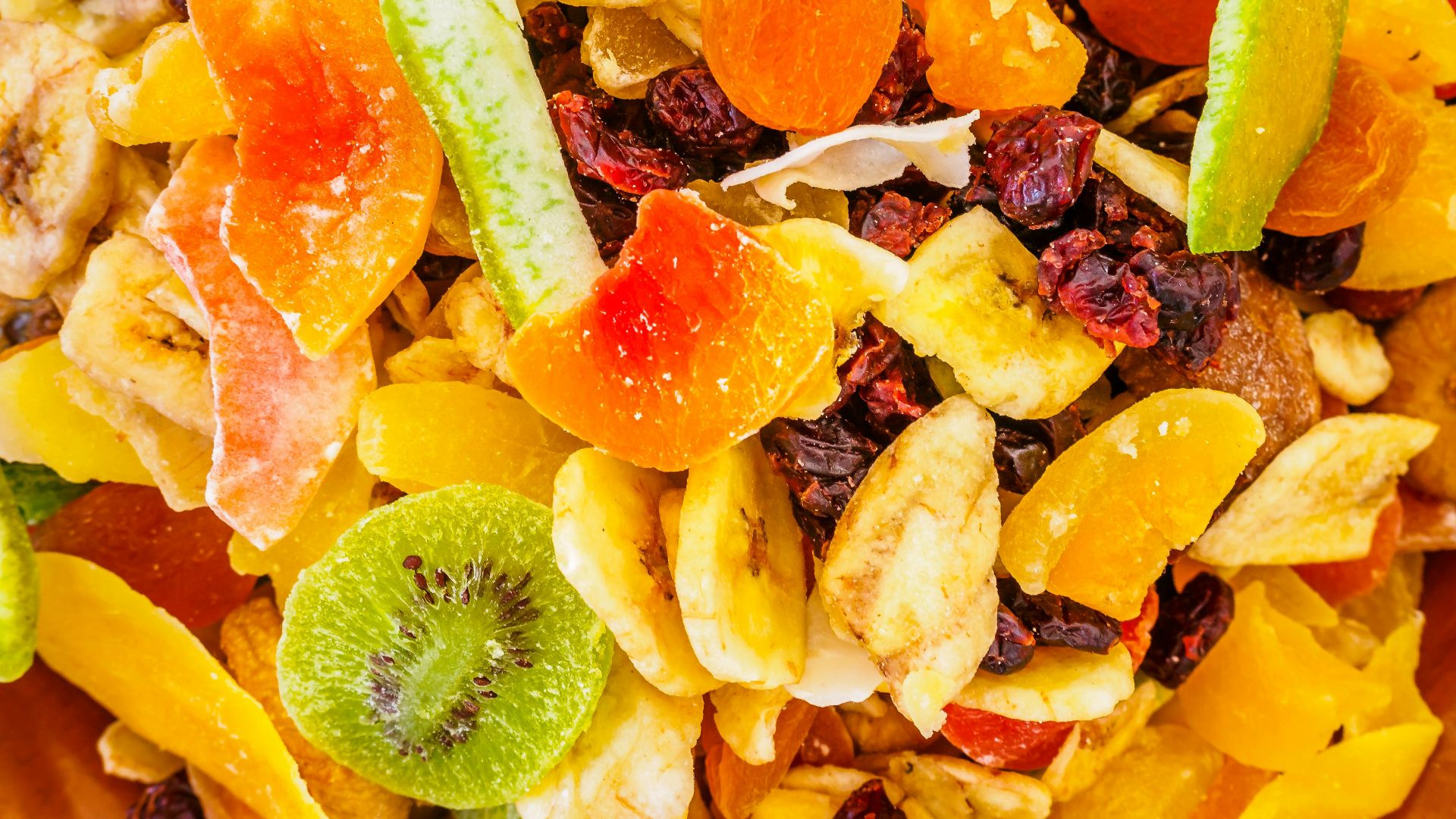
12. Dried Fruit
Raisins, dried cranberries, and other dried fruits can be nutritious additions to your diet, offering fiber and certain essential minerals. However, removing their water concentrates the natural sugars and calories into much smaller portions, making it surprisingly easy to eat more than you intended. Some packaged varieties also contain added sugar, so checking the ingredients is a good idea before assuming every bag is equally nutritious.
 Alexander Schimmeck on Unsplash
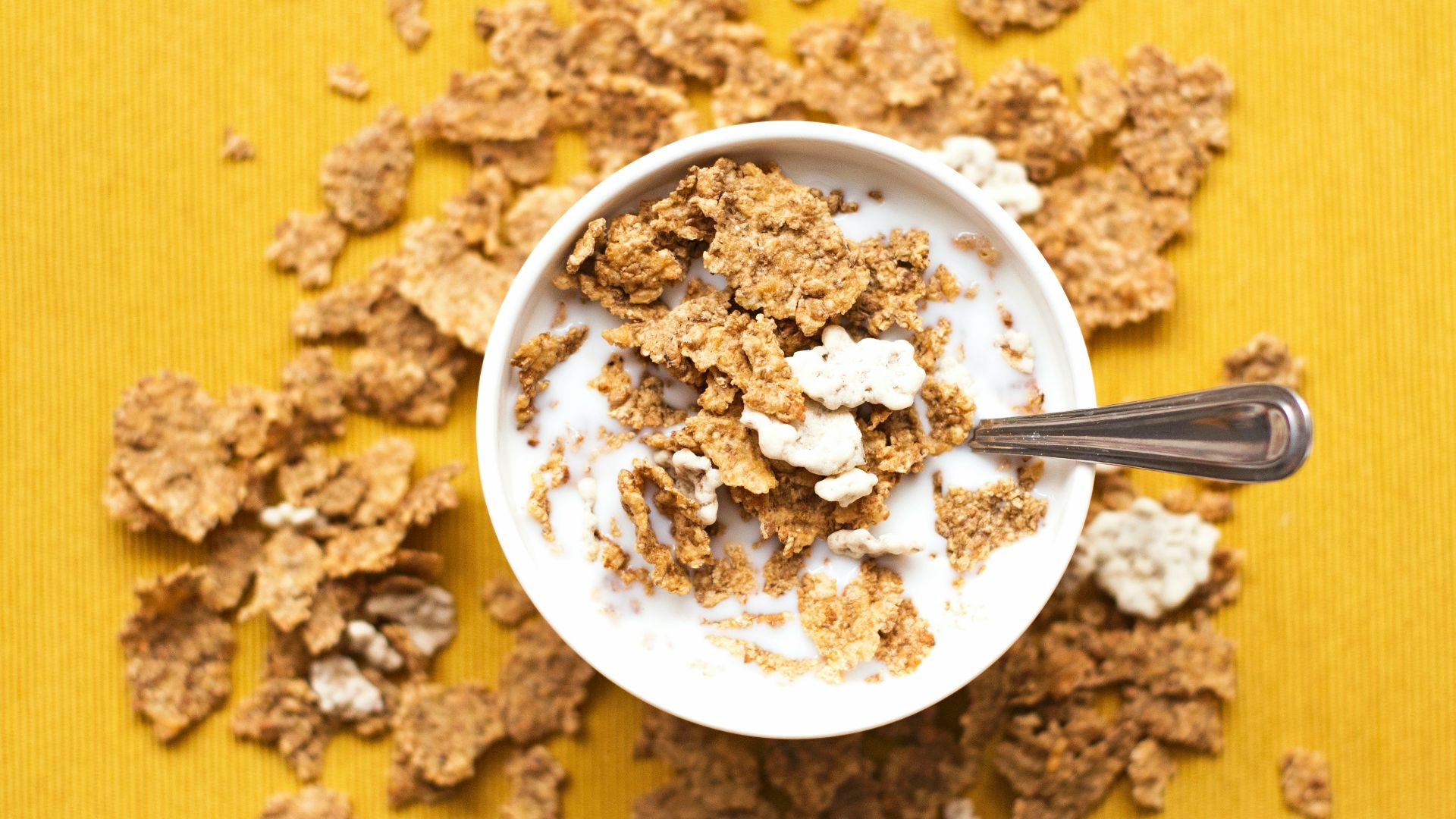
13. Breakfast Cereals Marketed as High-Fiber
Seeing a cereal box proudly advertising its fiber content might make you think you've found the perfect healthy breakfast. Unfortunately, some brands pair that impressive fiber content with substantial amounts of added sugar, making the overall nutritional picture less appealing than the packaging suggests. Taking a moment to compare fiber, added sugar, and serving sizes can help you separate genuinely nutritious cereals from those relying on clever marketing.
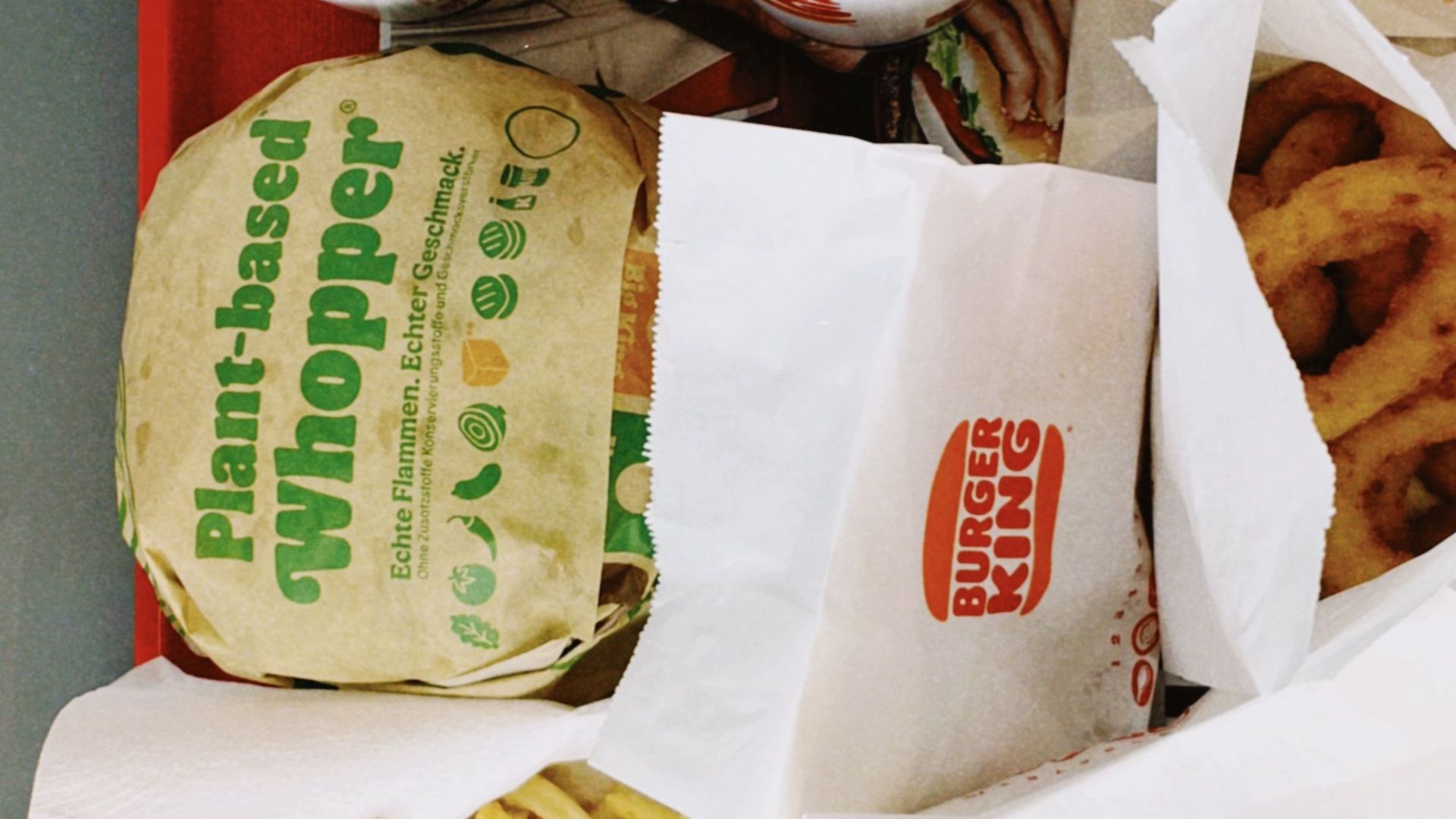
14. Plant-Based Burgers
Plant-based burgers are often associated with healthier eating, particularly among people trying to cut back on red meat. While some provide plenty of protein and make useful alternatives, others contain surprising amounts of sodium and saturated fat from ingredients such as coconut oil. Because nutritional profiles vary considerably between brands, choosing a plant-based burger doesn't necessarily mean you're making a healthier decision.
15. Frozen Yogurt
Frozen yogurt has spent years enjoying a reputation as a lighter alternative to traditional ice cream, and some varieties really do contain less fat. However, many still pack considerable amounts of added sugar, while oversized servings and generous toppings can send the calorie count climbing. There's absolutely nothing wrong with enjoying frozen yogurt for dessert, but its yogurt content doesn't automatically make it a health food.

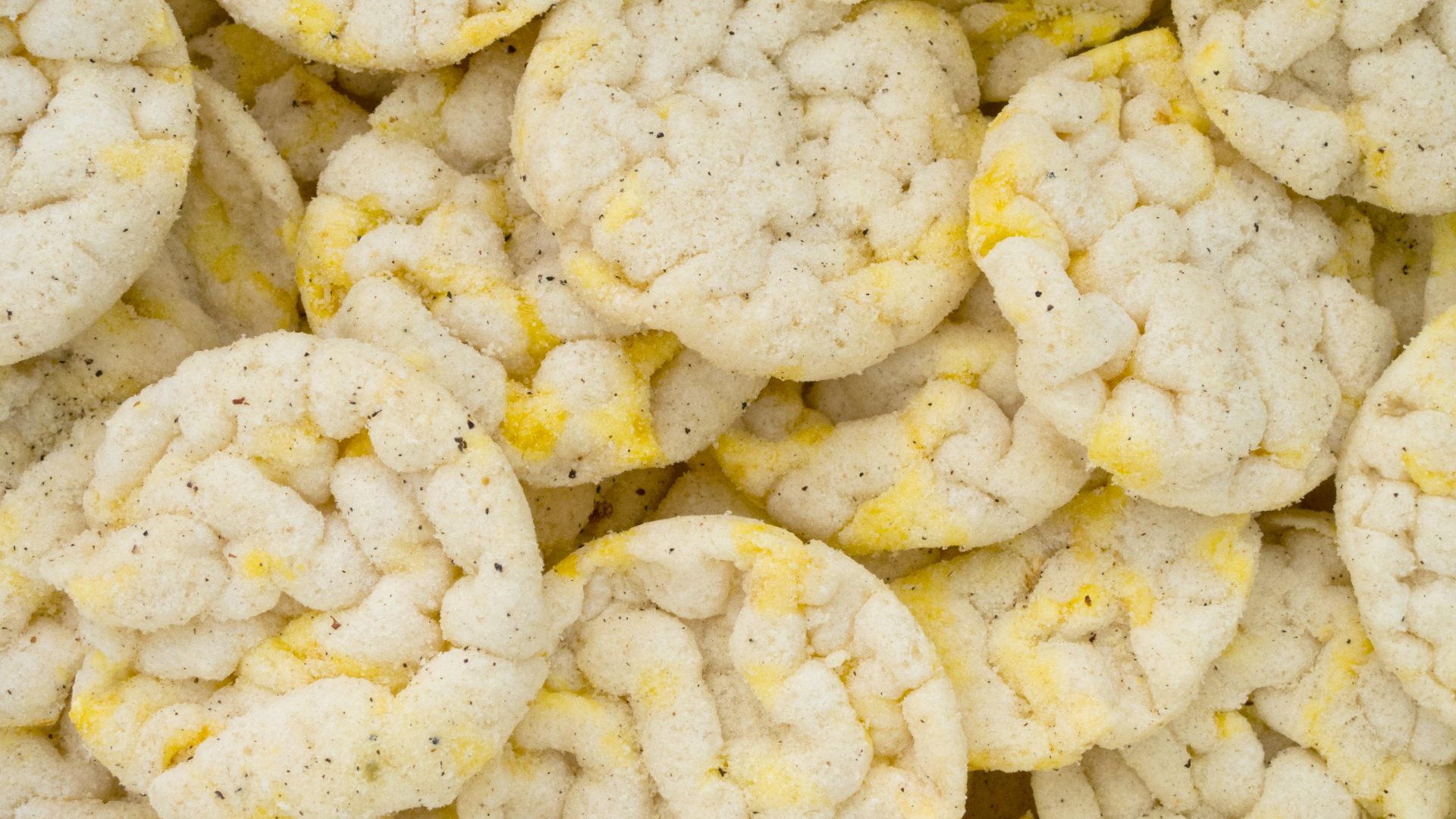
16. Flavored Rice Cakes
Plain rice cakes are relatively low in calories, which helped make them a favorite among people looking for diet-friendly snacks. Unfortunately, they don't offer much protein or fiber, so you might find yourself hungry again shortly after eating them. Flavored varieties can also contain added sugar or sodium, making plain rice cakes topped with peanut butter or another nutritious ingredient a more satisfying option.
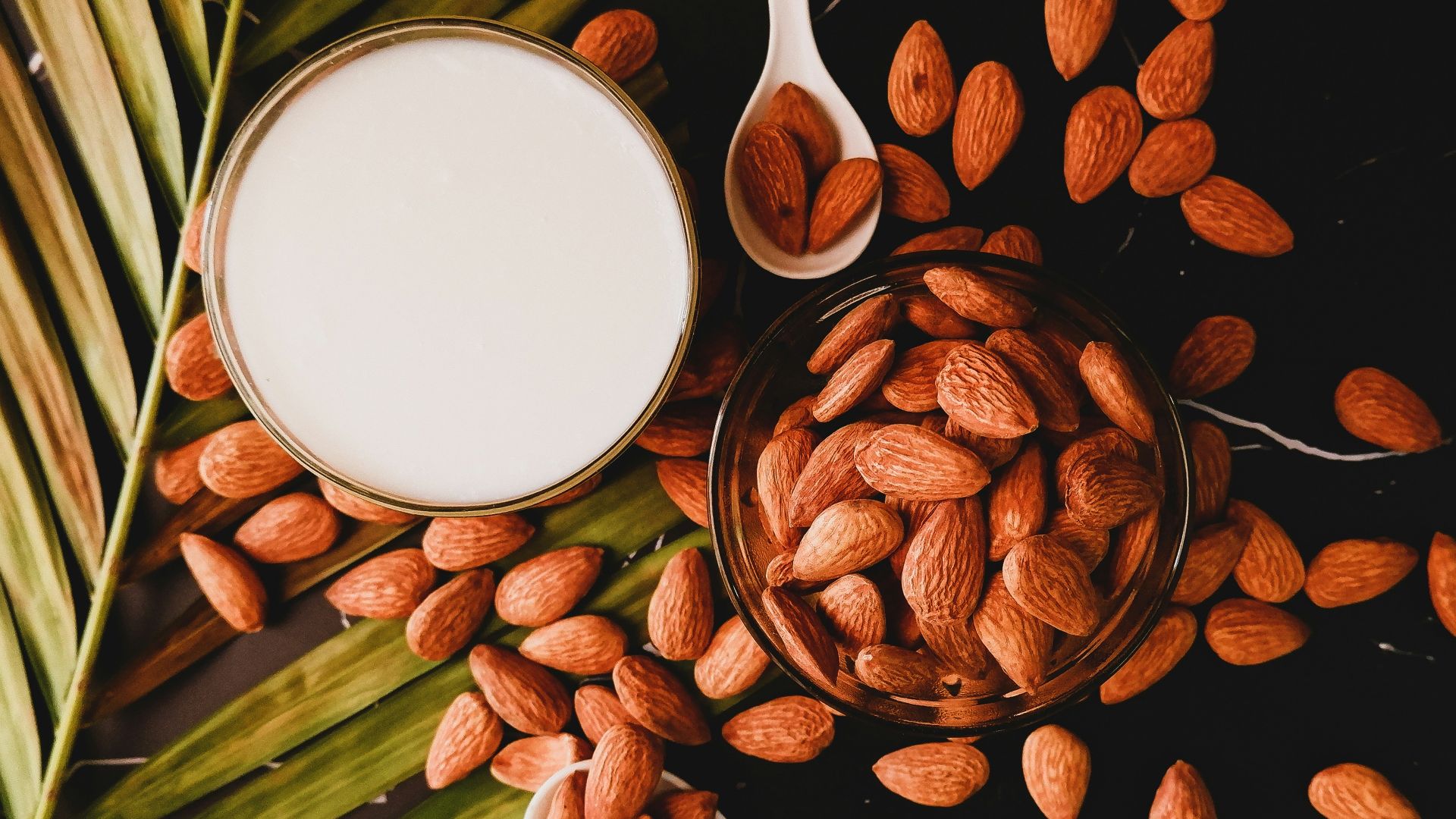
17. Sweetened Almond Milk
Almond milk is widely promoted as a nutritious dairy alternative, especially for people who avoid lactose or animal products. Although fortified varieties can provide calcium and vitamin D, sweetened versions may contain added sugar while generally offering much less protein than cow's milk or fortified soy milk. If almond milk is replacing dairy in your everyday diet, it's worth checking the label to make sure you're getting the nutrients you need.
18. Premade Salad Kits
Premade salad kits make it much easier to eat more vegetables, especially when you're pressed for time and don't feel like chopping everything yourself. However, some include generous portions of creamy dressing, sweetened toppings, cheese, or crunchy extras that can significantly increase the sodium and calorie content. Those additions don't necessarily make the salad unhealthy, but checking the complete nutrition label is more helpful than assuming anything sold as a salad must be good for you.

19. Agave Syrup
Agave syrup is often promoted as a more natural alternative to regular table sugar, making it particularly appealing to health-conscious shoppers. Although it has a lower glycemic index than table sugar, agave is especially high in fructose and still counts toward your intake of added sugars. Most nutrition experts recommend limiting added sugar overall rather than assuming that swapping it for a trendy sweetener automatically makes your diet healthier.

20. Vitamin-Enhanced Water
A drink with added vitamins might sound like an easy way to stay hydrated while giving your nutrition a little boost. Unfortunately, many vitamin-enhanced waters contain large amounts of added sugar, and those extra nutrients might not offer much benefit if you're already getting enough through your diet. For everyday hydration, plain water remains your best option, while eating a varied diet is generally a more reliable way to get the essential vitamins and minerals your body needs.
 LOGAN WEAVER | @LGNWVR on Unsplash
KEEP ON READING