Why Your Fridge Door Is the Worst Place for Milk
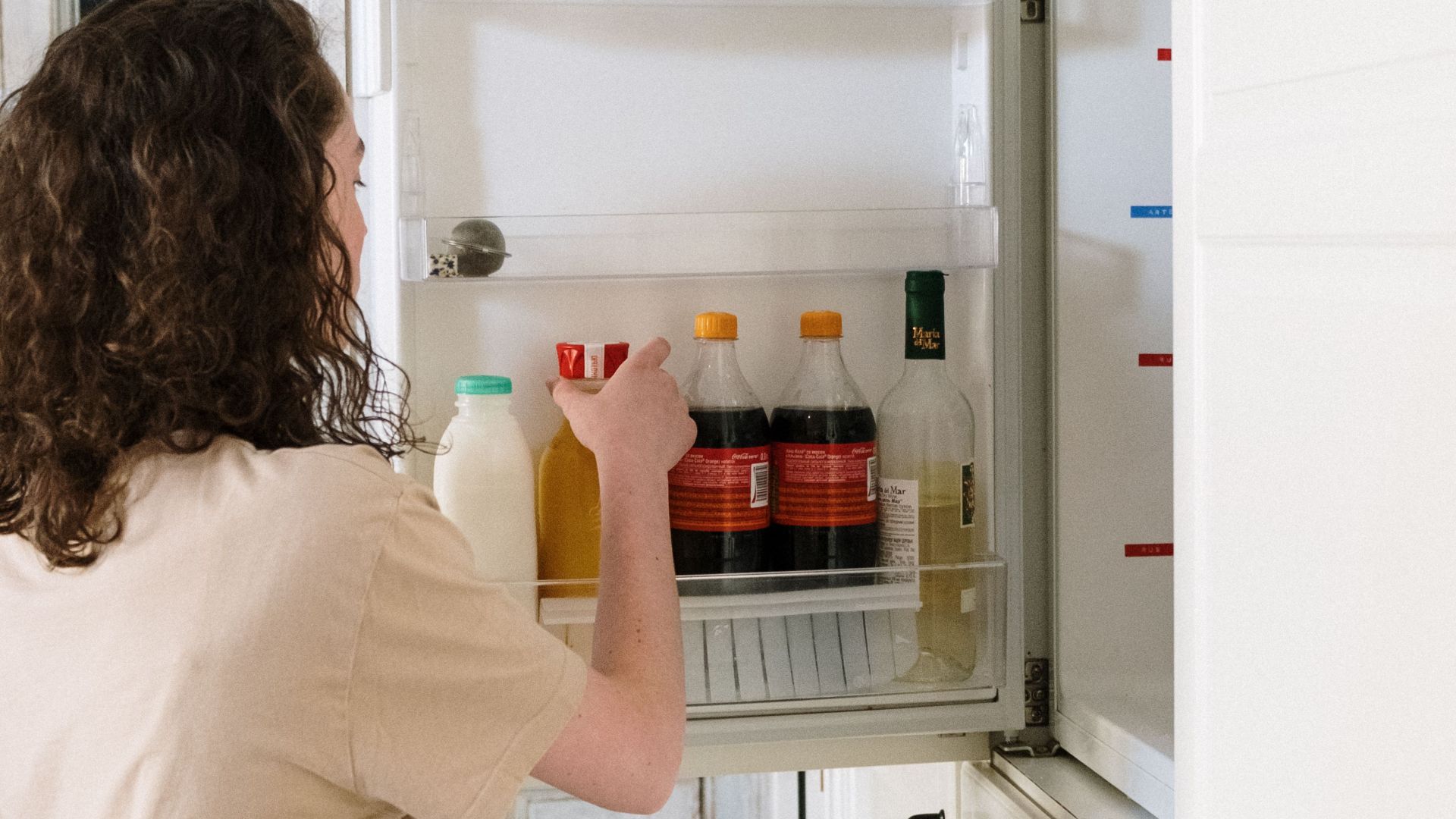
Storing milk in the refrigerator door feels like second nature to many of us. After all, those tall compartments seem perfectly designed to hold cartons and bottles. Unfortunately, that convenient location might be causing your milk to spoil faster than it should. The problem has less to do with the milk itself and more to do with how your fridge works.
Although every part of your fridge might feel equally cold, temperatures can vary quite a bit depending on where you place your groceries. Some areas stay consistently chilled, while others experience frequent temperature changes throughout the day. Understanding these differences could help you keep your milk fresh longer, reduce food waste, and avoid pouring spoiled dairy into your morning coffee.
Your Refrigerator Door Isn't as Cold as You Think
The biggest problem with storing milk in the fridge door is that it's typically one of the warmest areas of the refrigerator. Unlike the interior shelves, which are surrounded by cold air, door compartments sit closer to the outside environment. Every time you open the refrigerator, they're directly exposed to warmer room temperatures, making maintaining an adequately cold environment more difficult.
You might not notice these temperature changes because the door still feels chilly when you reach for something. However, even relatively small fluctuations can affect foods that require careful refrigeration. According to the U.S. Department of Agriculture, refrigerators should maintain temperatures of 40 degrees Fahrenheit or below to keep perishable foods safe. Milk is particularly sensitive to improper storage because it provides favorable conditions for bacterial growth.
How frequently you open your refrigerator also makes a difference. In busy households, the door might be opened dozens of times throughout the day as people grab snacks, prepare meals, or search for ingredients. Each opening allows warmer air to reach the containers stored along the door. Although the refrigerator eventually cools down again, repeated exposure can make this location less reliable for temperature-sensitive groceries.
While modern refrigerators are definitely better at regulating temperatures than older models, the issue hasn't been eliminated completely. Some appliances have advanced cooling systems designed to reduce temperature variations, although their effectiveness differs between models. Even with these improvements, interior shelves generally provide a more stable environment for dairy products. That consistency is especially important when you're trying to make an opened carton last.
Temperature Changes Can Make Milk Spoil Faster
Milk naturally contains nutrients and moisture that allow microorganisms to grow under the right conditions. While pasteurization destroys harmful pathogens and reduces the number of spoilage organisms, it doesn't make ordinary refrigerated milk completely sterile. Bacteria can still multiply over time, particularly when storage temperatures become too warm. That's why proper refrigeration matters from the moment you bring your groceries home.
As certain spoilage bacteria multiply, they gradually change the milk's flavor, smell, and texture. You might first notice a slightly sour taste before the carton develops a stronger odor or unusual consistency. Warmer storage temperatures can accelerate this process, potentially shortening the time your milk remains enjoyable.
What's more, the date printed on your milk carton doesn't guarantee that it'll remain fresh until that exact day. These dates generally reflect the manufacturer's expectations about quality under appropriate storage conditions, and their meaning can vary by state and labeling system. A carton that's repeatedly exposed to warmer temperatures might spoil earlier than expected while properly refrigerated milk may sometimes remain acceptable beyond its printed date.
It's also important to remember that spoiled milk and unsafe milk aren't necessarily the same thing. Some harmful bacteria can grow without producing obvious changes in smell, taste, or appearance, so you shouldn't rely exclusively on your senses to judge safety. Leaving milk unrefrigerated for extended periods is particularly risky, regardless of whether it still smells normal. Maintaining a reliably cold temperature is a much better precaution than checking the carton after something seems wrong.
Where You Should Actually Store Your Milk
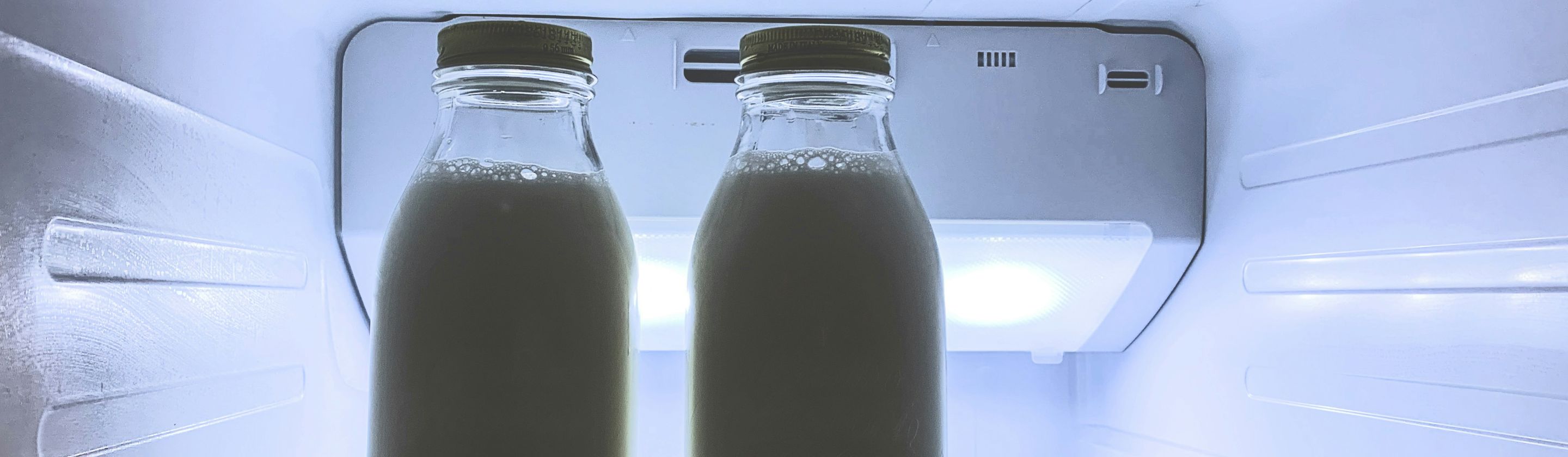
For better storage, move your milk to an interior refrigerator shelf, preferably toward the back where temperatures tend to fluctuate less. The middle or lower shelves are often suitable choices, depending on your refrigerator's design and cooling system. Keeping the carton away from the door reduces its exposure to warm air whenever someone opens the fridge. Just make sure there's enough room around your groceries for proper air circulation.
If you're unsure which part of your refrigerator stays coldest, a simple appliance thermometer can help. The USDA recommends checking that your refrigerator maintains a temperature of 40 degrees Fahrenheit or below, and you can measure different areas to identify warmer spots. Setting the appliance around 37 degrees gives you some flexibility while keeping food safely chilled, provided nothing starts freezing. Regular temperature checks are especially useful if your refrigerator is older or frequently packed with groceries.
Of course, moving your milk doesn't mean you have to abandon those convenient door compartments altogether. They're better suited to items such as mustard, ketchup, and many commercially prepared condiments that generally tolerate modest temperature fluctuations better than fresh dairy. Be sure to follow each product's storage instructions, since some sauces and dressings are more perishable than others. Rearranging a few items can make your refrigerator more practical without sacrificing valuable storage space.
Small habits can make almost as much difference as choosing the right shelf. Return milk to the refrigerator as soon as you're done with it and keep the container tightly closed. It's also worth buying quantities your household can realistically finish rather than repeatedly throwing away unfinished cartons. With a little attention to storage, you can help your milk stay fresh longer while making fewer unnecessary trips to the grocery store.
KEEP ON READING

The Most Popular Signature Dishes Around the World