What Collagen Can Do for You
Collagen is the most abundant protein in your body, and it helps support the structure and function of skin, joints, bones, tendons, and ligaments. As you age, your natural collagen production tends to decline, which is one reason many people look for ways to support skin elasticity, joint comfort, and overall connective tissue strength through diet and lifestyle. Here are 20 ways you can keep collagen production up.

1. Bone Broth
Bone broth is made by simmering animal bones, releasing proteins that give the liquid a richer, fuller body. You can sip it warm, use it as the base for soups, or swap it in for water when cooking grains. Look for versions with minimal added sodium if you drink it often. If you make it at home, longer simmering usually produces a thicker texture once cooled.
 Jonathan Pielmayer on Unsplash
2. Gelatin
Gelatin is a concentrated protein ingredient that works in both sweet and savory recipes. You can stir unflavored gelatin into homemade gummies, panna cotta, or even soups for extra body. Since it is not a full meal, it makes the most sense as an add-on rather than a main source of nutrition. Pairing it with vitamin C-rich foods can support the body processes that rely on that nutrient.

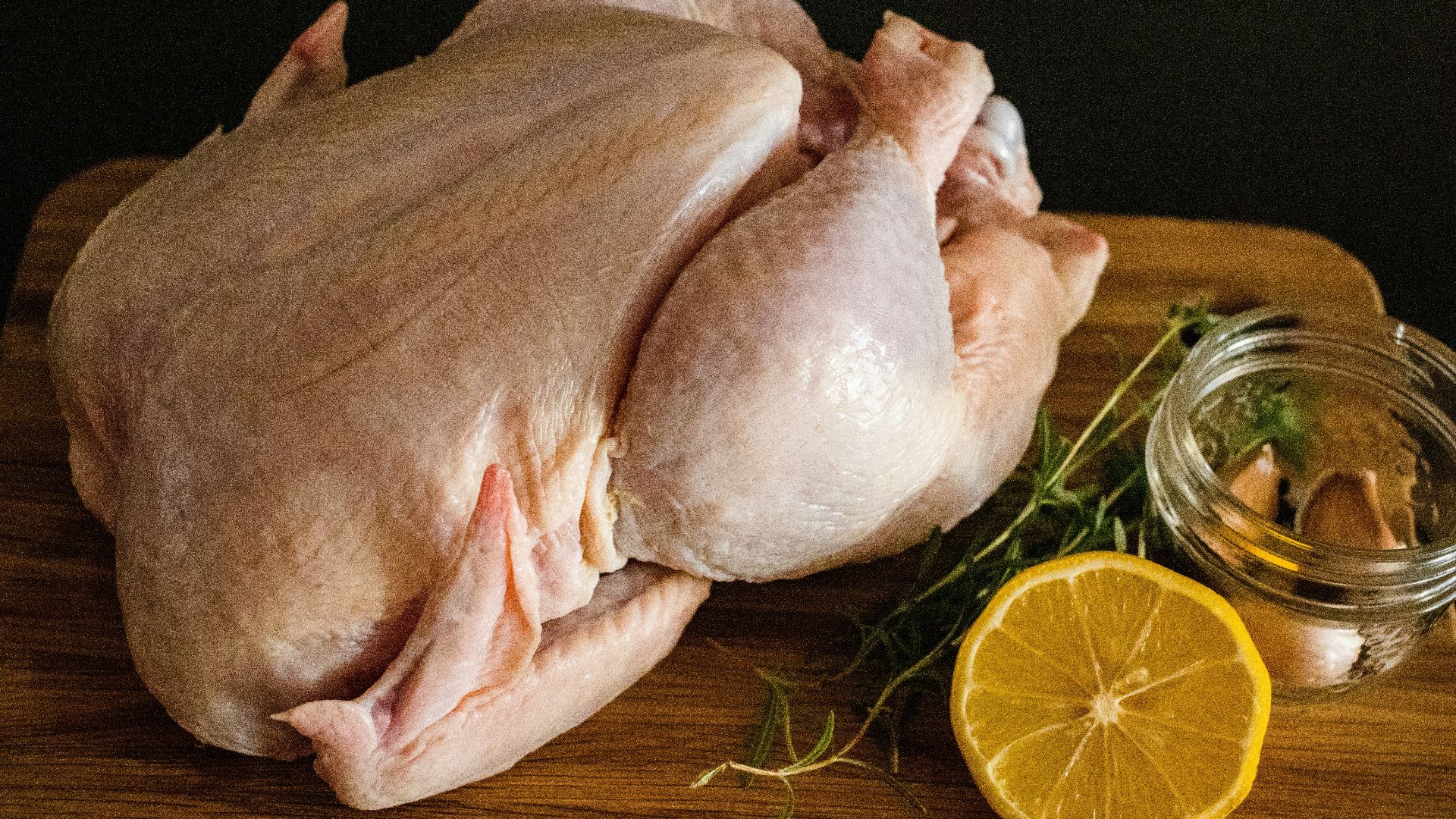
3. Skin-On Chicken
Chicken with the skin on includes parts that naturally contain structural proteins your body breaks down into amino acids. If saturated fat is a concern for you, keep portions moderate and balance the plate with vegetables. Leftovers also work well in soups!
4. Chicken Feet
Chicken feet are commonly used for making stock because they bring a naturally thick texture after simmering. They are typically cooked low and slow with aromatics like onion, garlic, and herbs. If you are new to using them, start by adding a few to a pot alongside more familiar bones. The flavor stays mild, so your seasonings can steer the final taste.

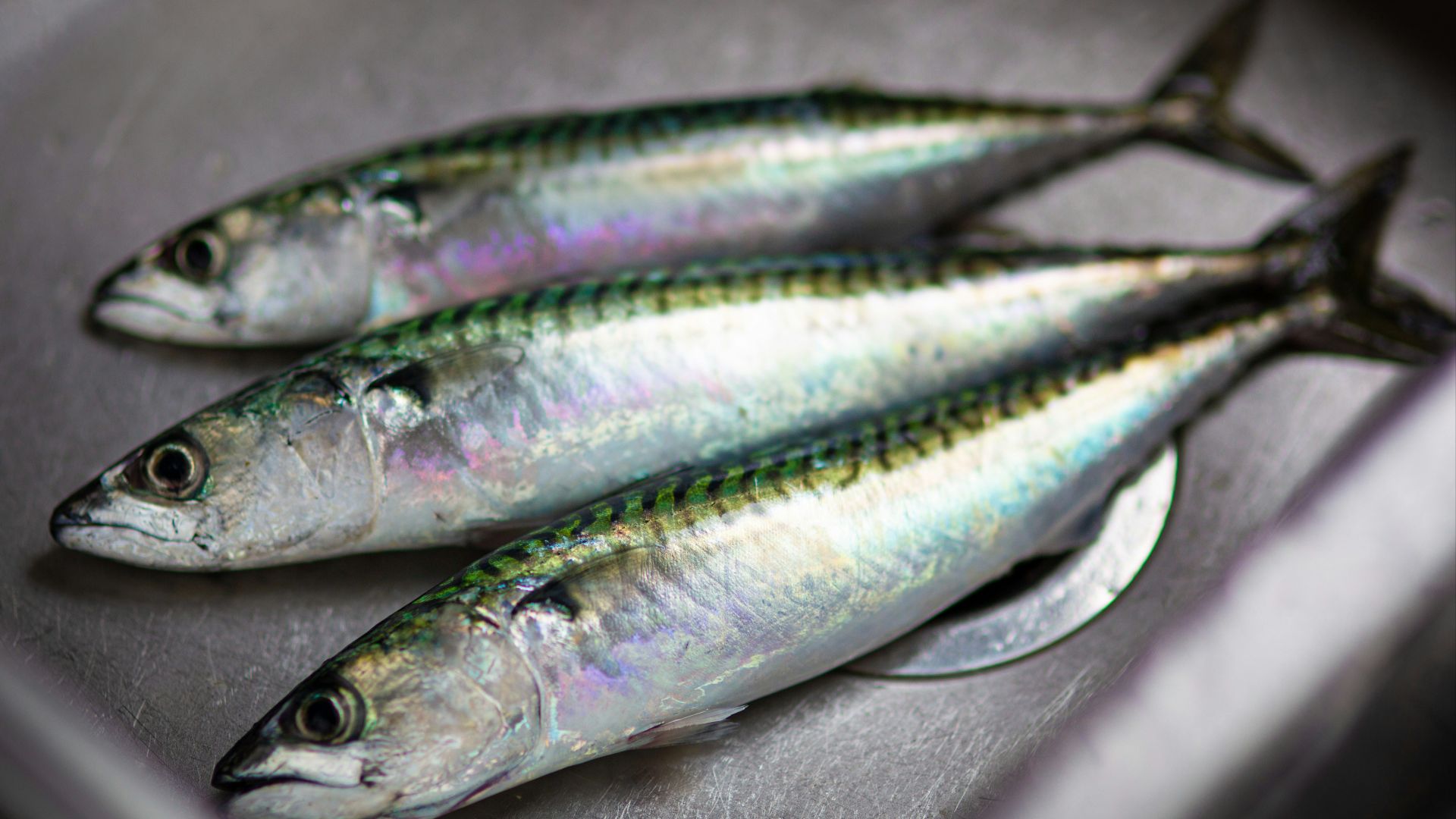
5. Sardines
Sardines can be helpful when you eat them with the skin and soft bones, which add extra nutrients beyond standard fillets. Try them on toast with lemon, mixed into pasta, or tossed into a salad with olive oil.
6. Skin-On Salmon
Salmon served with the skin on offers protein plus extra nutrition from the outer layer. You can serve it with a citrusy side or a bell pepper salad to bring vitamin C into the same meal. If you buy fillets, choosing skin-on is a simple shift that doesn’t complicate your cooking process.

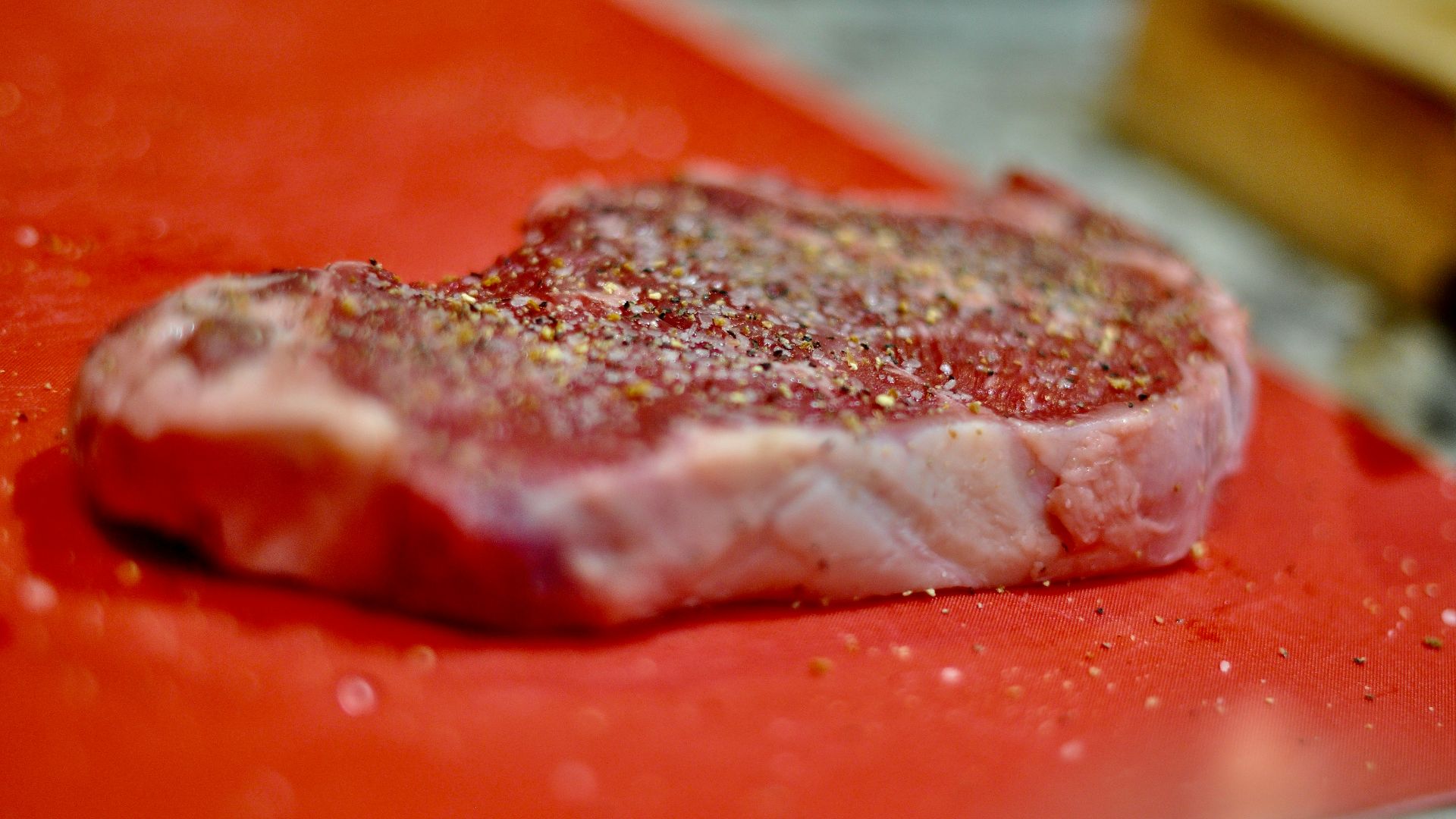
7. Beef Shank
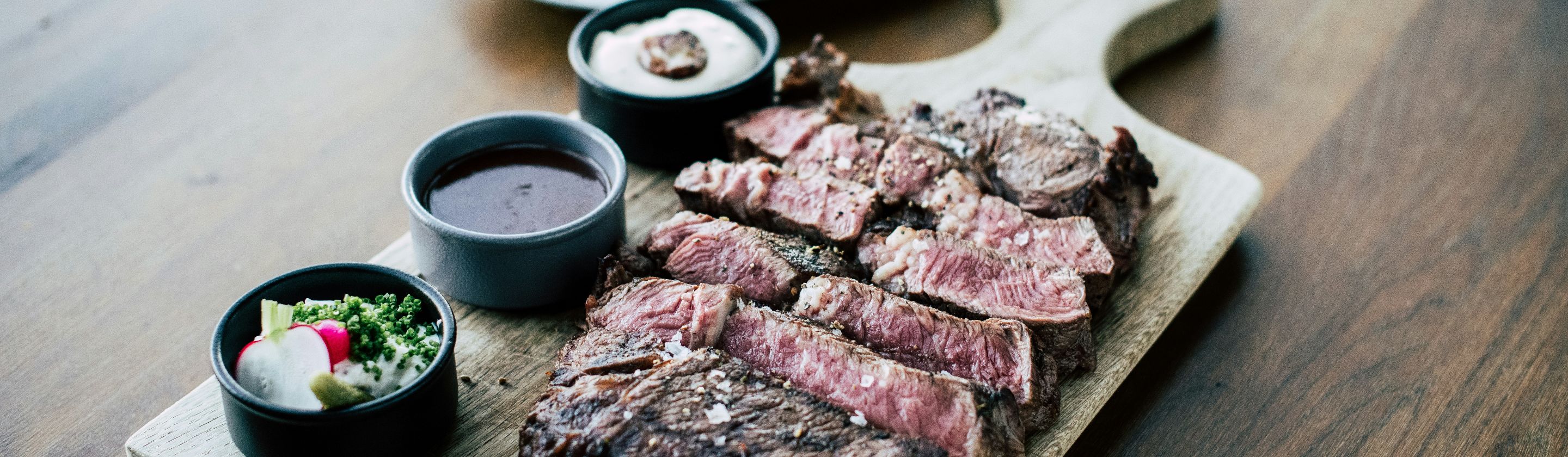
Beef shank is a tougher cut that shines when cooked slowly until it turns tender. Braising breaks down the parts that make the meat firm, which also adds body to the cooking liquid.
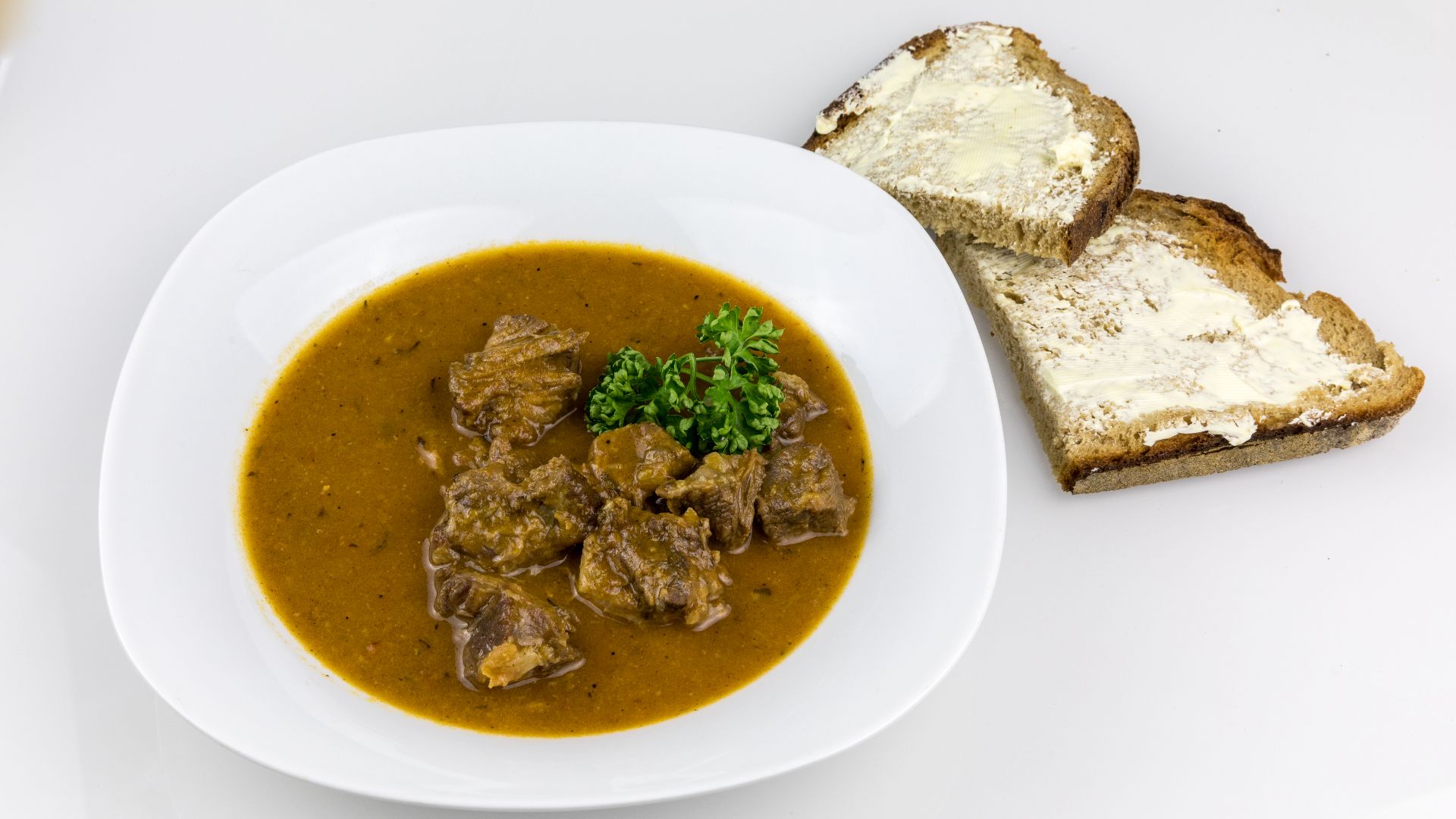
8. Oxtail
Oxtail is known for producing a rich, silky texture after a long simmer. The cooking liquid often thickens as it cools, a good sign that you extracted plenty of the proteins people look for in these dishes. Because it can be rich, serving it with lighter sides like greens or a vinegar-forward salad keeps you from leaving that heavy feeling in your stomach. Leftovers also reheat well and often taste even better the next day.
9. Pork Shoulder
Pork shoulder becomes tender with slow cooking, which makes it a reliable option for hands-off meals. Pulled pork made at home lets you control added sugar and sodium, unlike many restaurant versions. Serve it in smaller portions alongside vegetables and beans to keep the overall plate more supportive. You can also save the cooking juices for soups or grains.
10. Beef Liver
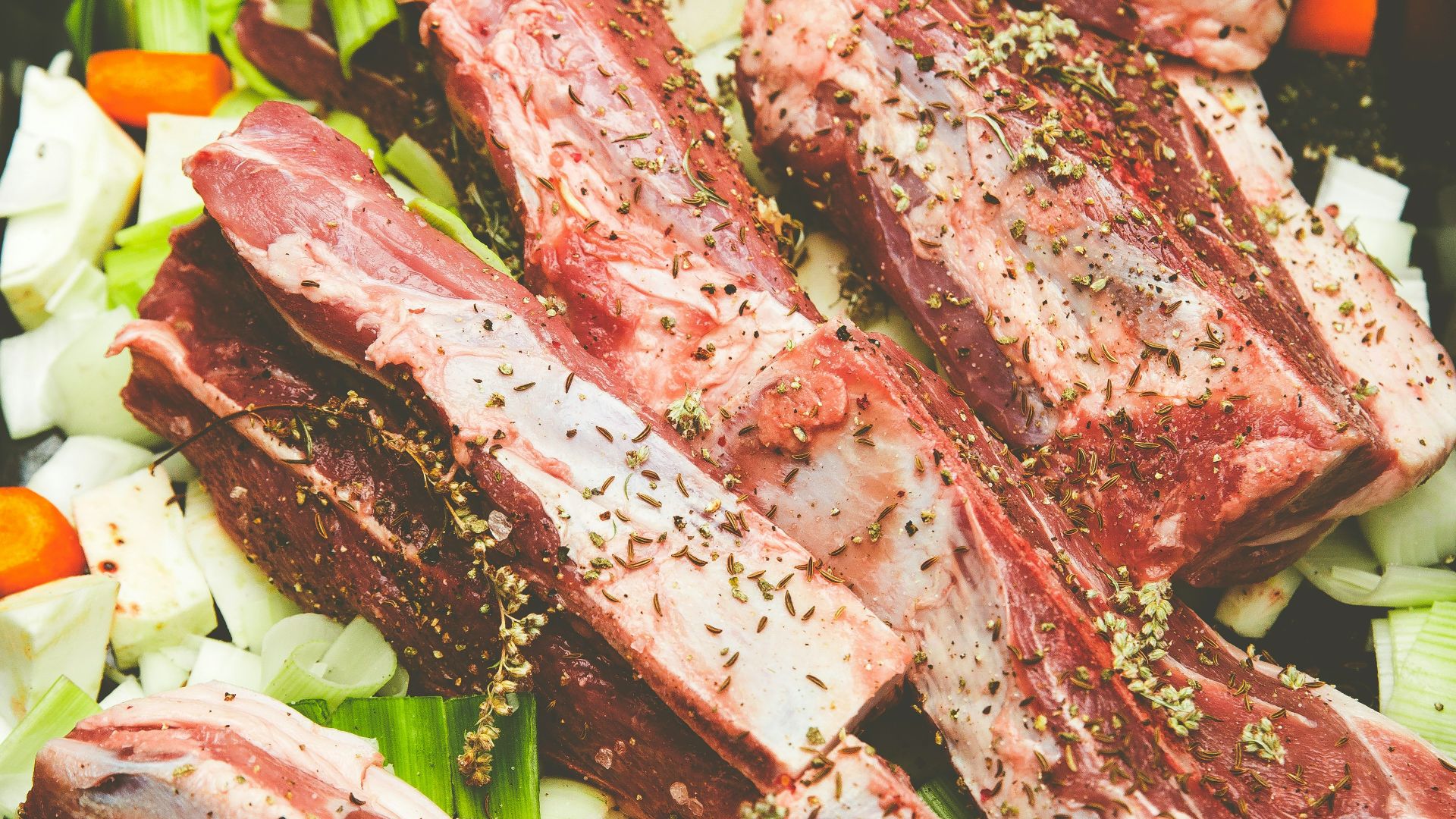
Beef liver is not a direct source of the structural proteins people associate with skin support, but it is rich in copper, which plays a role in tissue building. Because it is very nutrient-dense, it is best treated as an occasional food rather than a daily staple.
11. Eggs
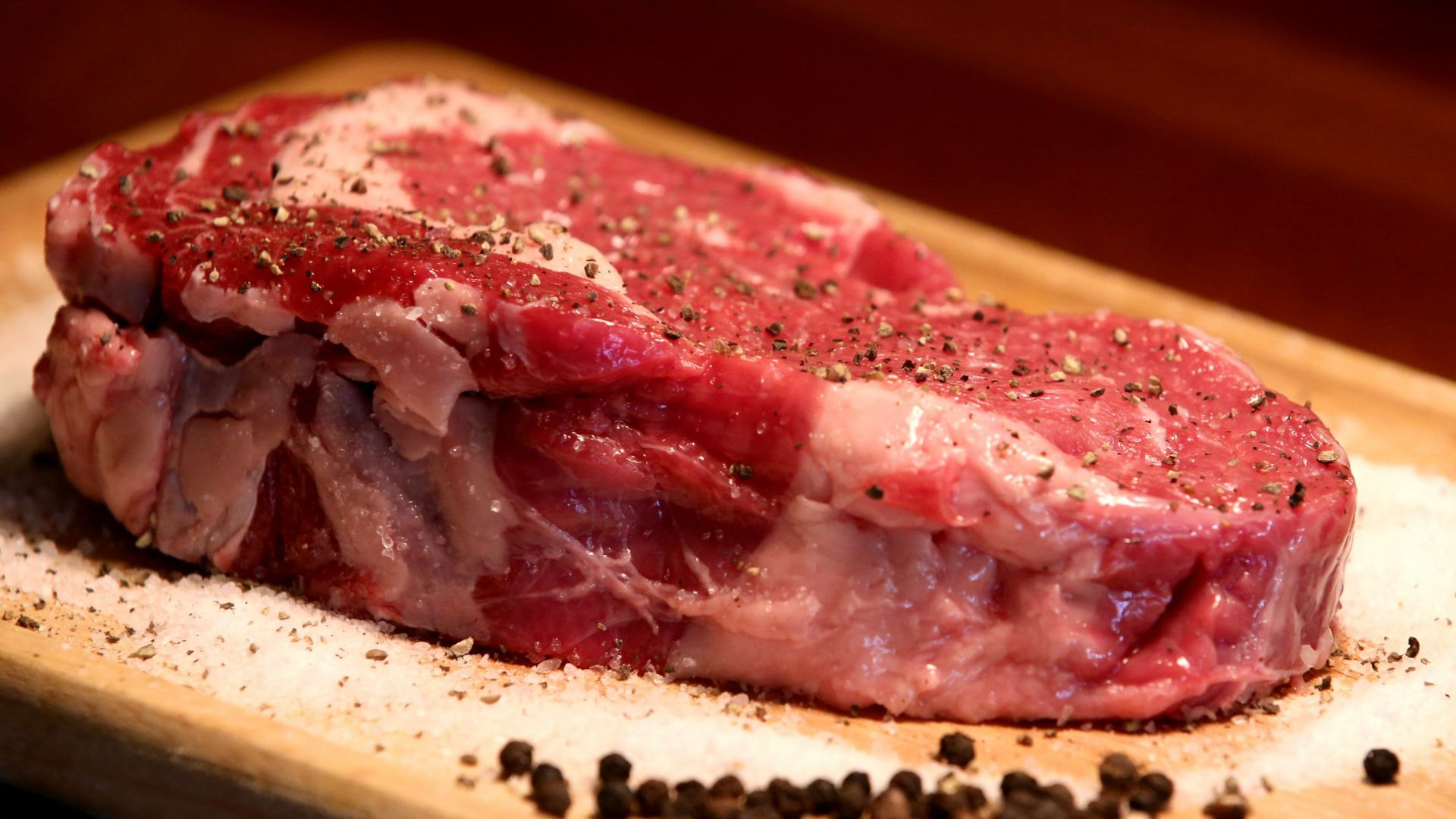
Eggs supply protein, which provides amino acids your body uses when making collagen. They are easy to include daily, whether you hard-boil them for snacks or add them to breakfast. If you want a collagen-friendly meal, pair eggs with fruit or vegetables that contain vitamin C.
12. Greek Yogurt
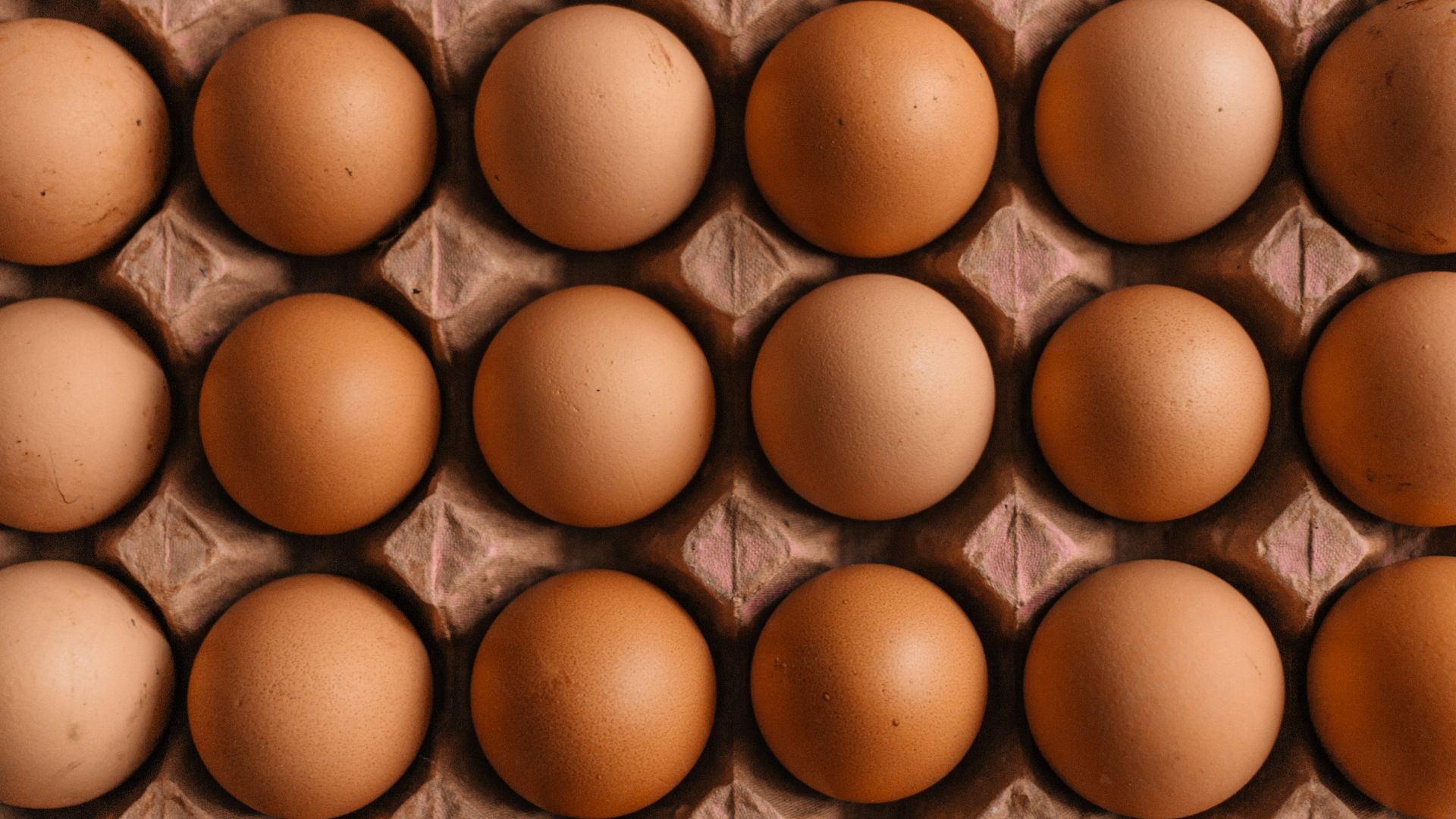
Greek yogurt offers high-quality protein and tends to be easy to eat regularly. You can use it in smoothies, mix it into dips, or swap it in for sour cream in savory meals. Choosing plain varieties helps you avoid extra added sugars that do not support your overall goals. Adding berries or kiwi gives you vitamin C in the same bowl.
13. Cottage Cheese
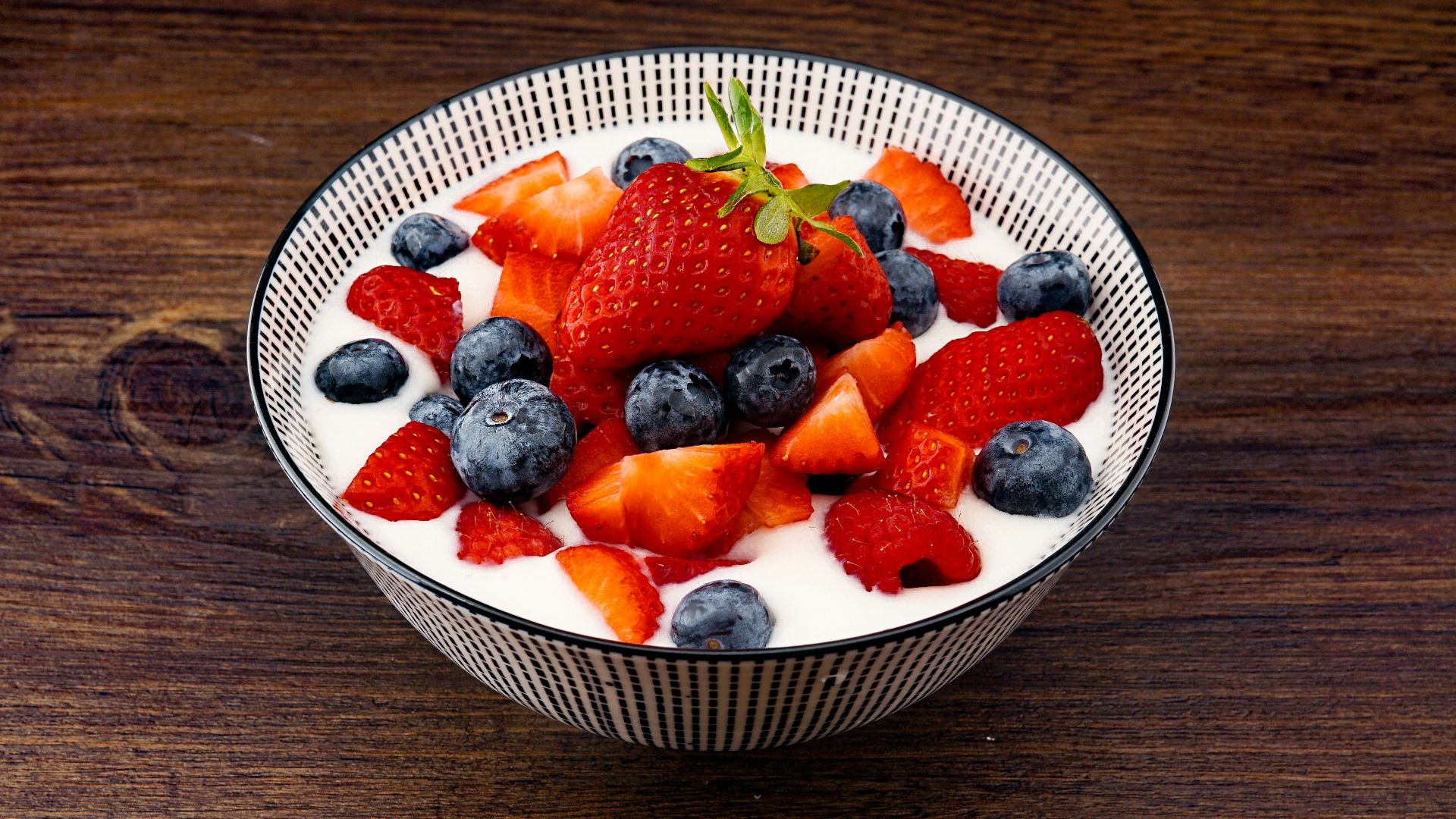
Cottage cheese is another protein-rich option that can support your body’s collagen production. It works as a snack, a quick lunch component, or even blended into sauces for extra creaminess. If you want it to feel more meal-like, top it with sliced tomatoes, herbs, and cracked pepper.

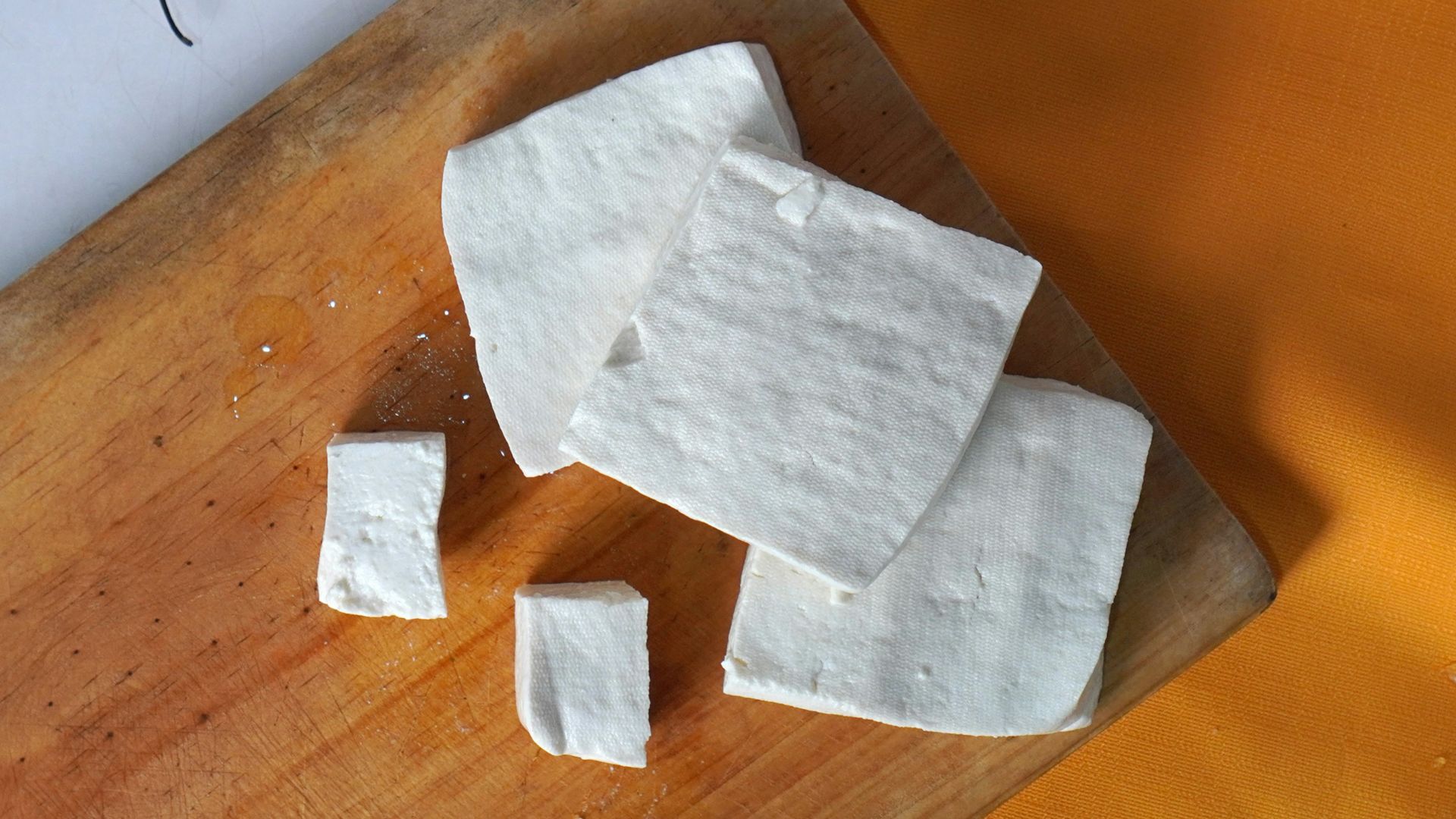
14. Tofu
Tofu does not contain collagen, but it provides protein your body can use to produce it. It also pairs easily with vitamin C-rich vegetables in stir-fries, bowls, and salads. A quick marinade can improve flavor without adding much effort. If your diet is plant-based, tofu is one of the most reliable staples to keep protein consistent.
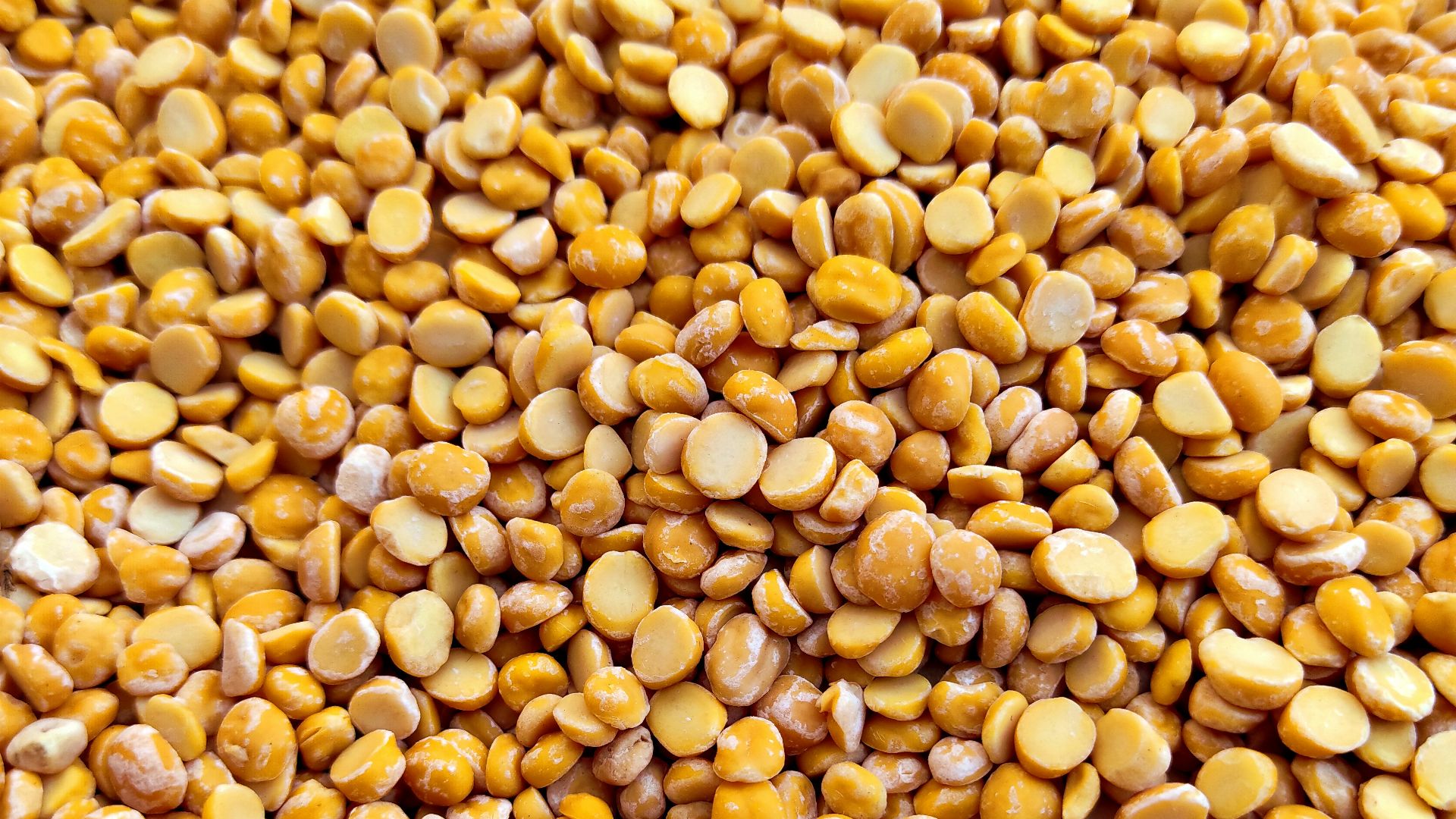
15. Lentils
Lentils supply protein along with key amino acids, including lysine, which is relevant to collagen structure. They are easy to batch cook, so you can add them to soups, salads, and grain bowls all week. If you want them to taste brighter, finish with lemon or toss them with chopped bell pepper. That small shift makes the meal more supportive without complicating prep.
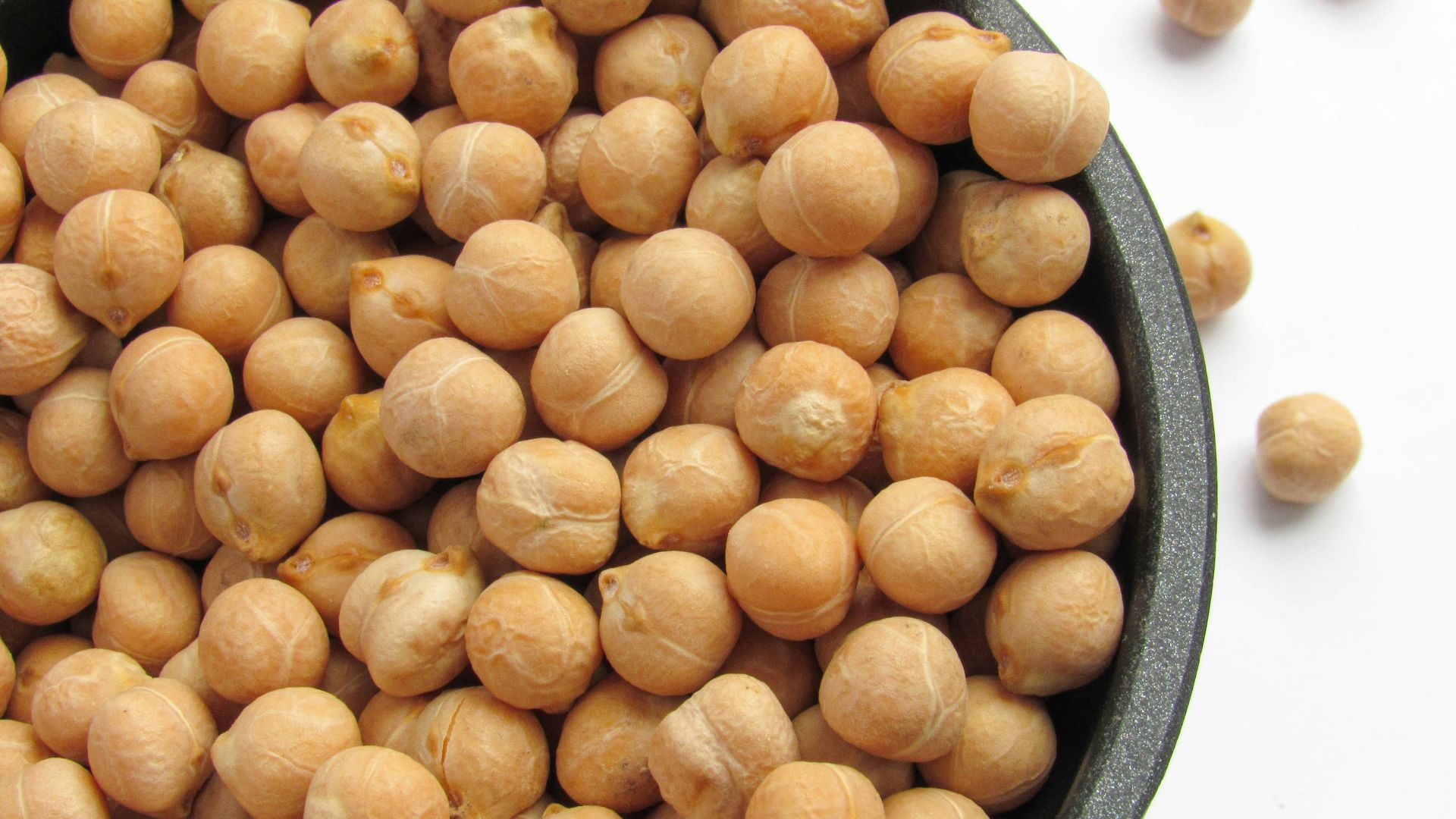
16. Chickpeas
Chickpeas bring protein plus flexibility, which helps with long-term consistency. Mash them into a sandwich filling, roast them for crunch, or simmer them into stews. They pair especially well with vitamin C-rich ingredients like tomatoes, lemon, and greens. If you keep canned chickpeas stocked, it is much easier to build collagen-supportive meals on busy days.
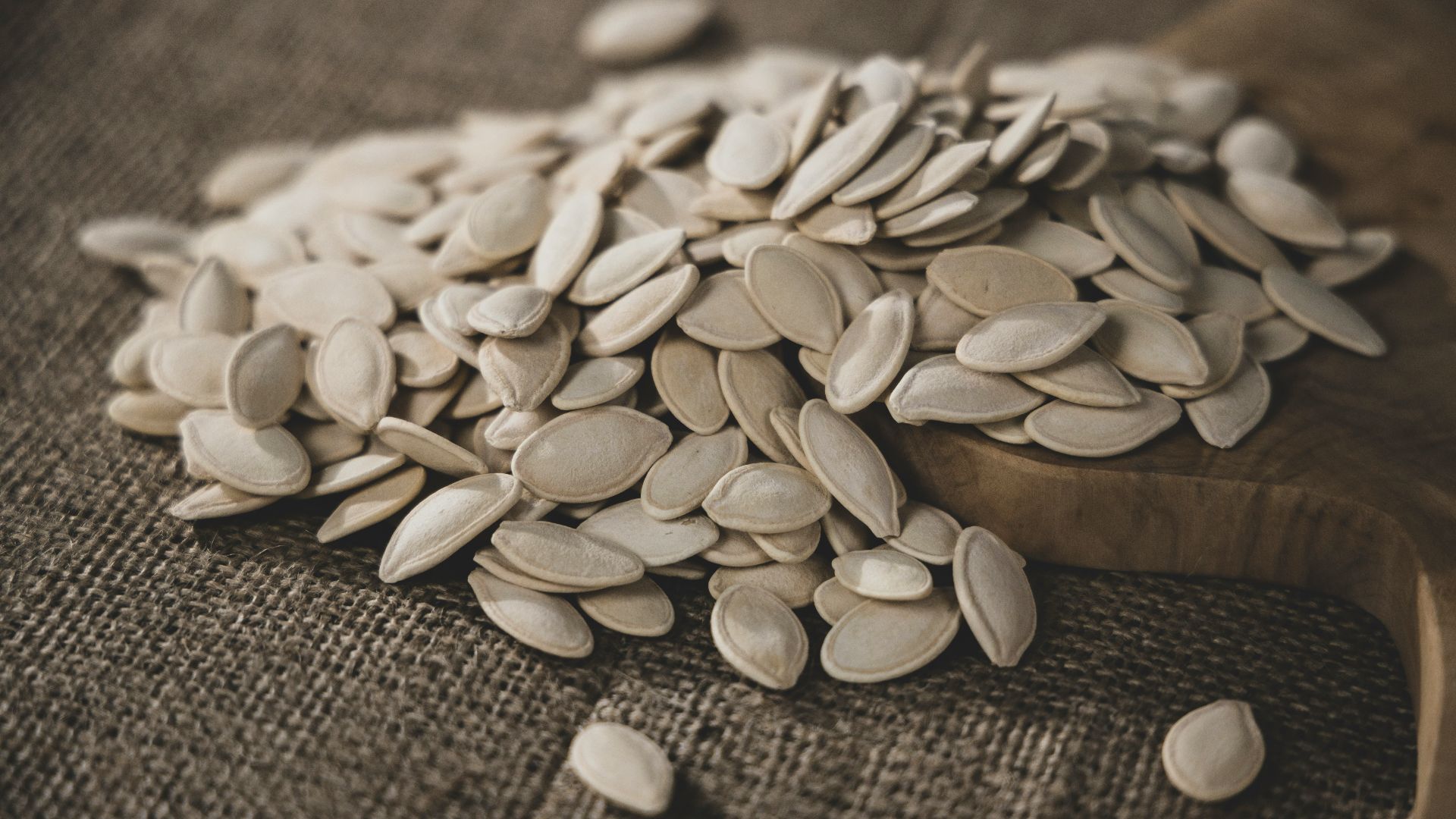
17. Pumpkin Seeds
Pumpkin seeds contribute zinc, which plays roles in protein synthesis and tissue repair. They are an easy topper for salads, yogurt, or oatmeal, and they travel well as a snack. Since they are calorie-dense, a small handful is usually enough.
18. Cashews
Cashews provide copper, a mineral connected to connective tissue synthesis. They blend smoothly into sauces, which makes them useful for creamy pasta, soups, or plant-based dressings.

19. Red Bell Peppers
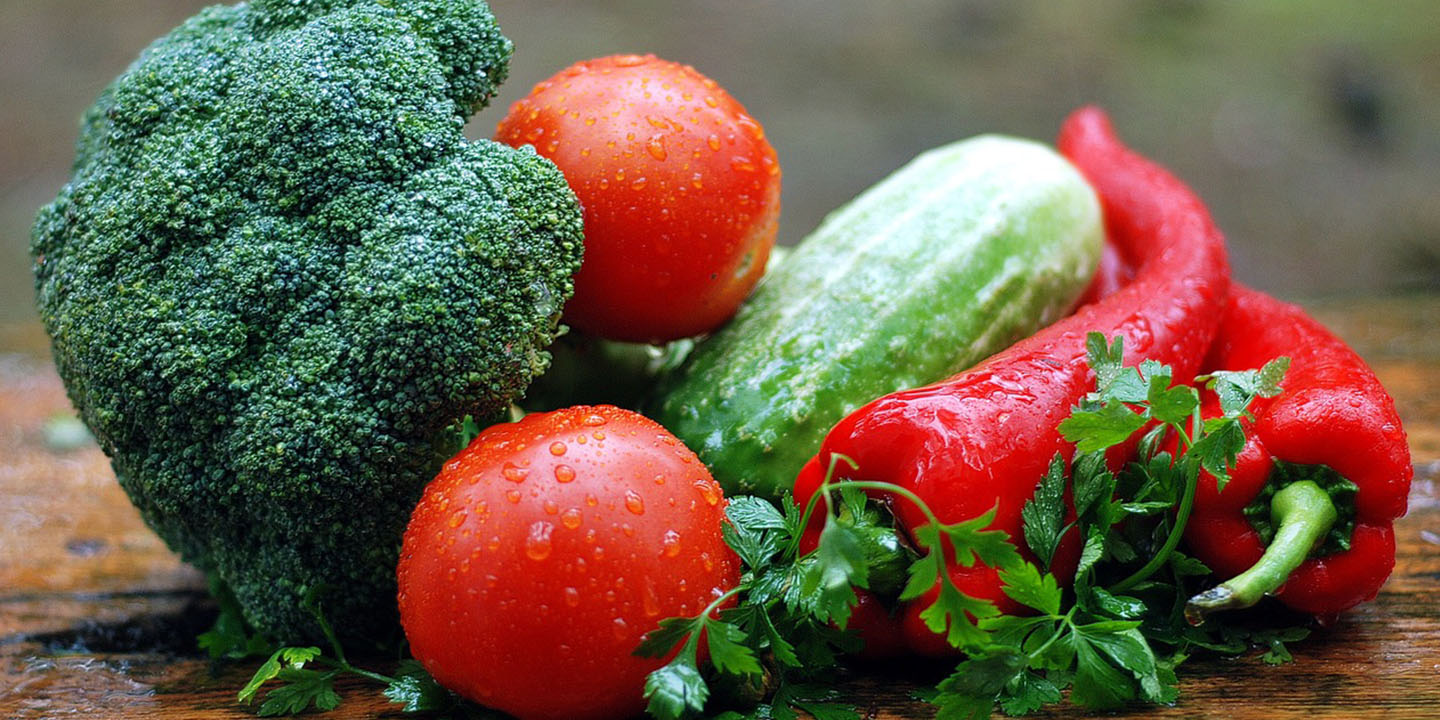
Red bell peppers are a strong vitamin C source, and vitamin C is required for collagen biosynthesis. They are easy to eat raw, roast quickly, and work well in stir-fries. If you want a simple side, slice them and serve with hummus or Greek yogurt dip. Using them in a few meals each week is an easy way to keep your vitamin C intake steady.

20. Kiwi
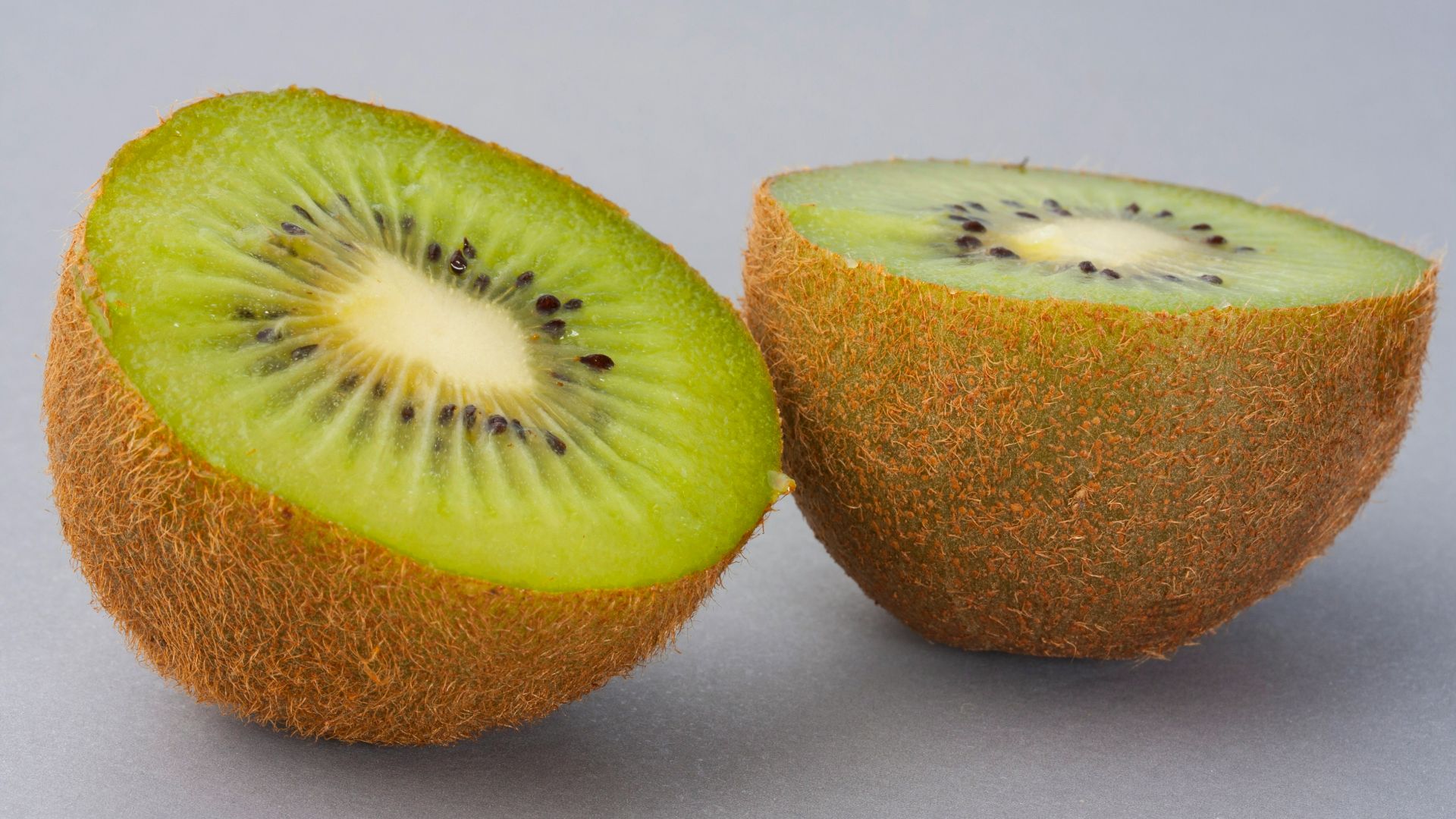
Kiwi provides vitamin C and fits into breakfast, snacks, or even salads. The flavor is bright, and it pairs well with yogurt, cottage cheese, and smoothies. If you keep ripe kiwi on hand, it becomes a quick add-on that does not require any extra cooking.