Collagen, Immunity, Iron, Oh My!
Making sure you get your Vitamin C each day is one of the most important things you can do for your health. This water-soluble vitamin provides support for several areas of your body. It's helpful for iron absorption, immune function, and tissue repair, and is also known to be a powerful antioxidant. Luckily, there are many ways to ingest this powerhouse of a vitamin.
 Apostolos Vamvouras on Unsplash
1. Oranges
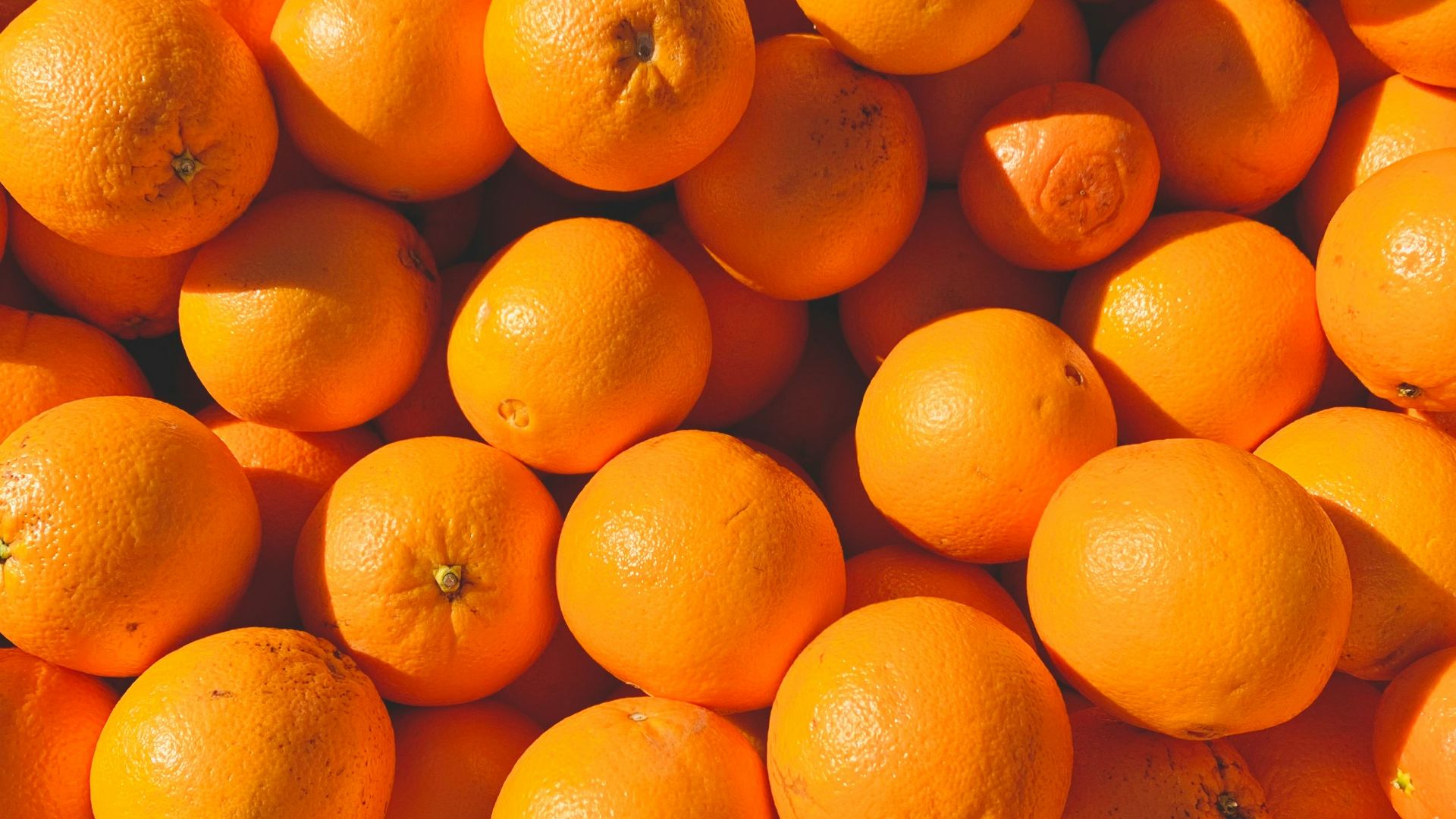
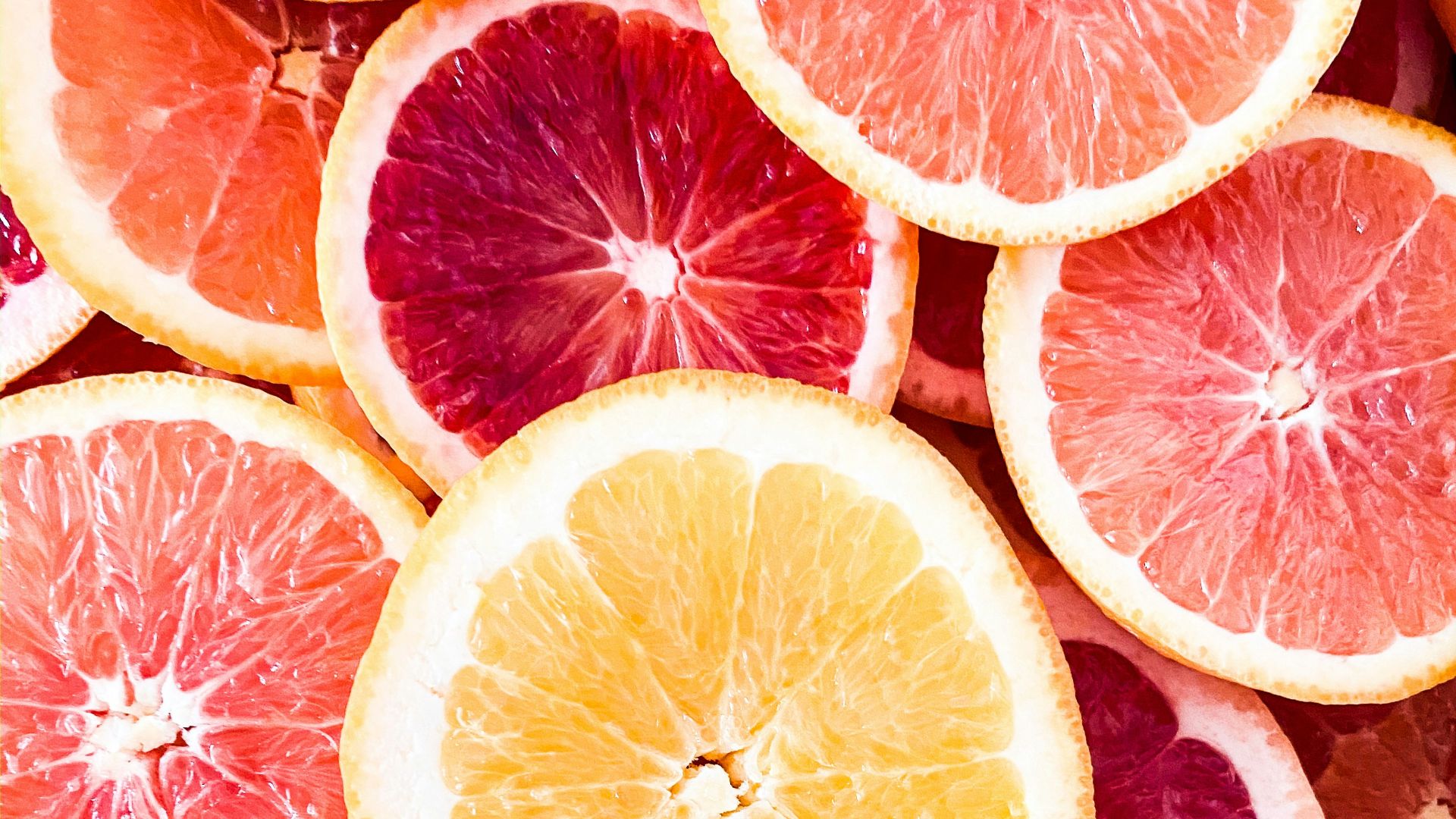
As a widely available vitamin C staple, oranges are hard to beat. You can eat them as-is, segment them into salads, or use a little juice to brighten sauces. Plus, they’re eco-friendly! They even come in their own little compostable wrapping.
2. Grapefruit
If you prefer a sharper citrus profile, grapefruit can deliver vitamin C with less sweetness. Try it chilled, broiled briefly, or tossed into a citrus salad for a clean finish. That said, grapefruit can interact negatively with certain medications. If you’re taking medication, it’s best to talk with your doctor before snacking away.
3. Lemons
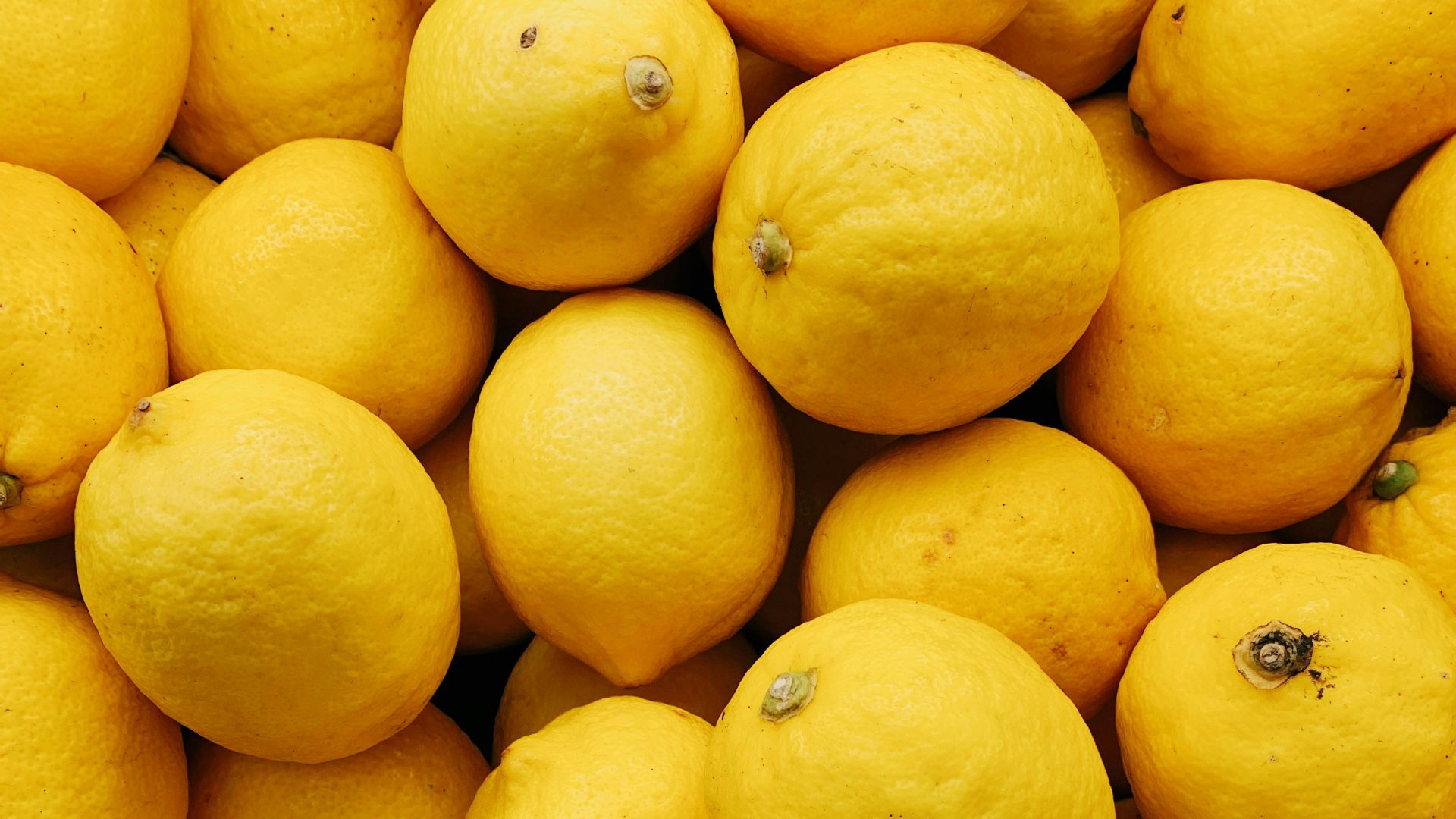
A squeeze of lemon juice can add vitamin C to foods you already cook. Use it over fish, roasted vegetables, or grains to add acidity and freshness at once. Lemon-forward dressings are useful when you want meals that taste brighter and feel lighter. Plus, they’re a healthier option than dairy-based alternatives.
 Thitiphum Koonjantuek on Unsplash
4. Clementines
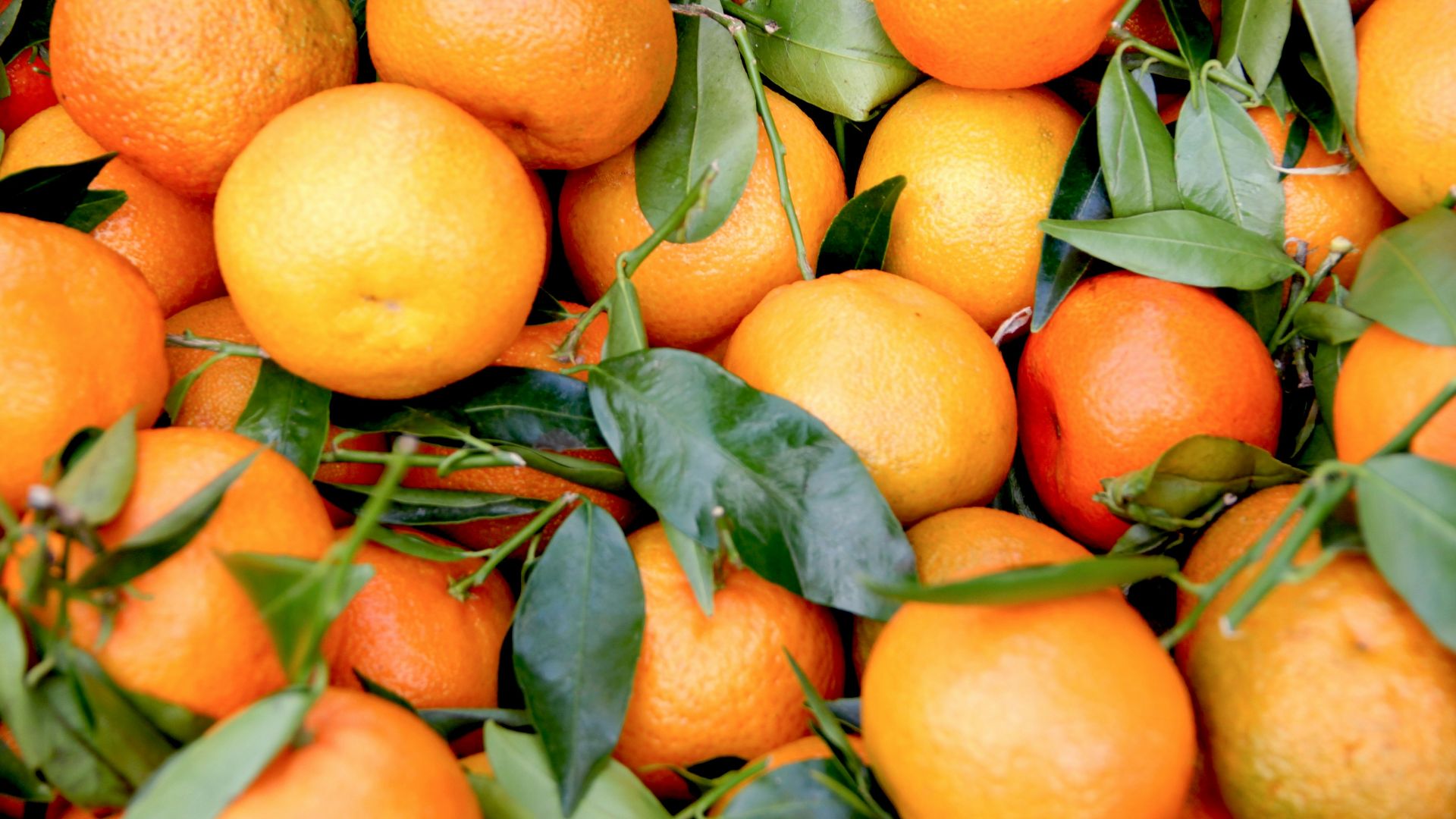
Small size is the main advantage of clementines when you need a quick citrus option. Their thin peel comes off easily, so you’re more likely to eat them when you’re busy. If a full orange feels like too much, clementines might be the way to go.
5. Strawberries
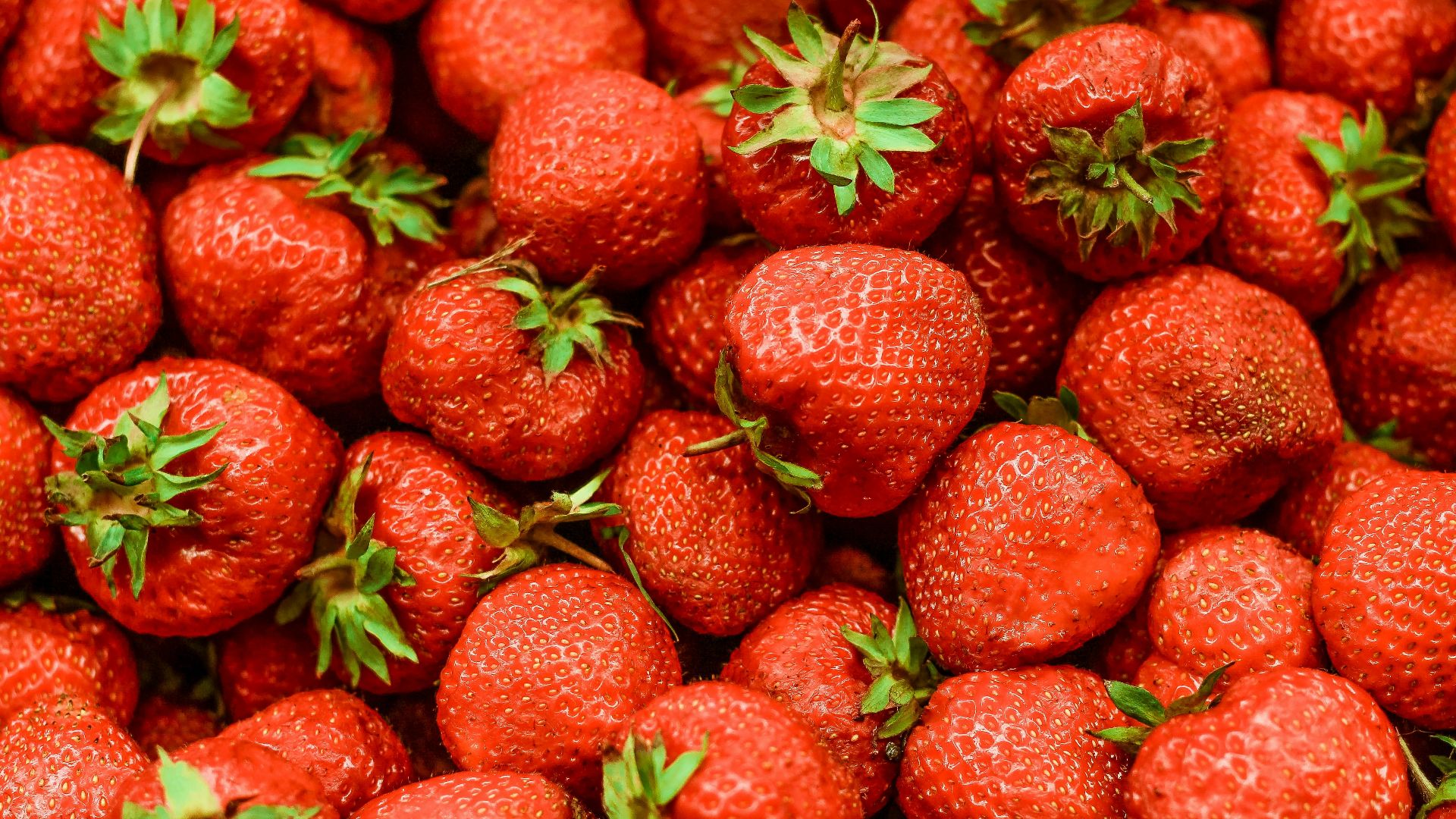
This delicious warm-weather fruit is an excellent snack, with excellent health benefits. Fresh berries work well in yogurt or oatmeal, while frozen berries are convenient for smoothies year-round.
6. Kiwis
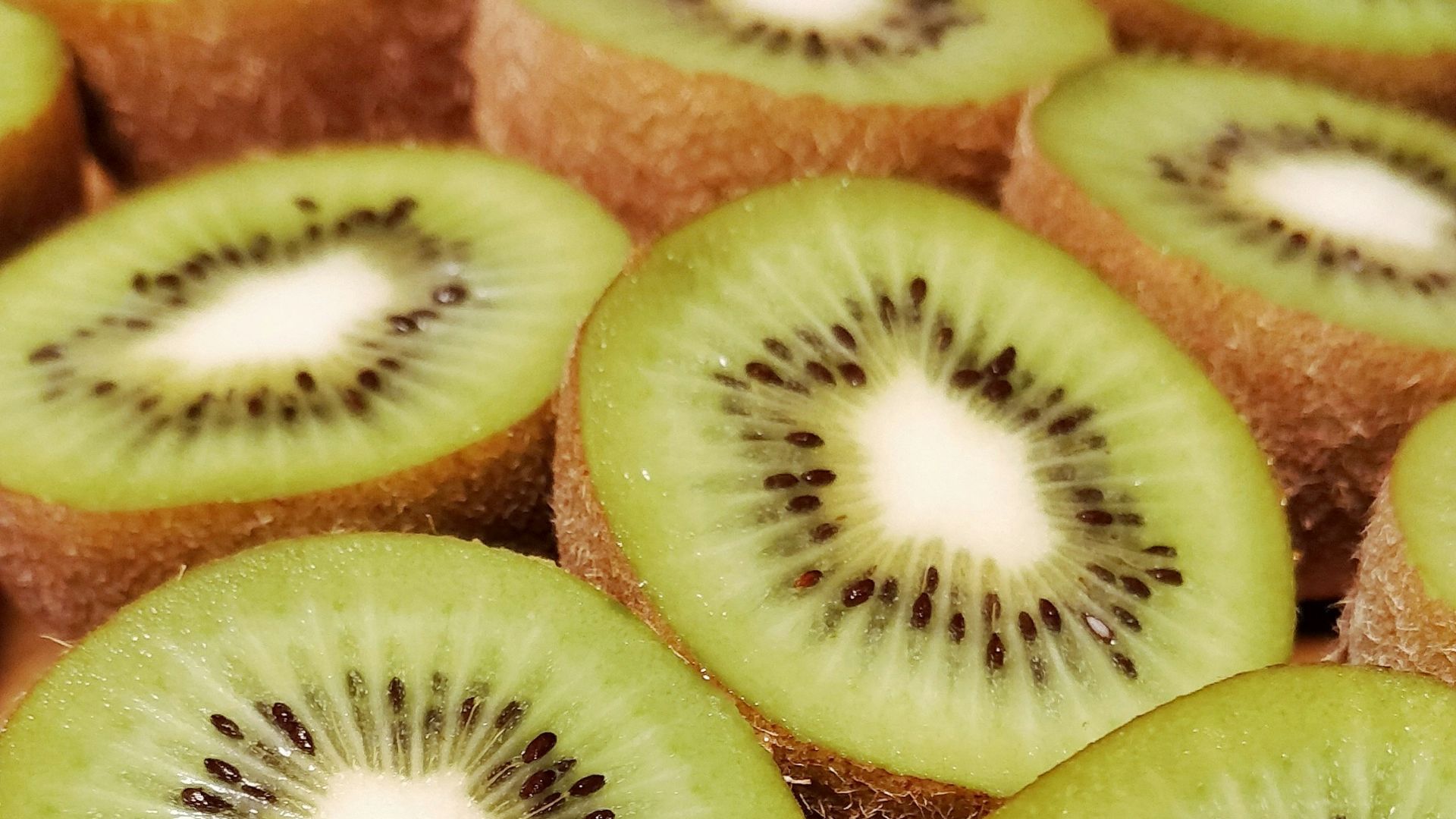
One ripe kiwi can supply vitamin C with a bright, tangy flavor. Slice it, scoop it with a spoon, or blend it for a clean note in smoothies. When you keep a few on hand, you’ll have a simple non-citrus option readily available.
7. Guava
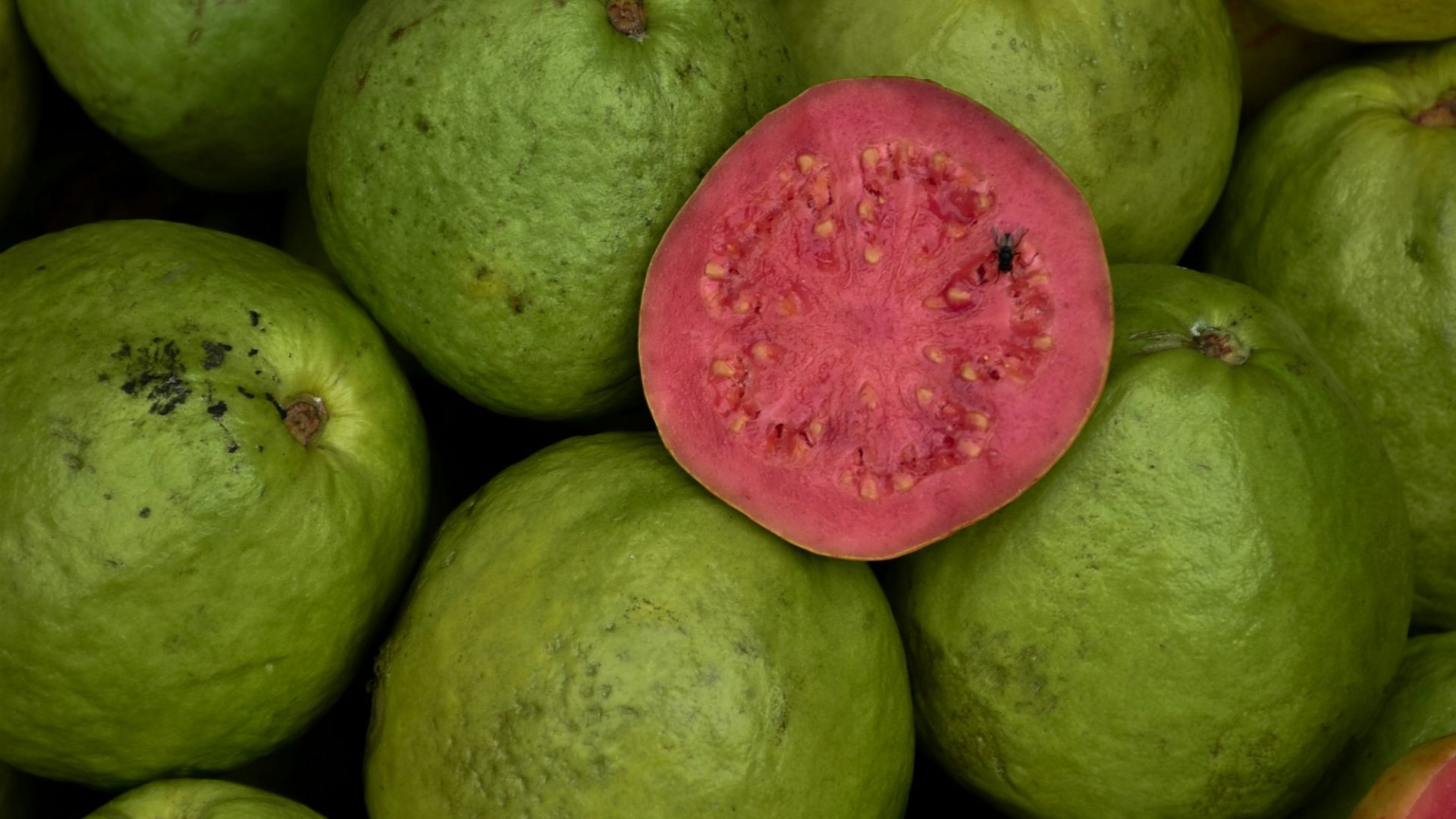
Guava is notable for its high vitamin C content compared with many common fruits. Like, eat one, and you’ve eaten your day's worth of Vitamin C high. It’s easy to eat fresh, and it blends smoothly if you prefer a softer texture. Because the flavor is distinctive, guava can make a basic fruit bowl feel more considered.
 Yuliia Martsynkevych on Unsplash
8. Papaya
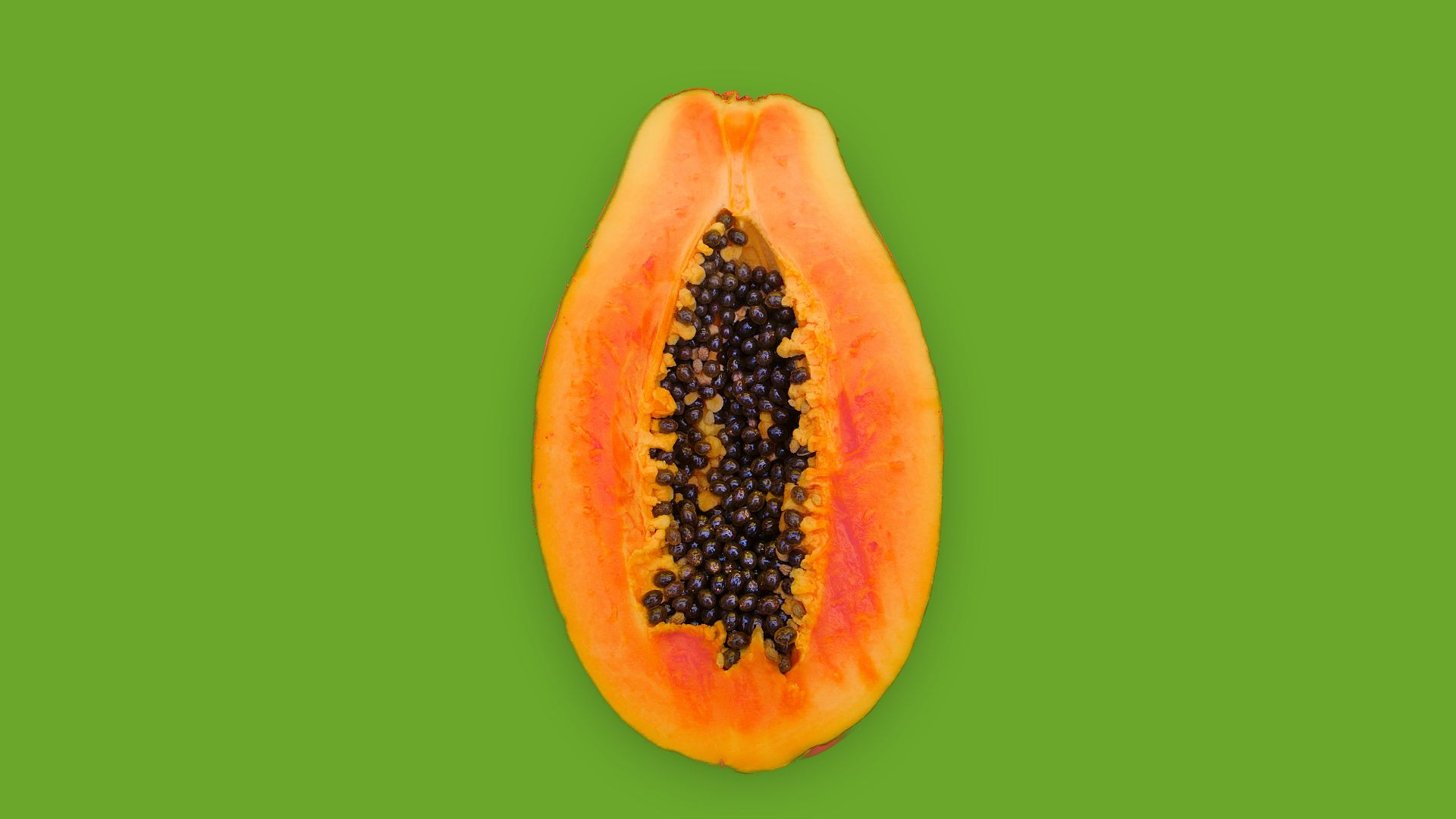
Papaya’s mild sweetness makes it easy to include at breakfast without overwhelming other flavors. Dice it for fruit salad, add a squeeze of citrus if you like extra brightness, or spoon it straight from the skin. Its soft texture also makes it easy to eat without much prep.
9. Cantaloupe
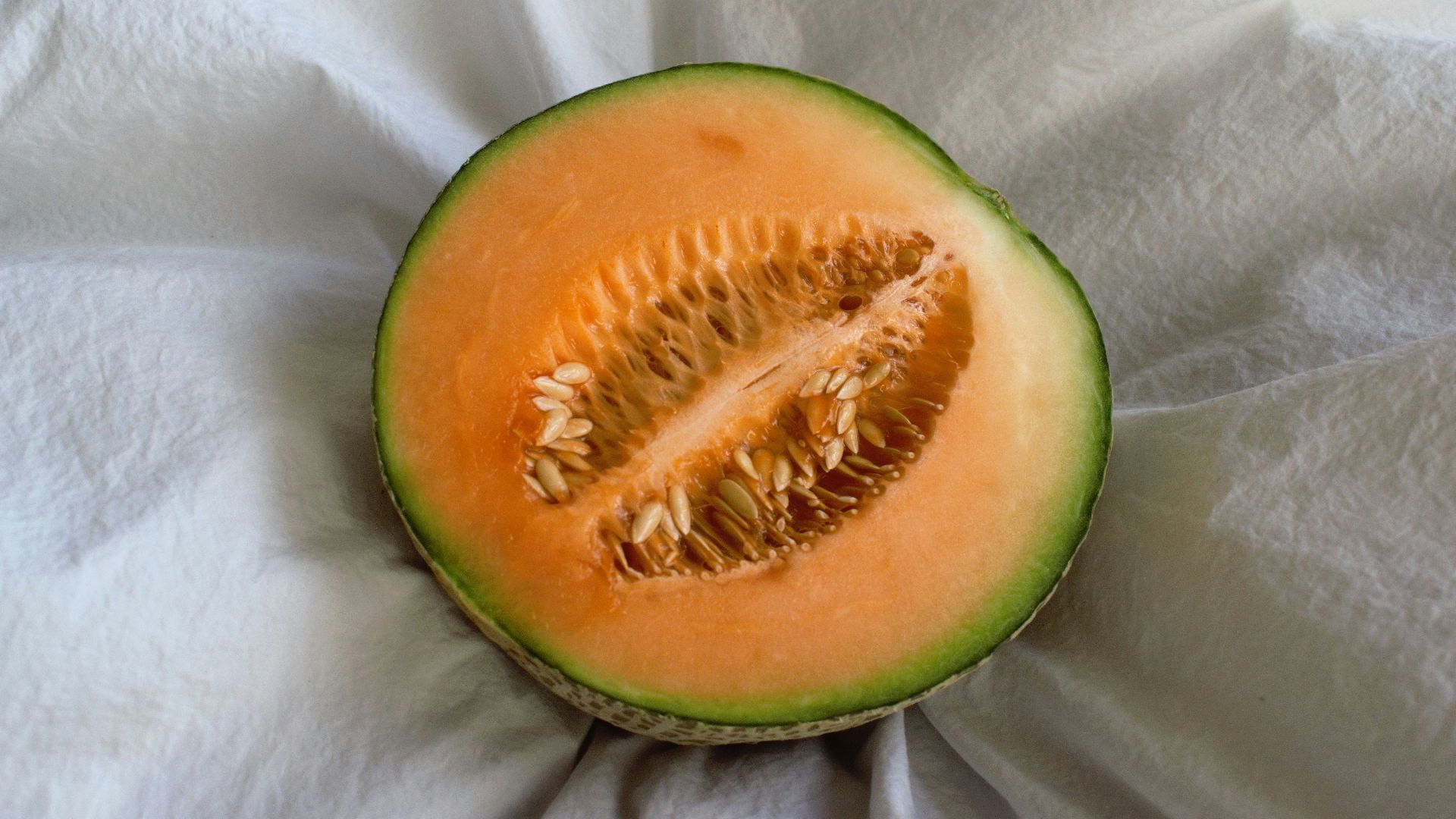
Cantaloupe provides vitamin C while also feeling hydrating and easy to portion. Diced melon stores well for lunches, and it pairs nicely with salty foods like nuts or cheese. It also makes for a perfect side dish when preparing breakfast.
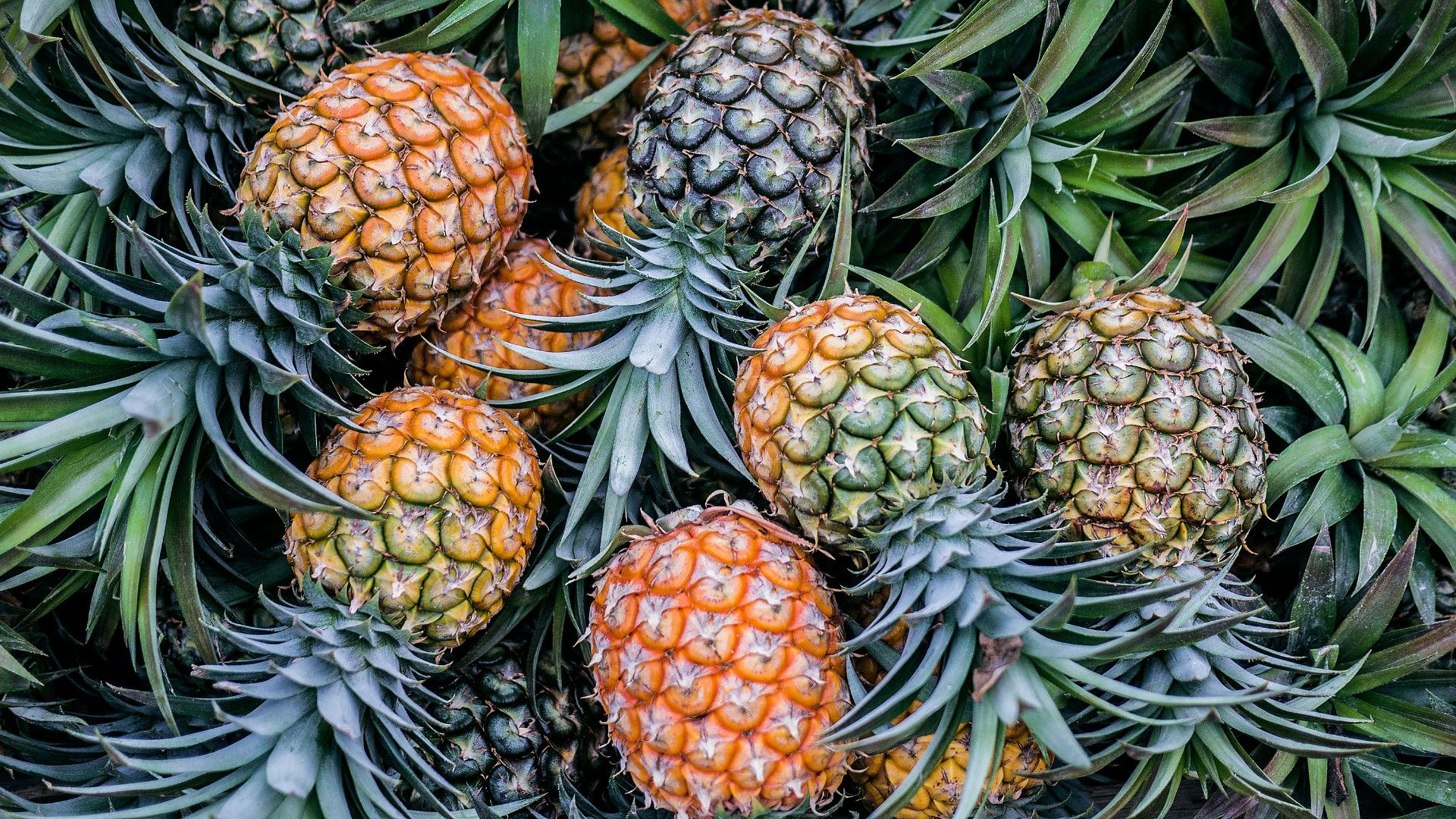
10. Pineapple
Pineapple’s acidity pairs well with sweet and savory dishes, while contributing vitamin C. You can blend it into smoothies, fold it into salsa, or eat it simply as is. Using fresh or frozen pineapple makes it easier to keep this fruit in regular rotation.
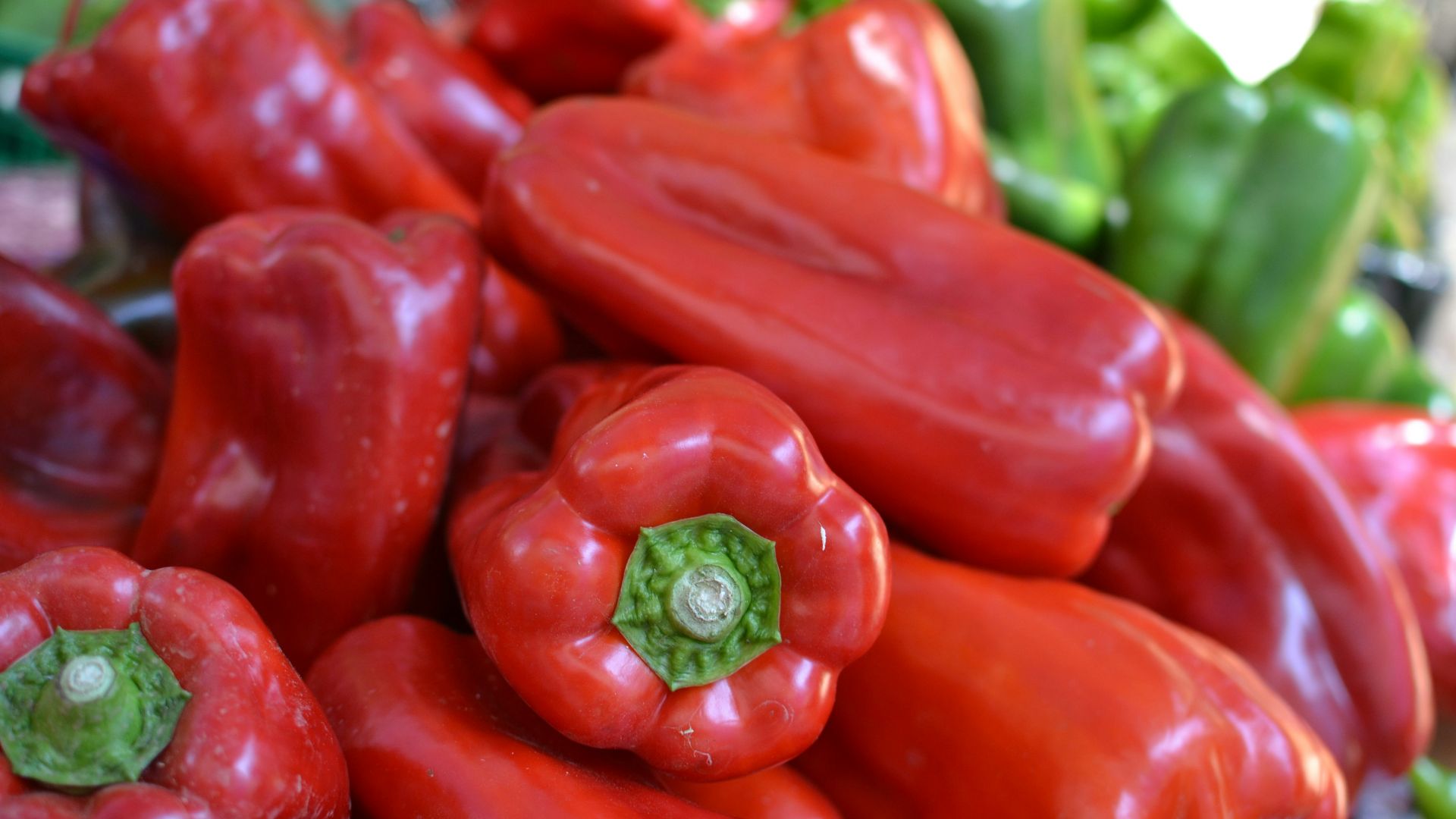
11. Red Bell Peppers
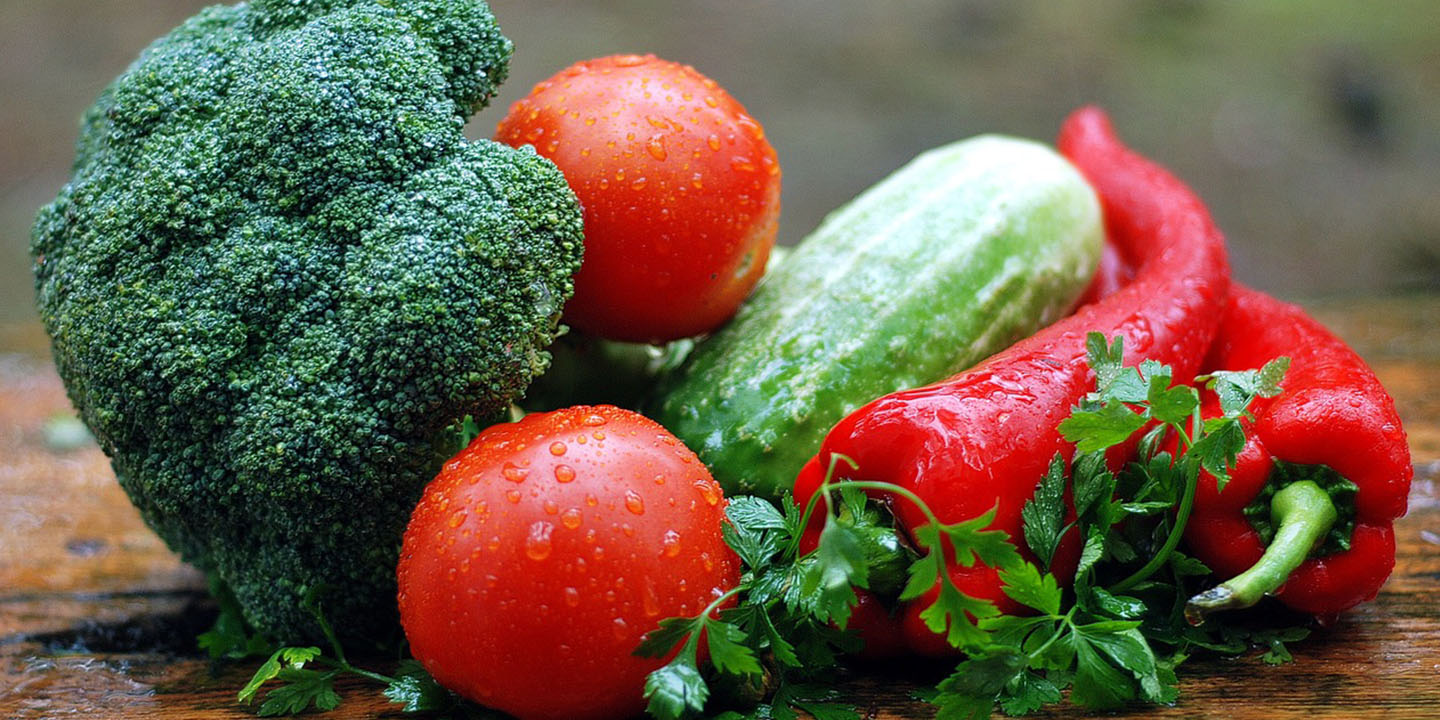
Among everyday vegetables, red bell pepper is one of the most concentrated sources of vitamin C. Raw peppers work as a crunchy snack, while roasted peppers work well with sandwiches and bowls. Red peppers also provide the most Vitamin C in comparison to other colors.
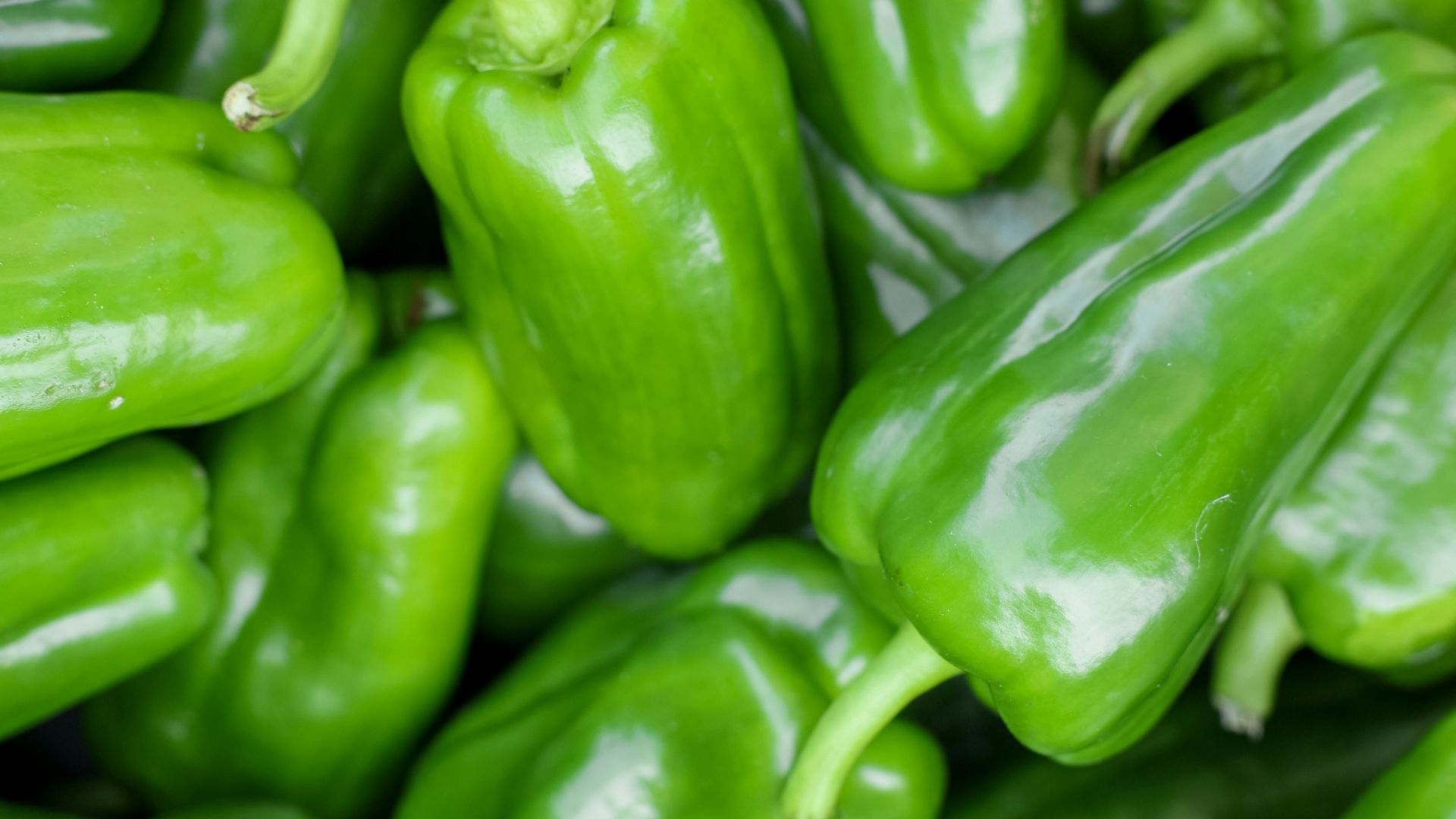
12. Green Bell Peppers
Green bell pepper offers vitamin C in a form that’s easy to cook into weeknight meals. It’s useful in stir-fries, omelets, and fajitas because it holds its texture under heat. Regularly including peppers can increase vitamin C intake without requiring a major menu overhaul.
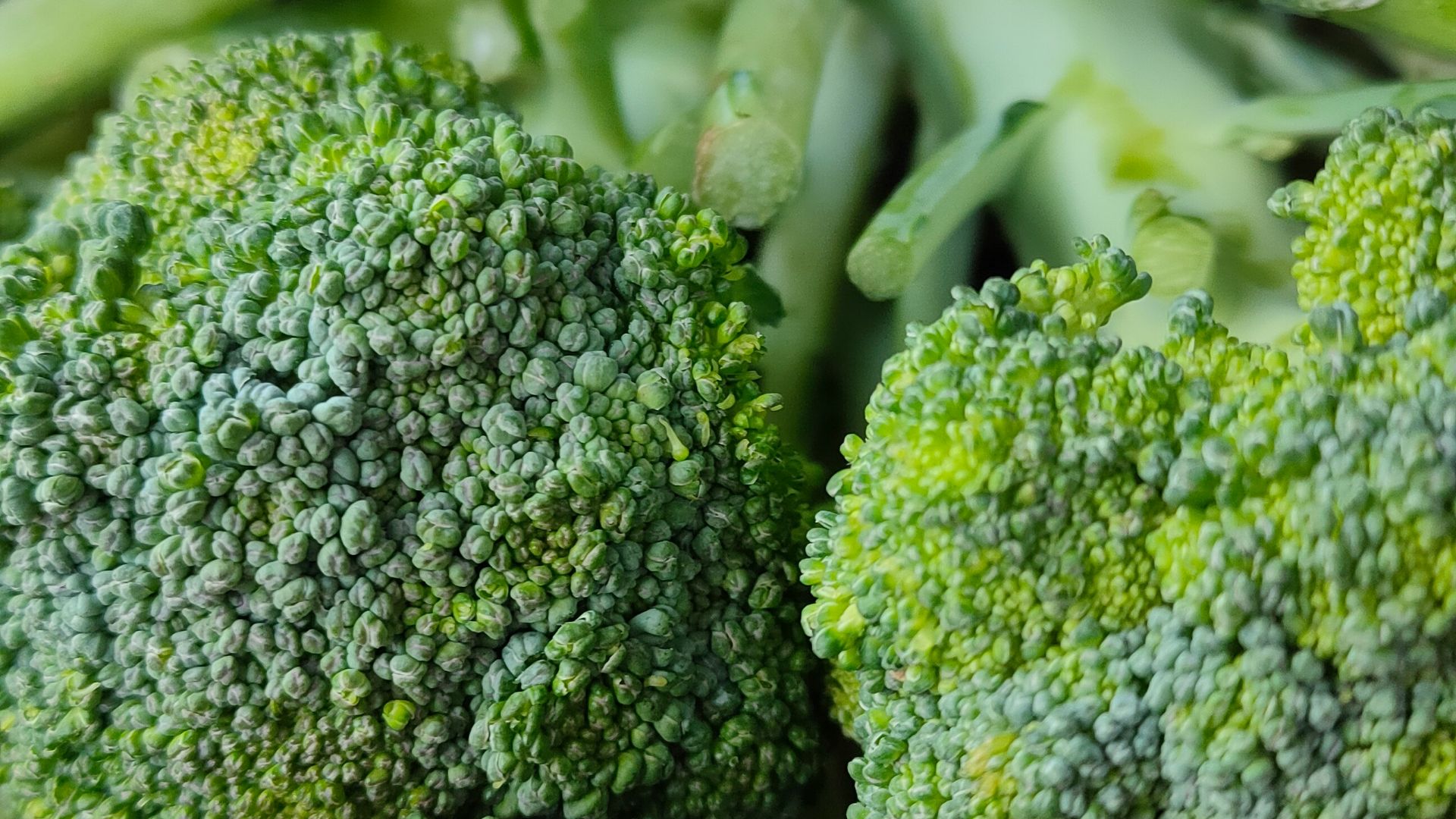
13. Broccoli
Broccoli supports vitamin C goals and works as a side that pairs with most proteins. Light steaming or quick sautéing helps preserve more vitamin C than long boiling in water. Aim for crisp-tender texture and bright color rather than cooking it until soft.
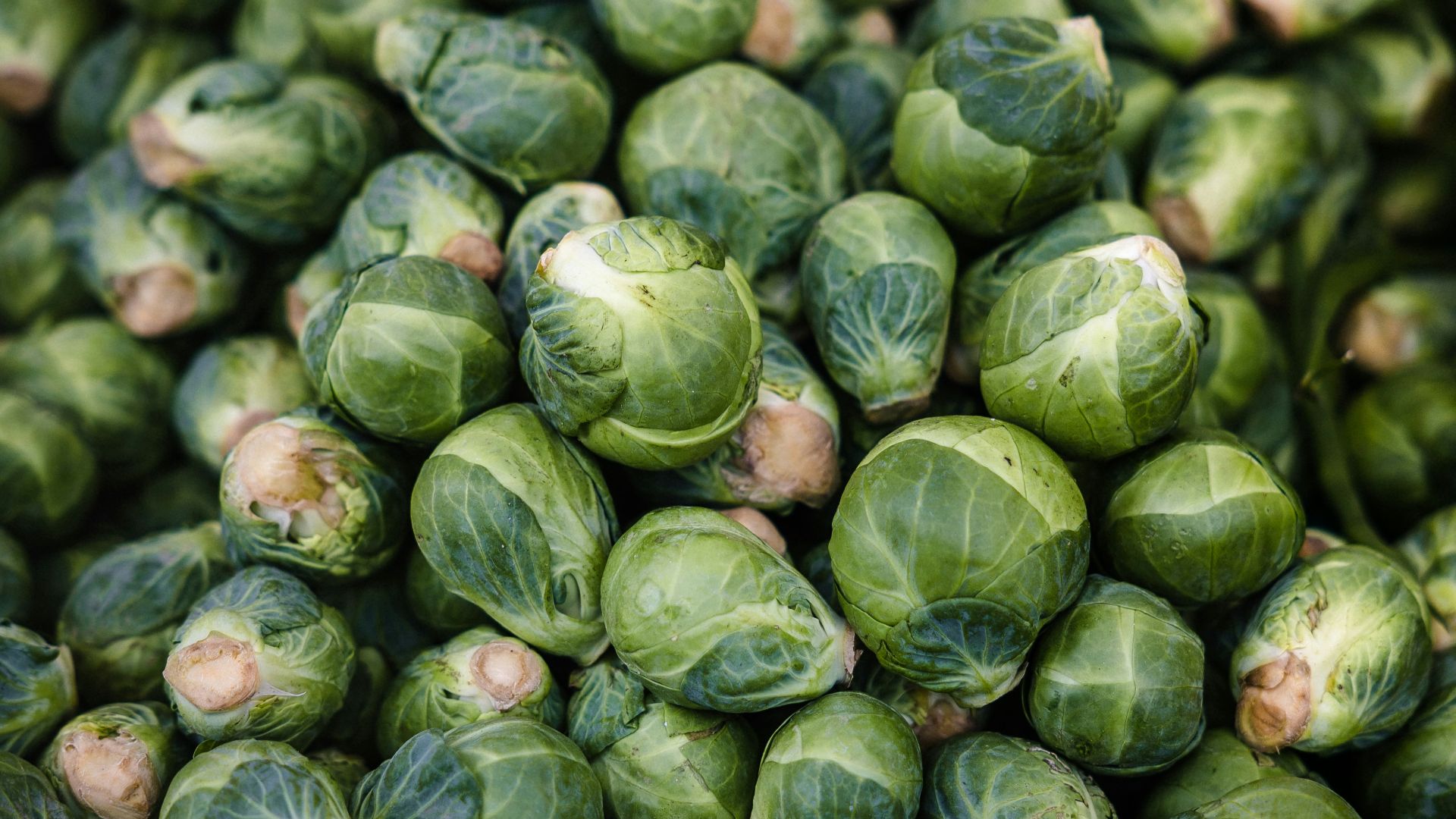
14. Brussels Sprouts
Brussels sprouts add vitamin C to a hearty vegetable that can feel substantial on the plate. Roasting is popular, but shorter cook times help protect water-soluble vitamins. If you’re new to them, simple seasoning and high heat usually deliver a balanced flavor.
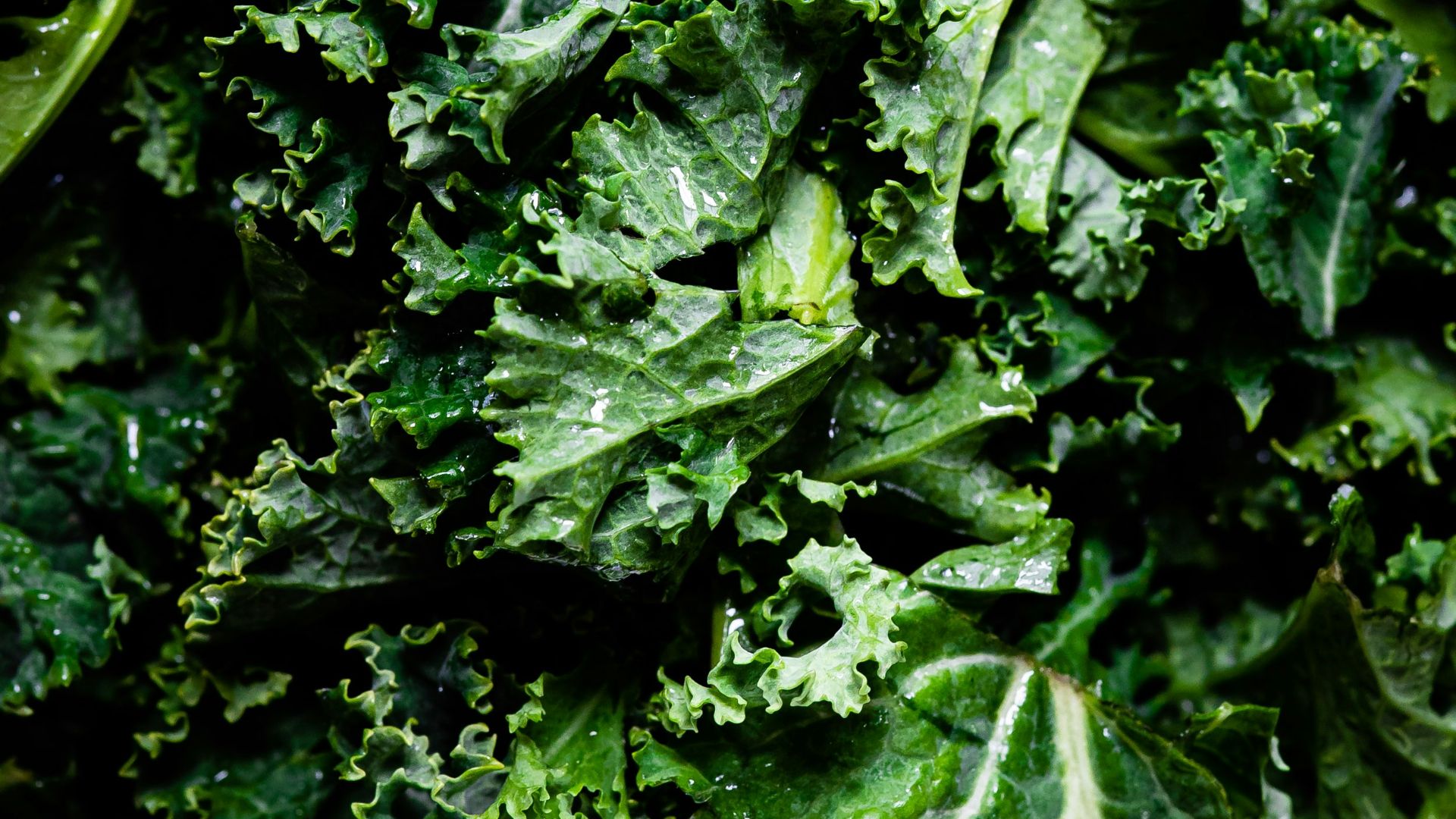
15. Kale
Whether in salads or sautés, kale can raise your vitamin C intake without requiring special ingredients. Massaging it with oil and acid softens it for salads, while a brief sauté makes it dinner-friendly. It’s also a popular green for smoothies, as the flavor tends to hide among the fruits.
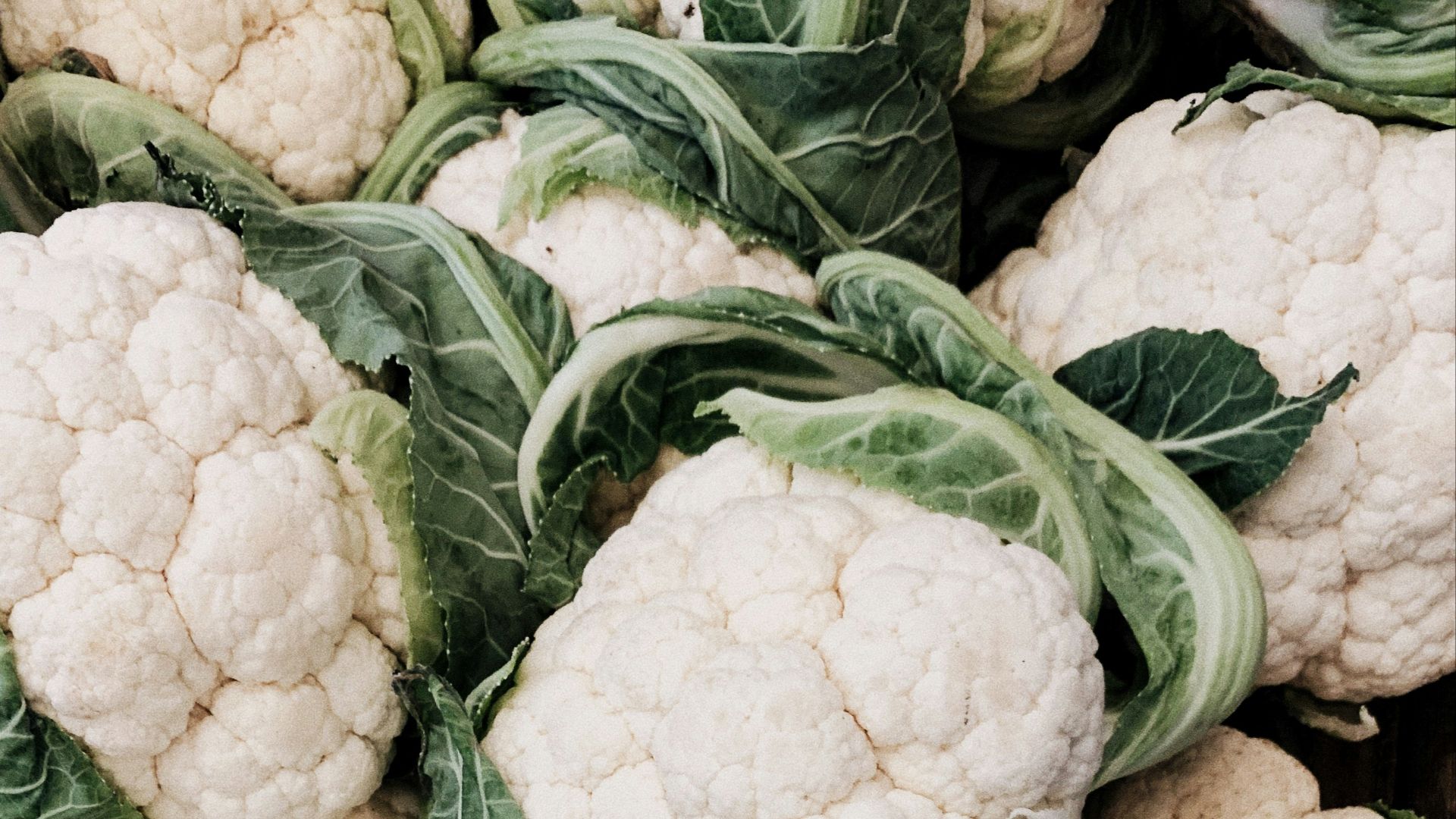
16. Cauliflower
Cauliflower is a mild vegetable, but it still contributes a decent amount of vitamin C and adapts to many cooking styles. Raw florets work for dipping, and roasting adds depth while keeping prep minimal.
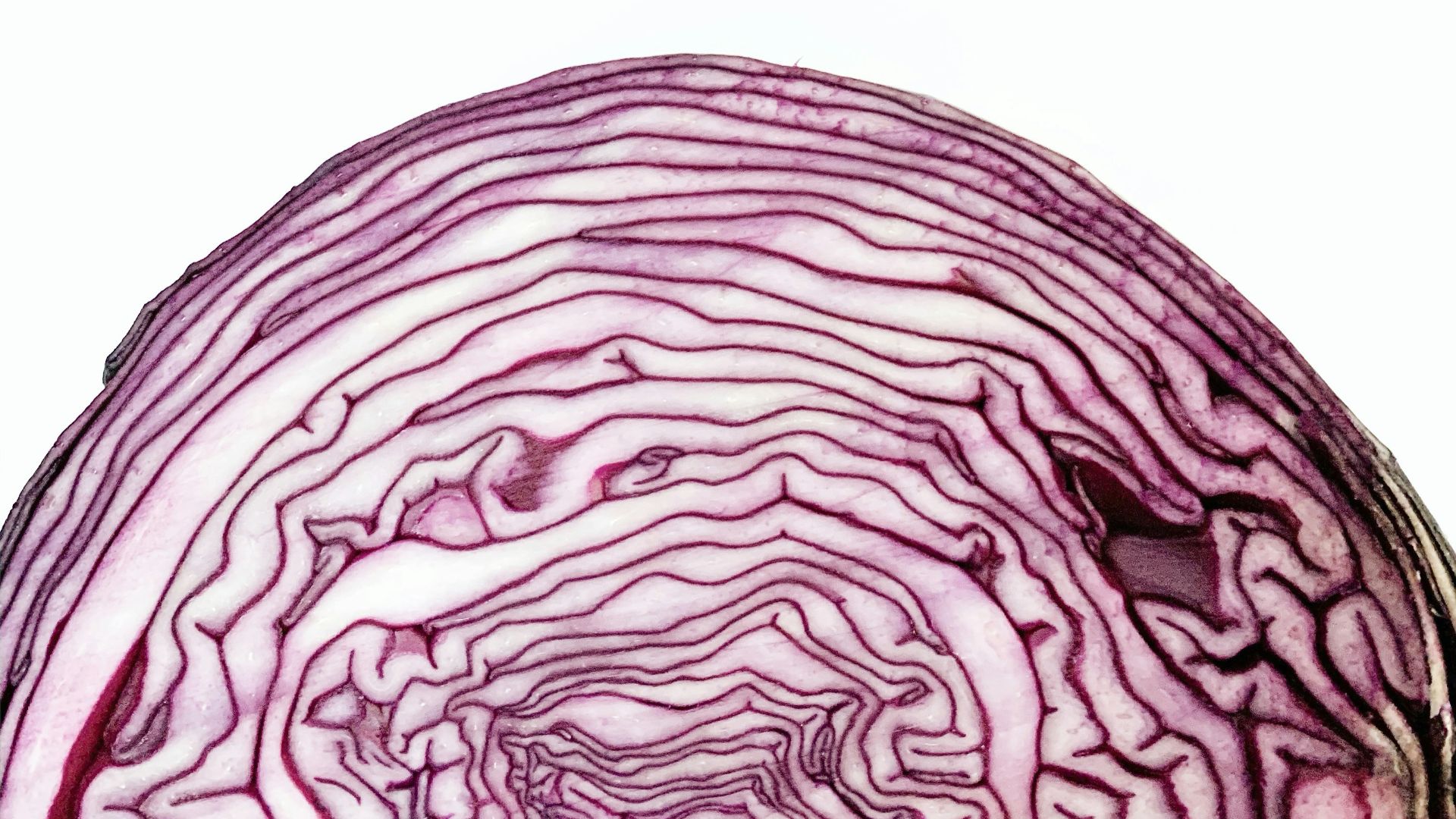
17. Red Cabbage
Red cabbage brings vitamin C and a strong color that holds up in slaws and bowls. A quick slaw with vinegar or citrus keeps it crisp and avoids long cooking. It also holds up for days, which makes it well-suited to meal prep.
18. Tomatoes
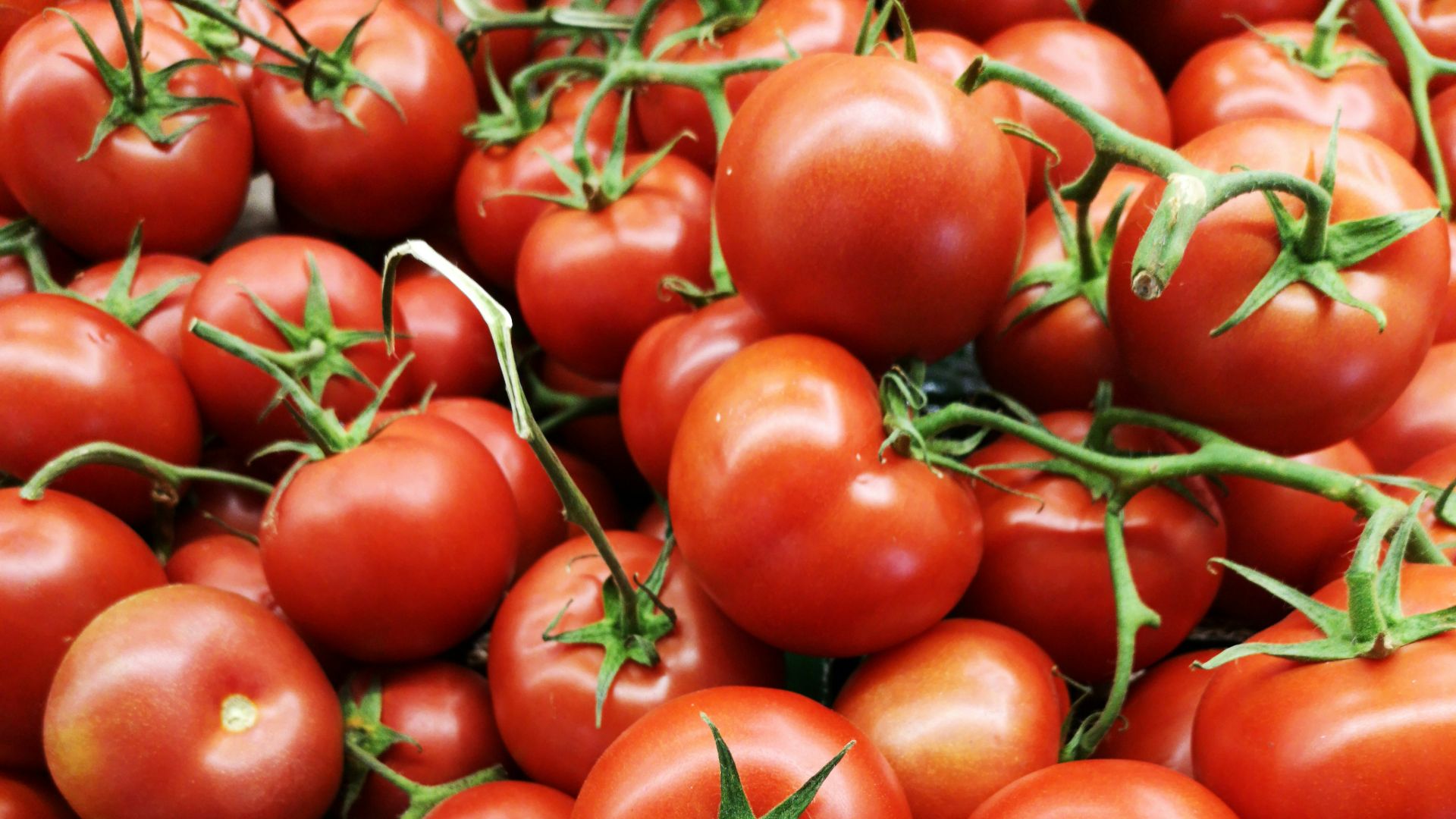
Tomatoes, including tomato juice, are familiar vitamin C sources in many households. Fresh tomatoes are easy in salads and sandwiches. You can, of course, cook them, but they will lose a good portion of their vitamin-based benefits by doing so.
19. Baked Potatoes
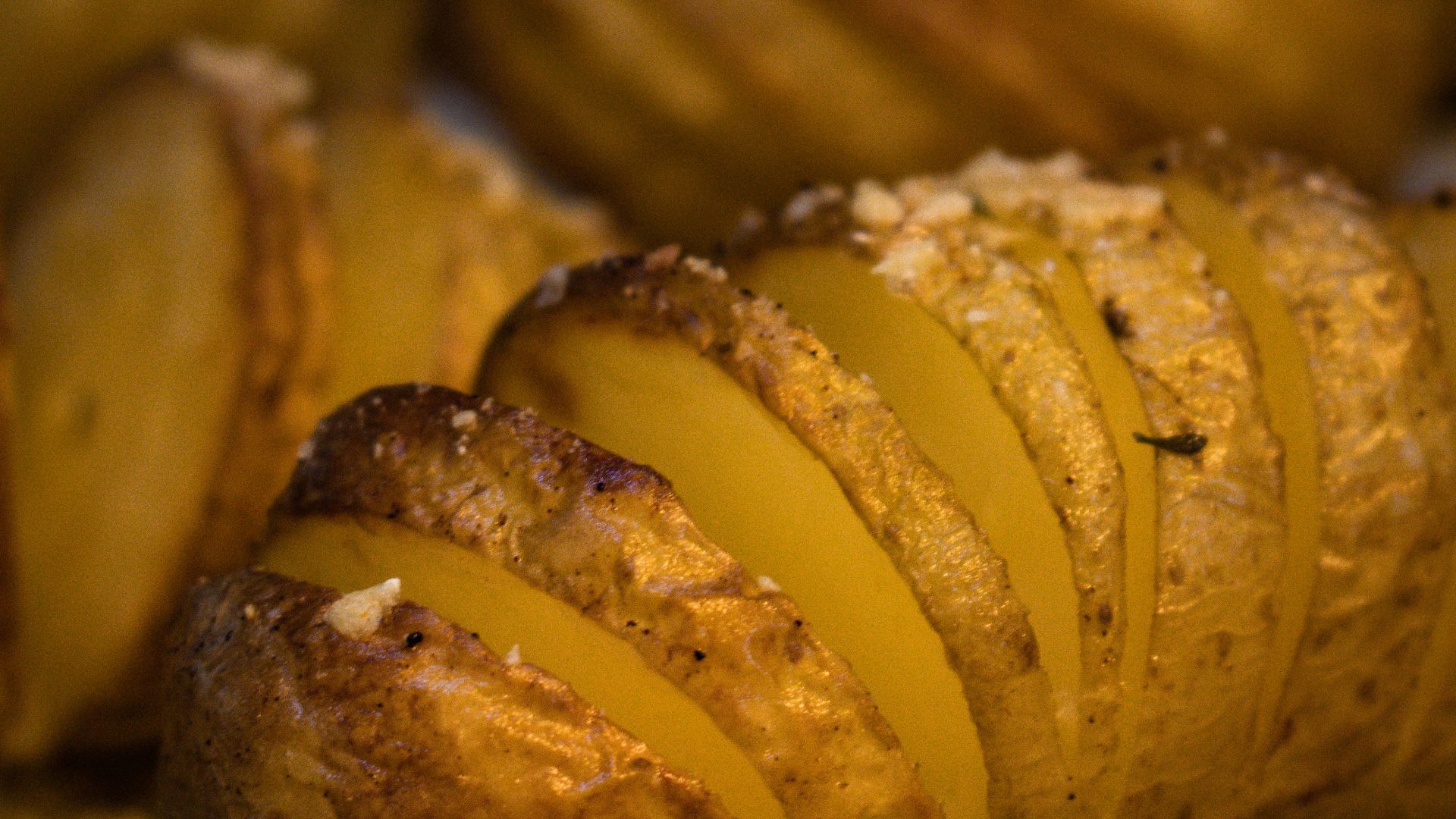
Potatoes are an excellent source of vitamin C, especially when eaten as baked potatoes. Eating the skin can increase the overall nutrient value of the meal. Pair a baked potato with vegetables or a protein topping to keep the plate balanced and satisfying.
20. Spinach
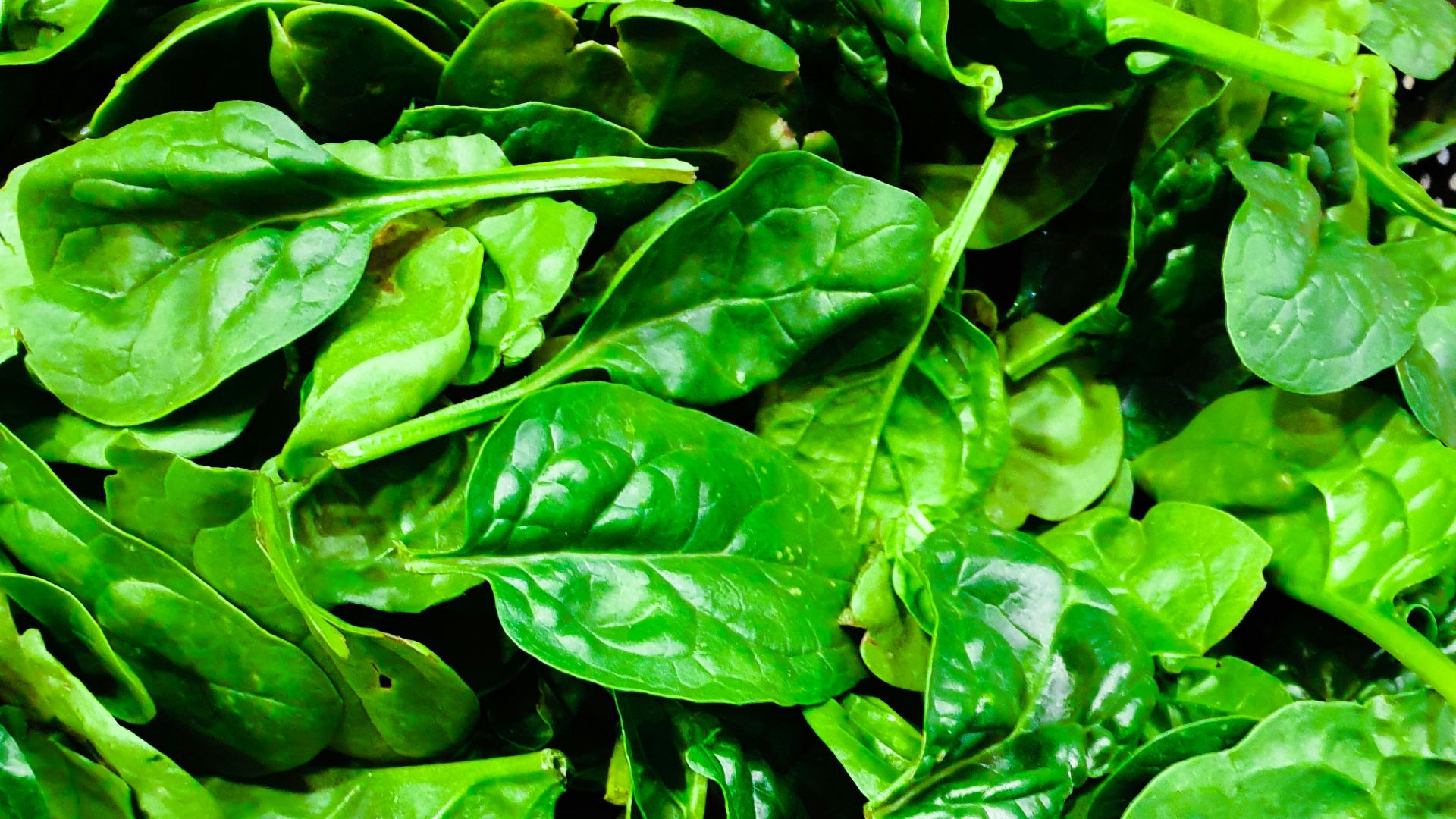
Spinach contributes vitamin C and can helpfully complement iron-rich meals. Vitamin C improves absorption of non-heme iron from plant foods, so spinach meals benefit from pairing with other vitamin C-rich ingredients. If you avoid overcooking it, spinach can do wonders for your health.