

You’ve probably had this moment: you grab something labeled “healthy,” feel proud for about twelve seconds, and then realize it has the calorie density of a small brick. A lot of foods earn a health halo because they contain one good-sounding ingredient, like oats, fruit, or probiotics, and suddenly they’re treated like a free pass. Nutrition labels, portion sizes, and sneaky add-ins don’t always get the same hype as the front-of-package buzzwords.
If you enjoy these foods, there's no shame in having them. The problem is if you pick them because you believe they're healthy when they aren't, really. In this case, it's just marketing getting a little too confident. When you understand what’s going on, you can keep the foods you like and adjust the parts that throw your health goals off. Here are three classics that get misunderstood all the time, plus how to enjoy them without the surprises.
1. Granola
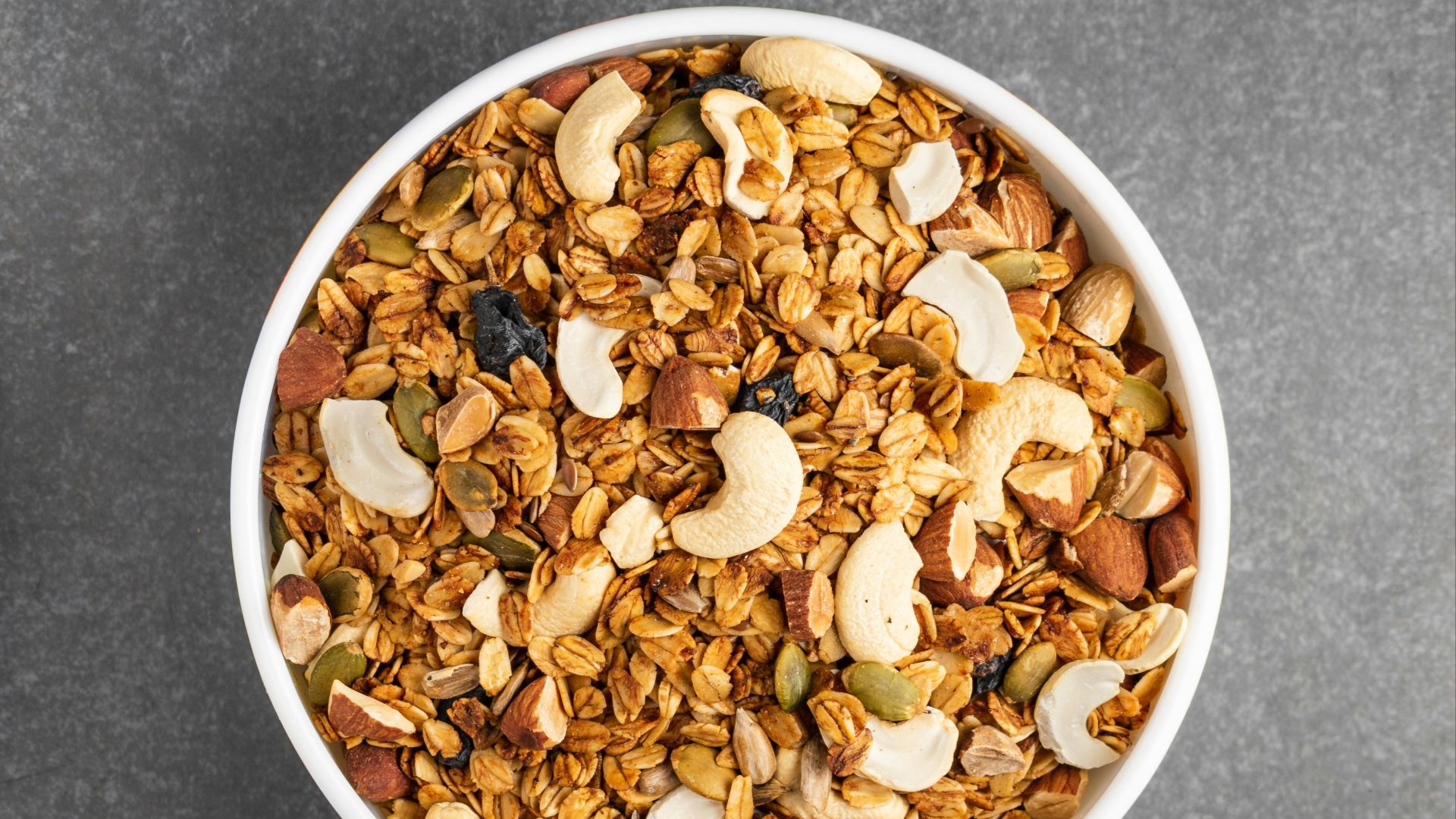
Granola has a wholesome image because it’s usually made from oats, nuts, and seeds, which are genuinely nutritious ingredients. The issue is that many store-bought versions add enough sweetener and oil to turn it into a crunchy candy situation. If you pour it like cereal, you can accidentally serve yourself a lot more calories and a lot more sugar than you think. It’s not “bad,” but it’s often more of a treat than people realize.
Another thing that trips people up is how easy it is to lose track of portion sizes with crunchy foods. A typical serving can be smaller than your instincts want it to be, especially if you’re doing a generous sprinkle on yogurt. When brands add chocolate chips, yogurt coatings, or syrupy clusters, the sugar can climb quickly. Even “natural” sweeteners like honey still get metabolized as sugar in your body, and if the product is baked at a high temperature, as granola is, any antioxidants that were in your honey or maple syrup have long been destroyed.
You don’t have to break up with granola to eat in a way that feels steady and balanced. Try using it like a topping instead of a base, so you get the crunch without turning breakfast into a sugar spike. Look for versions with lower added sugar and a shorter ingredient list, or make a simple batch at home so you control the sweetness. If you pair a modest amount with high-protein yogurt and fruit, granola can be a smart supporting actor instead of the main event.
2. Smoothies
Smoothies are often marketed as the easiest way to “drink your nutrients,” which sounds like a modern miracle. The problem is that it’s very easy to pack a smoothie with a full day’s worth of calories while it still feels like a light snack. Fruit is healthy, but blending it makes it easier to consume quickly, and you might not feel as full as you would if you ate the same ingredients whole. If you’re using juice as the base, you’re basically starting with fast sugar before the blender even warms up.
Store-bought smoothies and bottled “green” drinks are especially good at hiding what’s inside. Some have added sugars, concentrates, or multiple servings per bottle, which can make your “healthy choice” basically the equivalent of a soda with better branding. Even when they’re made with real fruit, they often lack enough protein or fat to keep you satisfied. That can lead to a hunger rebound that makes you snack aggressively an hour later.
To make smoothies work for you, build them like a balanced meal rather than a fruit-only beverage. Make it at home and add a protein source you tolerate well, such as Greek yogurt, milk, soy milk, or a protein powder you trust, and include fiber and nutrient-rich options like chia seeds, spinach, or oats if your stomach handles them. Use whole fruit and a less sugary liquid base, like water or unsweetened cow's or plant-based milk, so the sweetness stays reasonable. When you drink it slowly and treat it as food, a smoothie can be a legitimate healthy tool instead of a disguised calorie bomb.
3. Flavored Yogurt
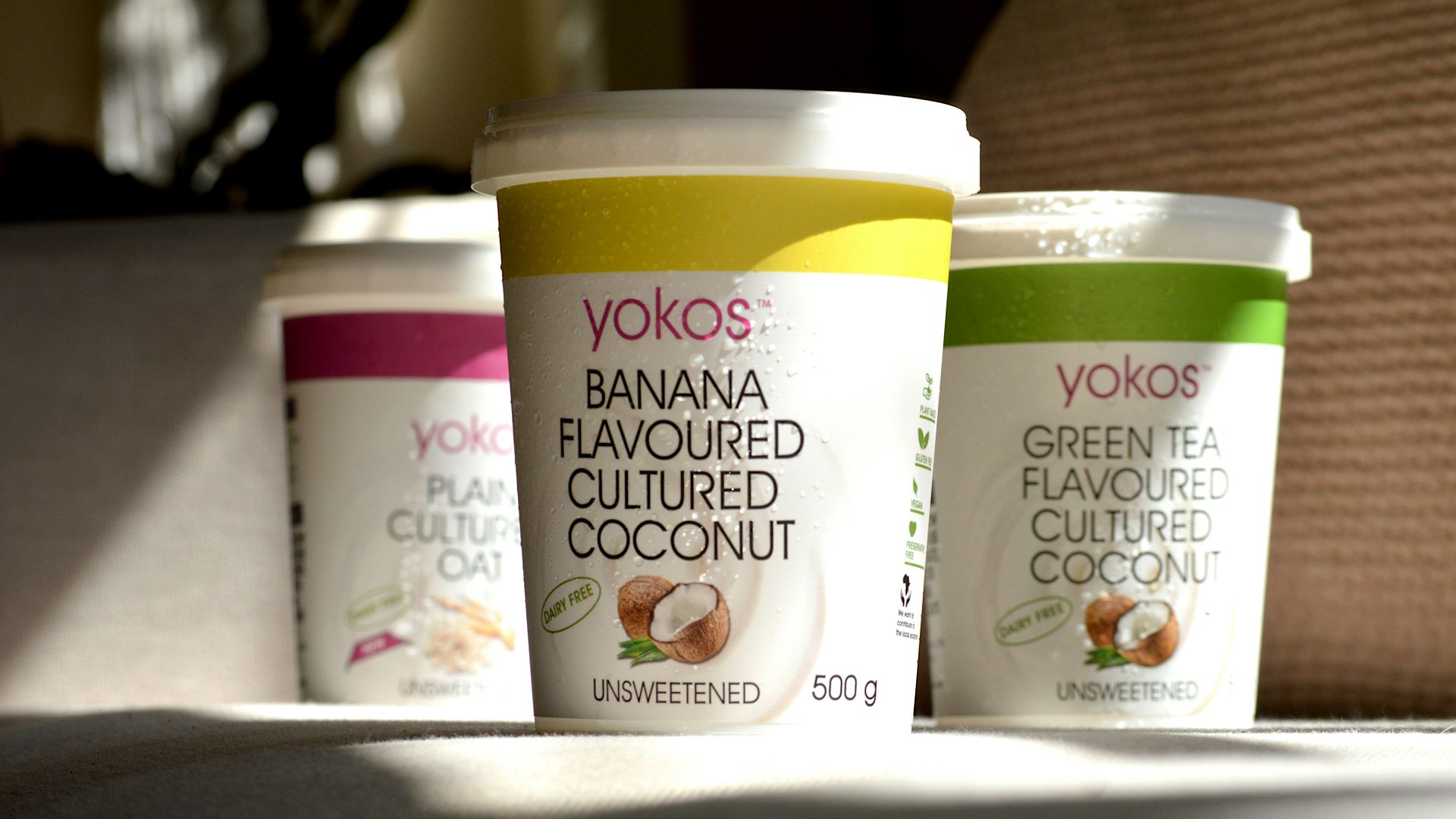
Yogurt gets called healthy because it can provide protein, calcium, and beneficial bacteria, which is all true in the right form. The confusion starts when flavored yogurts bring a lot of added sugar along for the ride. Some single-serve cups have enough sweetness to blur the line between breakfast and dessert. If you’re eating it for gut health or steady energy, sugar-heavy versions may not deliver what you’re looking for.
Texture can also be a clue, because many flavored yogurts rely on thickeners and sweeteners to create that smooth, “treat-like” feel. That’s not inherently a problem, but it can make people think they’re choosing a high-protein option when it’s actually a low-protein, high-sugar snack. “Low-fat” versions sometimes compensate by leaning harder on sweeteners for flavor.
The fix is simple and still enjoyable: choose plain yogurt, then add your own flavor in a way you can see. Fruit, cinnamon, vanilla extract, or a small drizzle of honey lets you control sweetness without getting ambushed. If you want more satiety, pick a higher-protein style like Greek yogurt and add nuts or seeds for staying power. You’ll still get the creamy comfort, but it’ll behave more like the healthy food you thought you were buying.
KEEP ON READING