Functional Drinks Are Replacing Coffee, and It's Getting Weird
 Elysabeth Malenfant on Unsplash
Walk into any well-stocked grocery store right now and you'll find an entire aisle that didn't exist five years ago. Cans of mushroom-infused sparkling water. Bottles promising to rewire your gut microbiome. Tonics with adaptogens sourced from Siberian roots and Himalayan fungi. The beverage industry has always been good at selling us things we didn't know we needed, but the current wave of functional drinks feels different in scale and strangeness. Something is actually shifting in the way people think about what a drink is supposed to do.
According to Statista, about 83% of Baby Boomers drink coffee daily, compared to 74% of Gen X, 66% of Millennials, and only 42% of Gen Z. The trend line runs in one direction. The generation currently entering adulthood is the first in modern American history to be genuinely indifferent to coffee as a default morning ritual, and the functional drinks industry has moved in to fill that space with something considerably weirder.
The Coffee Crowd Is Shrinking, and the Industry Knows It
The numbers behind the functional beverage boom are hard to ignore. The global functional drinks market stood at $233.98 billion in 2024 and is predicted to reach around $439.21 billion by 2034. That is not niche wellness territory anymore. That is a category large enough to have drawn the full attention of the same conglomerates that built their empires on soda and sugary sports drinks. In February 2025, Coca-Cola entered the fast-growing prebiotic soda market with Simply Pop, a new functional beverage for health-conscious consumers. When Coca-Cola pivots, something real is happening.
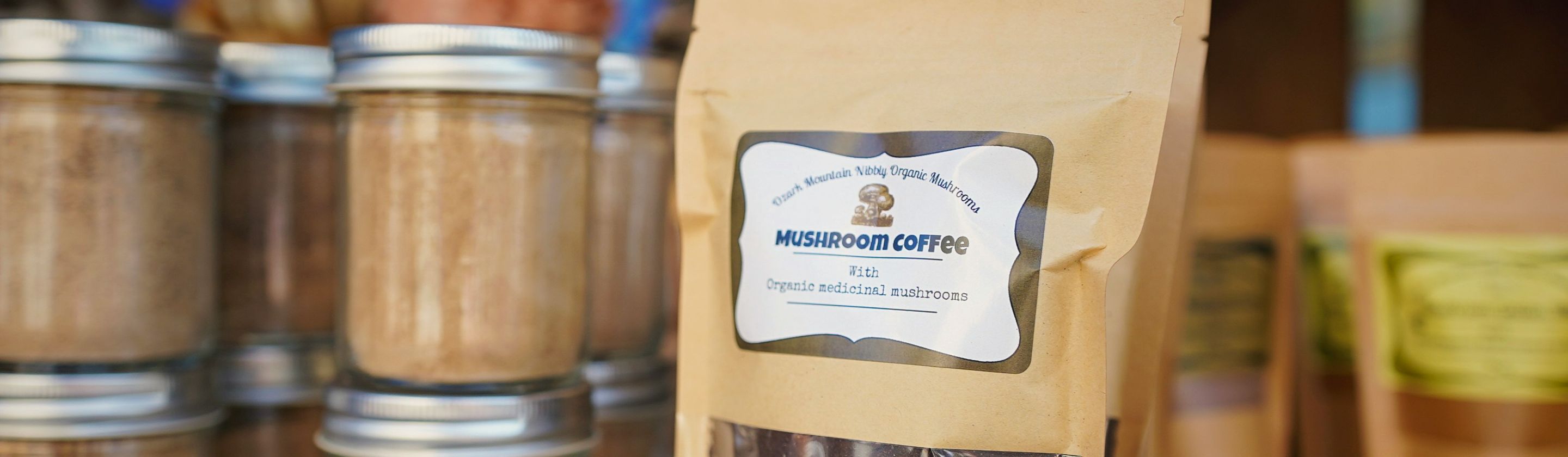
Almost two-thirds of Gen Z members don't drink coffee at all, nearly double the percentage of Millennials who abstain. That gap has given functional drinks a massive opening. Gen Z is increasingly swapping their morning coffee for mushroom-infused tonics and teas, seeking calm alertness rather than the sharp jolt that coffee delivers. The pitch is appealing: you still get something to drink in the morning, something that feels intentional and even ritualistic, but without the anxiety spike, the crash, or the dependency that coffee can produce over time.
What makes this generational shift interesting is that it isn't purely about health. A 2024 survey reveals a marked decline in the consumption of black coffee among Americans, with only 18% preferring to drink their coffee black, a 56% decrease from 2022. Younger consumers aren't just moving away from caffeine. They're moving away from simplicity. They want a drink that tells a story about who they are and what they care about, and a plain black coffee no longer carries that meaning the way it once did for earlier generations.
Adaptogens, Mushrooms, and the Science Is Complicated
The ingredient list in modern functional drinks reads like a field guide to obscure botany. Leading the charge in adaptogenic beverages are ingredients like ashwagandha, known for its stress-reducing properties, rhodiola for energy enhancement, and lion's mane mushroom for cognitive support. These aren't invented by marketing departments. They're compounds with roots in Ayurvedic and Traditional Chinese Medicine, used for centuries before anyone thought to dissolve them into sparkling water. The global adaptogenic beverages market is projected to reach approximately $2.8 billion by 2034, rising from $1.4 billion in 2024, with ashwagandha-based beverages leading at a 35.30% market share.
The tricky part is separating what these drinks genuinely offer from what the branding promises. Poppi's health claims led to a class-action lawsuit, where one woman sued the company after buying the drinks for their advertised gut health benefits, only to learn those are negligible due to the minimal amount of prebiotic agave inulin fiber in each can. Olipop, its main competitor, has a much higher fiber content at nine grams per can, but even nutritionists at NYU note that extracted fiber from chicory root or cassava root doesn't deliver the same benefits as the fiber found in whole fruits and vegetables.
That gap between claim and reality hasn't slowed the market down. Olipop is the top nonalcoholic beverage brand in the US by dollar sales and unit growth, one in four Gen Z consumers drinks Olipop, and the company reached profitability in early 2024. PepsiCo acquired Poppi for $1.95 billion in March 2025. These are not the valuations of a fad. They reflect a consumer base that has decided, correctly or not, that drinking something with a functional claim is better than drinking something without one, and that calculus is reshaping the entire beverage aisle.
The Morning Ritual Is Up for Renegotiation
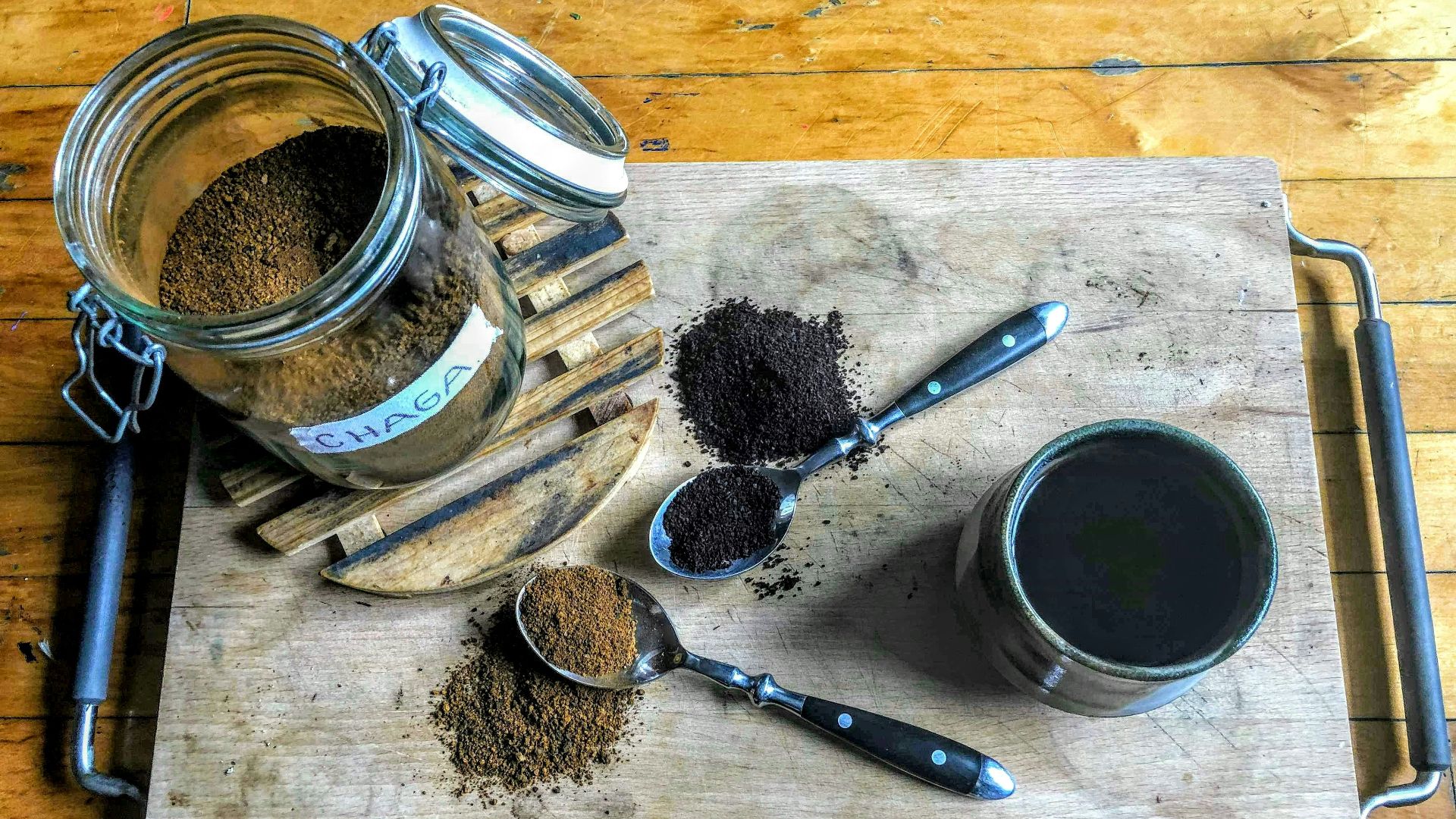
Coffee didn't just succeed because of caffeine. It succeeded because it gave people a structure: a reason to pause, a warm mug, a signal that the day had officially begun. The genius of functional drinks is that they're not really trying to replace caffeine. They're trying to replace that ritual, and they're doing it with a language that speaks directly to anxious, health-aware younger consumers. Mushroom coffee alternatives, adaptogen lattes, prebiotic sodas at breakfast, all of these position themselves as the smarter, gentler version of the old routine.
Younger consumers want specific health benefits from their drinks, citing energy support, immune support, and stress management as their top priorities. A generation raised on wellness content, chronic stress discourse, and personalized nutrition isn't going to be satisfied by a drink that just wakes them up. They want the drink to do work for them, and the functional beverage industry has become very good at promising exactly that, whatever the fine print says about efficacy.
Where all of this lands in another decade is genuinely hard to predict. Some of these categories will almost certainly get folded into the mainstream, lose their wellness halo, and become just another shelf option. Others will survive because the ingredients actually do something, or at least do something enough that people feel better for drinking them. What seems clear is that the era of coffee as the uncontested default, the thing every American adult just naturally gravitated toward without much thought, is quietly ending. What's replacing it is stranger, more expensive, and a lot harder to explain to your parents.
KEEP ON READING

10 Most Hated Foods in the Entire World