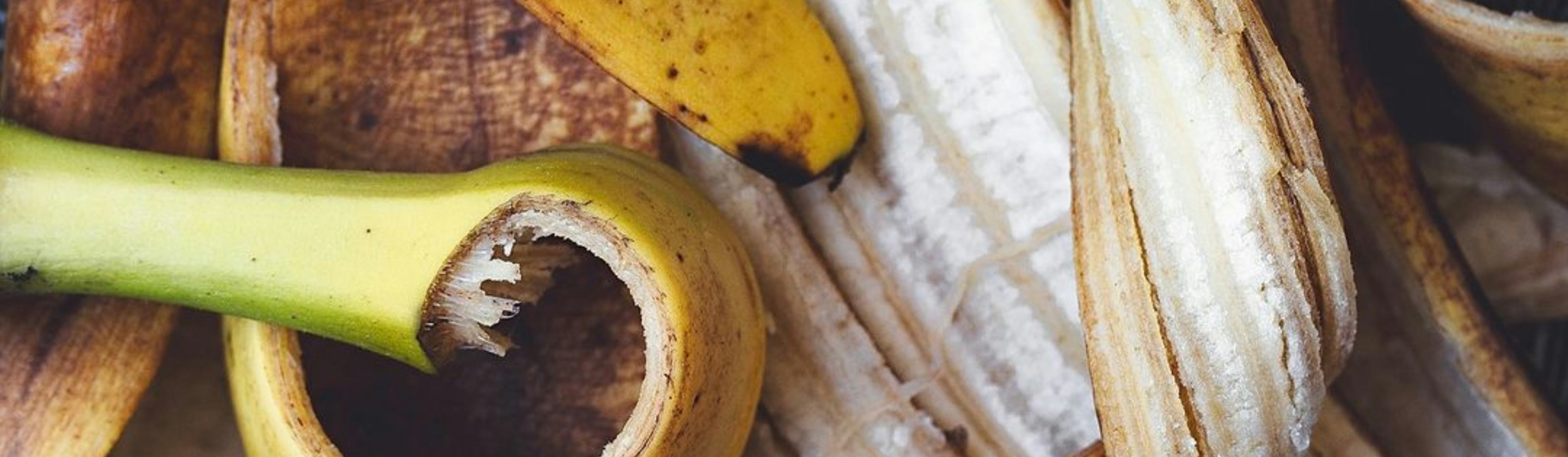
Think Twice Before Tossing Your Food
Food waste often sounds like a small thing: so what if you can't finish the other half of your banana? So what if you don't want your leftovers from last week anymore? But if you think about how much is tossed in kitchens, restaurants, grocery stores, and workplaces every single day, you can see how it starts adding up fast. A lot of it happens through habits people barely notice, from buying too much produce to forgetting groceries in the back of the fridge until they've spoiled. When you start paying attention to where food gets wasted and how simple choices can reduce it, sustainability feels a lot less overwhelming and a lot more doable.
1. Buying More Than You Can Realistically Eat
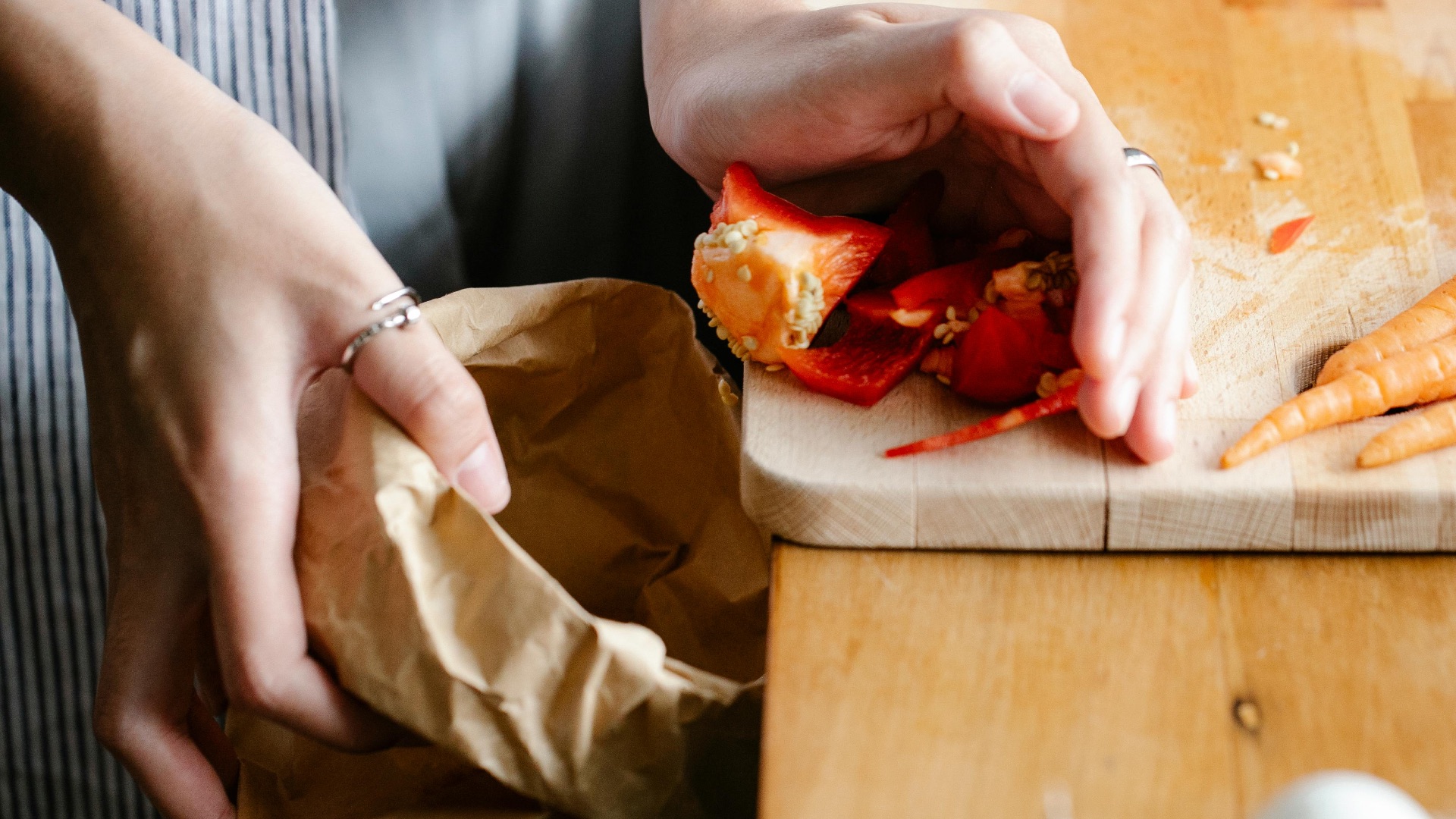
A lot of food gets wasted because people shop with good intentions, only to come home with far more than they can finish before it spoils. Bulk deals, impulse purchases, and ambitious meal plans often sound like good ideas in the store but don't always match real life once your schedule piles up. If your groceries regularly outlast your motivation to cook them, that's a clear sign the cart needs a little more restraint.
2. Forgetting What's Already in the Fridge
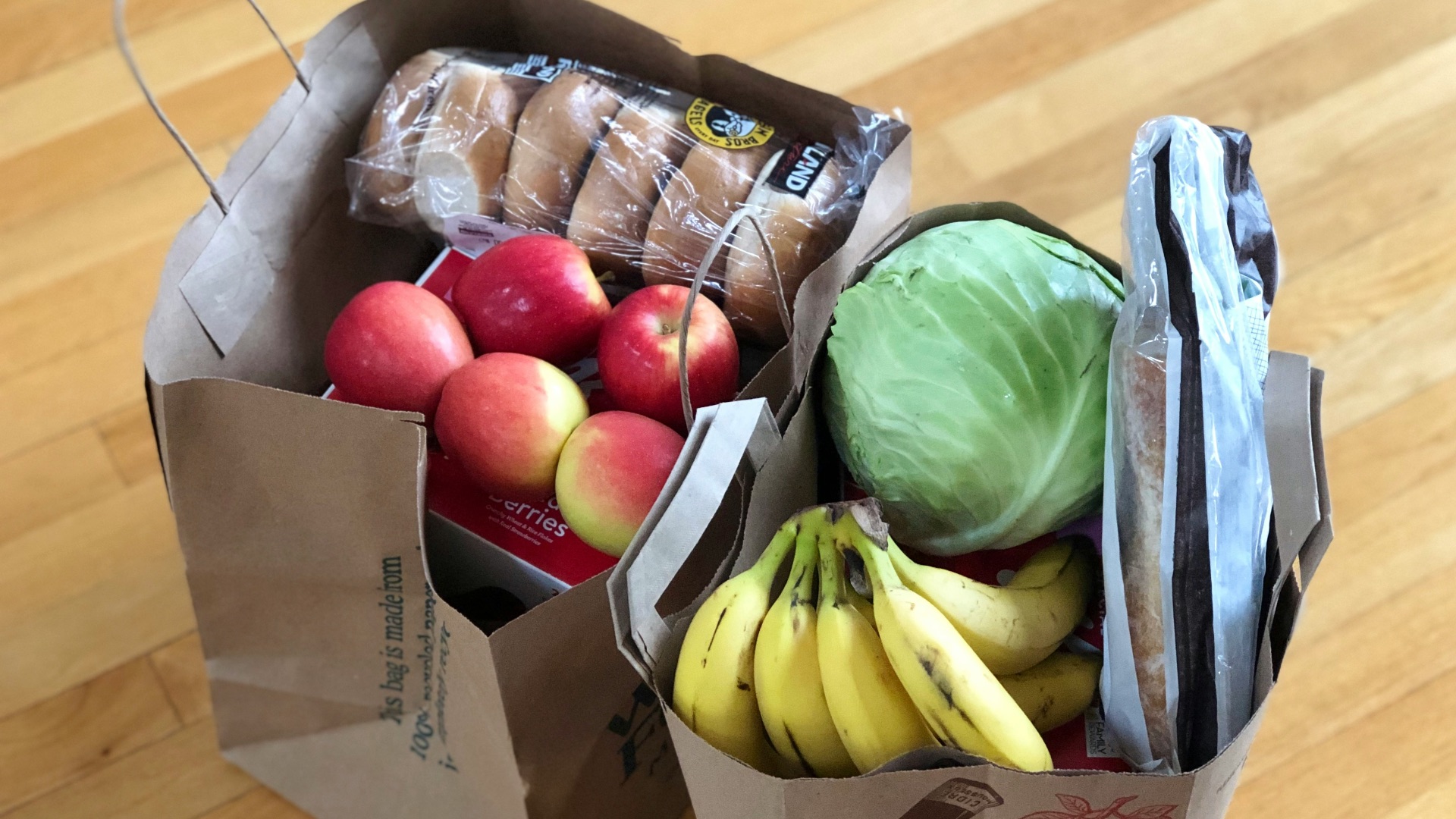
One of the easiest ways to waste food is to lose track of what you already bought and let it disappear behind newer items. Containers get stacked, produce gets pushed into drawers, and leftovers turn into mystery meals nobody wants to identify. By the time you find them again, they're usually past their best and headed straight for the trash.

3. Throwing Food Away Because of Date Labels
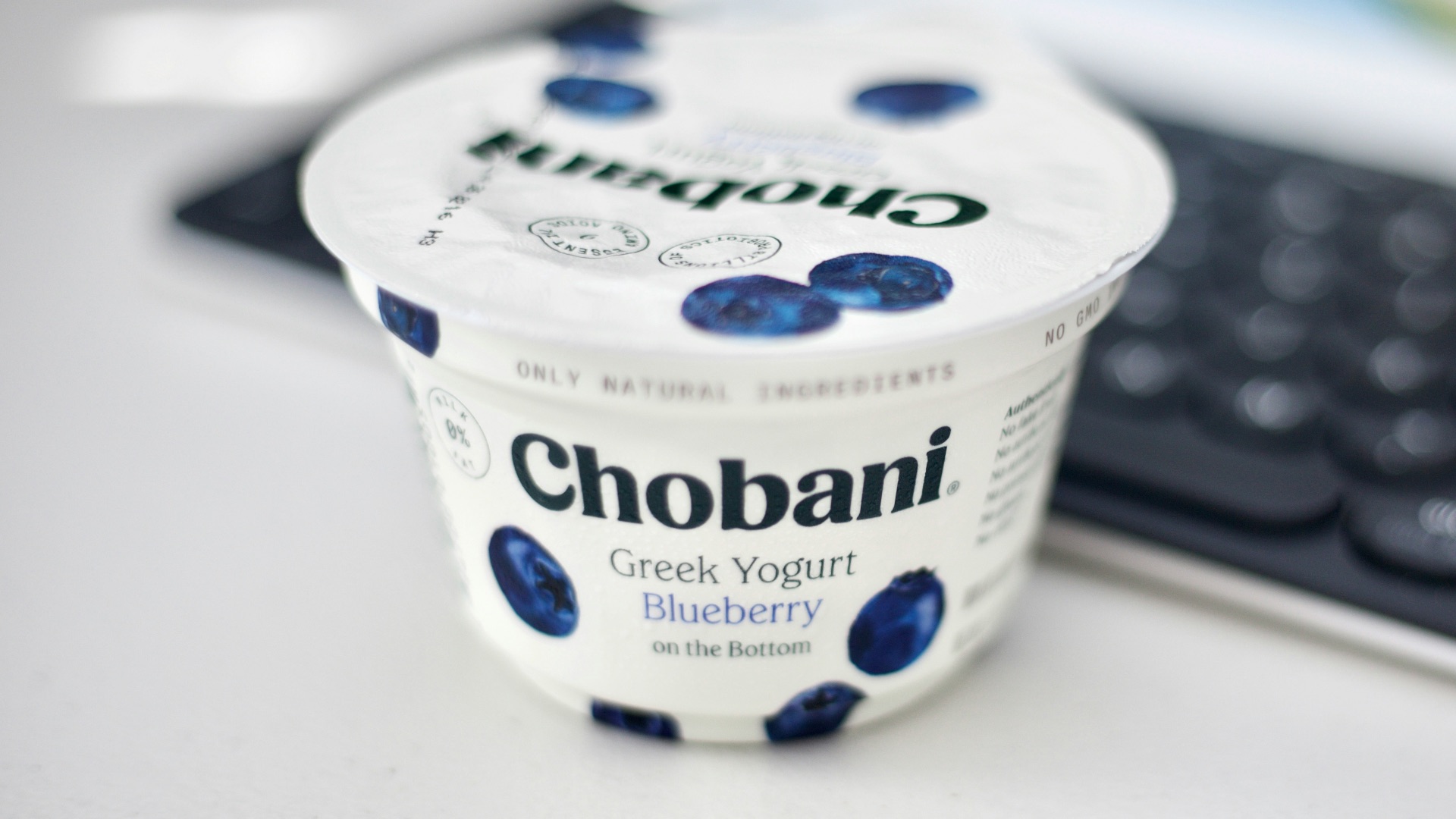
People often toss perfectly edible food because they assume every printed date means a hard deadline. In reality, many labels are about quality rather than spoilage, so food may still be fine even if the date has passed. If you're throwing out yogurt, bread, or cereal the moment you see a date stamp, you may be wasting a lot more than you realize.
4. Cooking Portions That Are Way Too Large
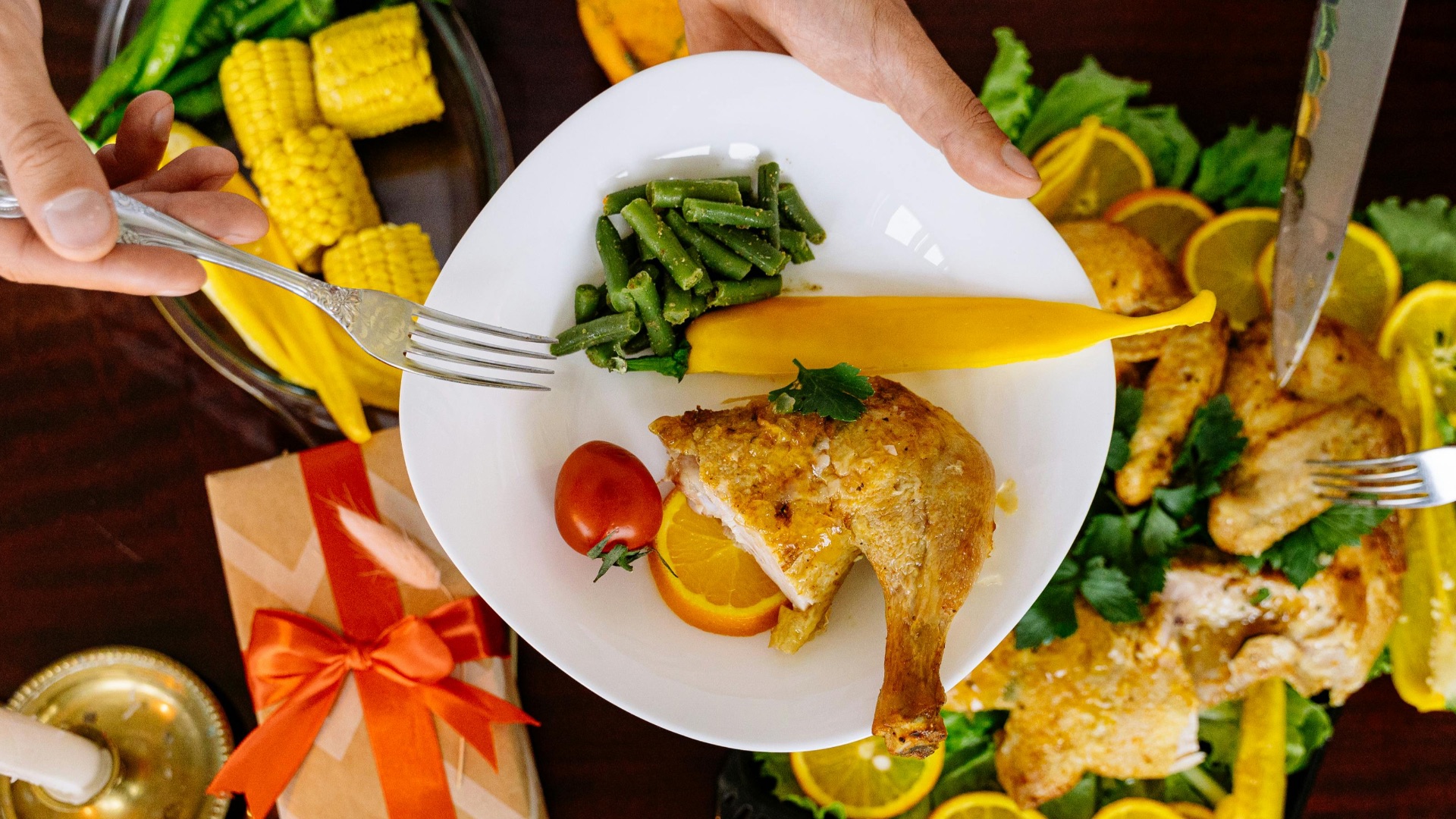
Oversized portions may seem generous in the moment, but they often become next-day waste when nobody wants to revisit the same meal. This happens at home just as much as it does in restaurants, especially when people cook as if they're feeding a crowd every night. Making too much food again and again doesn't save effort if half of it never gets eaten.
 Antoni Shkraba Studio on Pexels
5. Ignoring Leftovers Until They're Unusable
Packing leftovers sounds like a responsible decision—until they stay untouched and spoil. Many people store them with every intention of eating them later, only to keep choosing fresher meals until the leftovers are no longer appealing or safe. That means what started as a good habit ends up becoming delayed waste.
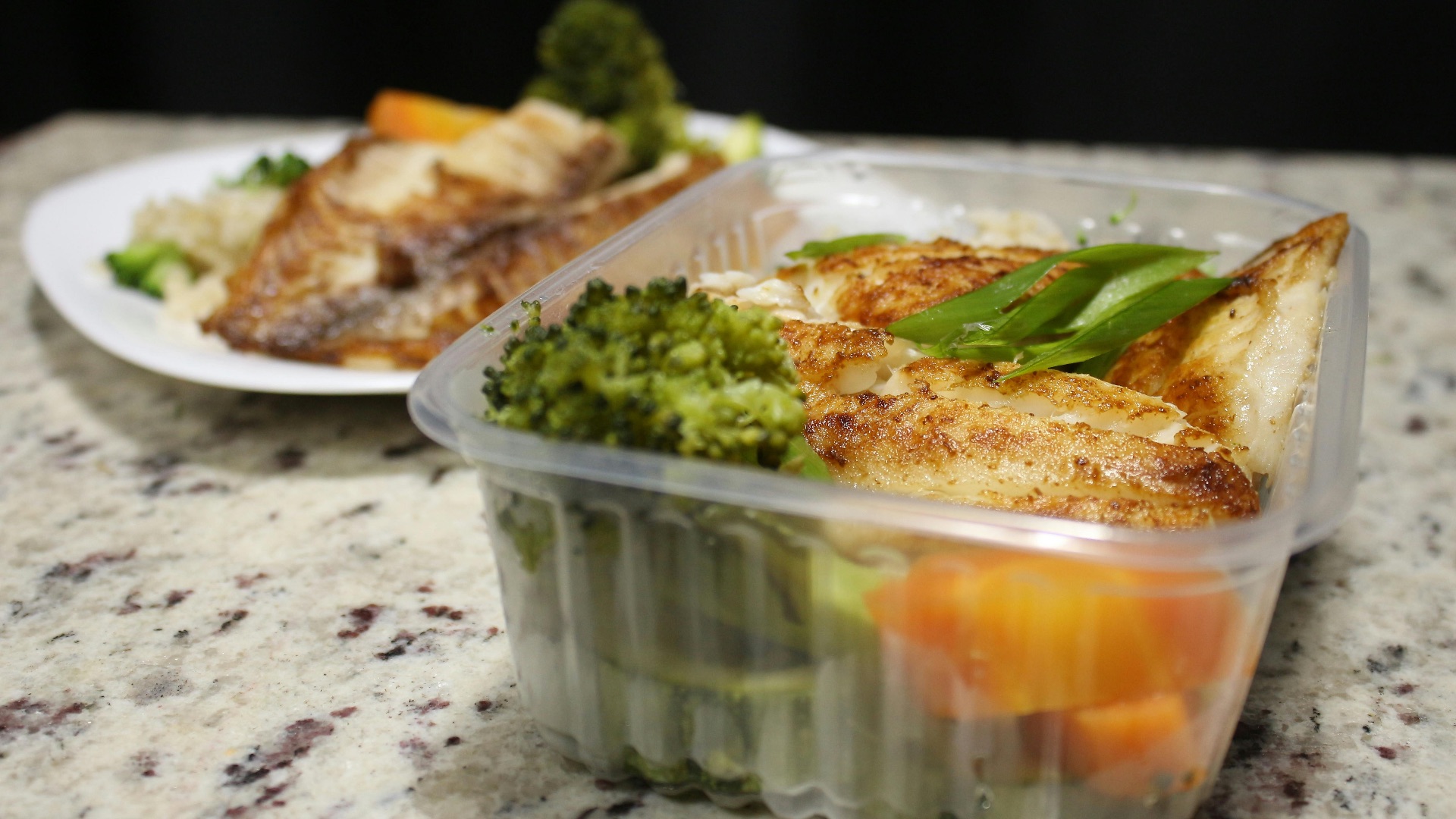
6. Peeling, Trimming, and Cutting Off Too Much
You might not realize it, but a surprising amount of food gets discarded during prep because people remove more than necessary from fruits, vegetables, and herbs. Thick potato peels, broccoli stems, carrot tops, and slightly bruised sections often get thrown out even though much of that food is still usable. In many kitchens, waste starts before cooking even begins.
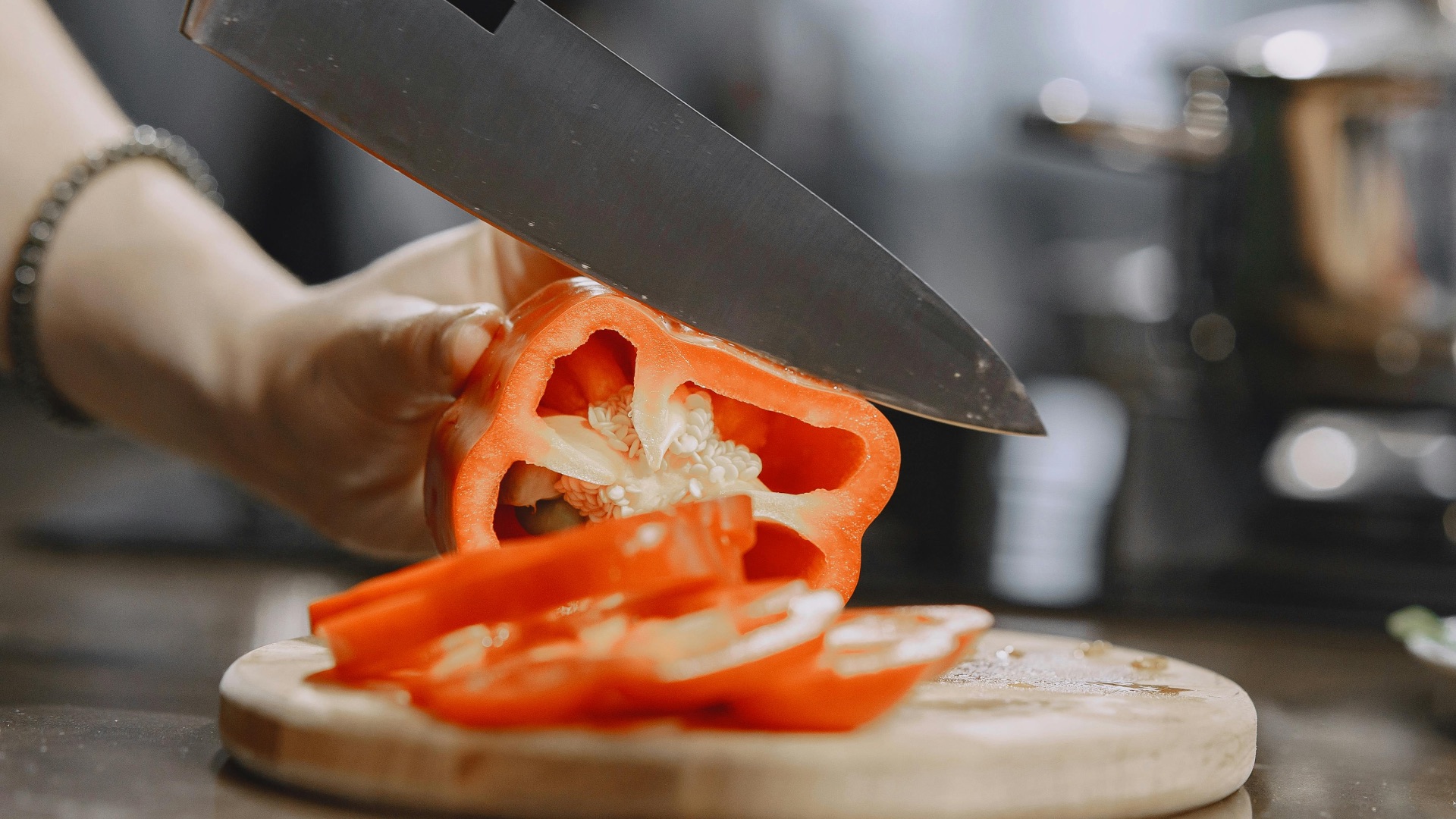
7. Letting Produce Go Bad Because It Was Stored Wrong
Fresh food doesn't last long when it's kept in the wrong place or stored without much thought. Some produce needs refrigeration, some do better at room temperature, and some fruits speed up ripening in everything around them. When storage habits are off, food spoils faster than it should, and money disappears with it.
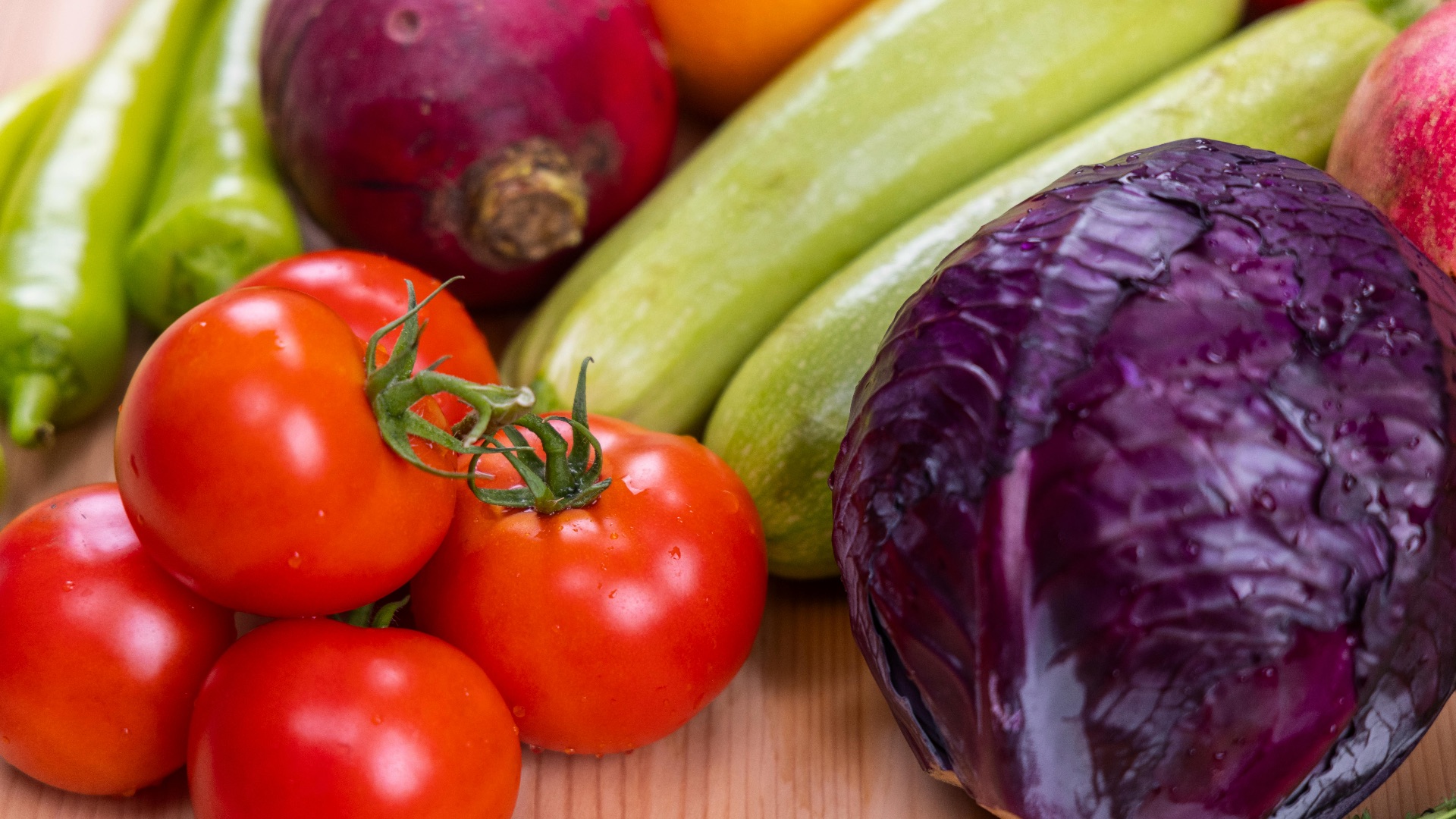
8. Ordering Too Much at Restaurants
Restaurant waste often starts with ordering far more than you can eat. Extra appetizers, oversized entrees, and side dishes nobody finishes can leave huge amounts behind at the table. Even when the meal was enjoyable, that leftover pile represents food that never had a real chance of being eaten.

9. Rejecting Food for Looking Slightly Imperfect
A lot of edible food gets wasted simply because people expect everything to look polished and untouched. Slightly soft apples, oddly shaped carrots, and bread with minor cracks are often overlooked even though their quality is still perfectly acceptable. Once appearance matters more than the use you could get out of it, a lot of good food gets treated as disposable.
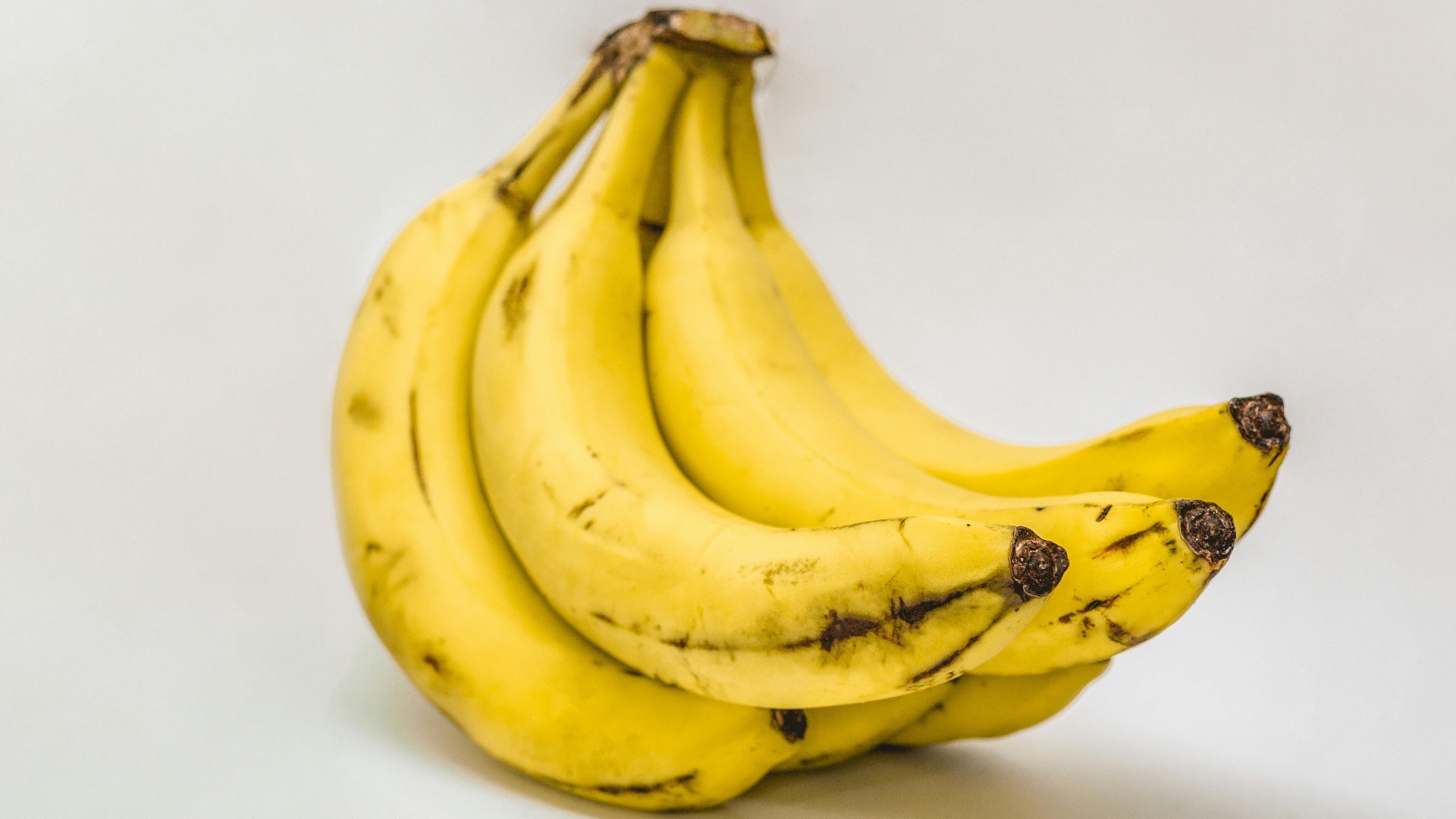
10. Treating Food as Replaceable
It's easy to waste food when it feels like something you can always just buy again without much consequence. That mindset makes it more likely you'll shrug off spoiled greens, abandoned leftovers, and half-used ingredients because replacing them seems simpler than managing them well. The more casual people become about wasting food, the more normal it starts to feel.
Food waste can seem inevitable, but it's not. Once you notice the habits that create the problem, it becomes much easier to build better ones that save food, money, and effort.
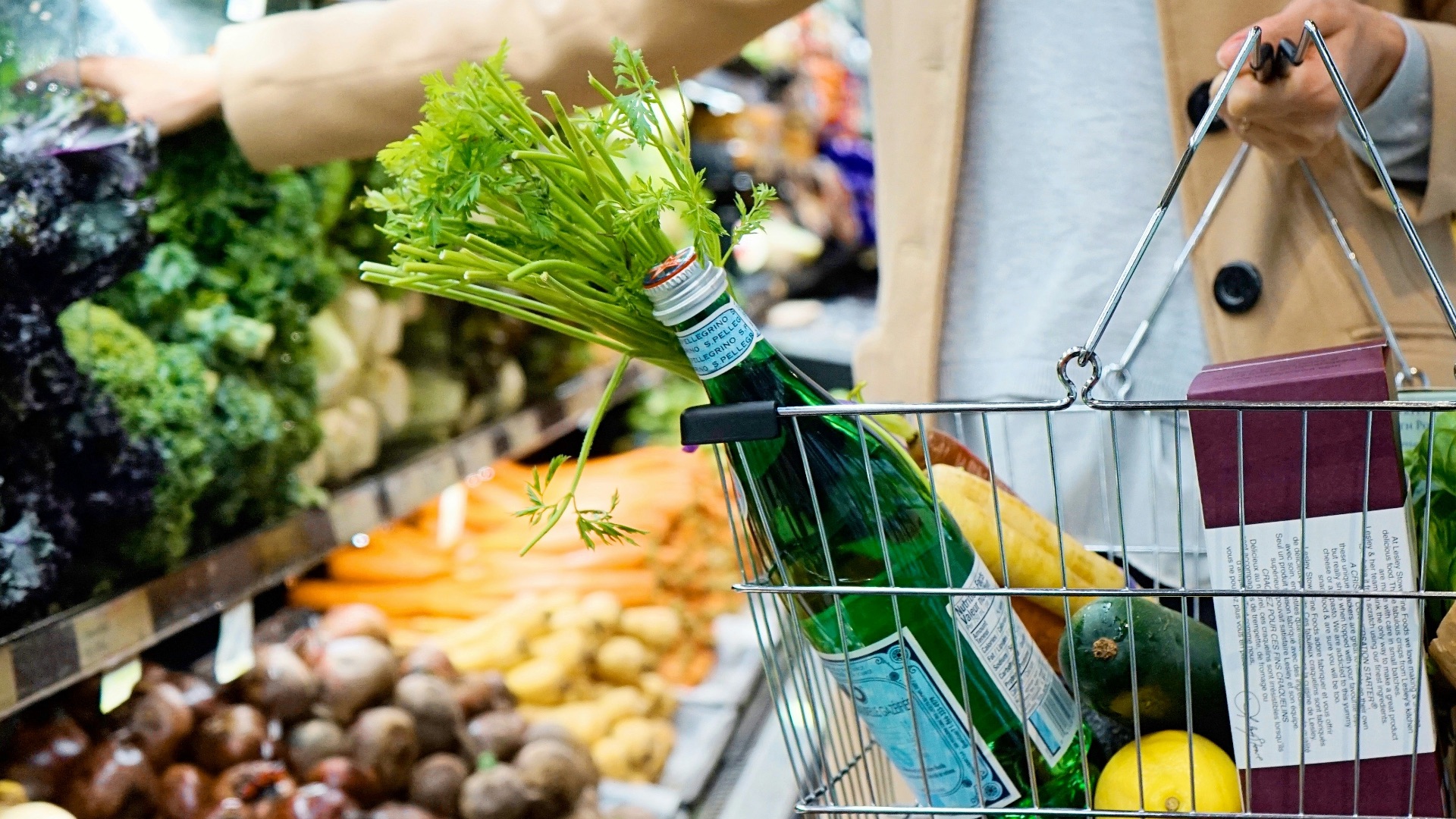
1. Plan Meals with Real Life in Mind
A sustainable kitchen starts with a meal plan that fits your actual schedule instead of an ideal version of yourself. If you know you'll be tired on Thursday or busy over the weekend, take that into account and plan simpler meals and buy accordingly. That'll make it much more likely that the food you bring home will actually get used.
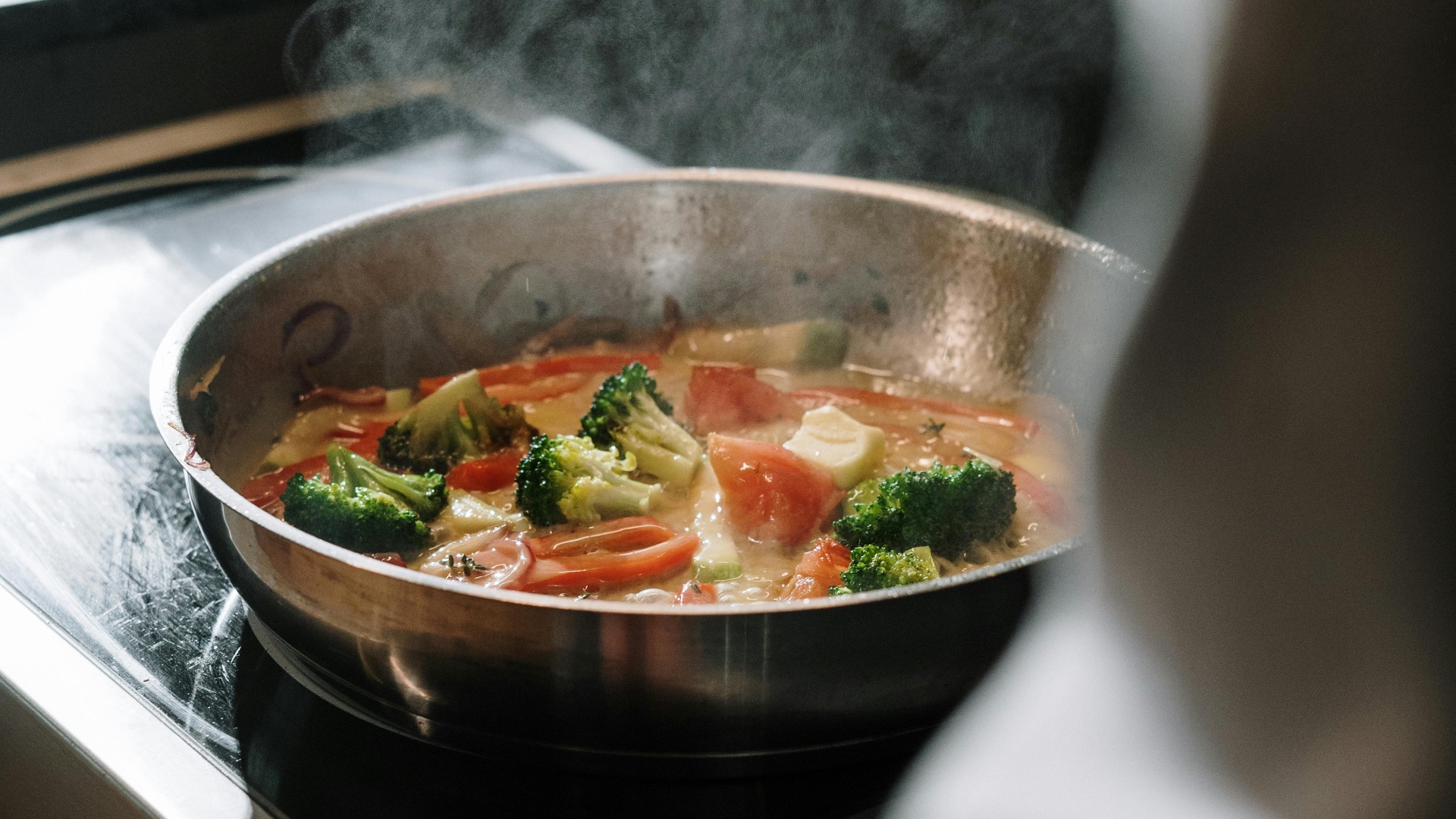
2. Shop with a List and Stick to It
Making a list helps reduce waste by keeping your shopping focused on what you need rather than on what looks tempting in the moment. It also helps you avoid duplicates, which is especially useful for ingredients that hide in the pantry until it's too late. When you buy with more intention, you usually throw away less without even trying that hard.
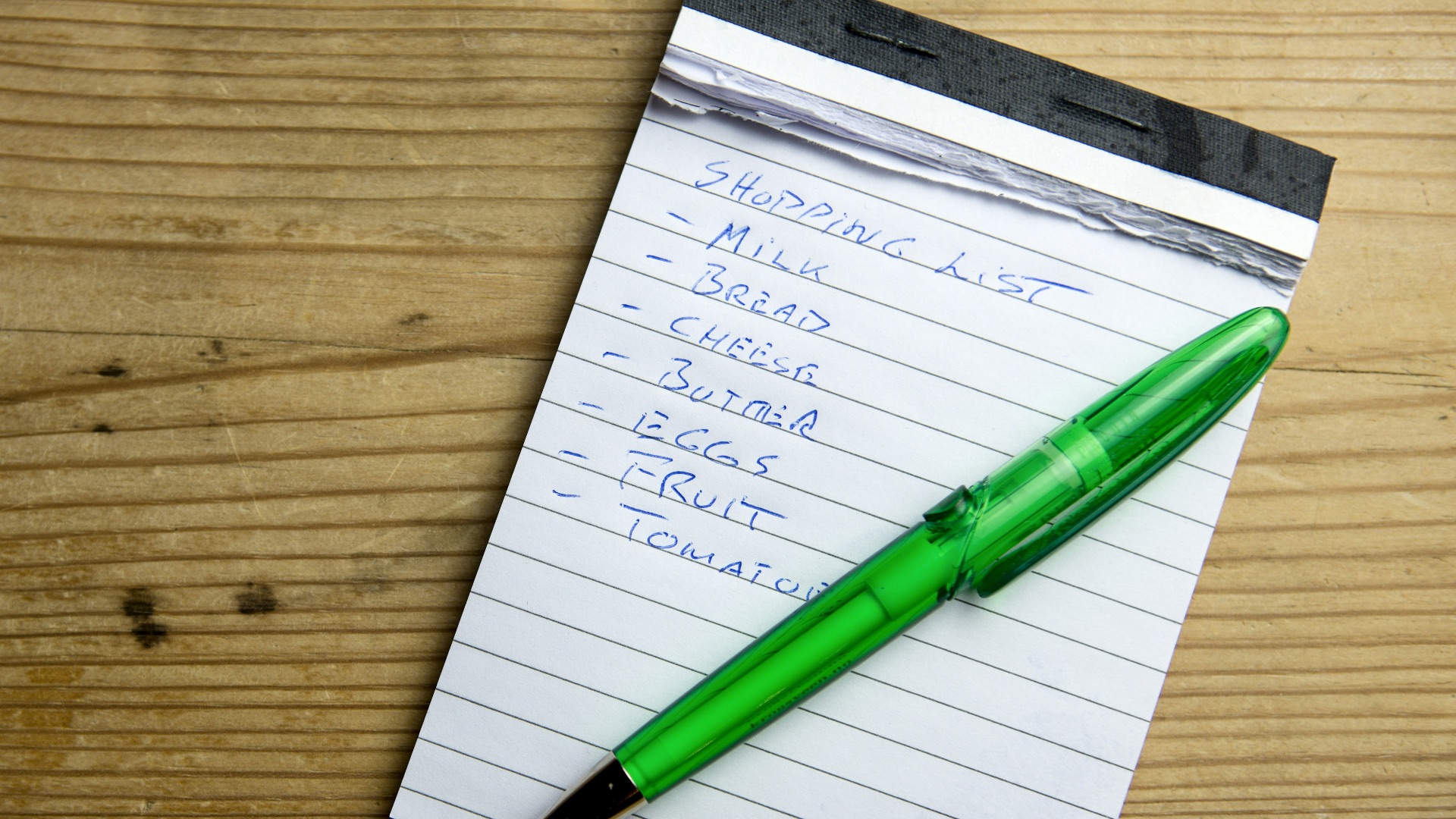
3. Keep Older Food Front and Center
A simple way to waste less is to organize your fridge and pantry so older items are easiest to see and use first. This approach prevents perfectly good food from getting buried behind new groceries and forgotten for days. If you put things where they'll actually catch your attention, you're much more likely to eat them in time.

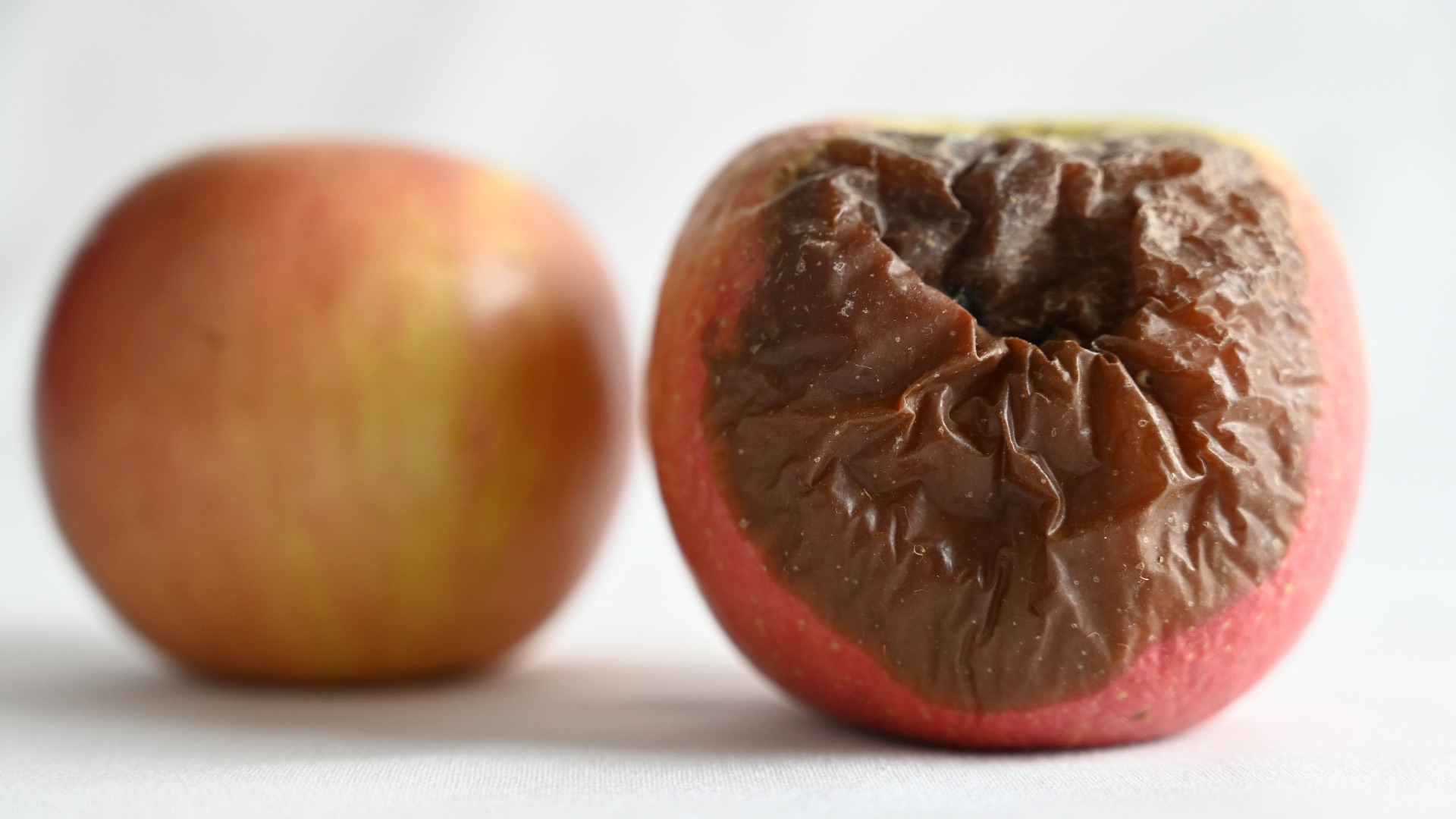
4. Learn the Difference Between Spoiled and Just Less Fresh
You don't need to panic every time food is past its printed date, because many items remain safe and usable beyond that point. Looking at smell, texture, and appearance can help you make a better decision than relying on the label alone, and it can help stop a lot of unnecessary waste before it happens.
 Giuseppe CUZZOCREA on Unsplash
5. Serve Smaller Portions First
Giving people smaller portions to begin with is an easy way to cut back on food ending up in the trash. Anyone who's still hungry can always get seconds, which is far better than scraping uneaten food off plates later. This strategy works best for family meals, dinner parties, and anything involving children with changing appetites.
 Antoni Shkraba Studio on Pexels
6. Give Leftovers a Clear Plan
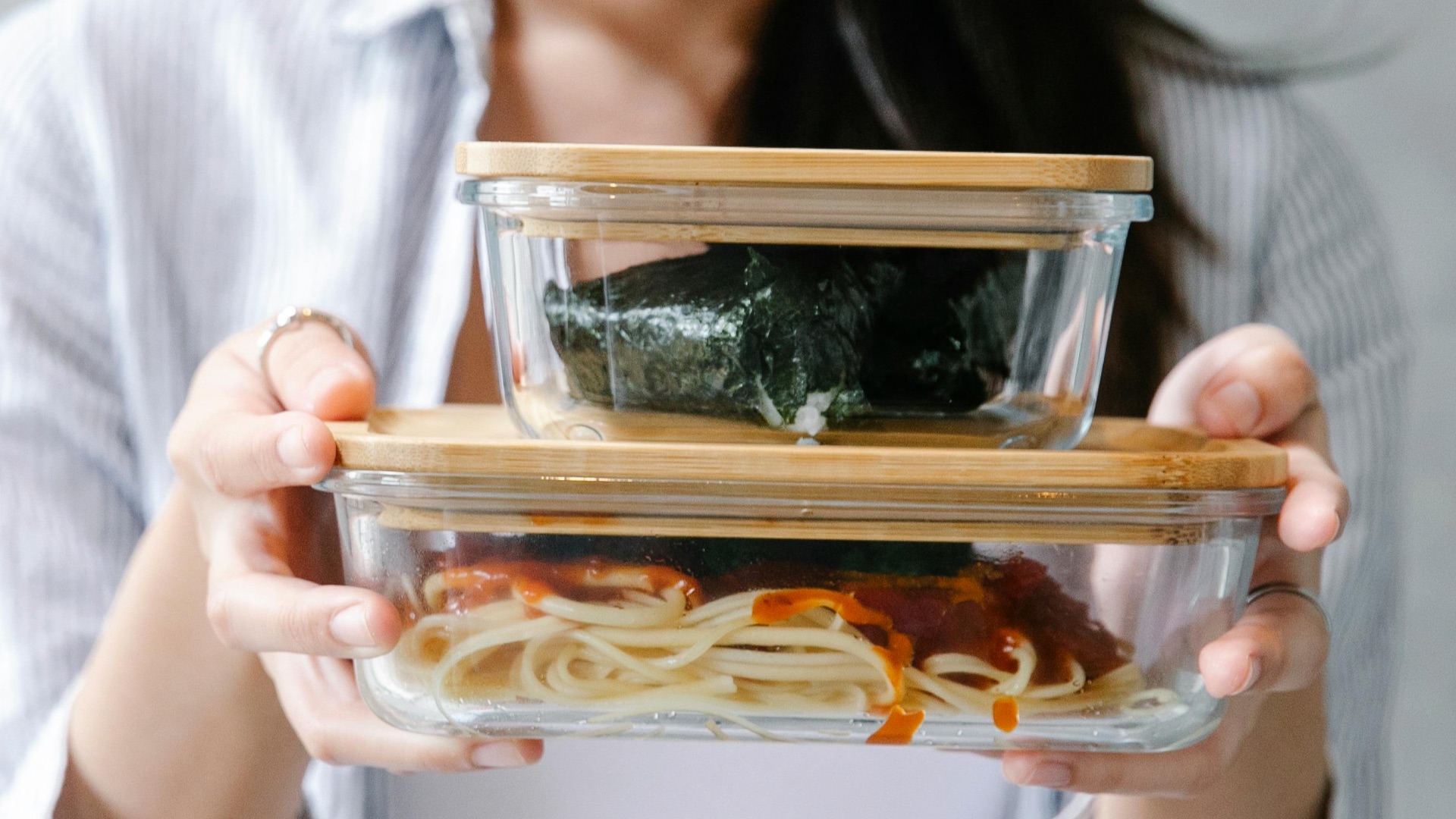
Leftovers are much more likely to get eaten when you decide what to do with them before they even go into the fridge. You might pack them for lunch, turn them into a different dinner, or freeze them for a busier day later in the week. Once leftovers have a purpose, you'll start treating them less like neglected extras.
7. Use More of What You Buy
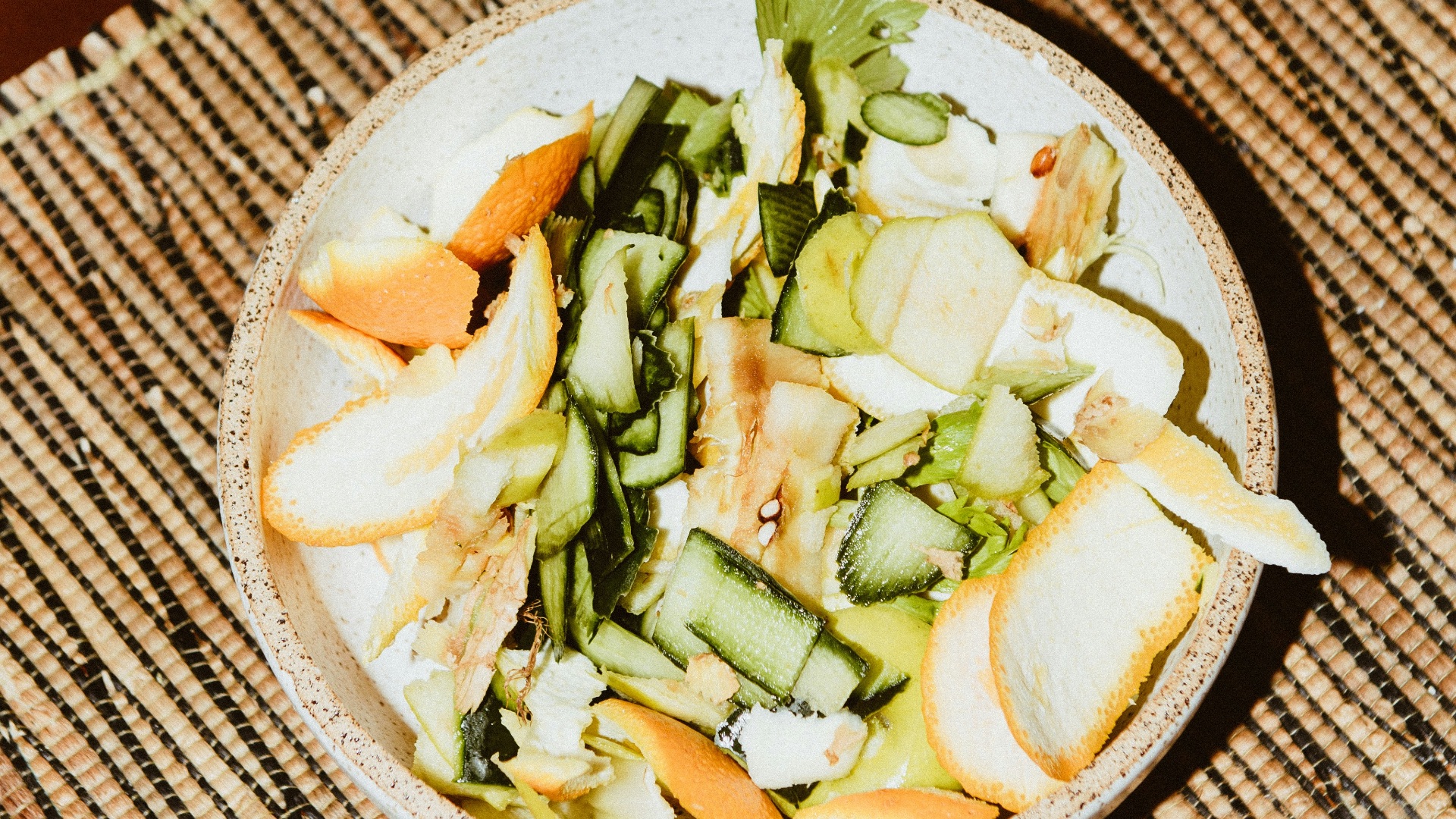
Being more sustainable often means getting comfortable with parts of food you may have ignored before. Vegetable scraps can go into broth, stale bread can become croutons, and herb stems can add flavor to soups or sauces. You don't have to use every last bit of everything, but using more than you do now makes a real difference.
8. Store Food Properly So It Lasts Longer
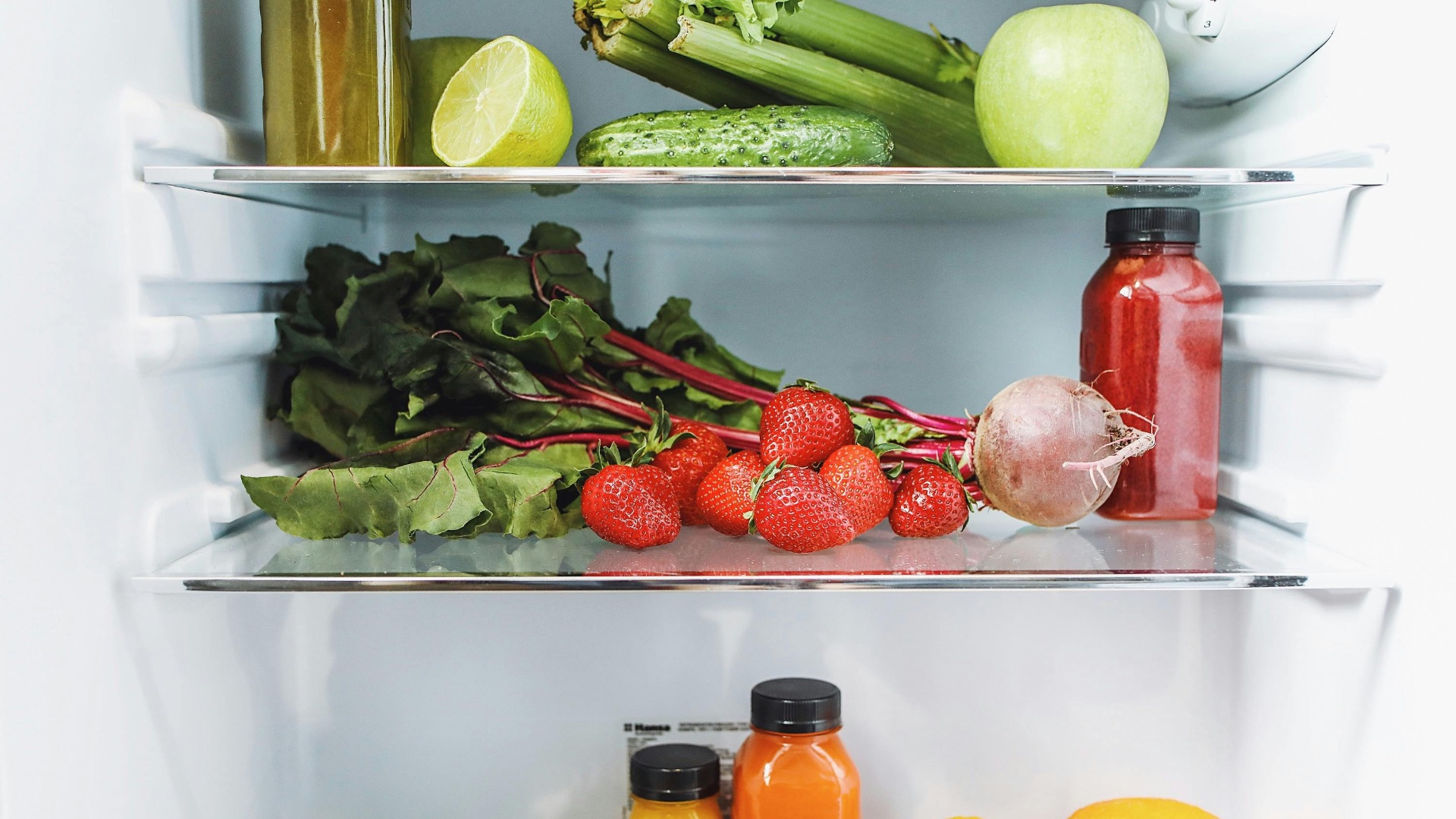
You shouldn't need us to tell you that storing your food properly is one of the most effective ways to reduce waste. Even just learning the difference between "best before" and "expiry date" and which fruits and vegetables should be separated can extend freshness by days. The better you store your food, the more time you give yourself to actually enjoy it.
9. Normalize Taking Restaurant Food Home
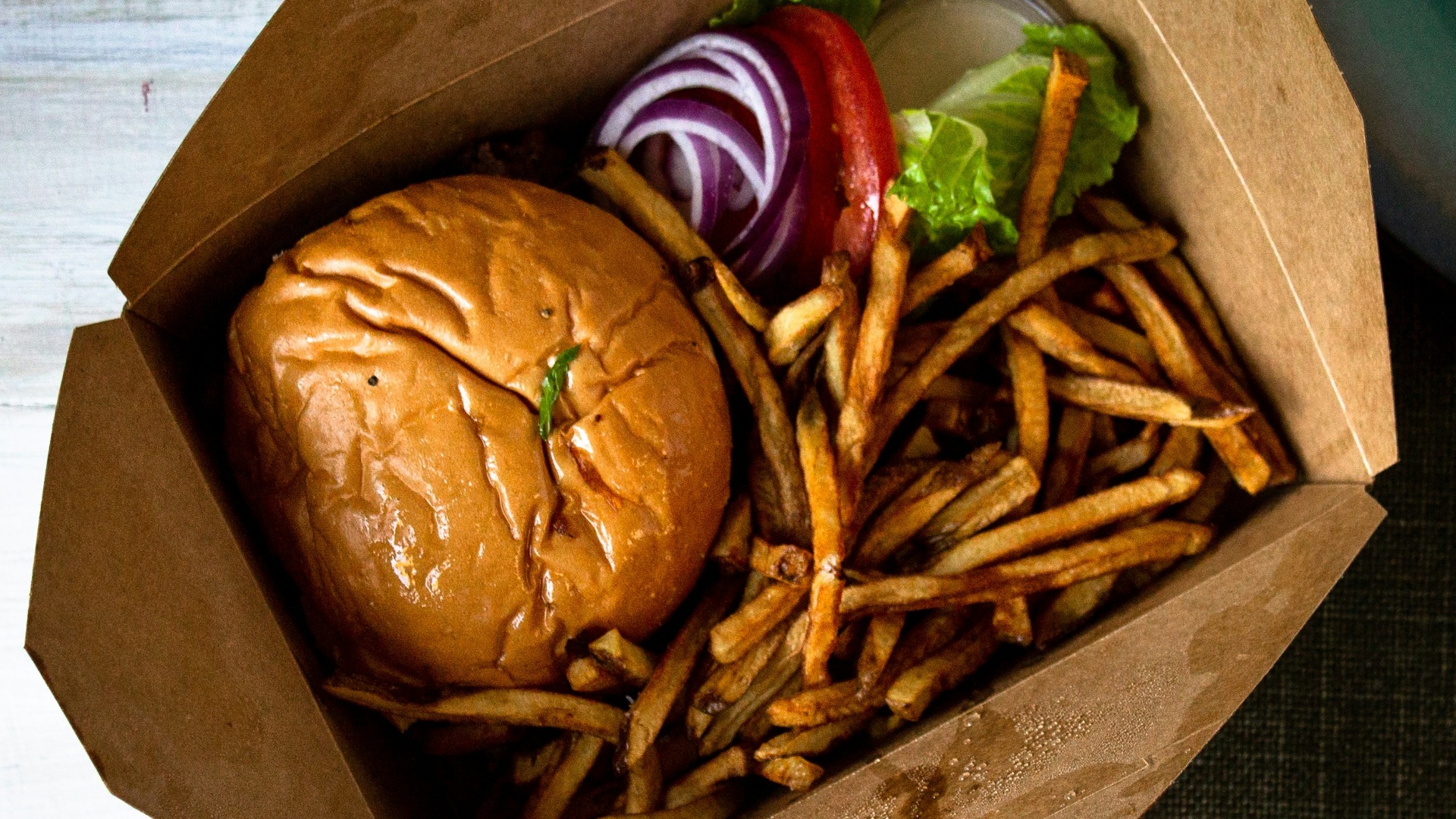
Can't finish the dish you ordered? Take it home! After all, you paid for the food, so if you can't finish it, bringing it home gives it a second chance instead of turning it into instant waste. Keeping a meal going for another day is one of the easiest sustainable choices you can make.
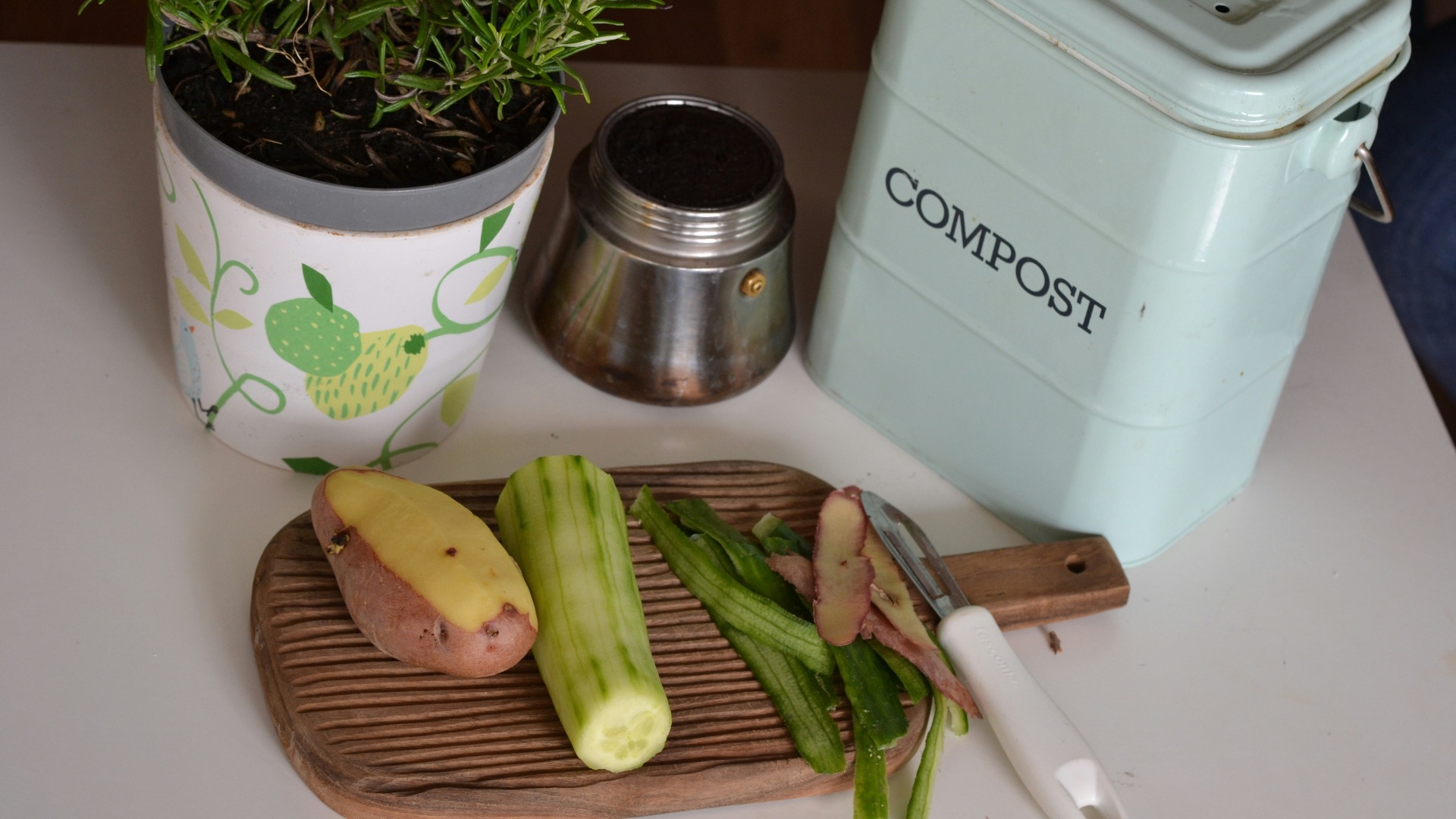
10. Compost What You Truly Can't Eat
Even the most careful kitchen will still have scraps, peels, and food waste that can't reasonably be avoided. Composting keeps that material out of the regular trash and turns it into something useful instead of letting it go completely to waste. It's not a substitute for better habits, but it's still a good step in a more sustainable direction.
KEEP ON READING
20 Food Requests Only Spoiled People Ask For


20 Hardest Foods on Earth To Eat

Do Vitamin Supplements Actually Make You Healthier?