Have you ever wondered why your best friend can’t get enough of spicy peppers while the mere thought of a jalapeño makes your eyes water? It turns out that your dinner plate is actually a reflection of your unique biological blueprint, shaped over thousands of years of evolution. While we often think of our favorite snacks as personal choices, your DNA is actually pulling the strings behind the scenes to determine which flavors are delightful and which are downright offensive.
This internal coding doesn't just stop at whether you have a sweet tooth or a preference for salty chips. Scientists have discovered that our ancestors’ environments played a massive role in how our modern palates respond to various chemical compounds found in plants and animals. By understanding the link between your genes and your groceries, you’ll start to see your cravings in a whole new light. It’s not just about what’s in the pantry, but what’s in your cells.
The Bitter Truth About Your Taste Buds
One of the most well-documented examples of genetic influence involves a specific gene called TAS2R38, which dictates how you perceive bitter flavors. If you’re someone who finds broccoli, kale, or Brussels sprouts absolutely unbearable, you’ve likely inherited the "supertaster" variant of this gene. This means your tongue is packed with extra receptors that pick up on glucosinolates, which are compounds plants use as a natural defense mechanism. While your friends might enjoy the earthy tones of a salad, you’re experiencing a chemical warning sign that’s hard to ignore.
On the flip side, people with a different version of this gene might find these same vegetables to be mild or even slightly sweet. These "non-tasters" have receptors that aren't quite as sensitive to the sharp, pungent notes that drive supertasters away from the veggie tray. It’s fascinating to realize that you aren't necessarily being a "picky eater" when you push away the asparagus; your brain is simply receiving a much more intense signal than the person sitting across from you. This variation likely helped our ancestors avoid toxic plants, which often carry a bitter profile in the wild.
The impact of the TAS2R38 gene also extends to how you enjoy your morning beverage, especially if you’re a fan of dark coffee or hoppy beers. Supertasters often find these drinks overwhelmingly harsh and might need to drown their coffee in cream and sugar just to make it palatable.
Meanwhile, those who lack the sensitive variant can appreciate the complex, bitter notes of an IPA or an espresso without a second thought. It’s a perfect example of how the very same substance can provide a completely different sensory experience for two people standing in the same kitchen.
The Cilantro Divide and Other Aromatic Oddities
If you’ve ever been to a Mexican restaurant and thought the garnish tasted like a fresh bar of hand soap, you’ve experienced the power of the OR6A2 gene. This specific olfactory receptor is responsible for detecting aldehydes, which are chemicals found in both cilantro and various soaps or detergents. For a small percentage of the population, a tiny tweak in their genetic code makes this herb taste like a cleaning supply rather than a zesty addition to a street taco. It’s an evolutionary quirk that has launched a thousand internet debates over the years.
You might feel like you're missing out on the cilantro craze, but your nose is actually just doing its job by identifying specific aromatic molecules. Interestingly, most people who don't have this genetic variation perceive cilantro as citrusy and refreshing because their brains process the herb’s other chemical components more prominently. It isn't a matter of refined taste or culinary exposure, but a literal difference in how your olfactory bulbs transmit data to your central nervous system.
You can't really "train" yourself to love something if your biological hardware is programmed to find it repulsive.
Beyond cilantro, our genes also influence how we perceive the smell of things like vanilla, cinnamon, and even certain fats. Some people possess a higher density of receptors for sweet aromas, which can make a bakery feel like a paradise or an overwhelming sensory assault depending on the day. Your unique "smell-print" ensures that your experience of a meal starts long before the food ever touches your tongue. It’s the reason why the scent of frying bacon might make your mouth water while your neighbor barely notices it’s there at all.
Sweetness, Satiety, and the Urge to Snack
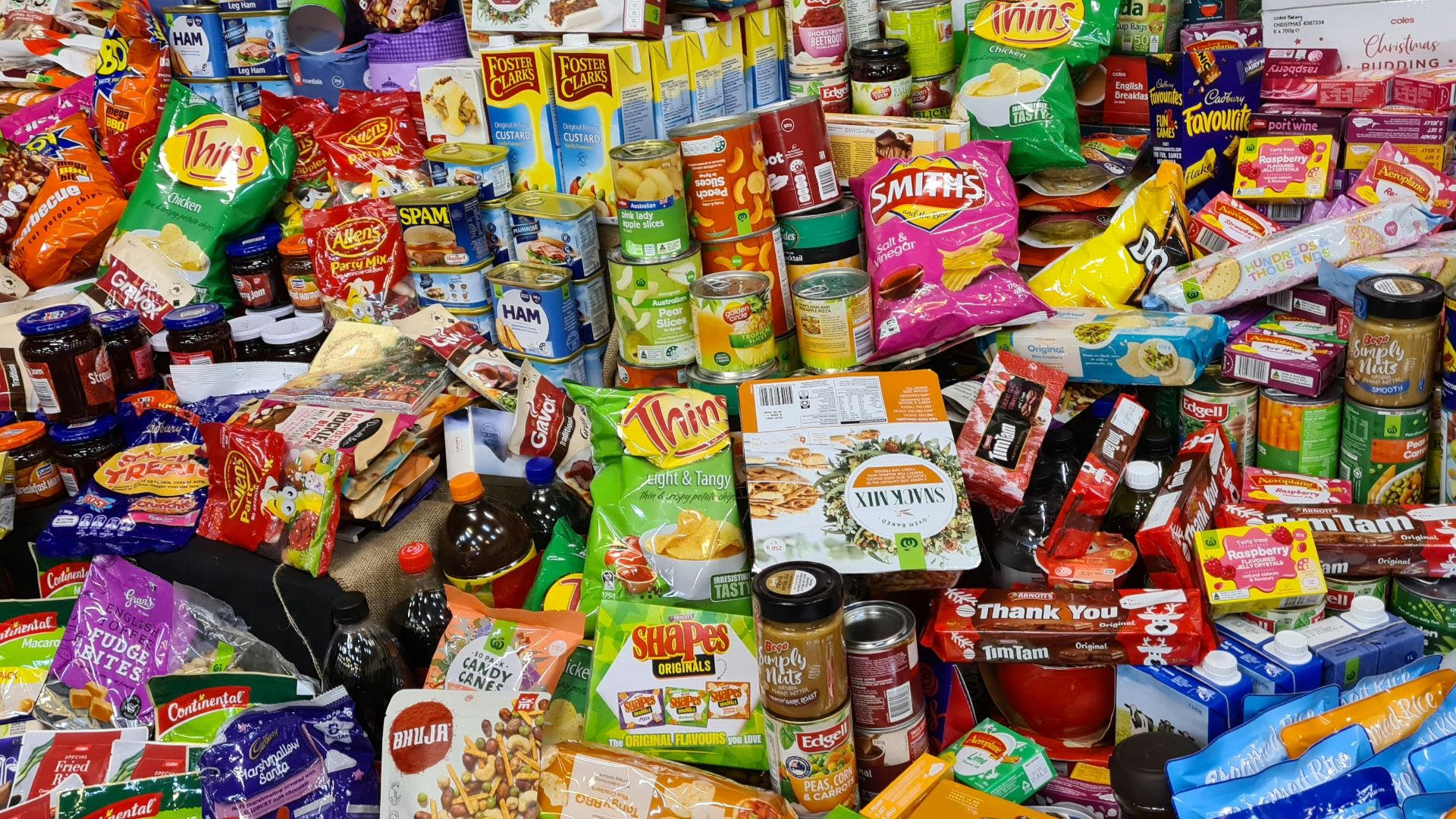
Your cravings for sugary treats or high-fat snacks aren't just a failure of willpower; they’re often driven by genes like FTO and FGF21. The FTO gene, often dubbed the "fat mass and obesity-associated gene," can influence how quickly you feel full after a meal and how much you gravitate toward calorie-dense options. If you find yourself constantly reaching for seconds while your partner is satisfied with a small portion, your genetics might be muting your body’s natural "off switch". It’s a lingering trait from an era when finding high-calorie food was essential for survival during long winters.
Recent studies have also pointed toward the FGF21 hormone, which is produced in the liver and tells the brain to stop seeking out sugar.
People with certain variations in this genetic pathway have a much higher "sweet threshold," meaning they need more sugar to feel the same level of reward as someone else. You aren't necessarily a "sugar addict" by choice; your liver and brain are simply engaged in a constant dialogue about how much energy your body needs to store. This can make the office candy jar a much bigger temptation for you than it is for your coworkers.
Finally, the way we perceive the creaminess of fats is managed by the CD36 gene, which influences our sensitivity to the texture of oils and butter. If you have a high sensitivity, you might find oily foods greasy and unappealing, whereas someone with low sensitivity might find those same foods incredibly satisfying and rich. This explains why some people thrive on a high-fat diet while others find it physically difficult to consume. Ultimately, your DNA creates a customized map of the grocery store, guiding you toward the nutrients your specific ancestors relied upon to survive and thrive.
KEEP ON READING
How Many Times Should You Chew Your Food?
The Genetic Reason You Love Certain Foods