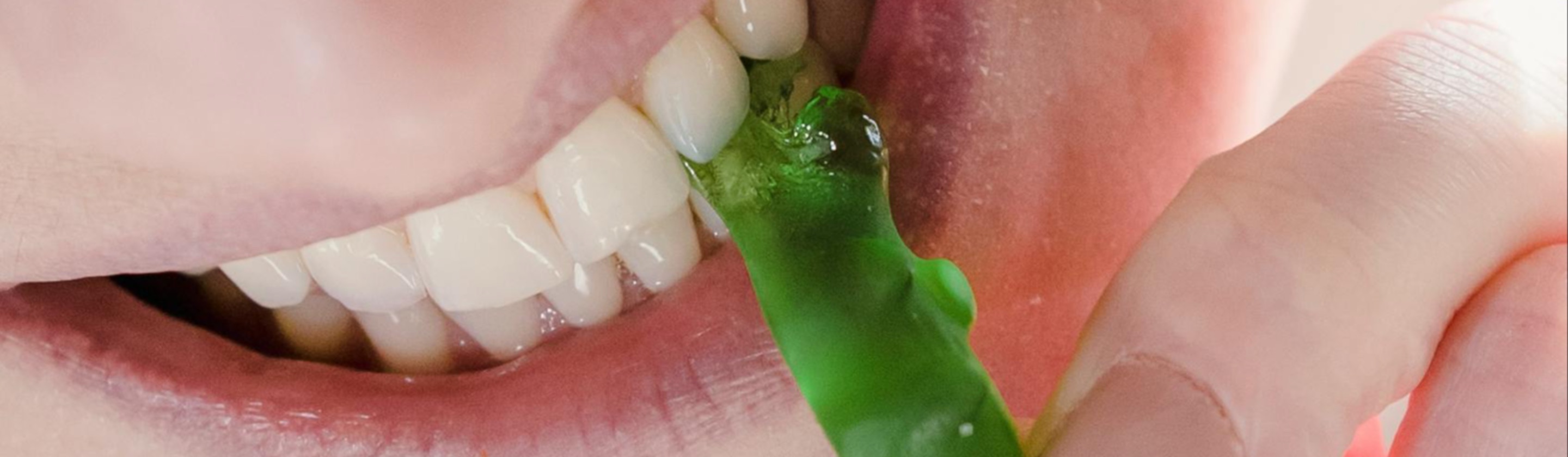

You've probably never given much thought to how many times you chew your food before swallowing; it's one of those things that just happens automatically. But it turns out that the way you chew can have a real impact on your digestion, your appetite, and even how much you enjoy your meals. So before you immediately swallow your bites, it's worth slowing down and thinking about what's actually going on when you eat.
Most people chew far less than they should, rushing through meals without realizing the effect it has on their bodies. While there's no universal magic number that works for every food and every person, researchers and nutrition experts have looked into this question more closely than you might expect. What they've found might make you think twice about wolfing down your next meal.
How Many Times Should You Chew?
The number that gets cited most often in nutrition circles is around 32 chews per bite, though recommendations typically range from 20 to 40 times depending on the food. Harder, denser foods like raw vegetables or tough cuts of meat will naturally need more chewing, while something soft like a banana requires far less effort to break down. The key isn't hitting an exact number so much as making sure you're chewing until the food is well-broken down before you swallow.
One of the biggest benefits of chewing more thoroughly is better digestion. Chewing triggers the production of saliva, which contains digestive enzymes like amylase that begin breaking down carbohydrates before food even reaches your stomach. The more you chew, the more saliva you produce, which means your digestive system has to work less hard further down the line.
Thorough chewing has been linked to better weight management, too. Research suggests that people who chew their food more tend to eat less overall, partly because slower eating gives your body more time to register fullness. When you eat too quickly, your brain doesn't always get the satiety signal before you've already overeaten, so slowing down at mealtime can make a real difference.
What Happens If You Don't Chew Enough?
When you swallow food in large, poorly broken-down pieces, your stomach has to work overtime to compensate. Inadequate chewing can lead to digestive discomfort, including bloating, gas, and indigestion, because larger food particles are harder for your gut to process. Over time, consistently under-chewing can contribute to ongoing digestive issues that might otherwise be easy to avoid.
There's also the issue of nutrient absorption. If food isn't broken down properly before it enters the digestive tract, your body may not be able to extract all the nutrients it needs from what you're eating. This is particularly relevant for plant-based foods, where cell walls need to be physically broken down through chewing for the nutrients inside to become available.
Eating too fast without sufficient chewing is also associated with a higher risk of overeating and weight gain. Studies have found that faster eaters are more likely to have a higher body mass index compared to those who eat more slowly and deliberately. It's a straightforward connection: the less time you spend chewing, the less time your body has to send you the signal that you've had enough.
Do You Really Have to Count Your Chews?
The short answer is no, and obsessing over a specific number may actually work against you. In fact, fixating on counting every chew can take the pleasure out of eating and may not be a realistic habit for most people to maintain long-term. Meals are meant to be enjoyed, and turning every bite into an extended jaw exercise can make eating feel like a chore rather than something satisfying.
Instead of counting, it's more practical to focus on mindful eating habits that encourage you to slow down naturally. Putting your fork down between bites, avoiding screens during meals, and taking smaller bites are all simple strategies that can help you chew more without keeping a mental tally. These small adjustments can shift the way you eat without making mealtimes feel overly regimented.
The real goal is to reach a point where more thorough chewing becomes a natural habit rather than a conscious effort. Paying attention to the texture and taste of your food, and only swallowing when it feels smooth and fully broken down, is a more sustainable approach than counting. Over time, that kind of mindful awareness tends to be far more effective than any specific number ever could be.
KEEP ON READING
20 Foods With Shocking Origins You'd Never Believe

20 Food Requests Only Spoiled People Ask For



Do Vitamin Supplements Actually Make You Healthier?