If You’re Feeling Tired, This Food Might Be Responsible
It happens every day. You're working away at your desk (or couch) minding your own business, and then all of a sudden, BAM, two o'clock rolls around and you instantly become deathly tired. You assume it's because you had a bad night's sleep or maybe didn't eat a good breakfast, but sometimes it can actually be what's for lunch that's knocking you out. Believe it or not, the foods you eat to fuel your body can also be what's draging you down.
Figuring out how what you eat affects your energy level is half the battle when it comes to fighting that dreaded "afternoon crash." And you don't always need a triple-shot espresso to perk yourself back up—you may just need to know what foods are making you tired. Once you switch up your diet a bit, you'll be powering through your days once again.
The Sugary Trap of Refined Carbohydrates
 Pixzolo Photography on Unsplash
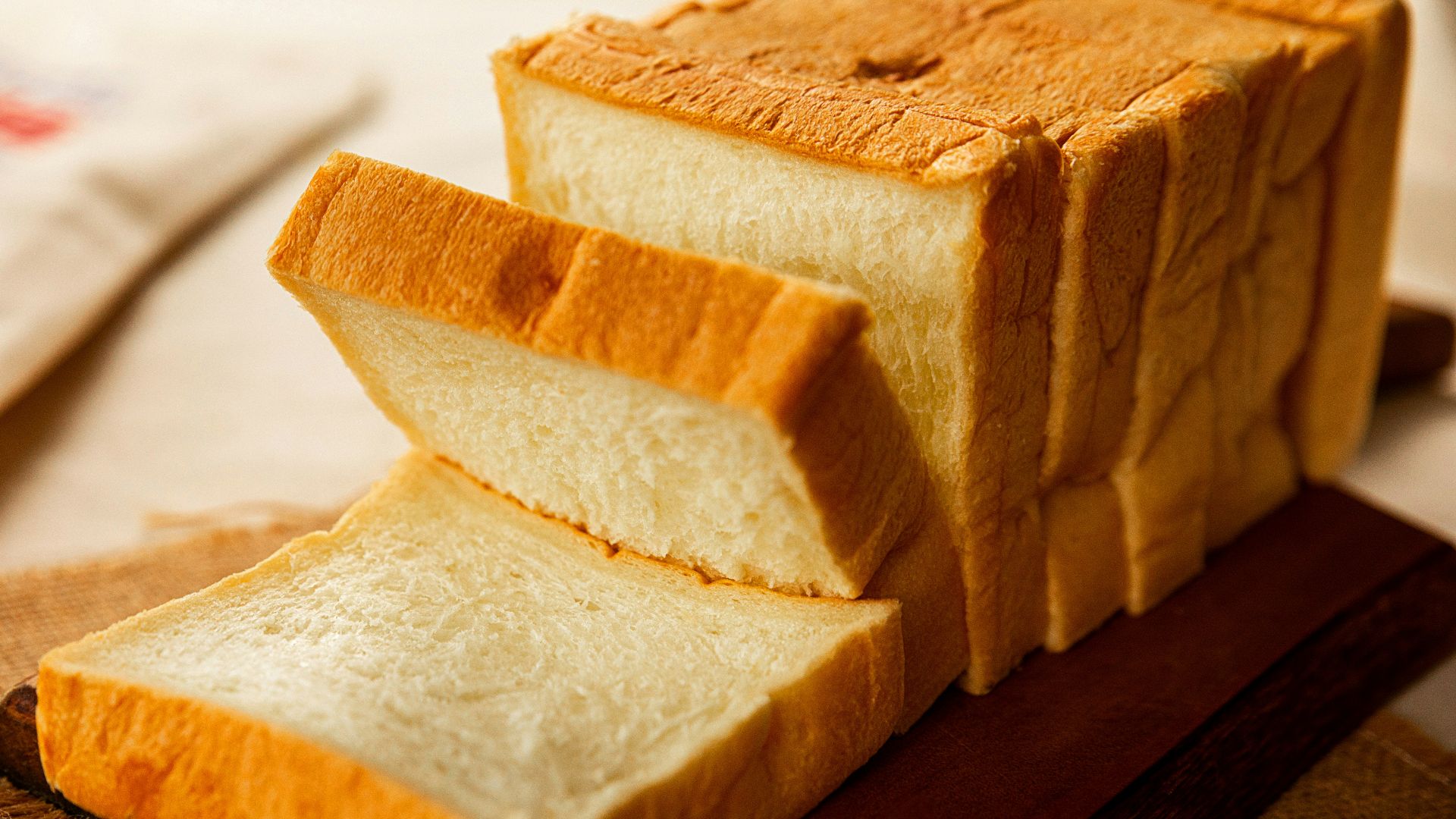
Sugary cereals, white bread sandwiches and processed pastries are usually the biggest culprits of the unknown afternoon slump. These sources of carbohydrates break down into simple sugars that your body can quickly absorb, causing your blood sugar to spike and your pancreas to secrete insulin to help regulate your blood sugar level. Oftentimes, your pancreas overproduces insulin in response to simple sugars and your blood sugar will drop leaving you tired.
This blood sugar crash can cause your body to send hunger signals that you may interpret as anger, confusion, or extreme tiredness. In response, you may grab another piece of candy or sugary food to compensate for your hypoglycemia, causing this vicious cycle to repeat itself. Every time your blood sugar spikes your body must work to regulate it back to normal instead of fueling your body with energy. The more simple carbohydrates you eat, the more tired you will feel in the long run.
Swap out that white bread sandwich for quinoa, oats, or sprouted bread. These complex carbohydrates will ensure that your body digests the food at a slower rate, allowing your energy to be released gradually. Pay attention to how you feel when eating these types of foods vs eating that white bread sandwich. You’ll feel more energized and focused by fueling your body with slow digesting carbohydrates.
Hidden Heavyweights in Fried and Fatty Meals
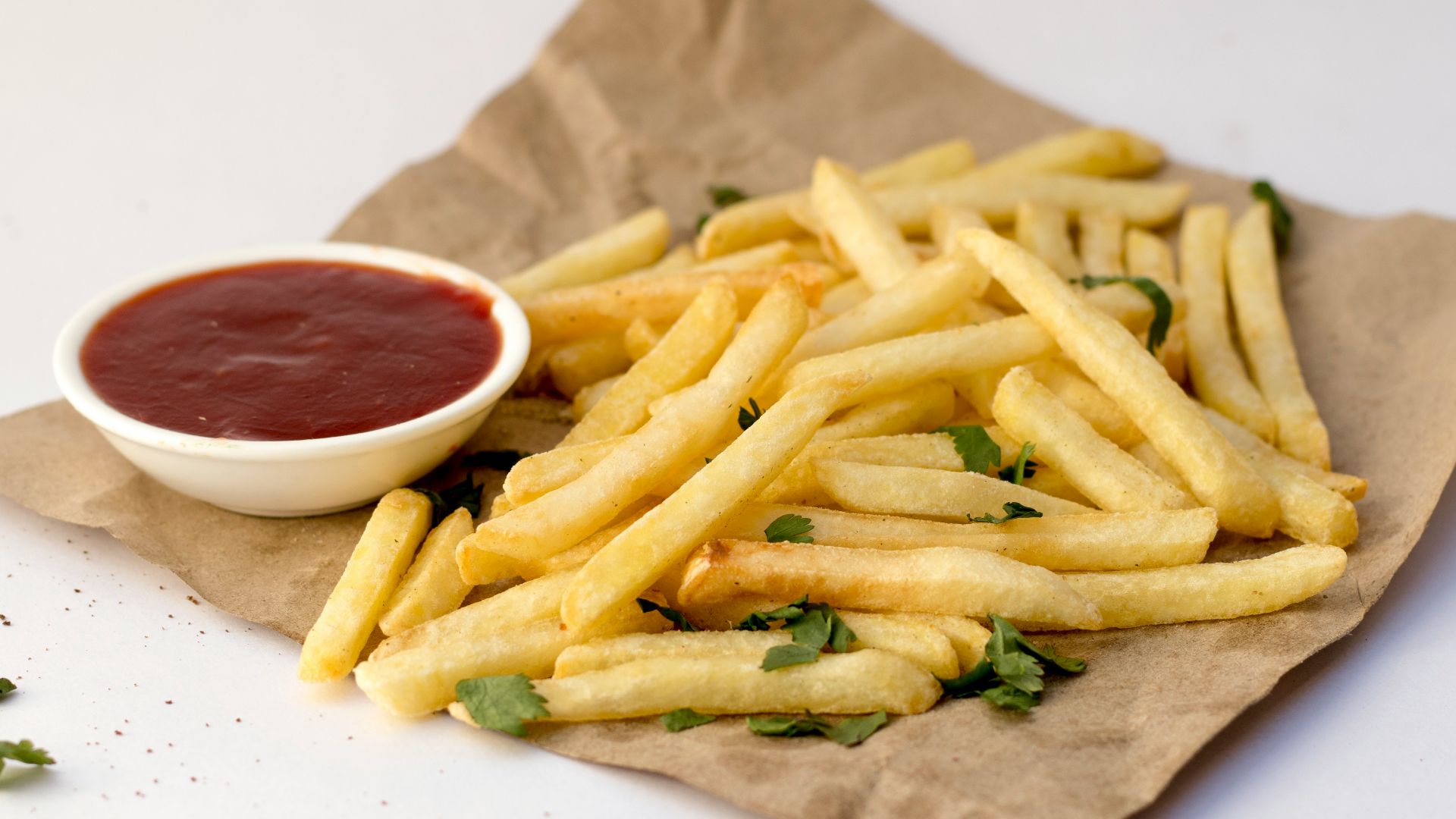
I mean sure, fatty foods taste amazing right when you eat them, but afterward you’ll probably feel sluggish and tired. Your body has to redirect blood flow to your stomach to help digest fats, which means there’s less oxygen getting to your brain. Fat also takes longer to digest than carbs or protein, which means your body is busy working to digest your food when you could be doing literally anything else. You don’t have to take my word for it, though. Next time you indulge in that big cheeseburger or greasy slice of pizza, just pay attention to how you feel afterward.
Not only are fatty foods bad for your energy levels, but many fried foods contain trans fats and omega-6 fatty acids that can cause systemic inflammation. Chronic inflammation has been shown to lead to symptoms like lethargy and fatigue, making you even less likely to want to move around. Regularly eating foods that your body struggles to digest is like setting your metabolism up with hurdles to jump through on a daily basis. Even if you sleep well at night, you’ll probably still feel like you could use a nap after eating fatty meals. HEALTHY FATS Once you cut out the bad fats, you can start to incorporate good fats into your diet. Healthy fats come from foods like avocados, walnuts, and salmon. Not only will these healthy sources of fats leave you feeling satisfied without wanting to take a nap, but your brain will also thank you.
The Deceptive Influence of Hidden Additives
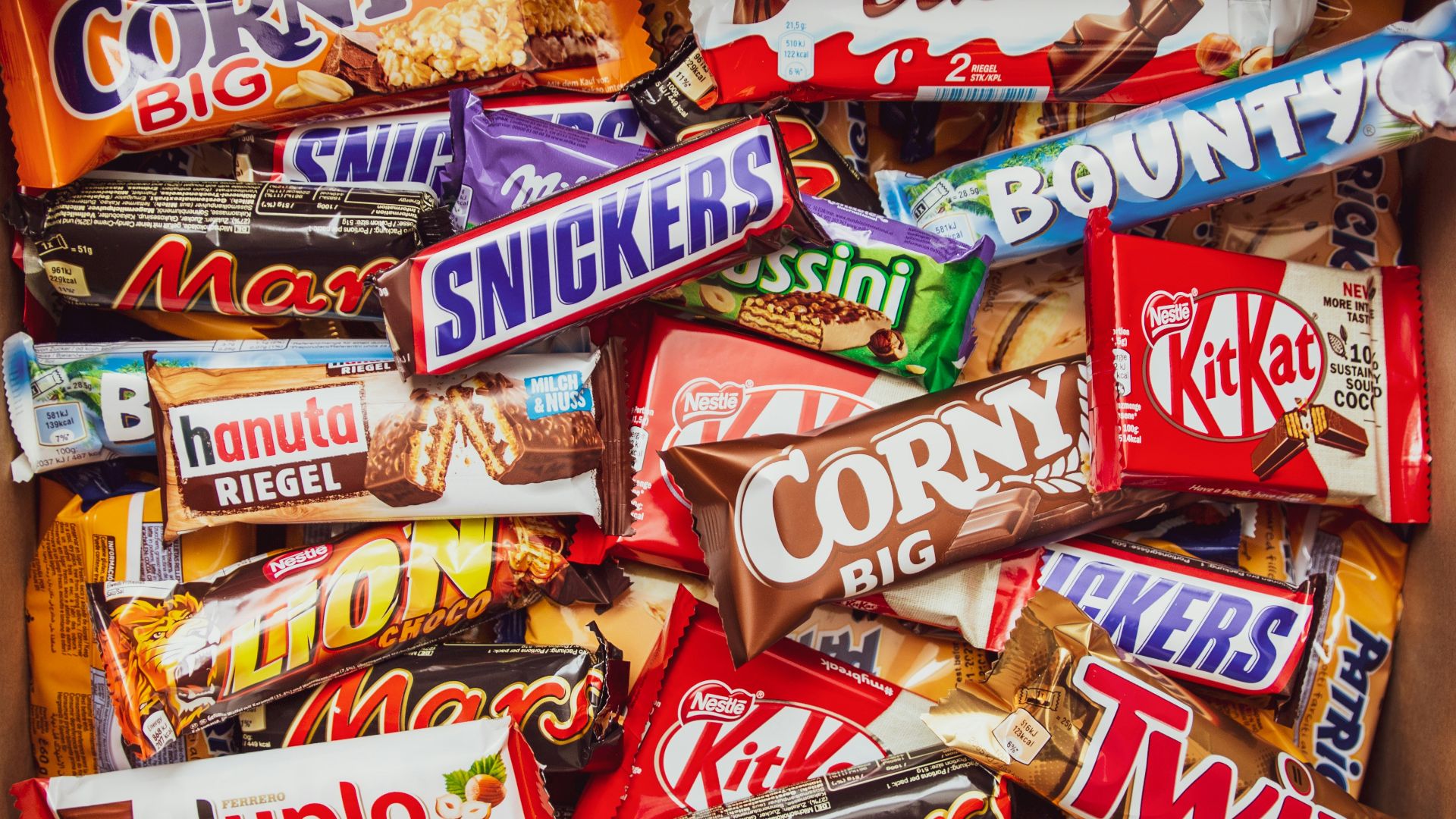
Processed foods don’t always taste sweet. “Healthy” snacks can have stimulants and chemicals that drain your energy you may not be aware of. Sugar substitutes cause your brain to anticipate calories that never come, confusing your hunger and satiety cues. Some research indicates artificial additives may impact your gut flora and cause metabolic disturbances that result in fatigue. Labels boasting no sugar often aren’t doing your body favors when it comes to athletic performance.
Salt is another culprit in the chronic fatigue game. Most processed foods are swimming in sodium, even if you can’t taste it. Too much salt causes your body to retain water, making you feel bloated and dehydrated. Mild dehydration is one of the leading causes of fatigue in adults today because when your body doesn’t have enough water, your metabolism kicks into conservation mode. Next time you feel tired, drink some water and eat something fresh. You may just be salty and dehydrated from eating processed foods all day.
Reading labels and sticking to whole foods will help you steer clear of these not-so-secret energy killers. When you cook for yourself using fresh ingredients like fruits, vegetables, and lean proteins, you control how much salt and seasoning goes into your food. You may even notice that you naturally have more energy when you aren’t shoving handfuls of chemicals into your body that confuse your system.
KEEP ON READING