Is Honey Healthier Than Sugar? Not in the Way Most People Think
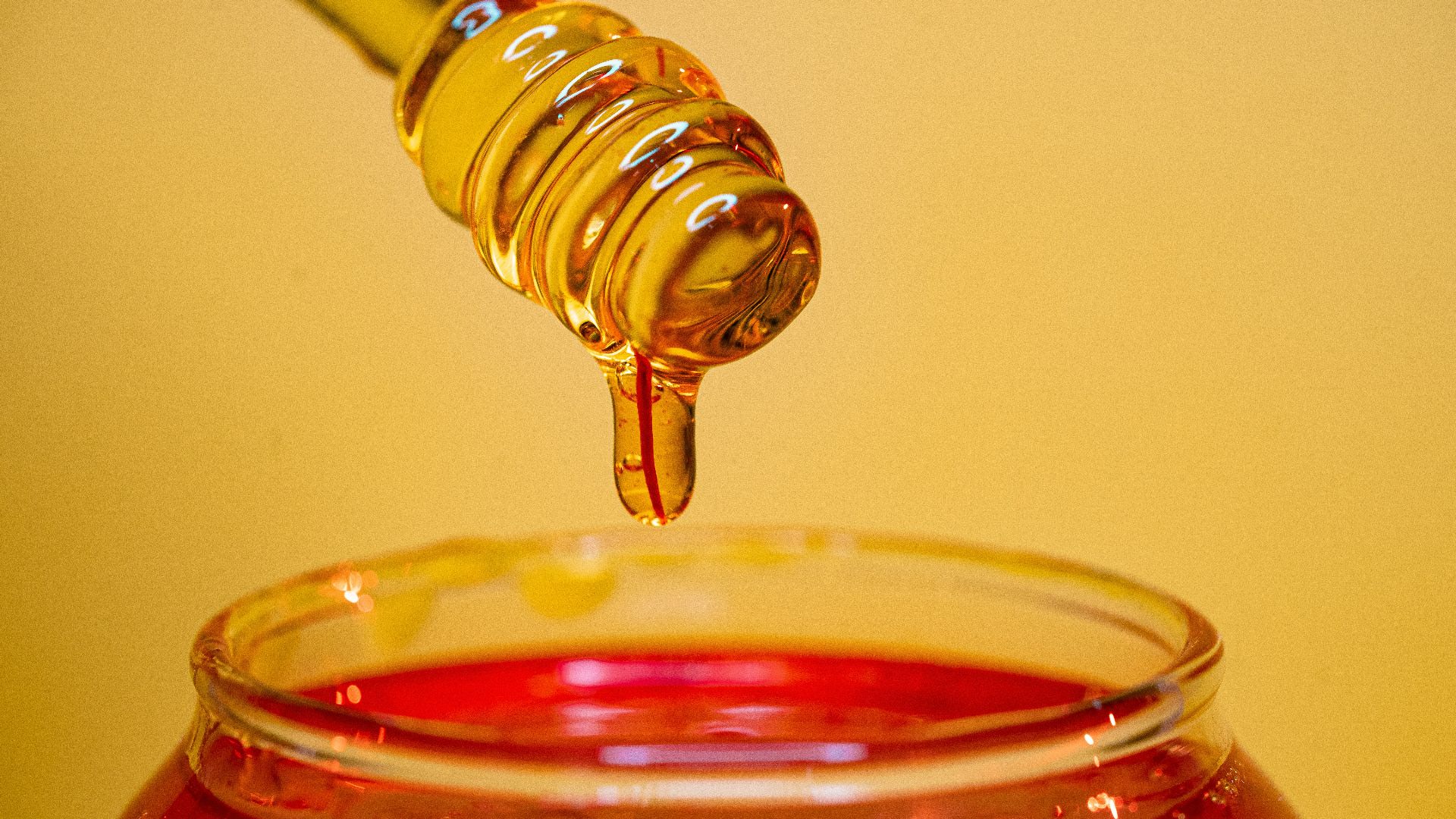
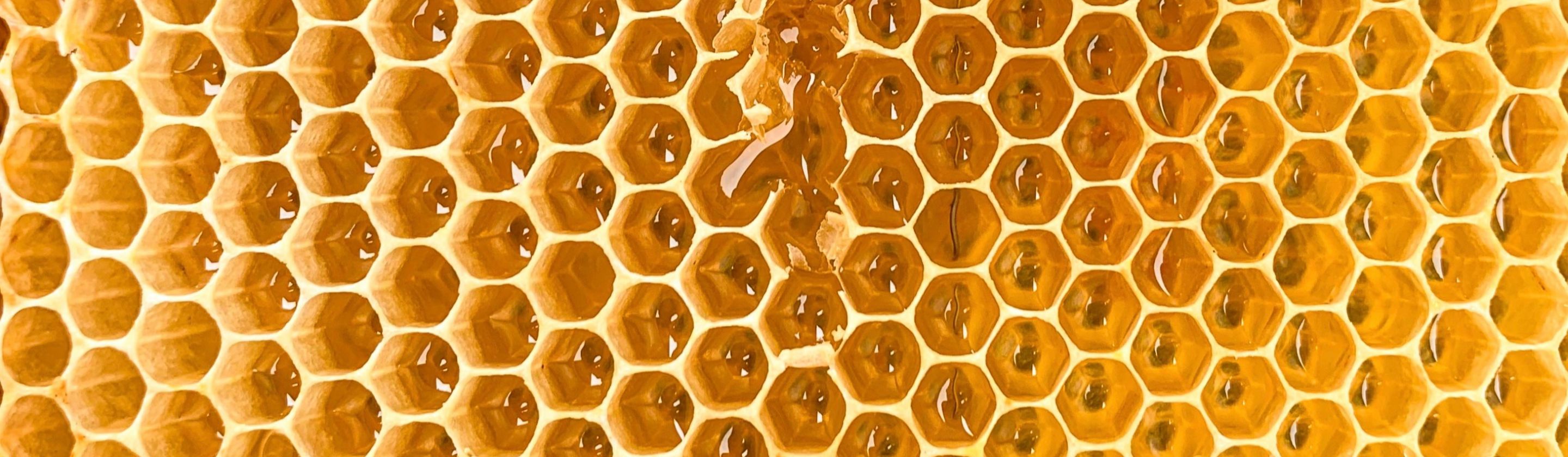
Honey has a wonderful reputation despite being so sweet. It's made by bees, sounds earthy, old-fashioned, and somehow more virtuous than the white sugar sitting in a paper bag on your counter. That image has helped create the idea that honey is a meaningful health upgrade, as if stirring it into tea turns a sweetener into a wellness move. In reality, though, the difference is a lot smaller than the marketing glow suggests.
That doesn’t mean honey and sugar are identical in every respect. Honey does contain small amounts of other compounds, and some of its uses are genuinely interesting, especially outside the simple question of everyday sweetening. Still, if you’re asking whether honey is dramatically better for your body in your coffee, oatmeal, or baking, the honest answer is no, not in the way most people imagine.
Honey Still Acts Like Sugar in Your Diet
The biggest misunderstanding is thinking honey somehow escapes the basic rules that apply to other sweeteners. Mayo Clinic says there’s generally no advantage to substituting honey for sugar in a diabetes eating plan because both affect blood sugar. In fact, honey even has slightly more carbohydrates and calories per teaspoon than granulated sugar. That doesn’t make it terrible, but it does make it much less magical than its reputation.
The American Heart Association also puts honey in the same broad added-sugar conversation as other sweeteners. Their guidance isn't built around whether a sugar came from a beehive or a factory. It's built around the fact that added sugars contribute calories without being something your body needs in meaningful amounts, so moderation still matters a lot.
This is where many people get tripped up. They equate "natural" with "healthy," even in large quantities, which is a very convenient fantasy. Honey may sound more wholesome, but if you pour it freely into yogurt, tea, toast, and smoothies all day, every day, you're still racking up sugar intake that counts nutritionally.
Where Honey Does Have a Small Edge
That being said, honey isn't just liquid table sugar in a costume. Mayo Clinic notes that while honey is mostly sugar, it also contains other ingredients that may help kill bacteria, viruses, and fungi, and some research reviews suggest honey may have modest benefits in certain contexts. That gives it a real distinction, just not one that automatically transforms it into a health food at breakfast.
There's also the question of processing and composition. Honey and other less-refined sweeteners, like agave syrup or coconut sugar, are often perceived as better because they're more natural. While they do in fact contain more nutrients than sugar, the catch is that those nutrients are present in tiny amounts, so you wouldn't choose honey as a meaningful source of vitamins or minerals.
Some evidence also suggests that honey may affect blood sugar somewhat differently than plain white sugar in certain settings. Reviews and clinical discussions have noted that honey can have a lower glycemic impact than granulated sugar, although that doesn't erase the fact that it's still a concentrated sweetener. For someone with diabetes, it's unclear whether it's much safer or not. So yes, honey may have a slight edge, but “slight” is doing a lot of work here and should probably stay in bold letters.
The Better Question Is How You Use It

If you like honey, the smartest view is probably to treat it as a sweetener with a few perks, not as a loophole. It can be a nice choice when you want a distinct flavor, and because it tastes sweeter than granulated sugar, you may be able to use a smaller amount in some recipes. That practical detail may help more than any grand theory about honey being virtuous.
Heating honey can also trim away part of what makes it slightly more interesting than plain sugar. Research suggests that higher heat can reduce some of honey’s enzymes and may alter parts of its antioxidant profile, even though honey was never a major nutrient source to begin with. In other words, if you stir honey into very hot tea or bake with it, you may lose some of the minor compounds people like to point to when calling it healthier.
Context matters too. Health is shaped less by declaring one sweetener morally superior and more by your total added-sugar habits over time. If honey helps you sweeten something lightly instead of dumping in spoonfuls of sugar, that's fine. However, if it becomes an excuse to add sweetness everywhere because you perceive it as healthy, then it's not really helping much at all.
There's one place where honey’s story changes sharply, and that's infancy. The CDC says honey isn't safe for children younger than 12 months because it can cause infant botulism. For everyone else, the sensible takeaway is pretty simple: honey can be a perfectly good sweetener, and it may be marginally more nutrient-rich than table sugar, but it's still sugar first and foremost.
KEEP ON READING

The Most Popular Signature Dishes Around the World