

Are You Getting Enough of This Essential Vitamin?
Vitamin B12 plays an essential role in maintaining a healthy nervous system, producing red blood cells, and helping your body make DNA. However, your body can't manufacture it on its own, so getting enough through your diet is key. Most adults need around 2.4 micrograms daily, although that amount increases during pregnancy and breastfeeding. While animal products are naturally rich in B12, certain fortified foods can also provide impressive amounts, meaning people with different dietary preferences have plenty of options. From seafood and meat to familiar breakfast staples, here are 20 of the best foods to consider adding to your diet.
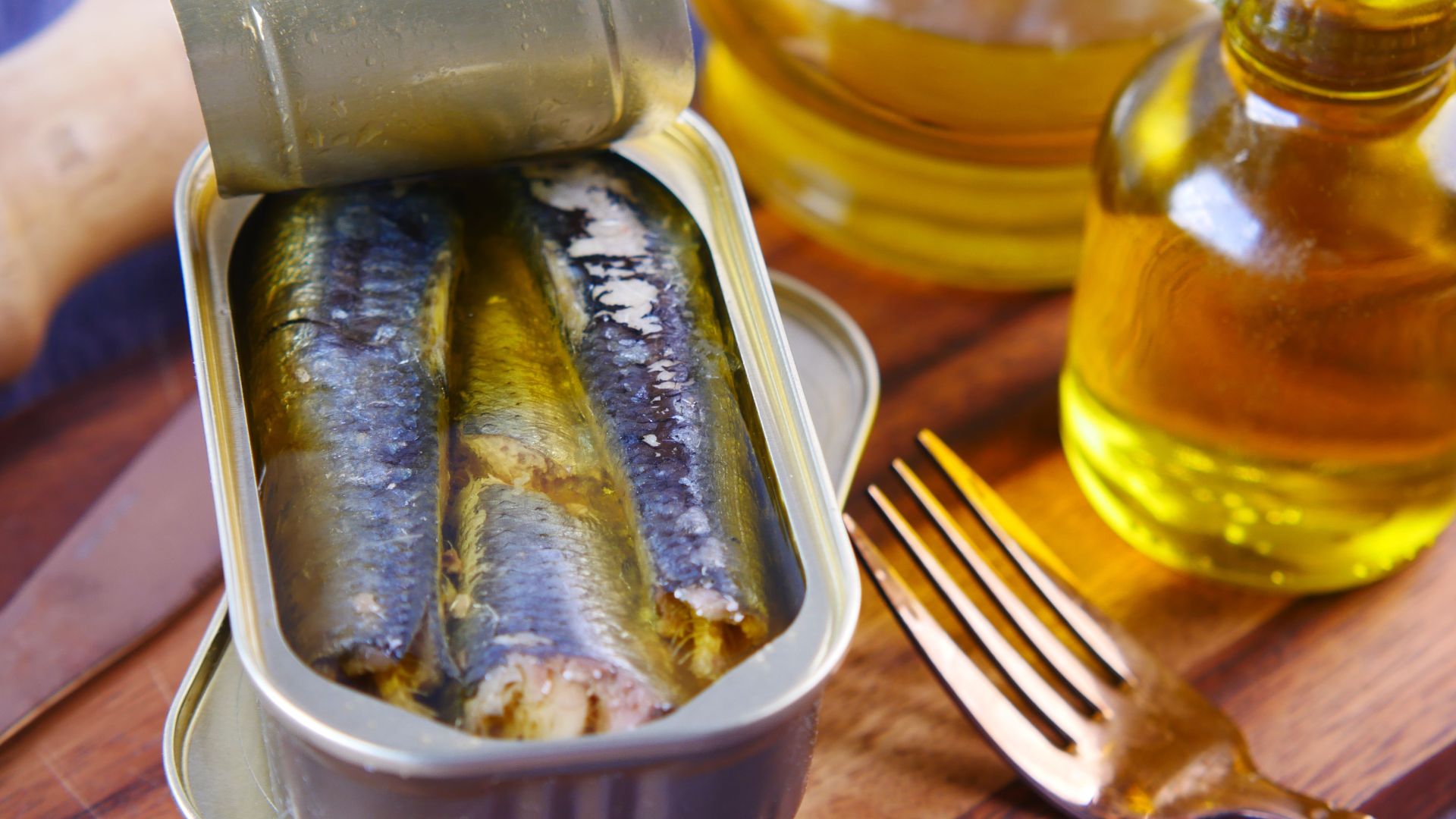
1. Beef Liver
Beef liver is one of the richest natural sources of vitamin B12, packing approximately 70.7 micrograms into just three ounces. That's nearly 30 times the recommended daily amount for most adults, making even a small portion exceptionally nutrient-dense. Its distinctive taste certainly isn't for everyone, but prepared correctly, it can actually be delicious.
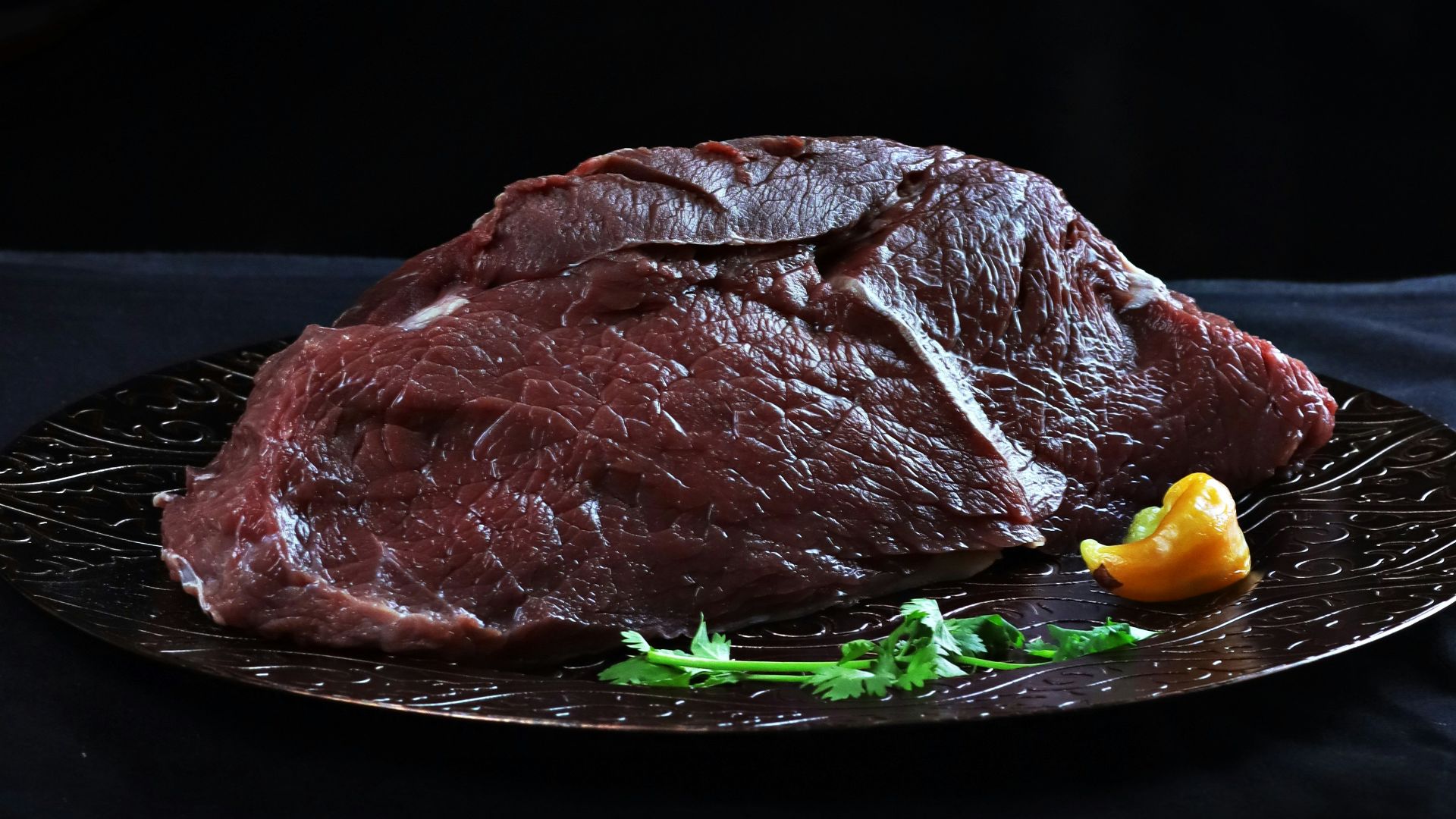
2. Clams
Seafood lovers will be happy to hear that clams are an excellent way to boost B12 intake without dramatically changing their eating habits. A three-ounce serving of cooked clams can provide around 17 micrograms. Enjoy them steamed with garlic, mixed into pasta, or served in a comforting bowl of clam chowder.
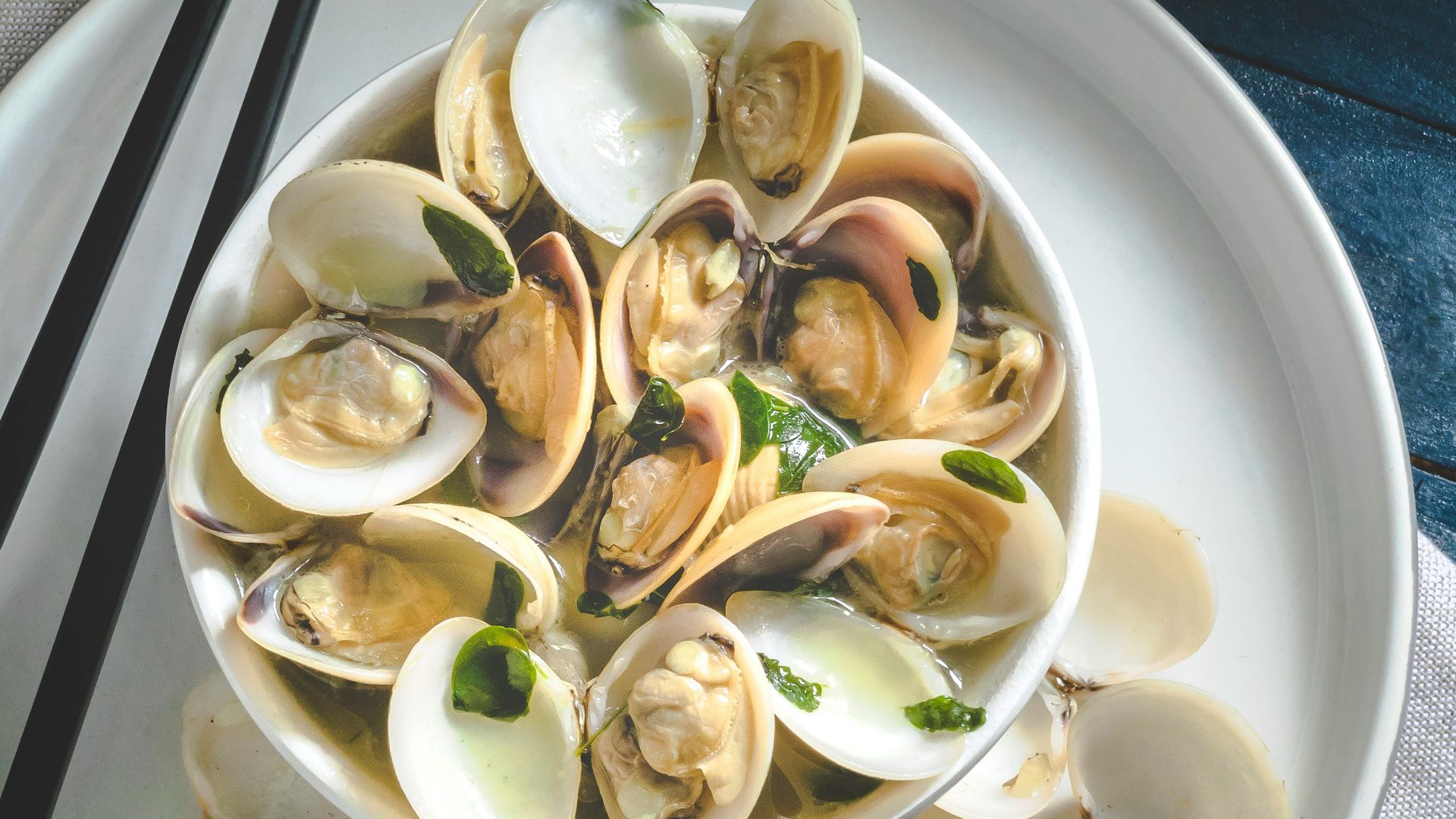
3. Oysters
Oysters deserve a place on your menu beyond special occasions, particularly when you consider their nutritional benefits. Three ounces of cooked Eastern oysters contain approximately 14.9 micrograms of B12, plus important minerals like zinc and iron. Whether you enjoy them grilled, baked, or added to your favorite seafood dishes, they're worth trying if you're looking to increase your intake of this essential vitamin.

4. Fortified Nutritional Yeast
Anyone following a plant-based diet might find fortified nutritional yeast especially useful for getting enough vitamin B12. Depending on the brand, a quarter-cup serving can contain anywhere from 8.3 to 24 micrograms, but keep in mind that unfortified varieties aren't dependable sources. With its savory, slightly cheesy taste, it's a popular topping for popcorn, pasta, roasted vegetables, and homemade sauces.
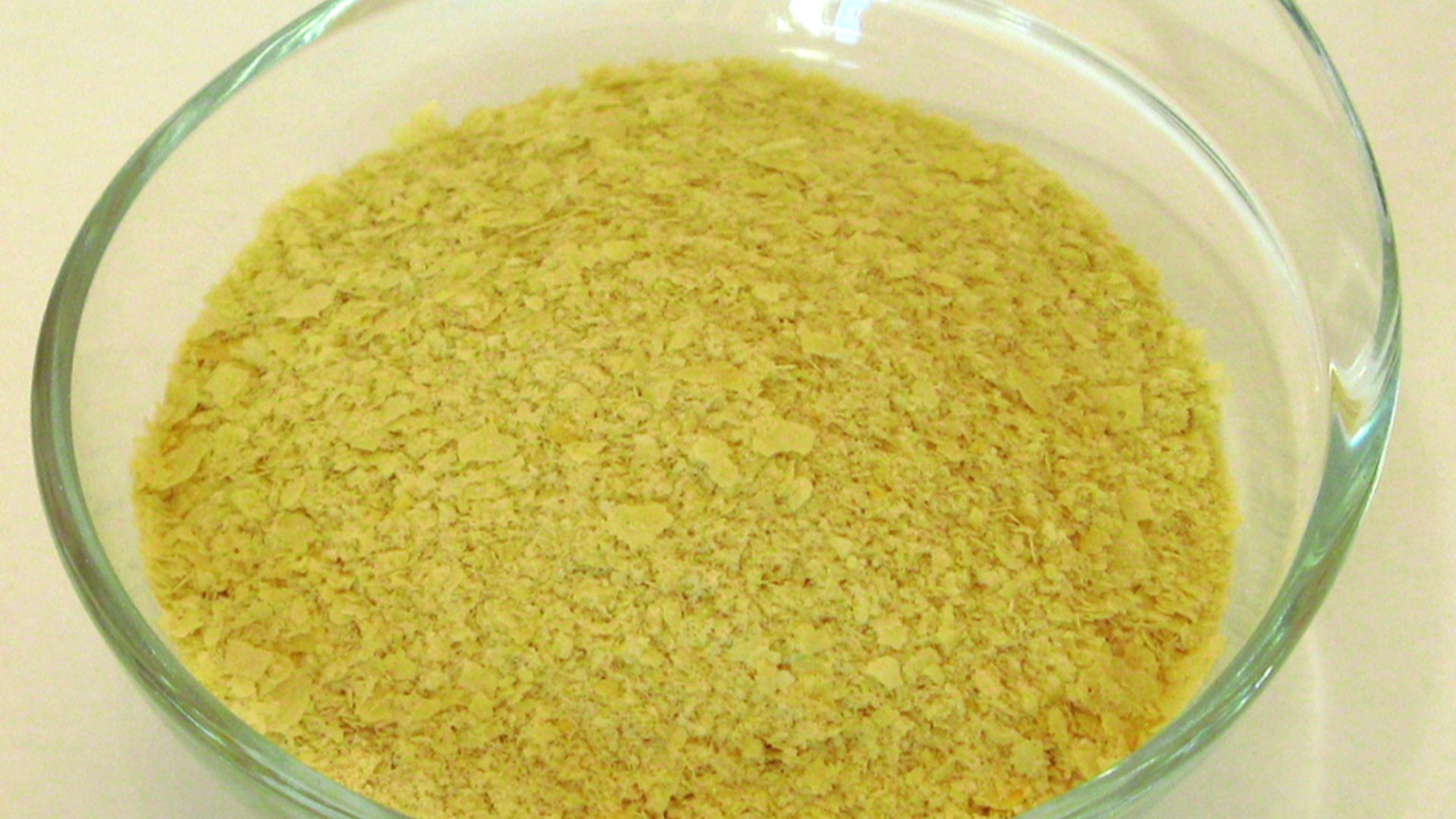
5. King Crab
King crab doesn't always get the recognition it deserves for its nutritional benefits, especially when it comes to B12. A three-ounce serving of cooked Alaska king crab delivers approximately 9.8 micrograms, which is several times more than most adults need in a day. Although it's hardly the most budget-friendly seafood option, treating yourself occasionally can provide a generous amount of B12 alongside protein and other valuable nutrients.

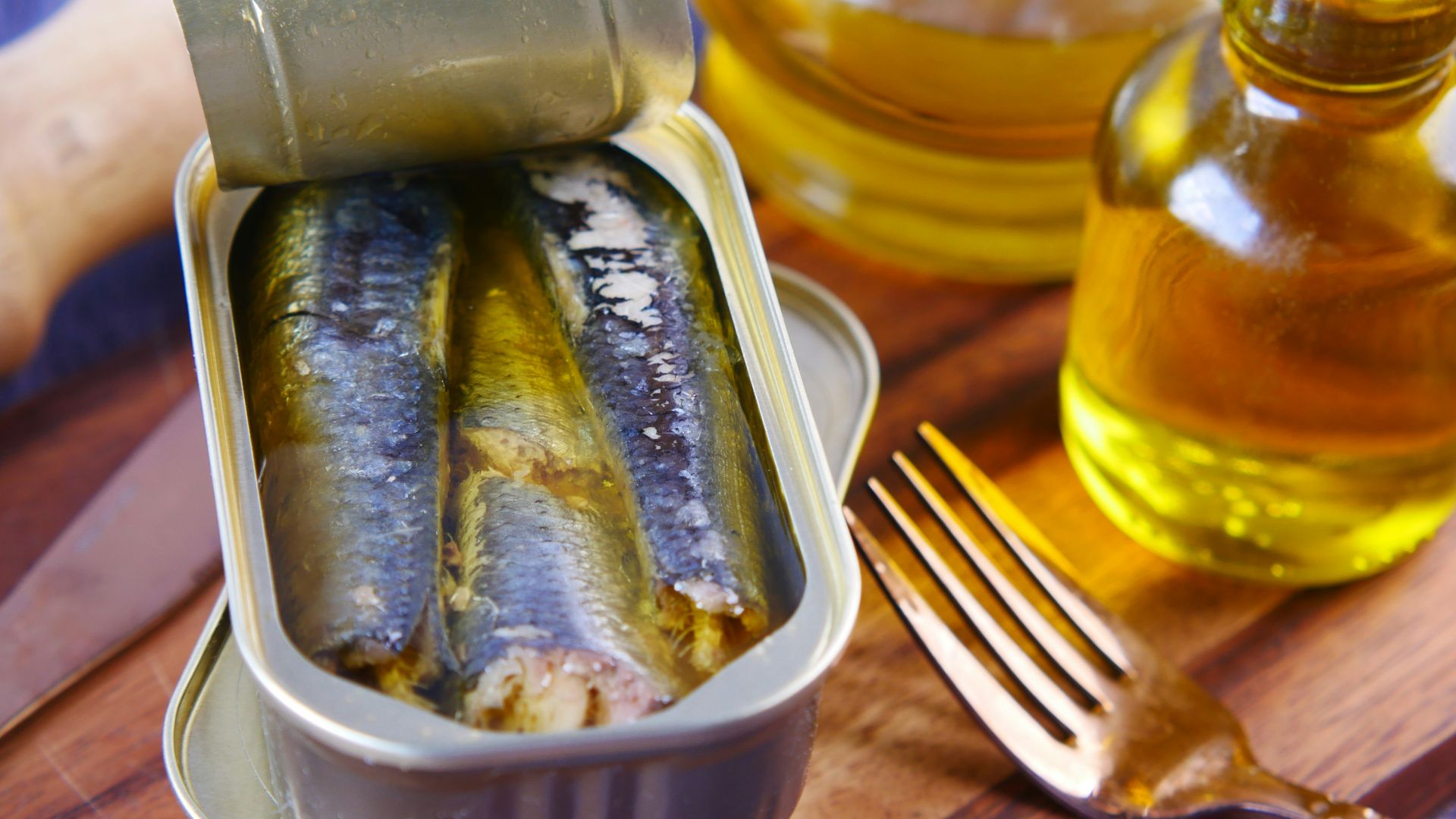
6. Sardines
Those little cans of sardines aren't everyone's idea of an appealing snack, but considering how much nutrition they contain, they deserve a second look. Three ounces of canned sardines packed in oil and drained provide roughly 7.6 micrograms of B12, along with omega-3 fatty acids and calcium if you eat the soft, edible bones. Since they're also relatively inexpensive, sardines are a practical choice for anyone who wants the benefits of seafood without spending too much.
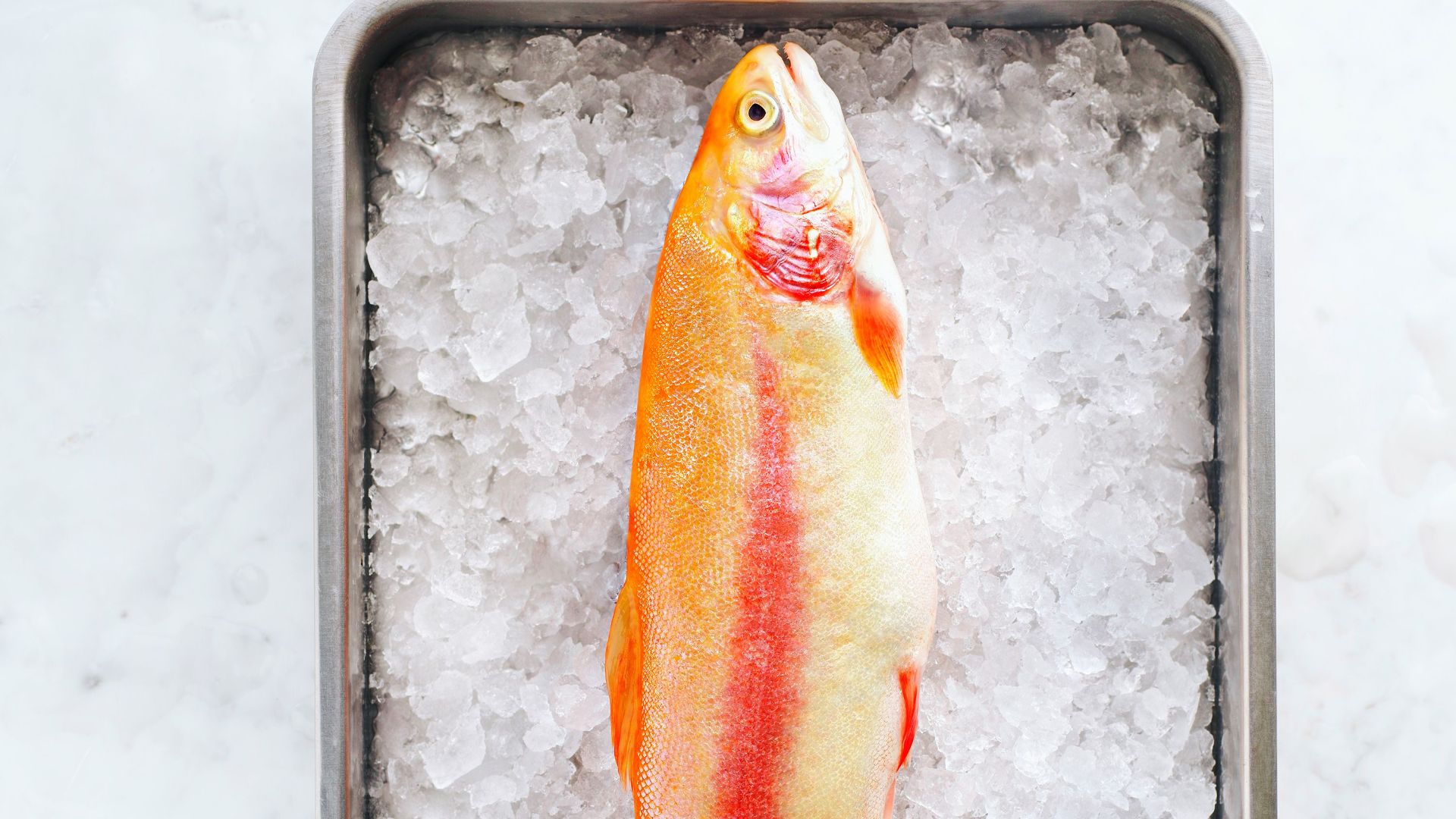
7. Rainbow Trout
Rainbow trout is a particularly good option if you want a fish that's high in vitamin B12 without having an overly strong flavor. A three-ounce portion of cooked wild rainbow trout contains approximately 5.4 micrograms, providing more than double the amount most adults need each day. Try baking it with lemon, fresh herbs, and a little olive oil for a delicious dinner that requires surprisingly little effort.
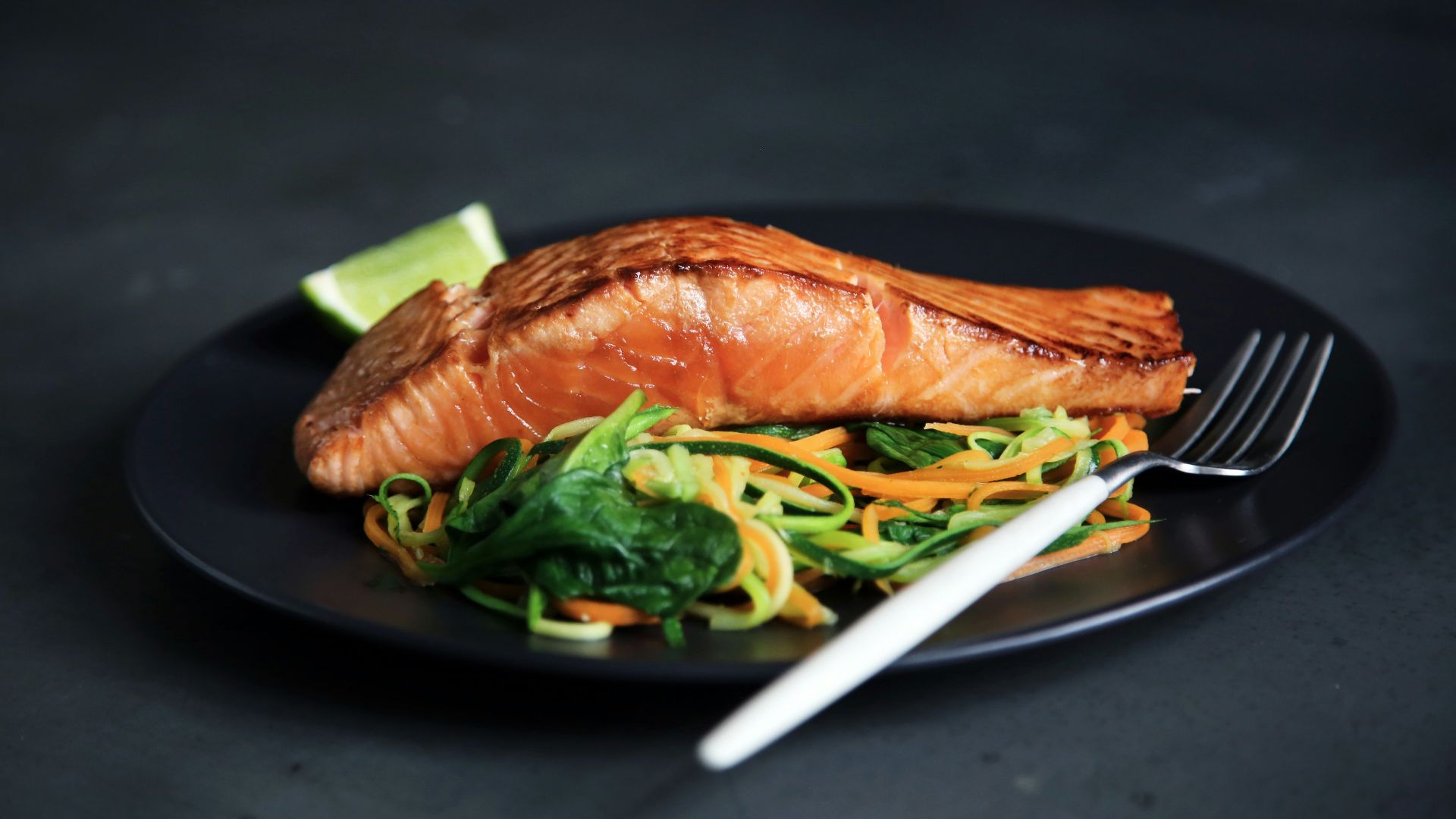
8. Salmon
Most people already recognize salmon for its omega-3 fatty acids, but it's also an impressive source of vitamin B12. Depending on the variety, a three-ounce cooked serving can deliver more than an entire day's recommended intake, with sockeye salmon providing approximately 4.8 micrograms. Whether you grill it, roast it, or toss leftovers into a salad, salmon makes getting more nutrients into your meals fairly simple.
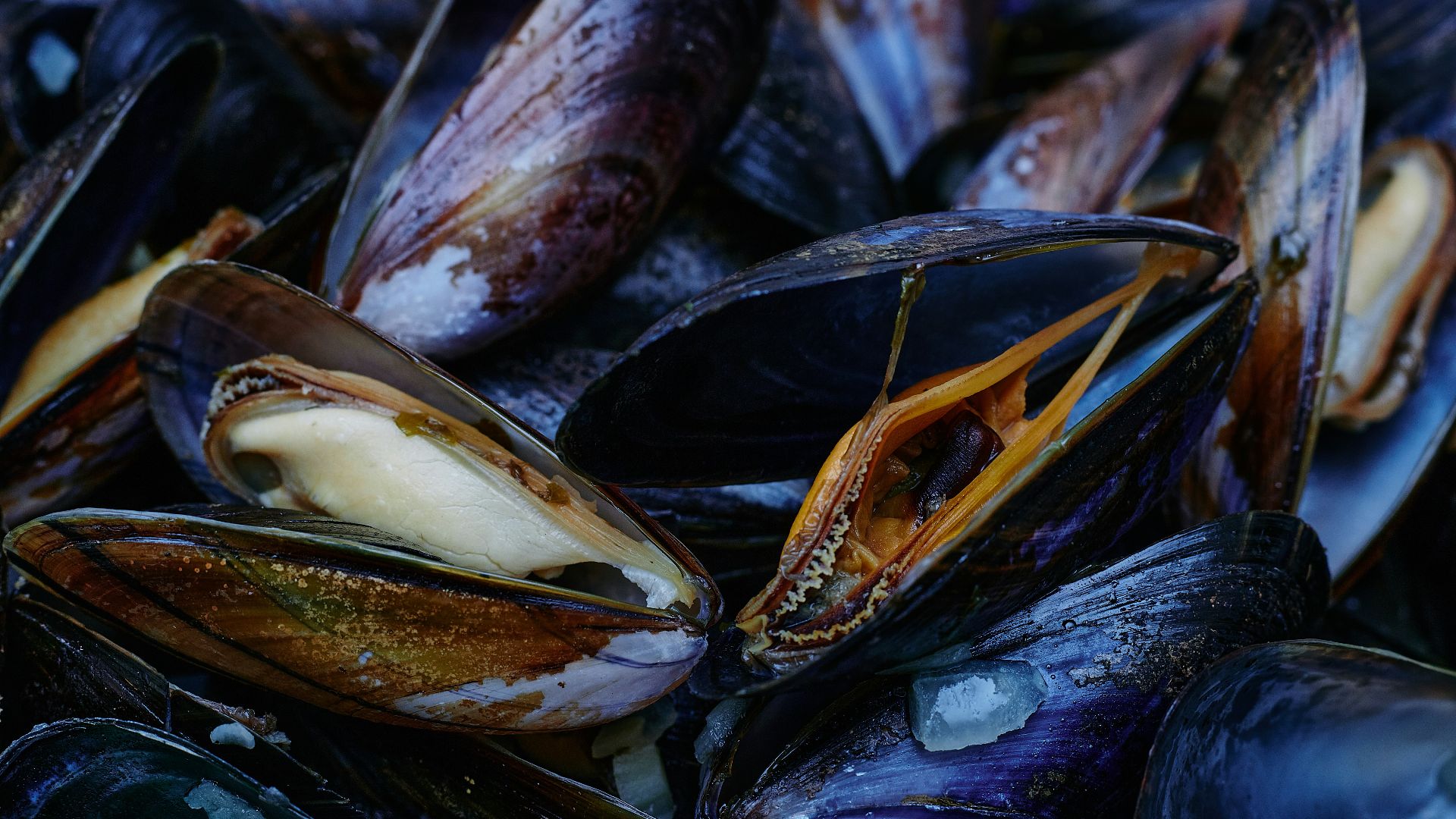
9. Mussels
Mussels are another shellfish that deserve consideration if you're hoping to increase your vitamin B12 consumption. Along with being naturally rich in this nutrient, they provide protein, iron, and several other important minerals. You can easily prepare them by steaming them in a flavorful broth of garlic, tomatoes, and herbs, resulting in a satisfying seafood dinner without much work.
10. Fortified Breakfast Cereal
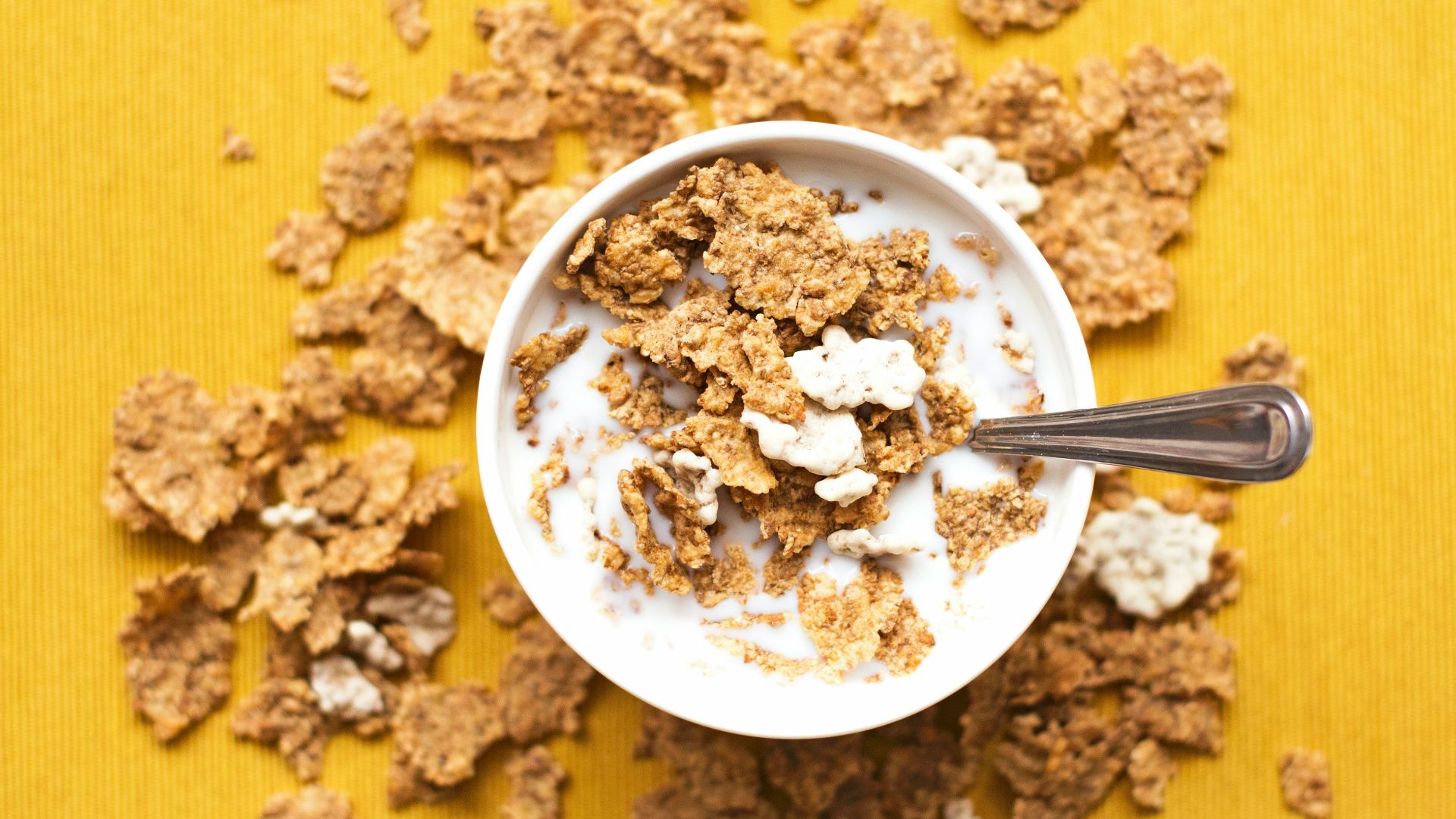
That bowl of cereal you eat every morning might be providing more nutritional benefits than you think, especially if it's a fortified variety. Some breakfast cereals contain enough B12 in one serving to meet your entire daily requirement, while others offer considerably smaller amounts. Because nutrient levels vary between brands, take a moment to check the Nutrition Facts label before deciding which one to buy.
11. Tuna
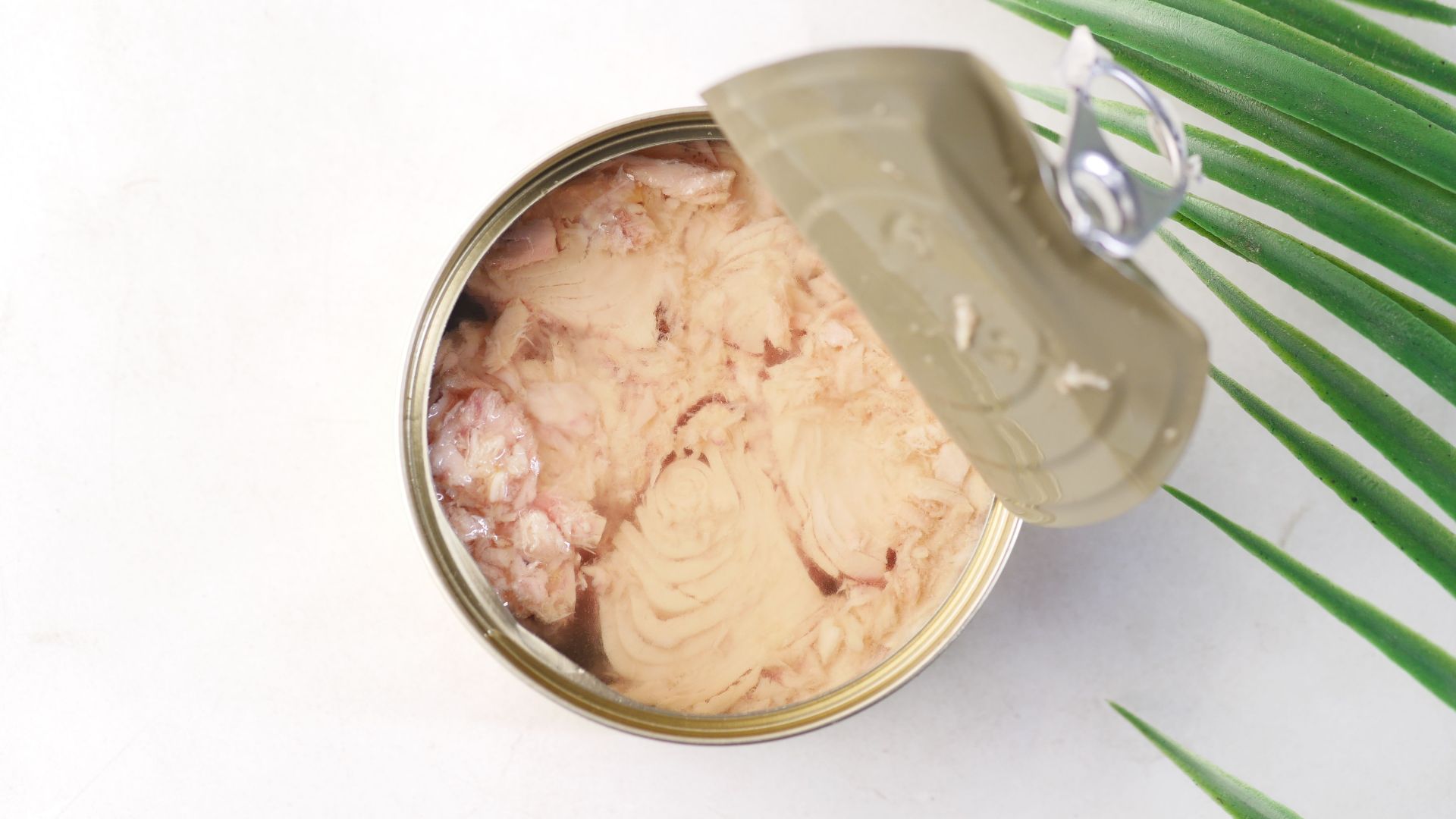
Tuna is a convenient source of protein and B12, particularly when you need something quick and easy for lunch. Three ounces of canned light tuna packed in water provide approximately 2.5 micrograms, which is enough to meet the daily recommendation for most adults. It works well in sandwiches, salads, and pasta dishes, although it's important to choose lower-mercury options and follow recommended seafood consumption guidelines.
12. Ground Beef
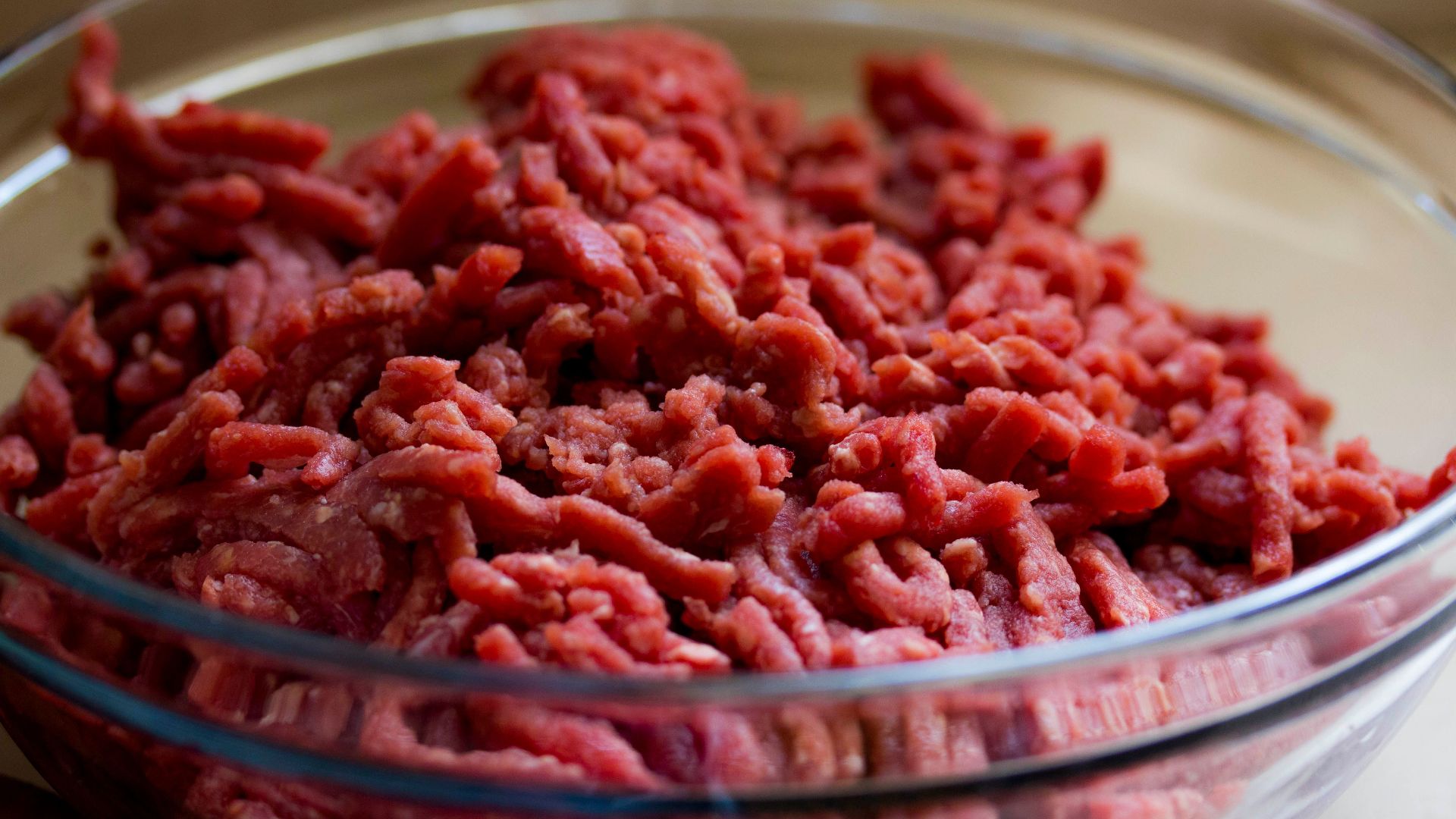
If ground beef is already a staple in your kitchen, you'll be pleased to know it can also help you meet your vitamin B12 requirements. A three-ounce portion of cooked 85% lean ground beef contains approximately 2.4 micrograms, covering the recommended daily amount for most adults. Whether you're preparing homemade burgers, a hearty chili, or spaghetti sauce, there are plenty of familiar recipes that make incorporating it into your diet easy.
13. Haddock
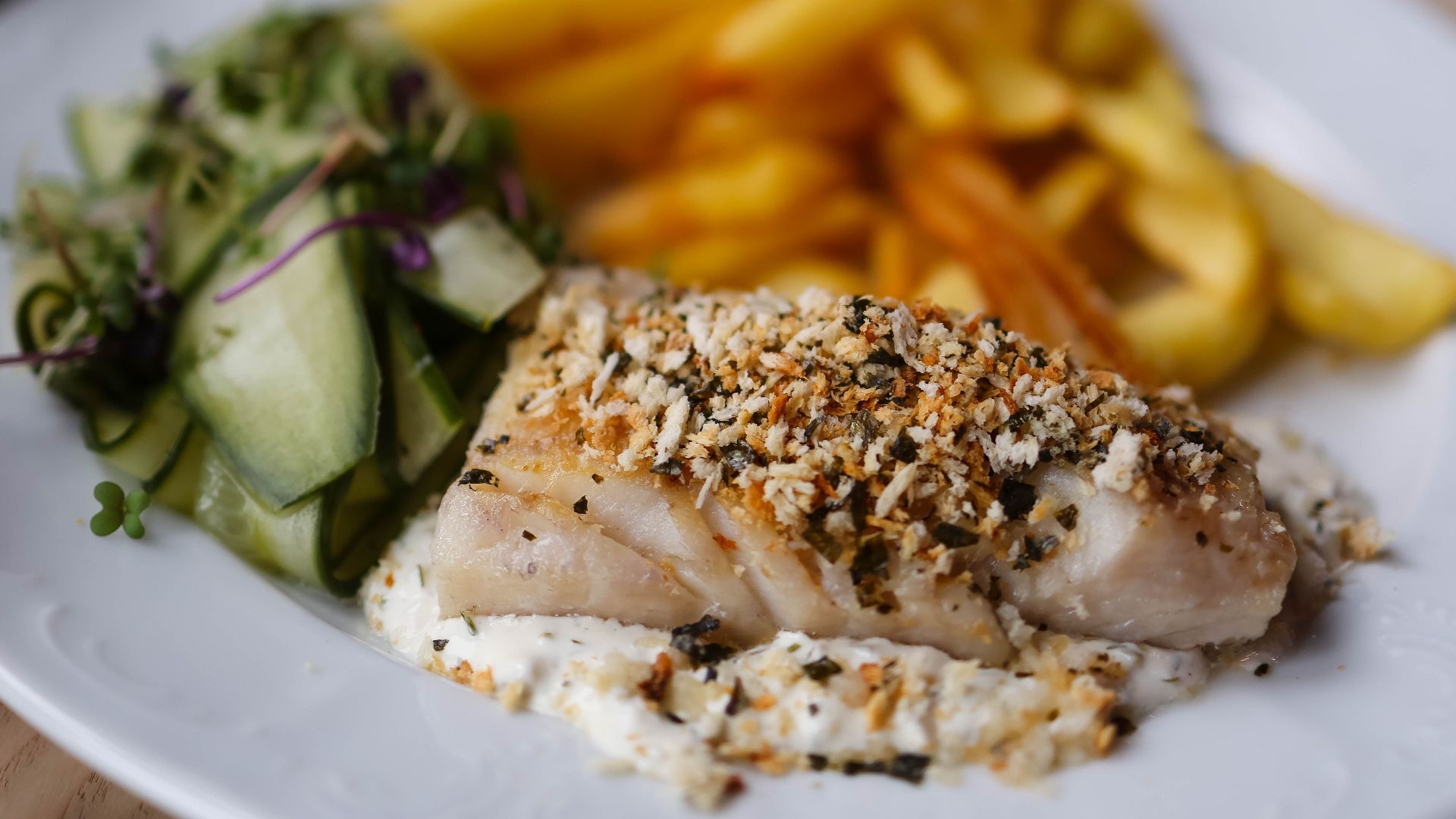
Haddock is a mild-tasting white fish that offers a relatively lean source of protein while contributing a respectable amount of B12. A three-ounce cooked serving provides approximately 1.8 micrograms, making it a nutritious addition to your weekly meals. Since it doesn't have an especially strong taste, you can easily prepare it with breadcrumbs, lemon, or whatever seasonings you prefer.
14. Beef Sirloin
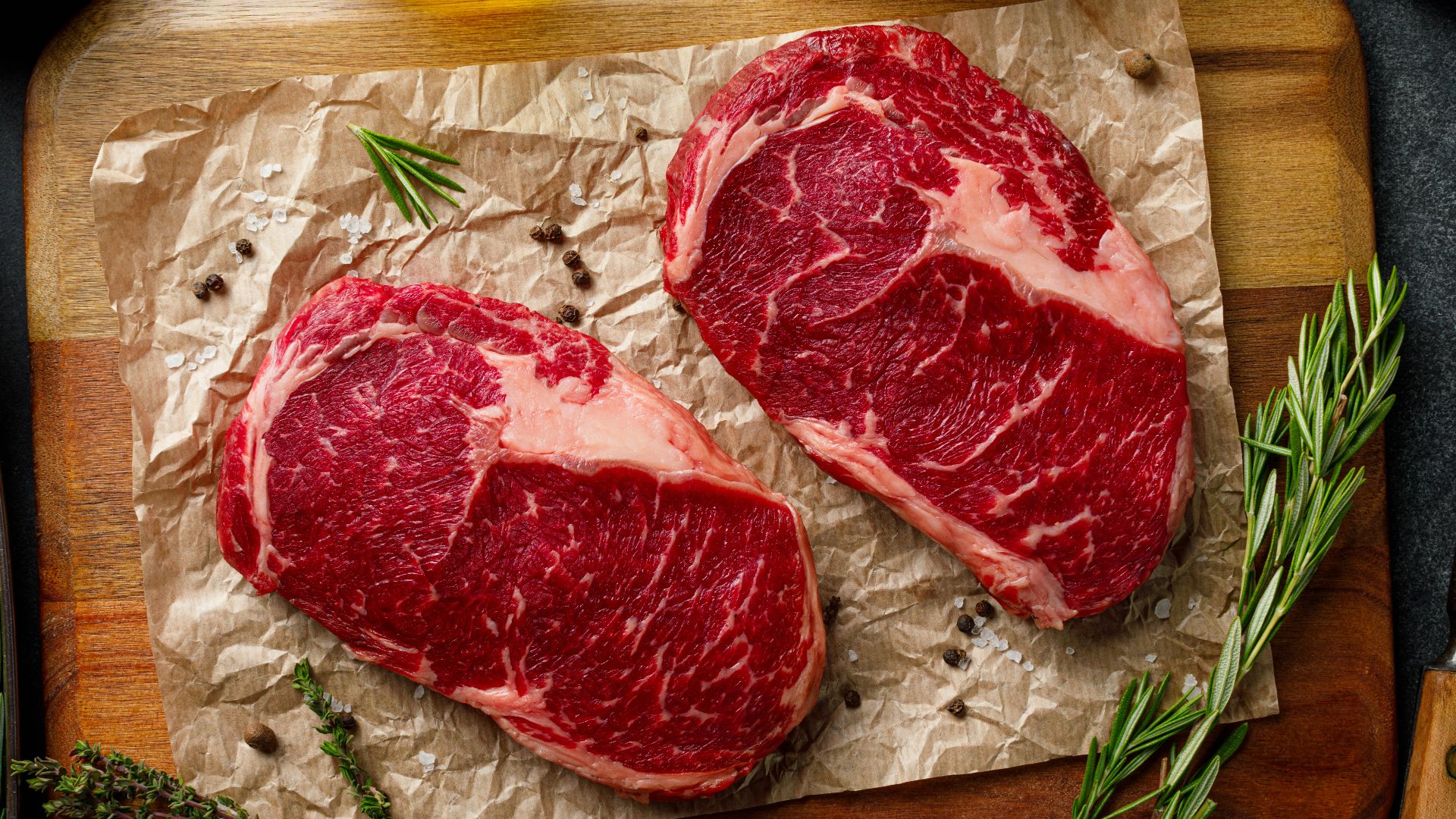
You don't have to develop a taste for organ meats to get a decent amount of vitamin B12 from beef. Three ounces of broiled top sirloin contain approximately 1.4 micrograms, supplying more than half the recommended daily intake for most adults. Serve a modest portion alongside roasted vegetables and potatoes for a filling meal that provides several essential nutrients.
15. Milk
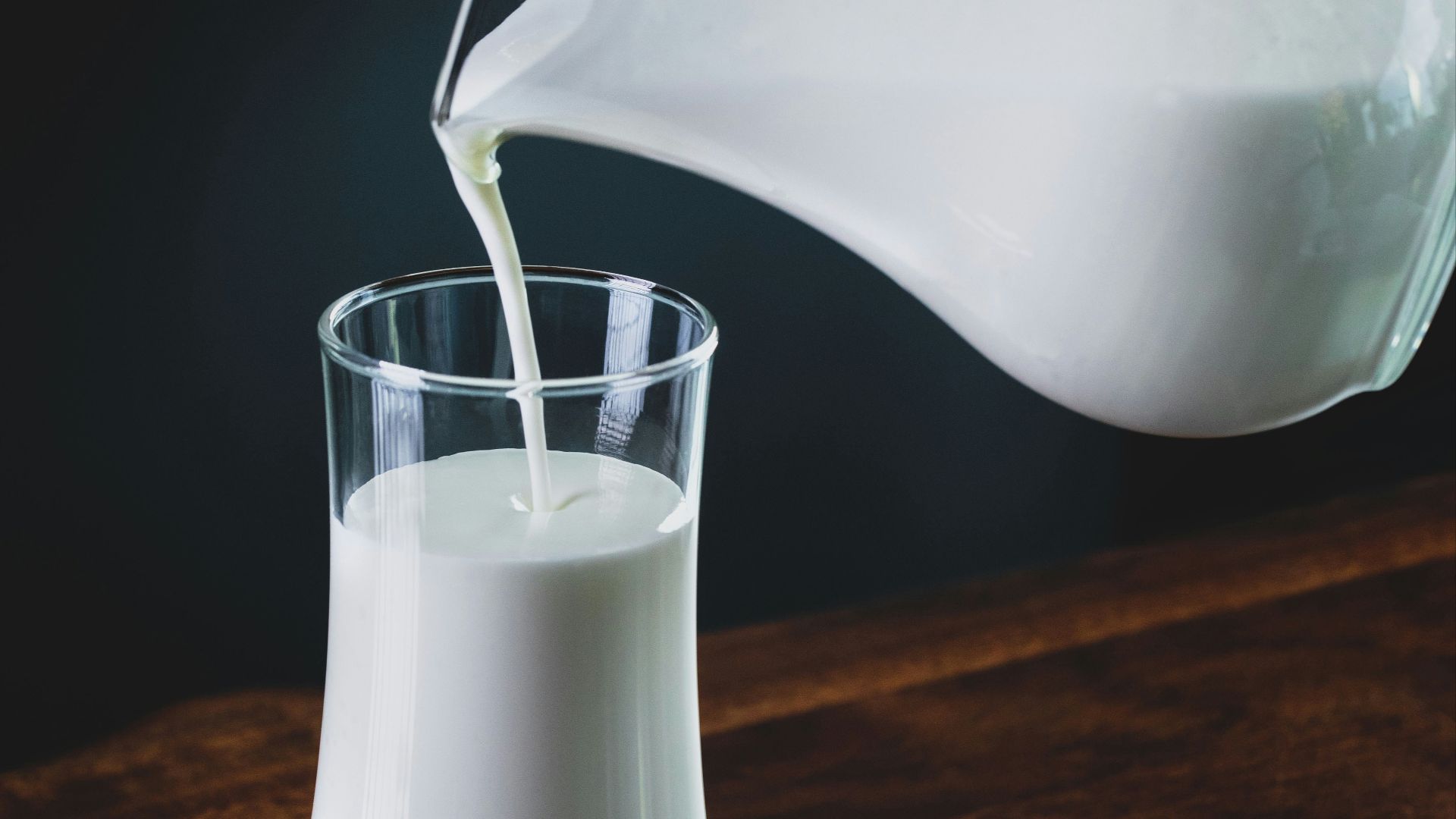
Milk is probably one of the easiest foods to incorporate into your routine if you're looking to increase your B12 intake. A single cup of 2% milk provides approximately 1.3 micrograms, which is more than half the amount most adults need daily. Whether you drink it straight, pour it over breakfast cereal, or stir it into oatmeal, it's a convenient option that requires almost no effort.
16. Yogurt
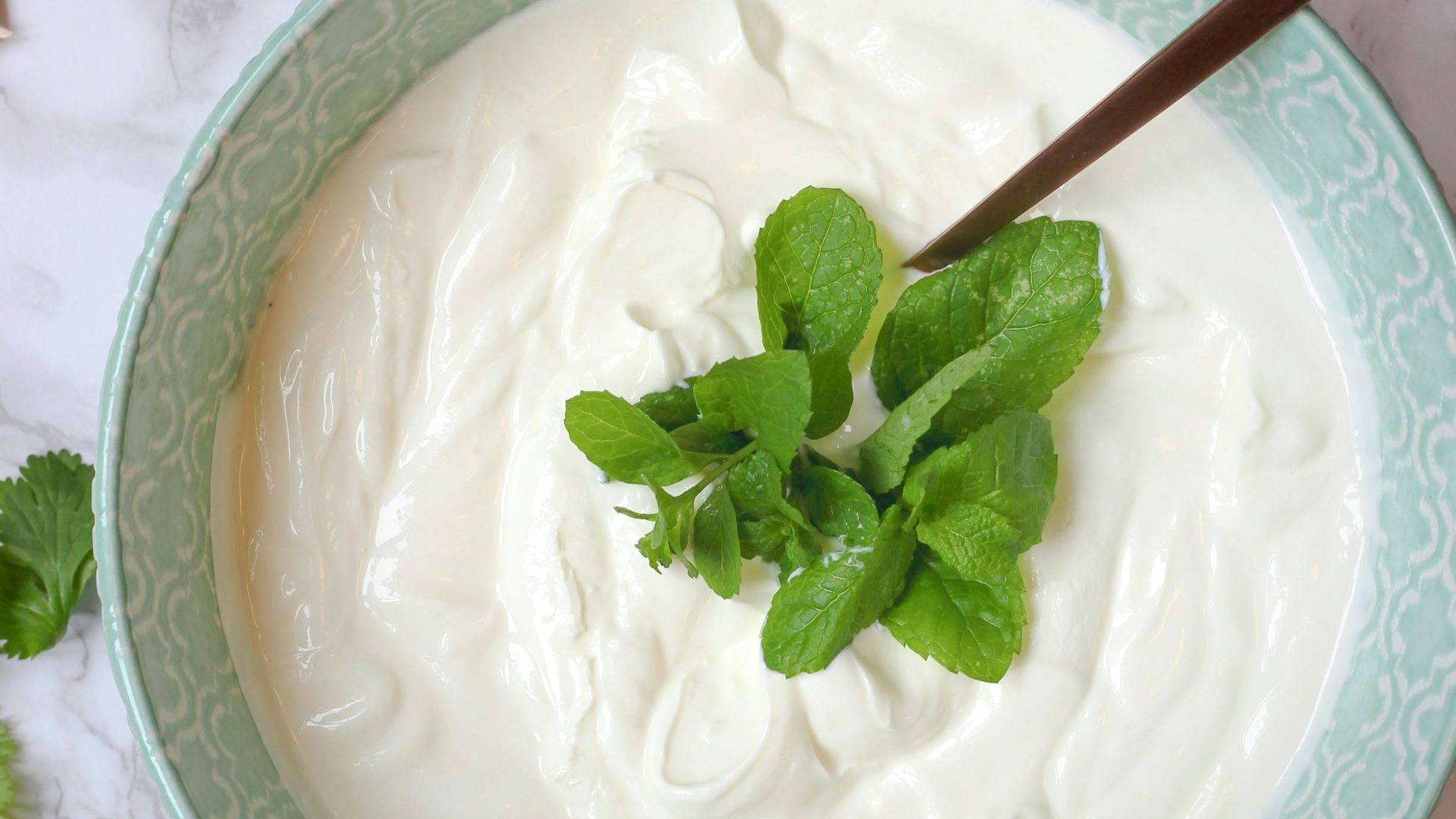
Another dairy product worth keeping in your refrigerator is yogurt, which can contribute a useful amount of vitamin B12 to your diet. A six-ounce container of plain, fat-free yogurt contains approximately one microgram, along with protein and calcium. Opting for an unsweetened variety and mixing in fresh fruit or nuts allows you to create a satisfying breakfast or snack without depending on heavily sweetened products.
 micheile henderson on Unsplash
17. Swiss Cheese
Good news for cheese lovers: certain varieties offer meaningful amounts of vitamin B12, and Swiss cheese is a particularly good example. A one-ounce serving contains approximately 0.9 micrograms, helping you make progress toward your daily requirement. Try adding it to sandwiches, omelets, or homemade wraps, but remember that cheese can contain considerable amounts of saturated fat and sodium.

18. Eggs
Eggs provide several nutrients your body needs, including protein, choline, and vitamin B12. One large cooked egg contains approximately 0.5 micrograms, with most of that B12 concentrated in the yolk rather than the egg white. While eating a single egg won't cover your entire daily requirement, pairing it with other B12-rich foods can help you get closer to your nutritional goals.

19. Cheddar Cheese
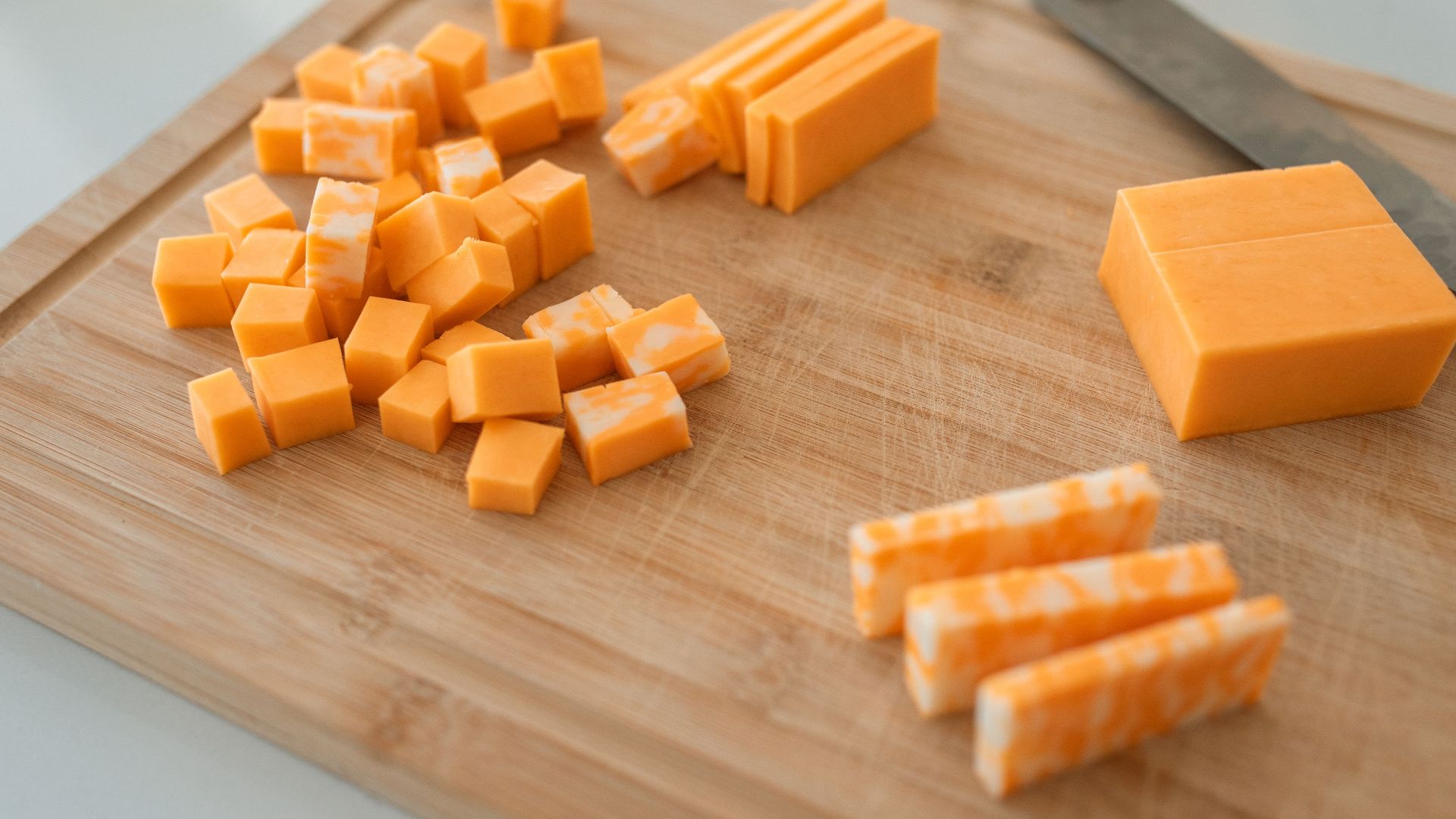
Cheddar might not contain as much B12 as seafood or meat, but it can still make a worthwhile contribution to your daily intake. A portion of approximately one and a half ounces provides around 0.5 micrograms, plus calcium and protein. Sprinkling a little cheddar over scrambled eggs, adding it to whole-grain sandwiches, or using it in vegetable dishes is an easy way to get more B12 from foods you already enjoy.
20. Fortified Plant-Based Milk
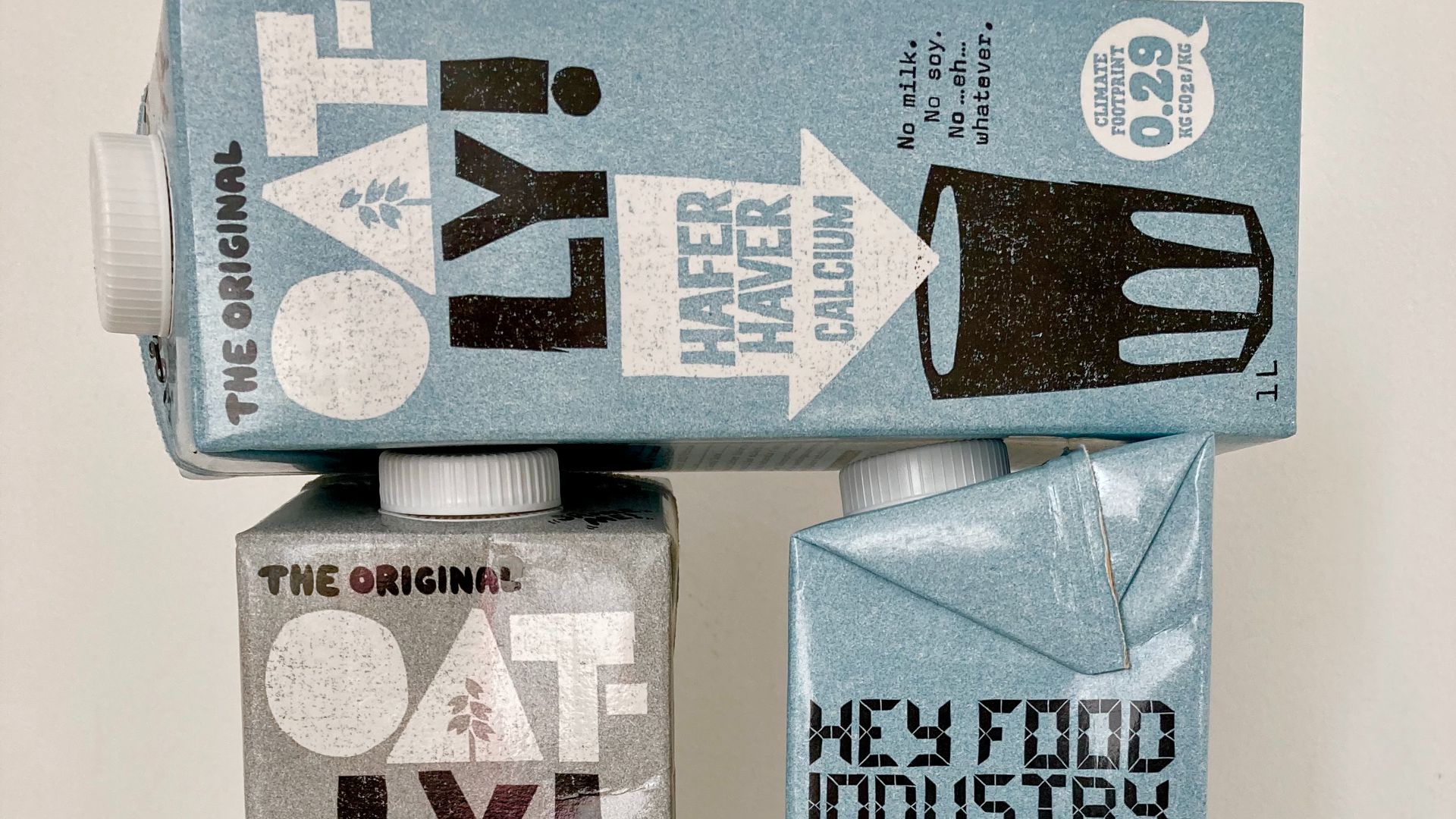
Avoiding dairy doesn't necessarily mean missing out on vitamin B12, thanks to the growing selection of fortified plant-based milks. Certain soy, oat, and almond milk products have B12 added during manufacturing, although the amount can differ significantly between brands and formulations. It's worth checking the nutritional label before buying, since unfortified plant milks generally don't provide reliable amounts of this important nutrient.
KEEP ON READING

20 Food Requests Only Spoiled People Ask For

20 Hardest Foods on Earth To Eat

Do Vitamin Supplements Actually Make You Healthier?