The “Healthy” Foods That Can Backfire If You Eat Them the Wrong Way

Healthy eating sounds simple until you realize that even nutritious foods can get a little complicated in real life. A food can have a great reputation and still work against you if the portion is too large, the preparation is less than ideal, or the timing just doesn’t suit your body. That's how something can be healthy and still leave you feeling sluggish, bloated, or hungrier than before.
The good news is that this doesn’t mean you need to fear wholesome foods or avoid salads. In most cases, the issue isn’t the food itself so much as how it’s being used in your routine. Once you know where these healthy choices can go sideways, it becomes much easier to enjoy them in a way that actually supports how you want to feel.
When Portion Size Turns a Smart Choice Into Too Much
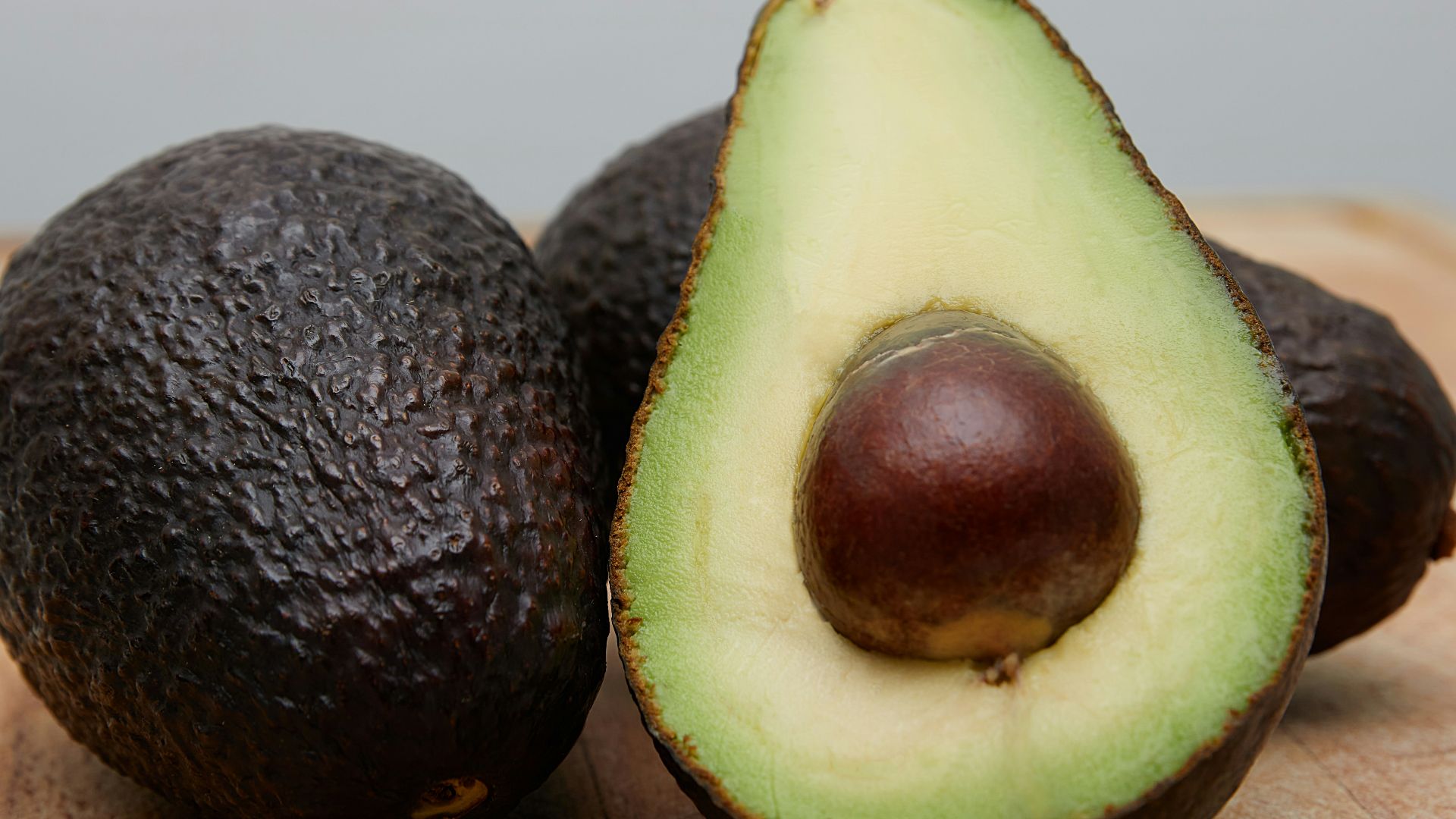
Avocados are packed with healthy fats, fiber, and nutrients, so they’ve earned their place in the wellness hall of fame. Even so, it’s easy to forget that they’re also calorie-dense, which means a generous scoop can add up quickly without seeming especially heavy. If you’re layering avocado onto toast, adding it to eggs, and tossing it into a salad on the same day, you may be getting more than you realized.
Nuts create a similar problem because they’re nutritious, convenient, and very easy to keep eating by the handful. They offer protein, fat, and minerals, but they’re also one of those foods where a serving looks much smaller than people expect. You can go from a smart snack to accidentally eating a meal's worth of calories without noticing, especially when you’re munching straight from the container.
Nut butters also deserve a polite reality check. Peanut, almond, and cashew butter can absolutely fit into a balanced diet, but it’s easy for one spoonful to turn into three when you’re not paying attention. Since they’re rich and satisfying, they can be useful, though they work best when you remember they’re still a super dense source of calories.
When Preparation Changes the Whole Story
Vegetables are the stars of nearly every healthy eating plan, but the way they’re prepared matters more than people sometimes think. A plate of steamed broccoli is very different from broccoli hidden under layers of cheese and creamy sauce.
Oatmeal has a strong, healthy image, and plain oats deserve it. Trouble starts when the bowl becomes a dessert in disguise with flavored packets, brown sugar, syrup, chocolate chips, and a mountain of dried fruit. At that point, you may still be eating oats, but you’re also getting a fast track to a sugar spike that doesn’t feel all that gentle.
Smoothies can also be sneakier than they seem because they’re often marketed as the picture of clean eating. When you blend fruit juice, sweetened yogurt, nut butter, protein powder, honey, and several servings of fruit into one glass, the result can be more like a liquid sugar feast than a light snack. Since drinking calories often feels less filling than eating them, you may finish it and still want lunch an hour later.
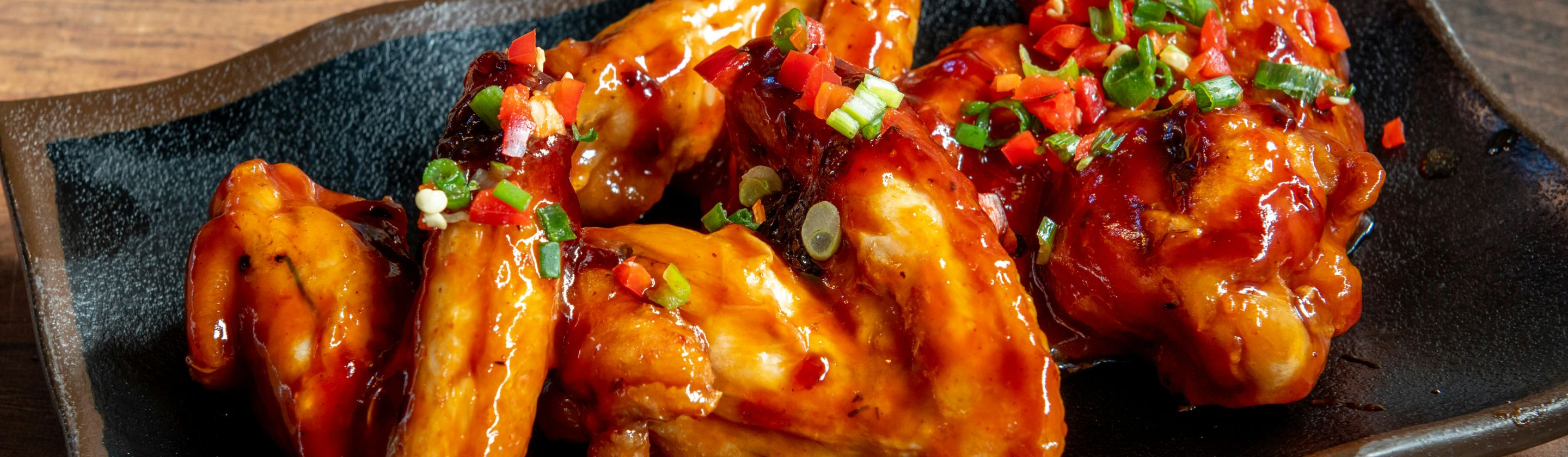
Fish is another food that can shift categories depending on what happens in the kitchen. Grilled salmon is a very different experience from a breaded fillet dropped into a fryer and paired with a heavy sauce and more fried things. You still get the protein, but the preparation can quietly pull the meal away from the healthy direction you thought you were choosing when you selected fish off the menu.
When Timing & Balance Make All the Difference
Fruit is healthy, refreshing, and full of valuable nutrients, but eating it in isolation doesn’t always work well for everyone. If you grab fruit by itself when you’re already very hungry, the quick-digesting carbs may not keep you satisfied for long. Pairing it with protein or fat, like yogurt or nuts, often gives you a steadier result and helps the snack feel more complete.
Whole grains are another good example of a food that benefits from context. Brown rice, quinoa, and whole-grain bread can absolutely support a balanced diet, but they’re still carbohydrates, and portions still matter. If your plate is built almost entirely around grains, even whole ones, without much protein or fat, you may end up feeling sleepy instead of energized. For people who are sensitive to wheat, choosing whole bulgar instead of bread isn't necessarily going to make you feel better, even though it's super healthy.
Beans are famously nutritious, yet they can backfire in a very immediate way if your body isn’t used to them. They’re rich in fiber and beneficial plant compounds, but jumping from very little fiber to a bean-heavy meal can leave you bloated and uncomfortable. Increasing them gradually and drinking enough water usually makes a big difference, which is a much more pleasant outcome for everyone involved.
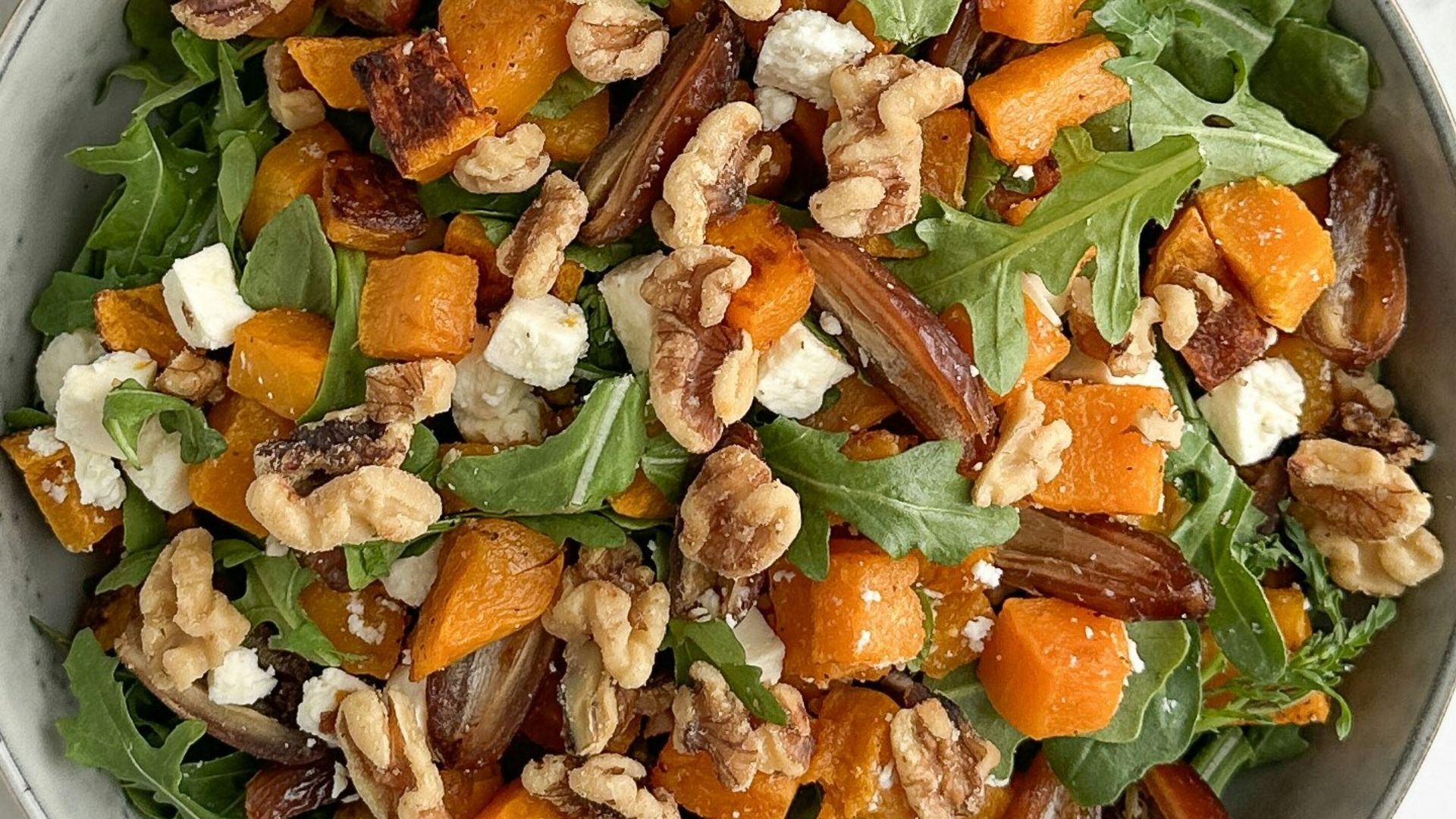
Even salads can miss the mark when they’re built without enough substance. A bowl of greens with a few cucumber slices may look virtuous, but if it lacks protein, healthy fat, and satisfying texture. The healthiest meal is not the one that looks the lightest on the table, but the one that actually keeps you feeling well and fed.
That’s really the bigger lesson with so-called healthy foods. Nutrition isn’t just about picking ingredients with a good reputation. If you pay attention to portions, preparation, balance, and what your own body needs, those foods are much more likely to help rather than backfire.