Ultra-Processed Foods are Sending People to an Early Grave, Says Global Data
Ultra-Processed Foods are Sending People to an Early Grave, Says Global Data

It's long been known that additive and preservative-laden ultra-processed foods (UPFs) are bad for our health, but now we have global data telling us just how bad. A team of experts published a three-paper series last month providing a deep dive into the health impacts of UPFs.
The authors presented three hypotheses: "that this pattern is globally displacing long-established diets centred on whole foods", "that this pattern results in deterioration of diet quality, especially in relation to chronic disease prevention", and "that this pattern increases the risk of multiple diet-related chronic diseases through various mechanisms". The results? They'll make you wonder why these foods are even legal.
What are UPFs?
Ultra-processed foods (UPFs) are foods that have been heavily altered from their original form using industrial ingredients, chemical additives, and manufacturing methods. Beyond being "processed," like chopped carrots or canned beans, most of their components are actually not normally used in cooking, such as preservatives, artificial flavors, emulsifiers, stabilizers, and colorings.
A simple way to spot them is to look at the ingredients list. If it contains things you would never have in your kitchen—like maltodextrin, carrageenan, high-fructose corn syrup, hydrogenated oils, or flavor enhancers—it's probably a UPF. Some classic examples include sugary cereals, chips, fast food items like chicken nuggets, soda, instant noodles, and frozen meals.
For this trio of papers, the Nova food classification system was used to categorize food products into four groups. The first group is for minimally processed or completely unprocessed products, the second is for foods that are processed but still close to their natural state, the third is for foods that contain added salt, sugar, and oil, and the fourth is for engineered commercial products.
What does the research say?
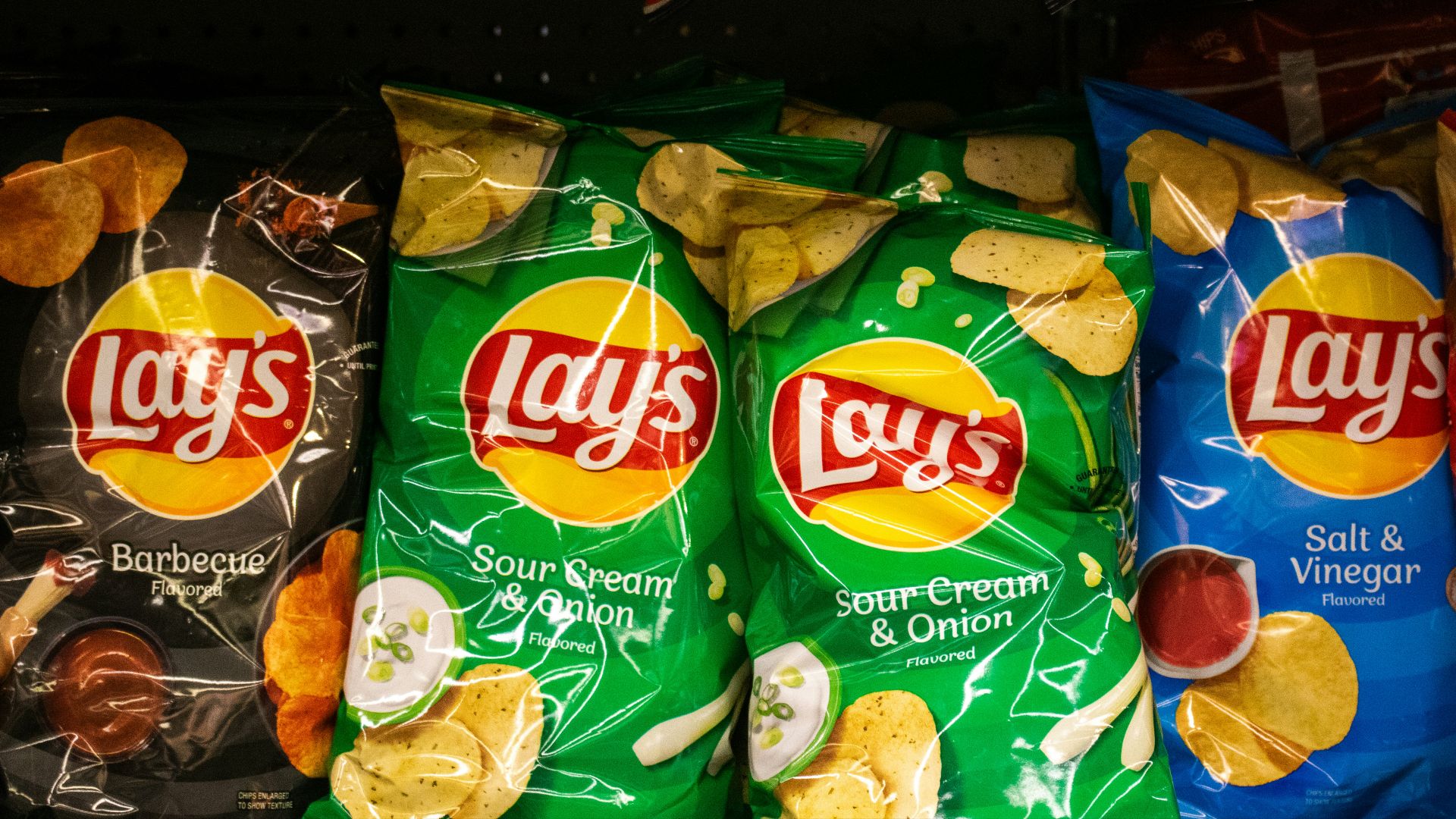
According to the data reviewed for this series of papers, UPFs are rapidly displacing traditional diets around the world, having a profound consequence on global health. In countries where UPFs make up a large proportion of daily energy intake (60 percent in the US), the overall quality of diets declines sharply.
High intakes of sugar, unhealthy fats, and salt replace nutrient-rich whole foods, leading to poorer nutritional status and increased vulnerability to chronic disease.
Diets high in ultra-processed foods are linked not only to conditions like obesity, type 2 diabetes, heart disease, and certain cancers, but also to an increased risk of premature death. Multiple large cohort studies have found that people who eat more UPFs have a higher likelihood of dying from all causes at younger ages compared with those who consume fewer of these products. This relationship holds even after adjusting for other lifestyle factors.
Ultra-processed diets promote excessive calorie intake, poor metabolic health, and chronic inflammation, which can lead to the development of several non-communicable diseases. These conditions accumulate over years, often silently, and eventually contribute to organ damage, cardiovascular events, and cancers that reduce life expectancy.
Researchers behind the three-paper series argue that the evidence is strong enough to warrant action, calling for a global public health intervention to tackle what they consider to be a global public health threat. This includes clear labeling, marketing restrictions (to protect children), taxing unhealthy products, and making whole foods more accessible. Without coordinated action, experts warn, ultra-processed foods will continue to dominate diets and compound health inequalities worldwide.
"What the tobacco industry once did to a leaf—chemically refining and flavoring it to intensify its pull—these food corporations have done to corn, potatoes and wheat," one of the authors of the three papers, Ashley Gearhardt, said. "The result is a food supply dominated by products designed not to nourish us, but to keep us coming back for more".
KEEP ON READING



20 Foods To Have During Cold & Flu Season

10 Old World Crops & 10 New World Ones