Walk into any grocery store, and you'll see product labels proudly declaring what they don't contain: no artificial flavors, no GMOs, no preservatives. Clean eating promised something simple: eat real food, feel better. Instead, we got a movement so tangled in contradictions that nobody can agree on what counts as clean anymore. One person's superfood is another's inflammatory nightmare, and somewhere along the way, the whole thing stopped making sense.
The Term Never Had a Real Definition
Clean eating arrived without a rulebook. At first, it seemed as simple as focusing on organic foods and cutting out processed foods. Gradually, divisions started with people splintering into veganism, paleo, and a variety of other trending diets. The answer depended on who you asked. Food writers used the phrase differently than Instagram influencers, who used it differently than supplement companies trying to sell longevity in powder form.
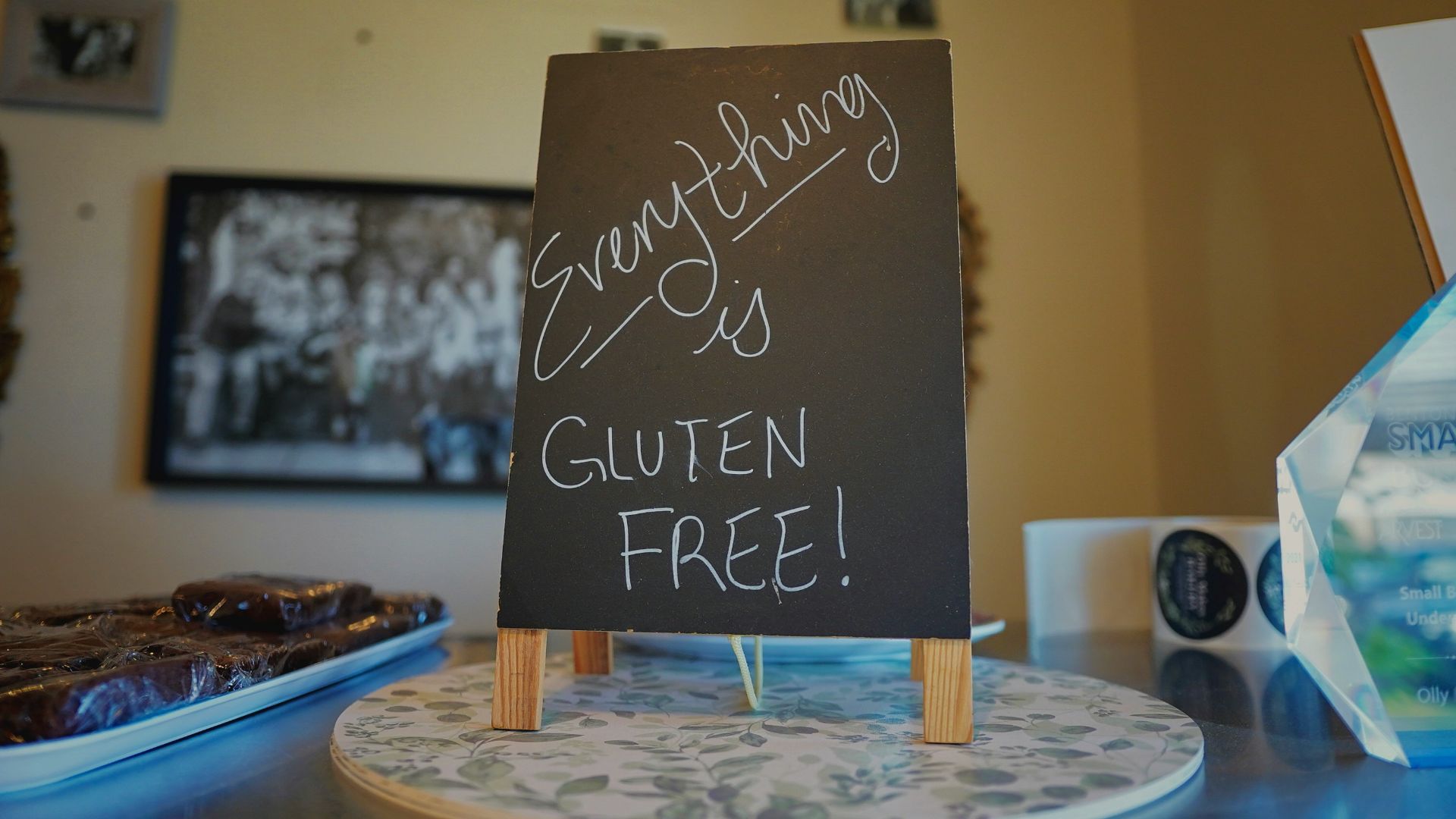
The flexibility that made clean eating appealing also made it meaningless. When a 2017 survey by the International Food Information Council found that 75% of Americans were trying to eat healthier. Problem was, there wasn't one version to follow. Some clean eaters avoided gluten like poison. Others ate sourdough bread daily and believed it was healthy because it was fermented.
Science Got Weaponized by Both Sides
Research on nutrition is messy, contradictory, and constantly evolving. Clean eating advocates cherry-picked studies to support whatever they were selling. A single paper about inflammation markers or gut bacteria would get blown into a universal truth, stripped of nuance and caveats.
Meanwhile, registered dietitians pushed back hard, sometimes dismissing legitimate concerns about food quality in their rush to debunk the extremes. The backlash against clean eating became its own form of absolutism. Both camps claimed science; neither captured its complexity. We ended up more confused than when we started.
Social Media Turned Food into Moral Performance
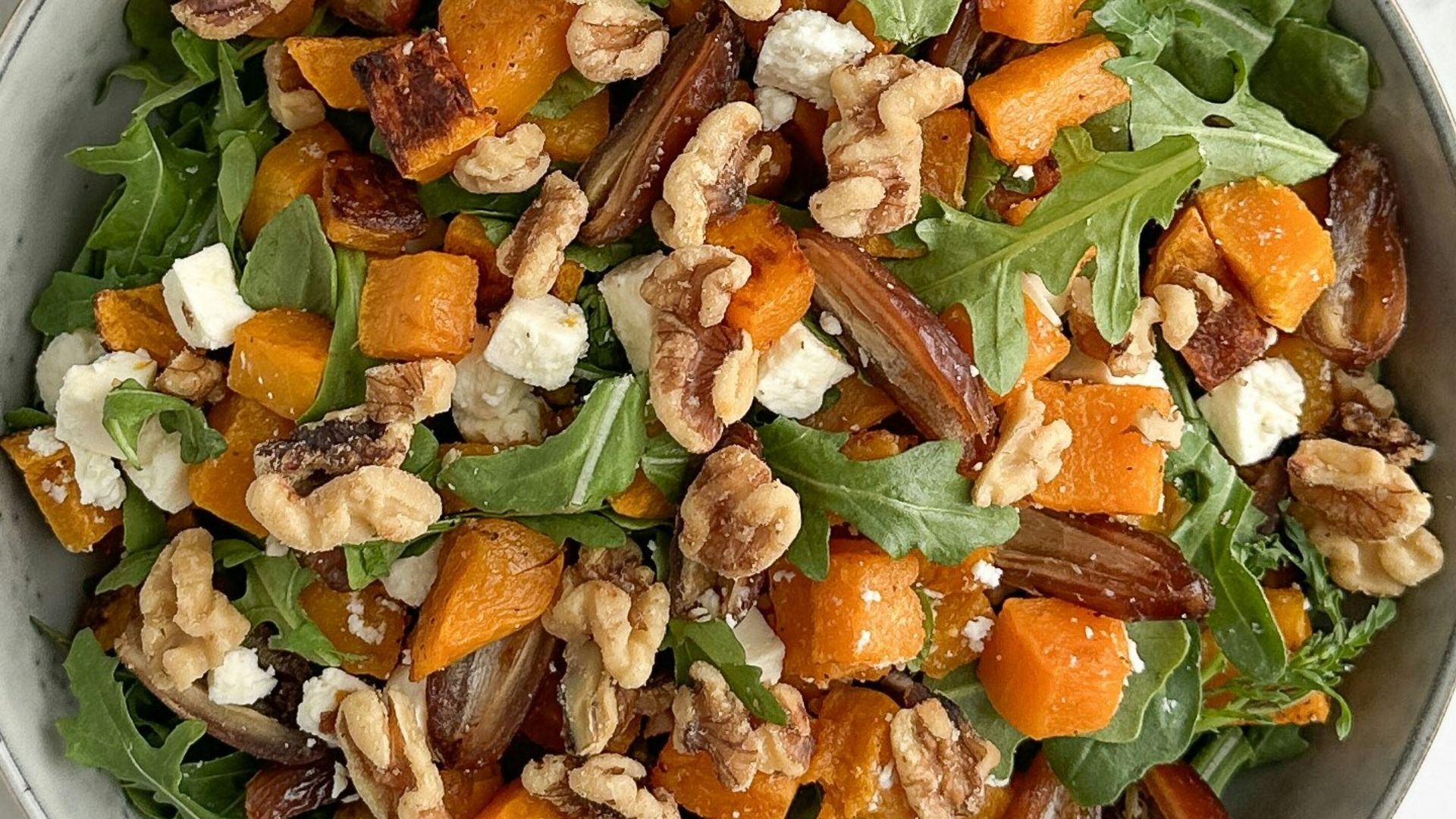
Instagram made clean eating a visual undertaking. All of a sudden, clean eating looked like smoothie bowls arranged like mandalas and spiralized vegetables standing in for pasta. The aesthetic mattered as much as the nutrition, maybe more.
This visibility transformed eating from a private act into public virtue signaling. You weren't just feeding yourself anymore; you were demonstrating your commitment to wellness. Every meal became an opportunity to prove you were doing life correctly.
This moralization crept into everyday language without anyone noticing. Foods became "good" or "bad," "guilt-free"—or, conversely, "indulgent." Eating junk food required penance in the form of an extra workout. The relationship between people and food curdled into something anxious and punitive, dressed up in the language of self-care.
The Wellness Industry Needed Something to Sell
Supplement companies, lifestyle bloggers, and specialty grocery stores all needed consumers to believe that regular food wasn't good enough anymore. You needed their detox tea, collagen powder, and $12 green juice. Every new interpretation of clean eating opened another revenue stream, catapulting the wellness market into a $6.3 trillion industry in 2024.
The business model required constant innovation and fearmongering. Once people accepted that conventional produce was suspect, you could sell them organic. Once organic became mainstream, you could push biodynamic, regenerative, or whatever came next. The goalposts kept moving, always just beyond reach.
We Forgot About Accessibility and Privilege
Clean eating preached universality while ignoring basic reality. Not everyone can afford organic raspberries in February or has time to make bone broth from scratch. The movement's most vocal advocates tended to be affluent, promoting food choices that reflected their economic circumstances, with equipment like juicers and high-powered blenders costing more than some people’s monthly rent.
The gap between clean eating ideals and most people's actual lives grew into a canyon, yet the pronouncements continued to flow freely. When the only options presented are perfection or failure, most of us will fail. Then we'll feel bad about it, which was never the point of eating well in the first place.