3 Foods That Can Help You Absorb More Iron Naturally
 Apostolos Vamvouras on Unsplash
Iron is one of those essential nutrients that doesn't always get the attention it deserves, even though it plays an important role in keeping your body healthy. It helps produce hemoglobin, the protein responsible for carrying oxygen throughout your bloodstream, and supports everything from energy production to proper muscle function. When your iron levels drop too low, you might experience symptoms like fatigue, weakness, or difficulty concentrating, making everyday activities feel more exhausting than usual.
However, getting enough iron isn't just about eating foods that contain plenty of it. How well your body absorbs this mineral depends on several factors, including what you eat alongside your iron-rich meals. Luckily, certain everyday foods can naturally improve iron absorption, helping you get more nutritional value from your diet without having to make major changes.
1. Bell Peppers
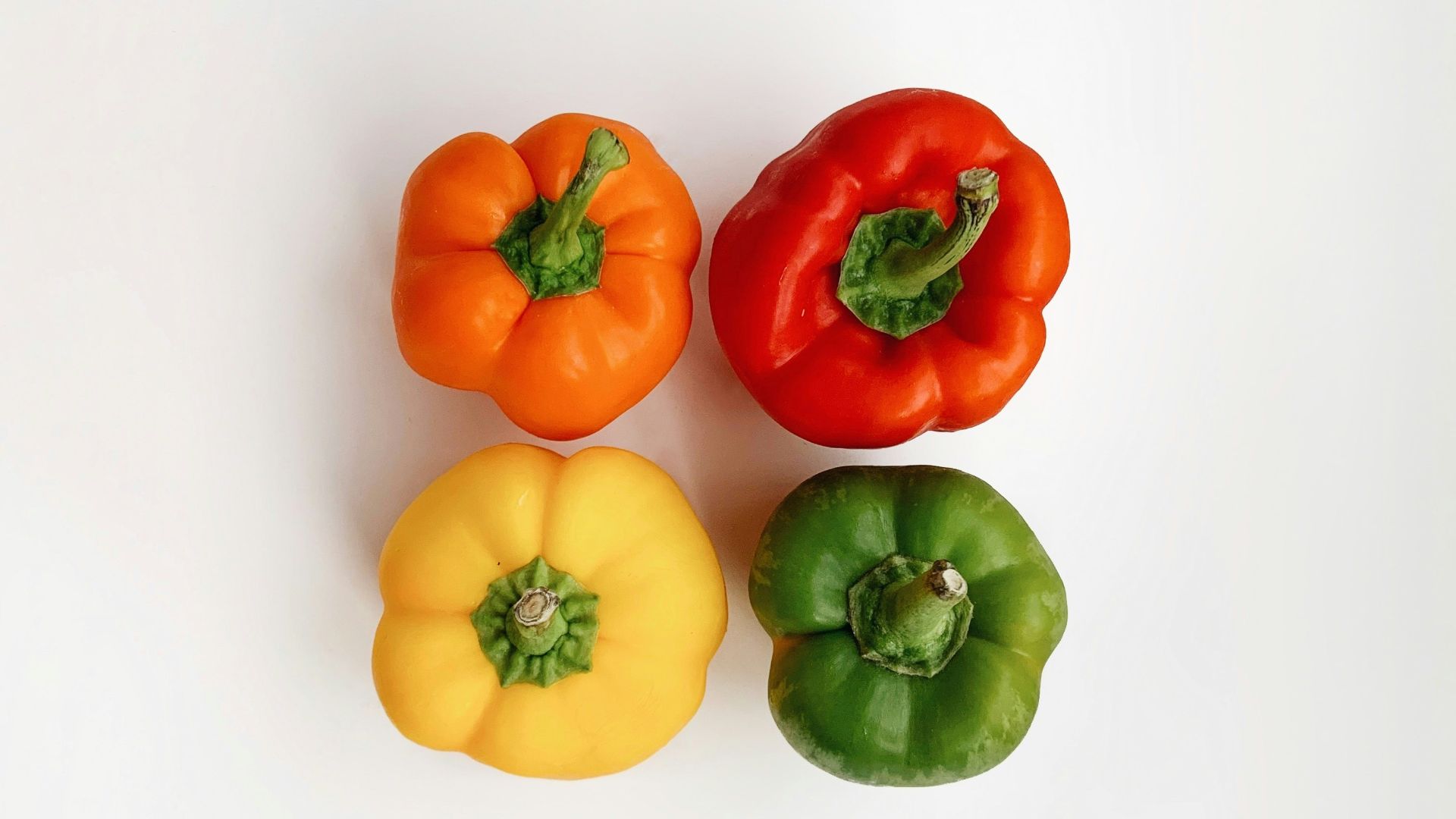
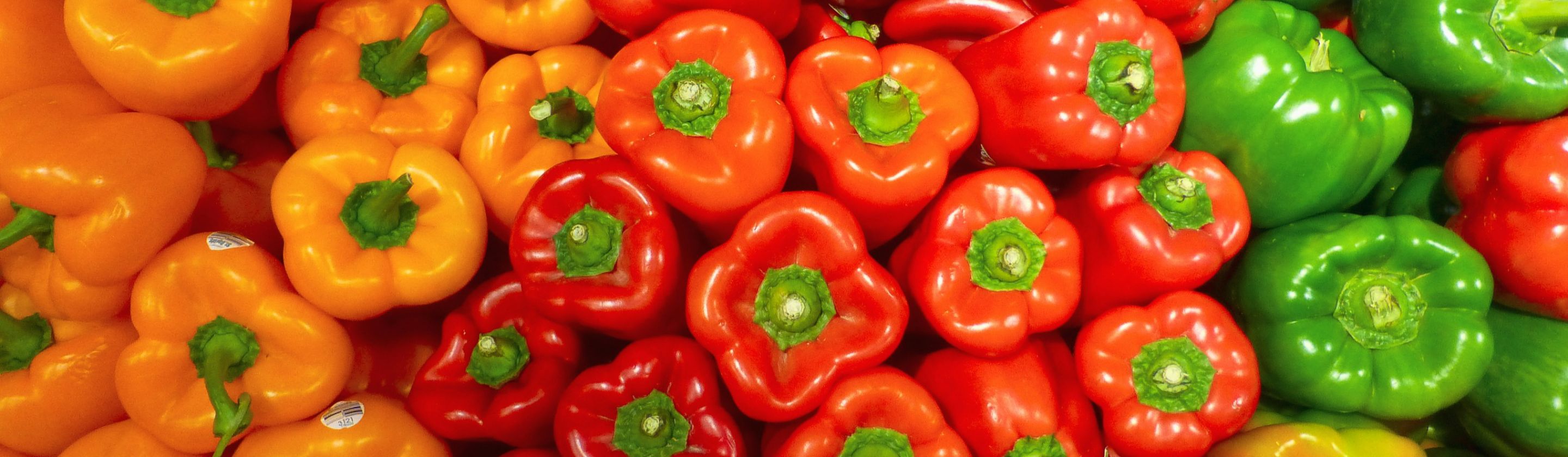
Bell peppers probably aren't the first food you think of when it comes to iron, but they can be surprisingly beneficial. These colorful vegetables are packed with vitamin C, a nutrient that helps your body absorb nonheme iron, the type found in plant-based foods. Red bell peppers are especially rich in vitamin C, making them a great addition to meals containing beans, lentils, or leafy greens.
The reason vitamin C is so helpful has to do with how your digestive system handles different forms of iron. Nonheme iron isn't absorbed as easily as heme iron, which comes from animal products, but vitamin C helps convert it into a form your intestines can absorb more efficiently. As a result, adding bell peppers to an iron-rich meal can help your body get more out of the mineral already present.
You don't have to prepare anything fancy to enjoy these benefits, either, since bell peppers are easy to incorporate into meals. Try adding sliced red peppers to a spinach salad, tossing them into a chickpea bowl, or serving them alongside a hearty lentil dish. Eating them raw also helps preserve their vitamin C content, which can decrease with prolonged cooking, although lightly cooked peppers still offer plenty of nutritional benefits.
2. Oranges
Oranges are well known for being a good source of vitamin C, but their benefits go beyond supporting your immune system. When you eat an orange alongside foods containing nonheme iron, its vitamin C can help your digestive system absorb more of that mineral. This makes citrus fruits especially useful for people who get much of their iron from plant-based foods, including vegetarians and vegans who regularly eat legumes and grains.
An easy way to take advantage of this benefit is by adding an orange to your regular breakfast. If you enjoy iron-fortified cereal or oatmeal, having fresh orange slices on the side provides vitamin C that may help your body absorb more iron from the meal. A small glass of orange juice can provide similar benefits, although whole oranges contain fiber and tend to be more filling.
Timing also plays a role, since vitamin C works best when it's consumed during the same meal as your iron source. Drinking orange juice several hours after eating lentils, for example, may not offer the same absorption benefits as enjoying them together. Keep in mind that tea and coffee contain compounds that can interfere with nonheme iron absorption, so drinking them between meals might be a better option if you're watching your iron intake.
3. Chicken
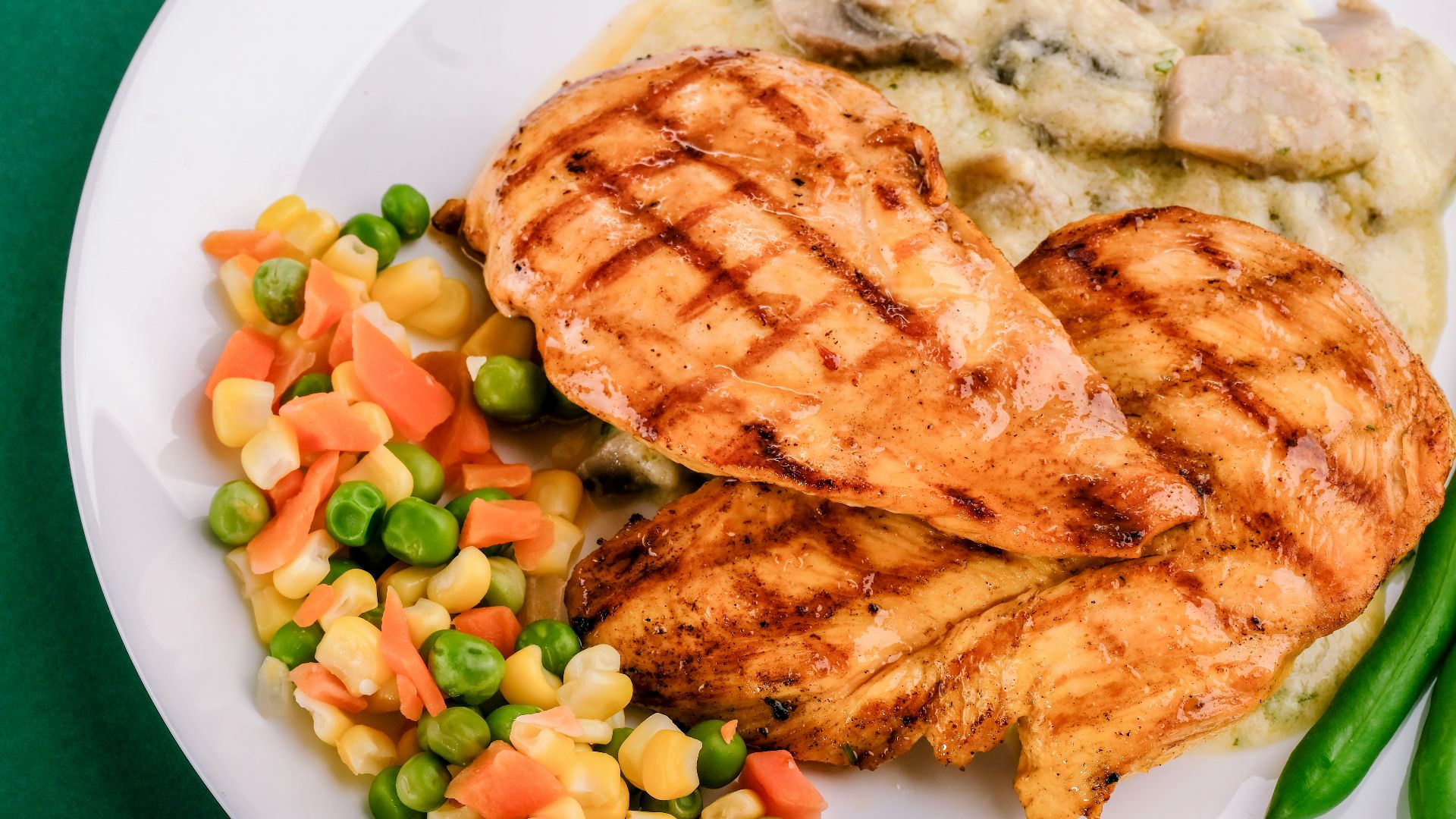
Chicken is usually praised for its protein content, but there's another nutritional benefit worth knowing about. Besides providing some iron itself, poultry contains compounds that can help your body absorb nonheme iron from plant-based foods eaten during the same meal. Researchers have observed this effect in meat, fish, and poultry, making chicken a helpful addition to dishes containing beans, spinach, and whole grains.
Unlike vitamin C-rich fruits and vegetables, chicken has another advantage because it contains heme iron, which your body generally absorbs more easily than nonheme iron. This combination of readily absorbed iron and improved absorption from accompanying plant foods makes it a practical option for supporting your iron intake. Still, you don't need to eat large portions of meat to benefit from a balanced meal that brings together several important nutrients.
For a simple meal, try preparing grilled chicken with lentils, adding shredded chicken to a bean salad, or combining it with spinach in a homemade soup. These dishes provide protein, iron, and other essential nutrients while helping your body make better use of the iron you're eating.
While thoughtful food pairings can support healthy iron levels, anyone dealing with persistent fatigue or a suspected iron deficiency should speak with a doctor, as dietary changes alone may not be enough to address the problem.
KEEP ON READING

10 Healthy School Snacks to Pack for Your Kid

Why Some Foods Become Comfort Foods

10 Foods Gen Z Is Bringing Back From the Dead
Why Leftover Rice Deserves Extra Caution
20 Grandpa Flavors You Get Judged For Liking