If you've ever followed a strict diet, you've probably heard about the concept of the cheat meal: a planned break from your usual eating habits that lets you indulge in foods you'd otherwise avoid. On the surface, it sounds like a reasonable strategy: eat well most of the time, reward yourself occasionally, and stay motivated for the long haul. Many fitness influencers and diet plans have built entire frameworks around this idea, framing it as a guilt-free tool for sustainability.
The reality, however, is more complicated. Research and nutrition experts increasingly point out that cheat meals can create a range of physical and psychological problems that work against your health goals. That means what starts as a planned indulgence can easily spiral into a pattern that undermines the progress you've worked so hard to build.
They Can Trigger Overeating and Bingeing
One of the most well-documented risks of cheat meals is that they can activate overeating behaviors, particularly in people who are already prone to all-or-nothing thinking around food. When you've spent days or weeks in a caloric deficit, your body's hunger hormones, especially ghrelin, ramp up significantly, making it much harder to stop once you start eating foods you've been restricting. You can also think of this intuitively: if you've been purposely ignoring a craving only to finally let yourself give in, your body is much more likely to want more.
There's also a psychological mechanism at play that researchers sometimes call the what-the-hell effect, where breaking a dietary rule leads people to abandon their efforts entirely for the rest of the day or even the week. After all, you might think you've already gone overboard and broken your rules, so you might as well just keep going. Studies have found that rigid dietary restraint is linked to higher rates of disinhibited eating, meaning that people who follow strict rules are more likely to binge once those rules are broken. The cheat meal essentially becomes permission to lose control.
Beyond the behavioral patterns, the sheer caloric load of a typical cheat meal can be significant enough to erase a full week's caloric deficit in a single sitting.
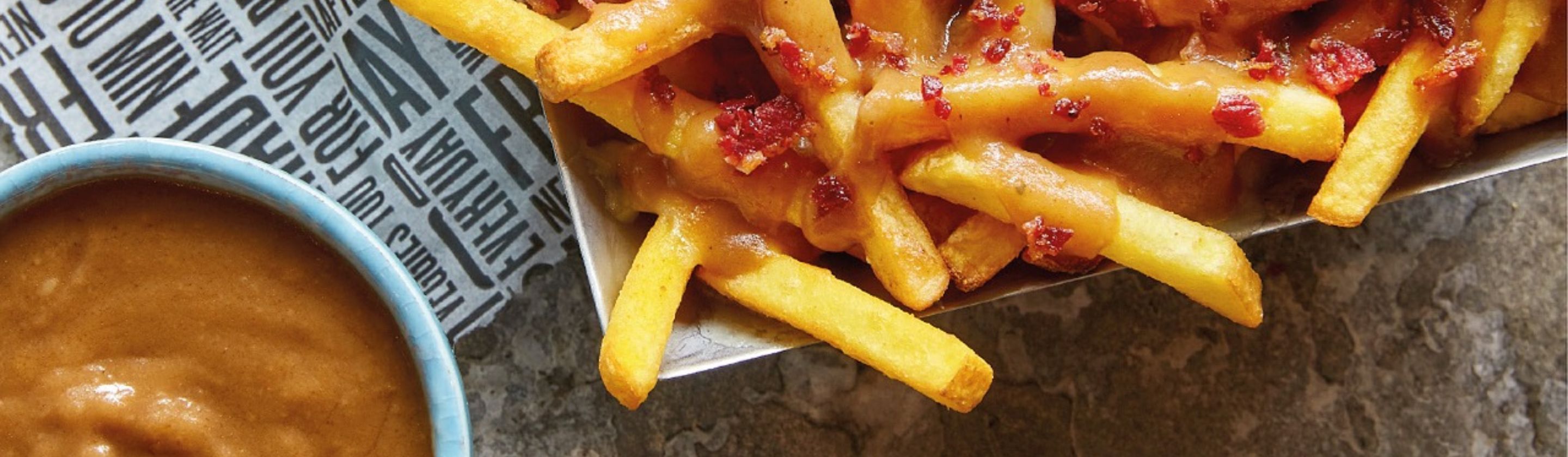
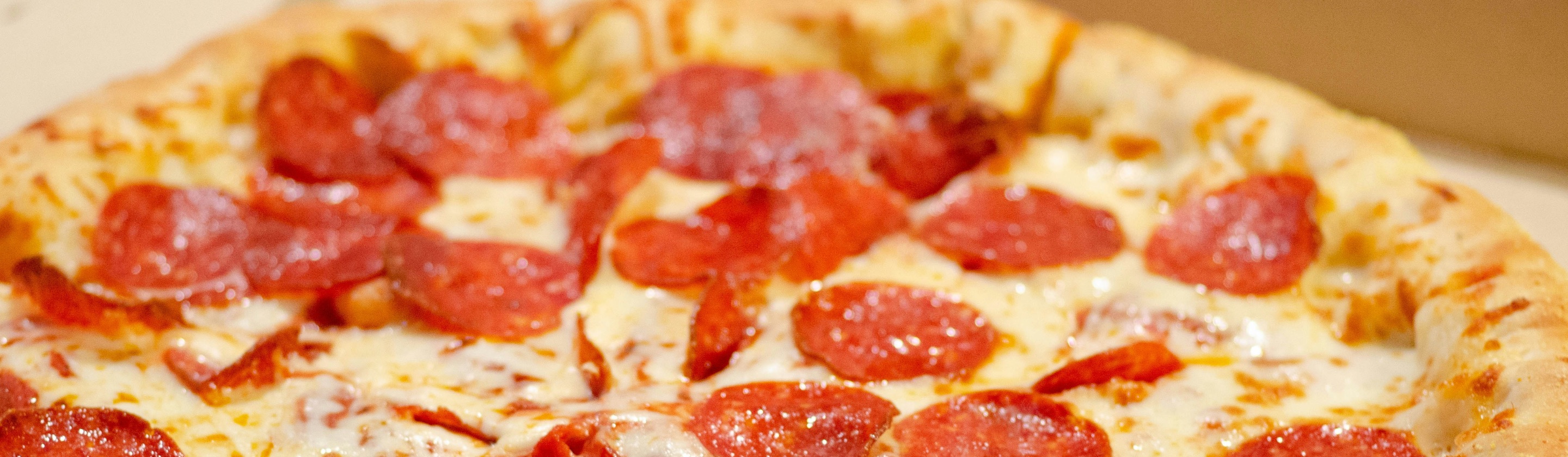
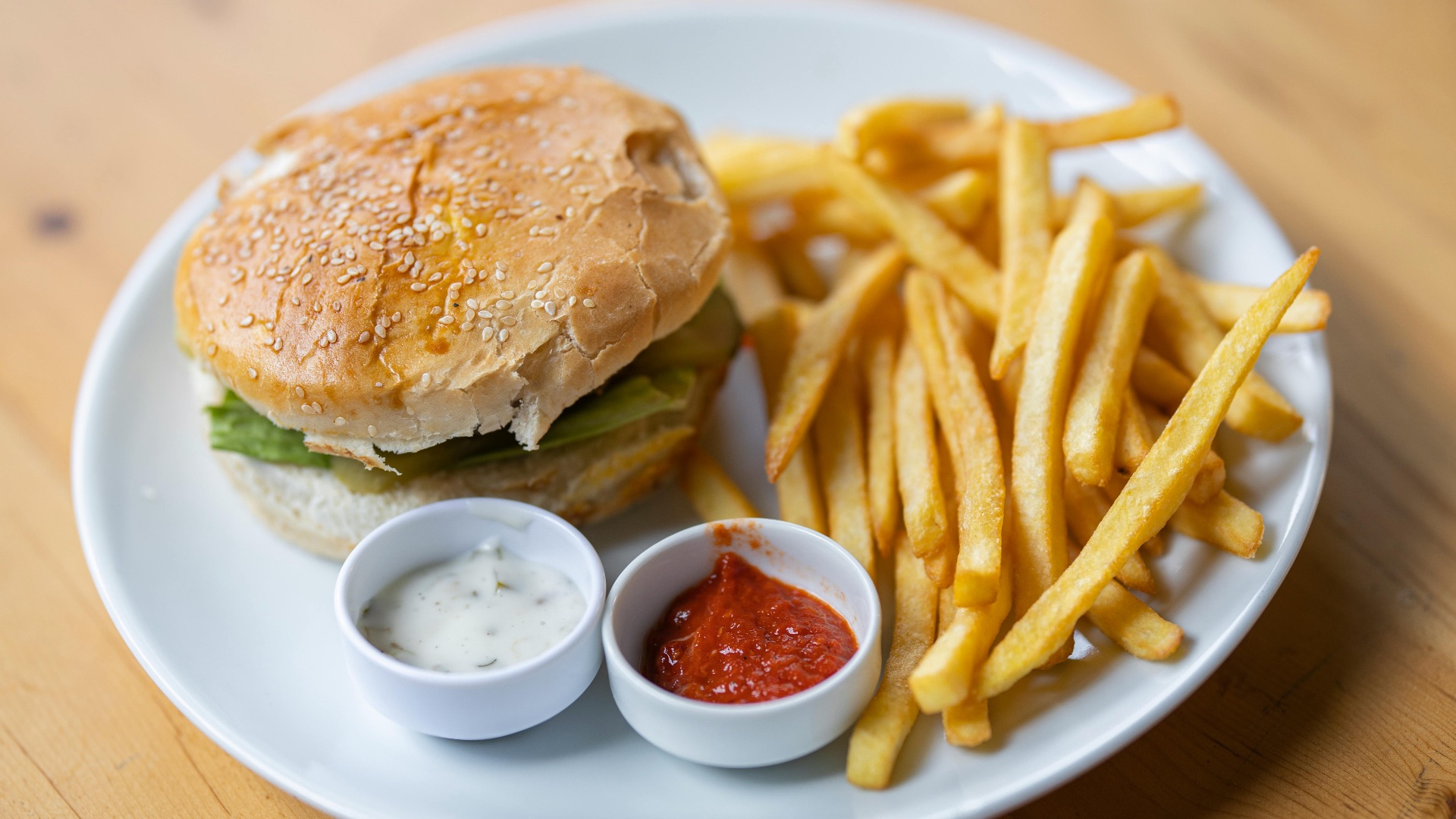
Many popular cheat meal choices, like fast food, pizza, and large portions of pasta, can easily exceed 2,000 calories in one meal, depending on portion sizes and preparation. For someone operating on a modest deficit, that might be enough to stall or reverse measurable progress.
They Reinforce an Unhealthy Relationship with Food
The language around cheat meals is worth examining, because labeling food as a "cheat" implies that eating it is inherently wrong or forbidden. This framing can deepen a cycle of guilt and reward that nutrition psychologists have linked to disordered eating patterns over time. When food becomes something you cheat with rather than something you simply eat, it takes on an emotional weight that makes balanced eating harder to sustain.
Moralizing food (categorizing it as good or bad) is something that registered dietitians frequently caution against, as it can increase anxiety around eating and reduce your ability to make intuitive choices. When you spend the week anticipating a cheat meal like a reward, you're training yourself to view healthy eating as a form of deprivation rather than a regular lifestyle. That mindset makes it harder to build habits that stick in the long run.
There's also the issue of what happens emotionally after the cheat meal. Many people report feeling guilty, bloated, or discouraged following an indulgent meal, which can negatively affect motivation and self-image.
Research on dietary lapses suggests that how a person interprets a slip, whether as a minor setback or a total failure, has a significant impact on whether they continue with their health goals or abandon them.
The Physical Aftermath Can Set You Back
Even setting aside the psychological effects, the physical consequences of a large cheat meal can be more disruptive than most people anticipate. A sudden influx of highly processed, high-sodium, high-fat food can cause noticeable water retention and bloating, which often shows up on the scale and can be discouraging even though it doesn't reflect actual fat gain. This temporary spike can make it difficult to accurately track your progress and may lead to unnecessary frustration.
Insulin sensitivity is another factor worth considering: frequent large spikes in blood sugar from cheat meals may contribute to metabolic disruption over time, especially in people who already have risk factors for insulin resistance. Sleep quality, too, can take a hit after a heavy cheat meal, particularly if it happens late in the day. Poor sleep then affects hunger hormones the next day, setting off a cycle that can make returning to your routine feel considerably harder. All this goes to show that recovery from a cheat meal isn't always as simple as getting back on track the following morning.
Of course, this isn't to say that cheat meals are inherently evil; under the right circumstances and mindset, they might support your weight loss journey in positive ways. But the key is how you frame these meals. After all, the physical setbacks, the psychological friction, and the disrupted habits that often follow can make them more of an obstacle than a helpful tool. A more sustainable approach, then, may be to build flexibility into your everyday eating, allowing yourself to enjoy foods you love in reasonable portions without attaching moral weight to them. That way, there's no cheat involved, but just eating in a way that supports both your health and your quality of life.