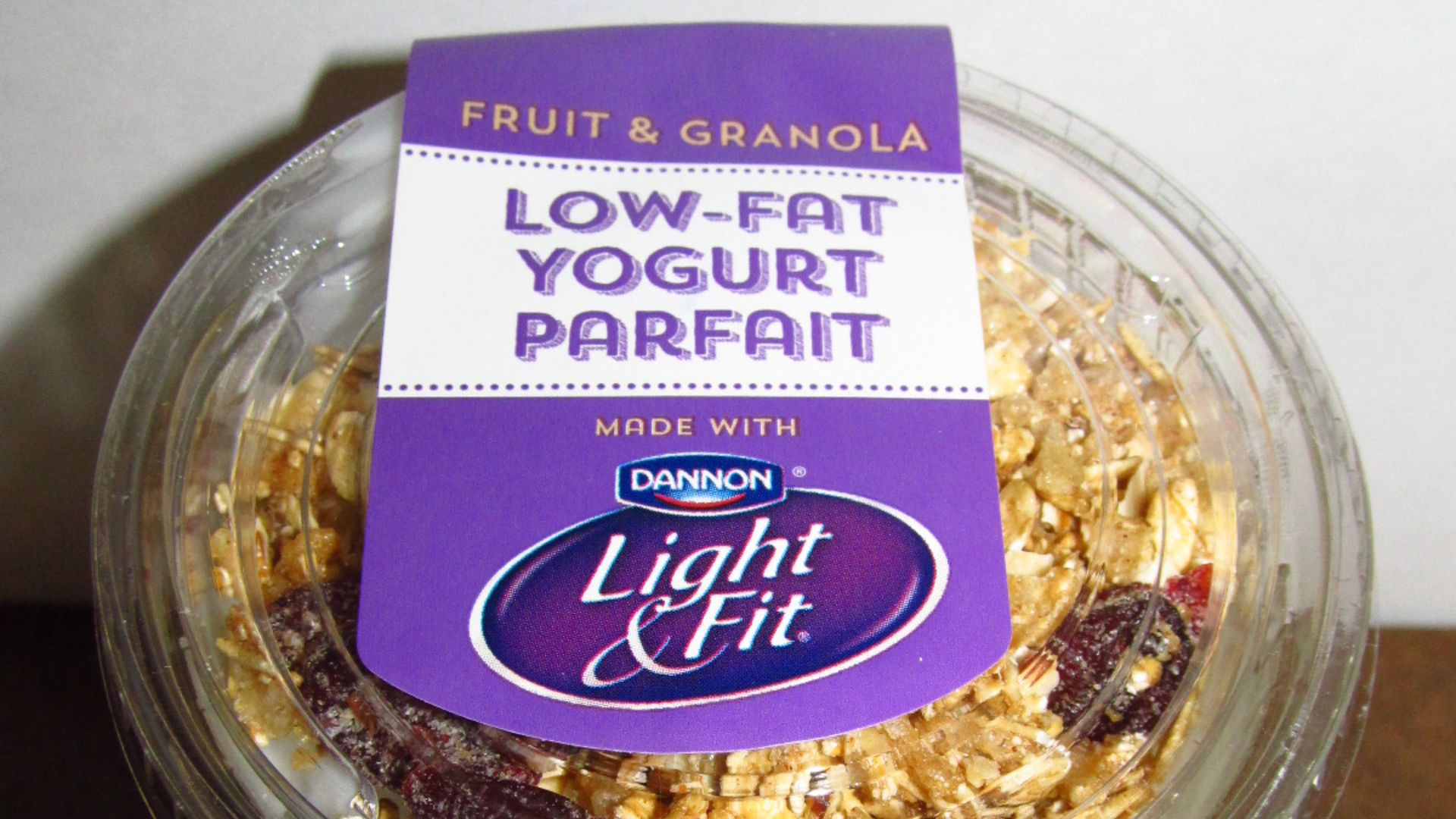
“Low-fat” sounds like a shortcut to eating healthier, and it’s easy to see why the label took off. If you grew up hearing that fat was the villain, grabbing the reduced-fat version can feel like you’re making a responsible, grown-up choice.
The problem is that “low-fat” doesn’t automatically mean “good for you,” and it definitely doesn’t guarantee you’ll feel satisfied. In a lot of everyday foods, pulling out fat changes taste, texture, and how full you feel afterward, so the product has to be adjusted to keep you coming back for another bite.
The Label Solves One Problem & Creates a Few Others
When manufacturers remove fat, they often remove the thing that makes a food taste rich and feel satisfying. To keep the product appealing, they may add more sugar, refined starches, or flavor boosters to bring back sweetness, mouthfeel and to make the product more palatable overall. The result can be a food that’s technically lower in fat but higher in ingredients that are more problematic.
You’ll also notice that “low-fat” doesn’t tell you what’s happening with the rest of the nutrition label. Calories might not drop much, and sometimes they barely move, because something else is filling the space fat used to occupy. If you’re expecting a dramatic difference, it can be a little like buying a smaller suitcase and realizing you still packed the same number of items.
Another sneaky issue is the way the label affects your expectations. When you think you’re choosing the “lighter” option, you might unconsciously pour a bigger bowl, take a second serving, or snack sooner because you assume it won’t matter. That’s not a character flaw; it’s just the marketing doing its job, playing off normal human behavior.
Less Fat Can Mean Less Full, & That’s a Real Problem
Dietary fat slows digestion and helps your body feel satisfied after you eat.
When a meal is very low in fat, it can leave your stomach feeling oddly unfinished. That lingering hunger can push you toward constant grazing, which, if your objective in choosing "low-fat" was to slim down, isn't going to help.
Fat also plays well with protein and fiber, which are the other two “stay-full” heroes. If you remove fat from foods like yogurt, dressings, or peanut butter-style spreads, you may end up with a version that doesn’t hold you as long between meals. Then you’re not just hungry, you’re annoyed about being hungry, which is a special kind of nuisance.
On top of that, some vitamins are fat-soluble, meaning your body absorbs them better when fat is present. If you’re eating a mountain of vegetables but pairing them with a no-fat dressing that tastes like sad vinegar, you might be missing out on some of the benefits. It’s not that you need to drown everything in oil, but a little fat can help nutrition actually stick.
Blood sugar is another place where low-fat foods can backfire, especially if fat is replaced with fast-digesting carbs. You eat, you feel a quick lift, and then you crash, resulting in needing a snack stat.
If you’ve ever felt hungry again suspiciously fast after a low-fat breakfast, that pattern may be doing more work than you are.
Smarter Choices Don’t Require a Fear of Fat
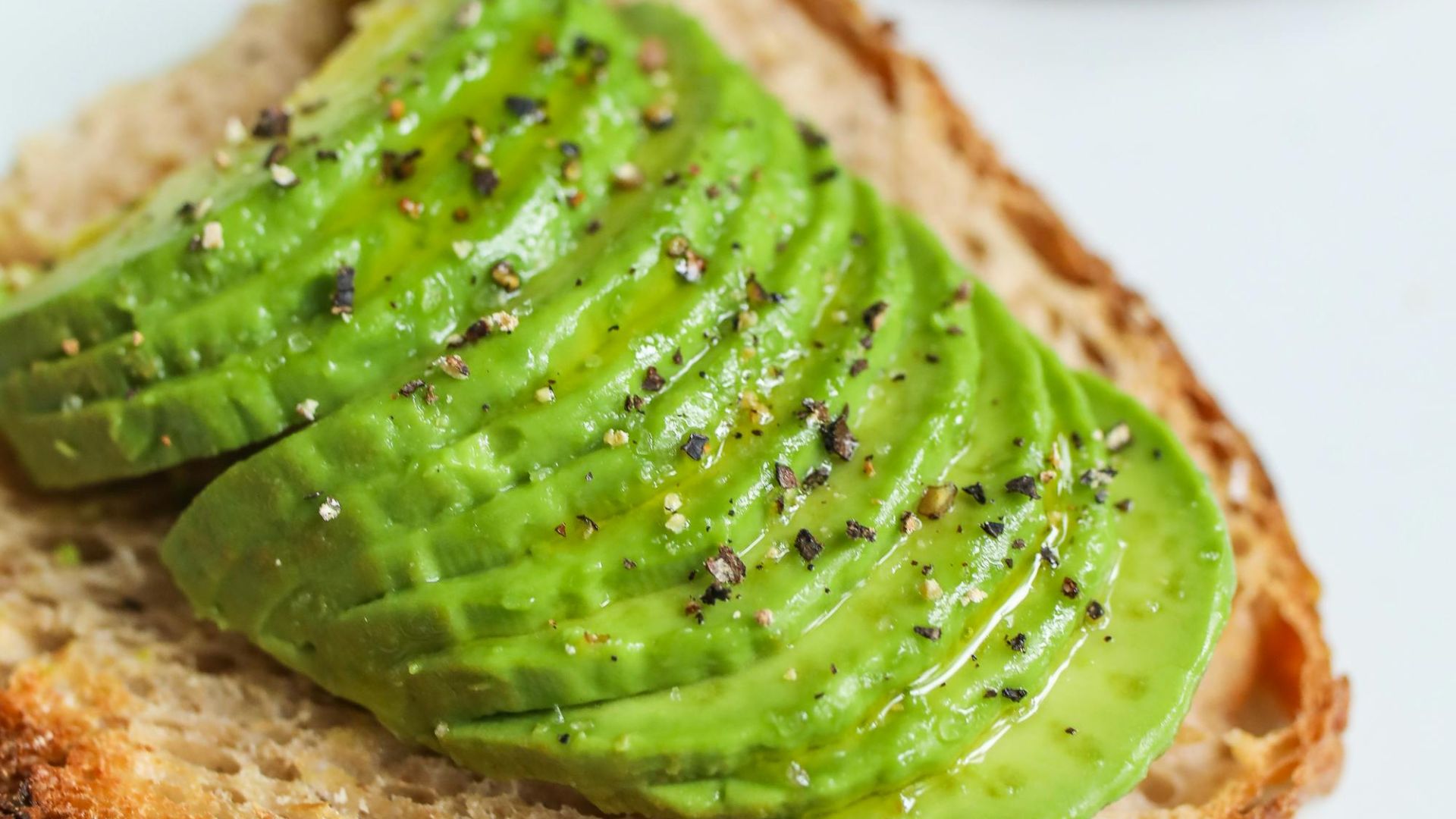
Not all fat is the same, and you don’t have to treat it like a single ingredient with a single personality. Many people do well emphasizing unsaturated fats from foods like olive oil, nuts, seeds, and avocados while keeping an eye on heavily processed options. The goal isn’t to make your diet perfect; it’s to make it satisfying enough that you can live your life.
A practical move is to stop using “low-fat” as a shortcut and start looking at the ingredients list instead. If the reduced-fat version has a longer list, more added sugar, or a parade of thickeners, it might not be the upgrade you hoped for. Sometimes the regular version, eaten in a normal portion, is the better choice.
It also helps to think in meals, not single foods. A low-fat yogurt can be fine if you add nuts, chia, or fruit and make it a balanced snack, but it may feel flimsy on its own. In the same way, a salad can be a great meal, but it usually needs protein and a real dressing to keep you from raiding the pantry later.
If you’re trying to manage cholesterol, heart health, or a specific medical condition, it’s worth getting personalized guidance rather than relying on front-of-package claims. “Low-fat” can be useful in certain contexts, but it shouldn’t be the only rule you follow. The best outcome is when you feel steady, satisfied, and able to eat in a way that doesn’t make you think about food every twenty minutes.
KEEP ON READING

Is Eating Too Fast Unhealthy?
Why “Low-Fat” Foods Often Leave You Worse Off