10 Cool Tricks Waiters Use to Remember Orders & 10 Surprises That Can Throw Them Off
10 Cool Tricks Waiters Use to Remember Orders & 10 Surprises That Can Throw Them Off
How Do They Remember That?
Ever flagged down a waiter and watched them memorize your table's order without breaking a sweat? Impressive as it looks, it's actually not as effortless as you might think. In fact, experienced waiters have various tricks up their sleeves, from word associations to catchy tunes. Of course, as you'll see, plenty of distractions can also mess them up. If you've ever been curious how your server takes orders so efficiently, here's a look at all the magic tricks they use.
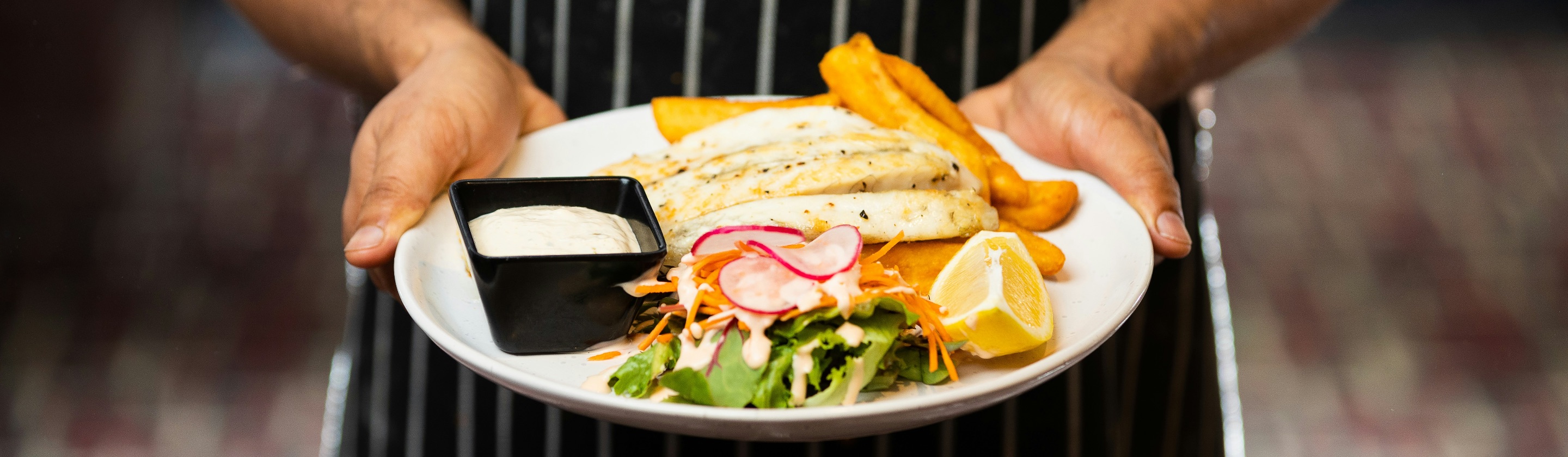
 Lefteris kallergis on Unsplash
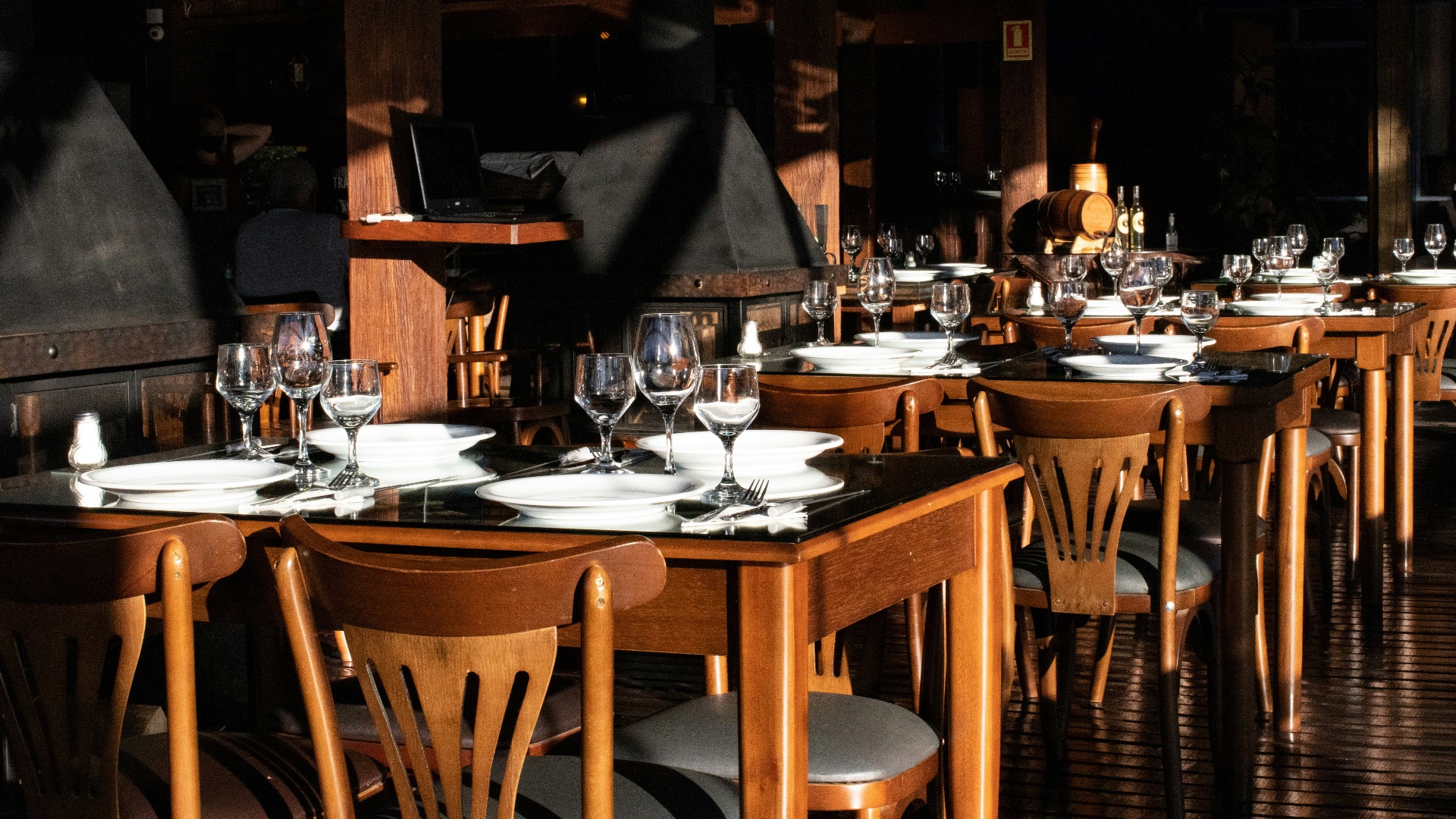
1. Assigning Every Guest a Seat Number
Rather than trying to remember an eight-person table as, well, an eight-person table, many servers find it easier to mentally number the seats for each individual. Once there's a fixed starting position, every order can be connected to a specific seat, and all they need to do is picture the customer's face and what they ordered.
2. Creating a Mental Map
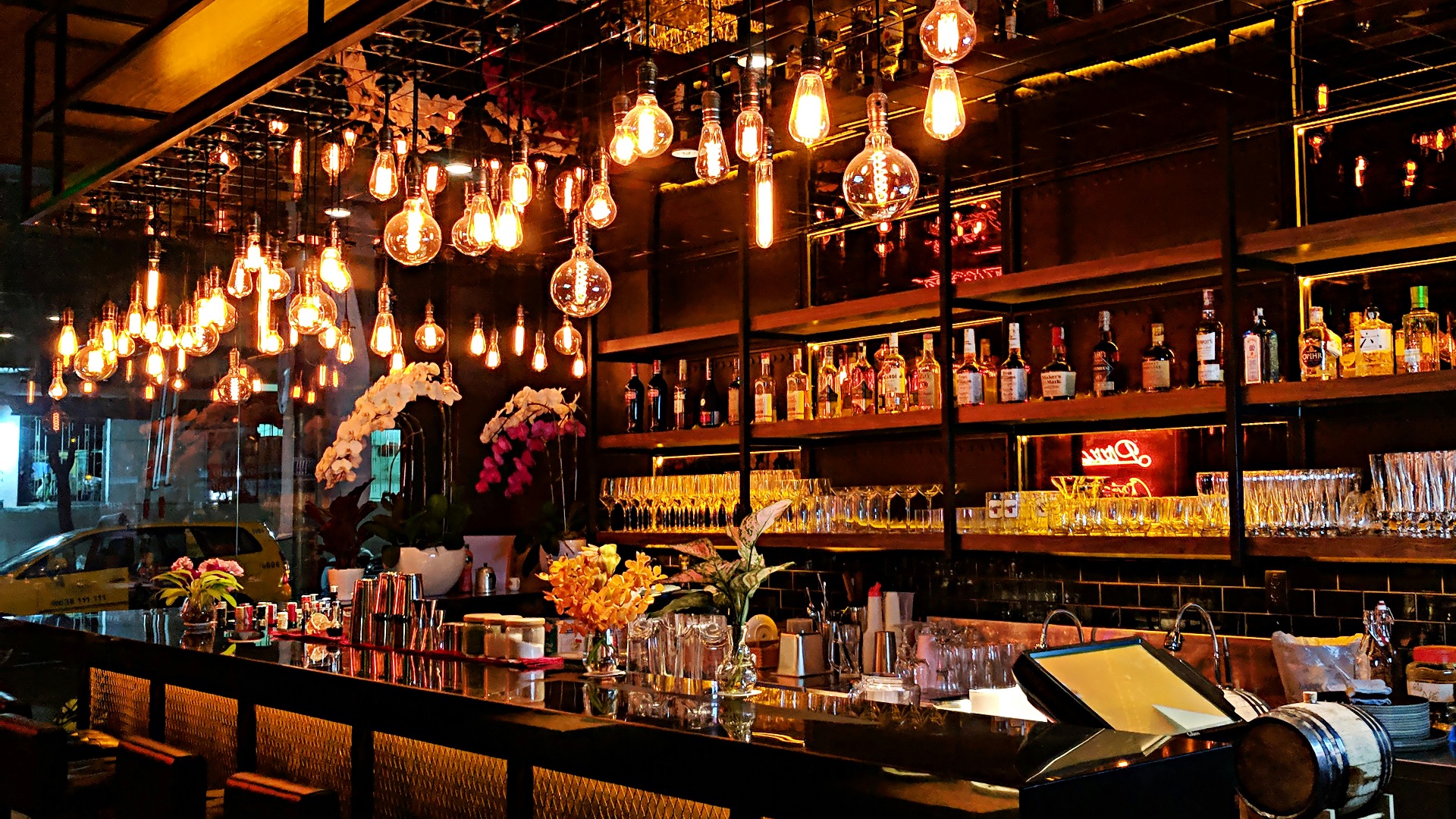
Servers may also picture the orders they receive and imagine a map of the bar or layout to remember which dishes or drinks need to be made. This turns a spoken list into a spatial arrangement that's easier to recall when the food comes out. It's also especially useful when several guests order similar things.
3. Connecting an Order to Someone's Appearance
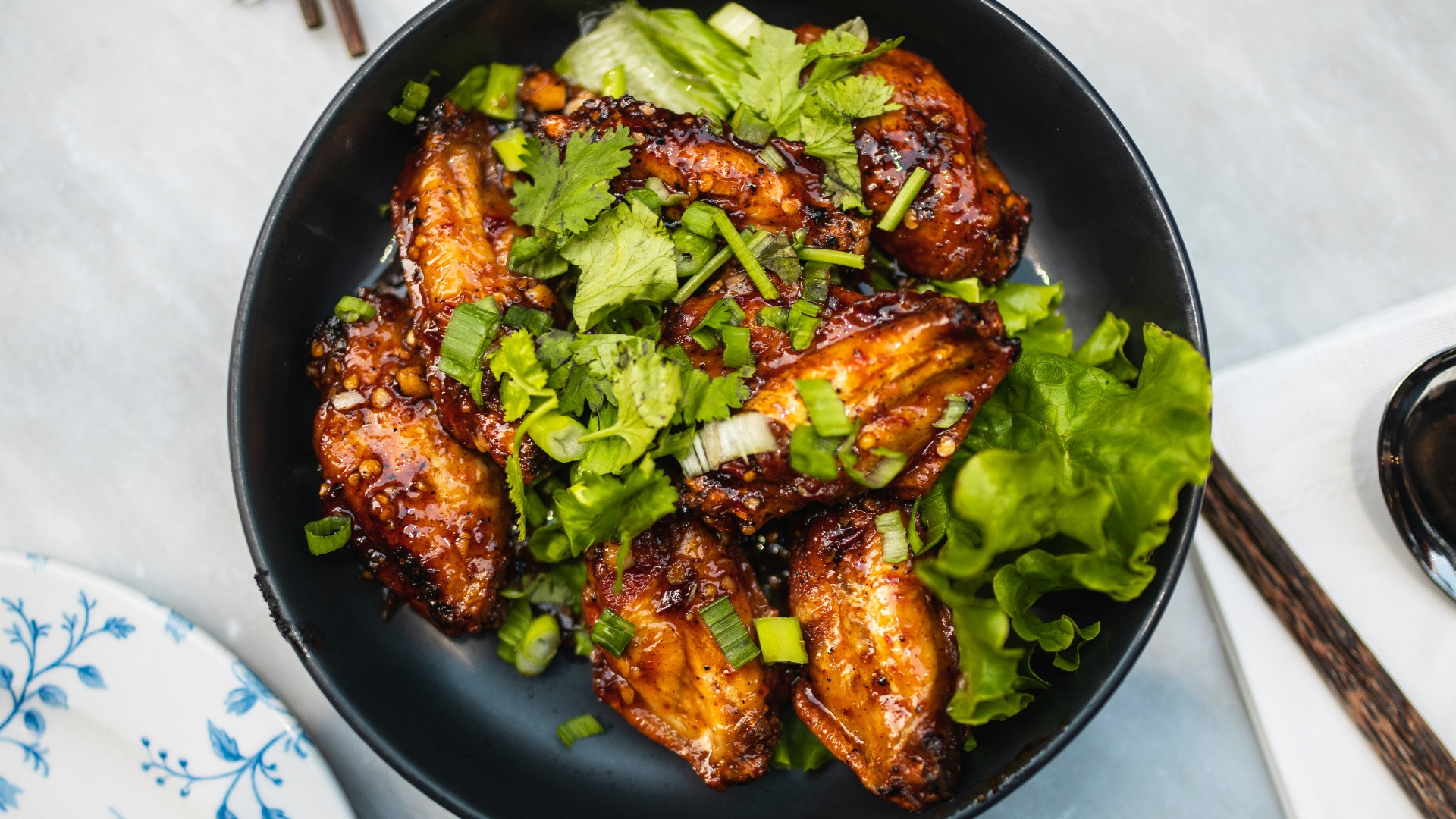
Visual details can also provide convenient memory cues. A waiter might, for example, remember that the person in the green sweater ordered salmon, while the guest wearing glasses requested the pasta. They may also associate customers with whatever they ordered by creating a meshed image in their mind.
4. Grouping Similar Items Together
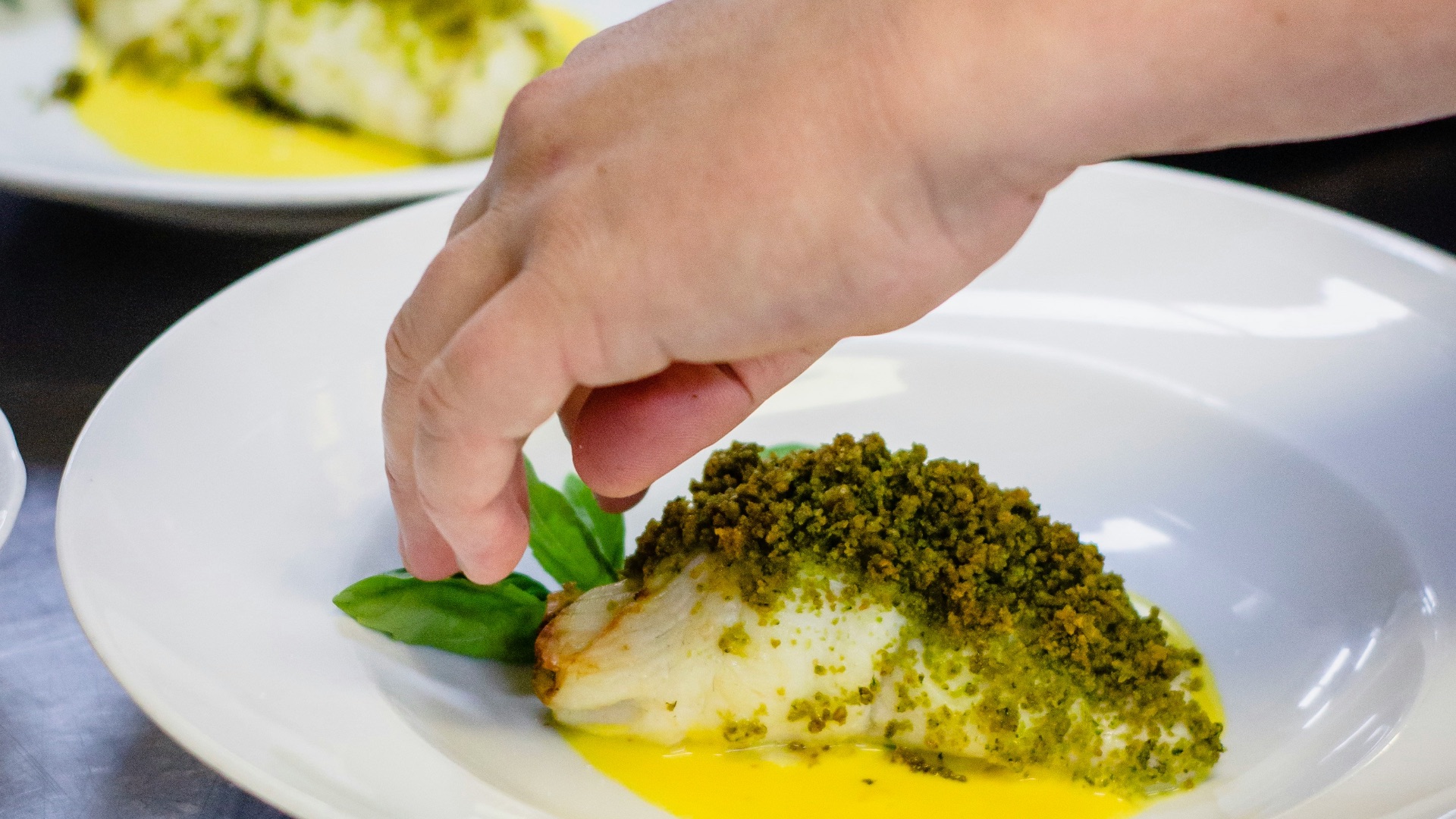
Trying to memorize every detail of an order can become overwhelming, so servers may chunk them together. If a table ordered three beers, two salads, followed by the entrees and their modifications, they'll mentally group similar items and separate the rest. Breaking up a large order in this way reduces how much information has to be recalled.
5. Repeating the Order Back
Just because a waiter is great at memorizing doesn't mean they don't read orders back. After all, saying everything aloud gives them another opportunity to reinforce what was just heard—and catch any mistakes from the get-go.
6. Turning Orders Into a Rhythm
Some waiters remember orders by giving them a tune. They might have a favorite song in their mind, and swapping in dish names in place of the real lyrics can help jog their memory. With practice, the rhythm and sequence can stay intact long enough to get everything entered correctly.
 Frames For Your Heart on Unsplash
7. Using Word Associations
Unusual connections can also make orders easier to retrieve. A customer named Jack ordering Jack Daniel's would probably be too convenient, so waiters create less obvious associations as well. Since the connection only has to make sense to them, even slightly strange pairings are useful.
8. Remembering Regulars by Their Usual Order
Regulars are probably the easiest for waiters to remember: all they need to do is associate their usual order with their face or name. Instead of remembering a customer as "Mary," you might remember them as "Caesar salad, side dressing." Of course, good servers will still confirm the order rather than assuming their regulars want the same thing every time.
9. Following the Same Direction Around the Table
Consistency removes one more thing a server has to think about during a busy shift. Rather than taking orders at random, some waiters may begin at a designated seat and work clockwise around the table every time. That way, the orders are kept in a predictable sequence, which makes them easier to recall.
10. Writing in Personal Shorthand
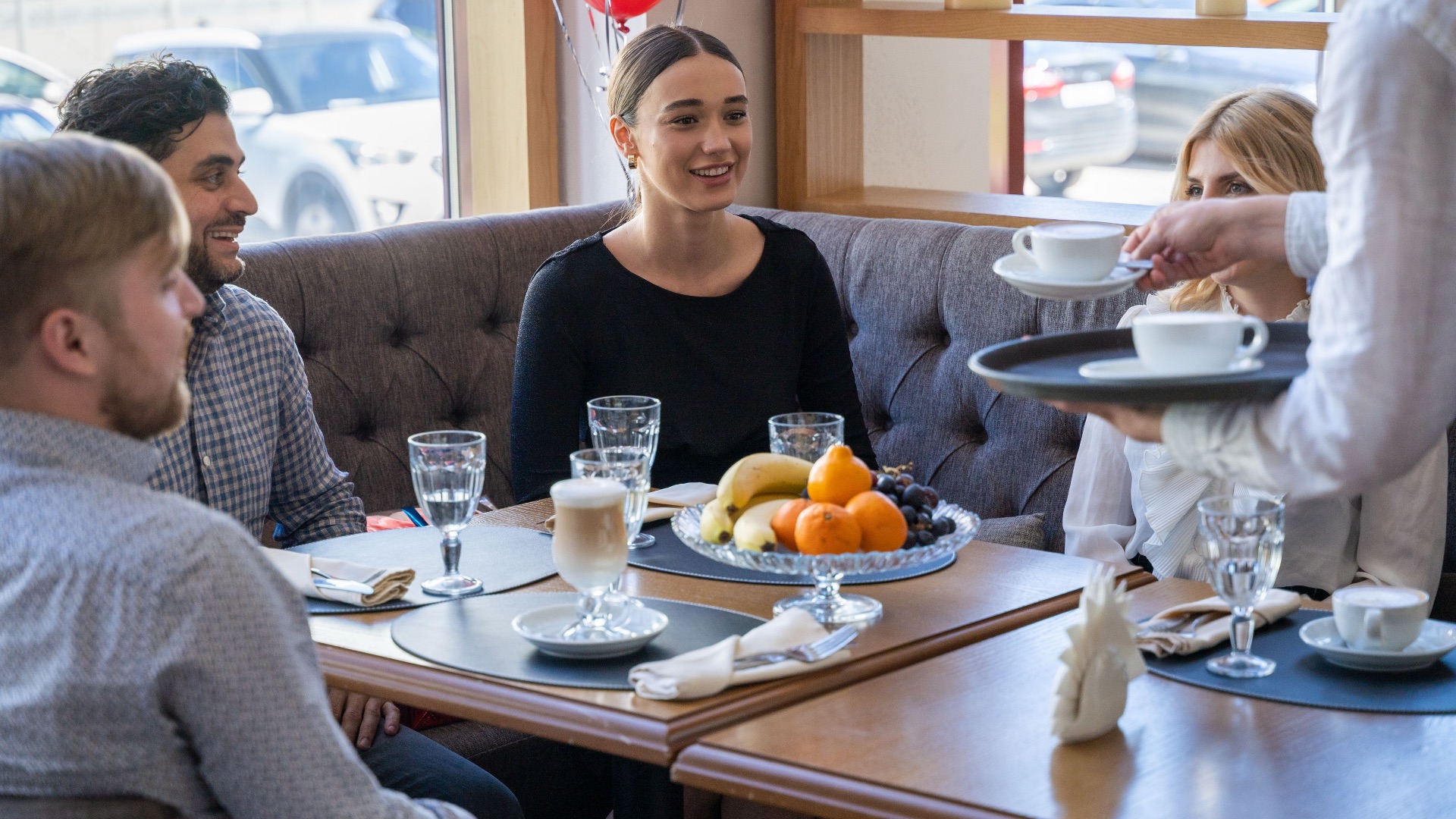
Instead of only memorizing the menu, waiters also learn it inside-out, often developing abbreviations for items and other shorthands for substitutions so they can take orders quickly. Even when they do need a notepad, those convenient dish nicknames can be incredibly helpful and time-saving.
Now that you have an idea of which techniques are part of a waiter's routine, let's take a look at what might throw them off occasionally. If you want to remain on your server's good side, don't do these 10 things.
1. Guests Switching Seats
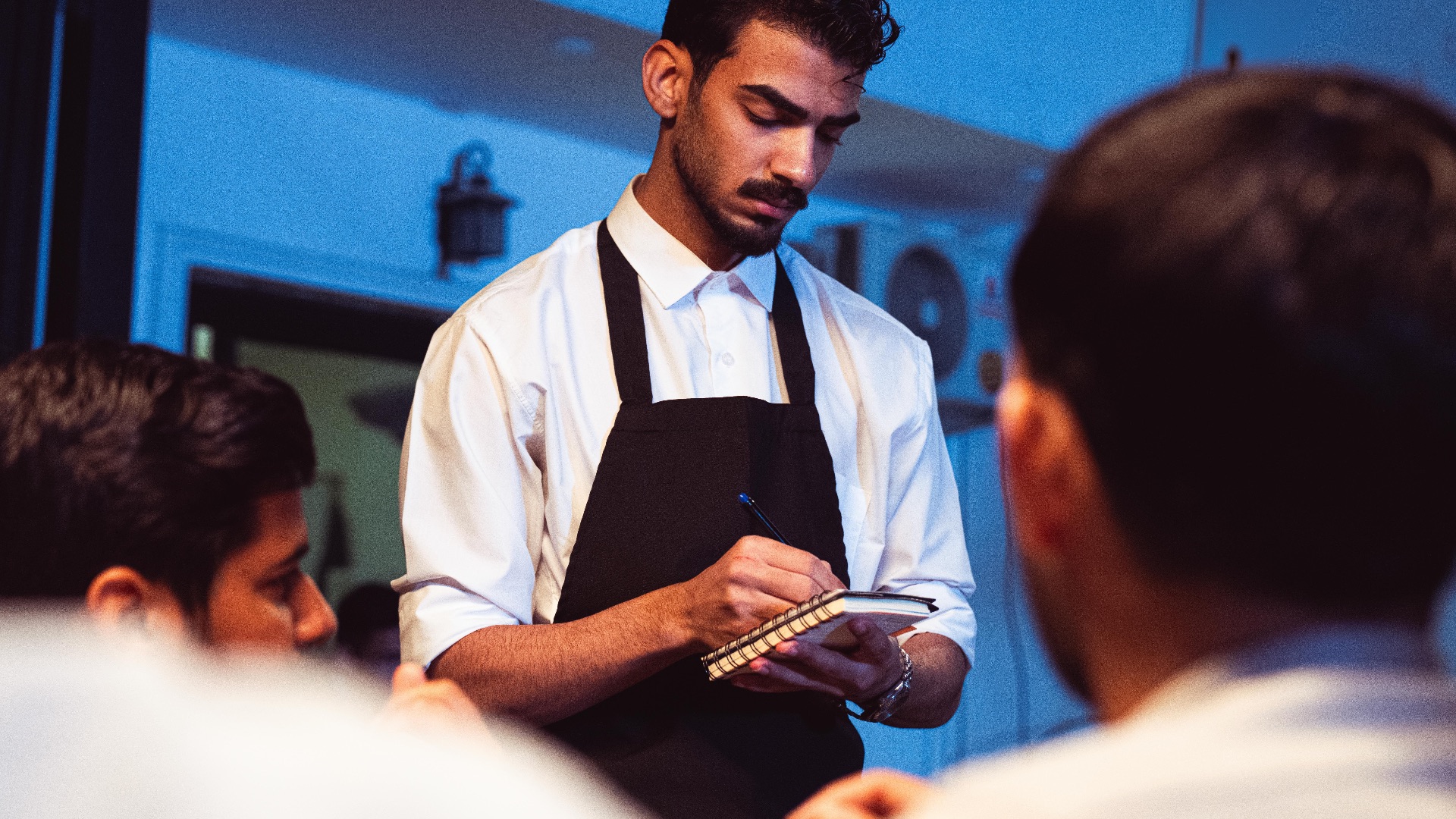
Remember what we said about how waiters take orders in a certain sequence around the table? To you, moving to another chair after ordering might seem harmless, but it can completely disrupt a server's system. The salmon that was mentally attached to seat four, for example, may now be suddenly occupied by someone who ordered steak.
2. Changing an Order at the Last Second
Once a server has already memorized and organized an entire table's choices, changing your order can disrupt their recall. Unless you want to end up on their bad side, make sure you know exactly what you want and won't suddenly swap it for something else.
3. Several People Talking at Once
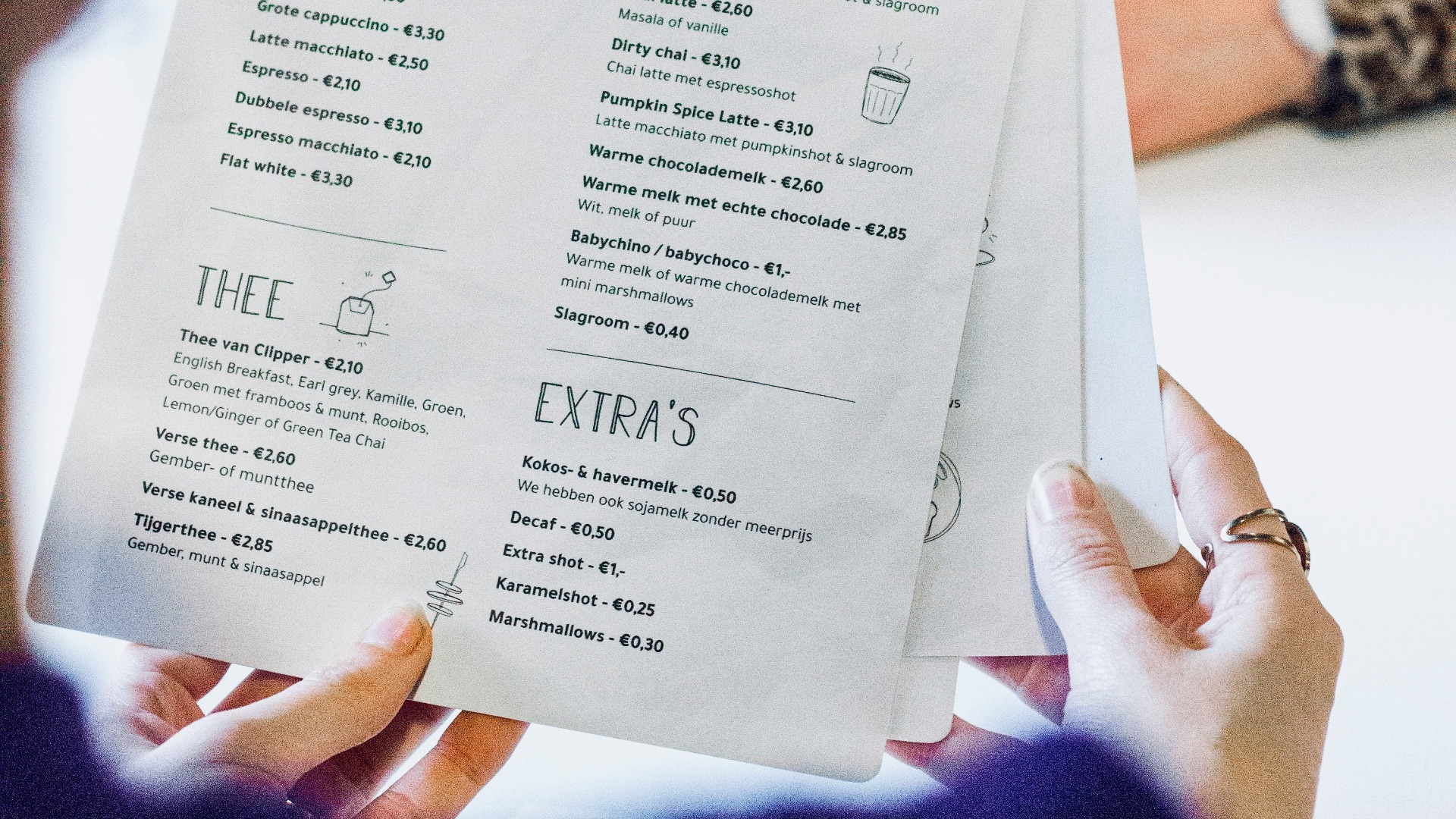
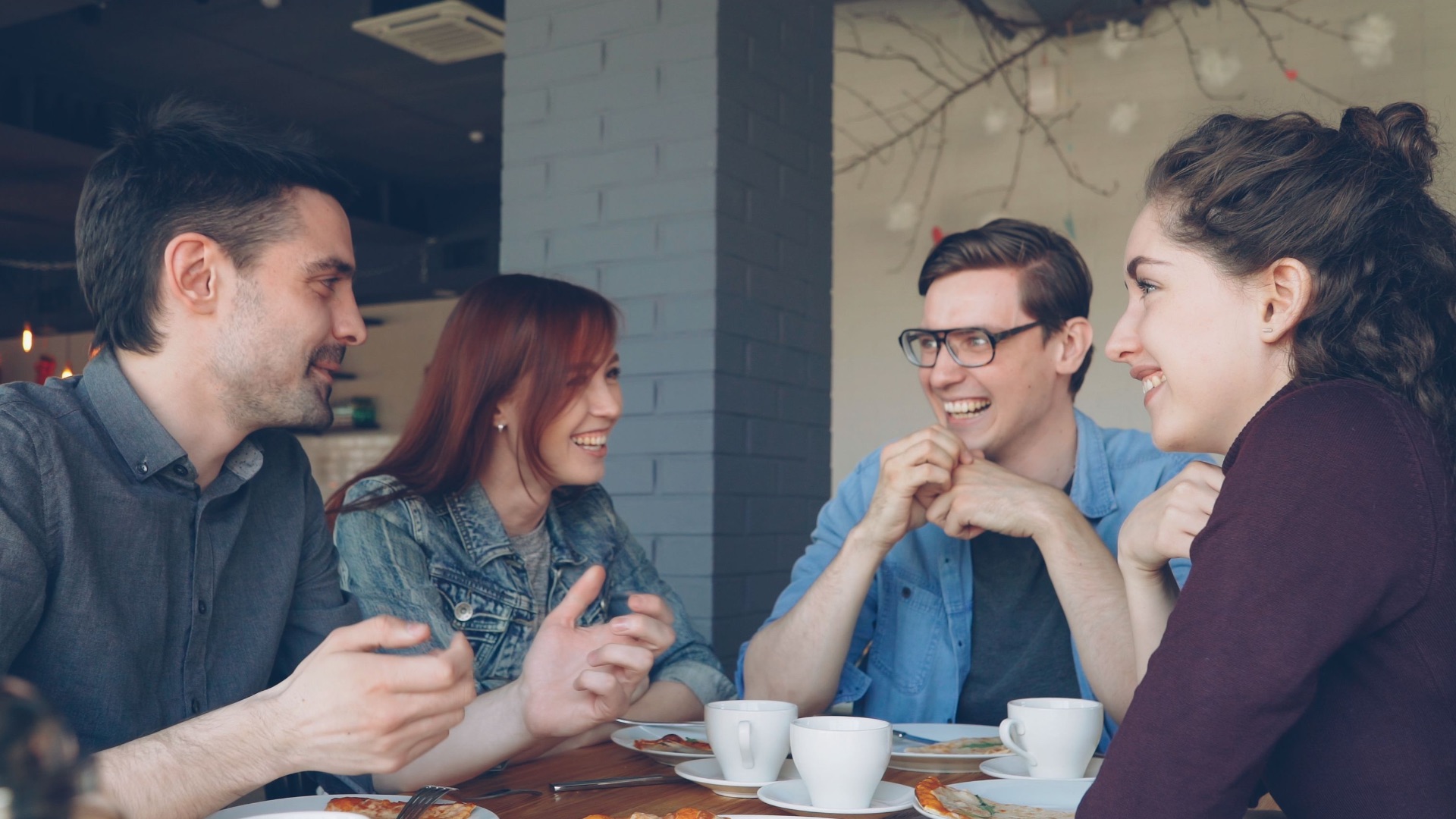
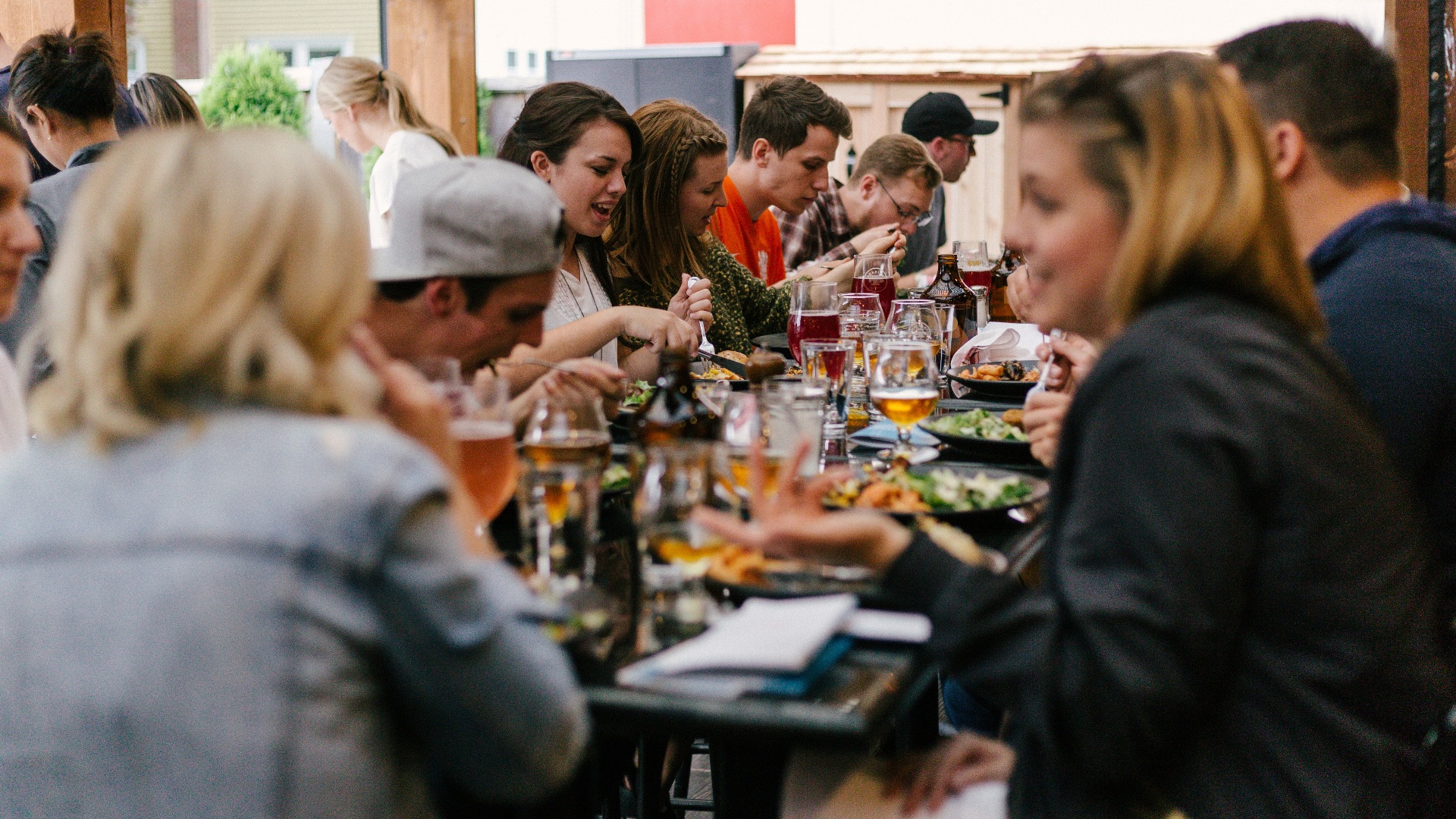
If you've ever tried to sing while someone else is singing a different song, you know how hard it is to focus. Waiters taking orders are the same: it's much harder to process when multiple customers are talking at once. Even an experienced waiter may require a repeat around the table so important details don't disappear in the overlap.
4. A Customer Interrupting with an Unrelated Request
If your table is halfway through ordering, suddenly asking for another fork or more water disrupts the server's attention. Once the conversation resumes, figuring out exactly where the order stopped can require a moment of reconstruction.
5. Lots of Tiny Modifications
An entree itself may be easy to remember, but asking for no onions, side dressing, and fries instead of salad creates more work for your waiter. Put yourself in their shoes: if you multiply those modifications across a large table, even easy dishes can get complicated.
6. Two Customers Ordering Almost the Same Thing
Oddly enough, similar orders can create more confusion. If two guests order the same burger but one wants no cheese and the other wants no pickles, waiters can trip up on those details. It also doesn't help if the dishes look nearly identical once they're served.
7. Being Stopped on the Way to Enter the Order
A server who's about to punch in the order may be mentally rehearsing everything that was just said, so flagging them down in the middle can interrupt that process. By the time they reach the screen, they might have forgotten certain details.
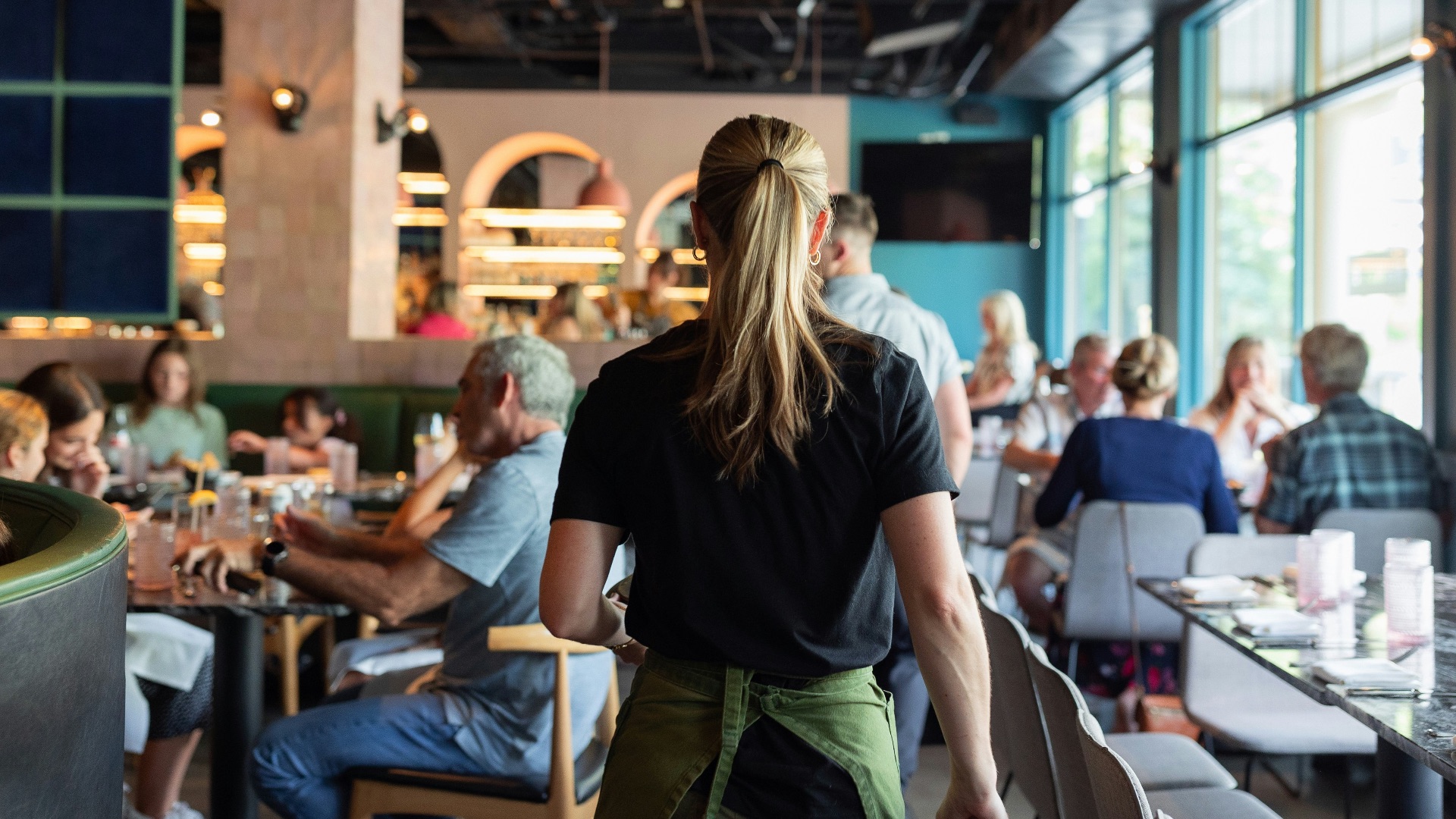
8. Unexpected Menu Questions
Asking questions about the menu halfway through an order can also be disruptive. Of course, that's not to say you're barred from asking clarifications, but answering those questions requires your server to mentally shift from one focus to the next.
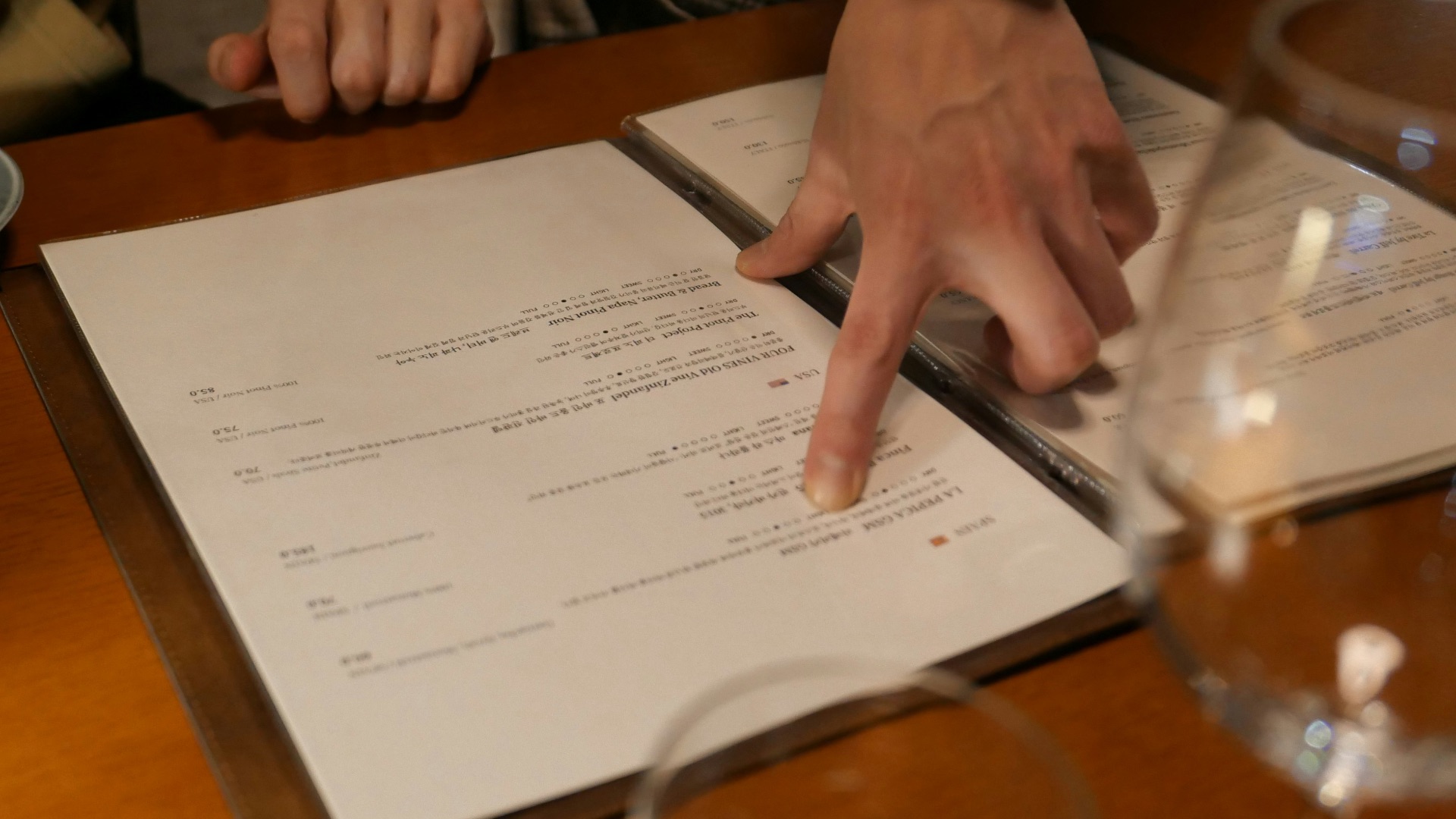
9. People Ordering Out of Sequence
A neat clockwise system works well when everyone follows the same order, but that isn't always how real tables behave. If one guest needs more time, another may jump in, and that can ruin the mental sequence waiters use.
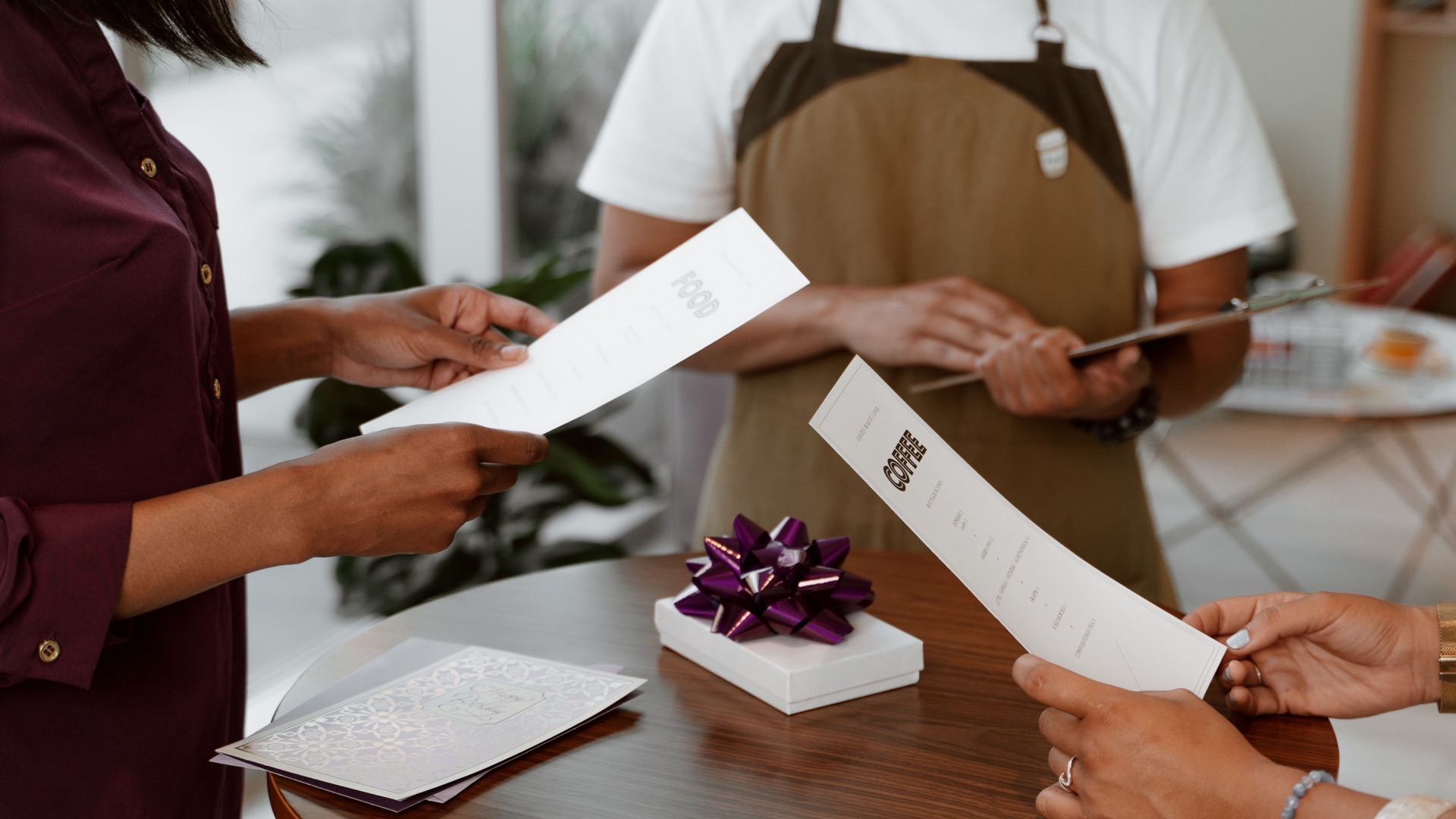
10. A Sudden Rush of Distractions
Restaurants can be chaotic. This isn't any one customer's fault, but a sudden rush can interrupt a waiter's memorization process when their attention is being pulled in all directions. It's why even highly experienced servers often rely on notes or digital systems when the dining room gets especially busy.
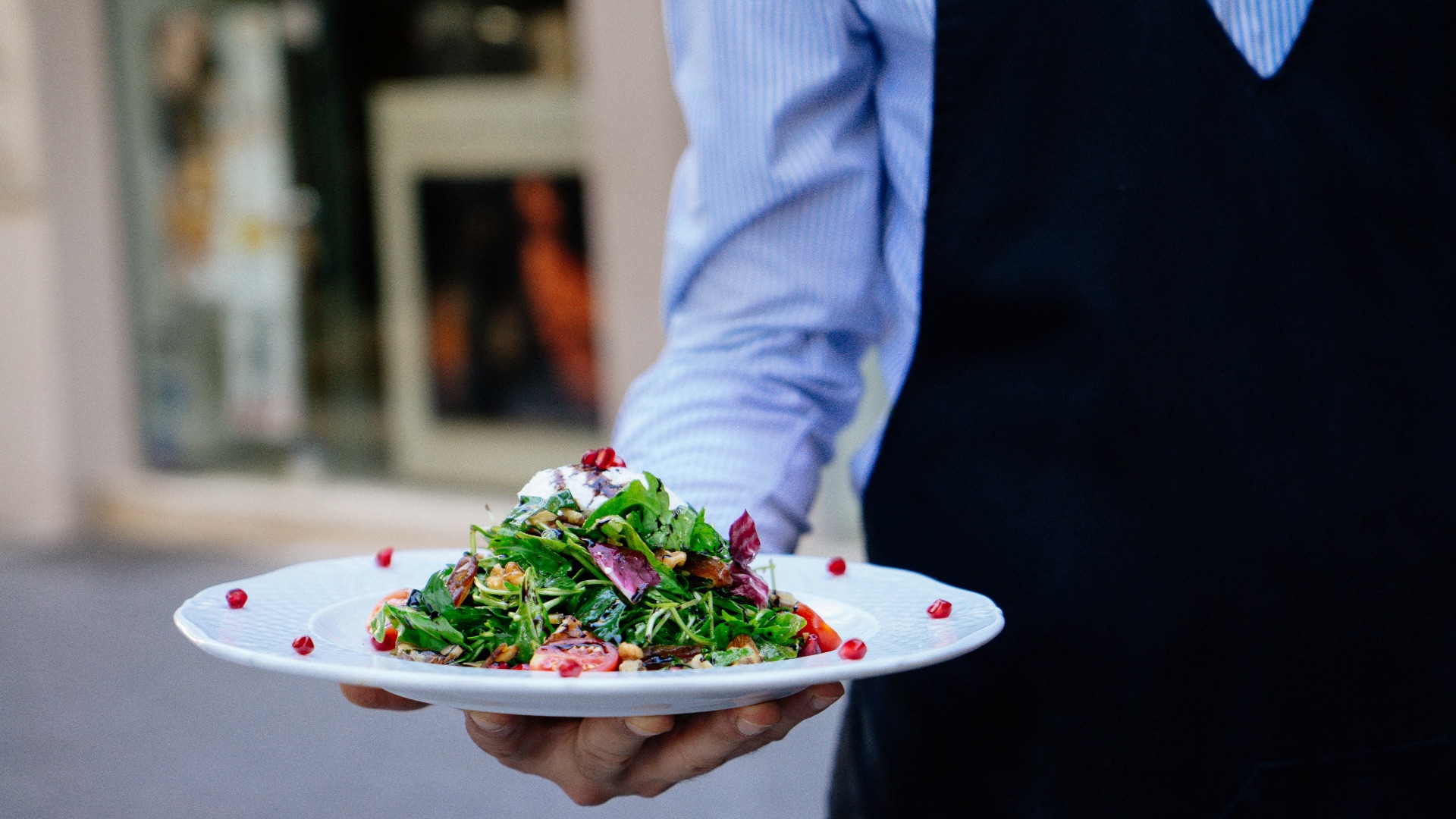
 Priscilla Du Preez 🇨🇦 on Unsplash
KEEP ON READING