
Why It Was a Bad Idea to Connect Fridges to the Internet
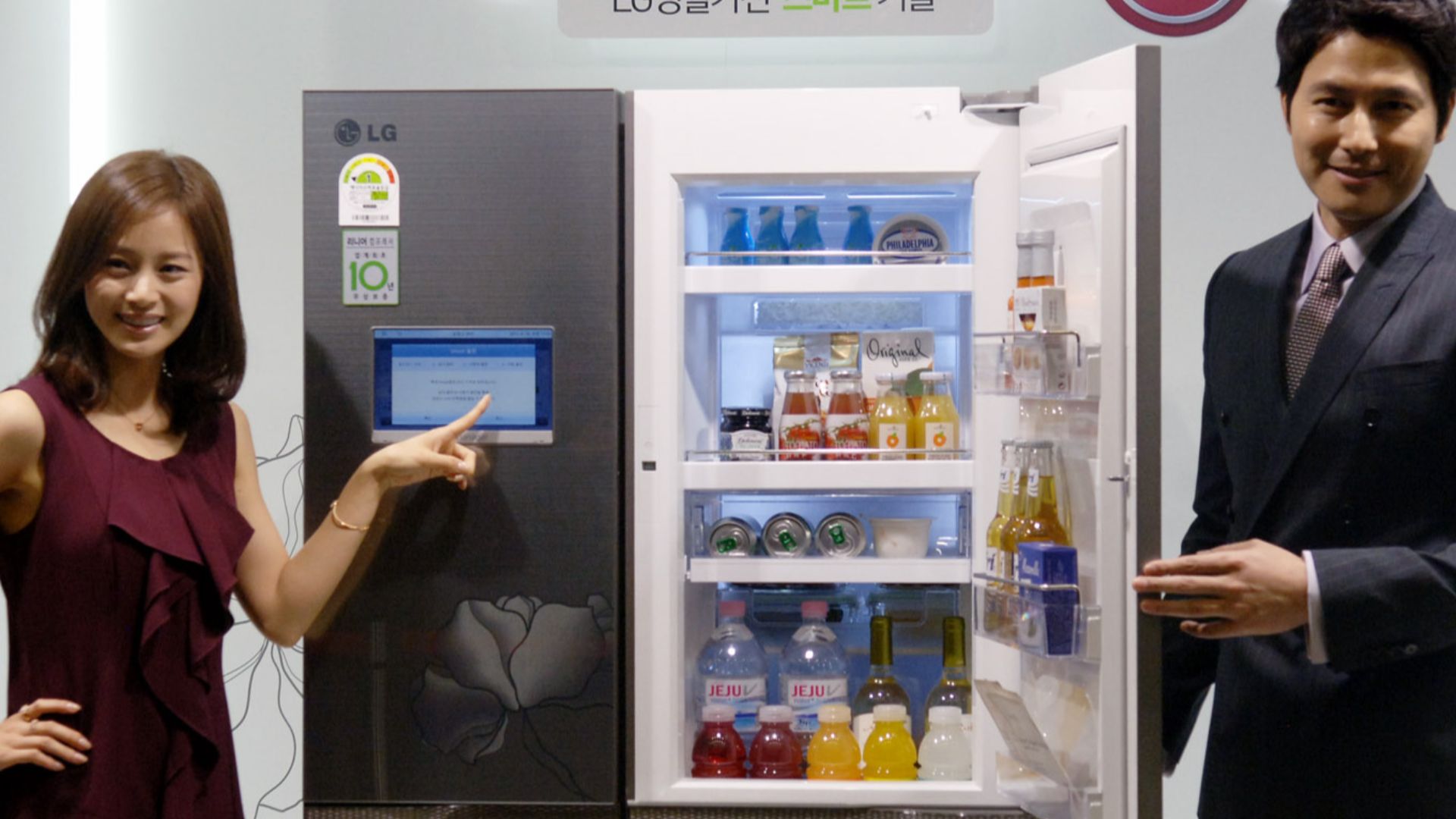
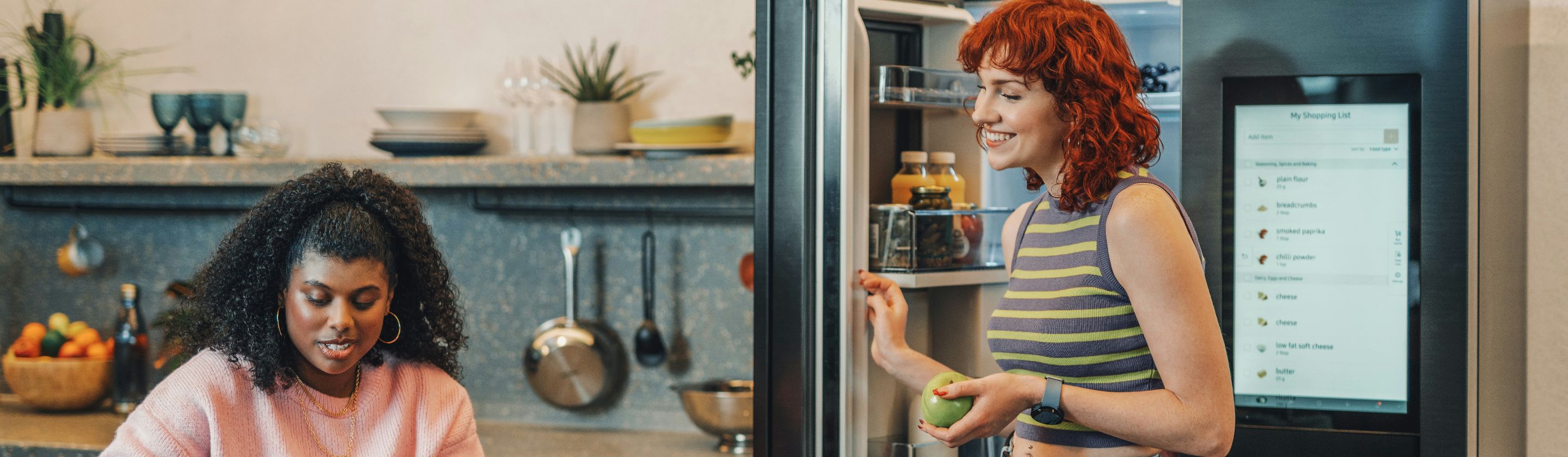
For decades, refrigerators had one relatively simple job: keeping food cold. Then technology companies decided that wasn't enough, introducing smart refrigerators equipped with Wi-Fi connections, touchscreens, cameras, and even artificial intelligence. While these features sounded convenient, they brought complications that traditional refrigerators never had to worry about.
Unfortunately, the problems go far beyond unnecessary technology, especially as connected refrigeration systems have become potential targets for cybercriminals. Reports of attacks on commercial refrigerators across Europe have raised concerns about what can happen when hackers gain access to temperature controls. Between security vulnerabilities, expensive repairs, and features that aren't always useful, connecting refrigerators to the internet has created some surprisingly serious problems.
Refrigerators Became an Unexpected Target for Hackers
One of the biggest issues with internet-connected fridges is that they give cybercriminals another potential way into a network. Like computers and smartphones, smart appliances rely on software that can contain security vulnerabilities. Unlike those devices, however, refrigerators aren't exactly something most people think about updating regularly. That creates opportunities for hackers to take advantage of outdated software, weak passwords, and poorly secured connections.
Earlier this year, these concerns became particularly serious, following reports that hackers had targeted commercial refrigeration systems across several European countries. They reportedly manipulated connected controllers to trigger repeated defrost cycles, causing temperatures to rise and massive quantities of food to spoil. The incidents showed how cybersecurity failures could lead to expensive physical damage.
Concerns about hacked refrigerators aren't anything new. Back in 2014, cybersecurity company Proofpoint reported that connected devices, allegedly including a refrigerator, had participated in a large spam campaign. However, security company Symantec later questioned whether a refrigerator was actually involved, showing how difficult these incidents can be to investigate. Regardless of what happened in that particular case, the broader concern hasn't gone away: poorly protected smart appliances can still become attractive targets for cybercriminals.
Smart Features Created More Problems Than They Solved
Beyond security concerns, smart refrigerators introduced another potential headache: software that could become outdated long before the appliance itself stops working. Traditional refrigerators can remain useful for years without needing updates or compatible applications. Connected models, on the other hand, rely on operating systems, manufacturer support, and sometimes third-party online services. Even when the cooling system works perfectly, certain digital features could eventually stop functioning or become less useful.
Manufacturers have also realized that refrigerator screens offer another opportunity to display advertising. Last year, Samsung introduced advertisements to certain Family Hub refrigerators through software updates, frustrating consumers who had purchased expensive appliances without expecting promotional content. Although Samsung offers options to disable these advertisements, the decision raised questions about how much control people actually have over the products they've purchased. After all, nobody buys a refrigerator because they're excited about seeing advertisements while making breakfast.
Privacy is another issue that becomes harder to ignore when everyday appliances start collecting information. Depending on their features and settings, smart refrigerators can interact with household accounts, grocery lists, food inventories, and other personal details. Connecting these functions to online services raises additional questions about how that information is stored, who can access it, and what manufacturers might do with it. Consumers could end up sharing more information than they realize just to use features that aren't necessary for keeping their food fresh.
The Convenience Might Not Justify the Extra Expense
Smart refrigerators generally cost more than conventional models, especially those equipped with large touchscreens and sophisticated cameras. While features such as food recognition and remote inventory monitoring might sound impressive, their actual usefulness depends on how people shop and cook. Someone who rarely uses digital grocery lists probably won't get much value from paying extra for these capabilities. For many households, a regular refrigerator already does everything they need without the additional technology.
Repairs can also become more complicated when manufacturers add sophisticated electronics to appliances that were once relatively straightforward. A malfunctioning touchscreen, connectivity module, or specialized component might require additional troubleshooting or costly replacement parts. Unlike a typical mechanical issue, certain software problems could even require manufacturer assistance or updates to resolve. That doesn't mean every smart refrigerator is unreliable, but adding more technology inevitably creates more opportunities for something to go wrong.
Even the promised convenience comes with limitations that aren't always obvious when you're shopping for a new appliance. Smartphone notifications and remote monitoring usually depend on compatible applications, reliable internet connections, and properly configured accounts. If your internet stops working, many of those connected features become temporarily unavailable, although the refrigerator should continue keeping your food cold. It's worth asking whether an everyday kitchen appliance really needs so many functions that depend on an internet connection.
Of course, connected refrigeration technology isn't completely useless, particularly in commercial settings where remote temperature monitoring can help prevent costly food spoilage. Certain household features can also be genuinely helpful, especially for people who benefit from accessibility tools or automatic maintenance notifications. Still, those advantages need to be considered alongside the security risks, ongoing software requirements, and higher costs. In general, refrigerators were already doing a pretty good job before manufacturers decided they needed internet access, and keeping food cold is still considerably more important than making an appliance smarter.
KEEP ON READING