The Grocery Staples That Time Forgot
Every generation has its favorite foods, and for many Baby Boomers, the grocery store used to look a little different. Pantry shelves were stocked with canned vegetables, boxed dinners, and ingredients that could turn into a family meal without much fuss. Millennials grew up with many of these same foods, but changing tastes, busy lifestyles, and the popularity of fresh and convenient alternatives have pushed some old favorites aside.
1. Liver and Onions
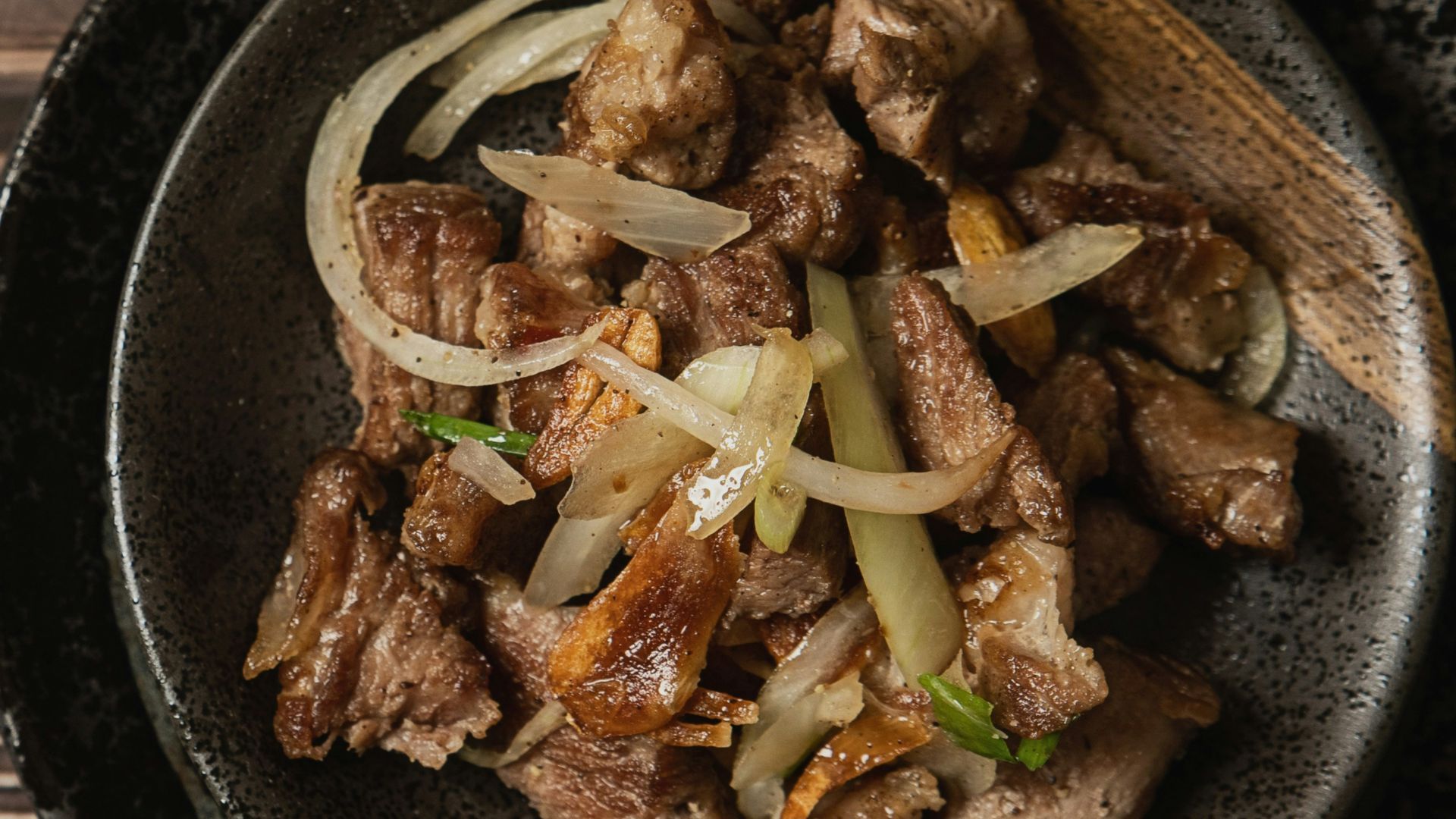
Many Americans grew up eating liver and onions. It was a cheap way to get some protein on your plate. Usually, the liver would be fried and topped with cooked-down onions. Maybe there were mashed potatoes or some gravy involved. Even so, longtime fans still appreciate the dish's old-fashioned comfort and simplicity.
2. Canned Sardines
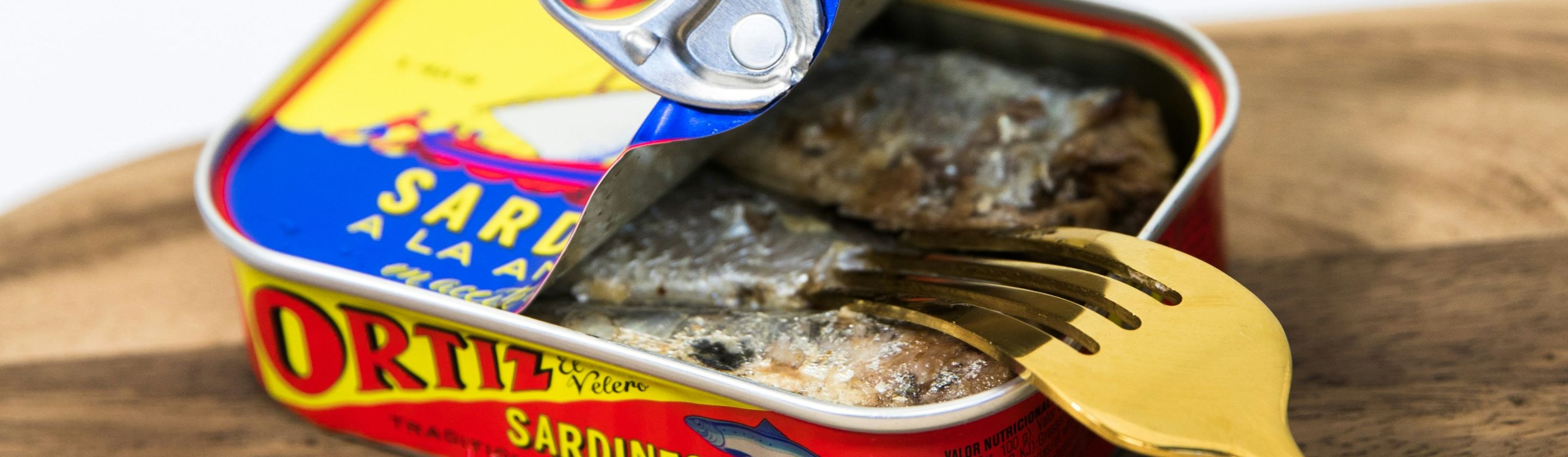
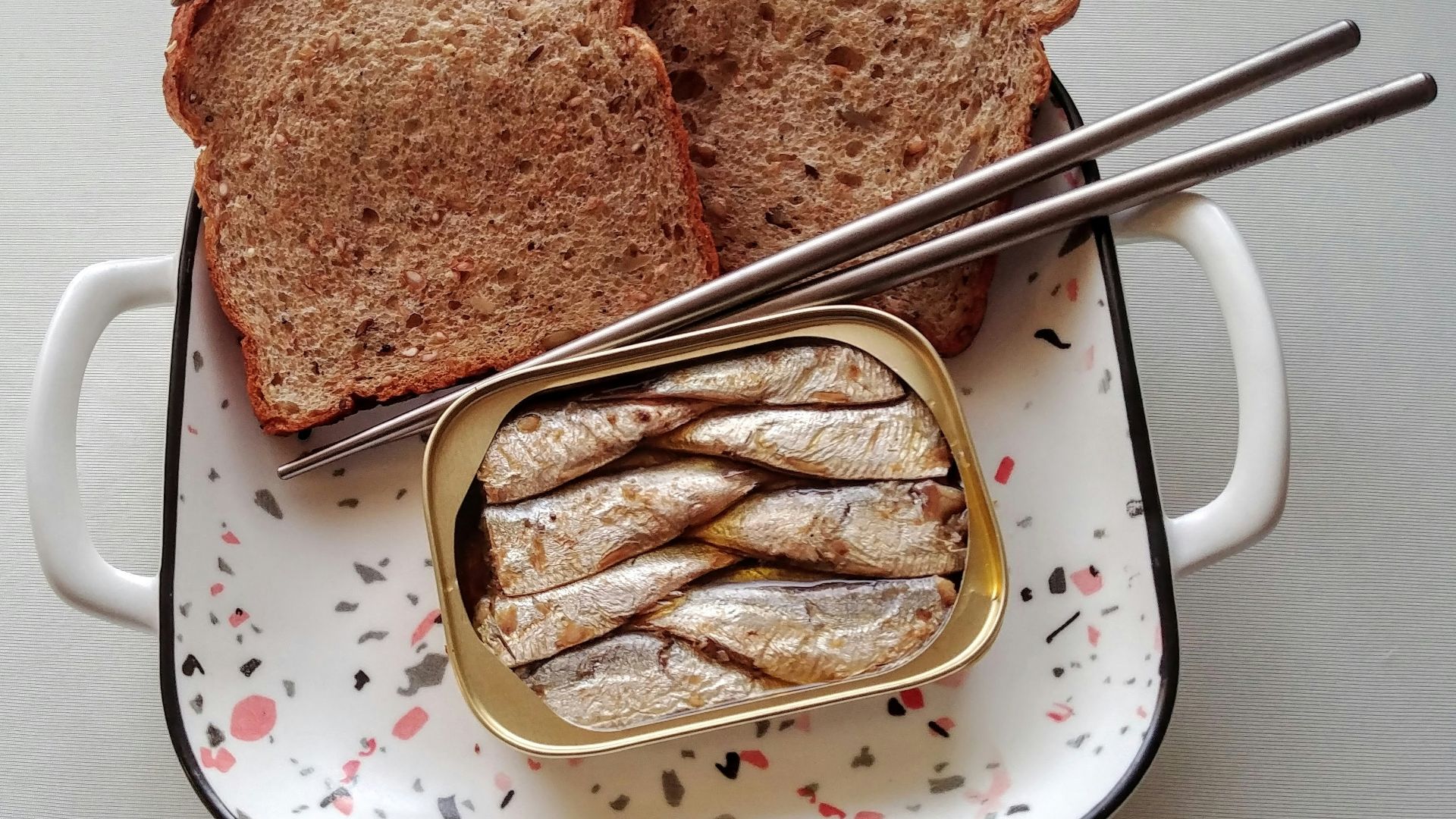
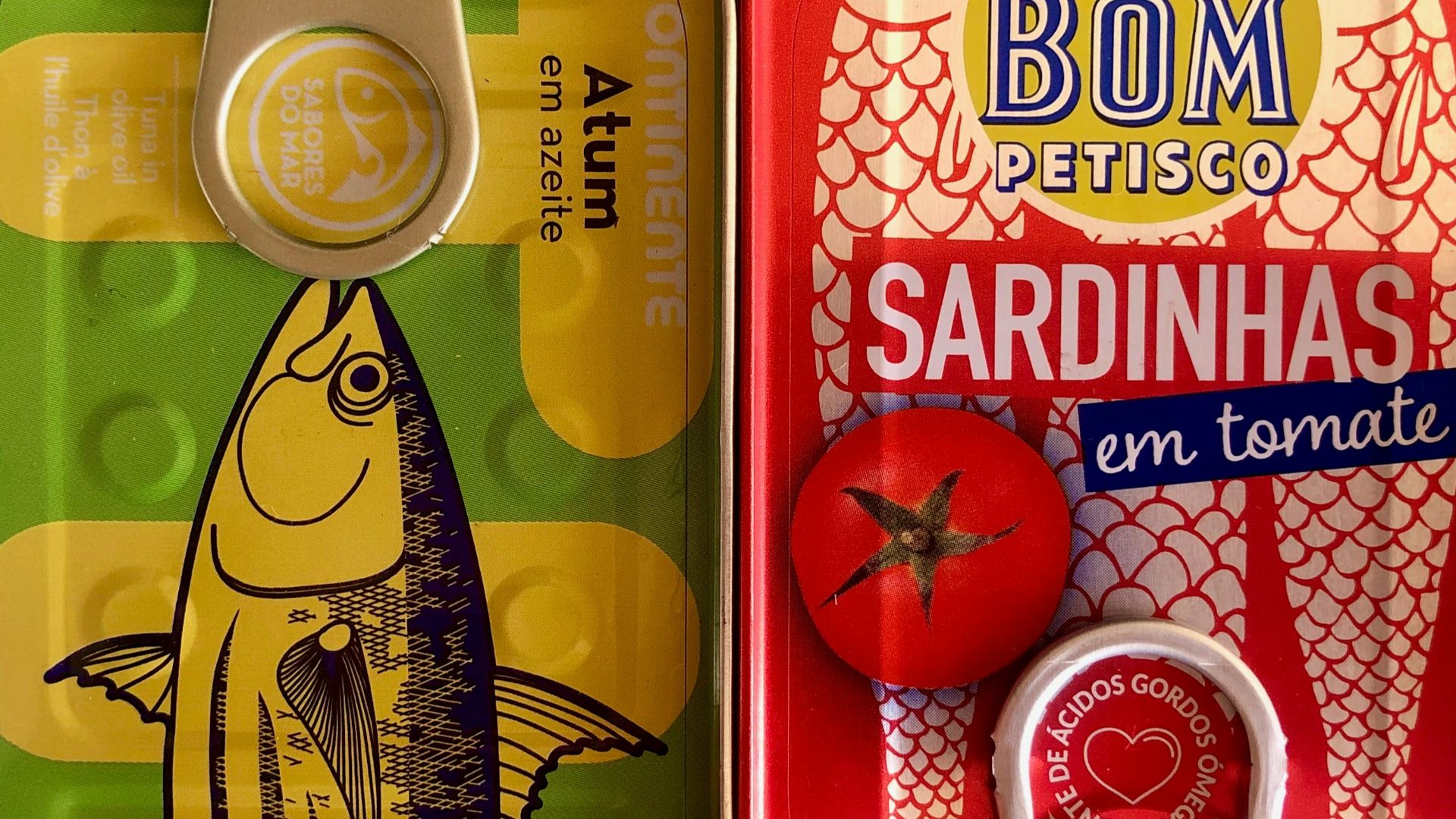
Another cheap option you could grab right from your pantry was canned sardines. You could place them on a cracker or put them on toast with a little mustard or mayo. Today's younger shoppers are more likely to reach for tuna packets or prepared snacks, although sardines have found some new fans among health-conscious eaters. Their strong smell and unmistakable fishy taste can still be a tough sell for anyone who didn't grow up eating them.
3. Spam
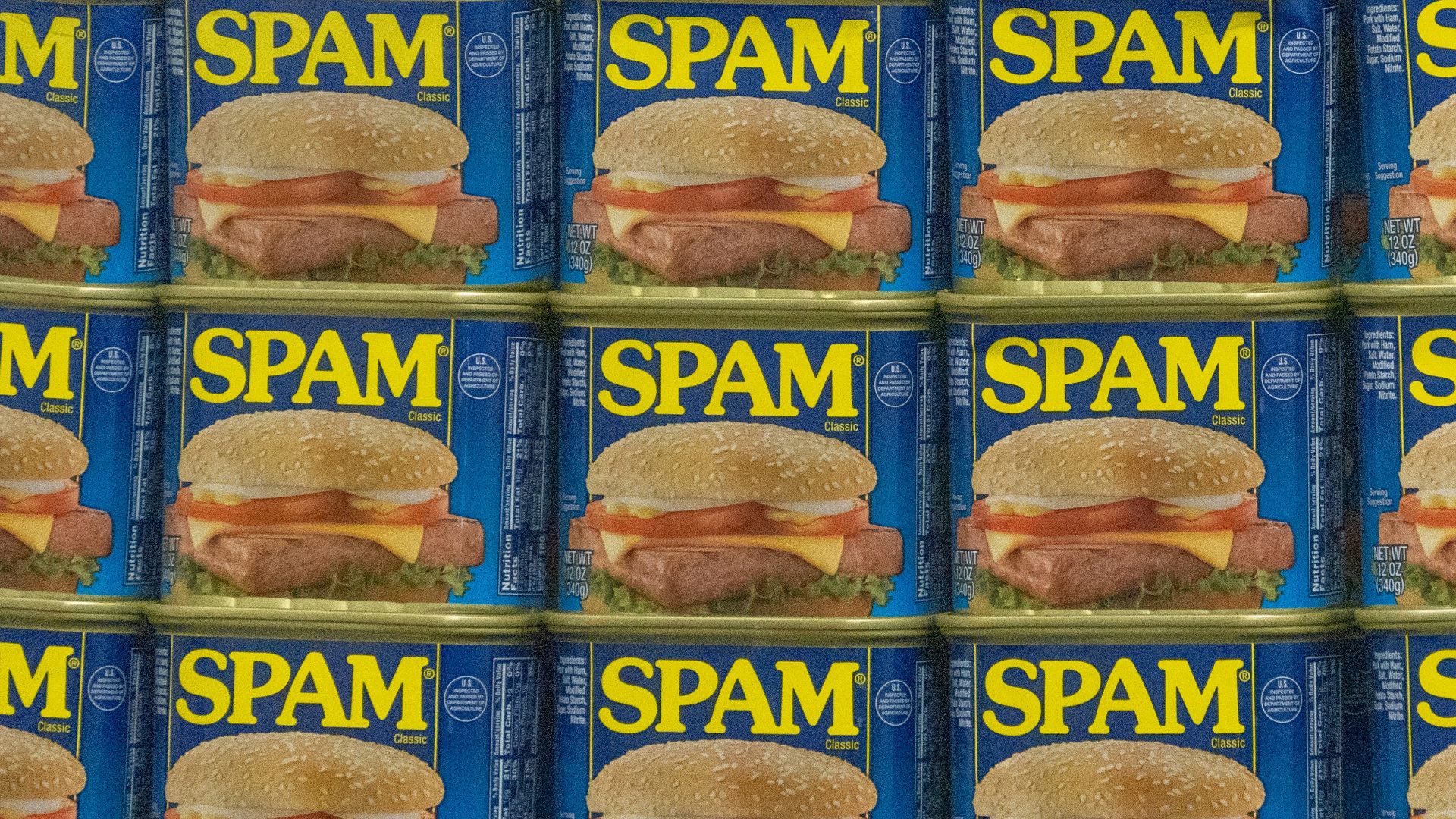
Spam became popular in American kitchens because it was affordable, shelf-stable, and easy to prepare, making it useful during periods when fresh meat wasn't always available. Boomers may remember it fried for breakfast, tucked into sandwiches, or served with eggs and potatoes. Many millennials associate it more with Hawaiian cuisine, where Spam musubi remains a popular snack, than with everyday family dinners. Although it hasn't vanished from grocery stores, shoppers who prioritize fresh ingredients may pass it by.
4. TV Dinners
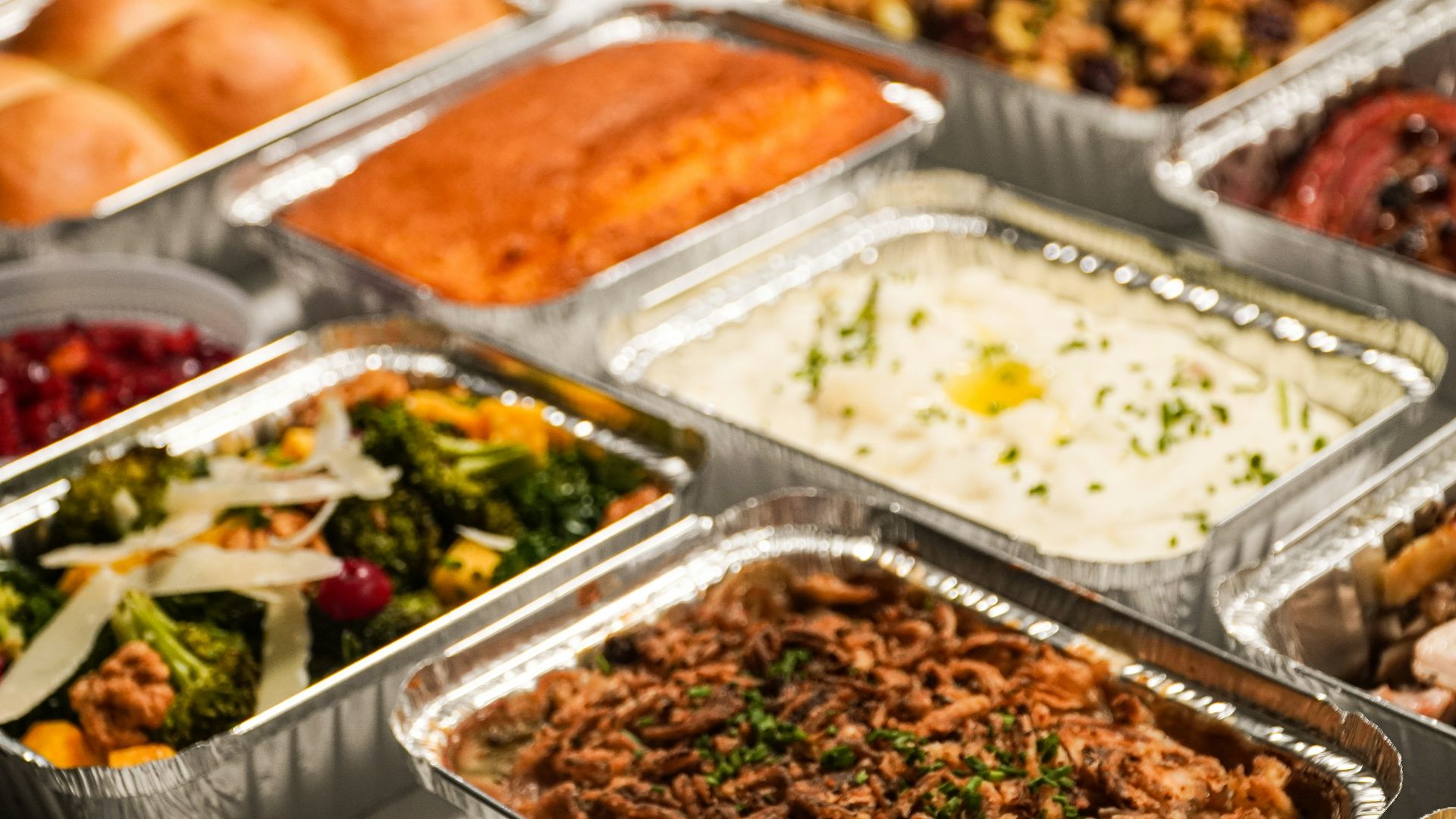
Frozen TV dinners made it possible for families to enjoy a complete meal without spending an evening cooking and washing dishes. Classic versions often featured meatloaf, turkey with gravy, mashed potatoes, and a small serving of vegetables arranged in separate compartments. Millennials still buy frozen meals, but modern options include burrito bowls, microwaveable curries, and dishes marketed around particular diets. The traditional tray dinner can feel a little dated next to today's wider selection of quick meals.
5. Canned Creamed Corn
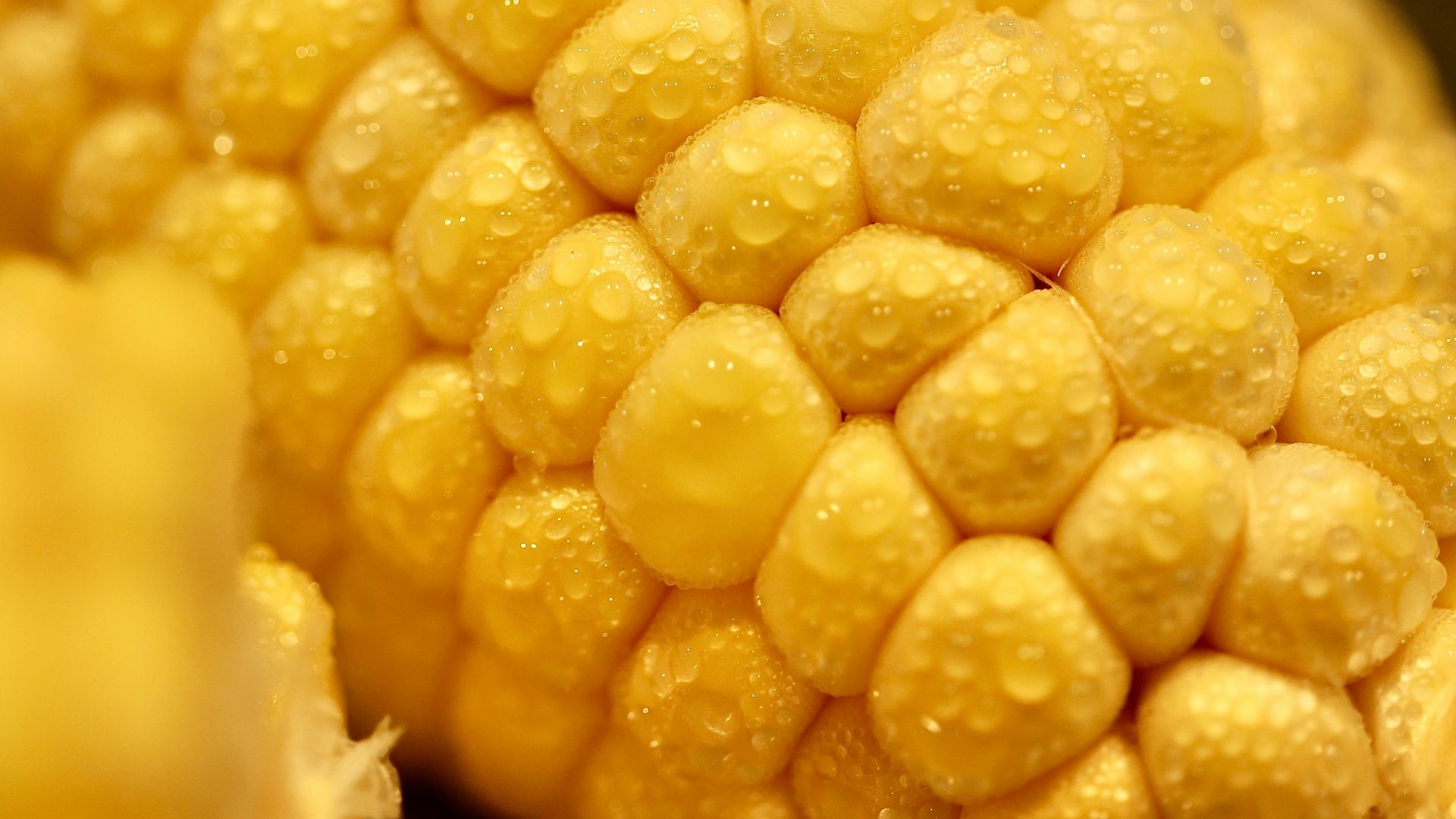
You may have had canned creamed corn sitting on your pantry shelf as a child. You could serve it as is with dinner or maybe use it in cornbread and soup. Millennials who prefer fresh or frozen vegetables may find the canned version too soft or sweet for their taste. Still, it remains useful for recipes that rely on its creamy consistency without requiring extra preparation.
6. Jell-O Salads
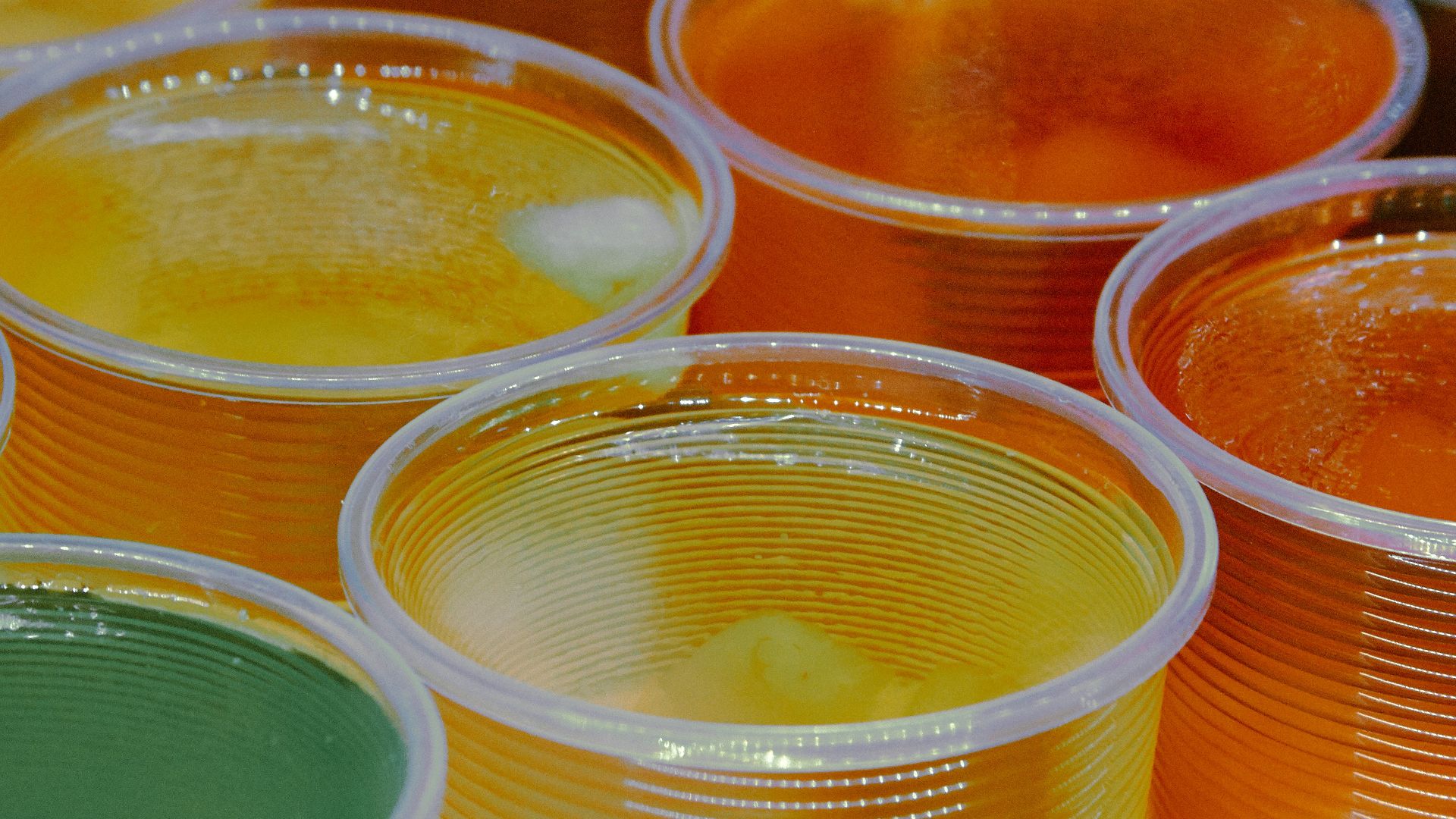
Who doesn't remember a Jell-O salad at some point in their life? Usually, these consisted of Jell-O with fruit, whipped topping, or marshmallows. Some people would throw in shredded carrots, and it became a salad that not everyone loved on the dinner table. Millennials may recognize these colorful creations from old family cookbooks, but they're less likely to make them for a casual get-together. With fresh fruit salads and no-bake desserts readily available, gelatin-based salads don't have quite the same place in everyday entertaining.
7. Canned Fruit Cocktail
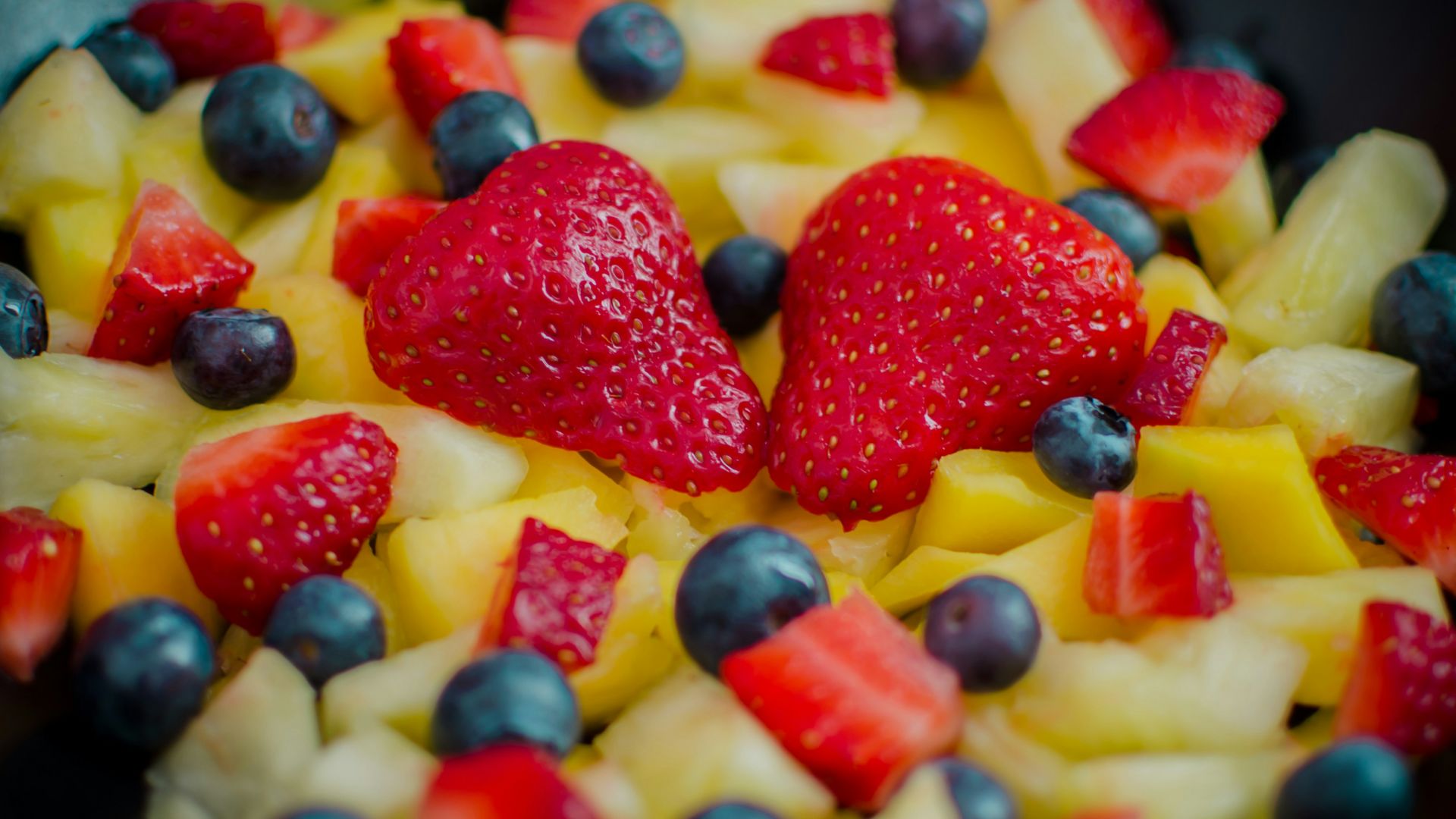
If you wanted fruit but didn't want to chop it up, you could always reach for canned fruit. This consisted of diced peaches, pears, grapes, and cherries. You could have it cold with some whipped cream or cottage cheese. Canned fruit still works well in quick desserts and lunchboxes, but it may not be the first choice for a modern fruit bowl.
8. Tang Orange Drink
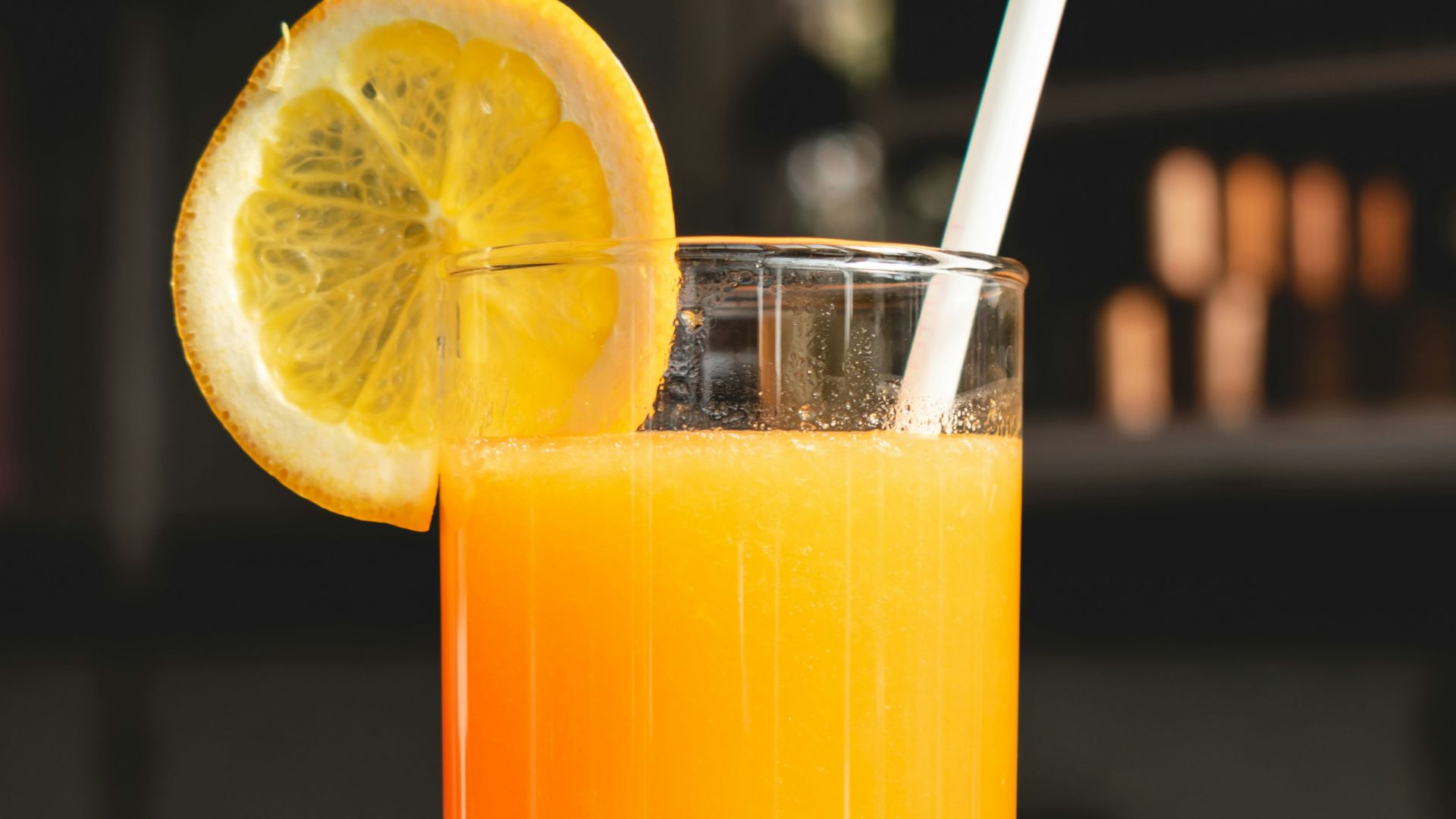
Everyone knows Tang and what it does. This powder allowed us to make our own sweet drink at home. There was no need to buy fresh juice because Tang came in powder form, and all you had to do was mix it with water. Tang still has nostalgic appeal for some people, but its distinctive sweetness isn't for everyone.
9. Powdered Milk
Some families kept powdered milk around to use instead of regular milk. You could mix it with water and use it however you'd please, from drinking it to using it in your favorite recipe. As a result, powdered milk is more likely to be purchased for a specific recipe or backup supply than for everyday drinking.

10. Canned Vienna Sausages
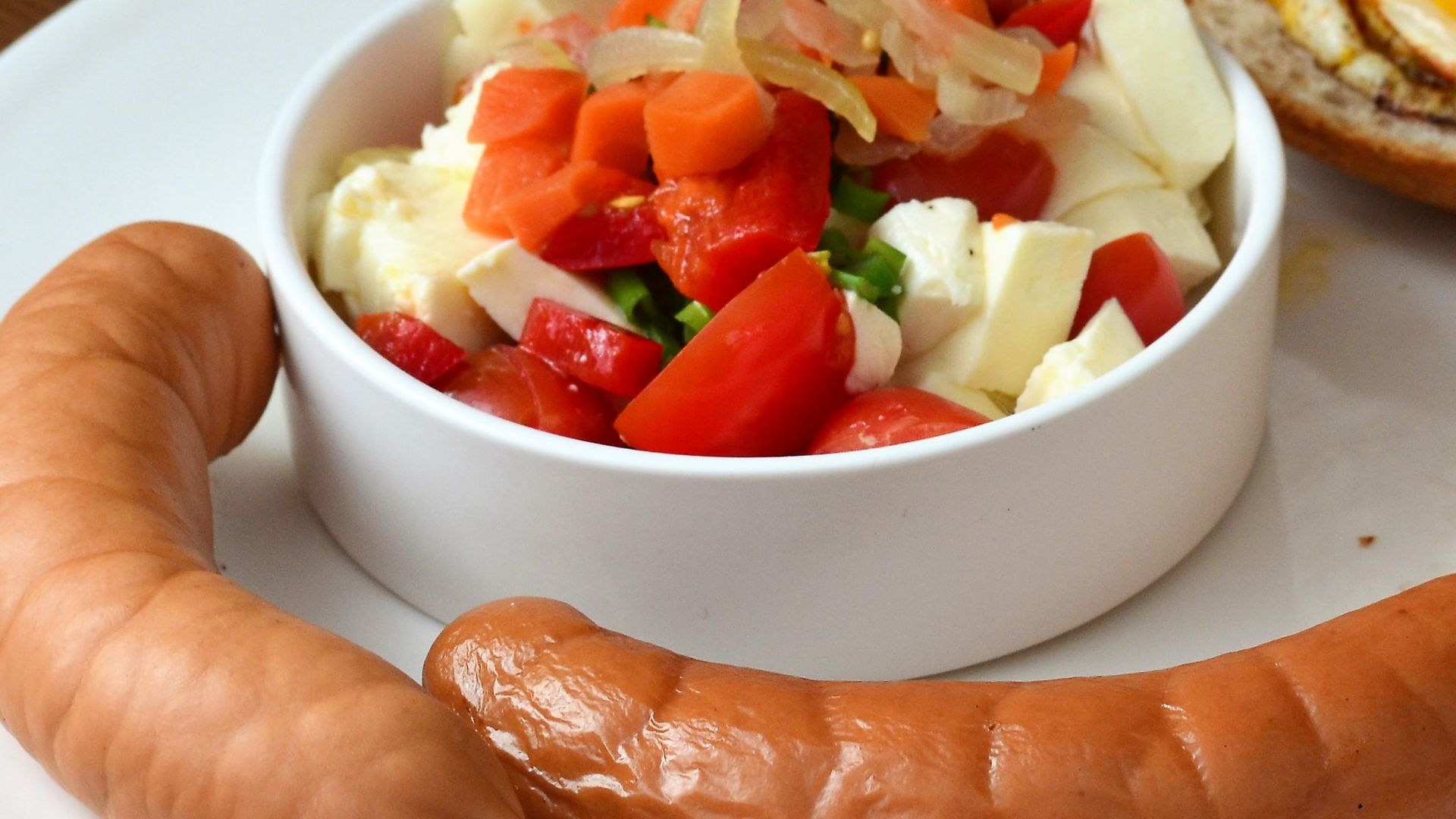
These small, soft sausages were an inexpensive convenience food that could be eaten straight from the can or added to simple meals. Some families served them with crackers, while others warmed them in sauce or paired them with rice and vegetables. Millennials often gravitate toward fresh sausages, deli meats, or ready-to-eat protein snacks with a firmer texture. Vienna sausages still have their fans, especially among campers and people stocking emergency supplies, but they're not a standard item in every modern pantry.
11. Instant Mashed Potatoes
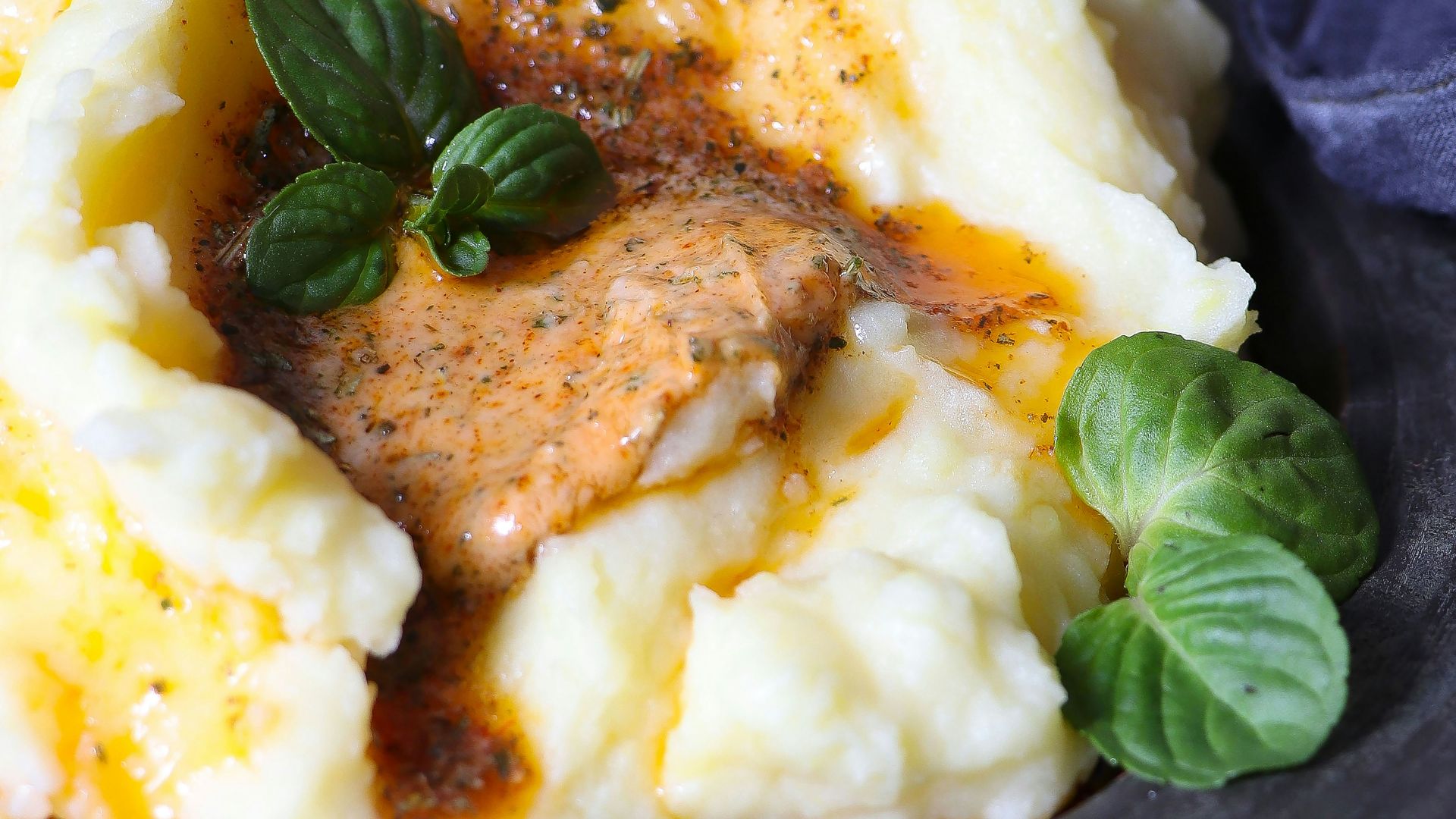
Everyone's grandmother probably had instant mashed potatoes around for some meals. Many millennials still use them, but homemade mashed potatoes and refrigerated prepared versions offer alternatives for shoppers who care more about texture and flavor. Instant potatoes remain handy when time is short, even if they're no longer everyone's first choice.
12. Canned Asparagus
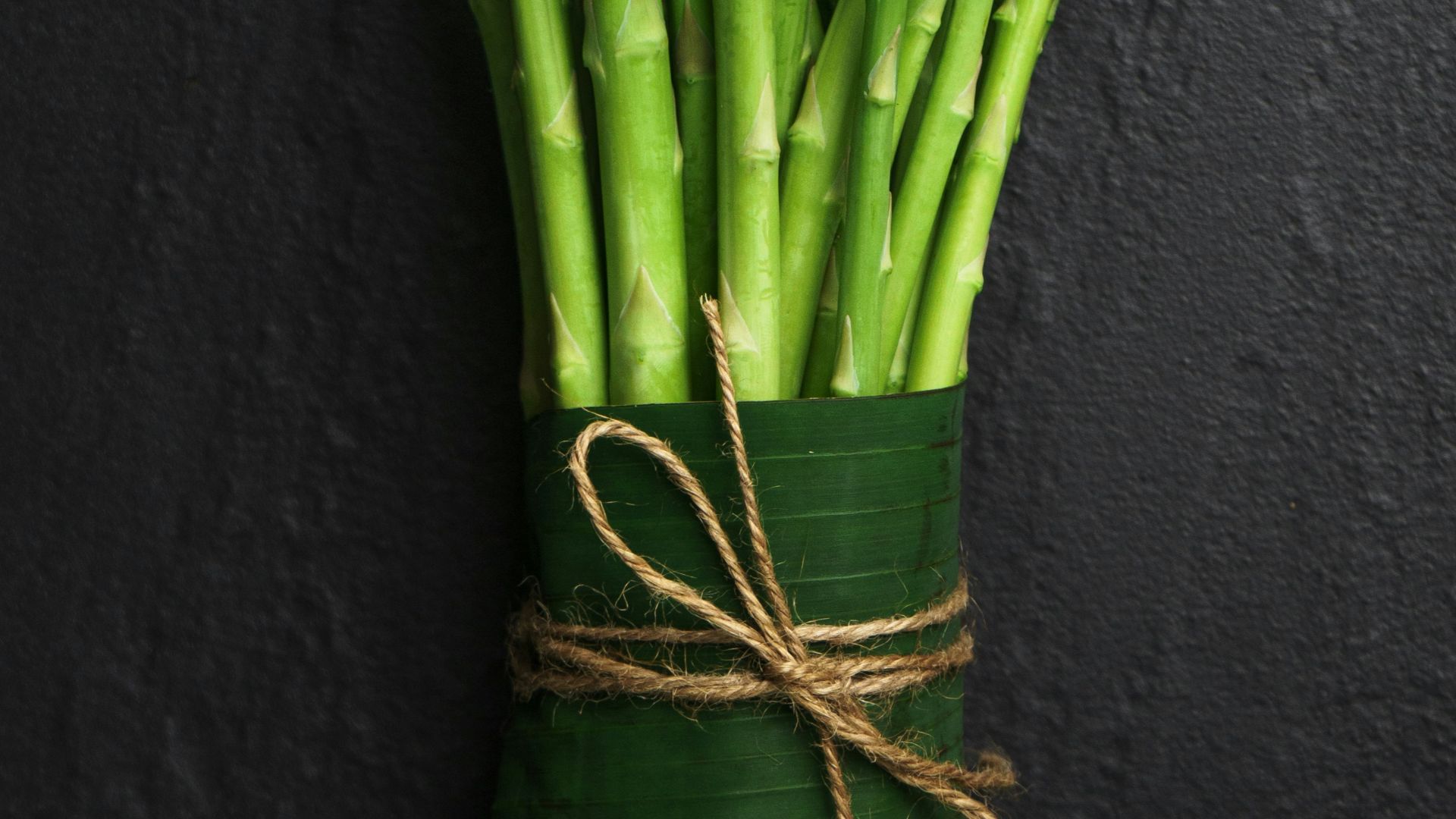
Another food you could grab from your pantry is asparagus. It comes already cooked and ready to eat. You just heat it up and go! Although some people love asparagus, they may want to try the fresh version. It's crisper and has more flavor. You can always find canned asparagus, but it's probably not going to be your go-to vegetable anymore.
13. Bologna Sandwiches
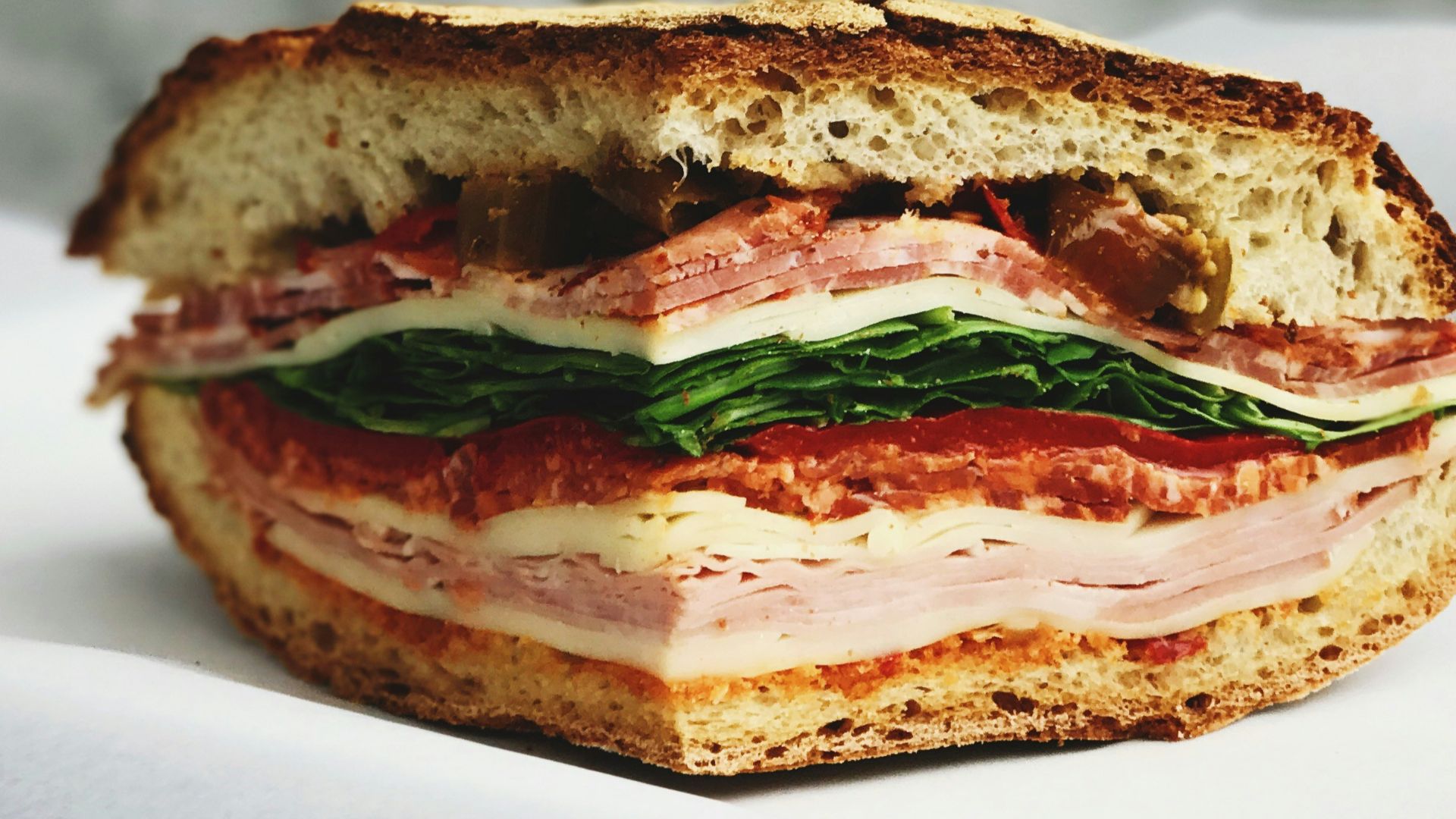
Who didn't have bologna sandwiches growing up? Everyone loved those cheap sandwiches you could make in no time. Just grab some bread, add your bologna and cheese, and you're done. Many millennials have stopped eating bologna, but it's still around if you're craving that taste.
14. Cottage Cheese With Canned Peaches
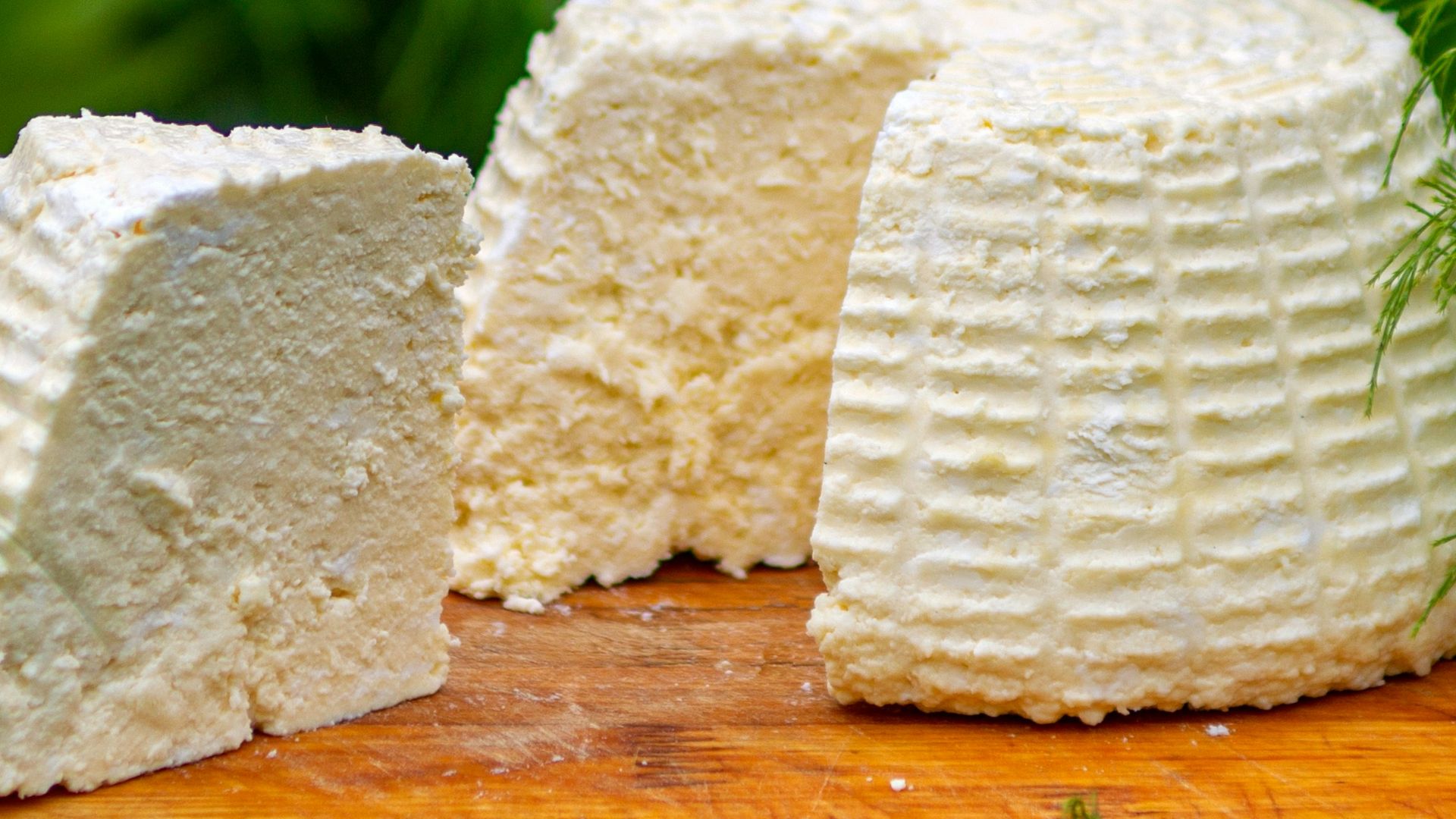
Cottage cheese and peaches are two things that some of us remember eating as children. You could eat these together or just grab a scoop of cottage cheese when you got hungry. Some will continue to eat cottage cheese today but may mix it with something different.
 Aleksey Melkomukov on Unsplash
15. Ambrosia Salad
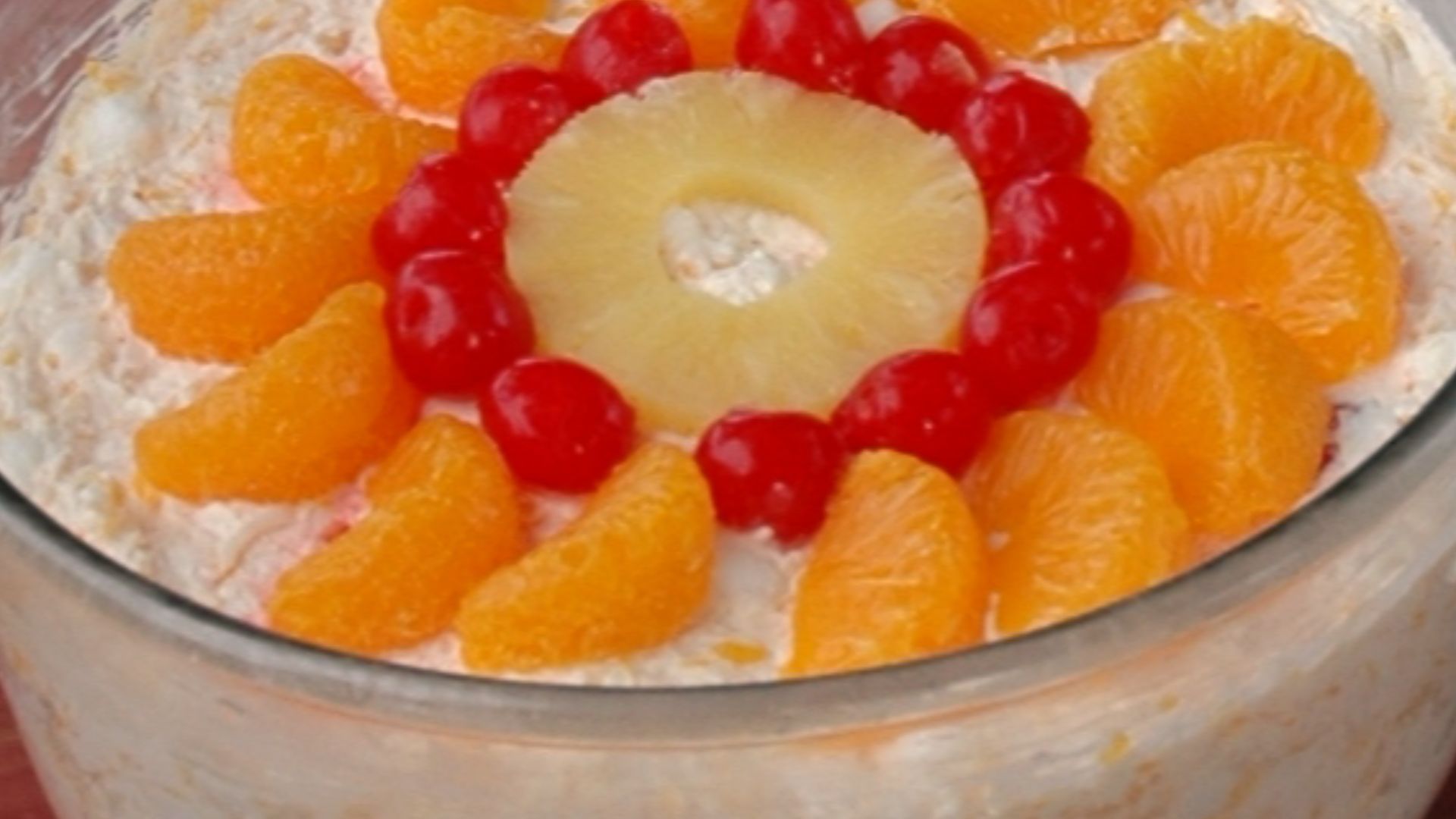
If you've been to any of your relatives' houses during the holidays, you've most likely seen ambrosia salad. This salad consists of fruit, pineapple, coconut, marshmallows, and cream cheese or whipped cream. There are many recipes out there that people follow to make their own ambrosia salad.
16. Canned Deviled Ham
This canned meat was another way for us to grab a quick sandwich. It tasted great and had that smoky flavor to it. You could spread it on your bread with mayonnaise or mustard and eat away. Its convenience hasn't changed, but the taste and texture may feel unfamiliar to shoppers who didn't grow up with it.

17. Creamed Chipped Beef on Toast
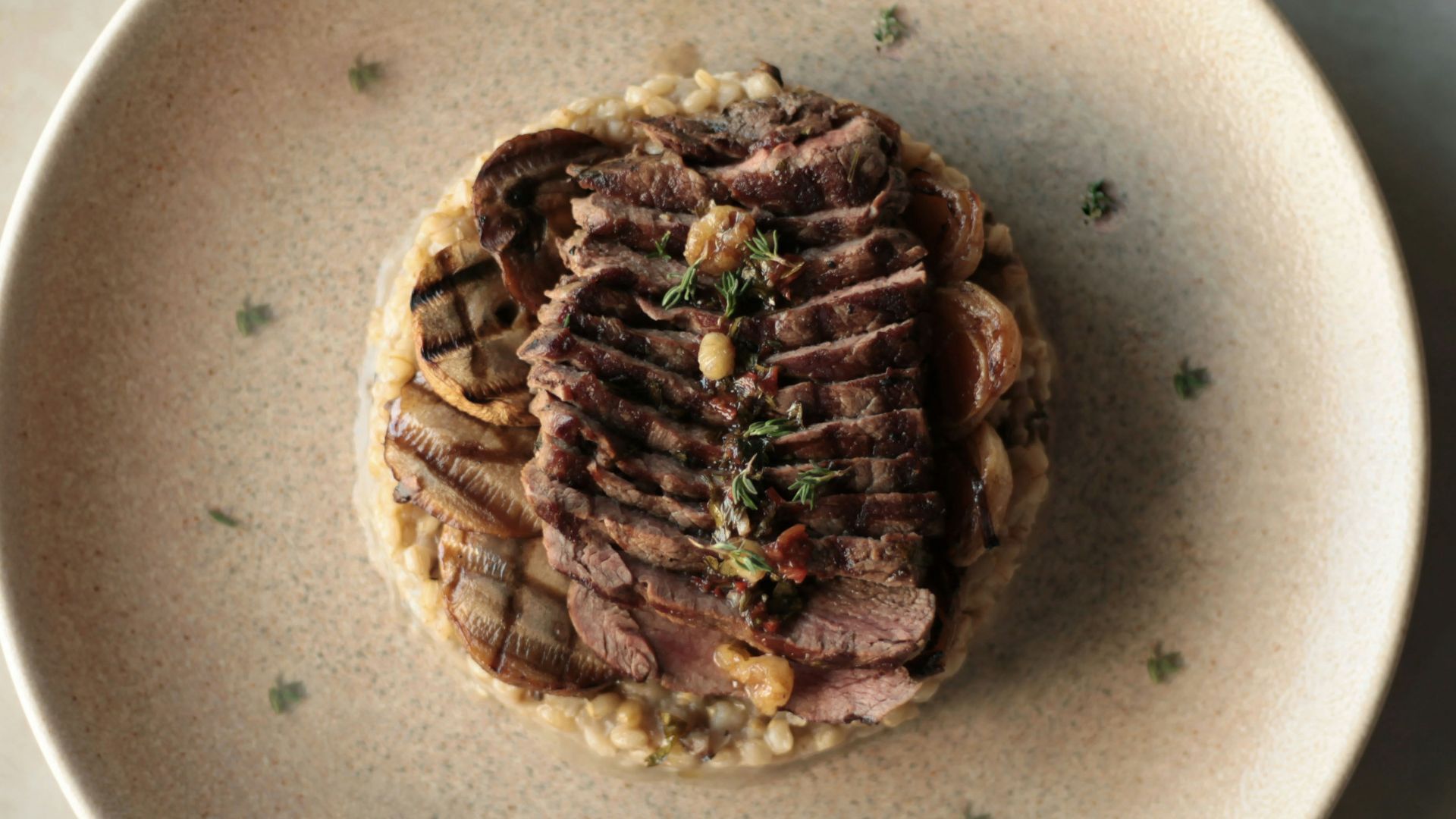
Creamed chipped beef on toast, sometimes nicknamed "SOS" in military settings, was a filling dish made from dried beef in a creamy white sauce. It was often served over toast for breakfast or a simple dinner, making use of ingredients that were easy to store and prepare. Millennials might encounter it at diners or through family recipes, but it's less common in everyday home cooking than eggs, oatmeal, or breakfast sandwiches.
18. Canned Beets
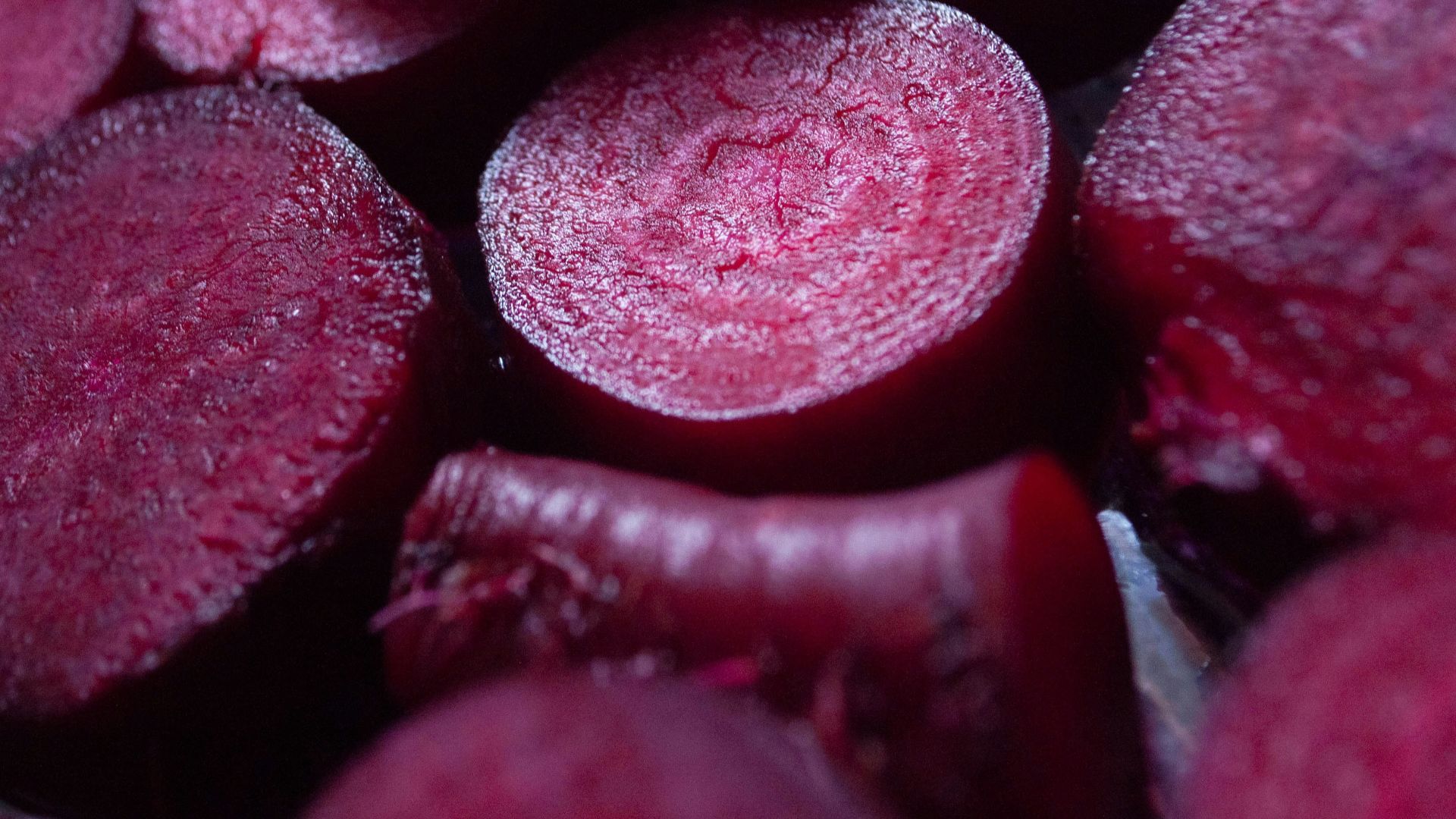
Beets were always in my grandmother's fridge. She liked to serve them cold with vinegar and sometimes throw them into a recipe. You could always grab a can of beets from your pantry and eat them right away. The canned version remains convenient, although its softer texture and earthy flavor can be a hurdle for people who aren't already beet fans.
19. Malted Milk Powder
Malted milk powder was once a familiar ingredient for making milkshakes, flavored drinks, and sweet treats at home. Mixed with milk or ice cream, it added a distinctive toasted, slightly nutty flavor that made diner-style beverages especially memorable. Millennials are more likely to order specialty coffee drinks, blended smoothies, or modern milkshake flavors when they want an indulgent drink.

20. Canned Cream of Mushroom Soup as a Meal Starter
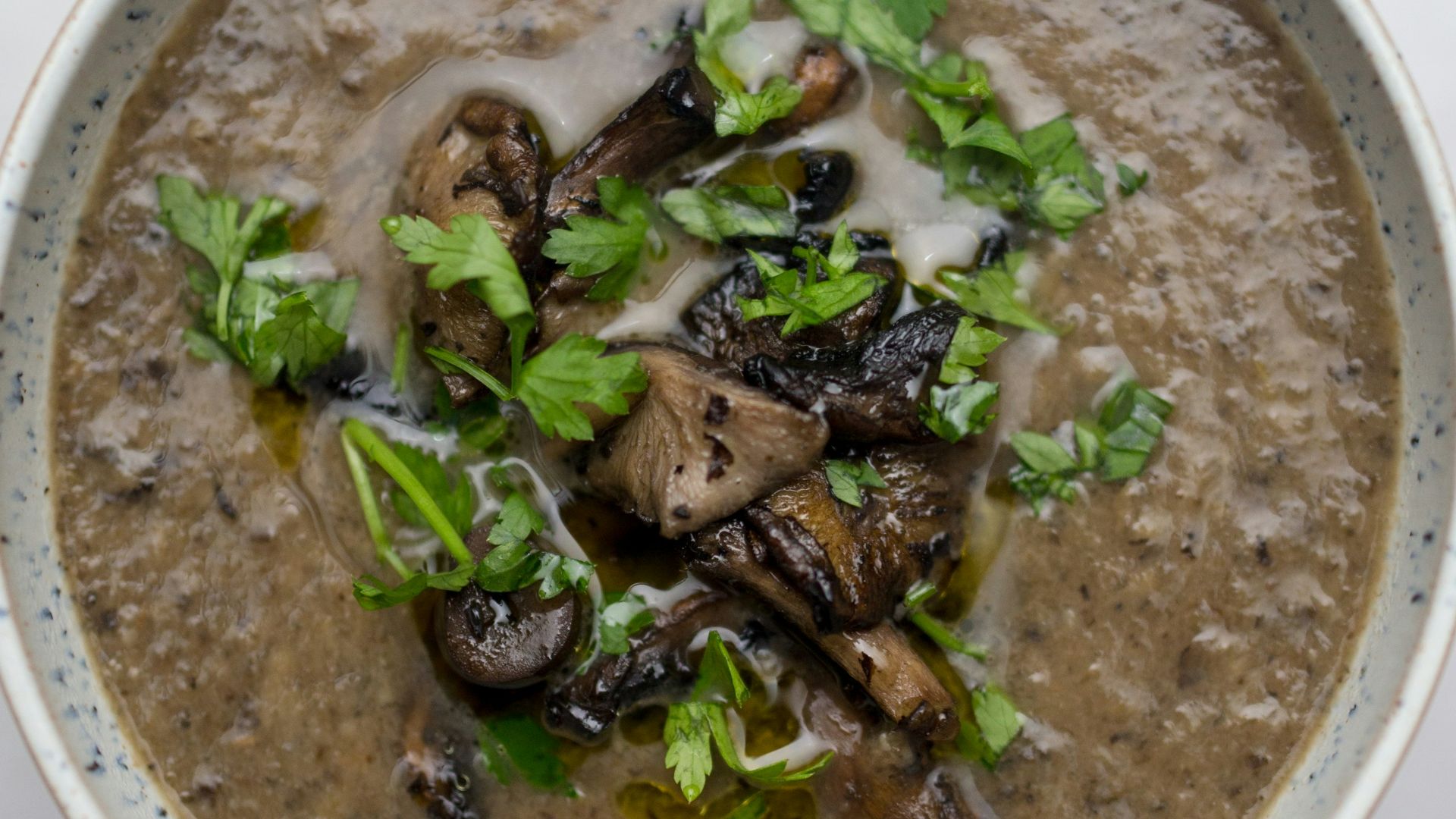
Cream of mushroom soup became a staple in many kitchens because it could serve as both a quick soup and a ready-made base for casseroles. It appeared in dishes such as green bean casserole, tuna casserole, and baked chicken recipes, helping home cooks pull dinner together with minimal effort. Millennials still use canned condensed soup, but some prefer making sauces from scratch or choosing recipes that rely on fresh ingredients.