Eating Like Royalty Takes New Meaning
Kings and emperors could afford the finest food available, but that didn't always work in their favor. Some rulers became seriously ill after particular meals, while others spent years eating rich diets that may have contributed to health problems. From lampreys and mushrooms to elaborate desserts and enormous servings of meat, royal history has plenty of meals with surprisingly memorable endings.

1. Henry I and Lampreys
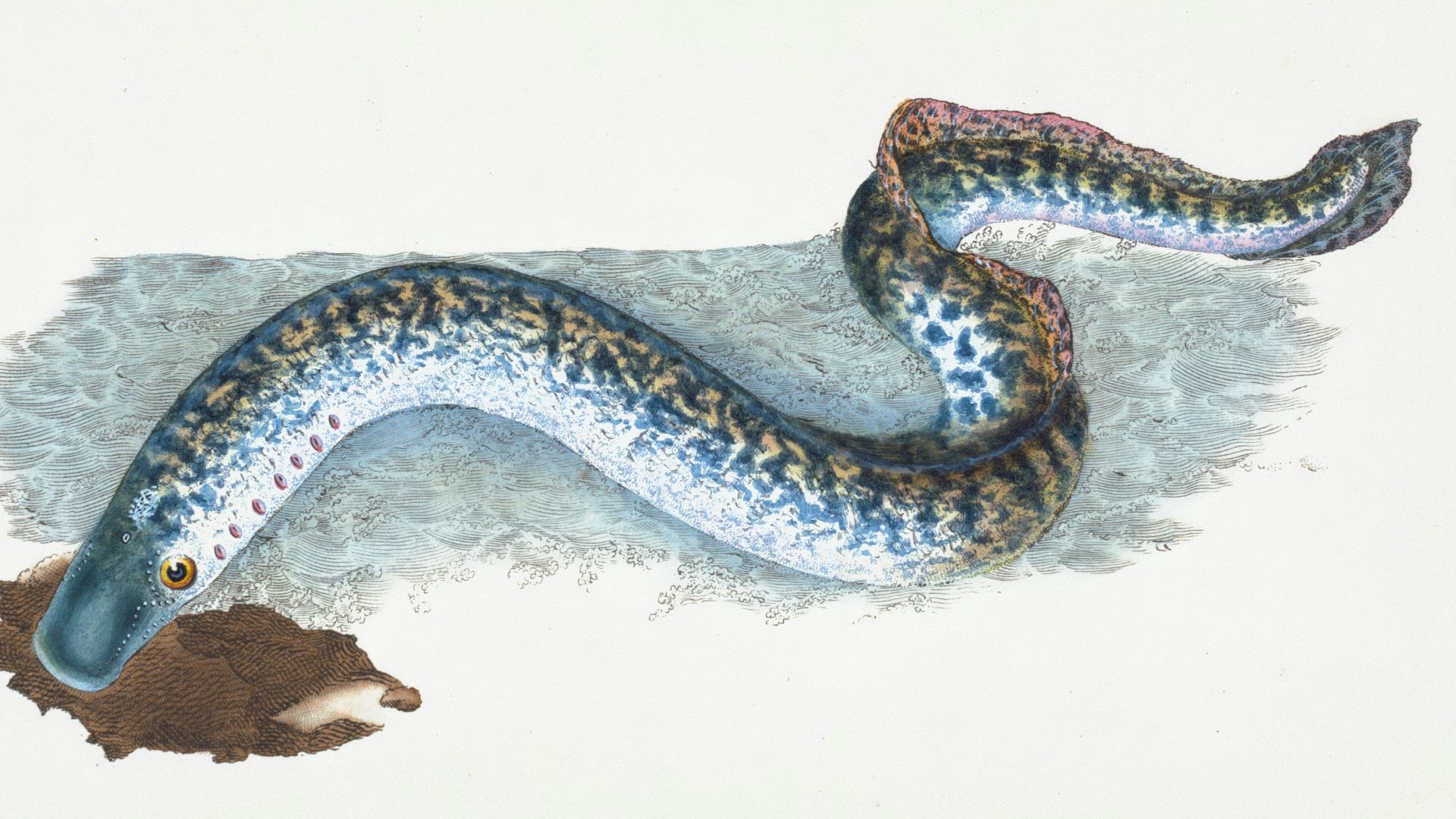
It is said that King Henry I of England loved eating lampreys. Doctors tried to convince him not to consume them, but he did anyway. It is said that in 1135, he ate a big portion of lampreys and shortly after fell ill.
 The New York Public Library on Unsplash
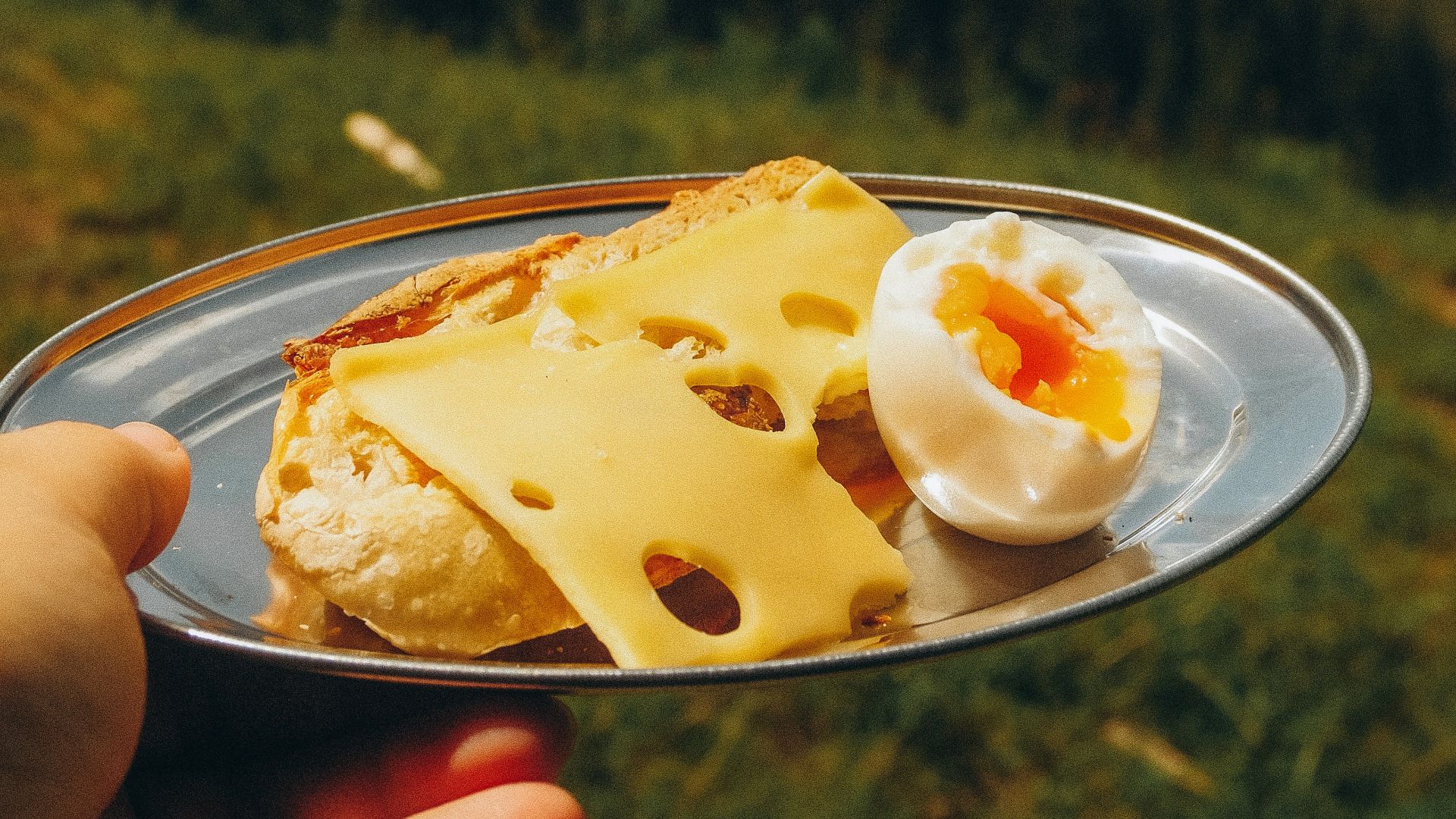
2. Antoninus Pius and Alpine Cheese
Roman Emperor Antoninus Pius was fond of Alpine cheese, and it is said he consumed an excessive amount at dinner. He fell ill from a fever and passed away a few days later. The source isn't considered completely reliable, so the cheese may have simply been an unfortunate part of his final meal.
3. Adolf Frederick and Semlas
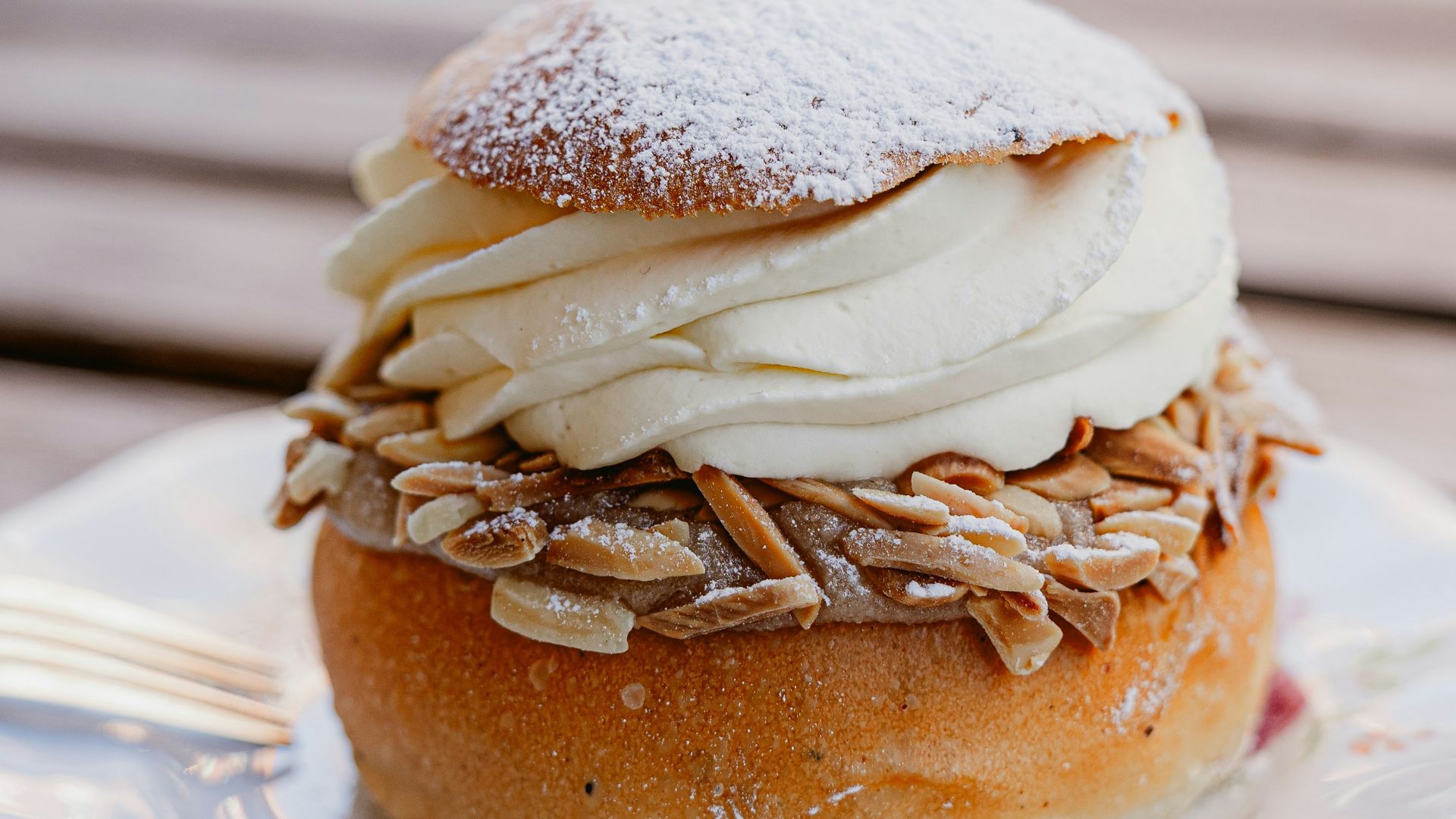
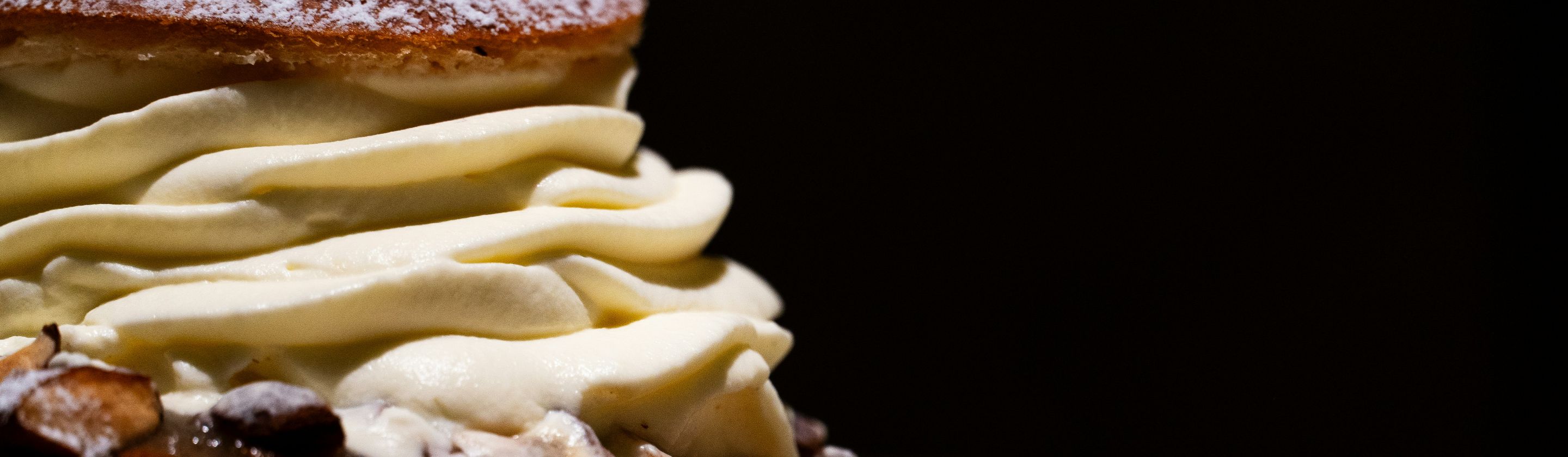
Sweden's King Adolf Frederick became famous for his enormous appetite, particularly when it came to semlas, sweet buns filled with cream and almond paste. In 1771, he supposedly ate 14 servings of semla after consuming a meal of lobster, caviar, pickles, smoked herring, and champagne. The digestive issues he experienced created the story that he died from eating too many.
4. Charles VI and Mushrooms
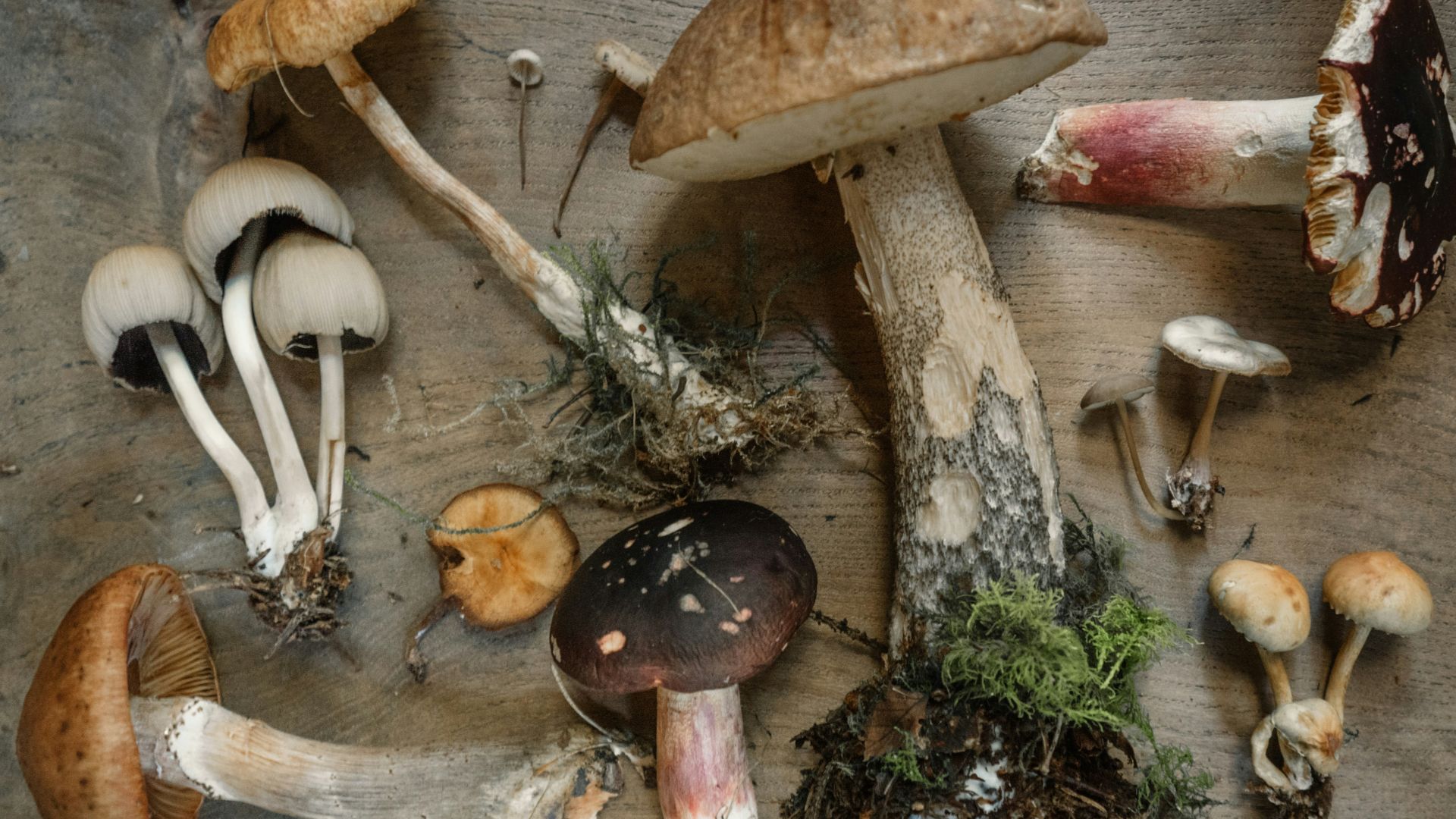
Holy Roman Emperor Charles VI died in 1740 after becoming seriously ill, and later accounts connected his illness to poisonous mushrooms. After his passing, people thought that he had eaten poisonous mushrooms. Voltaire stated that he had eaten death caps before falling ill.
5. Claudius and Mushrooms
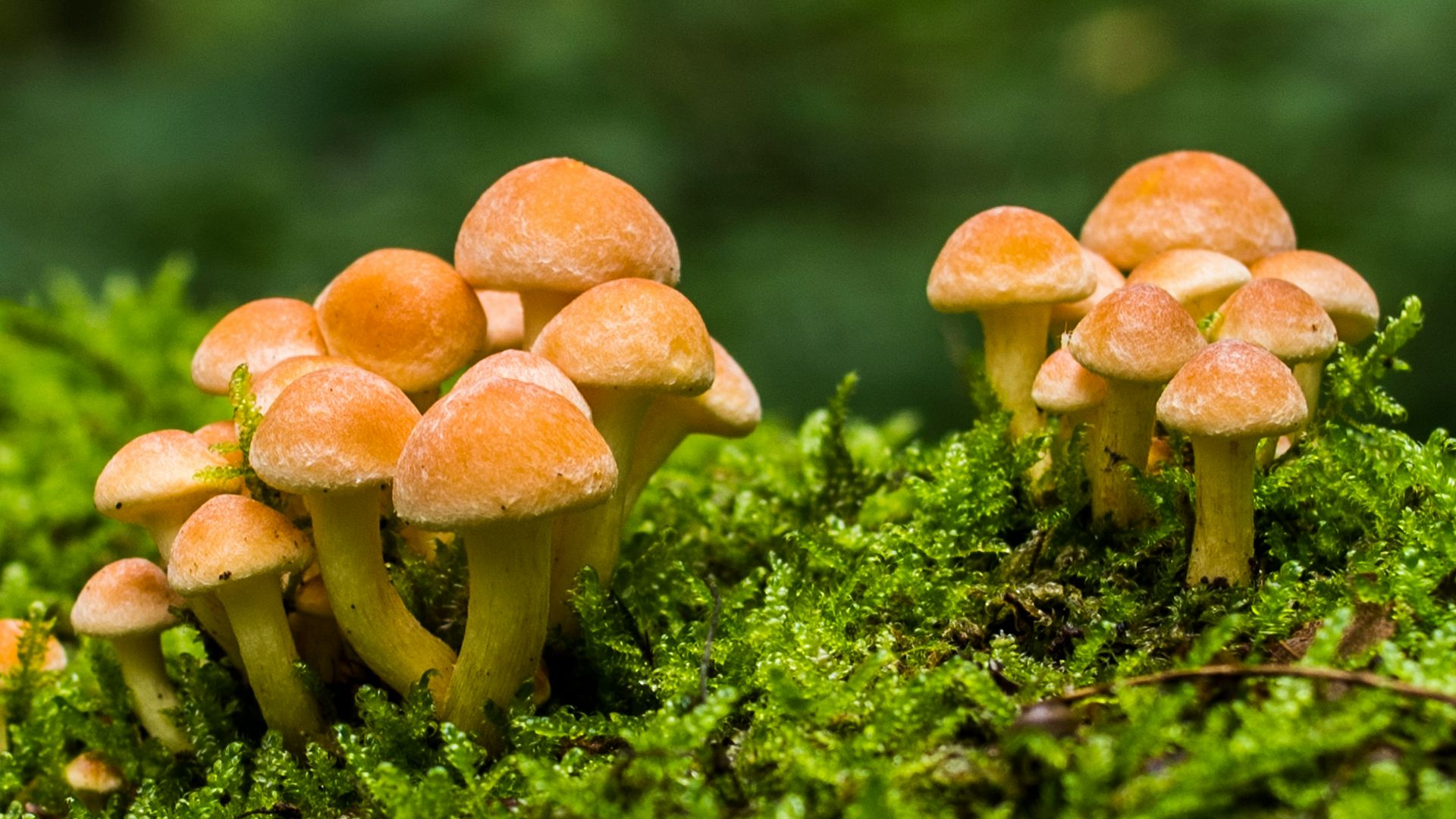
Another royal to be connected to mushrooms is Roman Emperor Claudius. Claudius was accused of being poisoned after consuming mushrooms that were involved with a scheme with his wife. The details are disputed, but the mushroom story became one of the most famous food-related tales from the Roman Empire.
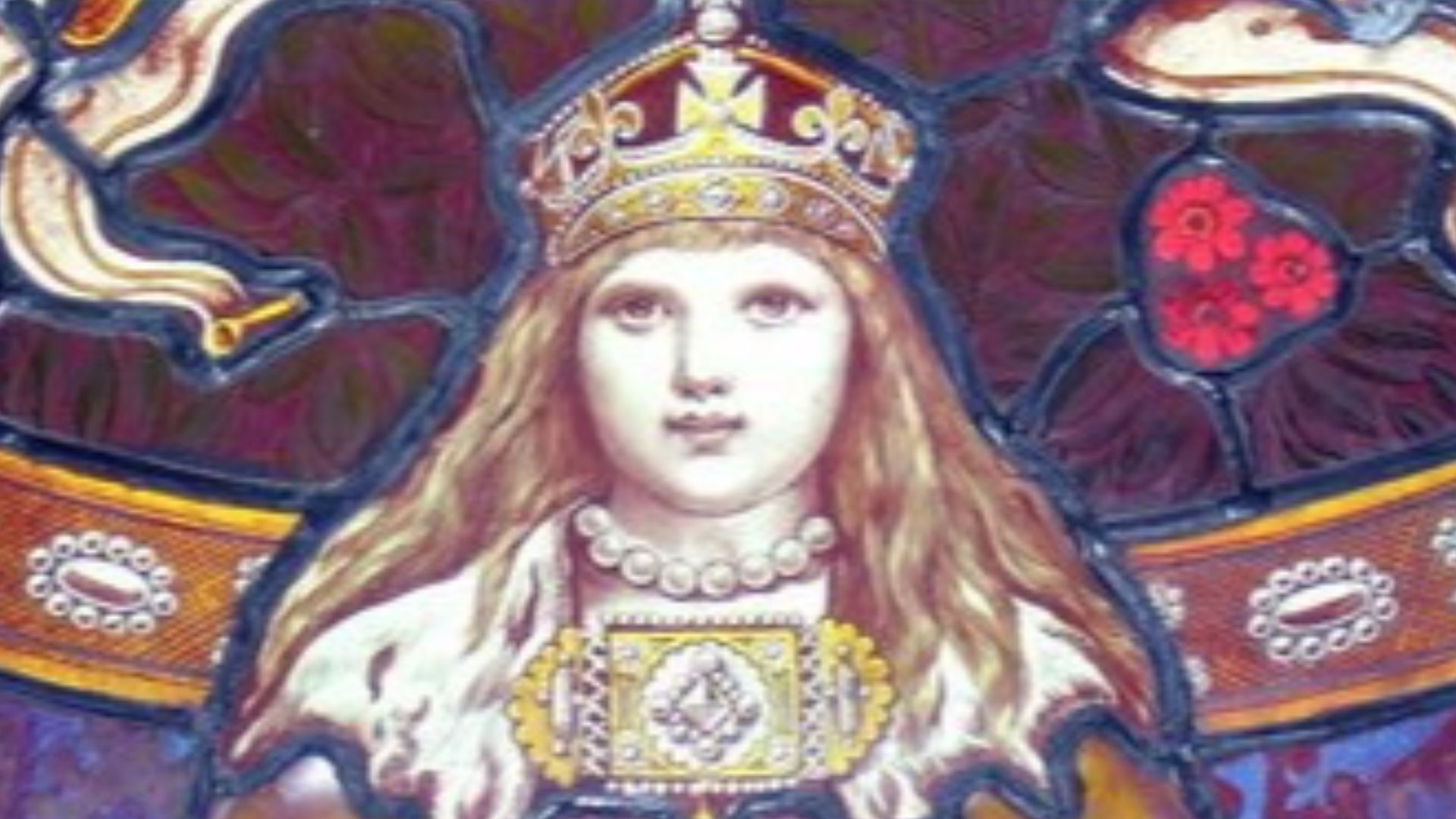
6. Margaret, Maid of Norway, and Food Poisoning
Food poisoning may have been responsible for the death of Margaret the Maid of Norway. No specific final dish has been reliably identified, so it's impossible to point to one food as the culprit. Her death nevertheless had enormous consequences because Scotland was suddenly left without a clear monarch.
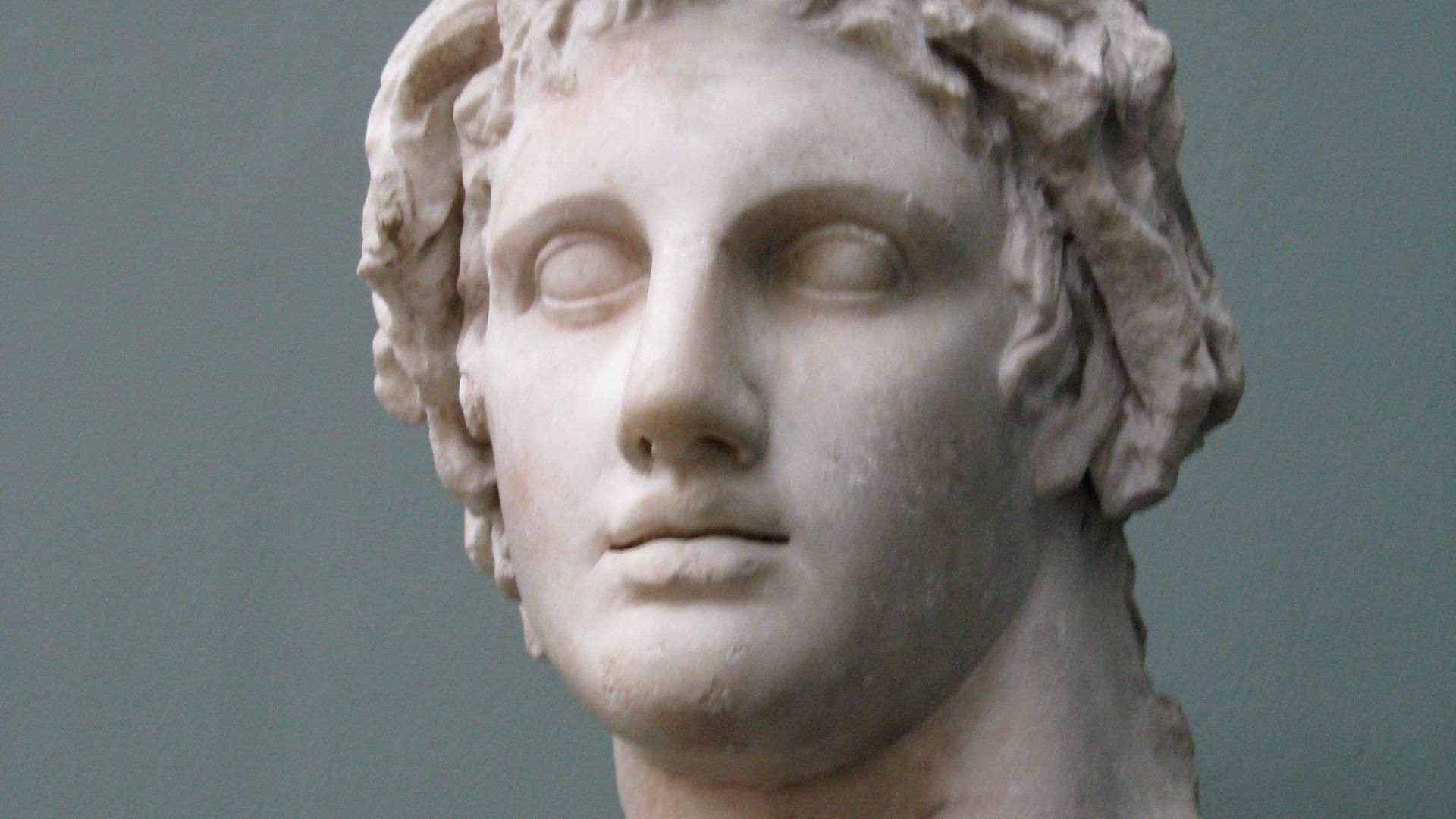
7. Alexander the Great and Wine
Alexander the Great spent his final days in Babylon attending lavish banquets and drinking wine with his companions. Ancient accounts describe him becoming seriously ill after one of these drinking sessions, although historians still debate the exact cause of his death. Wine therefore can't fairly be called the cause, but it certainly featured prominently in the famous king's final days.
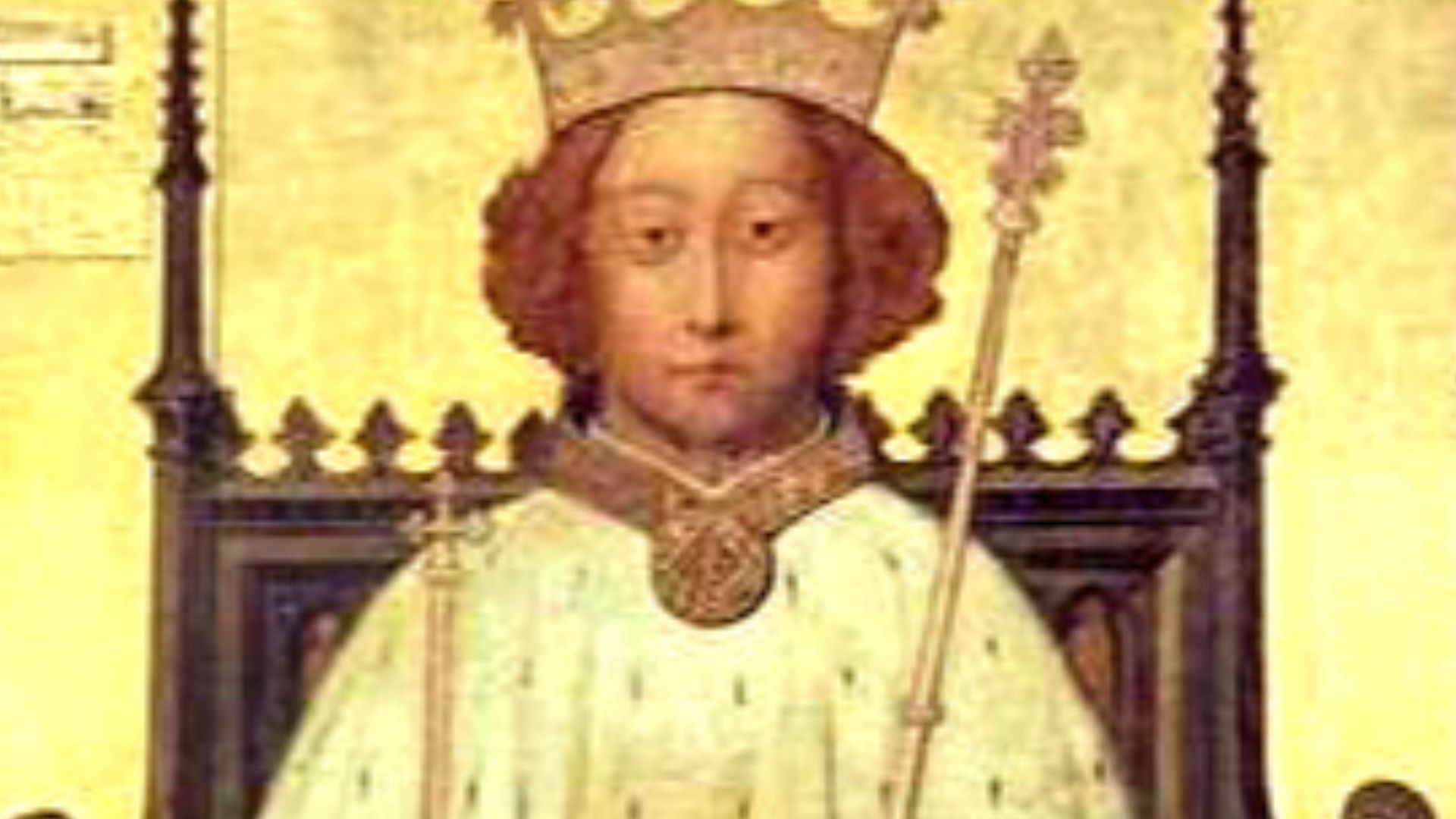
8. Richard II and the Lack of Food
There are no dishes that can be identified with the death of Richard II of England. However, he may have starved himself to death when he was held in prison. After losing his position as king in 1399, people believe he refused to eat any food.
 AnonymousUnknown author on Wikimedia
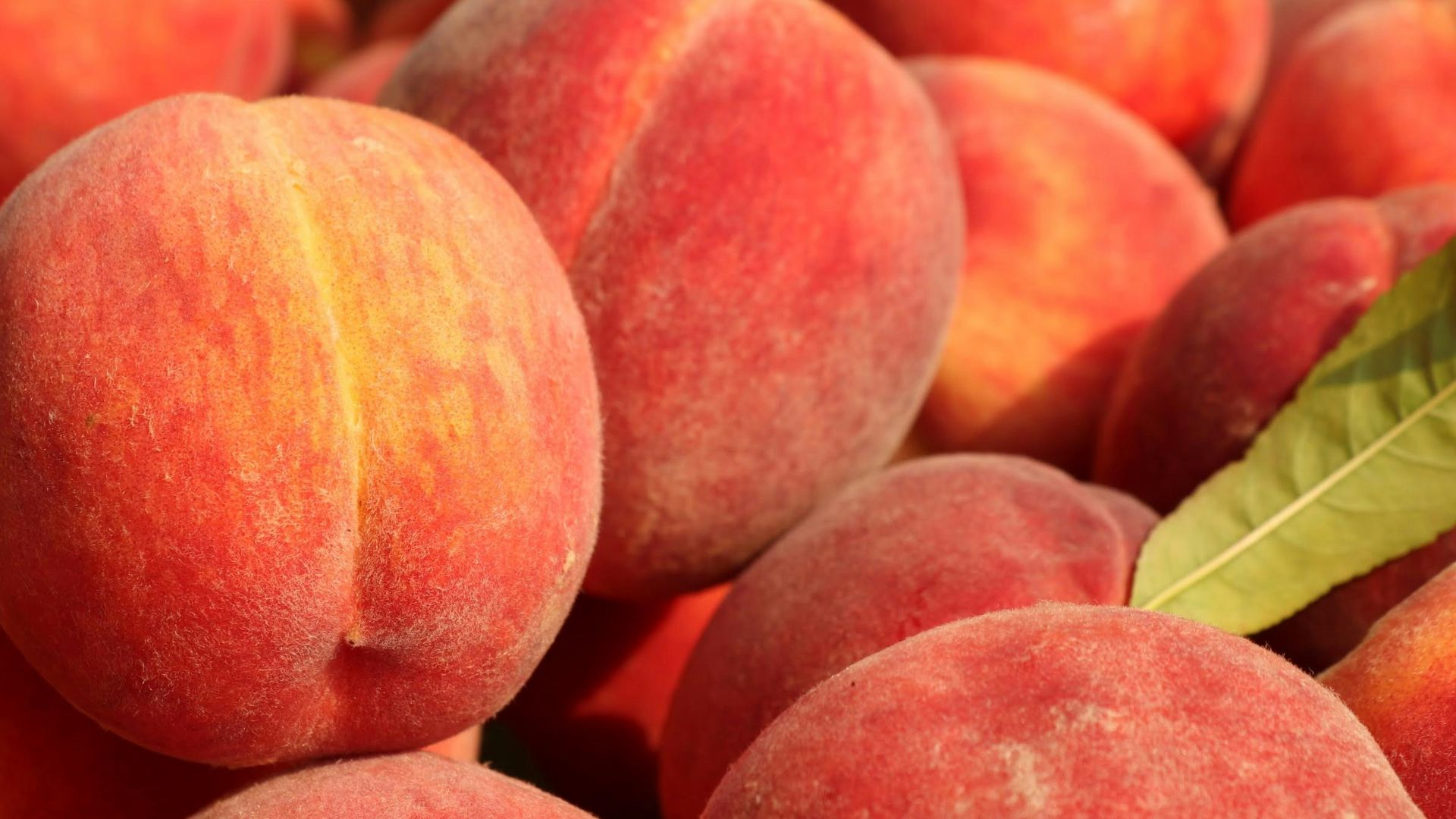
9. King John and Peaches
King John of England was known to have died after a last meal of peaches and cider. It was stated that he became ill after eating too many peaches and drinking too much cider. The peaches probably weren't responsible, but they've nevertheless become part of the colorful story surrounding his final days.
 NisonCo PR and SEO on Unsplash
10. Henry VIII and Meat
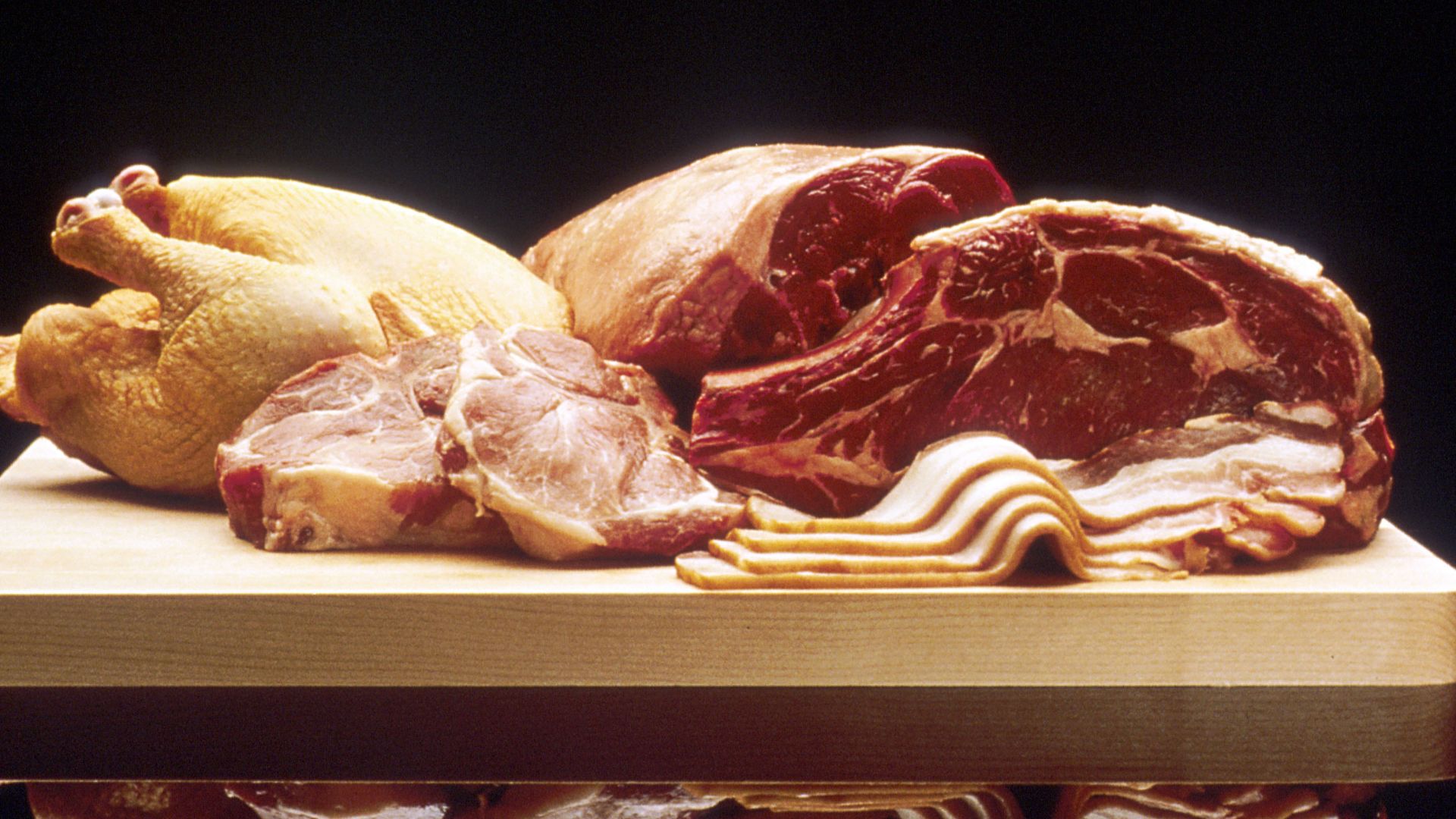
Henry VIII ate vast amounts of meat during his life, including beef, deer, lamb, and game. All these types of meat contributed to him gaining a lot of weight and suffering from gout in his later years. No single roast or pie killed Henry, but his famously heavy diet certainly didn't help his declining health.
 Unknown photographer on Wikimedia
11. Edward IV and Lavish Meals
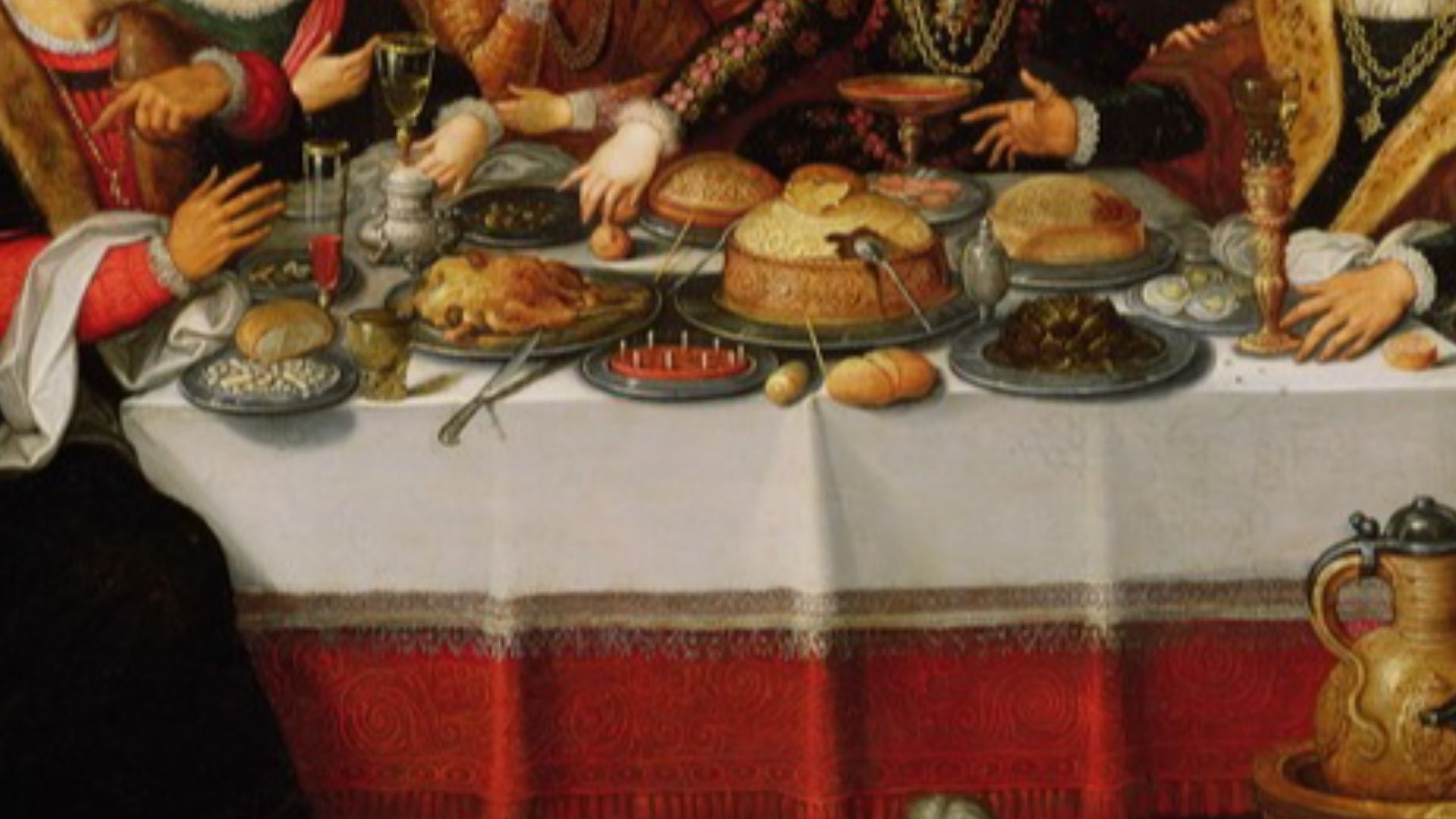
Edward IV had a huge appetite for food and was always enjoying large meals packed with different kinds of meat. Some believe that this could have caused him to fall ill toward the end of his life. His story shows how royal feasting could become a long-term health issue rather than the result of one disastrous meal.
 Gaspar van den Hoecke on Wikimedia
12. George IV and Turtle Soup
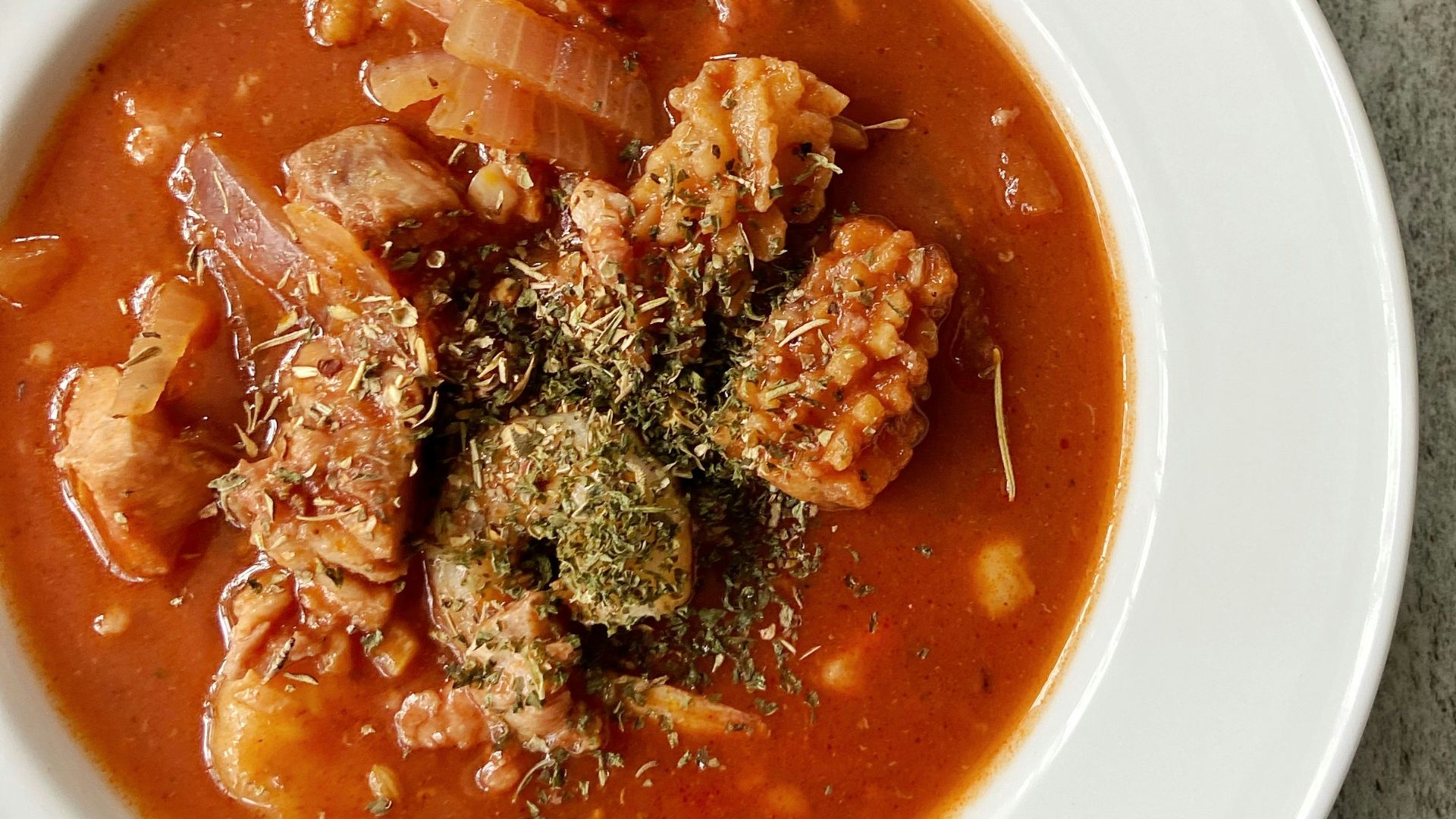
George IV had a huge appetite for food and loved to eat turtle soup. His meals could include dishes of pigeon and beefsteak pie, and he drank excessive amounts. These factors all contributed to him suffering from gout.
13. Louis XIV and Rich Foods
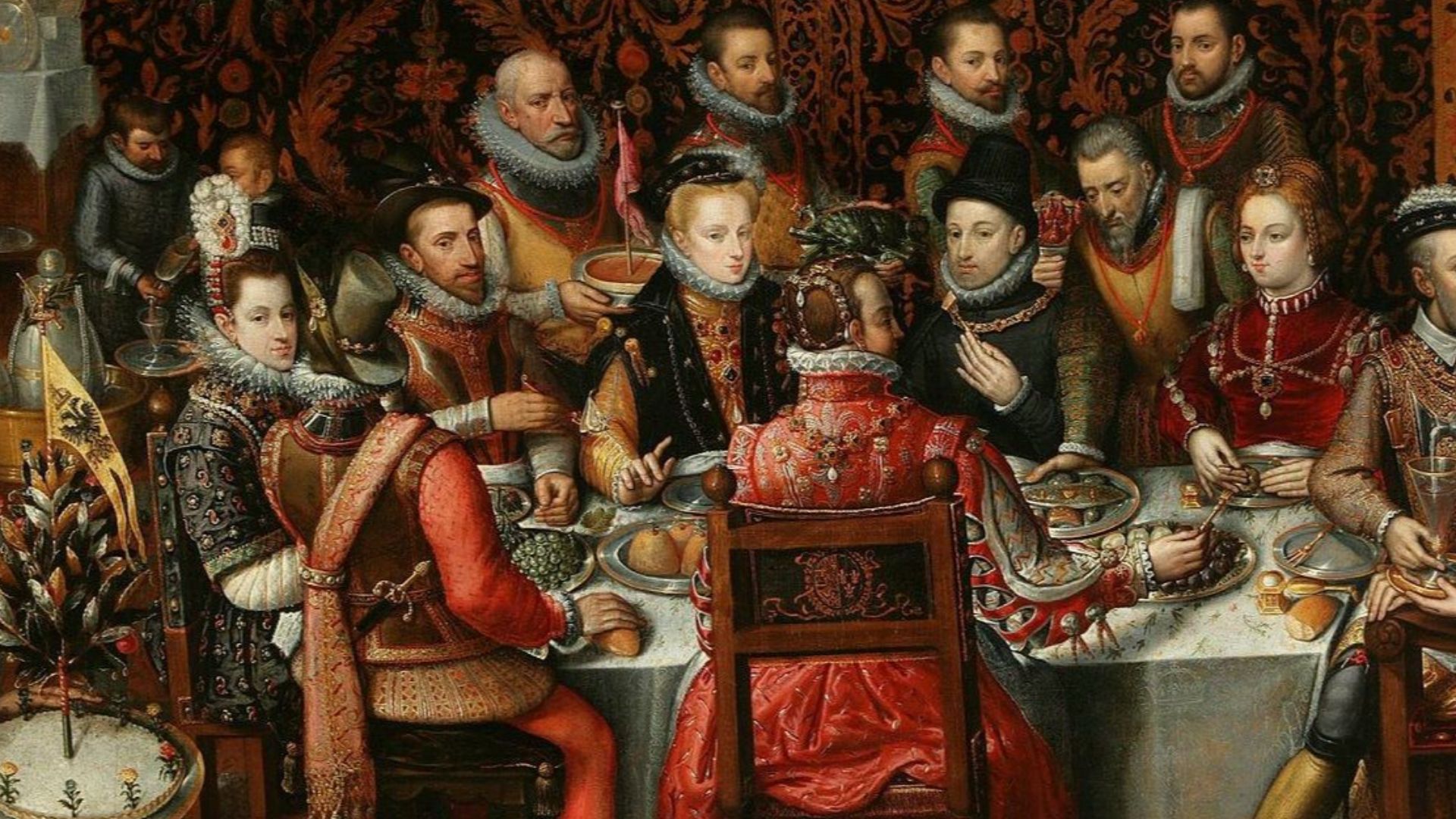
As King of France, Louis XIV had meals full of meat, game, and other delicious treats. Throughout his life, he gained weight and suffered from gout. His passing followed a serious illness involving his leg, so no particular food can be blamed, although his diet certainly didn't make his health problems easier.
 Alonso Sánchez Coello on Wikimedia
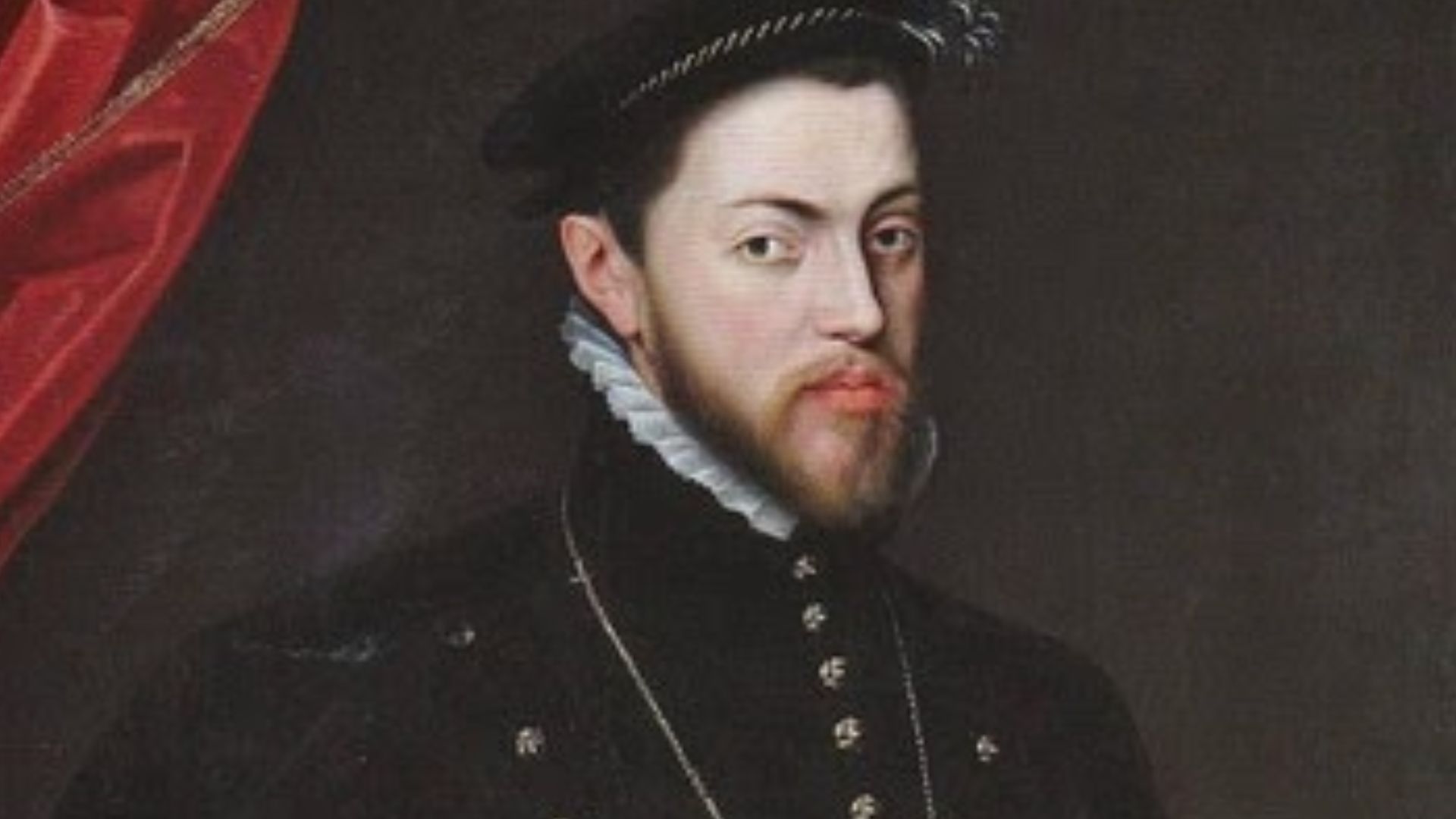
14. Philip II of Spain and Rich Foods
Like most royals, Philip II of Spain suffered from gout. During the time they lived, there was plenty of rich food and alcohol that would have contributed to this. He likely ate lots of red meat and other high-fat dishes.
 Jooris van der Straeten on Wikimedia
15. Charles V and Fish
Emperor Charles V was also afflicted with gout and had eaten fish to reduce its symptoms. It is always amusing to see people eat a type of food they should not and think it will heal them. Charles eventually died from malaria in 1558, so fish was certainly not responsible for his death.
16. Martin of Aragon and Goose
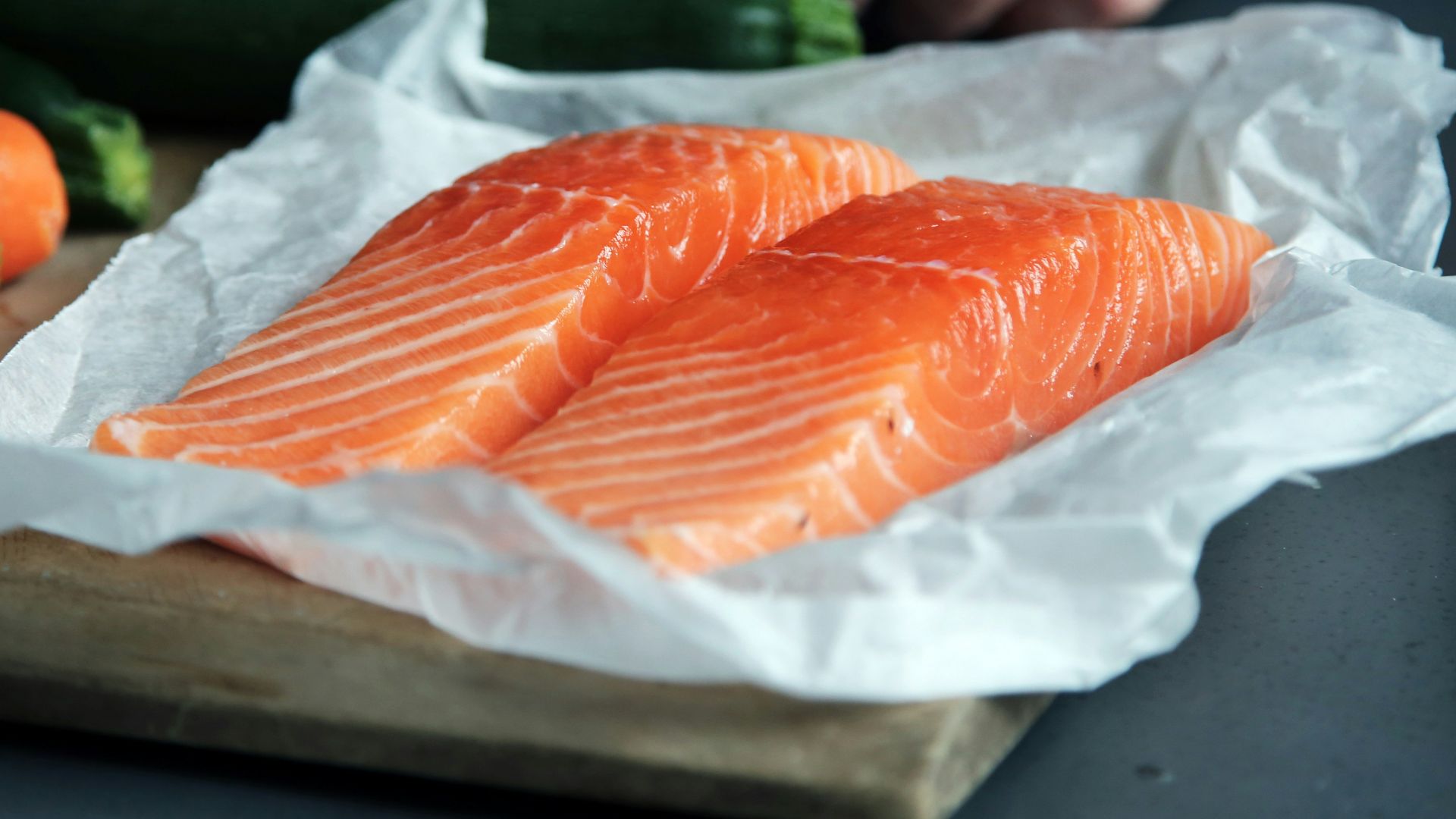
Martin of Aragon was said to have eaten a whole goose when he was already feeling ill from overeating. According to a later story, his jester then made him laugh about a deer hanging from a tree, causing him to laugh so hard that he died. The tale is difficult to verify, but an entire goose makes for one of history's most memorable royal meals.
17. Theophilus and Snow
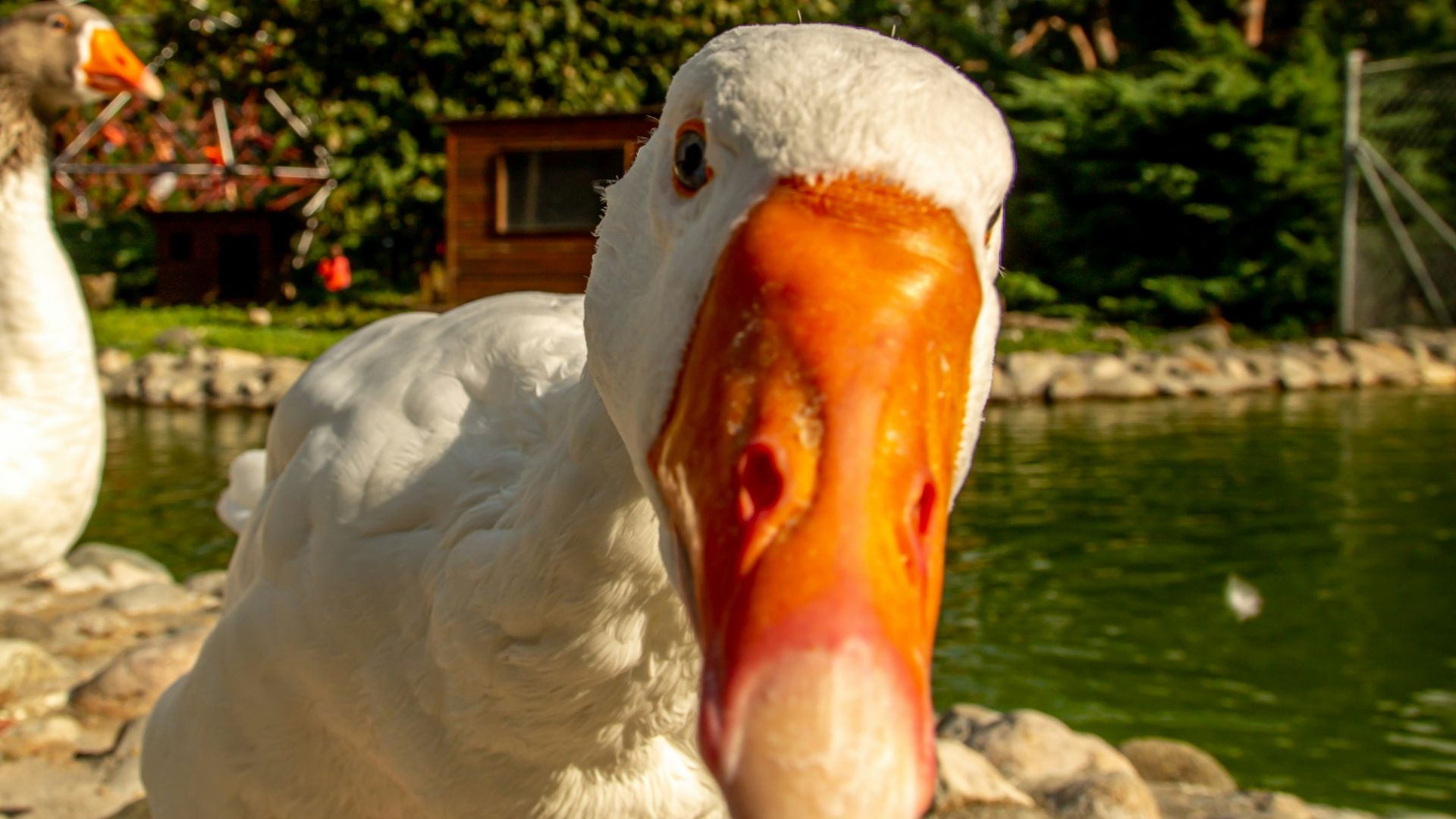
Byzantine Emperor Theophilus reportedly consumed snow because he believed it could relieve his stomach discomfort. He eventually died from dysentery in 842, although the snow itself wasn't necessarily responsible for his illness. His strange habit shows how people, including emperors, often turned to unusual foods and remedies when they were feeling unwell.
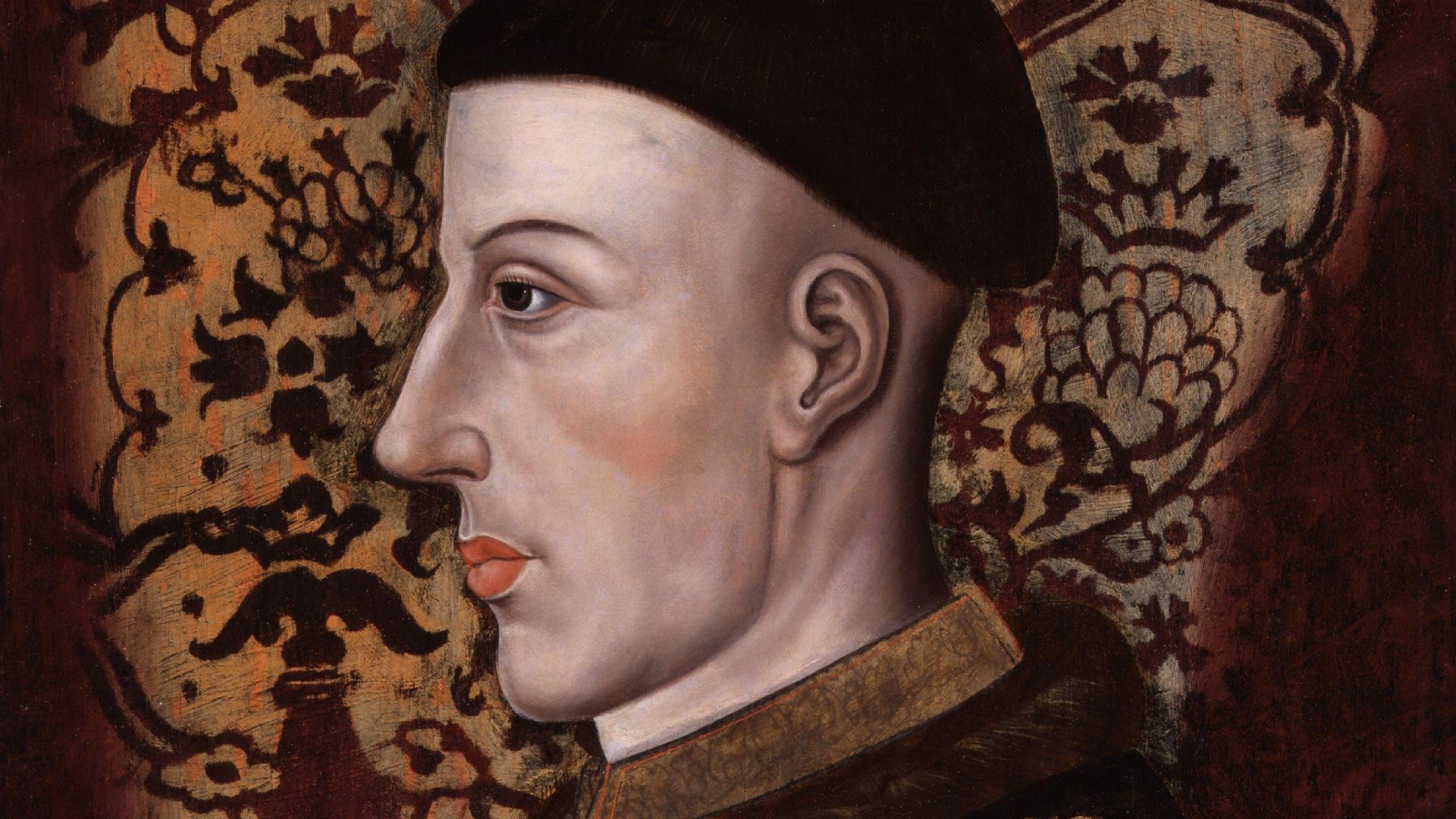
18. Henry V and Contaminated Food
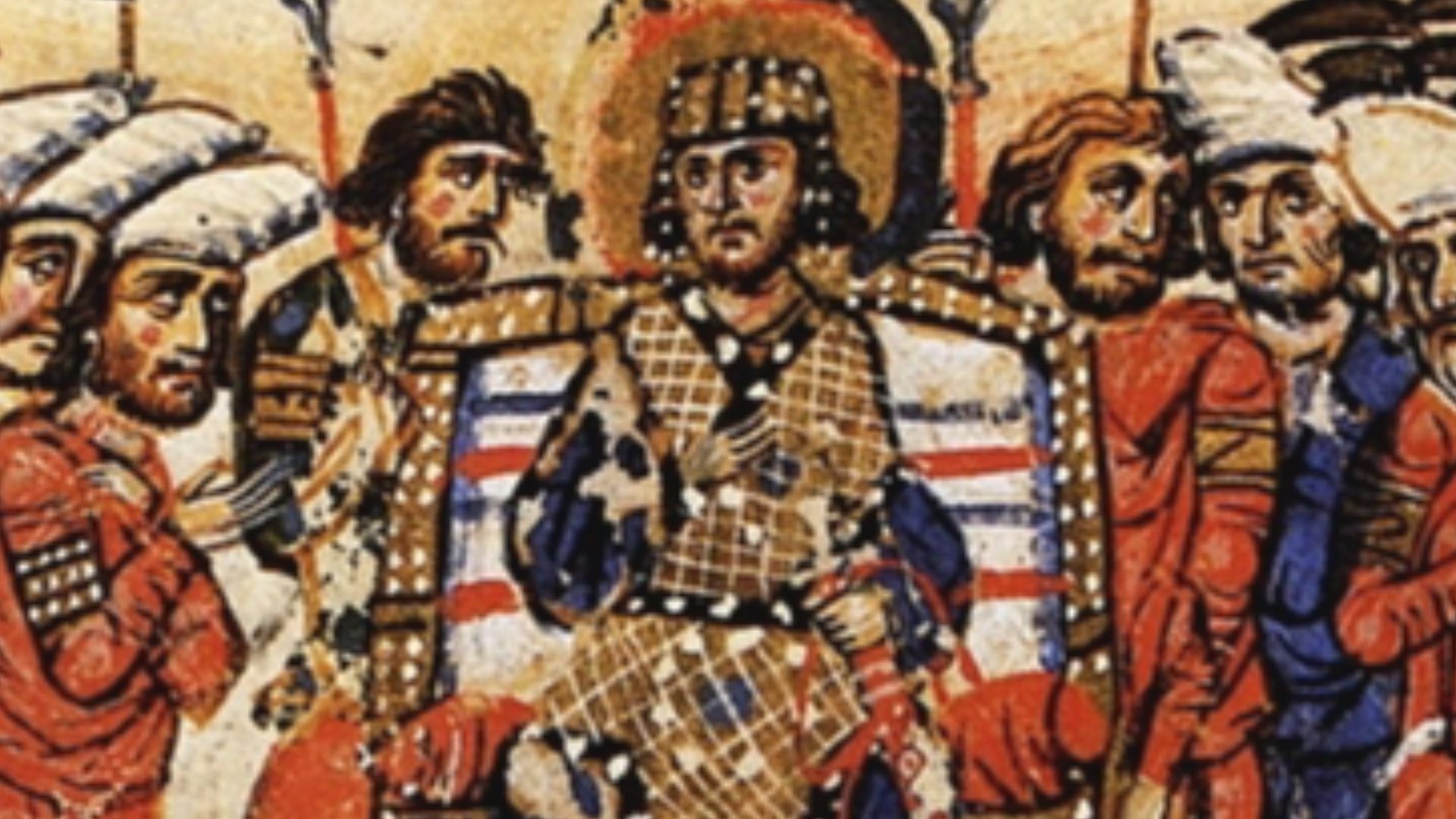
When Henry V died in 1422, it was believed that he passed from dysentery. He could have easily consumed impure food and gotten sick from it. There isn't a specific final dish to blame, but ordinary campaign food may have exposed him to the illness that ended his reign.
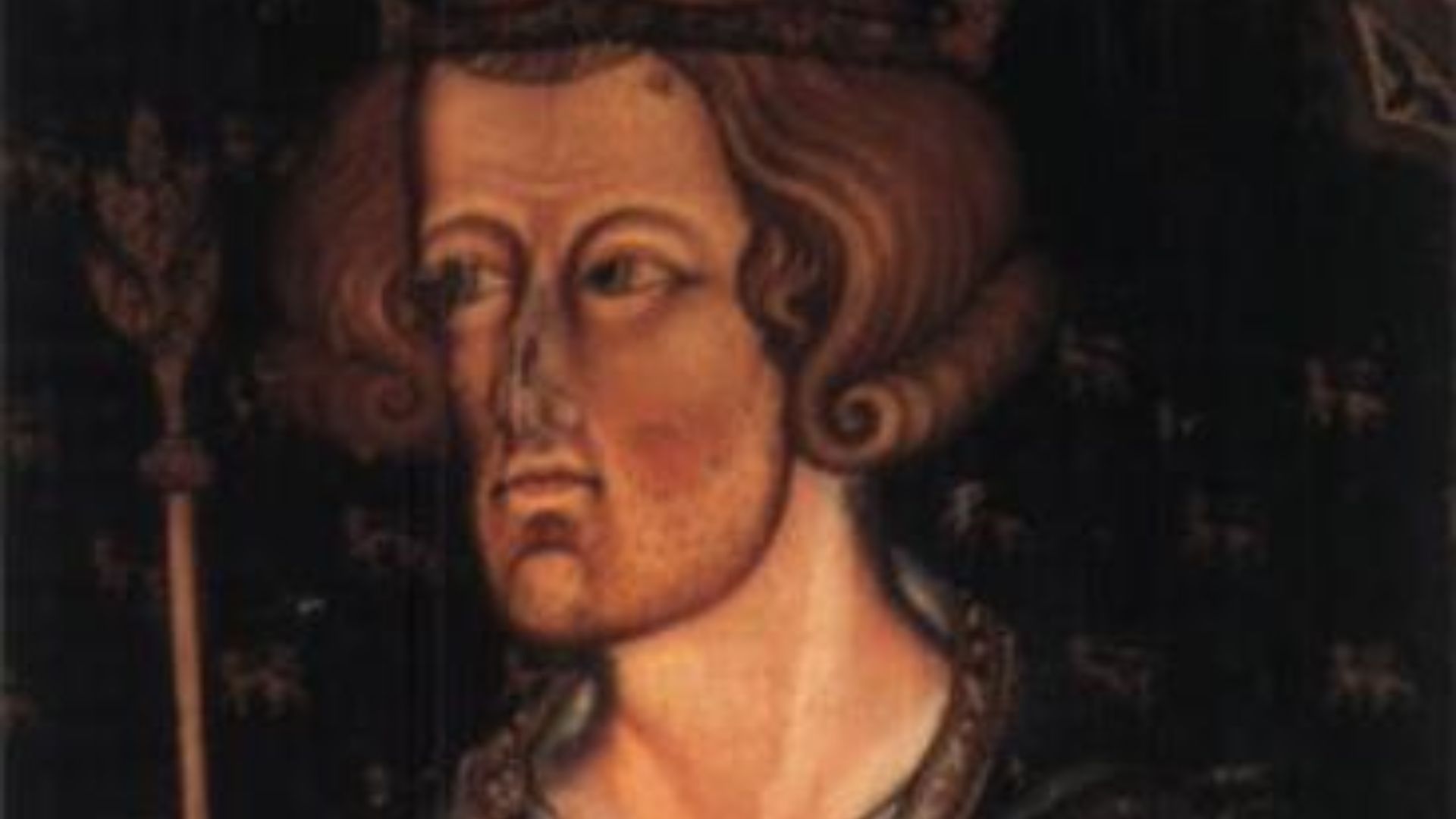
19. Edward I and Camp Food
Edward I is another person who may have passed from dysentery while on a trip through the north of England. It could have been from a bad meal, but we will never know. Food always plays a role when humans become sick, and even kings cannot live without it.
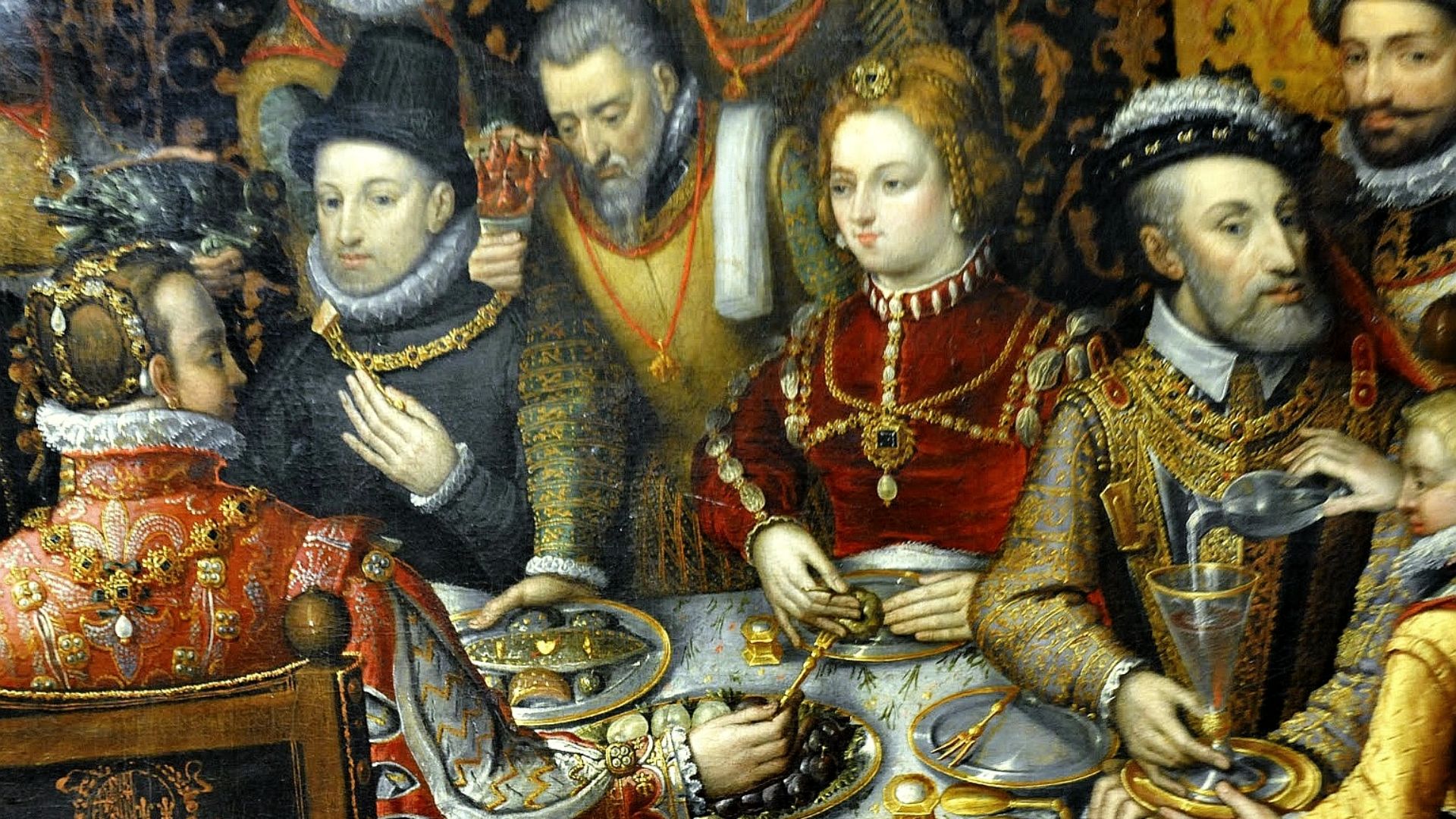
20. Royal Feasts and Overindulgence
Lampreys, mushrooms, semlas, peaches, goose, and wine are all foods that can be linked to royal passings. Many of these stories could have been an exaggeration, and the royal could have died from something else. But it's fun to think about what some of our great leaders liked to eat.
 Alonso Sánchez Coello on Wikimedia
KEEP ON READING
20 Foods That Ended The Lives Of Powerful Kings

20 Kirkland Copycat Recipes You Can Make At Home