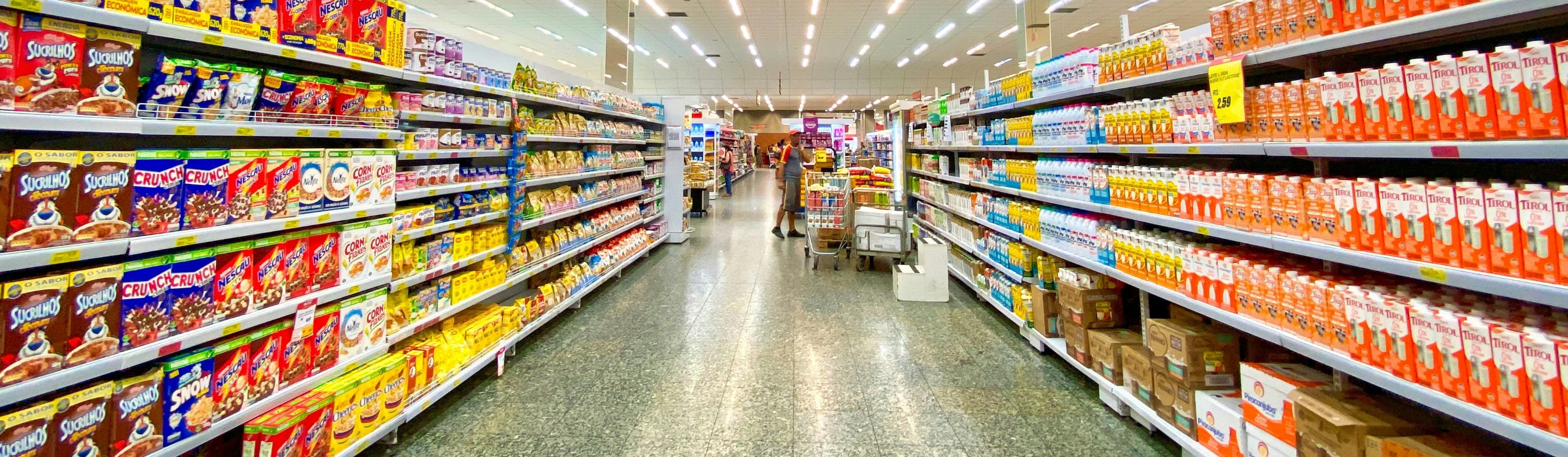
Grandpa Was Paying Attention
Our grandfathers may not have scanned every digital offer or followed influencer, but they knew how to leave the store without wasting half their budget. The best habits are often small, practical decisions that we really should have paid attention to back then—but there’s no time like the present to revisit some of the strategies and learn that they actually made a lot of sense. The next time your grandfather spends five minutes inspecting a bag of potatoes, you may want to let him work!
1. Open the Egg Carton
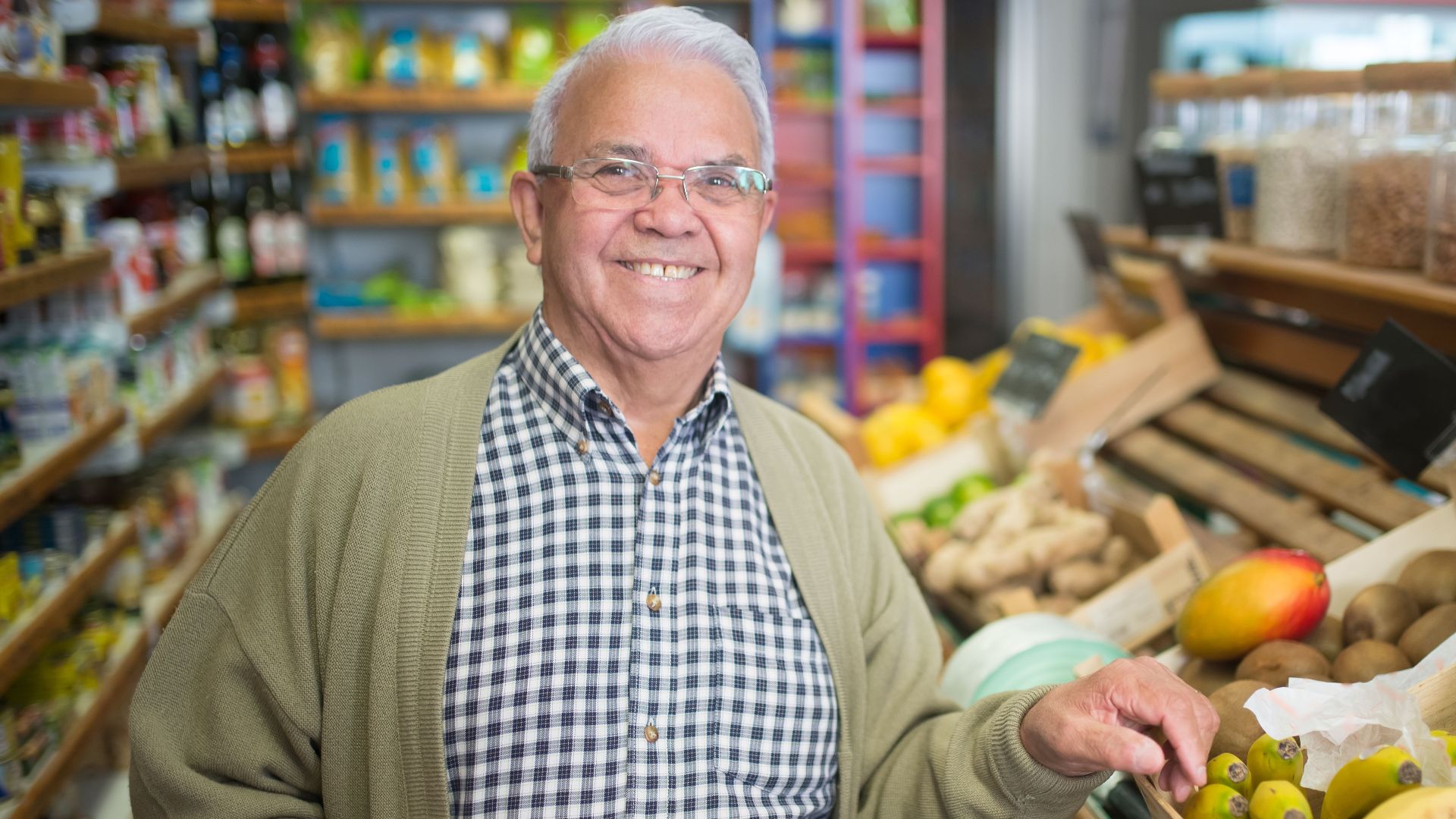
Grandpa won’t place a carton of eggs in his cart without lifting the lid and inspecting every shell. Though it seems weird to us now, it’s one of the most important ways to ensure you don’t get ripped off. It only takes a few seconds, and it prevents an unpleasant surprise when breakfast is already underway.
2. Break Up the Banana Bunch
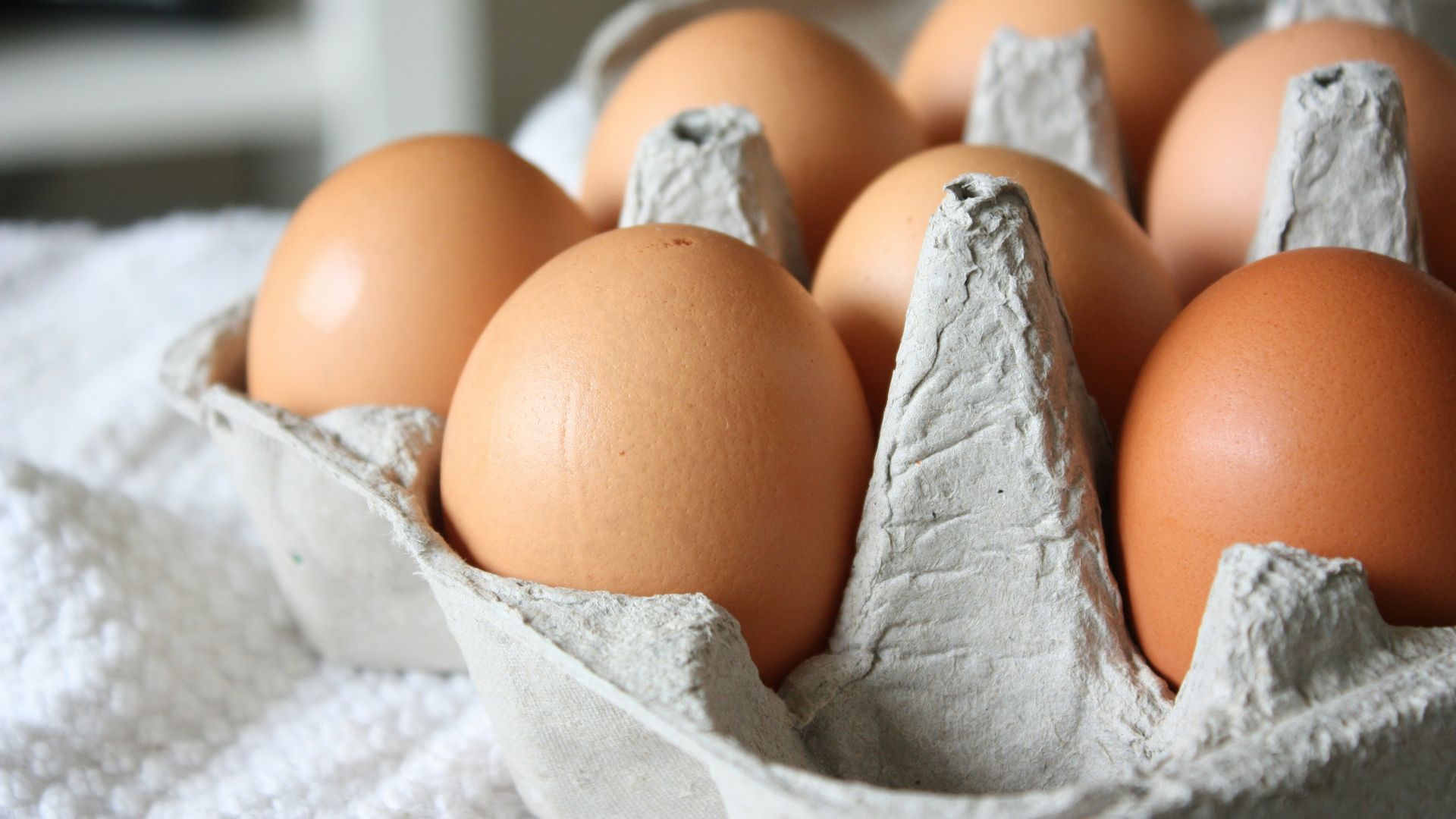
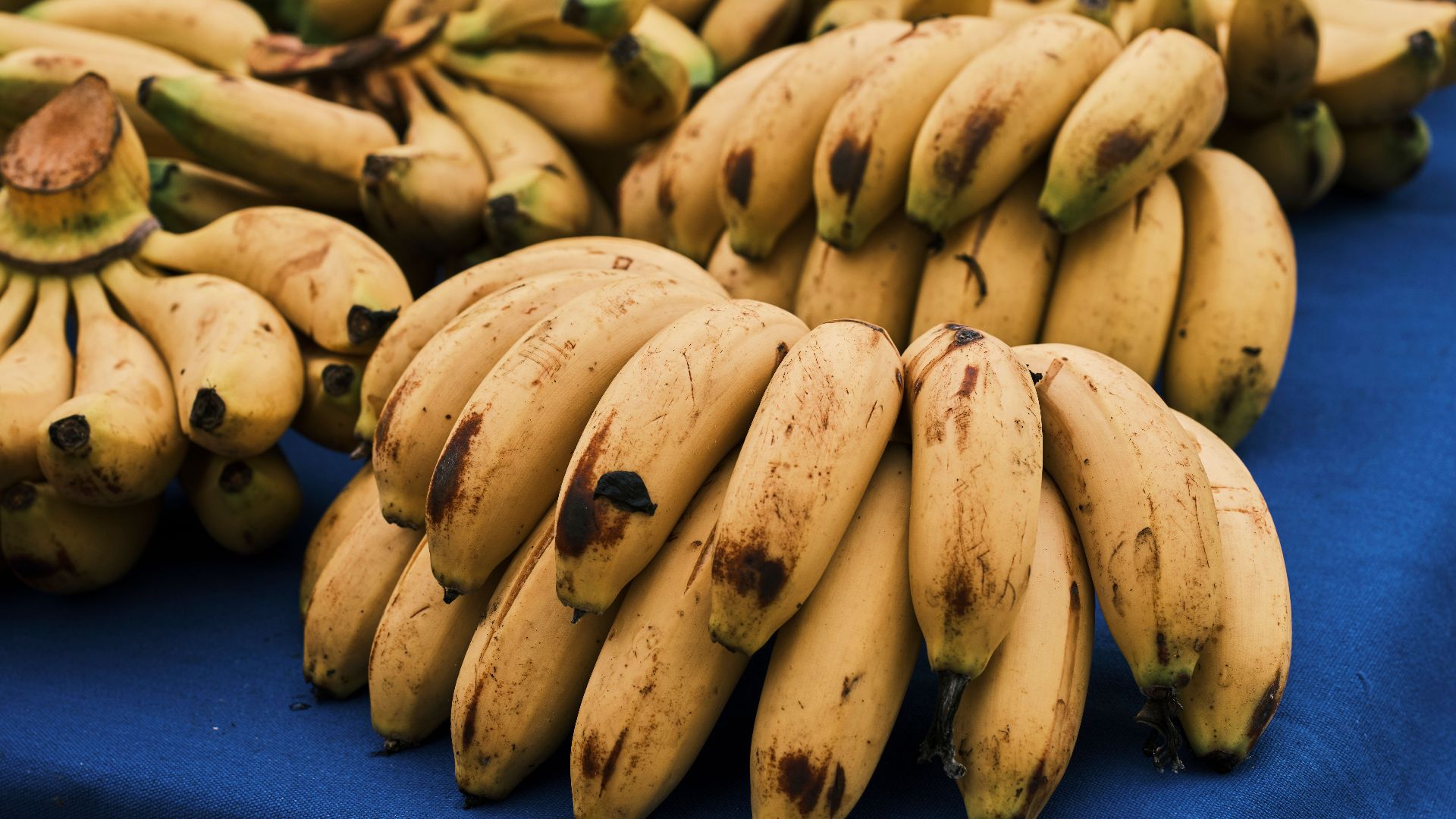
There’s no rule saying you have to buy every banana attached to the bunch. There’s no shame in taking four instead of seven when that’s all you expect to eat, saving the remaining fruit from turning brown on your counter. Buying an exact quantity is especially helpful for anyone living alone.
3. Choose Bananas at Different Stages
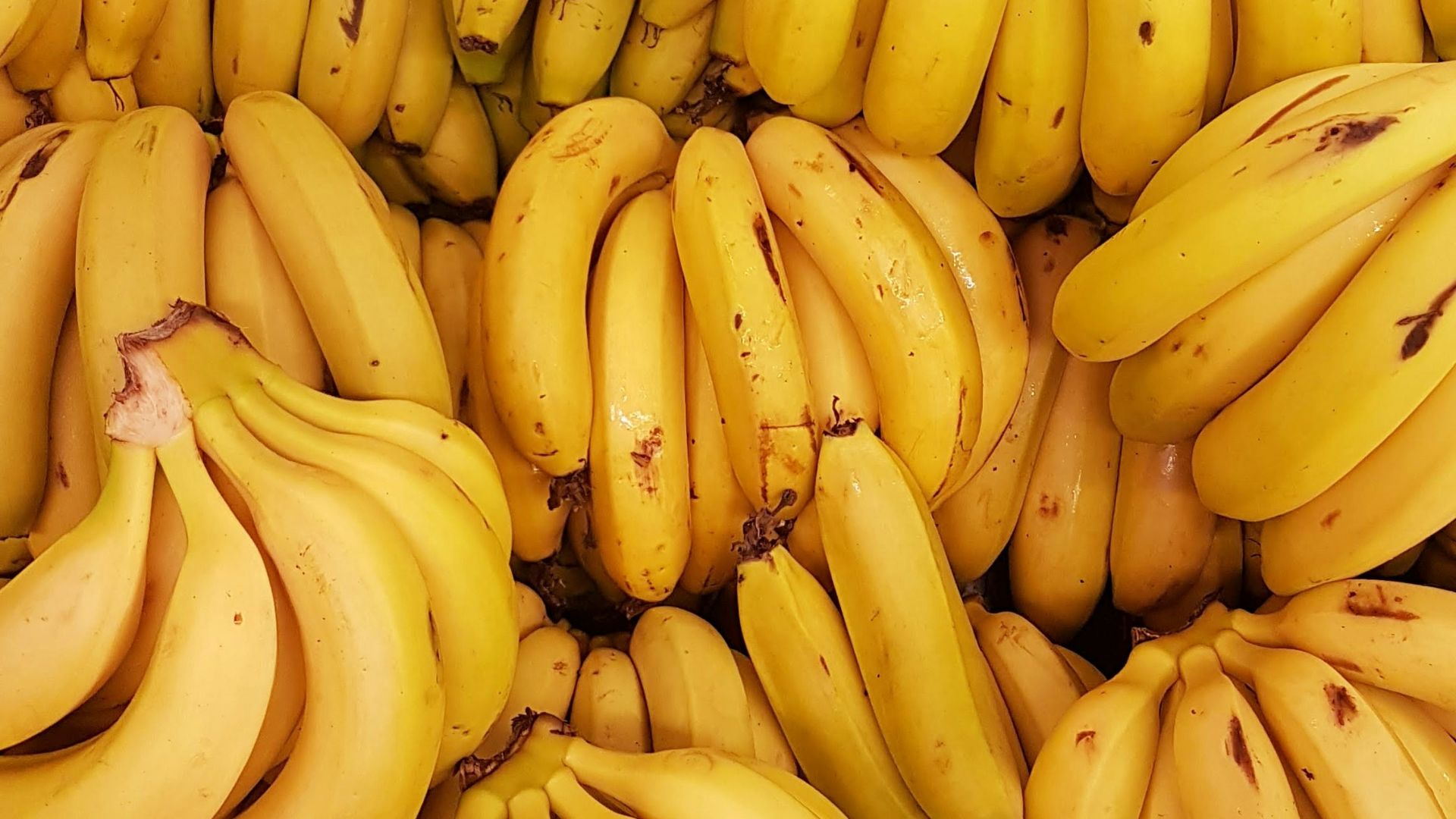
While we’re on the topic of bananas, rather than selecting six perfectly yellow ones, you can mix a couple of ripe ones with several greener pieces. The ready-to-eat fruit handles the next few days, while the greener bananas have time to ripen later in the week. Now, you’re less likely to face an entire bunch that needs to be eaten immediately.
4. Inspect Potato Bags From Below
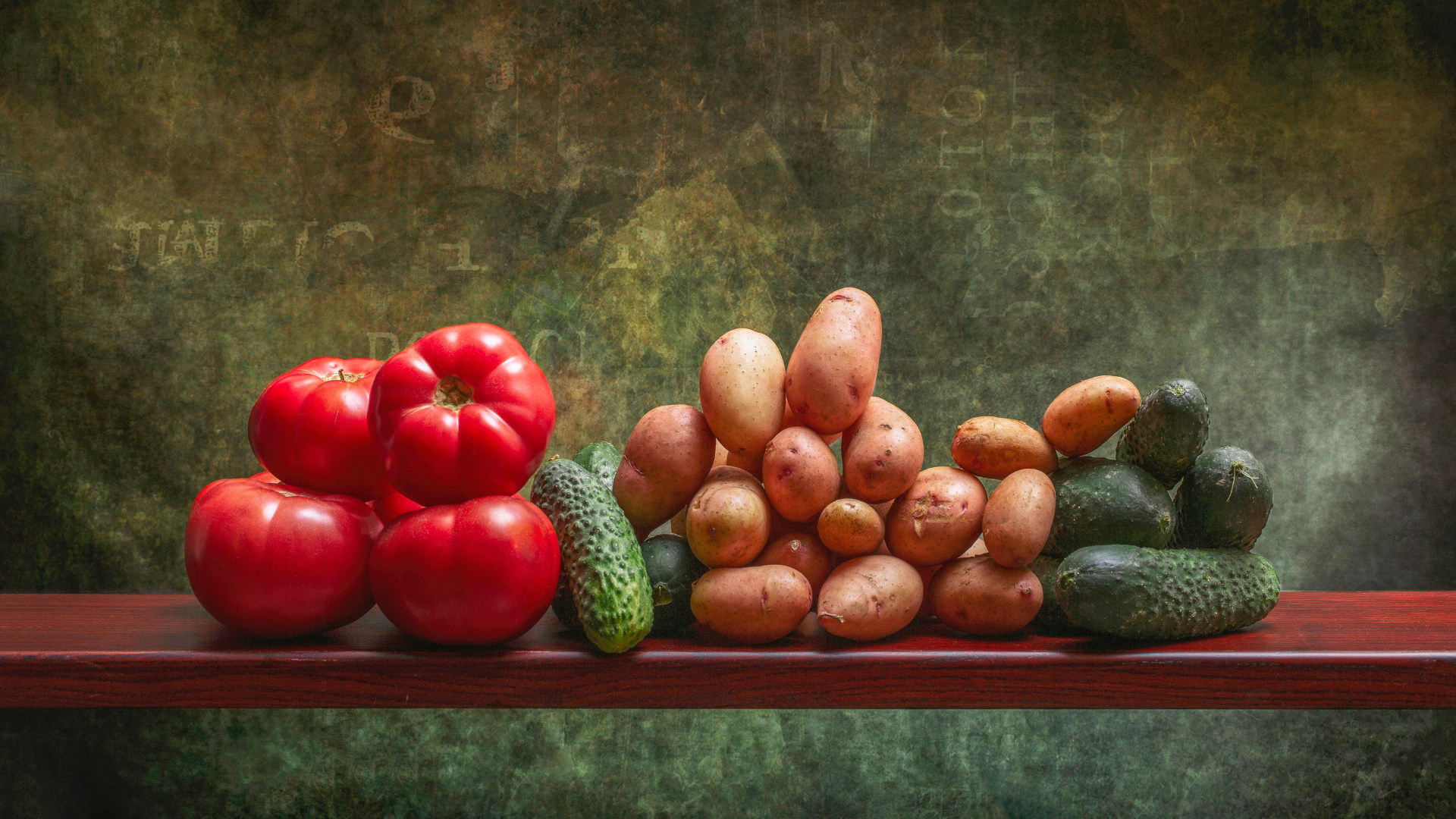
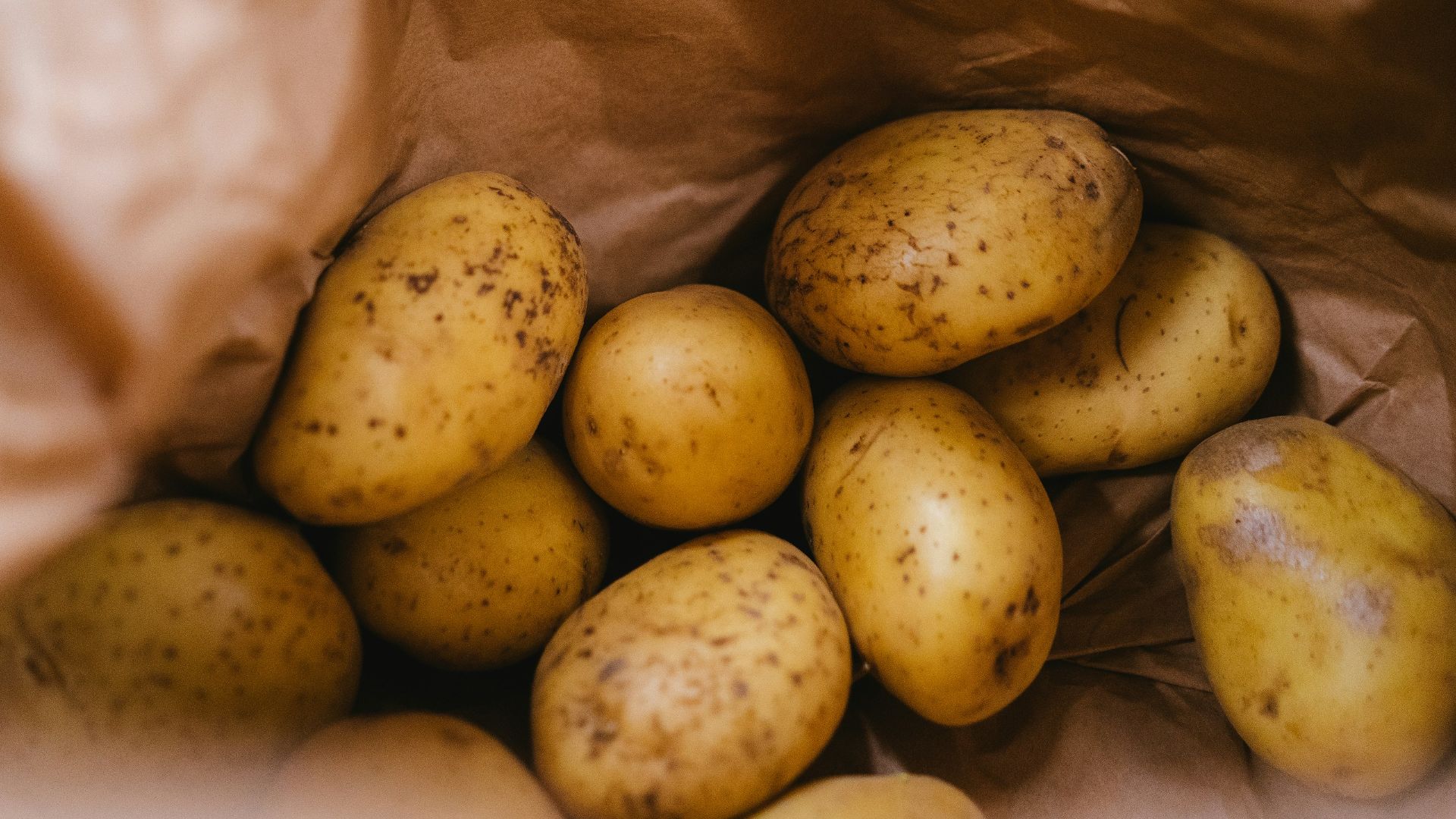
A bag of potatoes can look flawless from the top while hiding a soft or leaking one underneath. And do you know who knows that the most? Grandpa! He turns the package over and checks the corners for moisture, sprouts, dark spots, and torn plastic before buying it. Finding one spoiled potato early can keep it from affecting the rest of the bag at home.
5. Buy Produce One Piece at a Time
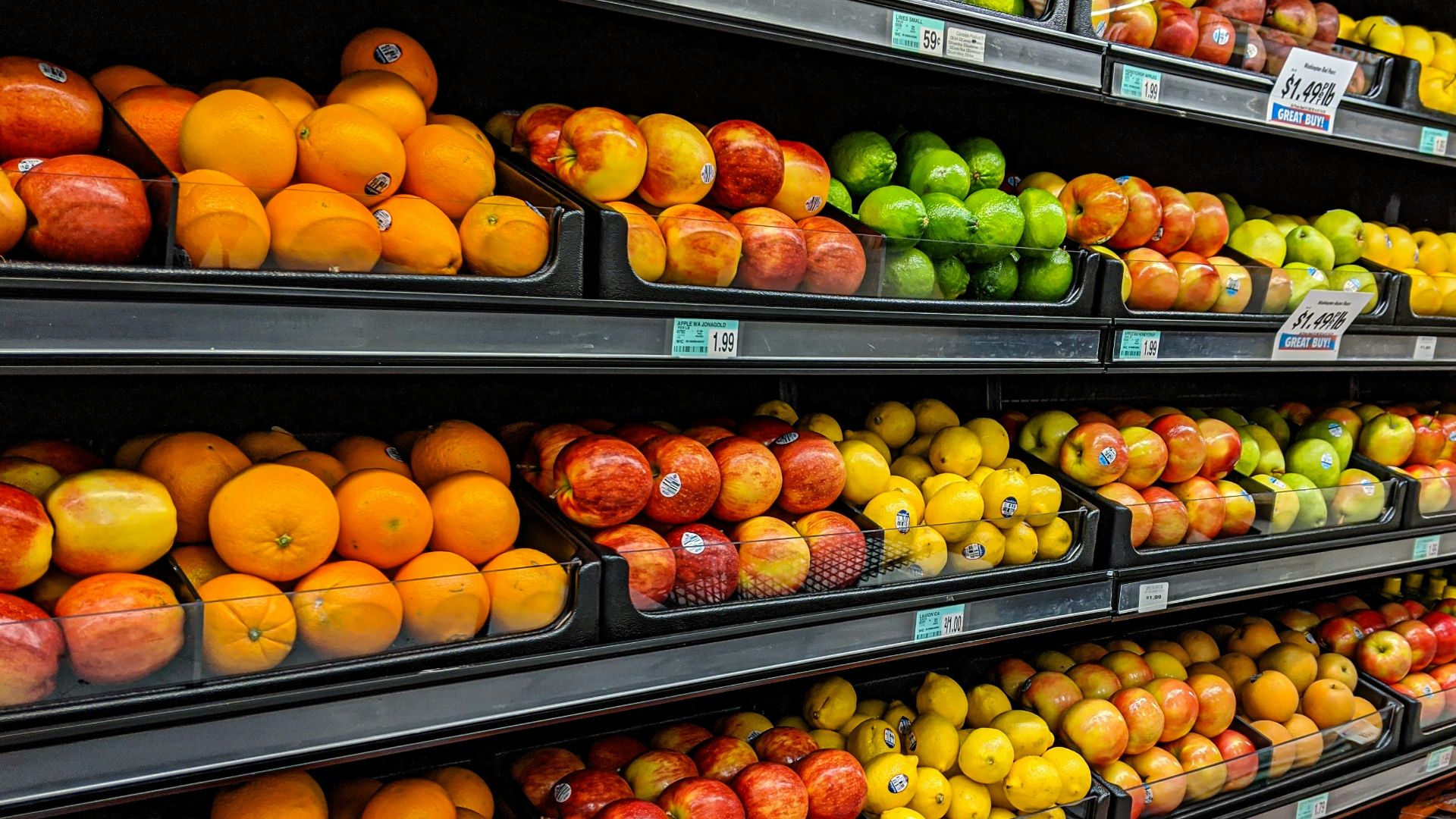
Prepacked nets of lemons and garlic are convenient, but they also contain more food than a small household needs. Grandpa knows the value of taking one from the loose display when the recipe doesn’t require anything else. The price per piece might not look like a ton, but throwing away unused produce costs more.
6. Weigh Fixed-Price Produce Bags
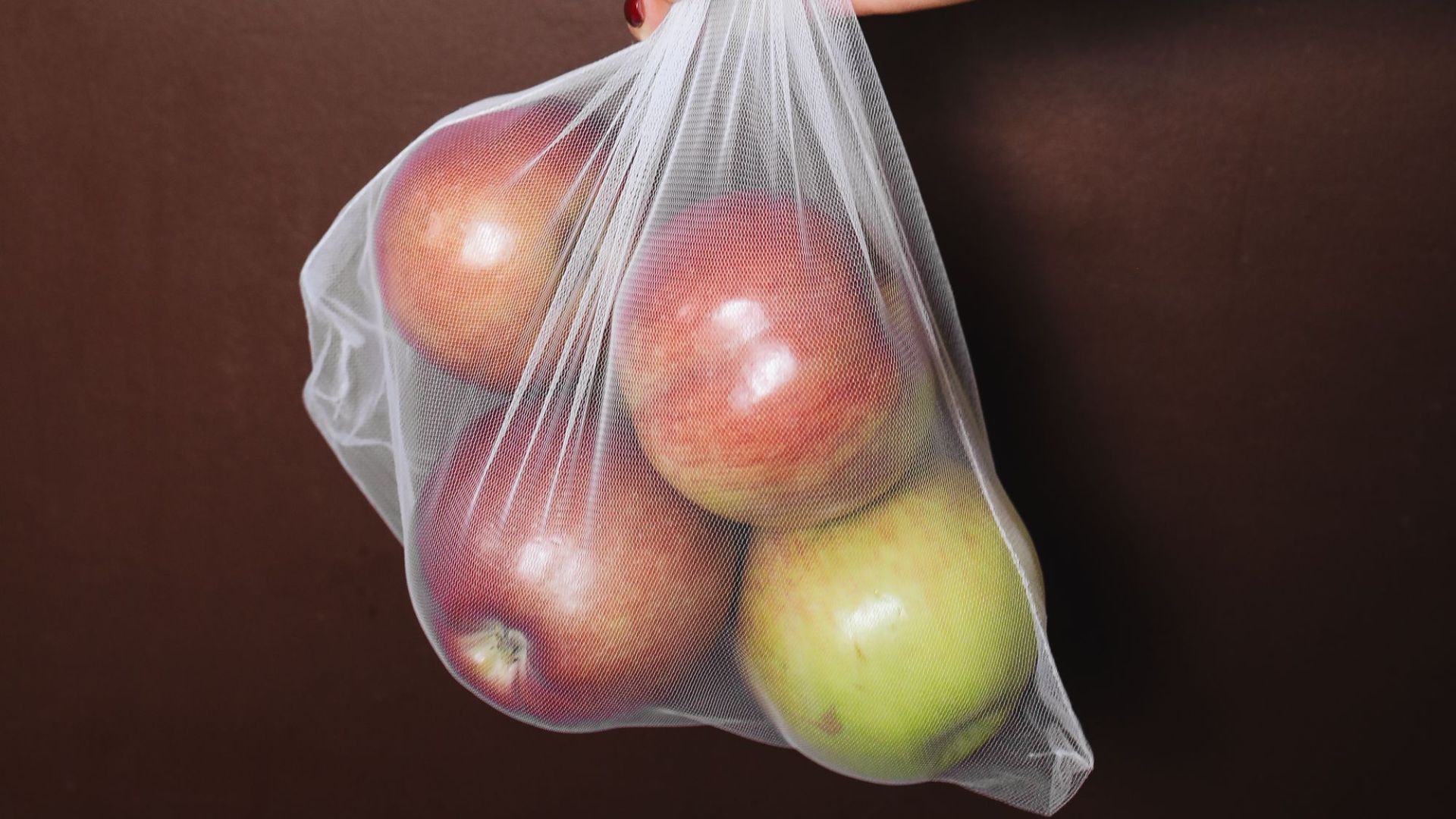
When several bags of apples are sold for the same flat price, their actual weights can vary slightly. We like to chirp our grandparents for pinching pennies, but that’s how you save over time! He places two or three bags on the produce scale and chooses the fullest one, provided the fruit inside is still in good condition. He’s not paying the same price for less food.
7. Notice Whether Produce is Priced Per Item
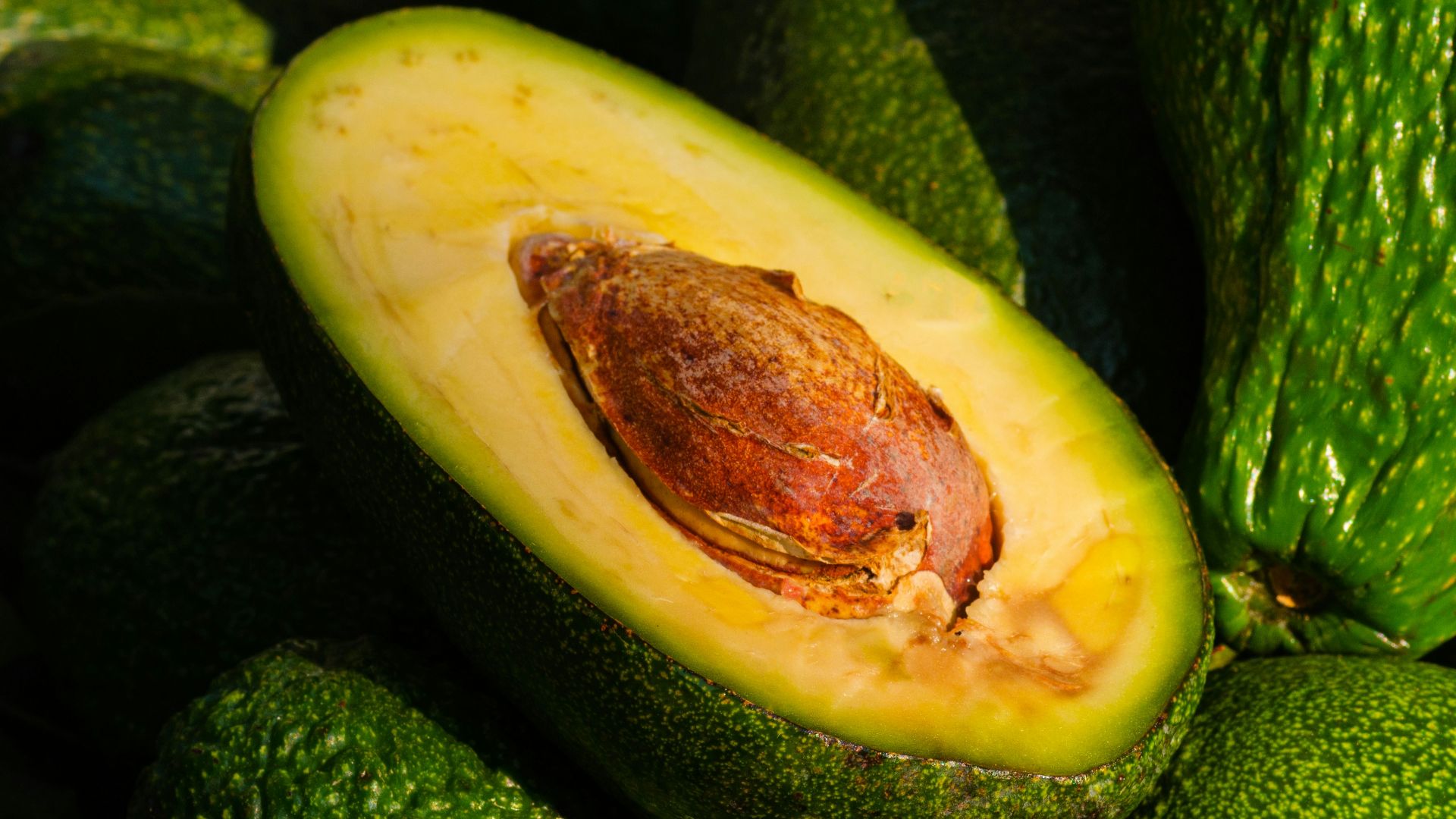
A large avocado is usually the better choice when every avocado costs the same amount, while a smaller one may make more sense when the price is based on weight. Grandpa reads the sign before just grabbing the biggest piece in the display, and that distinction completely changes which option has better value.
8. Read the Drained Weight
Did you know that two cans can appear identical until you examine how much solid food each one contains? Grandpa does, and that’s why he checks the drained weight when it’s printed on the label instead of comparing only the total weight, which includes water or syrup. A cheaper can isn’t much of a bargain when most of it is liquid.

9. Order the Exact Deli Amount
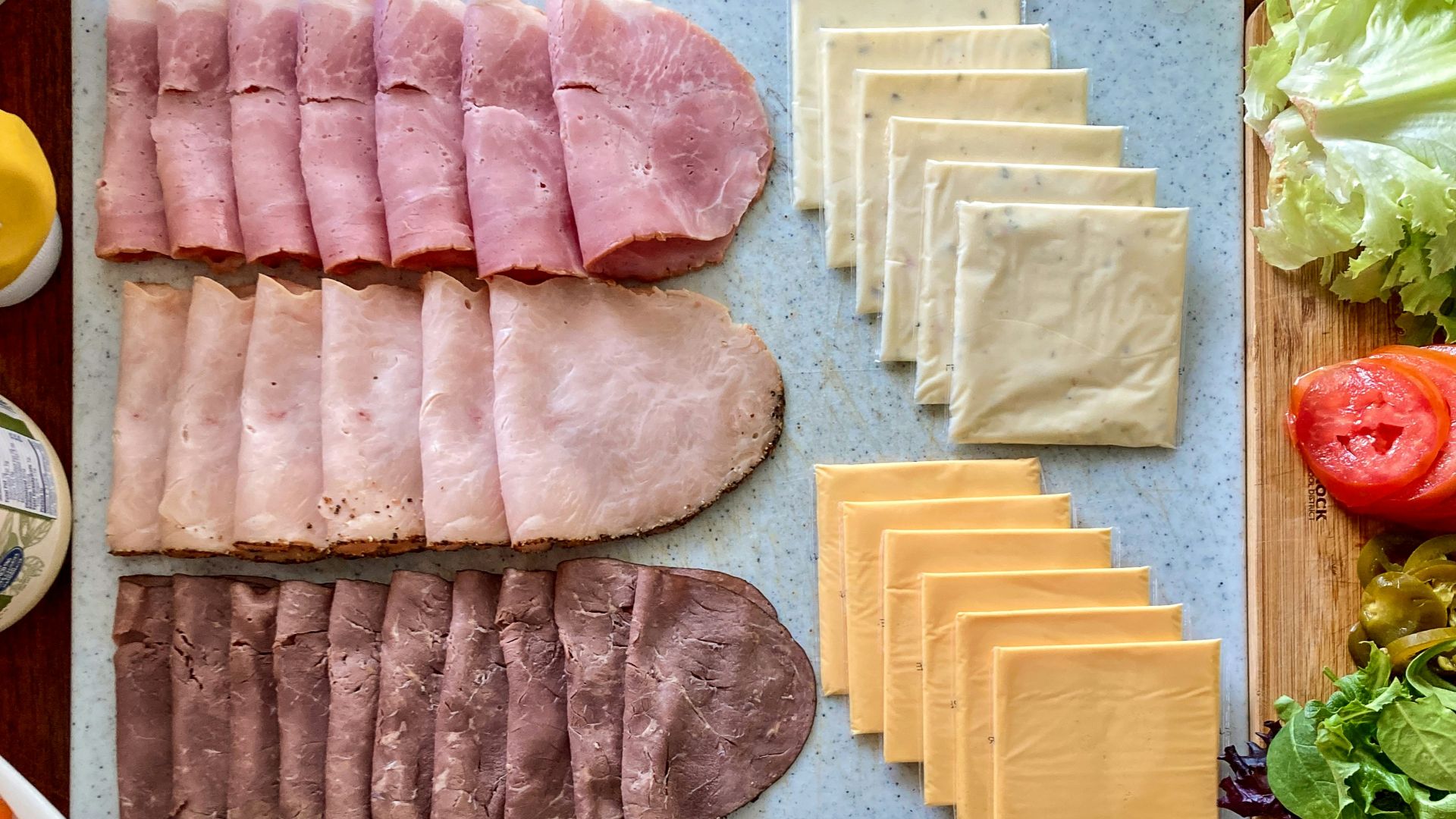
Grandpa doesn’t ask for a pound of sliced turkey—he considers how many sandwiches he’ll realistically make and might request six ounces instead, especially when shopping for one person. Fresh deli meat is incredibly expensive when you purchase more than you’ll finish, and there’s really no reason to grab a ton in the hopes that you’ll finish it before the expiry date.
10. Ask About Deli Ends
Some deli counters sell the irregular ends of ham, turkey, and cheese for less than neatly sliced portions. Those pieces may not look ideal on a party platter, but if you’re the only one eating it, who cares? They work perfectly well in omelets, soups, casseroles, and chopped sandwiches, and older generations know that it never hurts to ask whether an ends-and-pieces package is available.
11. Talk to the Butcher
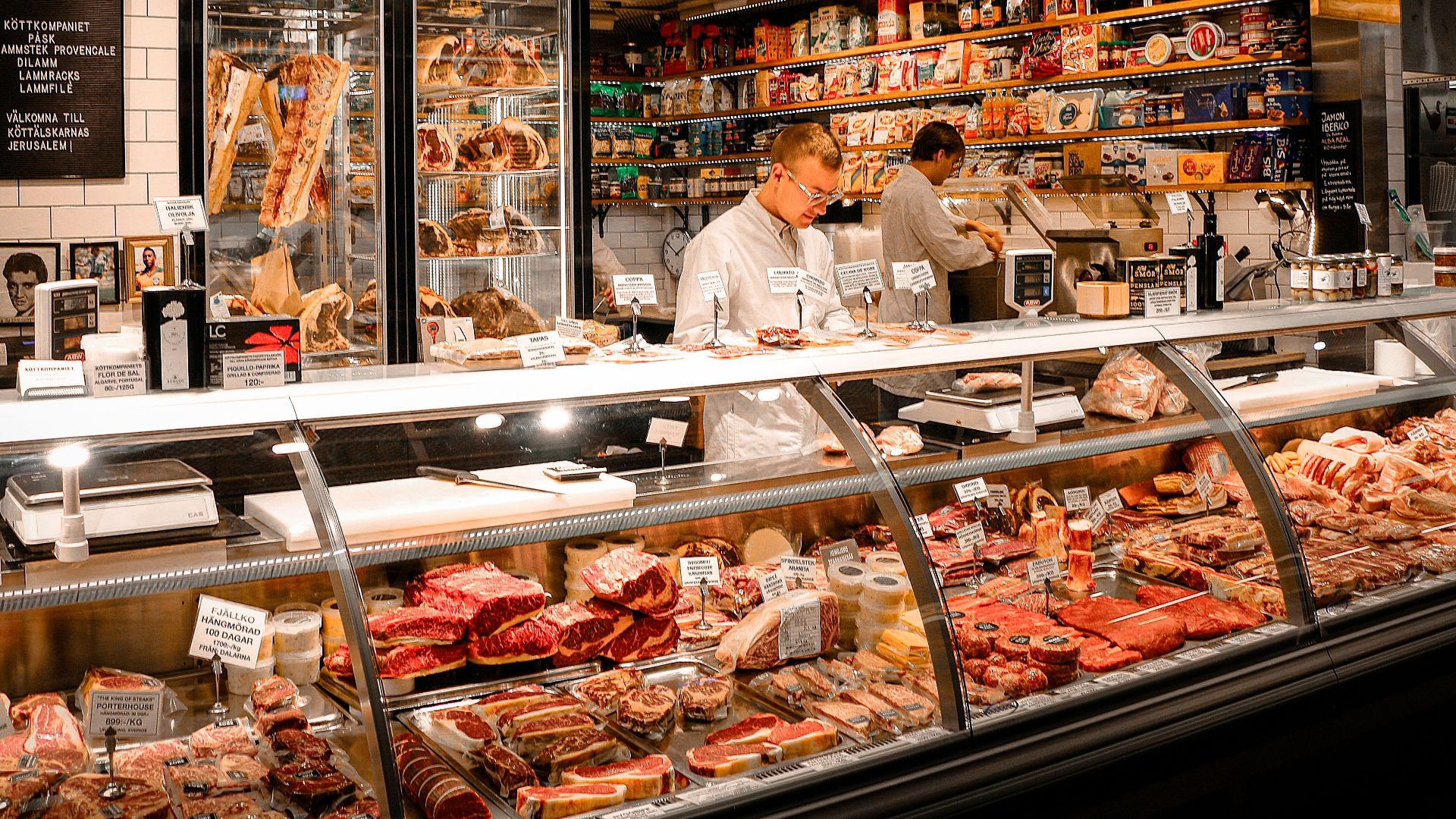
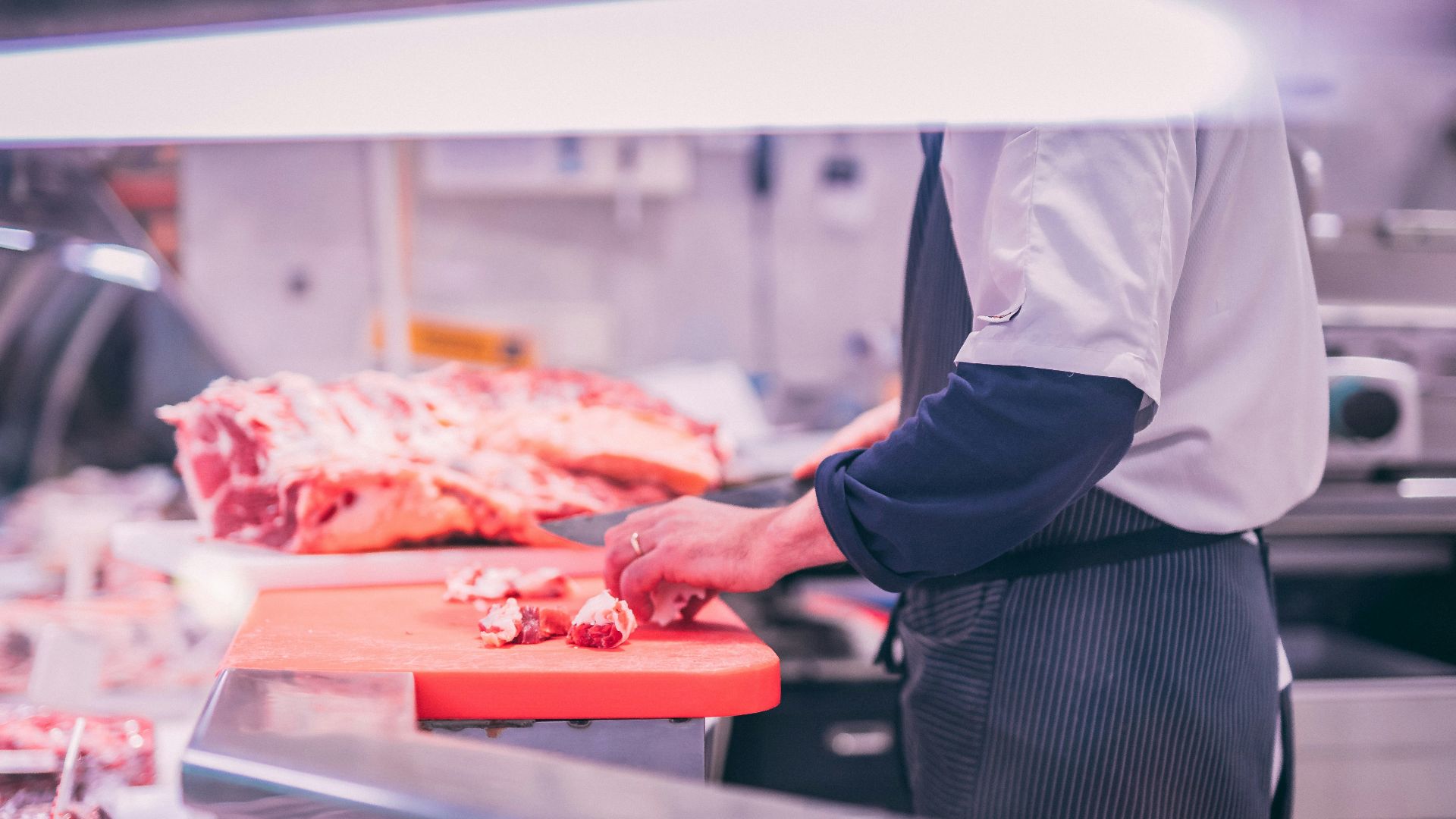
Instead of assuming everything worthwhile is already in the meat case, you may have seen your grandfather ask about soup bones, chicken backs, meat trimmings, and less popular cuts. Don’t make fun of him next time! These items can add plenty of flavor to broth, stew, gravy, or beans without requiring a premium cut of meat.
12. Get a Rain Check
When an advertised special is sold out, today’s shoppers either opt for a more expensive replacement or continue with their trip. Grandpa doesn’t—he walks right up to customer service and asks whether the store offers a rain check that preserves the sale price for a later purchase. The policy isn’t available everywhere, but it’s worth checking before abandoning a deal.
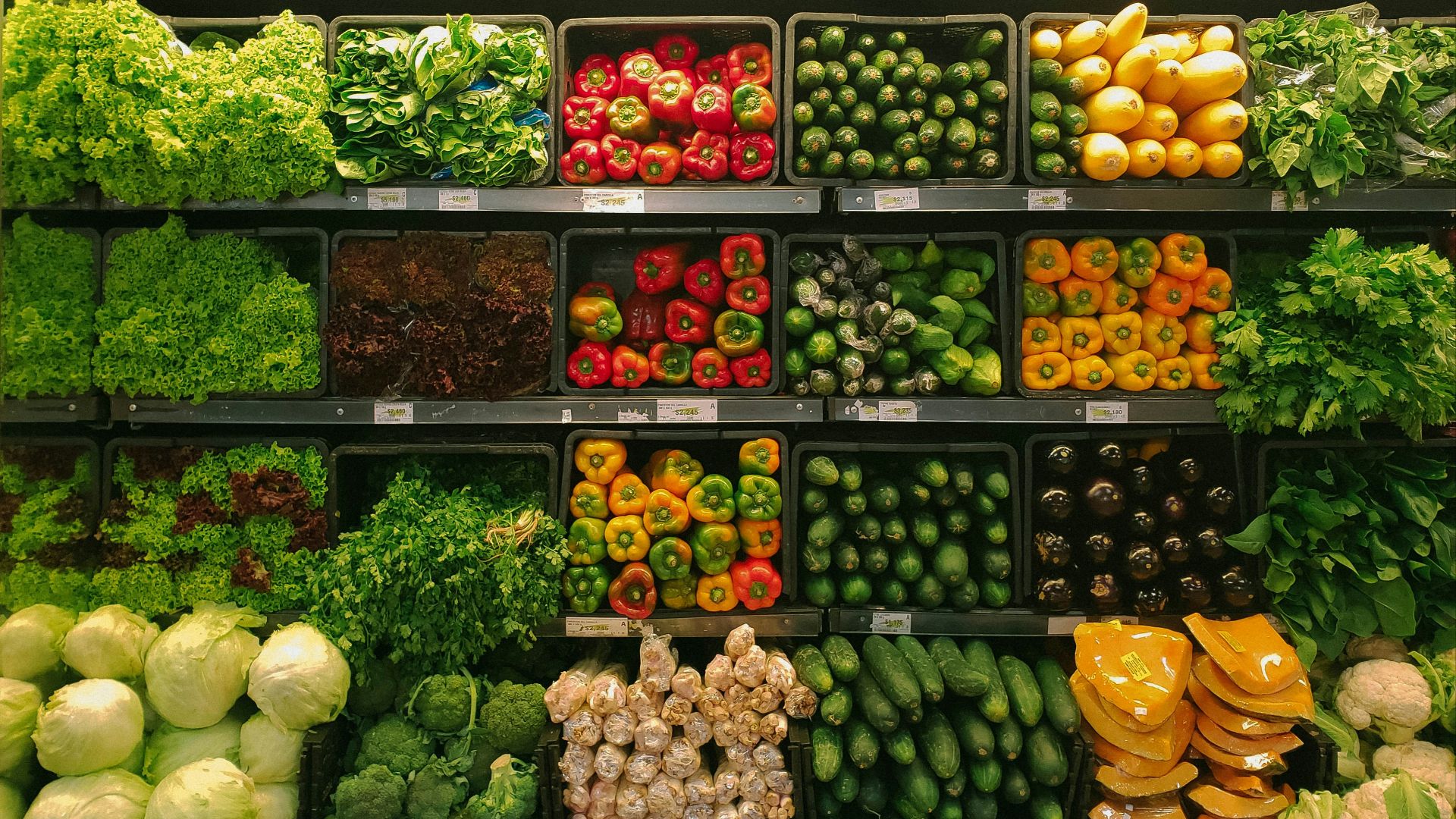
13. Have a Plan for Day-Old Bread
Say what you want about the bread in your grandparents’ house, but a discounted loaf saves money only when someone eats it before it gets stale. Grandpa buys day-old bread when he intends to freeze it, prepare French toast, or turn it into breadcrumbs. He won’t purchase three marked-down baguettes just because the red stickers look good.
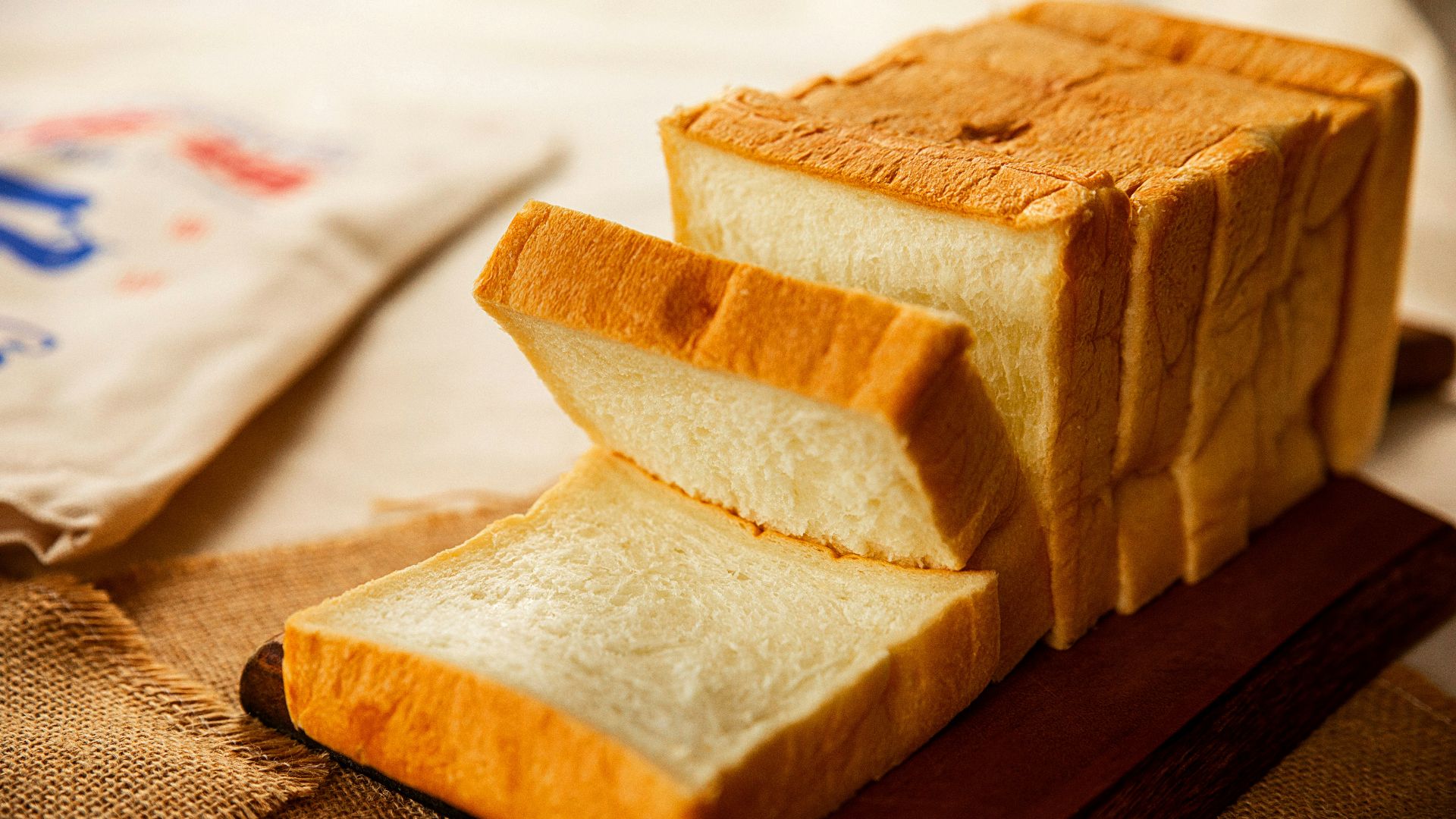
14. Know When Blemished Produce Works
A bruised apple isn’t suitable for everything, but that doesn’t mean you should turn your back on it. A small bruise won’t stop it from becoming applesauce, pie filling, or cooked oatmeal. Overripe bananas work, too, especially for banana bread, and soft tomatoes can be turned into sauce that evening.
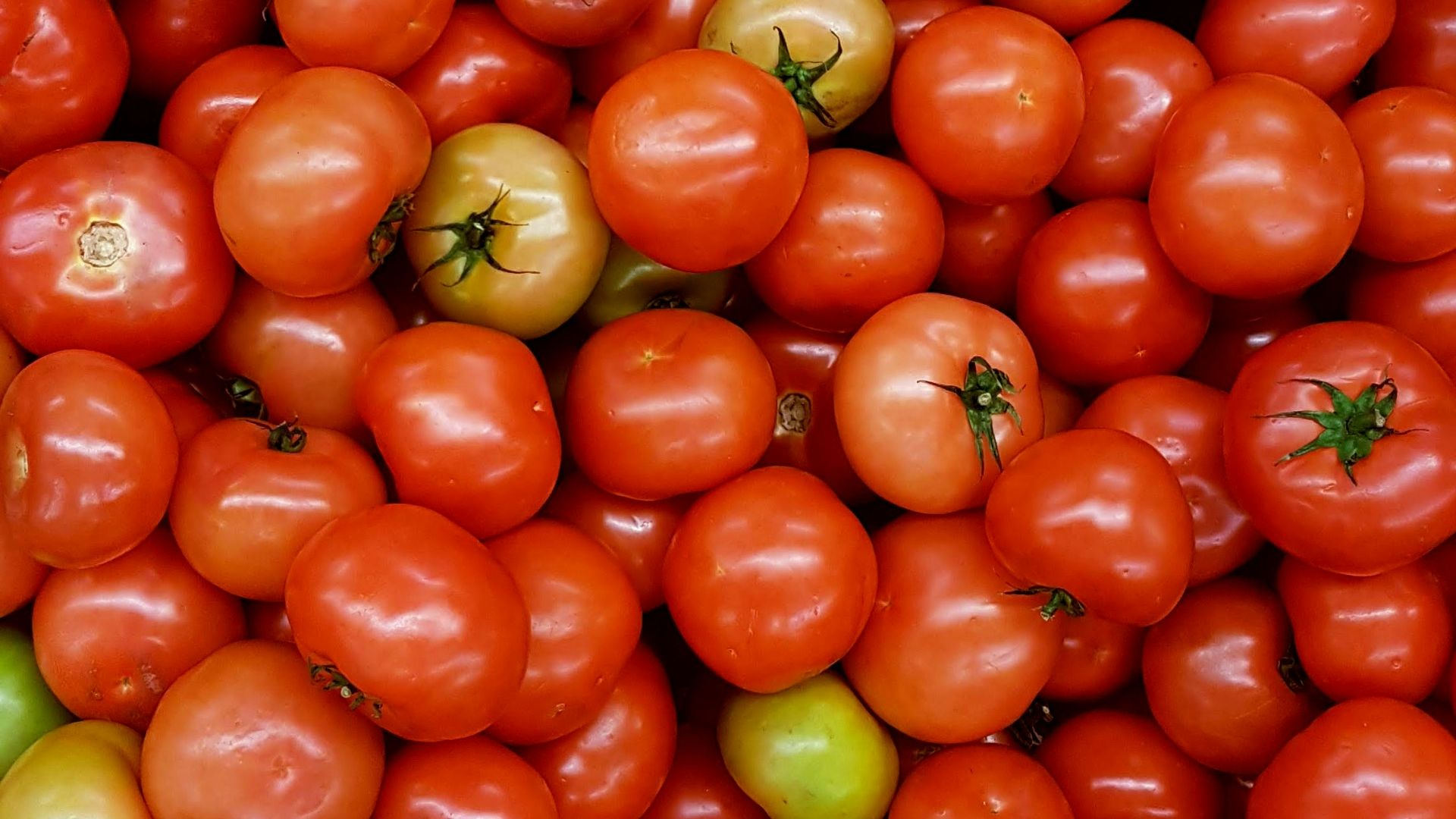
15. Examine Damaged Packages
A dented cereal box or torn outer sleeve may score a discount even though the sealed food inside remains untouched. We’re not saying you have to scout every little thing, but grandpa knows the value of checking that the inner bag.
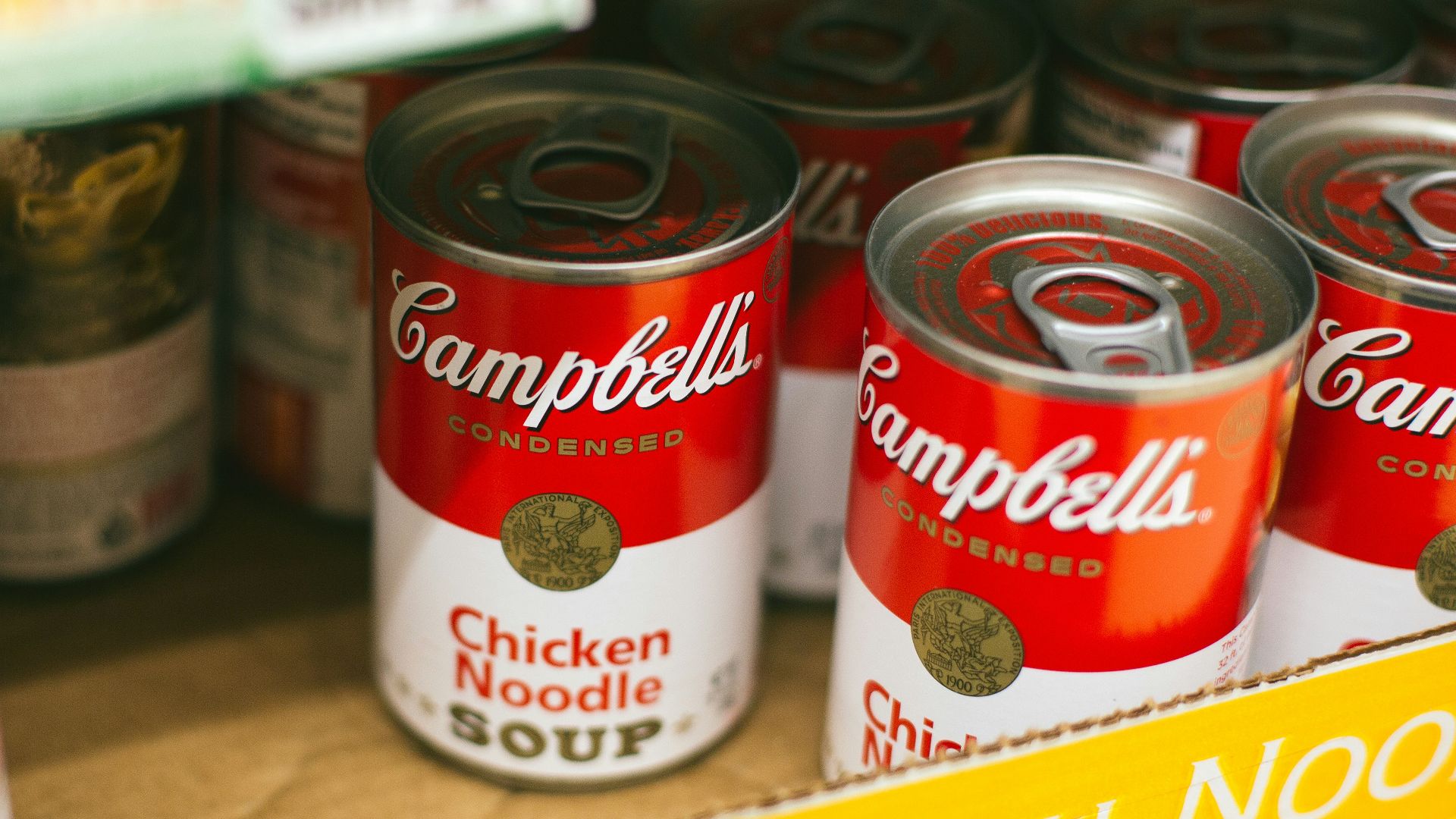
16. Takes Small Amounts From Bulk Bins
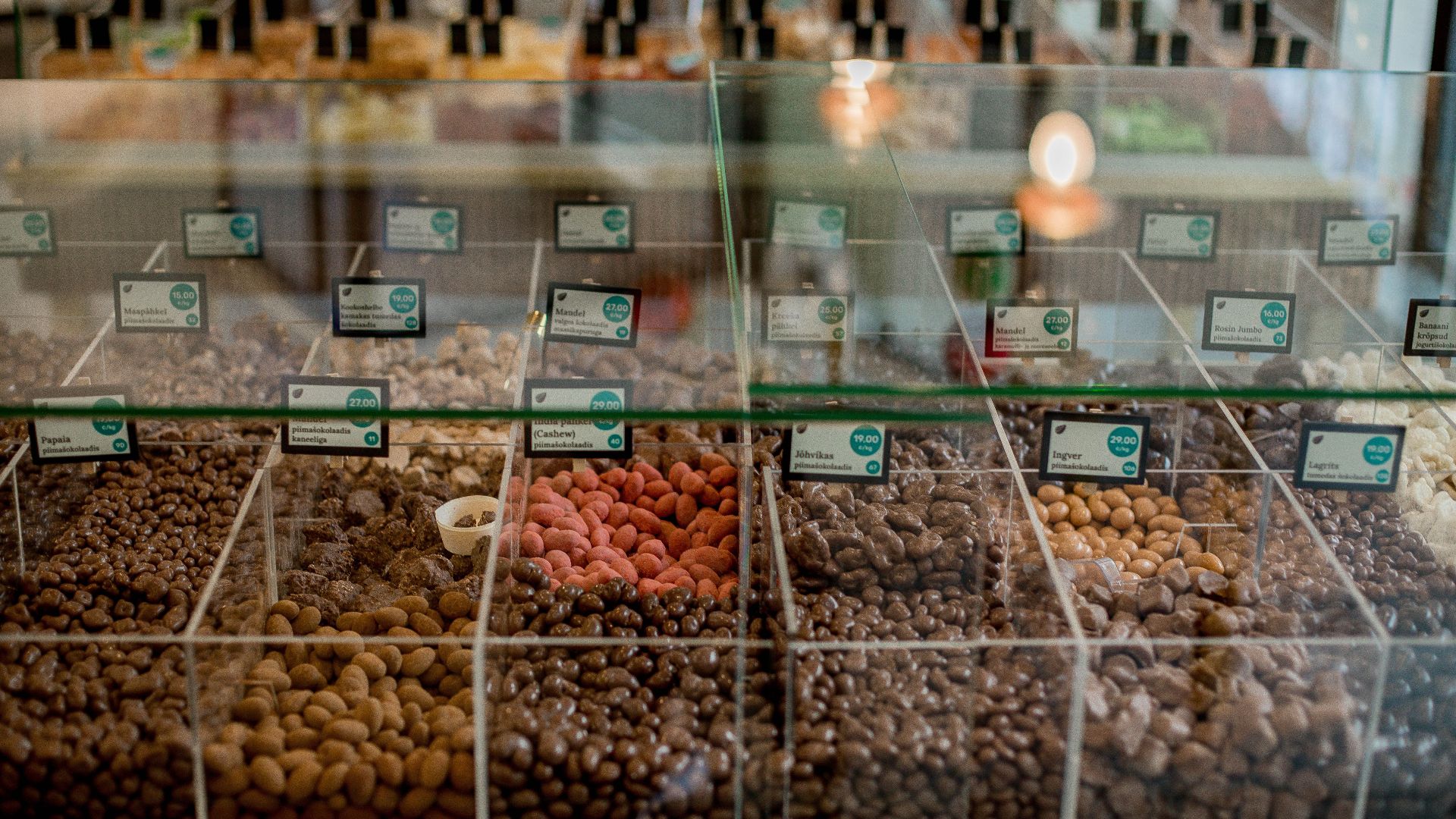
Bulk bins aren’t only useful for buying huge quantities—they also let careful shoppers get small amounts. There’s nothing wrong with measuring enough sesame seeds for one recipe or a cup of dried beans you want to try. That approach avoids paying for a full package that could spend the next two years behind the flour.
17. Shake Frozen Packages
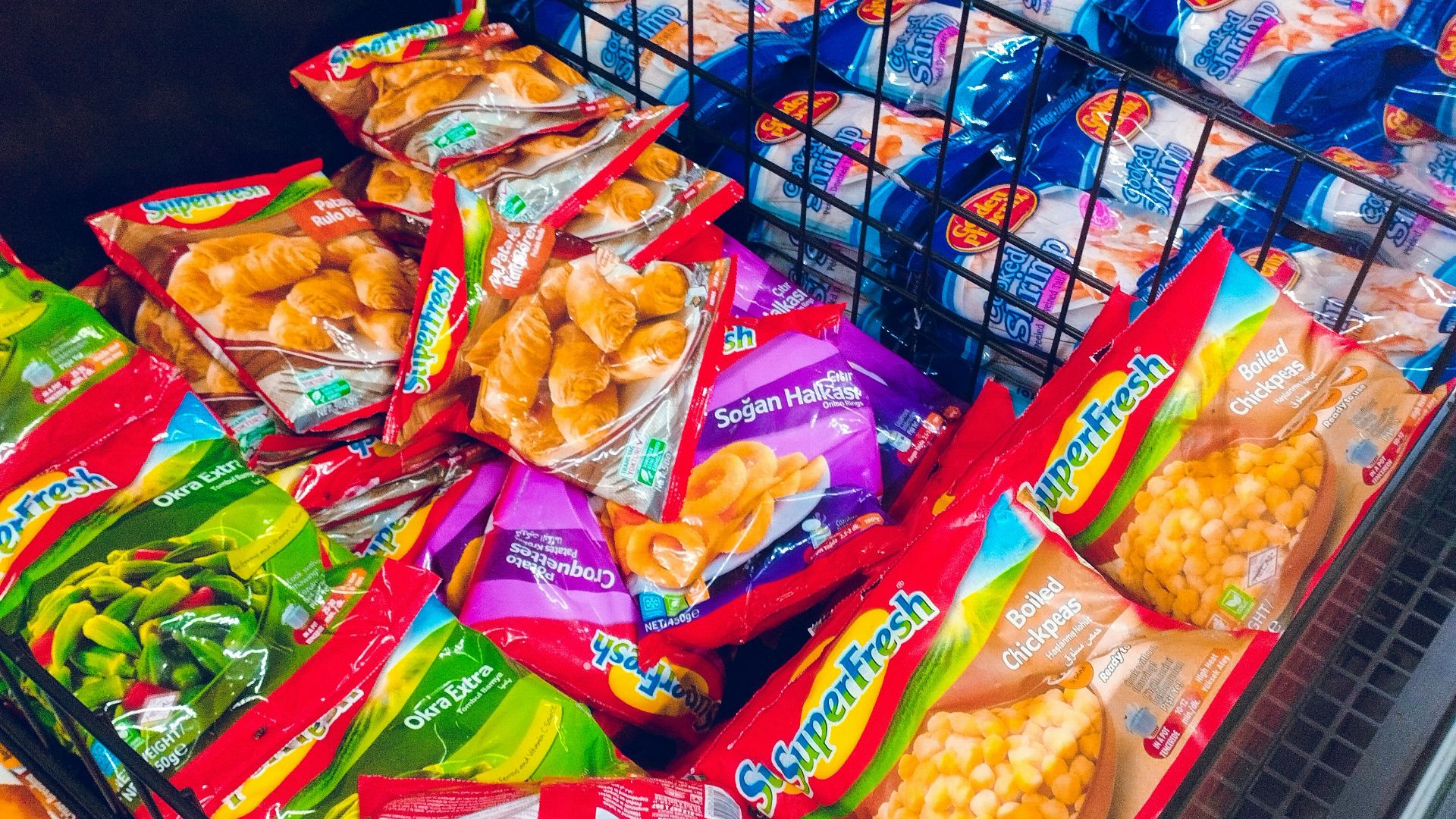
Before buying frozen vegetables or seafood, listen to your grandfather and give the package a gentle shake. Contents that move freely are generally more appealing than one heavily iced block. Turns out, there’s a method to his madness: inspect the bag in the store rather than discover an unusable lump at dinner.
 Muhammed A. Mustapha on Unsplash
18. Collect Cold Food Last
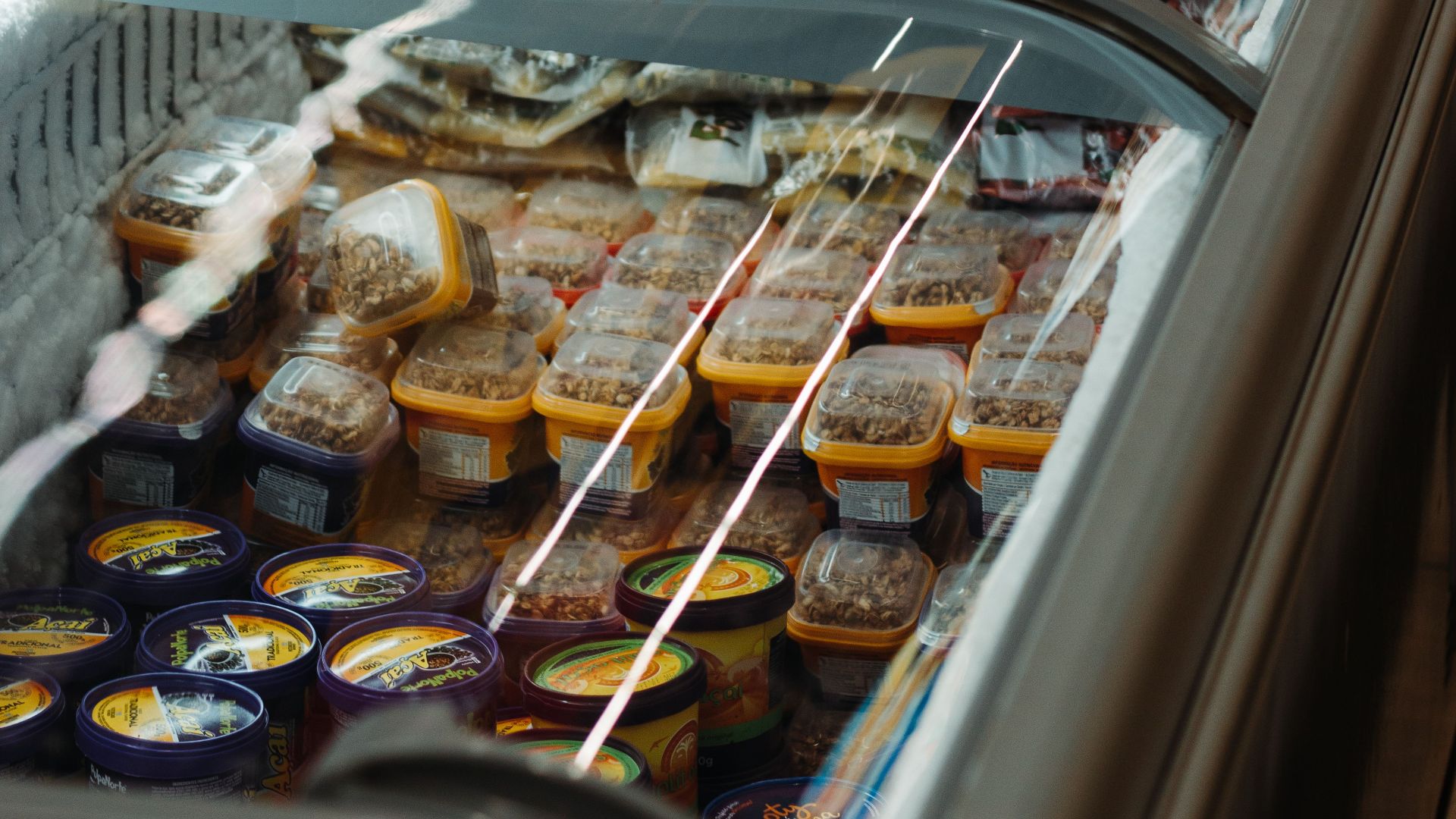
Milk, meat, ice cream, and frozen vegetables don’t go into the cart at the beginning of a trip. The general old-school rule is to handle pantry goods and produce first, then visit the refrigerated departments shortly before checking out. Keeping cold groceries cold protects their quality and reduces the chance that something spoils.
19. Keep a Cooler in the Car
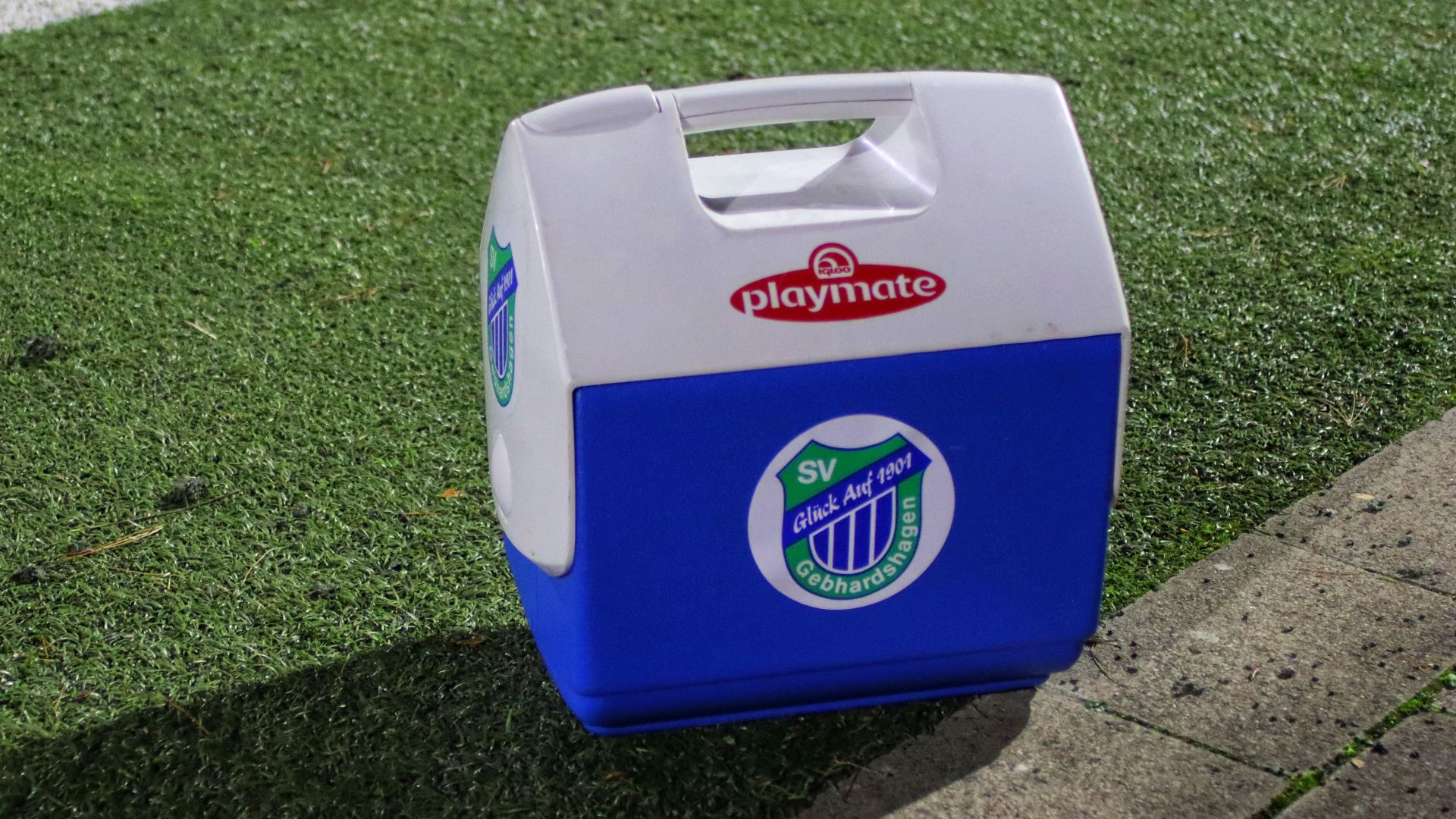
Ever wonder why your grandpa has a cooler in the trunk? It’s because a grocery trip sometimes happens between several other errands, so having an insulated bag ensures frozen food doesn’t sit in a warm vehicle.
 (Augustin-Foto) Jonas Augustin on Unsplash
20. Use a Basket for a Small Trip
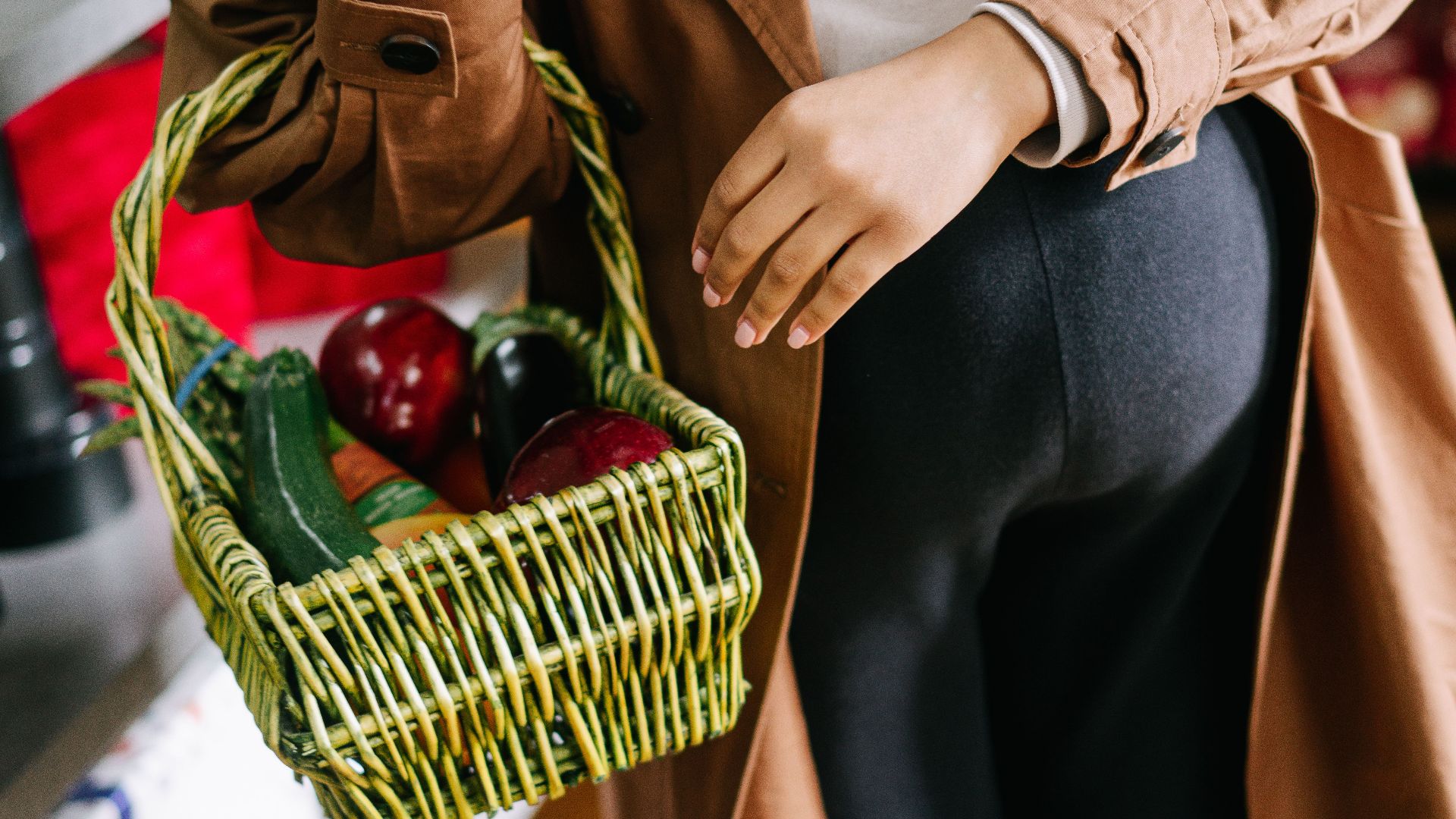
When Grandpa enters the store for three items, he doesn’t grab the largest cart available. A hand basket creates a natural limit and makes every unplanned jar and snack physically noticeable before checkout. Once the basket gets heavy, that tin of cookies is easier to ditch.
KEEP ON READING