Think Twice Before You Place That Order
Going out to eat should be about enjoying food you wouldn't normally make at home, but not every item on a restaurant menu deserves your money. Some dishes are overpriced, some are notoriously difficult to keep fresh, and others simply aren't worth ordering when you can get something much better for the same price. That doesn't mean these foods are always terrible, but if you're trying to order strategically, there are a few menu items that deserve a second thought.

1. The Restaurant's Most Expensive Steak
Just because a steak is the priciest option on the menu doesn't mean it's the best one. Restaurants often charge exorbitant markups for huge cuts of meat, specialty breeds, and buzzword-laden descriptions. If you're in the mood for steak, order whatever cut the restaurant does best instead.
2. Chicken You Could Make At Home
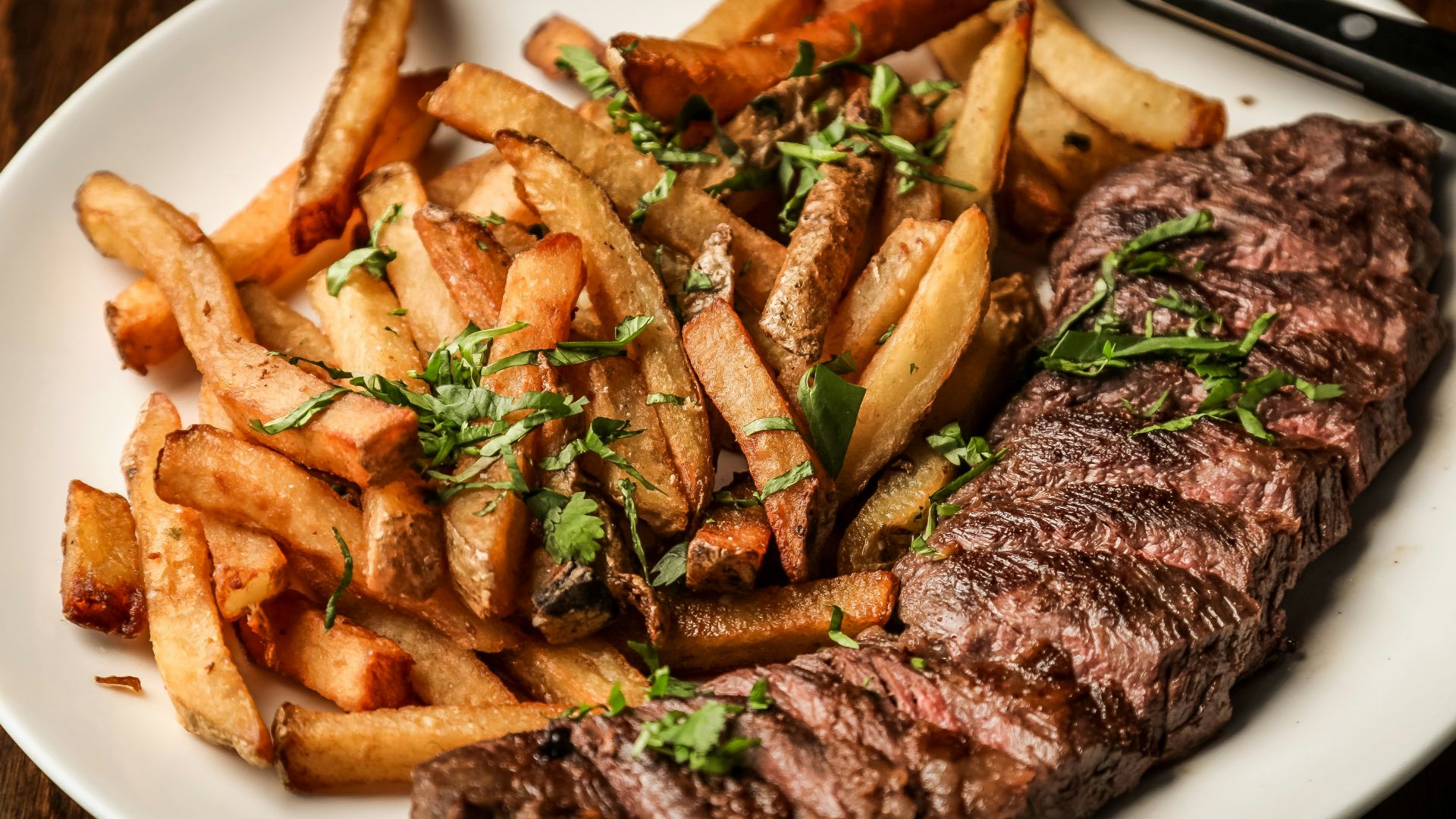
Chicken is easily one of the simplest restaurant entrees to recreate at home, especially if it's grilled or roasted on its own or served with uninspired veggies. You're basically paying restaurant prices for ingredients that don't cost much and don't take much work. Unless the dish has an interesting sauce, technique, or combination of flavors, your money may be better spent elsewhere on the menu.
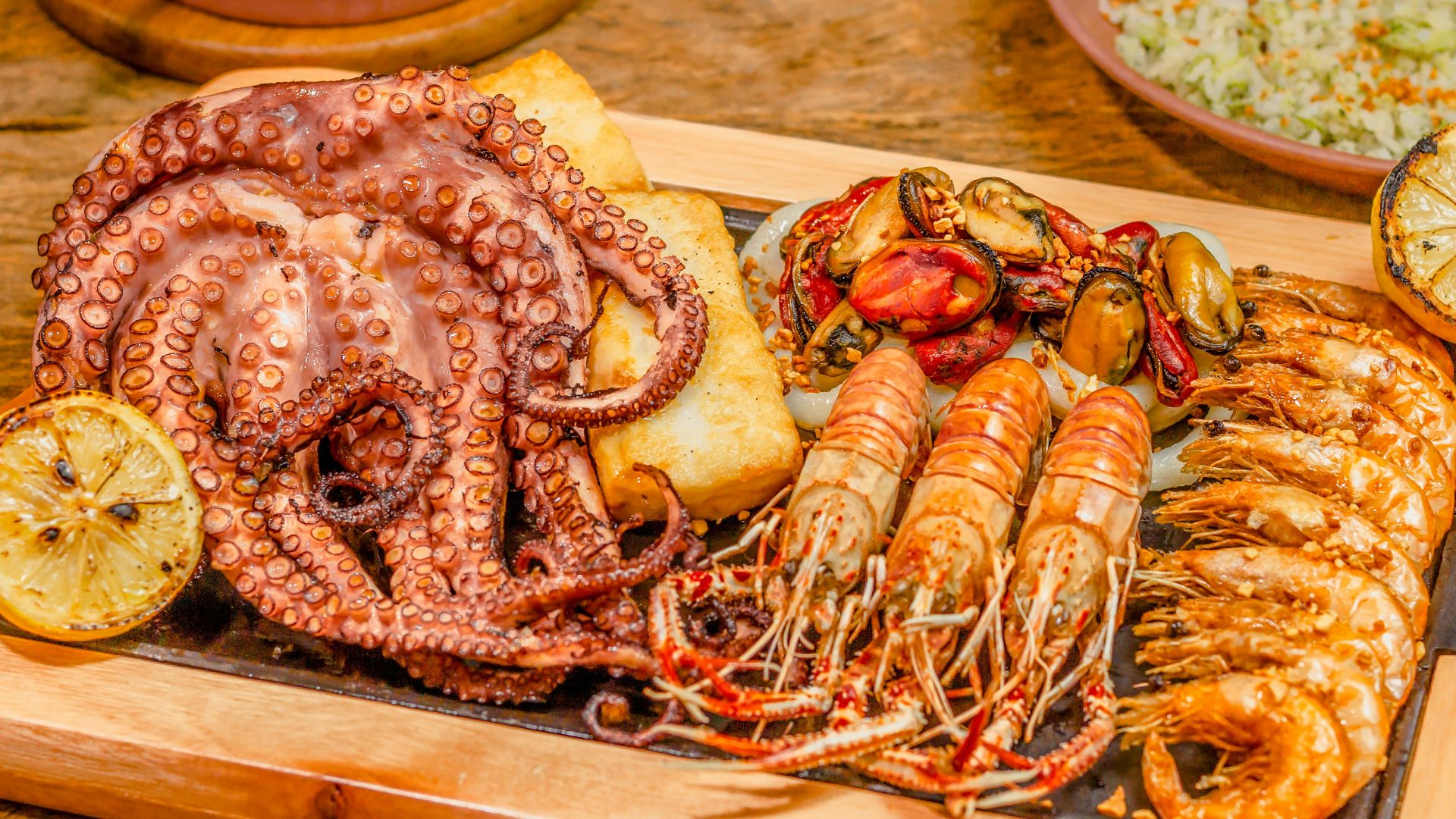
3. A Massive Seafood Platter
Seafood platters make for an impressive table-wide arrival, but they don't leave much room for the kitchen to impress you with quality. Restaurants usually put several different types of seafood on a single platter, so while you might enjoy one item, it can be hard to know if they do all of them well.
4. Raw Oysters From Somewhere You Don't Trust
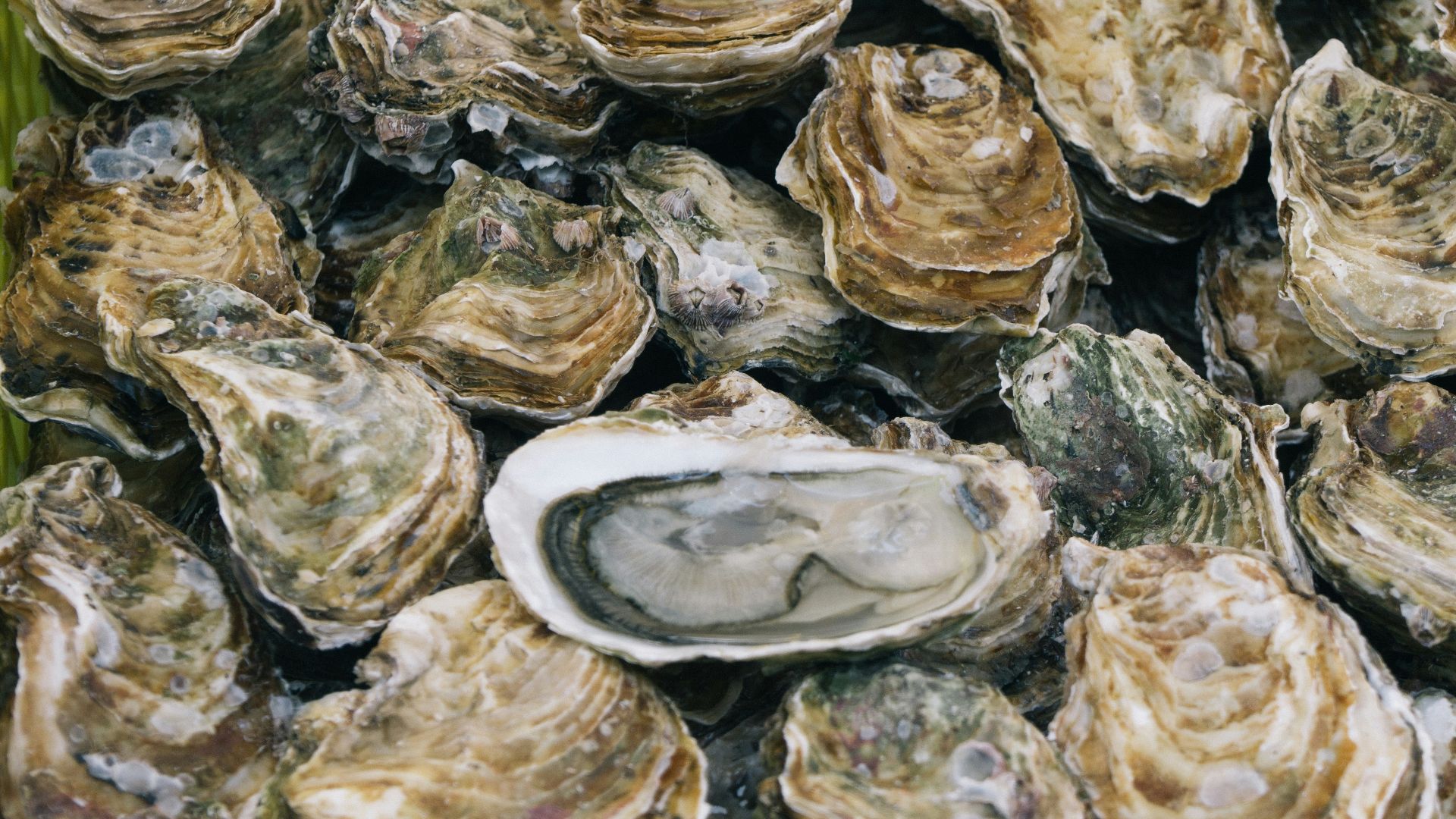
Raw oysters are never inherently a bad restaurant order, but they are something that needs to be handled carefully. Oysters require proper refrigeration from the moment they're harvested until they reach your plate. When in doubt, cooked seafood is the easier choice.
5. The Giant Burger Challenge
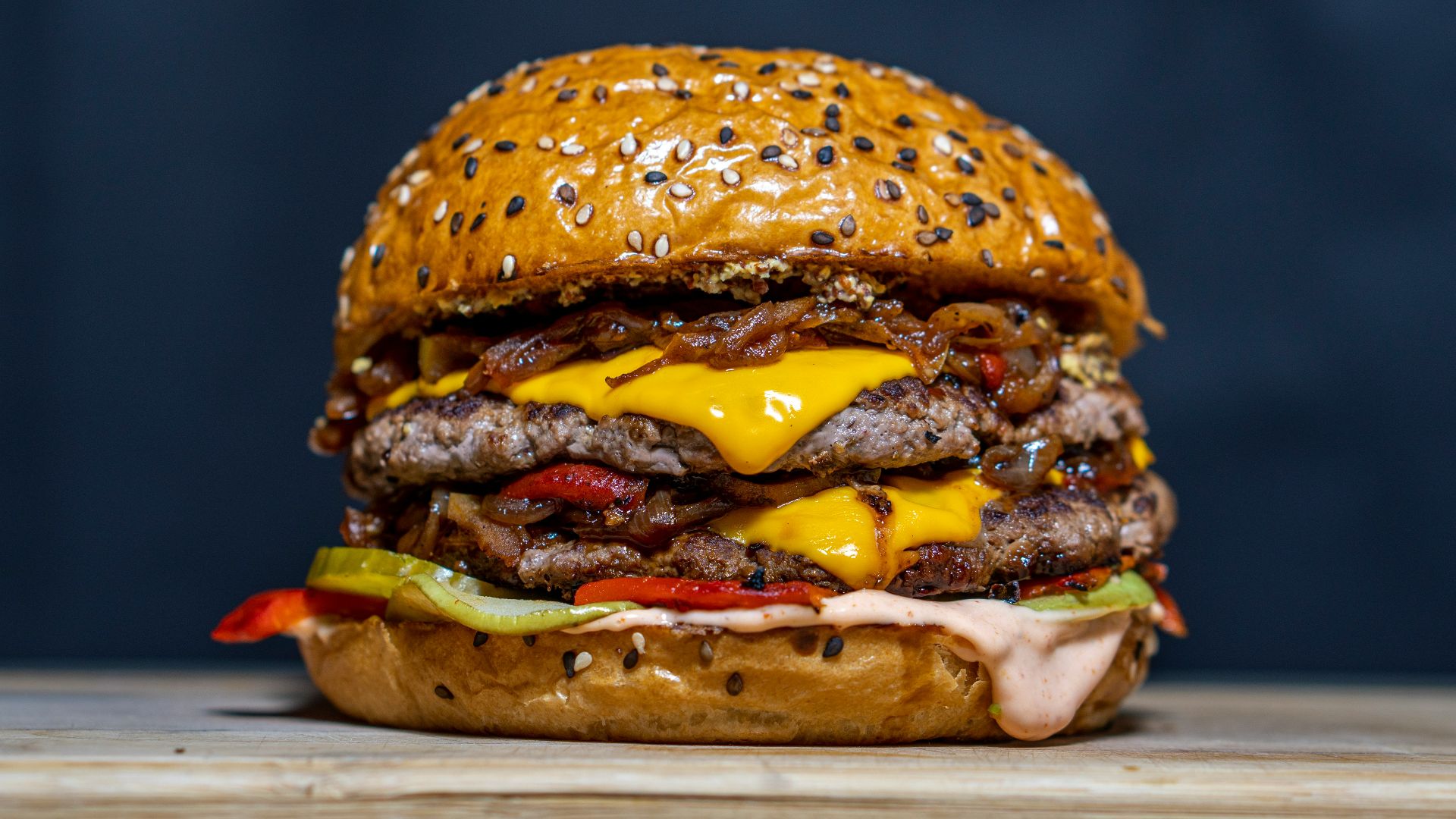
A burger advertised as so big you'll need a fork and knife to eat it probably isn't actually meant to be eaten. The extra ingredients can overwhelm the meat and make the whole thing difficult to eat without turning into a mess. A well-balanced burger is usually a much better experience than one designed primarily for a photograph.
 amirali mirhashemian on Unsplash
6. Pasta With A Generic Cream Sauce
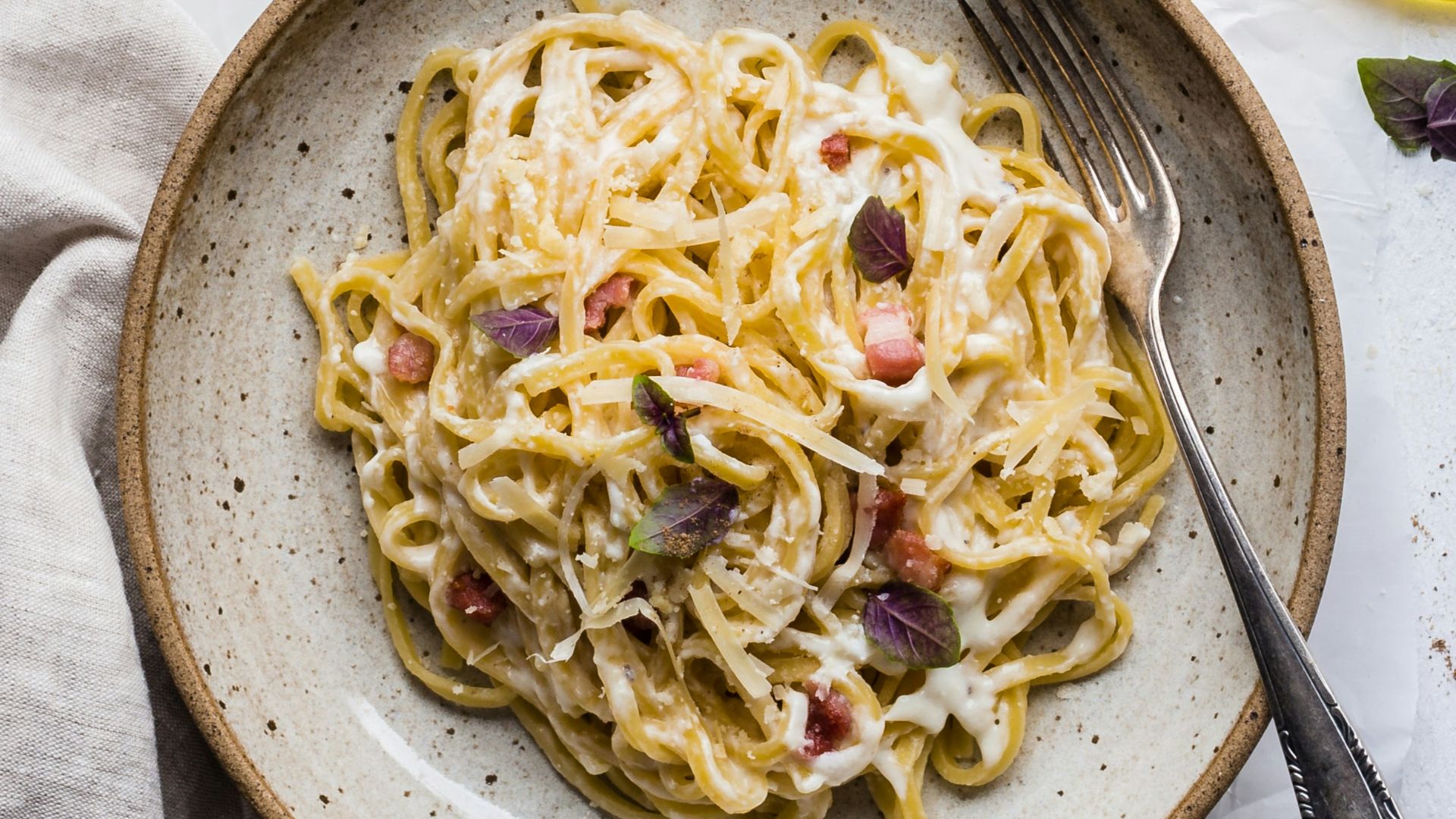
Cream sauce sounds nice, but on its own, it's a restaurant workaround for elevating otherwise basic pasta. If you're paying for pasta, see if the restaurant offers house-made noodles, unusual regional specialties, fresh seafood, or sauces that require more involved ingredients.
7. The Off-Season Fruit Dessert
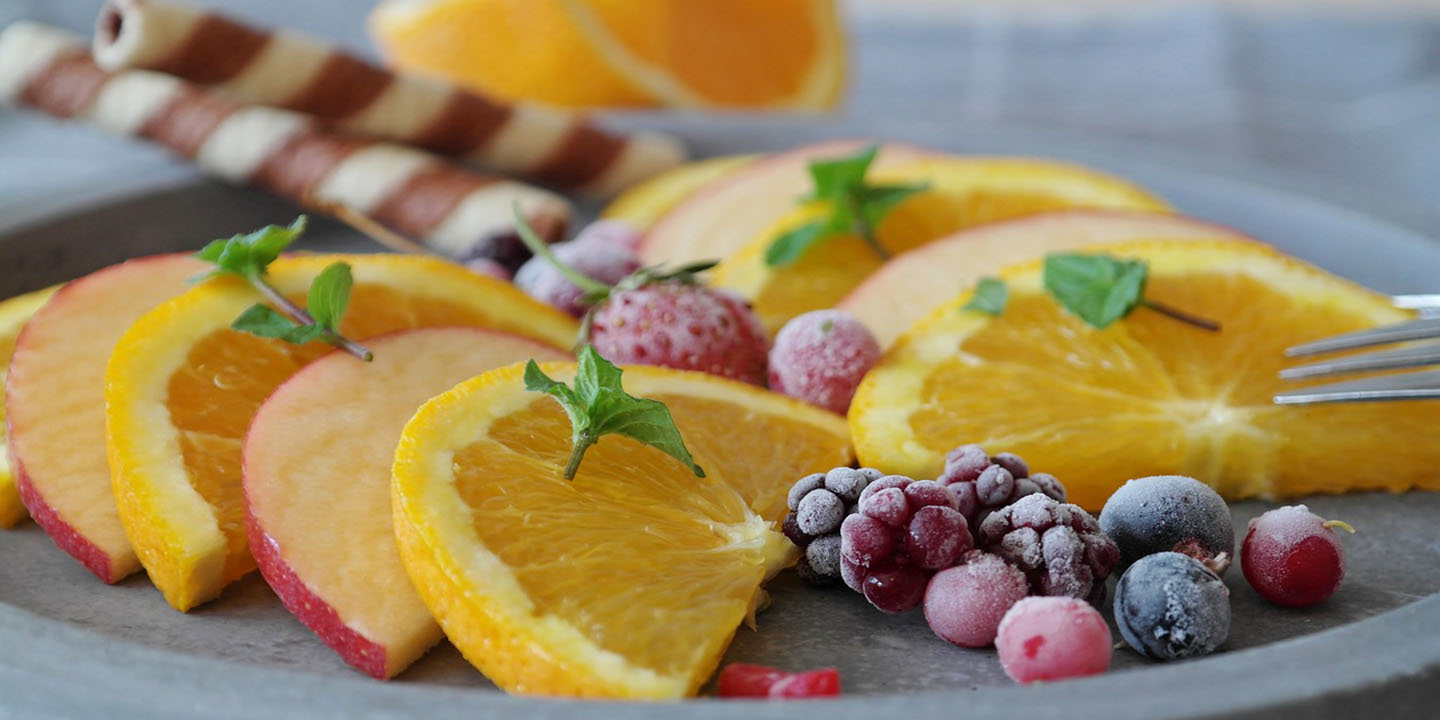
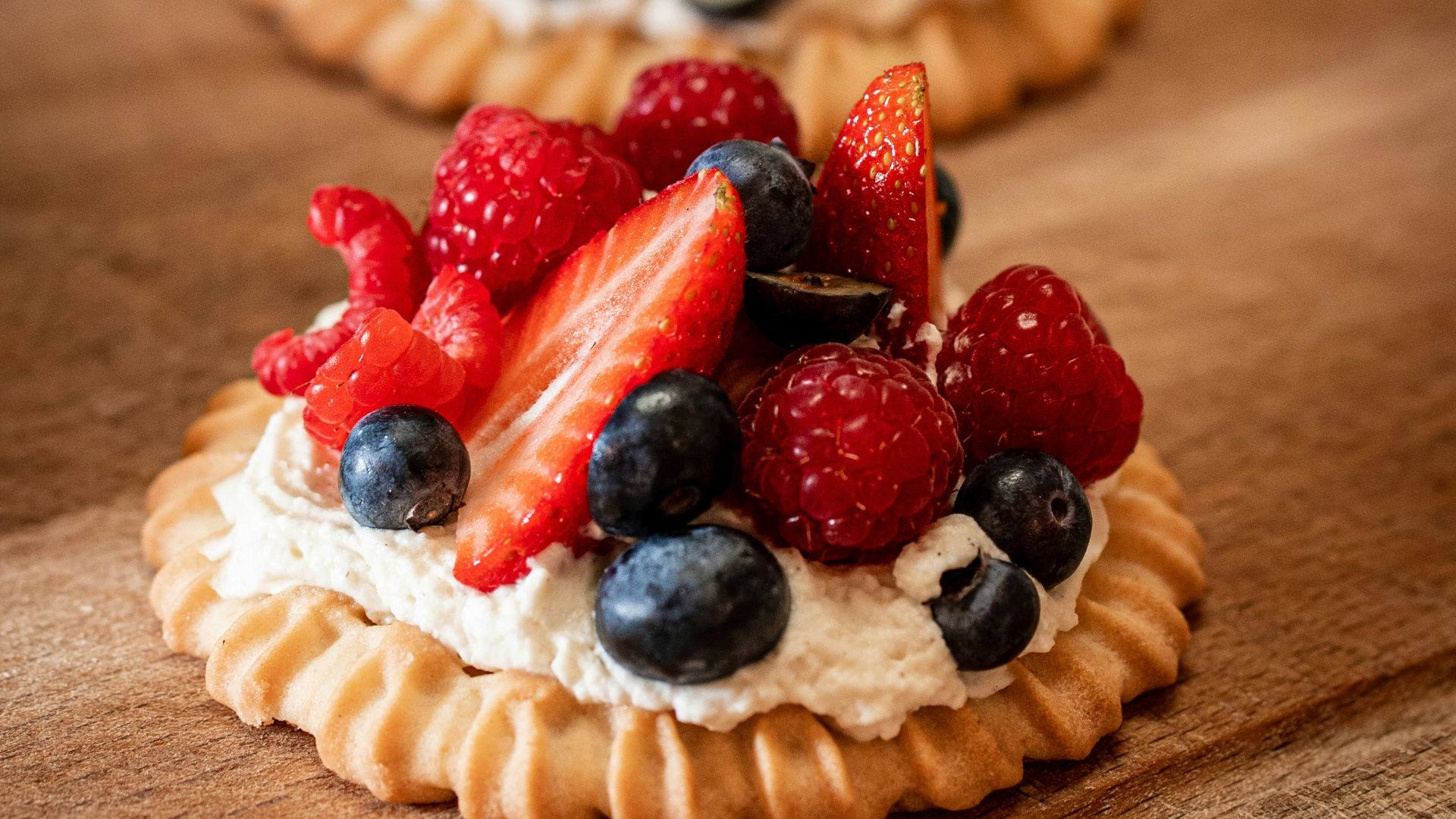
There's nothing wrong with enjoying fruit long past its peak season, but restaurants tend to do this with desserts, too. Chefs might offer fruit-focused sweets when it wouldn't traditionally be available to ensure they always have a version on the menu. Seasonal desserts are generally a safer bet because they're more likely to be built around ingredients when they're actually tasting their best.
 Oliver-Timm Haarmann on Unsplash
8. Anything Described With An Entire Paragraph
A menu description that lists twelve ingredients isn't automatically a sign of a bad dish, but it can be a warning that the kitchen is trying to make the plate sound more impressive than it is. If you need to read the description multiple times before understanding what you'll be eating, chances are there's something simpler you should order instead.
9. The $20 Side Salad
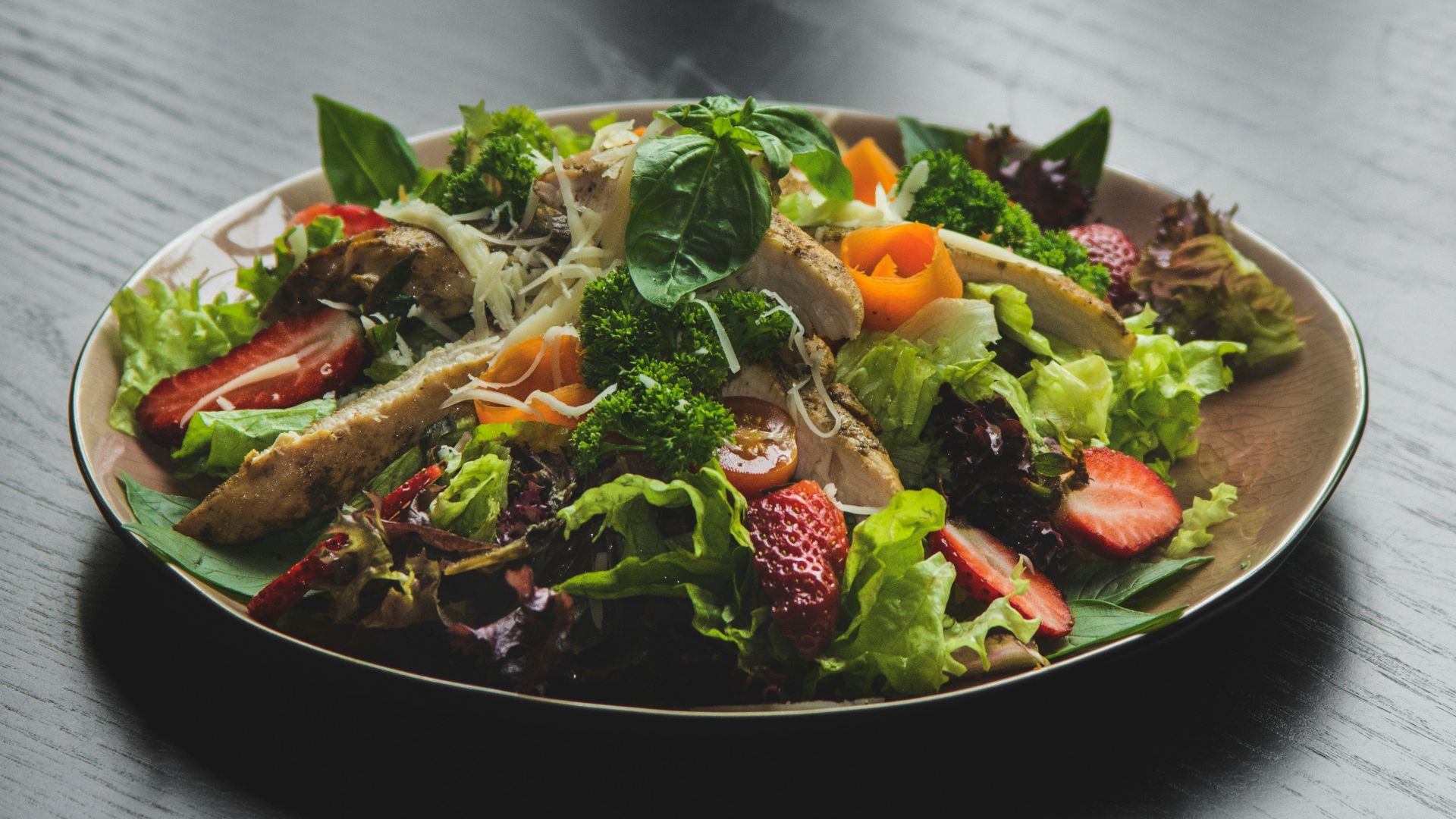
Salads can absolutely be worth ordering, but not when they cost just as much as entrees. Because salad ingredients aren't expensive to purchase wholesale, restaurants can charge insane markups on a few leaves of lettuce, dressing, cheese, and specialty toppings. If the salad is priced like an entree but looks like something you could assemble in five minutes, skip it.
10. Breakfast At A Restaurant That Doesn't Specialize In It
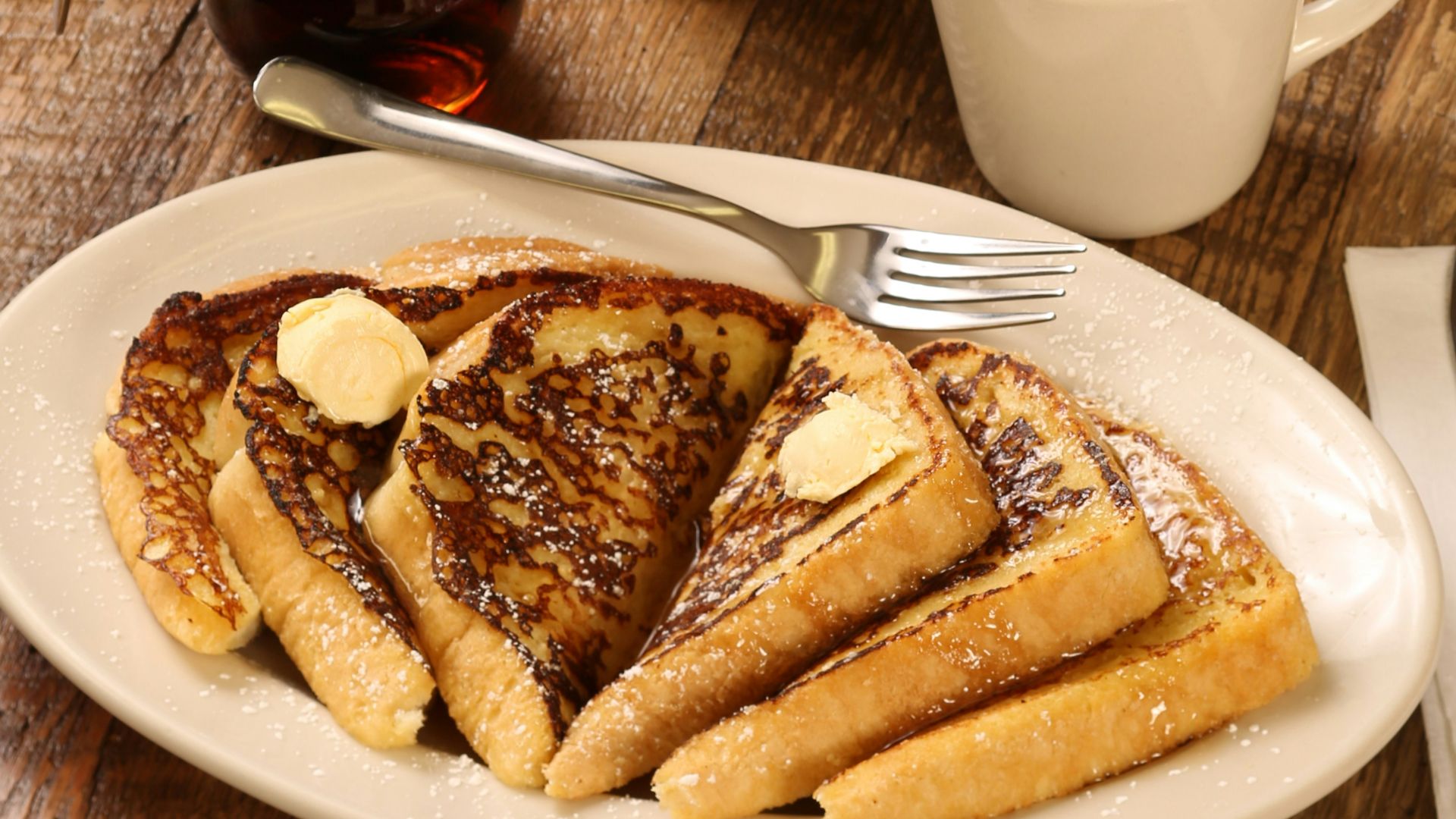
This doesn't mean you can never get pancakes at a steakhouse. It's just unlikely the breakfast dish is where the kitchen truly shines. Restaurants pride themselves on their specialties and develop their reputation around certain dishes and techniques for a reason.
11. The Most Complicated Drink On The Menu
A drink containing fifteen ingredients, three garnishes, smoke, foam, and something you've never heard of might look exciting, but complexity doesn't guarantee quality. More ingredients also create more opportunities for flavors to compete with each other. Unless the restaurant has a particularly strong cocktail program, a well-made classic is often the smarter order.
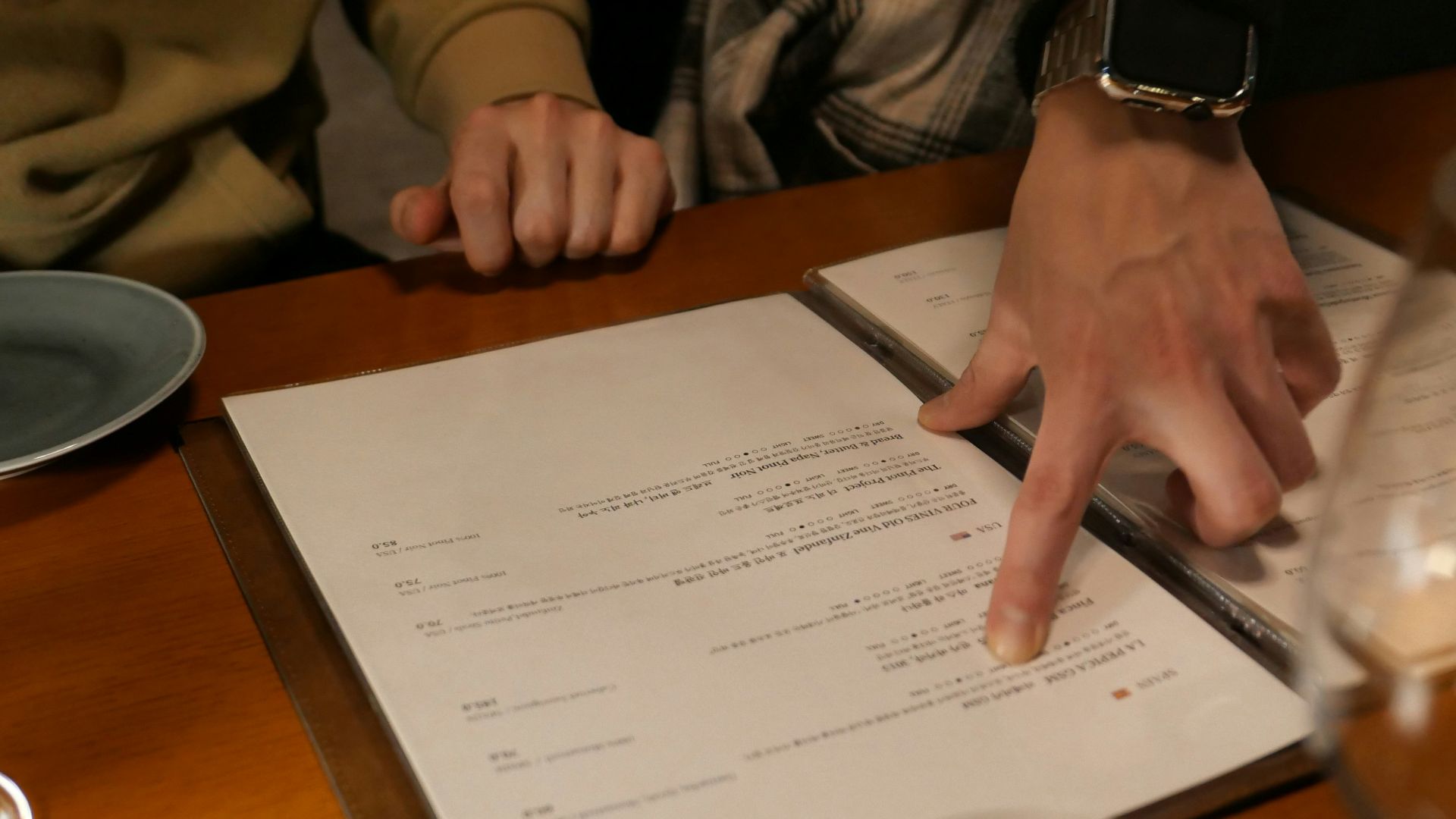
12. Anything With A Suspiciously Long List Of Substitutions
You know when you look at something on the menu and immediately think of eight ways to change it? Yeah, that dish isn't meant for you. Requests force kitchens to stray from their recipes, and certain restaurants charge extra for each modification. Choose something that aligns more with what's already on the plate.
13. The Mystery Fish Special
Restaurant "market fish" can be awesome when places are proud of their seafood program, but fish specials can make it difficult to know what you're ordering. Does the kitchen even know what fish they're serving that day, where it came from, or how to prepare it? Find out before you order.
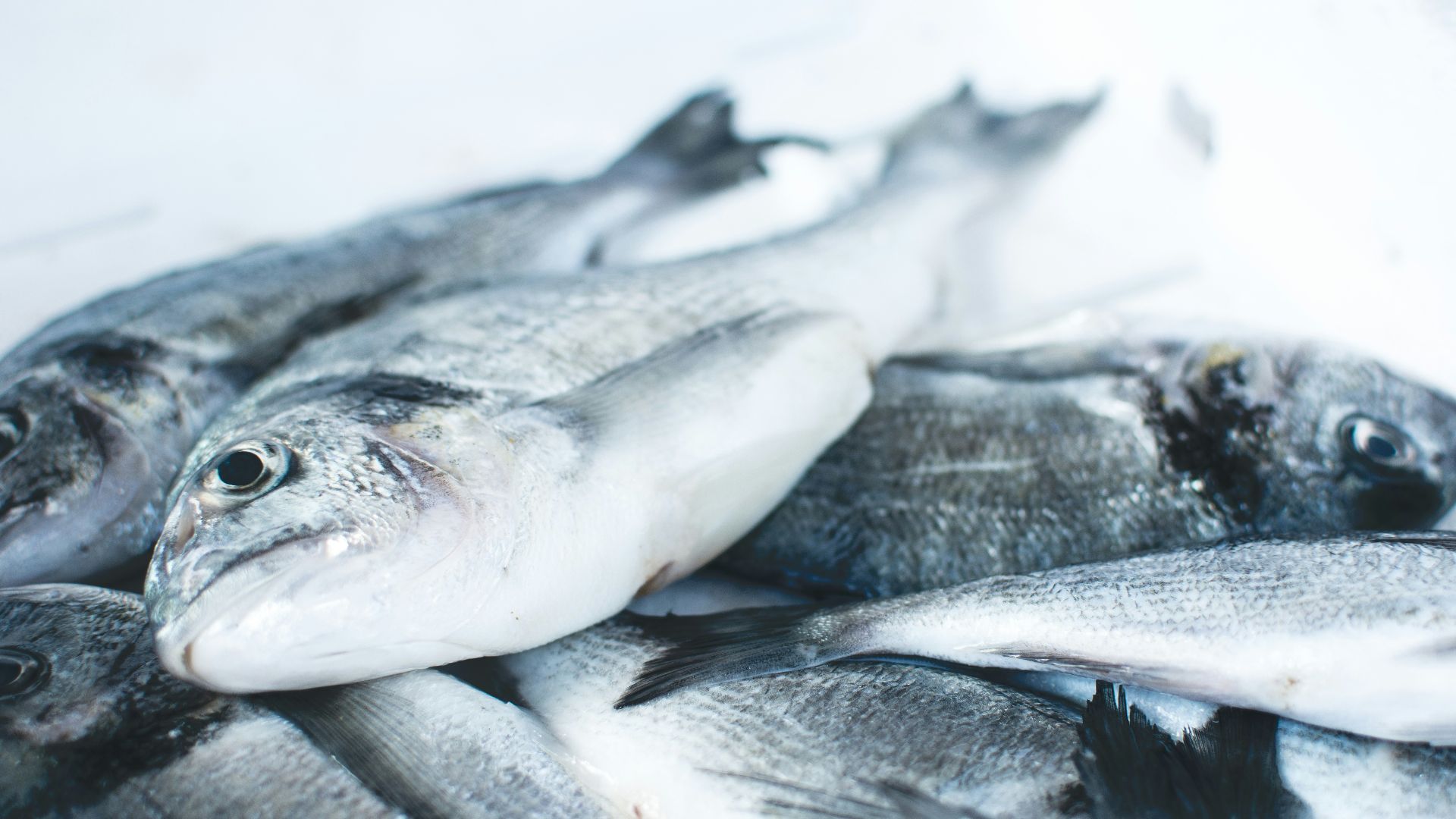
14. Truffle Oil Everything
Truffle-infused menu items are everywhere these days, but chances are the word "truffle" on the menu isn't always literal. Not all truffle oils are created equal, and many of them utilize flavor compounds that taste nothing like fresh truffles but still produce a very heavy aroma. Ask what you're actually getting before you pay extra for a trendy ingredient.
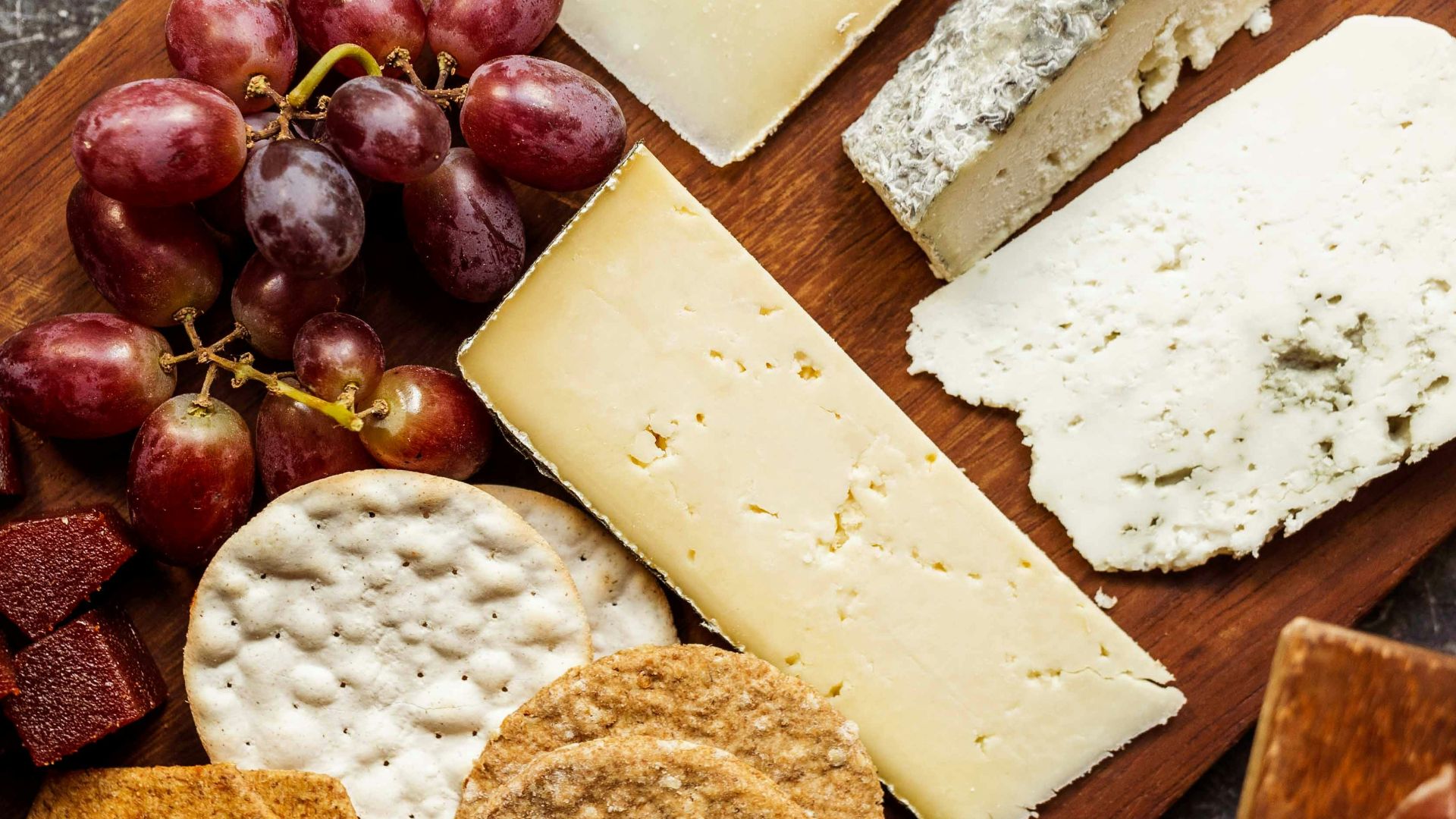
15. The Huge Cheese Board For One Person
Cheese boards are great, but they're meant to be shared. Ordering one yourself defeats the purpose and can get expensive fast. You also end up with a bunch of cheeses you don't really like just because they come on the board.
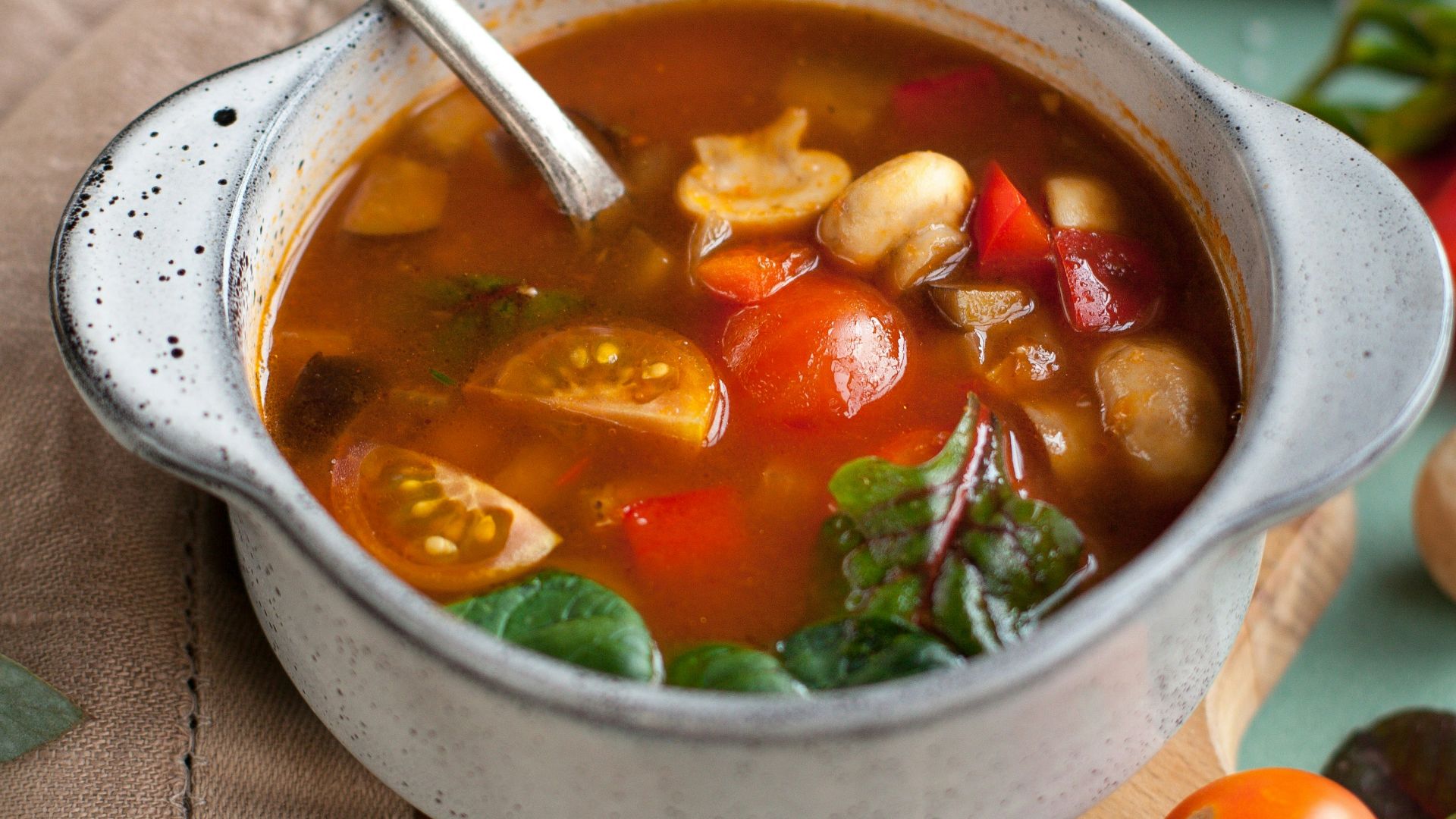
16. Soup That Isn't Moving
Soup can safely sit out for a while if it's managed properly, but busy restaurants usually rotate their fastest dishes much quicker than ones that sit on the sidelines. If it looks like your server has the place to themselves and soup is the star of the menu, skip it.
17. A Dish That's Completely Buried In Sauce
Sauce covers up a lot of sins. If a plate comes drowned in cheese, sauce, gravy, or other heavy toppings, you won't be able to tell if the kitchen messed up your protein. Order something with a straightforward preparation to truly gauge what a restaurant is capable of.
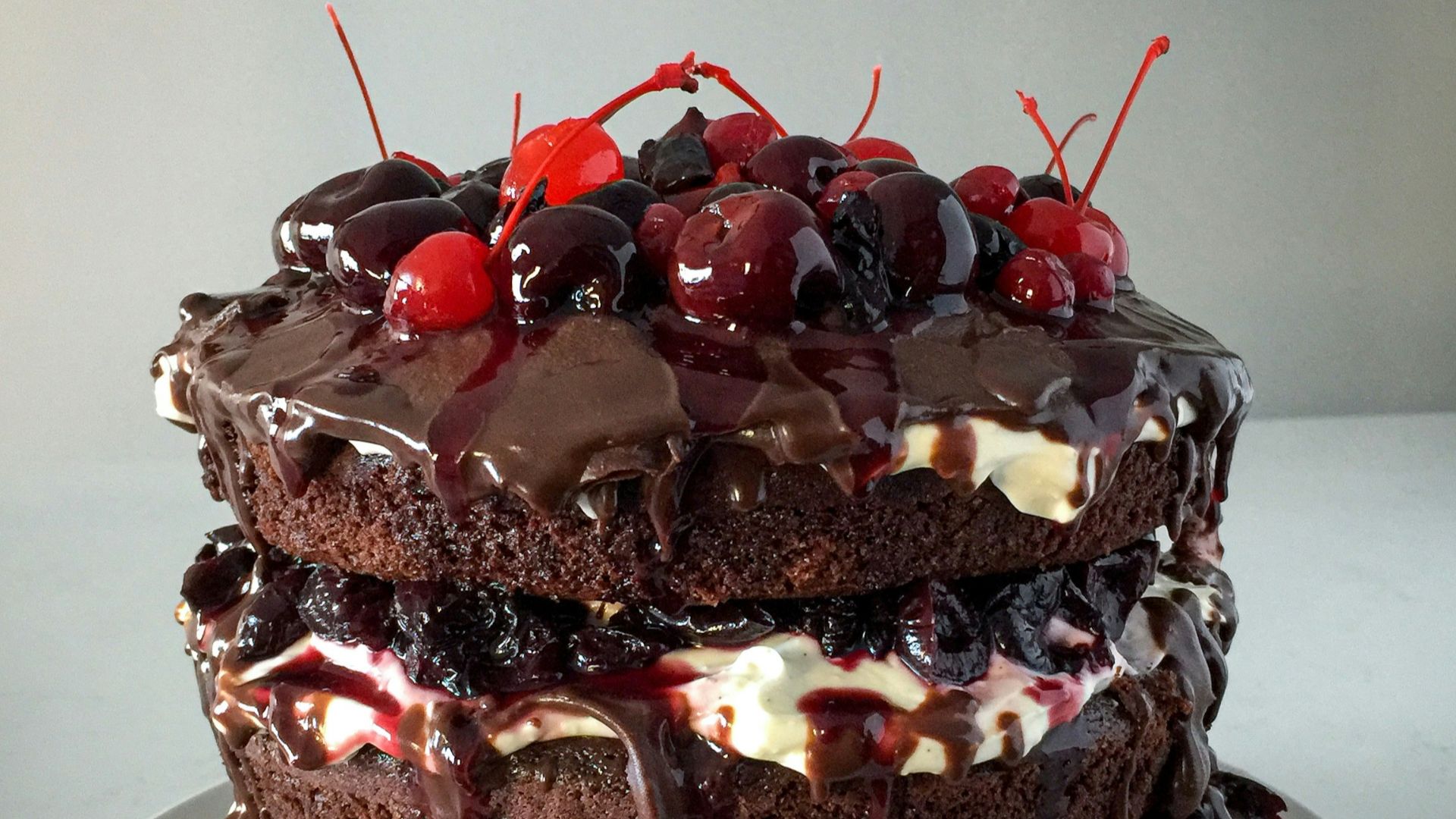
18. The Enormous Dessert Nobody Wants To Share
Certain restaurant desserts are obviously meant to feed an entire table, yet everyone gets excited when that dessert menu item passes by your table. Don't order it if there are only three people in your group and everyone will only have a few bites. If everyone only wants a few bites, splitting a smaller dessert or ordering individual portions may leave everyone happier.
19. Anything You Can't Pronounce But Feel Obligated To Order
Don't order something because you feel too embarrassed to ask what it is. Ask your server what it is, what it tastes like, and how it's prepared. Restaurants should be eager to break down their menu for you.
20. The Dish Everyone Says You Have To Get
The most popular dish isn't automatically the best dish for you. Maybe the restaurant's famous entree is excellent, but you don't particularly like one of its main ingredients or preparation styles. Recommendations are useful, but your own preferences should have the final say, because the best restaurant order is ultimately the one you're actually going to enjoy.
KEEP ON READING

The Most Popular Signature Dishes Around the World