Small Humans, Big Appetites
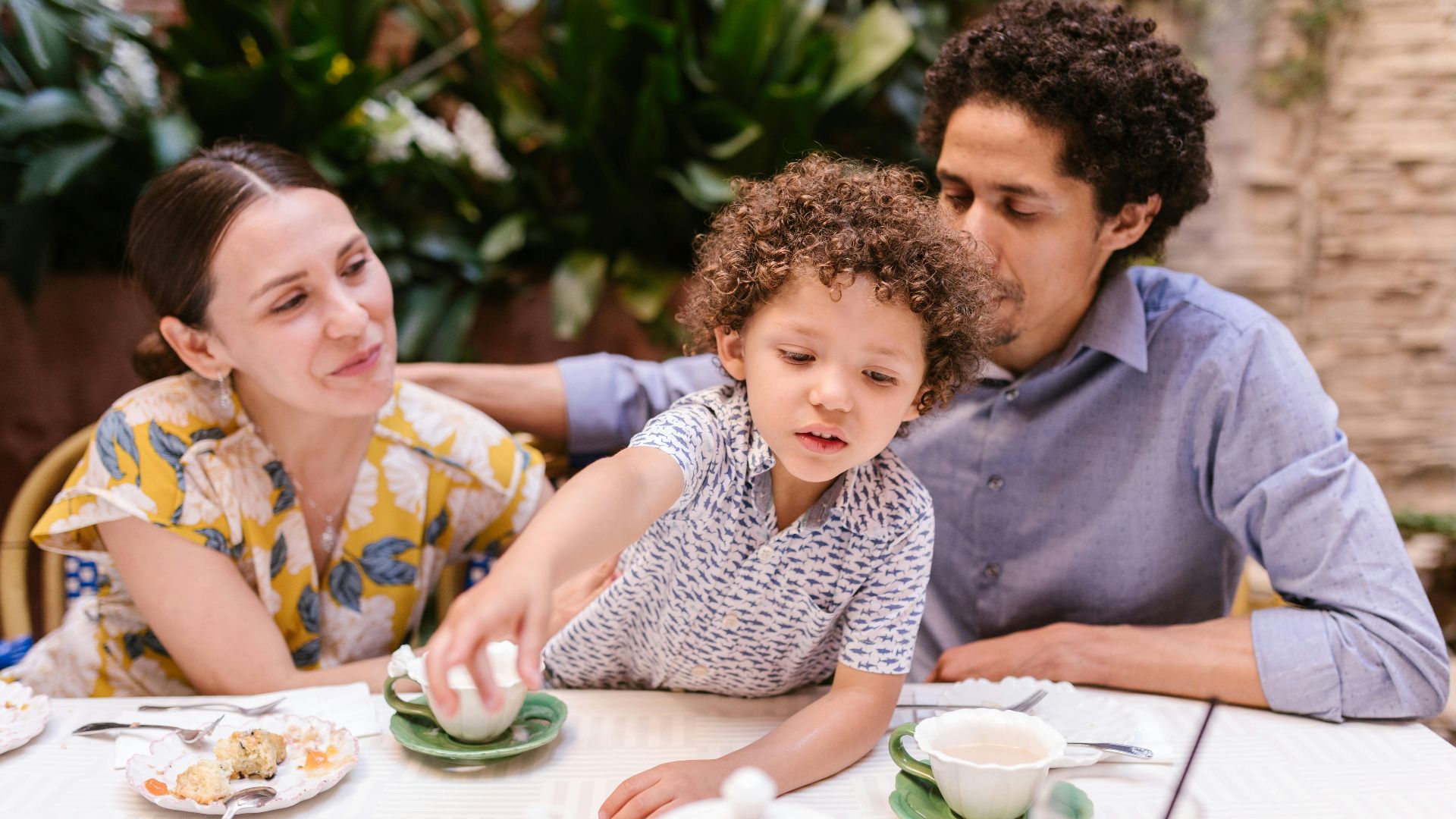
Dining out with young children has always been something some parents dread, especially those with multiples under 5. Moving with children adds noise, waiting, and new rules that don’t apply when it's just you. For example, a late waiter is no big deal when it's just adults. Not the same with kids since they don’t extend the same grace. It’s hackable, though. Just plan, and here are a few tips to help you have peaceful family outings.
1. Check The Menu Online First
Before you even set foot in a restaurant with your young ones, the first stop should be the eatery’s online menu. Unfamiliar foods increase resistance fast, and looking at the menu ahead of time lowers ordering stress. Familiar choices build confidence.

2. Time The Visit Carefully
Timing takes precedence when dining out with your little ones. Earlier dining avoids long waits and loud crowds. Kids function best on routine, and calmer rooms support better behavior. Timing alone can mean the difference between a smooth meal and a meltdown.
3. Bring A Small Activity Kit
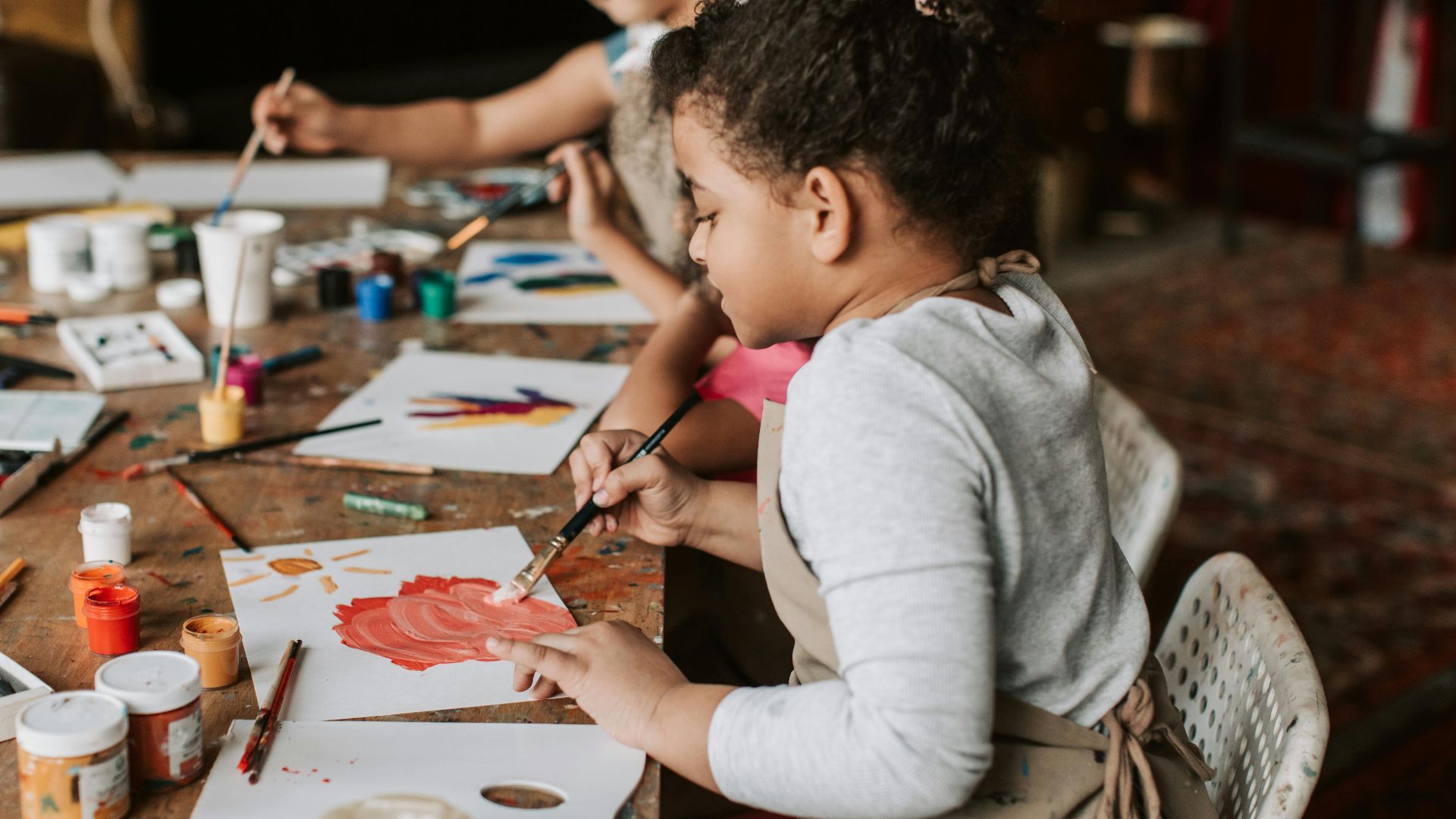
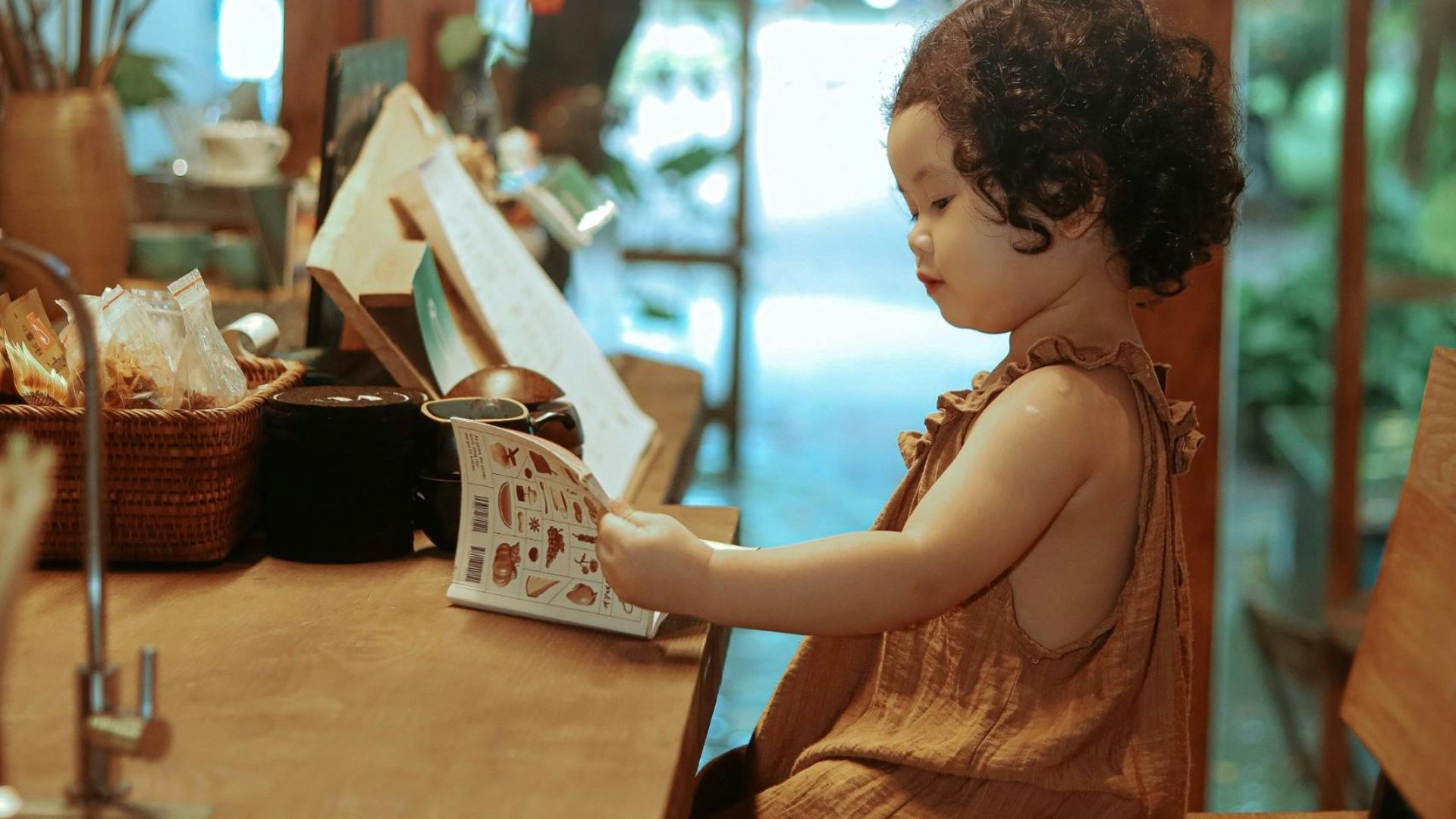
Since restaurants can be unpredictable, always have distractions at hand. Quiet toys, crayons, or a small book keep hands busy when those idle minutes feel endless. If your child has a favorite toy, keep it close because such items provide comfort.
4. Set Expectations Before Entering
Kids behave better when expectations are clear. During the drive, give a simple preview of how long the visit lasts and what behavior looks like. Spark imagination by describing the place, turn it into a game, and mention what they’ll eat since you already checked.

5. Choose Family-Friendly Seating
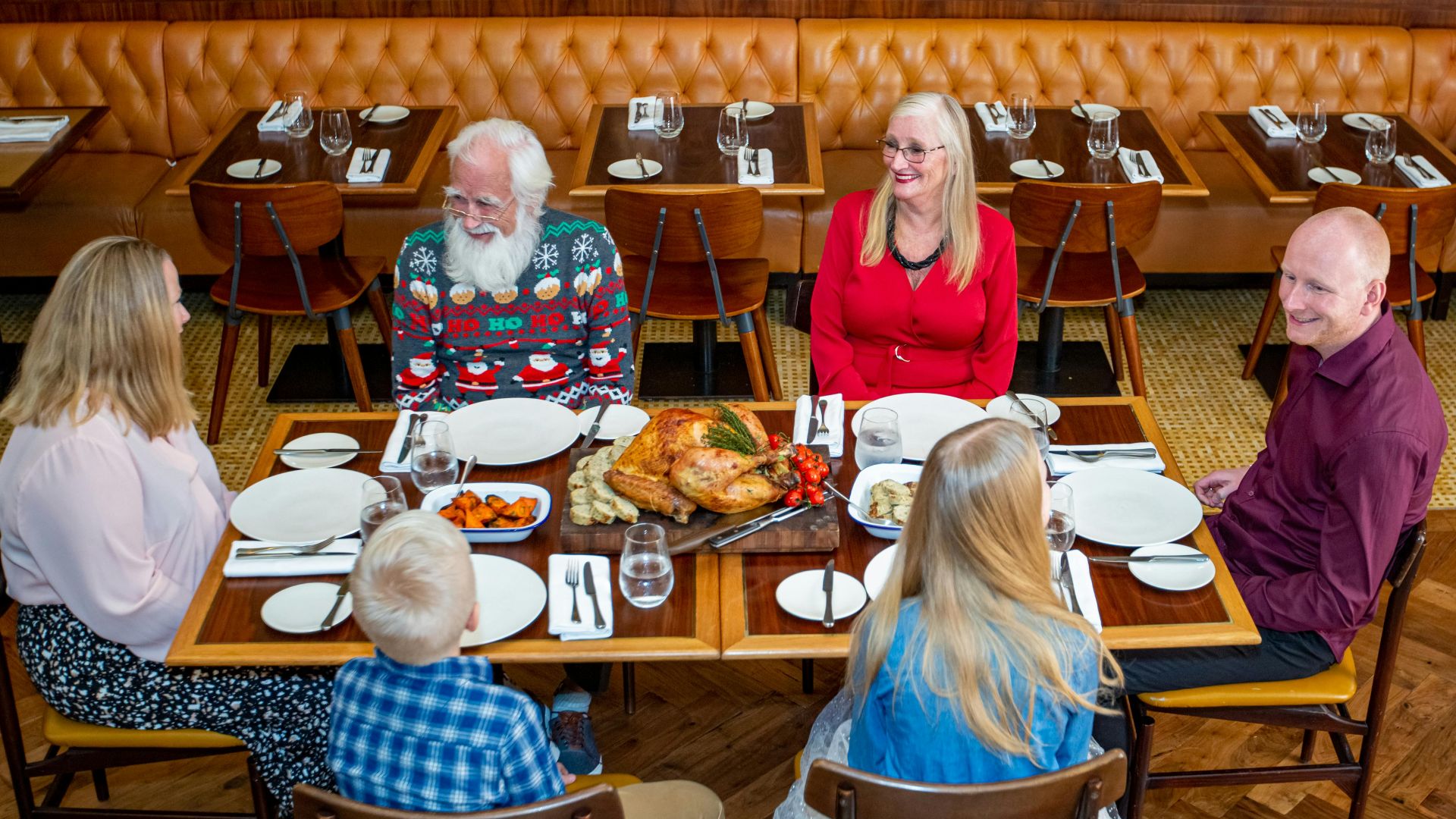
Booths work like soft barricades, keeping little legs from roaming. Wall seats cut visual chaos, and high chairs keep toddlers upright instead of folded like pretzels or covered under the table. Layout matters more than you think, because comfortable kids last longer before frustration kicks in.
6. Pack Emergency Snacks
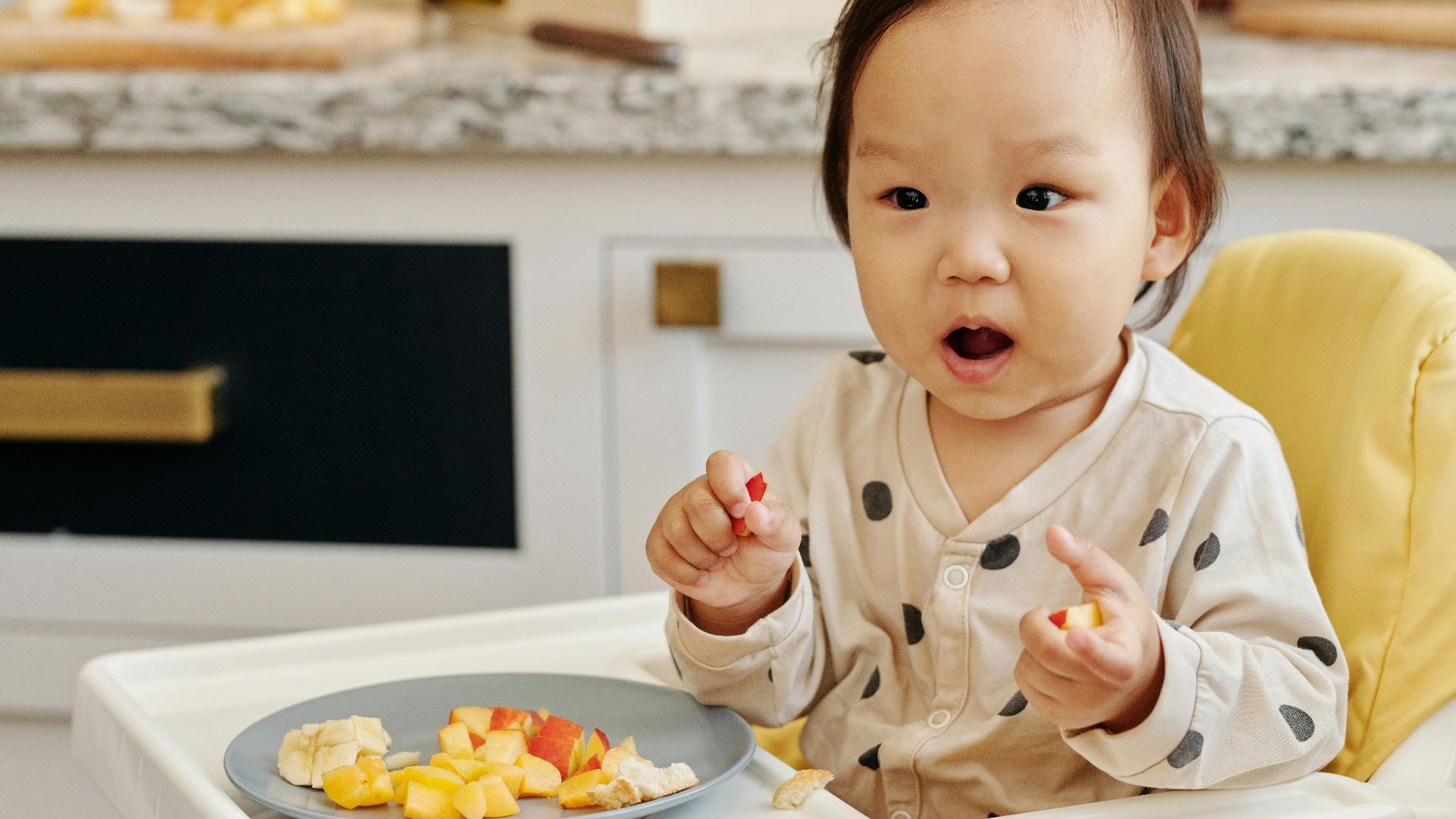
Adults know the “no food and drinks from outside” policy. Toddlers don’t. Waiting times vary, even at fast restaurants, and their hunger could quickly escalate emotions. A small snack buys time and prevents crashes. It keeps kids regulated without spoiling appetites.
7. Dress Kids Comfortably
Tight clothes increase fidgeting because they can get uncomfortable fast, especially during hot weather. Comfortable outfits improve sitting tolerance. Since temperatures can shift, layer them up. Physical ease reduces distractions, making it easier for kids to focus on eating instead of discomfort.
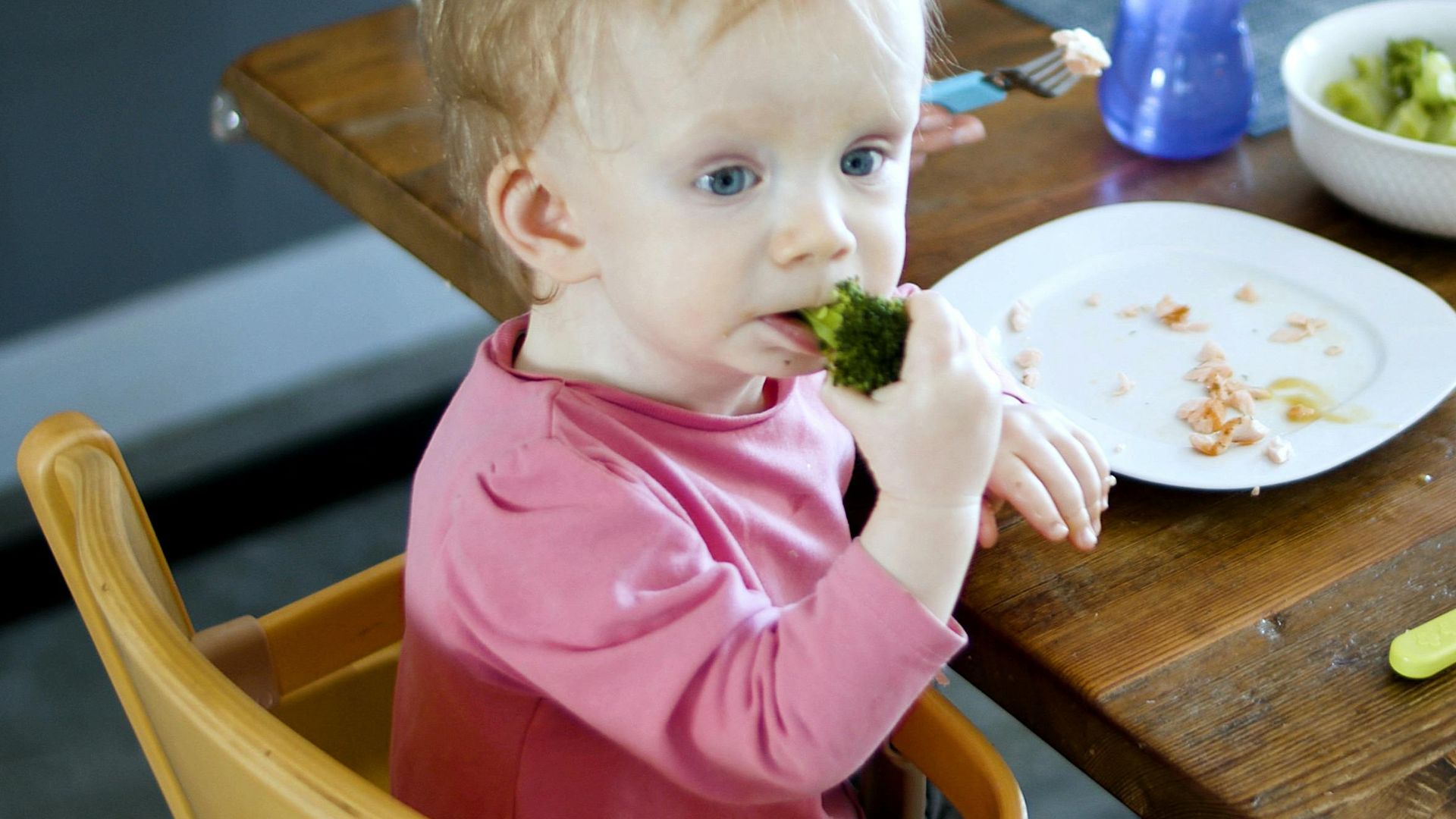
8. Avoid Over-Tired Days
If you are tired and have no other adult picking up the slack, stay home. When you are fatigued, your impulse control is reduced, so you can lash out. This also works the other way: if kids have had a long, active day and are visibly tired, stay in.

9. Start With Simple Orders
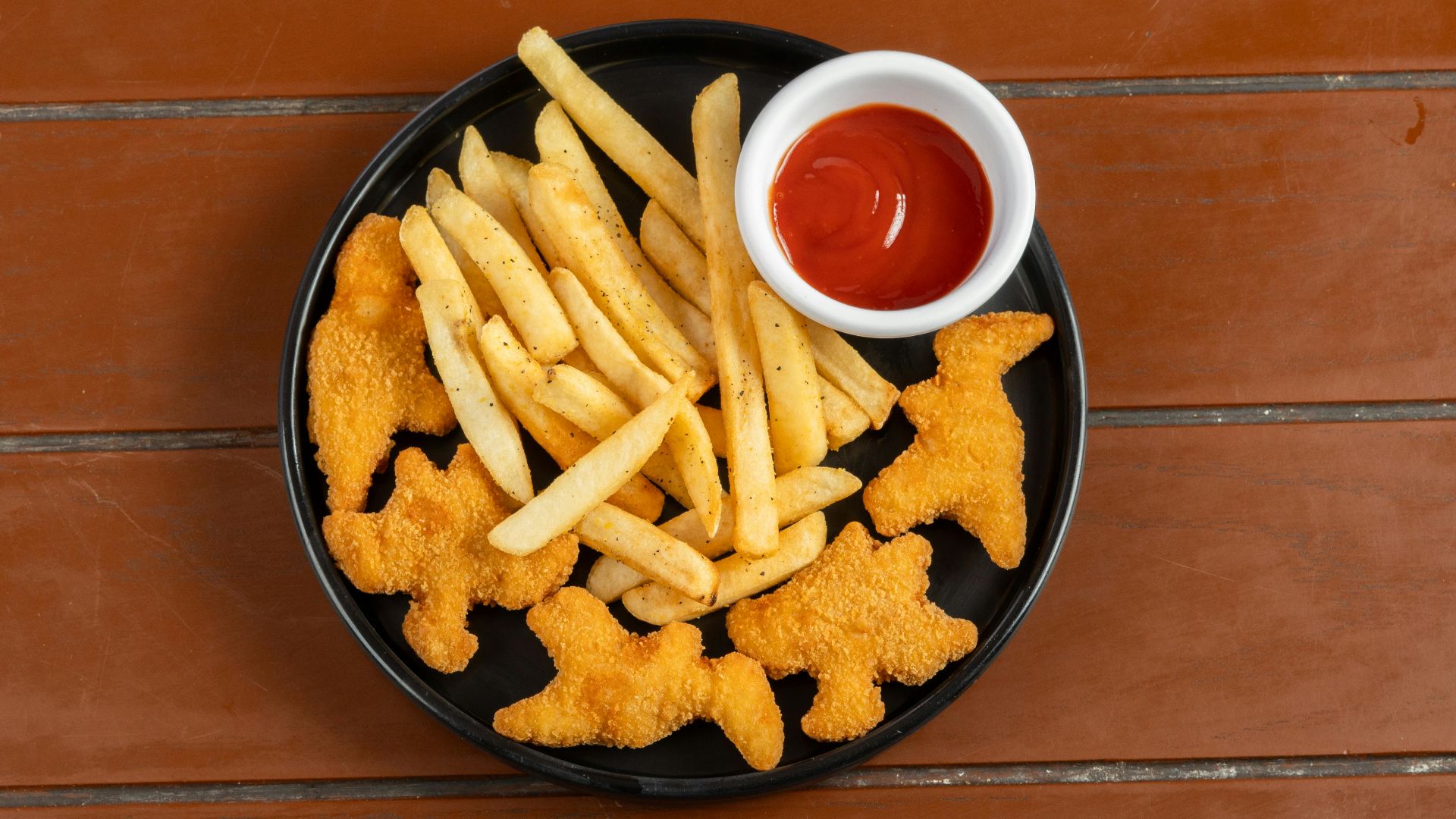
When you order, start with what kids already know: fries and wings. Feeding them such bites reduces refusal and stress. When you serve, go for smaller portions to limit waste. Offering simple choices helps kids cooperate without feeling pressured.
10. Order Drinks Immediately
After giving your order, before the wait staff walks away, explicitly say this: “Bring the drinks first, please”. Do this because a thirsty child becomes feisty fast, and it makes waiting harder. A cup with a straw often buys calm minutes and prevents restlessness before food arrives.

11. Ask For Kid-Friendly Cutlery
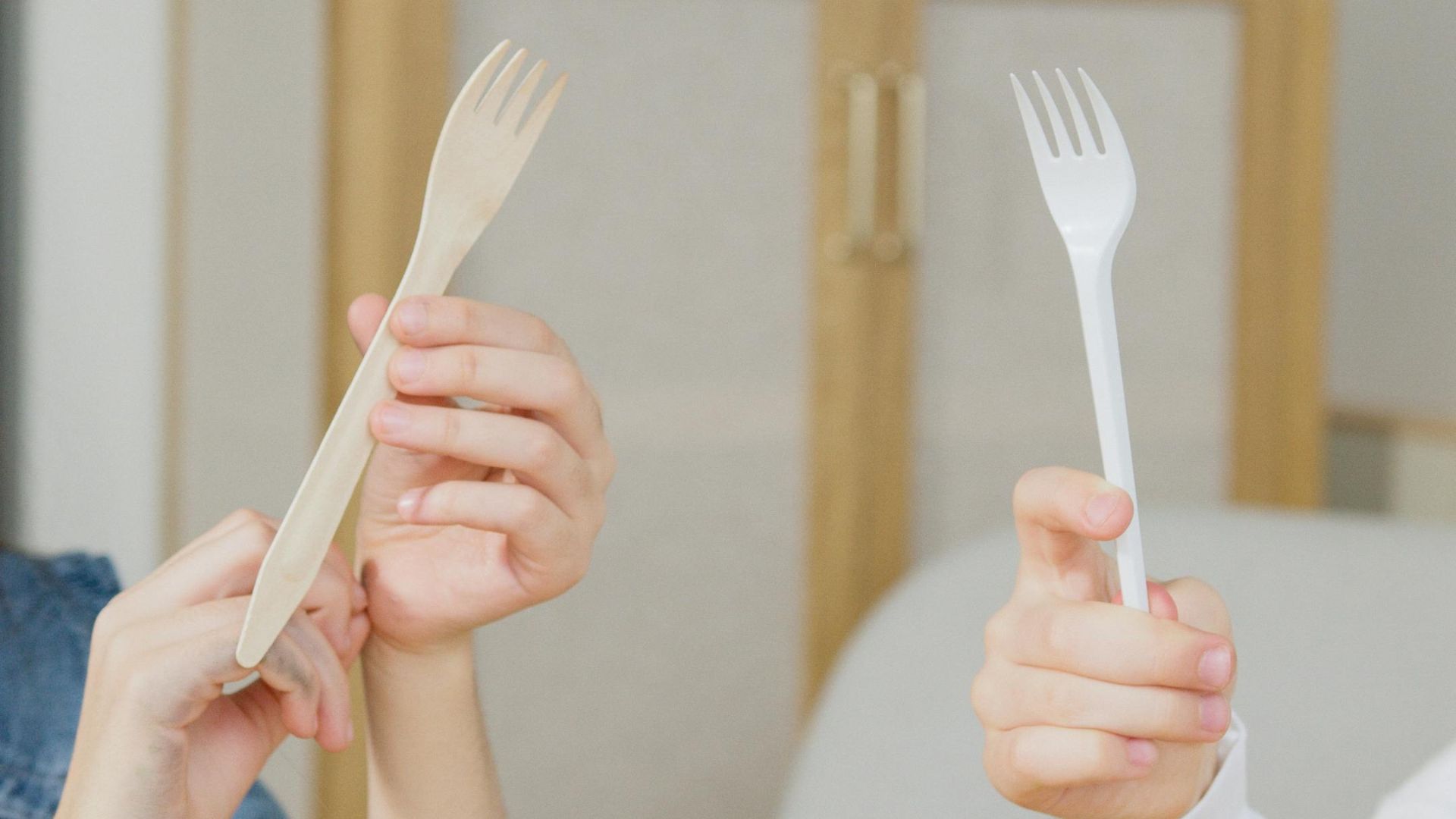
New environments already challenge kids. Add oversized forks or heavy cups, and frustration builds fast. Asking for sturdy plastic utensils or smaller spoons removes an easy obstacle. Simple adjustments help kids settle more quickly and focus on eating instead of wrestling with overwhelming tools.
12. Engage Kids In Conversation
Sitting quietly feels unnatural for young kids, especially in busy rooms. If you let boredom build, trouble follows. Asking simple questions about the menu or their day anchors attention. Conversation replaces restlessness and helps kids feel included, reducing the urge to seek attention in louder ways.
13. Share Food When Possible
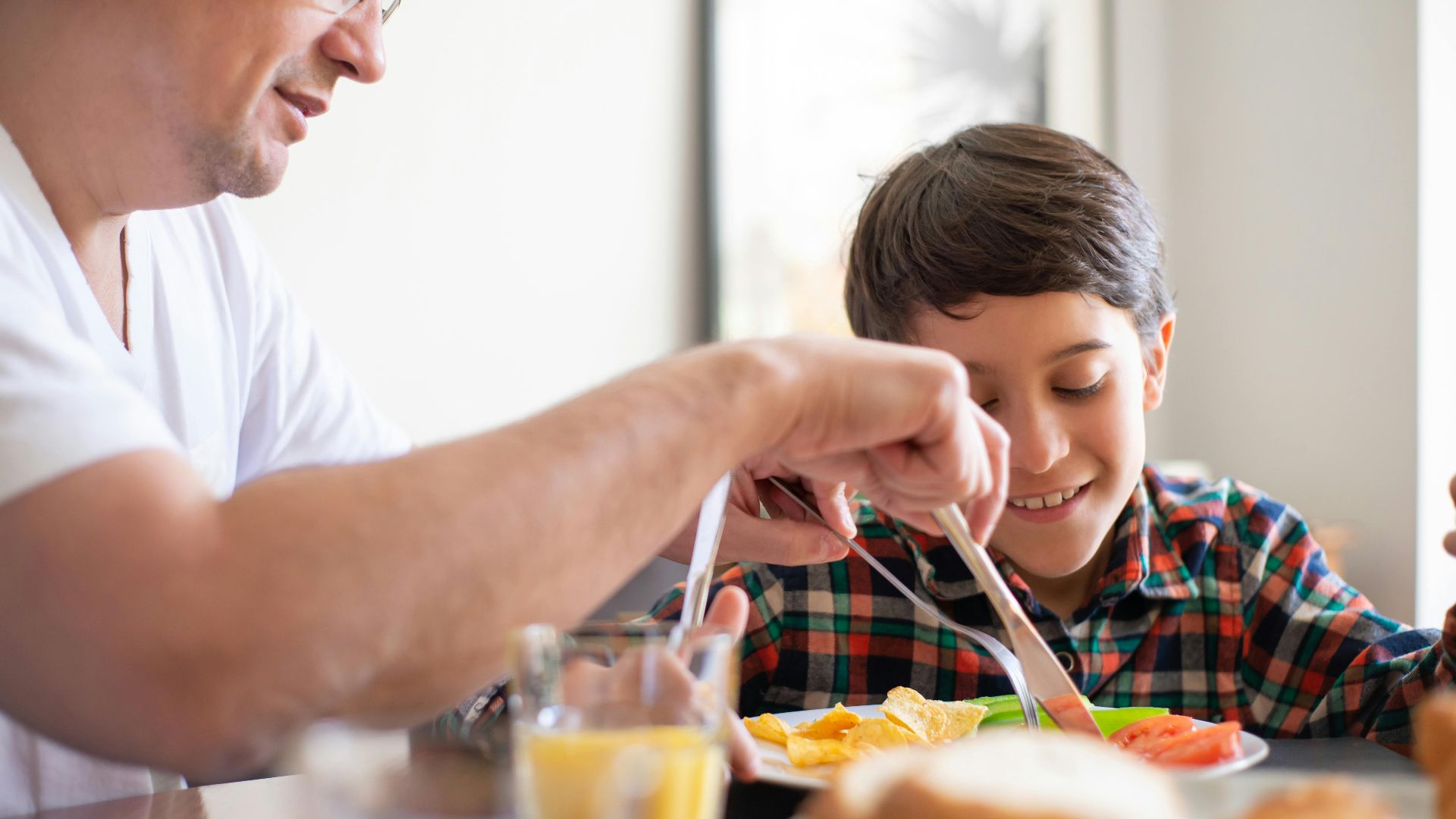
Shared plates feel social rather than restrictive. Young ones are more willing to try bites when food feels communal. Watching you eat the same thing models comfort and curiosity, and it turns meals into cooperative experiences instead of power struggles over different flavors or portion sizes.

14. Praise Good Behavior Quietly
A soft compliment works better than public praise. Whispering encouragement reinforces positive behavior without pressure or embarrassment. Children respond strongly to recognition, and quiet praise builds confidence while avoiding the spotlight that can trigger showing off or acting out.
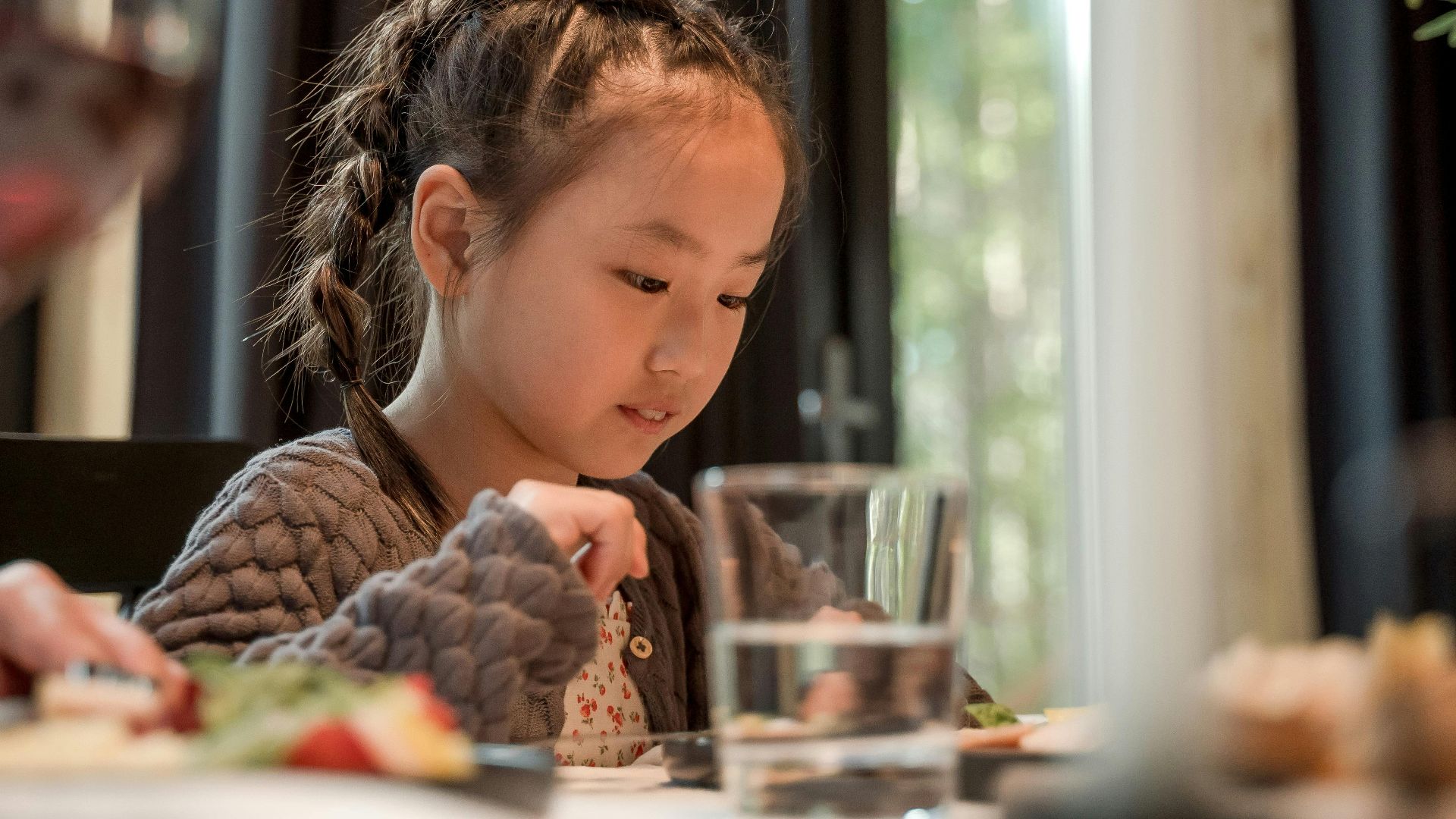
15. Accept Some Noise
Children don’t experience restaurants the way adults do, and so, if you're expecting silence, you’ll be disappointed. Instead of the rigidity, allow light chatter and even playful noises. You can only hush things if they get a little too loud, disrupting the peace around.
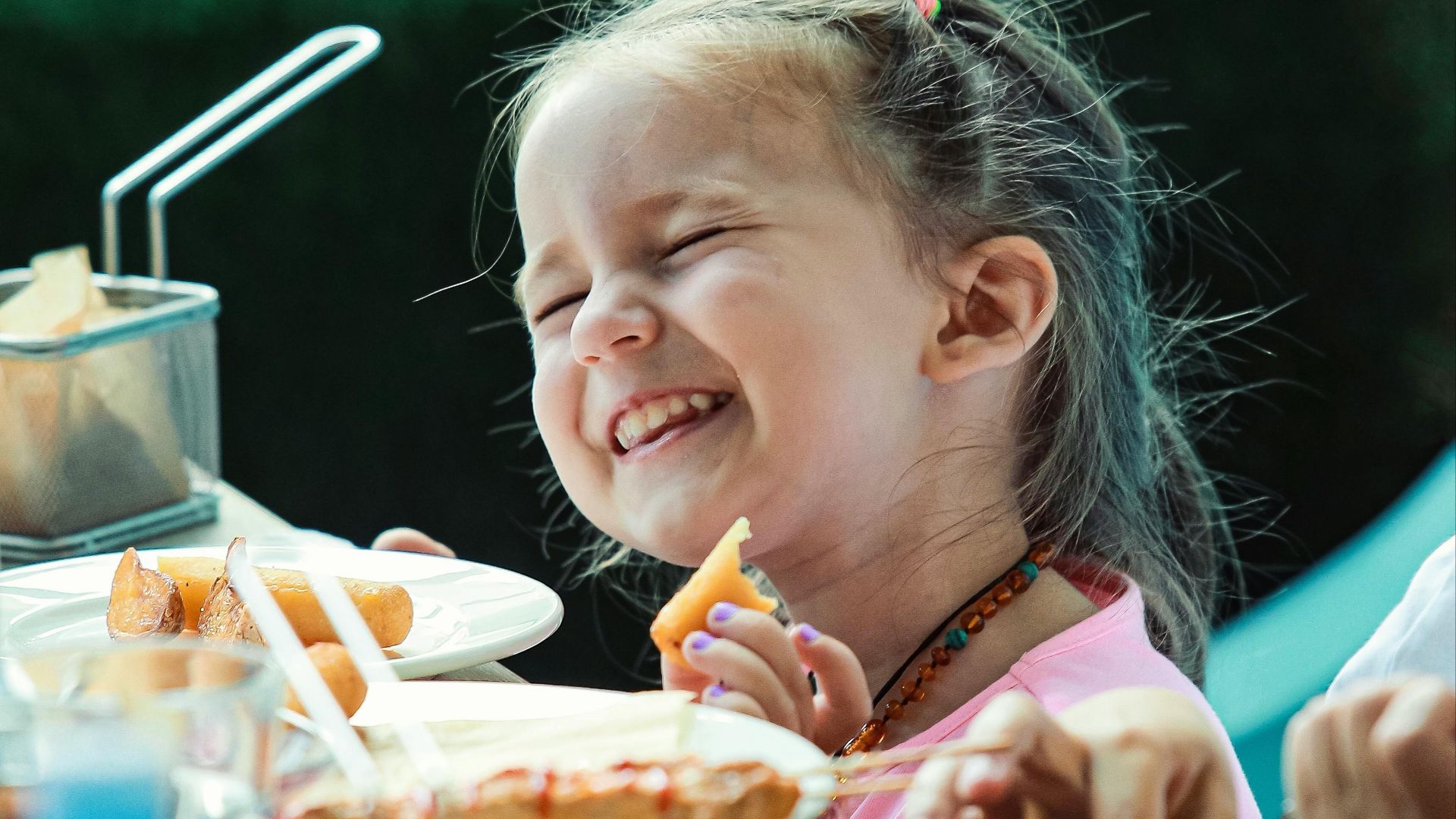
16. Cut Food Before Serving
Large bites frustrate young eaters fast. Cutting food early supports independence and reduces mess. When meals feel manageable, confidence rises, forks stay in hands longer, and parents spend less time fixing problems and more time enjoying their own food.
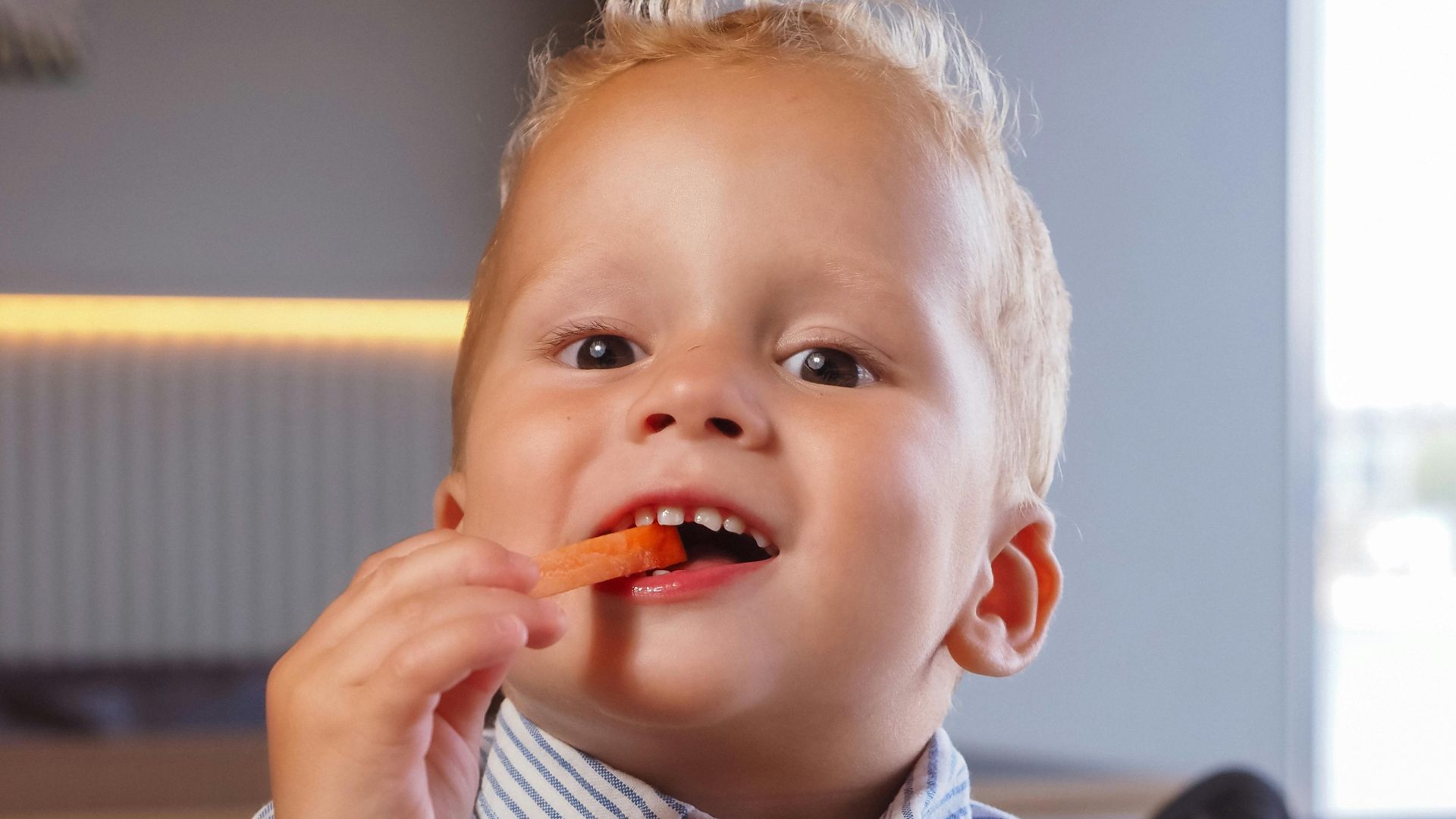
17. Rotate Activities Gradually
Remember the activity kit you packed? Yes, that one. A single toy rarely survives an entire meal. Rotating toys or books slowly keeps interest fresh without overwhelming kids. Gentle transitions extend focus and stop restless energy from turning into tapping, wandering, or repeated requests to leave the table.
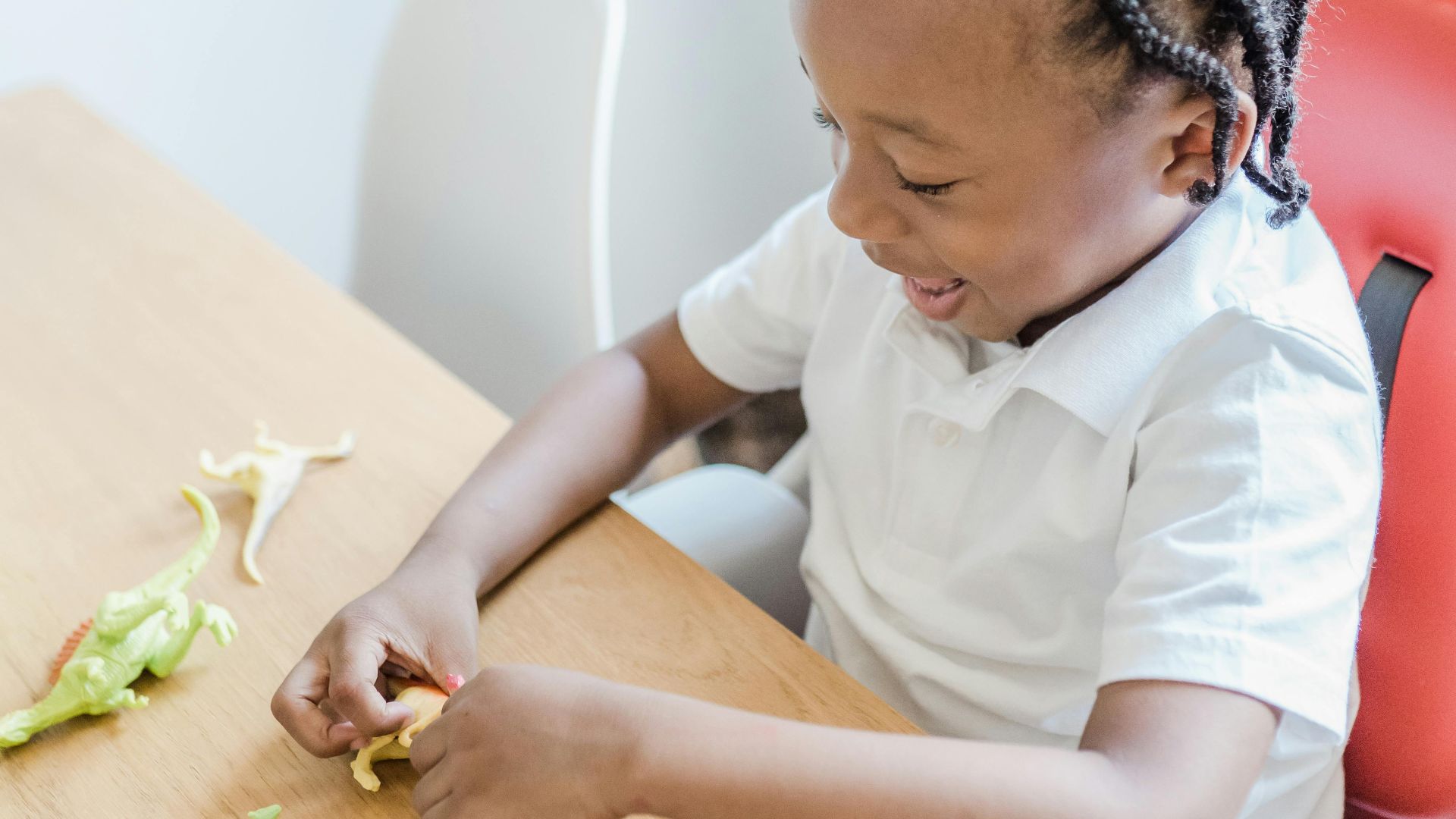
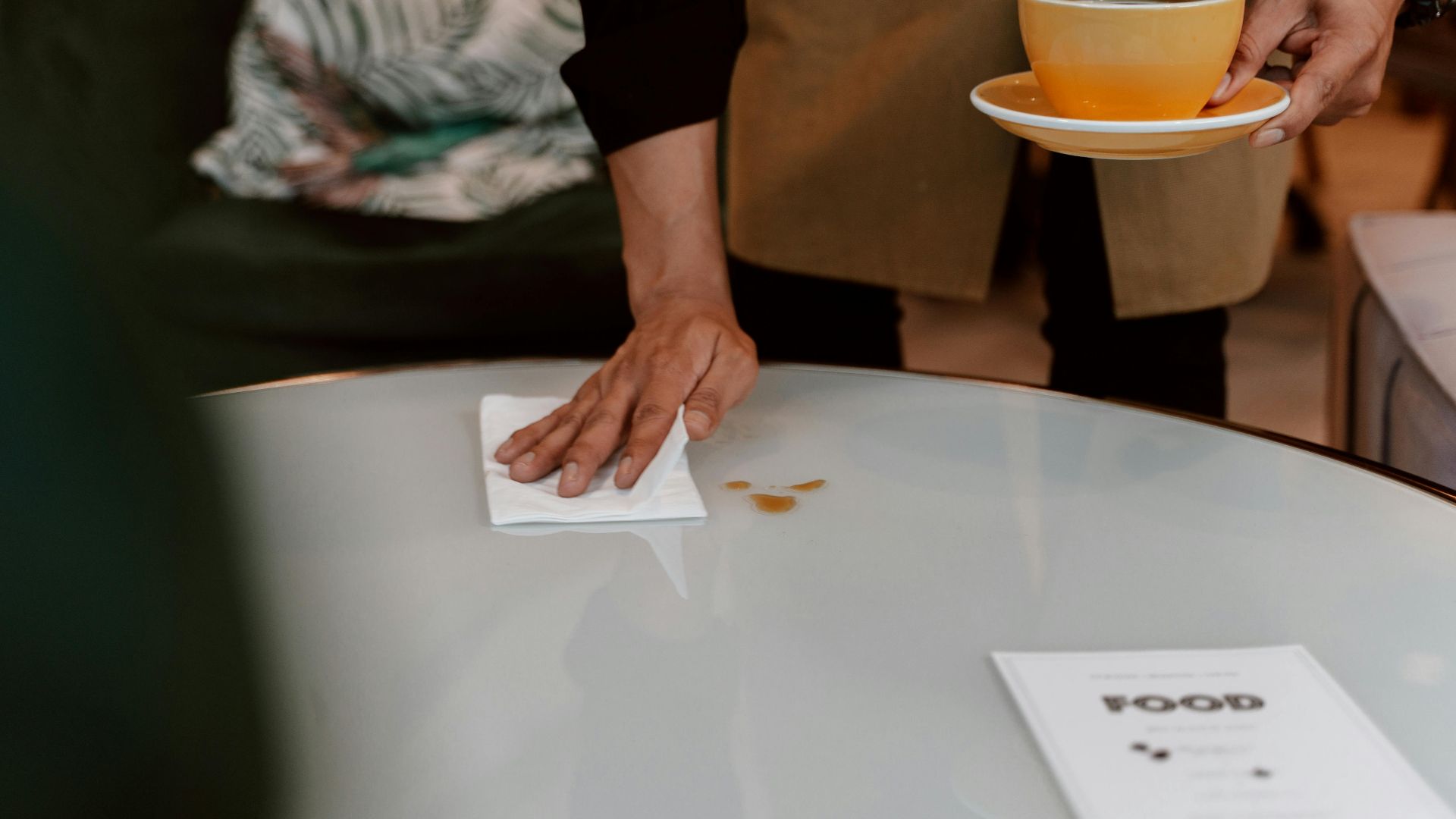
18. Stay Calm During Spills
Spills happen, especially when small hands meet full cups. Reacting calmly signals safety. Children mirror your emotional tone, and steady responses keep minor accidents from escalating. Cleanup passes quickly, while overreacting creates stress that lingers far longer.
19. Plan A Graceful Exit
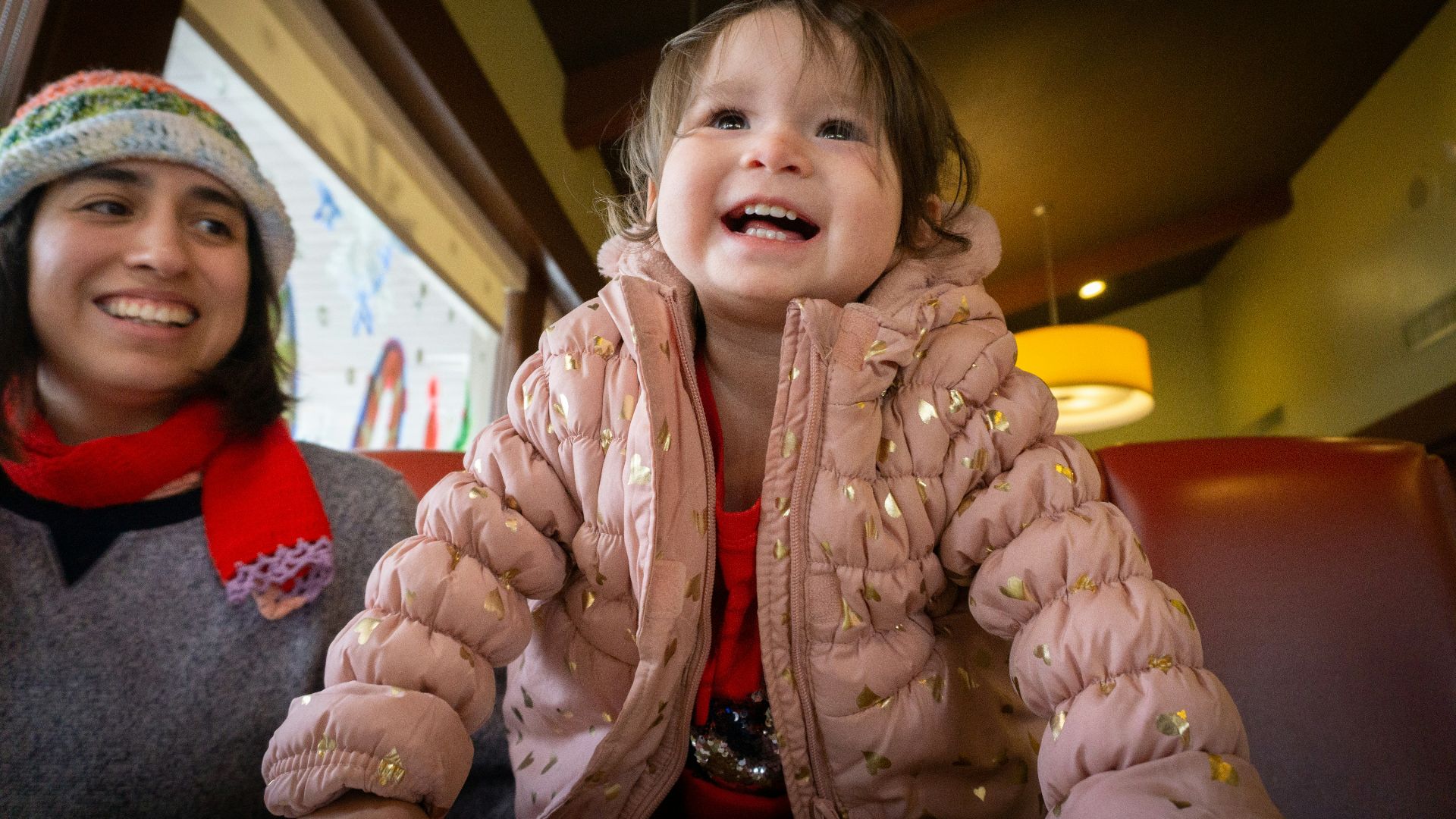
Young ones reach limits faster than adults expect. Leaving while things still feel good protects future outings. Ending on a positive note shapes memory, making the next restaurant visit feel familiar and successful instead of something kids resist or dread.
20. Treat Staff With Respect
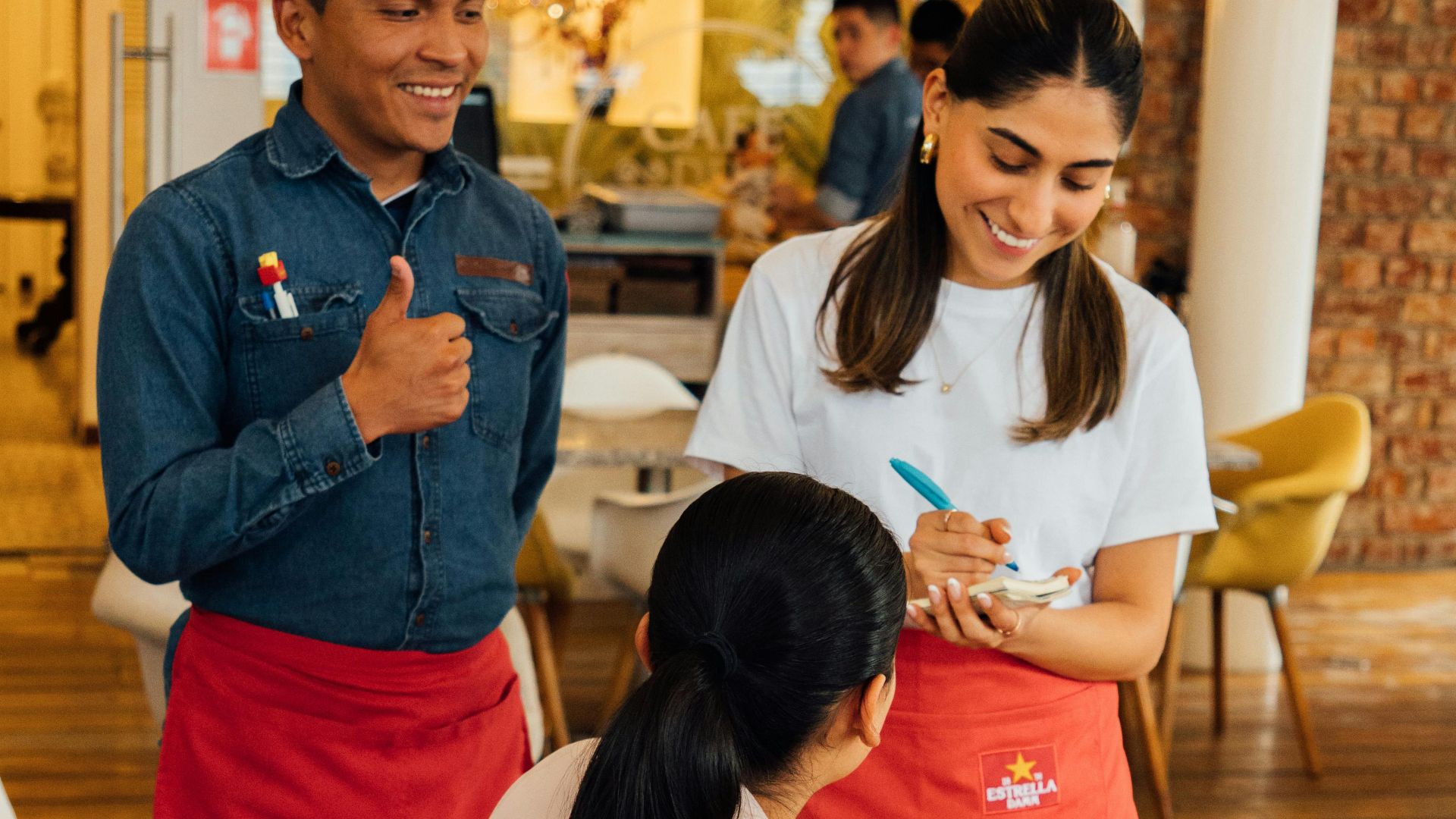
Dining with young kids creates extra work for servers and staff. Messes happen. Patience matters. Treating people kindly sets the tone for the meal since they’ll serve you with consideration. Speaking respectfully and leaving a thoughtful tip are visible ways kids learn what respect and courtesy look like in real life.
KEEP ON READING

The 20 Best Ways To Eat Oreos
20 Dinners That You Can Put In The Crock Pot