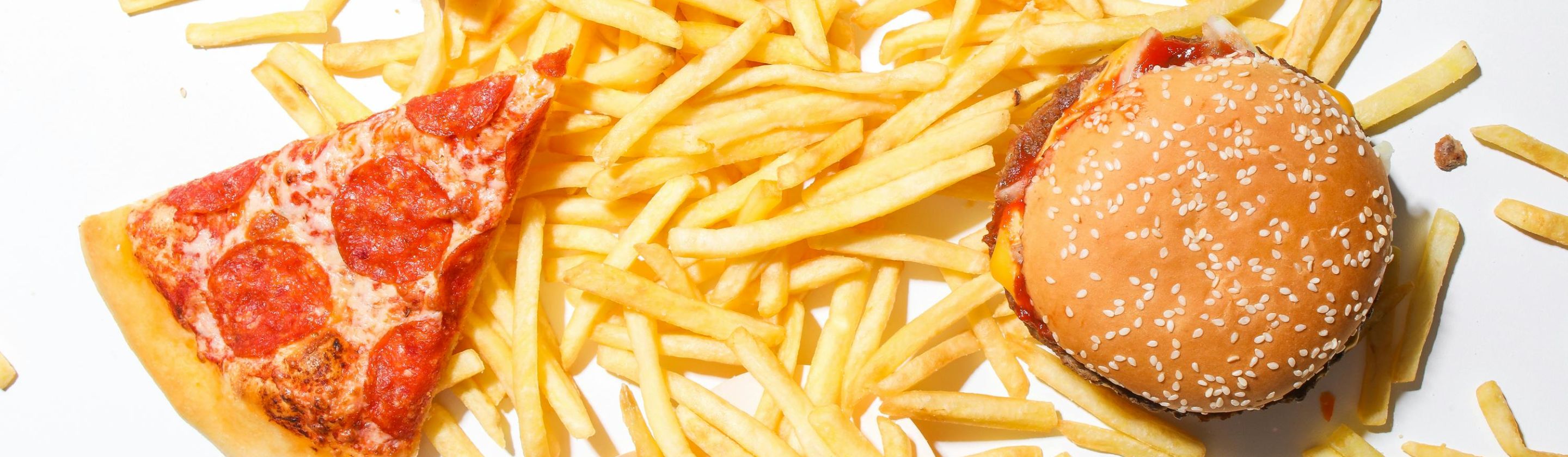
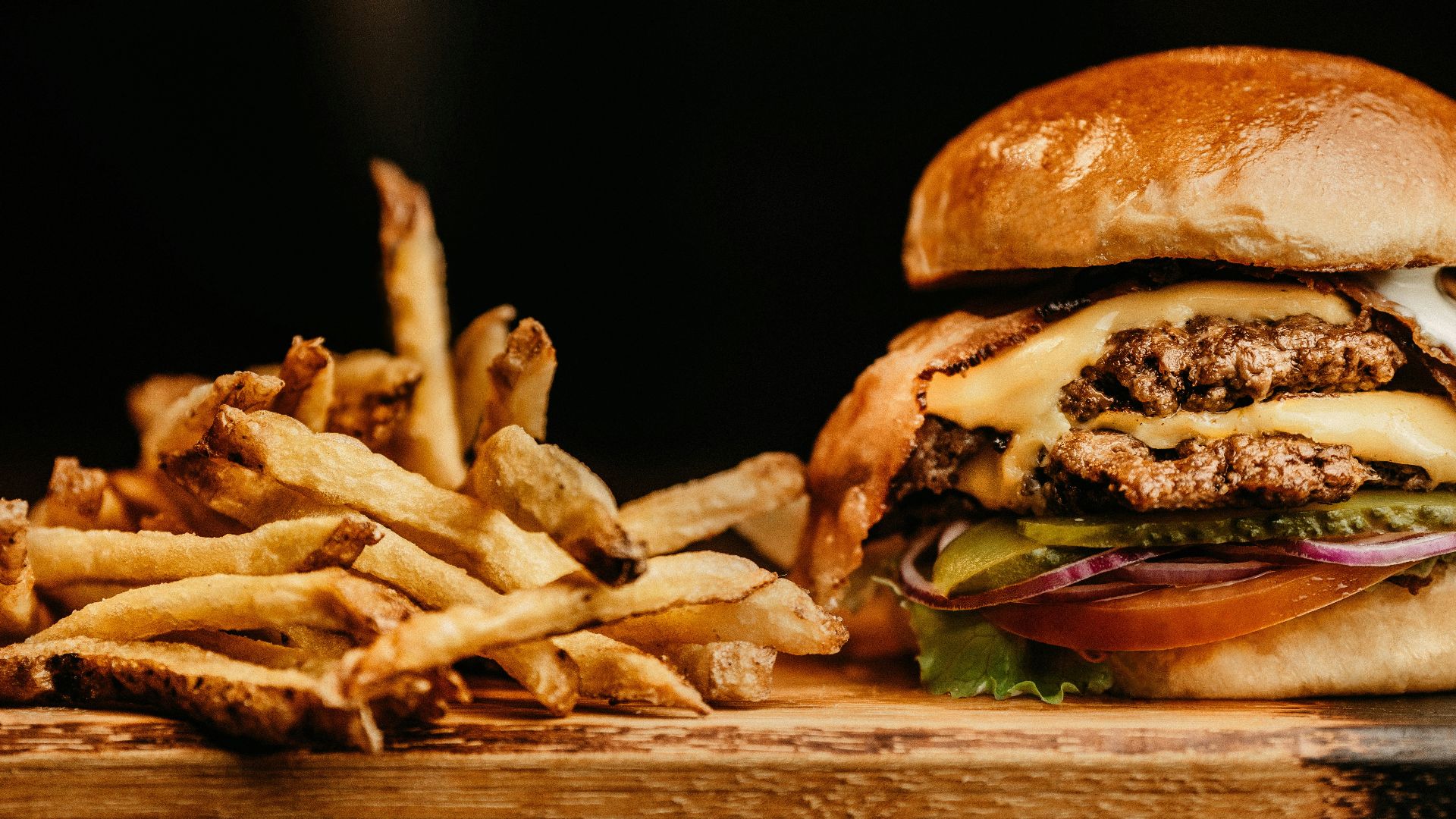
The drive-through line moves slowly as we watch the digital menu board flicker through promotional deals and combo prices. A McDouble that cost $1.19 a decade ago now rings up for $3.19. The meal we once grabbed without checking our bank balance has become something we need to budget for. Fast food built an empire on a simple promise: quick, convenient, and cheap. Somewhere along the way, the cheap part stopped being true.
According to a LendingTree study of 2,000 American adults conducted in April 2024, 78 percent of consumers now consider fast food a luxury rather than an everyday convenience. That shift in perception has consequences. Sixty-two percent of Americans report eating fast food less frequently because of rising prices, while 65 percent say they have been shocked by the cost of a fast food order within the past six months. What was once the budget option has quietly transformed into an occasional indulgence, and the numbers reveal exactly how we got here.
When Value Items Stop Being Valuable
Fast food chains raised their menu prices by an average of 60 percent between 2014 and 2024, according to FinanceBuzz analysis of twelve major chains. That increase happened while overall inflation climbed 31 percent during the same period, meaning restaurants hiked prices at nearly double the actual rate of inflation. Some chains pushed even further. McDonald's led the price surge with a 100 percent increase across popular items, more than triple the national inflation rate. Popeyes followed with an 86 percent jump, and Taco Bell raised prices 81 percent.
Recent data from the USDA Economic Research Service shows that food-away-from-home prices increased 4.1 percent in 2024, significantly outpacing the 1.2 percent rise in grocery prices. That gap tells the story of two markets moving in opposite directions. While grocery inflation has cooled to below historical averages, restaurant prices continue climbing faster than their 20-year average of 3.5 percent annual growth. When labor inflation outpaces commodity inflation, restaurant prices tend to exceed grocery pricing. The gap creates a growing perception problem for an industry built on convenience.
The Economics Behind the Menu Board
Labor costs drive much of the price acceleration. In states like California, chains with at least 60 locations nationwide face a $20 per hour minimum wage requirement for restaurant employees. Stephens analyst Jim Salera observed that labor cost increases continue running ahead of historical averages, forcing restaurants to make difficult choices about pricing strategy versus market positioning. The wage pressures exist alongside rising costs for rent, ingredients, and utilities, creating a perfect storm that pushes menu prices upward.
McDonald's CEO Chris Kempczinski addressed the bifurcation in consumer spending during first quarter 2025 earnings calls. Traffic from consumers making $45,000 annually or less fell by double-digit percentages, while traffic from middle-income consumers dropped nearly as much. Only customers earning $100,000 or more maintained solid traffic patterns. The data points to a fundamental shift in who can afford to eat fast food regularly. What was designed as accessible food for working families has priced out the very demographic it once served.
The industry response involves value promotions that feel increasingly desperate. McDonald's launched its McValue platform in January 2025, extending its $5 Meal Deal through summer. Taco Bell introduced value boxes at $5, $7, and $9 price points. Wendy's promoted a $3 breakfast combo. These offerings attempt to counteract perception problems, yet they also reveal the bind chains face. Aggressive discounting risks eroding margins that already face pressure from rising operational costs. The question becomes how long restaurants can sustain promotions that might not cover their actual cost structures.
What We Lose When Convenience Becomes Premium
The transformation from cheap to expensive reshapes how Americans think about eating. LendingTree data shows that 67 percent of consumers believe fast food should cost less than eating at home, yet three-quarters say that expectation no longer matches reality. Fifty-six percent now identify eating at home as their go-to option for inexpensive, convenient meals. The reversal marks a significant cultural shift for a country where fast food became synonymous with accessibility and speed.
Restaurant traffic declines tell the story that survey data only hints at. McDonald's experienced a 3.6 percent slump in same-store sales during the first quarter of 2025, the biggest U.S. decline since COVID-19 shutdowns. The pattern extends across the industry as consumers recalibrate their spending habits. When fast food no longer represents value, people skip it. They cook at home, pack lunches, or simply eat less frequently rather than pay premium prices for what they perceive as low-quality food.
We stand at an inflection point where the industry must choose between protecting margins and reclaiming its identity. The value meals and promotional deals flooding the market represent attempts to thread that needle, offering entry-level pricing to draw traffic while maintaining higher-margin items for customers willing to pay. Whether that strategy works depends on whether Americans accept fast food as an occasional treat rather than a daily option. The shift would mark the end of an era when grabbing lunch or dinner required minimal financial consideration. We might still pull through the drive-through, just far less often than before. The golden arches remain, yet the promise of cheap convenience has faded along with our dollar menus.
KEEP ON READING
You’re Storing Tomatoes Wrong in This Heat
You’re Storing Potatoes Wrong in This Heat
You’re Storing Peppers Wrong in This Heat