

Milk has been a breakfast staple for generations, whether it's poured over cereal, stirred into coffee, or enjoyed straight from a glass in the refrigerator. Yet somewhere along the way, drinking a glass of milk as an adult became a source of amusement, with some people treating it like an unusual childhood habit that nobody should continue past a certain age. Meanwhile, plenty of adults are happily enjoying their lattes, milkshakes, and midnight glasses of cold milk without giving the matter much thought.
So, is there actually anything strange about drinking milk as an adult? Not particularly, although the answer depends on your digestion, nutritional needs, and personal preferences. Milk provides several useful nutrients, but it's certainly not a requirement for a healthy diet, and not everyone tolerates it equally well.
Your Body Doesn't Automatically Retire From Drinking Milk
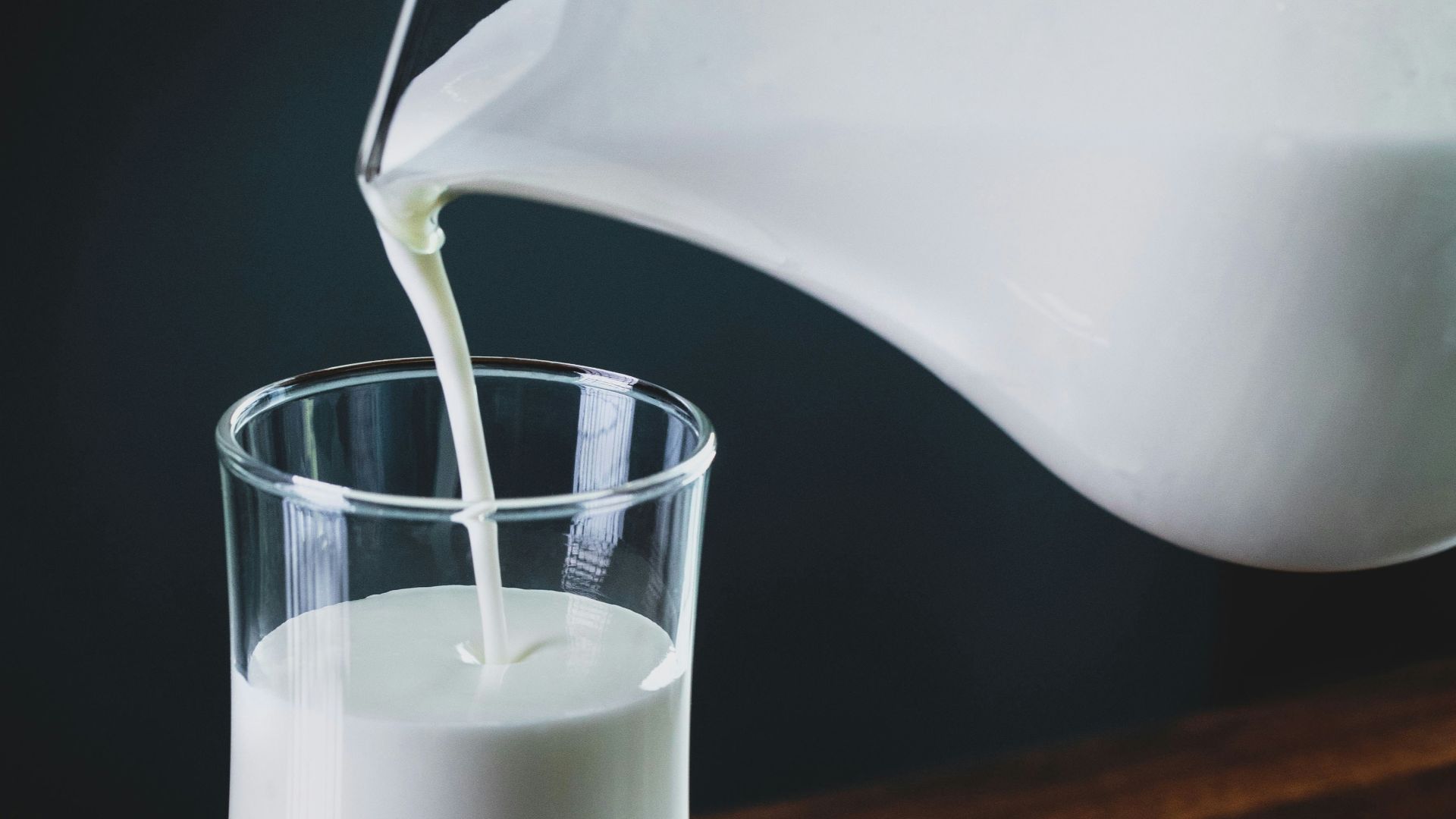
Many people think that once you're an adult, you should stop drinking milk. There is no age at which you're no longer allowed to drink milk, as long as you can digest it and want to. You can still get great benefits from drinking milk as an adult, such as protein and calcium.
Because milk is used during infancy, it can make people believe that they're not supposed to drink it after a certain age. When you're an infant, your only form of nutrition is breast milk or infant formula. Once you're weaned off these, you have more variety in your diet. As stated before, there are many other foods you can get these nutrients from.
Interestingly, the ability to digest lactose, the natural sugar in milk, varies considerably among adults. Some people continue producing enough lactase, the enzyme needed to digest lactose, while others produce less as they get older. This difference helps explain why one adult can drink a large glass of milk without a problem while another experiences uncomfortable digestive symptoms.
If you like milk, there are some nutritional benefits to consuming it. The proteins in dairy milk can help build muscle, while calcium can help keep your bones healthy. Milk also provides vitamin B12 and other nutrients. Many types of milk sold in the U.S. are fortified with vitamin D as well.
Just as different types of milk have different calorie counts and fat content, some will be better for you than others. It all depends on what type of person you are and your current diet. Some might say that drinking skim milk is healthier than drinking whole milk, but both can benefit your body if consumed appropriately.
There's also no need to force yourself to drink milk just because you've heard it's essential for bone health. Calcium can be found in foods such as calcium-set tofu, certain leafy greens, and fortified plant-based beverages, while vitamin D comes from selected foods, fortified products, and other sources. A balanced diet can meet your nutritional needs without dairy, provided you pay attention to the nutrients you're replacing.
The Real Question Is Whether Milk Agrees With You
For some adults, drinking milk leads to bloating, gas, abdominal discomfort, or diarrhea because of lactose intolerance. These symptoms occur when the body doesn't digest lactose effectively, allowing it to reach the large intestine, where bacteria ferment it. Lactose intolerance varies in severity, and some people can tolerate small servings or certain dairy products better than others.
There are plenty of options when it comes to dairy as well. You don't have to consume milk if lactose is an issue for you. Lactose-free cow's milk has the same protein and calcium benefits as regular milk. Most people with lactose intolerance can digest yogurt and/or harder cheeses because these products usually don't contain as much lactose. There are also plant-based milks available, but as previously stated, each will vary in protein content and the nutrients added, so be sure to read your labels.
If you have a milk allergy, that's a different story. A milk allergy occurs when your body reacts to proteins found in milk. This can cause hives, swelling, vomiting, and trouble breathing. You would need emergency medical attention if you had a severe allergic reaction. Speak with your doctor if you believe you may have a milk allergy, and don't try different types of dairy to test this.
Ultimately, adults who enjoy milk don't need to justify the habit, and those who dislike it don't need to develop a taste for it. Whether you prefer a cold glass of milk, a splash in your coffee, or no dairy at all, what matters most is meeting your nutritional needs in a way that suits your body. So, are adults who drink milk all right? In general, yes, assuming they tolerate it and have no medical reason to avoid it.
KEEP ON READING


20 Food-Related Art Projects