The Cheap Meal That Fed an Entire Generation During the Great Depression
When economic hardship swept across North America in the 1930s, resourcefulness quickly became the most valuable asset in the kitchen. Home cooks had to completely reinvent their menus to feed their families on just pennies a day. Instead of focusing on elaborate recipes, the primary goal shifted toward maximizing calories and stretching basic pantry staples as far as possible. This challenging era birthed a unique style of cooking that relied heavily on ingenuity and a handful of incredibly shelf-stable ingredients.
Among the various clever culinary creations of the time, one specific dish emerged as the ultimate comfort food for an entire generation of children. It combined affordable proteins, durable grains, and canned vegetables into a warm, satisfying bowl that kept the workforce fueled. You might be surprised to learn that this budget-friendly concoction actually tasted wonderful despite its humble origins. Let's explore the fascinating history and mechanics behind Hoover Stew, the iconic meal that proved creative home cooking could triumph over massive scarcity.
The Brilliant Architecture of an Ultra-Cheap One-Pot Meal
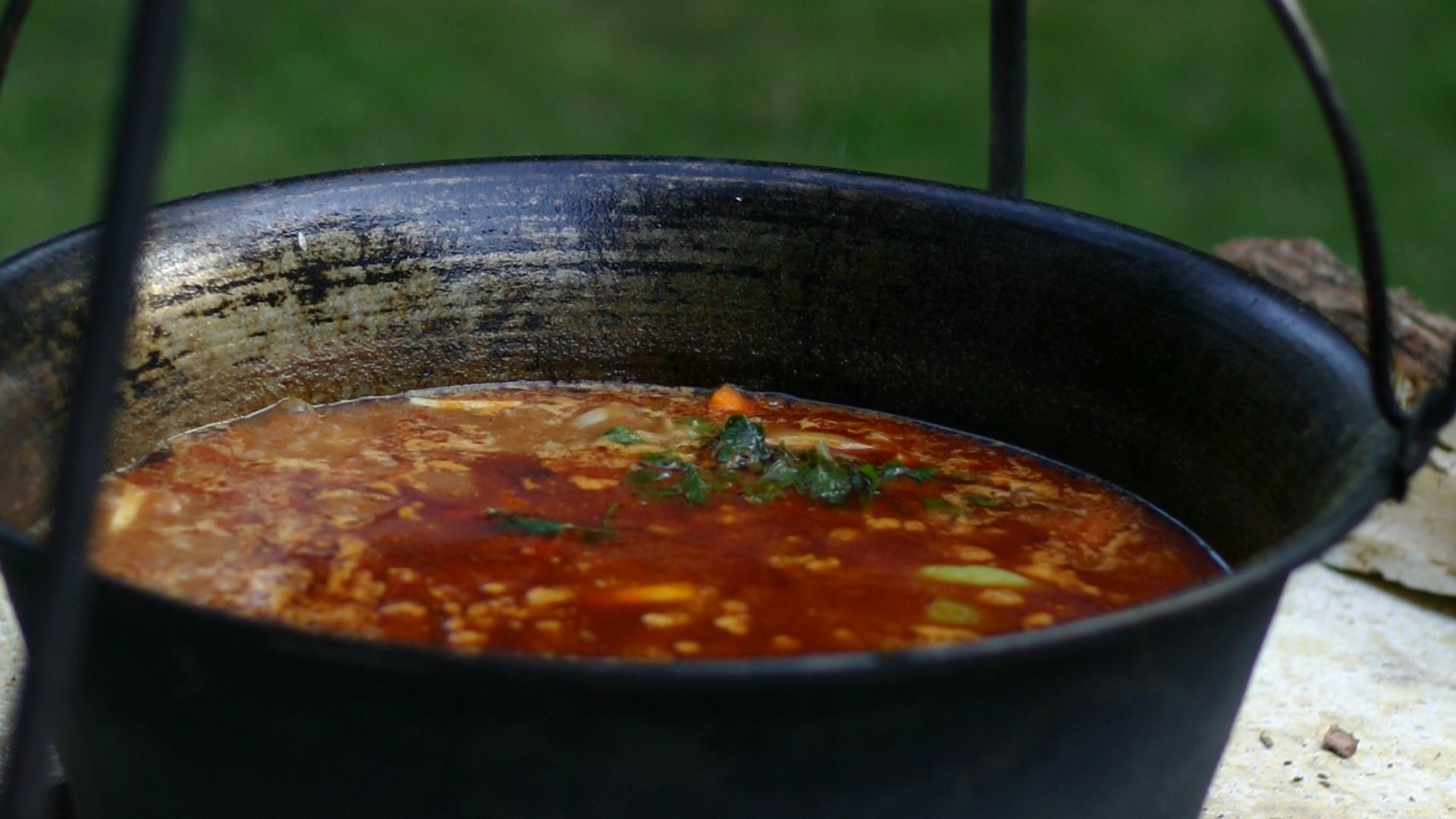
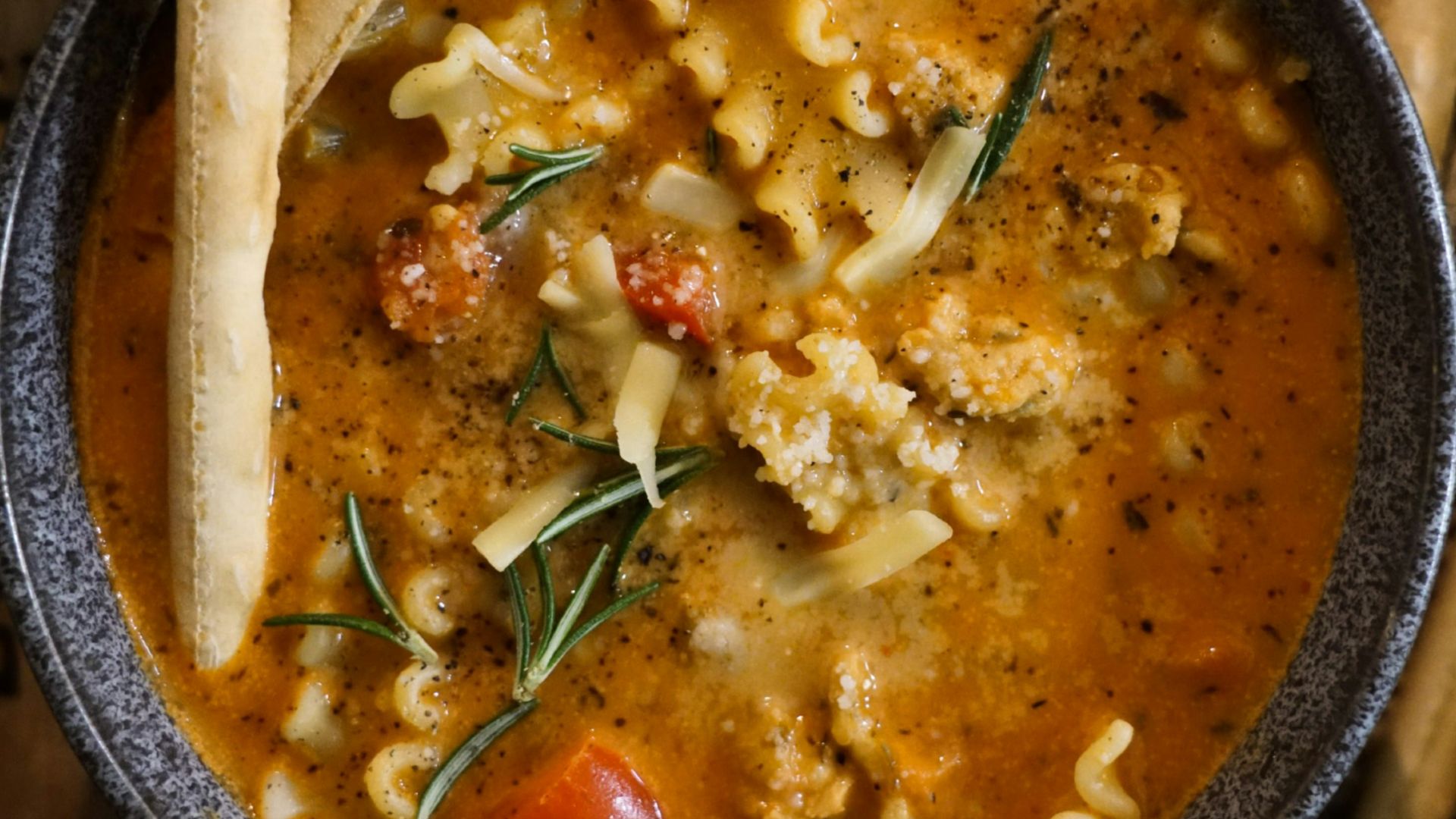
The basic blueprint of this legendary stew relied on a clever combination of four incredibly affordable ingredients that almost everyone kept in their kitchen cupboards. You would start by boiling a box of basic elbow macaroni until it reached a perfectly tender texture. While the pasta cooked, you sliced up a package of affordable hot dogs, which served as the primary protein source for the entire family. Mixing these elements with canned stewed tomatoes and sweet corn created a hearty, colorful base that could easily feed a massive crowd.
Using canned tomatoes was a highly strategic choice because the rich juices functioned as a ready-made savory broth without requiring any extra butter or expensive stock. The natural acidity of the tomatoes paired beautifully with the smoky flavor of the sliced hot dogs, making the simple dish taste much more complex than it actually was. Home cooks often threw in whatever extra vegetables happened to be sitting in the pantry, such as canned pinto beans or leftover onions. It was an incredibly flexible recipe that welcomed modifications and never required precise measurements to turn out well.
The absolute beauty of this preparation method was that it required only a single large pot or cast-iron skillet to prepare.
Minimizing cleanup and reducing fuel consumption were massive advantages for households that were watching every single penny. You could assemble the entire meal in less than twenty minutes, making it an incredibly efficient option for busy parents. This straightforward approach ensured that even amateur cooks could successfully whip up a steaming hot dinner that provided sustained energy for the evening.
The Surprising Nutritional Strategy Behind the Ingredients
While the creators of this iconic dish were primarily focused on saving cash, they accidentally designed a remarkably balanced meal from a nutritional standpoint. The elbow macaroni provided a massive dose of necessary carbohydrates to help growing children maintain their weight during active days. Meanwhile, the processed hot dogs offered accessible protein and essential fats that were otherwise quite difficult to secure on a tight budget. It was a clever way to ensure the family stayed nourished without spending a fortune at the local butcher shop.
The addition of canned tomatoes and sweet corn introduced vital vitamins and minerals into the daily diet of a generation that rarely saw fresh produce. Vitamin C and lycopene from the tomato base helped support the immune systems of vulnerable young people during the harsh winter months. Because the recipe utilized the entire contents of the cans, none of the water-soluble nutrients were drained away down the kitchen sink.
You were essentially getting a hidden dose of health benefits packed directly inside a comforting, savory sauce.
Stretching the meat portion by cutting the hot dogs into tiny, coin-shaped rounds ensured that every single spoonful contained a bit of protein. This visual trick made the meal feel incredibly substantial and kept kids from feeling like they were missing out on a traditional dinner. The high water content of the stew also helped promote a genuine sense of fullness that lasted long after the bowls were cleared. It represents a masterclass in domestic science that managed to keep basic malnutrition at bay across the continent.
You might wonder how this comforting pasta dish managed to secure its distinctively presidential nickname during the height of the economic crisis. The meal was named after President Herbert Hoover, who unfortunately bore the brunt of the public's frustration regarding the severe financial downturn. Citizens began naming various symbols of their daily struggles after the commander-in-chief, turning his name into a shared household keyword. Shanty towns became known as Hoovervilles, and this specific budget-friendly dinner was permanently dubbed Hoover Stew.