Grocery shopping has traditionally been a battle between familiar national brands and the less glamorous store-brand alternatives. Yet private-label groceries have become much more than budget substitutes. In 2025, U.S. store-brand sales reached a record $282.8 billion, showing just how firmly these products have established themselves in American shopping carts.
Some store brands have even developed genuine followings. Shoppers aren't merely buying them because they're cheaper; they're returning for particular snacks, pantry staples, frozen foods, and household favorites they actively prefer. Here's a look at several grocery brands that have turned ordinary private-label products into surprisingly loyal customer favorites.
Costco's Kirkland Signature Has Become A Destination Brand
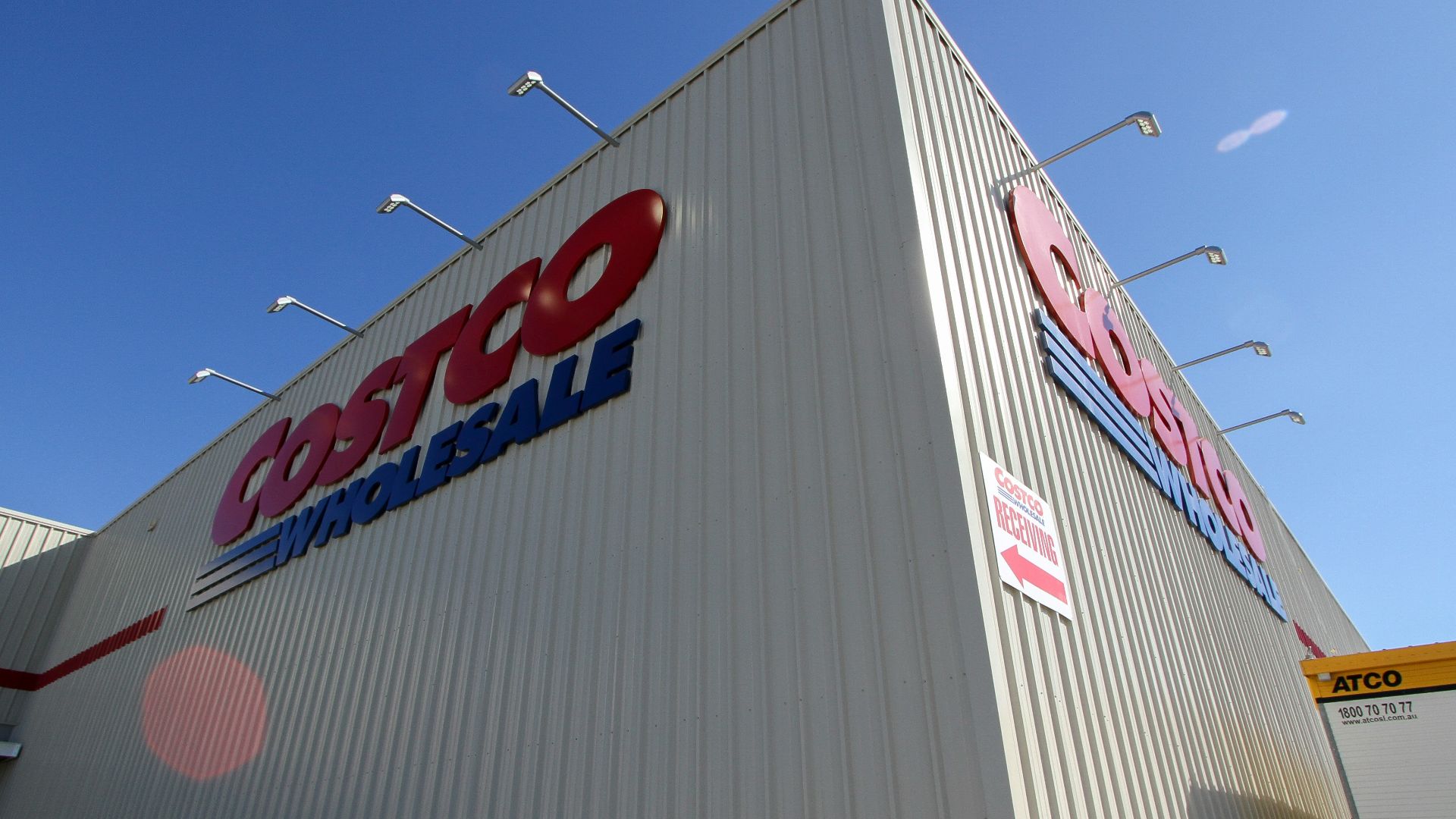 Marcus Reubenstein on Unsplash
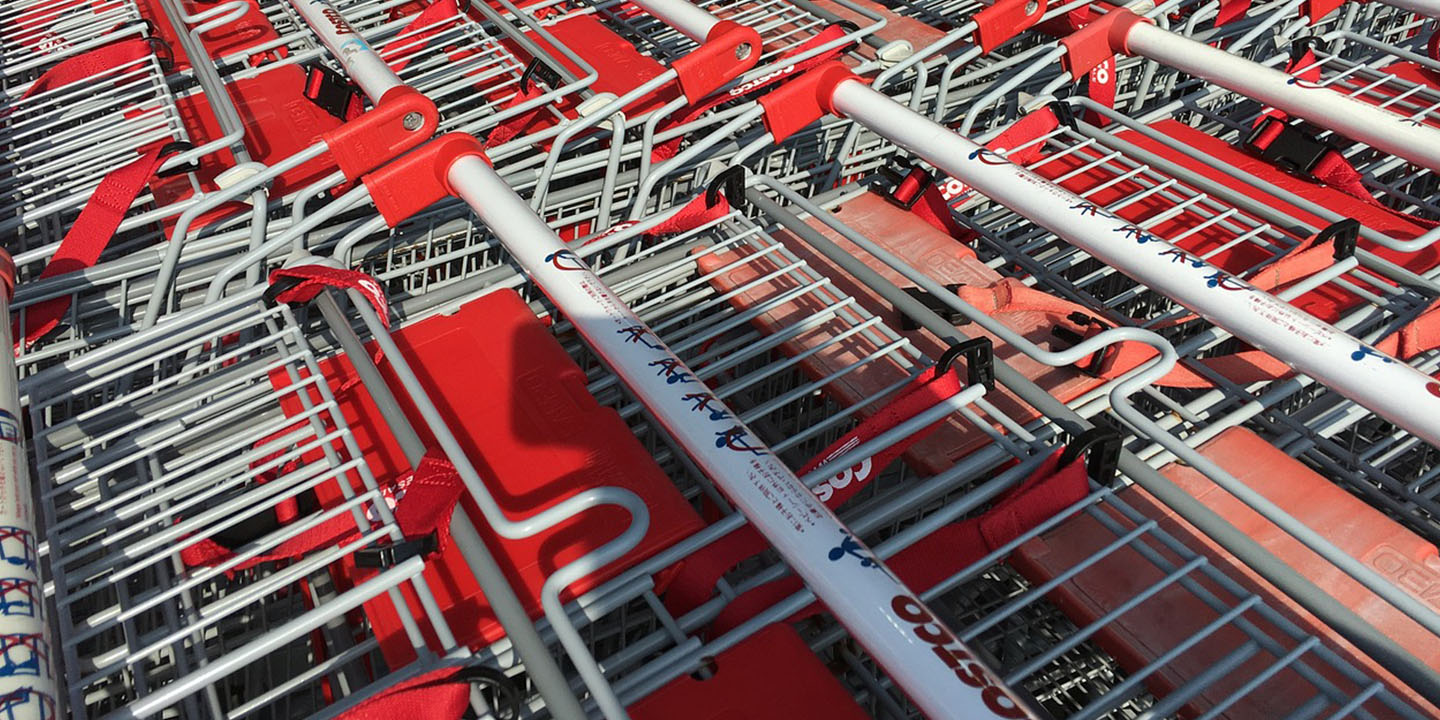
While many don't know this, Kirkland Signature is Costco's private label. Accordingly, Kirkland took up about 32% of sales at Costco over the last 12 months as of June 30, 2025. Which is quite substantial when you think about it.
Kirkland's popularity isn't based entirely on low prices. Consumer Reports has found that shoppers can be particularly enthusiastic about specific Kirkland products, including ice cream and various pantry items, while recent coverage has highlighted repeat purchases of everything from coffee to paper towels.
Something that I think is cool about Kirkland is that it can drive people to a store. If someone knows they want a product that is only available at Costco, then that's where they will go to find it. That's a different kind of private-label loyalty because the product isn't simply accompanying the shopping trip; sometimes it's part of the reason for making the trip in the first place.
Trader Joe's has been known for selling products under its private label. As of June 30, 2025, private labels made up 78% of sales over the last 12 months. This makes Trader Joe's one of the top retailers that relies on private-label products.
That setup creates a particularly strong relationship between shoppers and individual products. Someone might walk into Trader Joe's specifically looking for a favorite frozen meal, snack, sauce, or seasonal item rather than simply choosing whichever brand happens to be on sale. Consumer Reports has also documented shoppers who routinely make trips for specific Trader Joe's products.
Trader Joe's does not carry every type of product that you can find at other grocery stores. Its smaller, curated assortment means shoppers often become familiar with particular products, which can make favorites feel more distinctive. When you find something you genuinely enjoy there, another store may not offer an obvious substitute with exactly the same identity.
Aldi And Other Store Brands Have Their Own Fan Bases
Aldi is probably the best example of private label taking over. Its brands accounted for 77% of its sales over the same period of time. There are only so many products in an Aldi, so it makes sense that they are selling more of their own brands.
With Walmart, we see another store that can sell a lot of private-label products. It was reported that approximately 86% of U.S. households purchased Great Value during the past year, making it one of the country's largest private-label brands by household reach.
Other retailers have developed their own strong private-label followings. Bain & Company's research identified H-E-B, Kirkland Signature, 365 by Whole Foods Market, Trader Joe's, and Sam's Club's Member's Mark among the private brands consumers particularly liked for value and quality.
When you look at why this is happening, it makes sense. People want their store brands to not only save them money but also taste good and have quality. A study done by Consumer Reports showed that 76% of the 70 products tested were as good as the name brand. These products usually cost less per serving as well.
KEEP ON READING