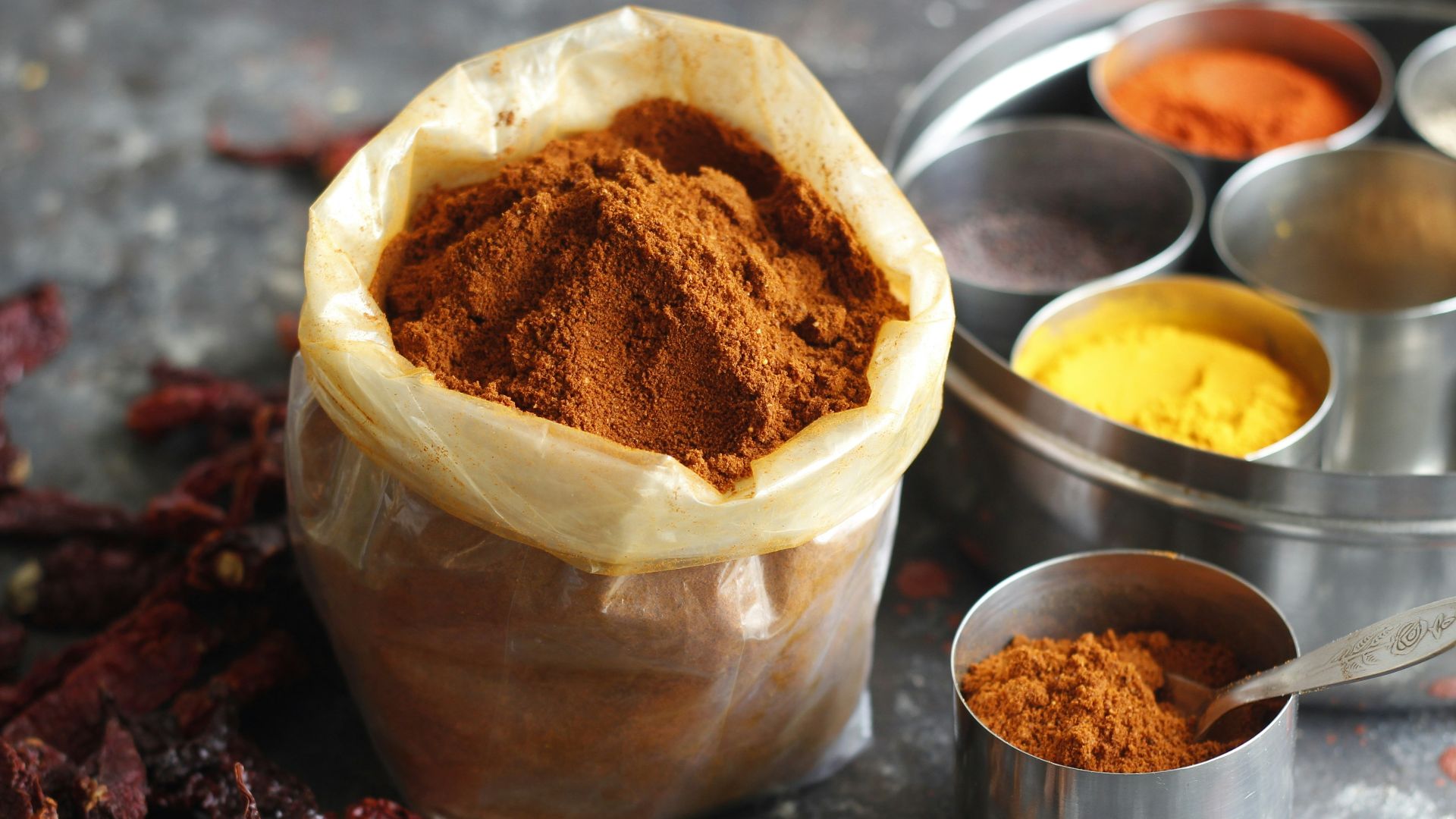
Turmeric is probably sitting in countless kitchen cabinets today, where it's used to add color and flavor to curries, soups, rice dishes, and other foods. Its history, however, stretches far beyond the modern spice rack. The bright yellow rhizome was traded across Asia for centuries and became part of the wider network of valuable spices that attracted merchants from Europe and elsewhere.
It would be a lie to say turmeric played no role in the European discovery of other countries. As stated before, turmeric was just one of many spices being looked for. Pepper, cloves, nutmeg, etc., were all being searched for as well. So it was one of many factors that led Europe to become interested in India and Southeast Asia.
Turmeric is believed to be indigenous to India, where people have used it for a very long time as a spice, dye, and traditional medicinal ingredient. The plant's rhizomes can be used fresh or dried and ground into the familiar yellow powder. Its distinctive color comes largely from curcumin, a pigment that gives turmeric its characteristic golden appearance.
Before Europeans started traveling to India in great numbers, Asian people had already been doing this. Spices were just one product being traded to and from India. There were many things being exported to Asia before the Europeans wanted to travel there.
It is important to note that they weren't the only ones who traveled to Asia. Many people were able to get spices from India. When Europeans started wanting to get to Asia faster is when this became an issue.
Europe Developed An Appetite For Asian Spices
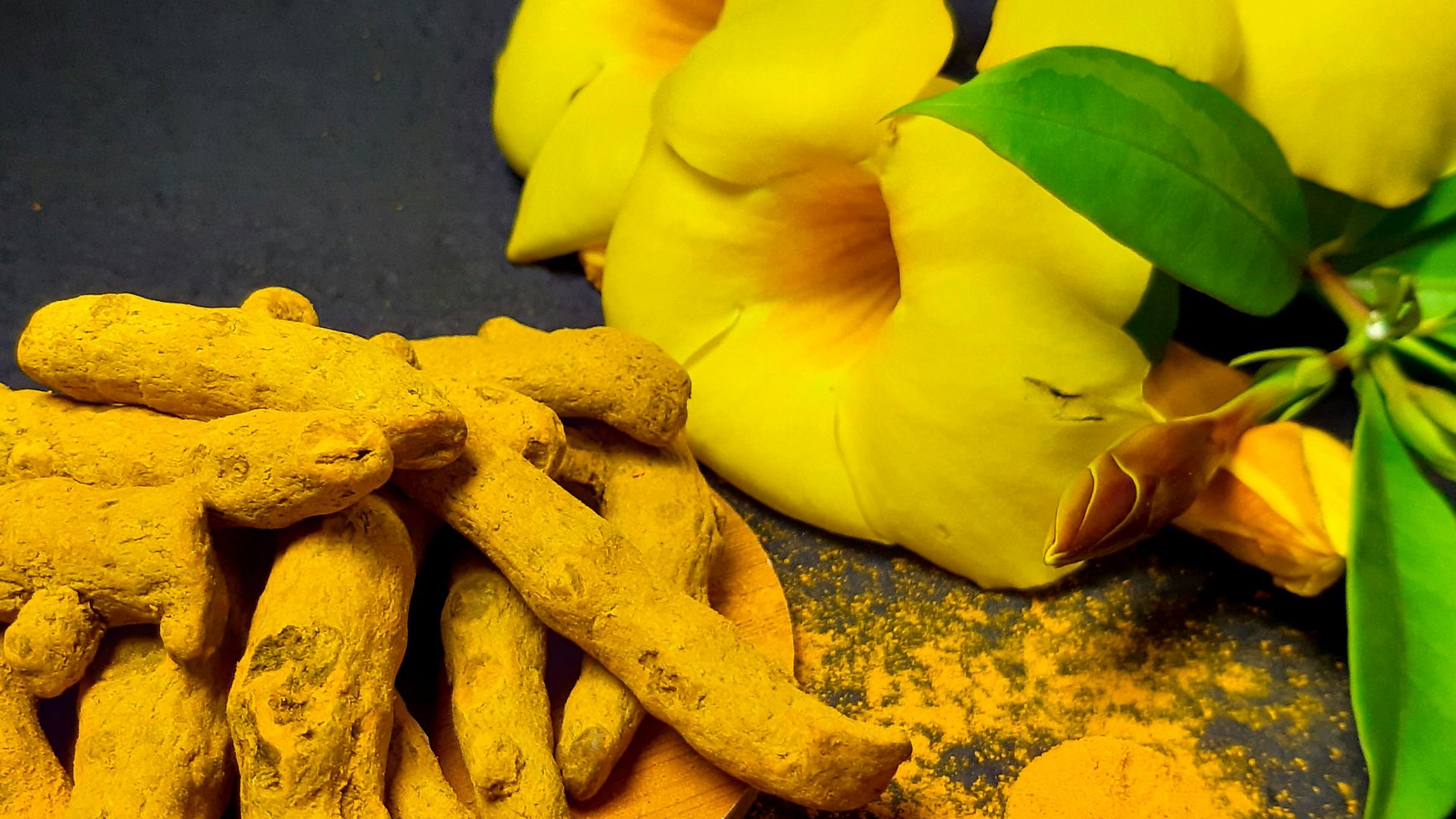
Spices were valuable in medieval and early modern Europe partly because many came from distant regions and were expensive to obtain. Pepper and turmeric were among the spices associated with the Indian subcontinent and Southeast Asia, while other highly prized spices originated farther east. Their rarity in European markets helped give them considerable commercial value.
It was also able to be used as a dye due to its bright yellow color. There are some references to it being used as a medicine as well. When Marco Polo found turmeric in 1280, he noted that it looked and tasted similar to saffron, which it doesn't really.
European traders wanted much more than just spices from Asia. These goods were very profitable when they got back to Europe, so it only made sense that people wanted an easier way to get them. The desire for these goods helped encourage Europeans to seek more direct routes to Asian markets.
The desire to access Asian trade helped motivate Portuguese efforts to find a maritime route around Africa. Bartolomeu Dias rounded the Cape of Good Hope in 1488, demonstrating that ships could reach the Indian Ocean from the Atlantic. A decade later, Vasco da Gama sailed from Portugal to Calicut on India's Malabar Coast, arriving in 1498.
Da Gama's voyage was enormously significant because it established a direct sea connection between Europe and India. Portuguese merchants no longer had to depend entirely on overland routes and established Mediterranean or Middle Eastern trading networks to obtain Asian goods. The Portuguese subsequently established trading posts and sought control over important ports throughout the region.
Turmeric wasn't the sole prize waiting at the end of this journey, nor was it necessarily the most important spice economically. Instead, it belonged to the much larger collection of Asian products that made the region so attractive. The same commercial ambitions that encouraged Europeans to seek pepper and other spices also helped bring European ships into increasingly regular contact with Asian ports.
Competition Quickly Followed
Portugal wasn't the only European power interested in Asian trade for long. Dutch merchants began sending expeditions toward Southeast Asia in the late sixteenth century, while England's East India Company was chartered in 1600 and the Dutch East India Company, or VOC, was established in 1602. Both companies became major participants in the competition for Asian trade.
Competing for Asian trade did not just mean going to the existing markets and purchasing spices. These companies created outposts, made treaties, and competed for commercial outposts. The Dutch wanted to take over some areas of the Moluccas, which were full of desirable spices like cloves and nutmeg.
When European countries were creating more trade opportunities, they also traveled farther. More land had to be discovered so maps could be created to find land masses, sea currents, and paths of wind. Finding ways to gain more profit led to more exploration of land masses.
With European countries exploring waters around India, their journeys went even further. When trying to discover more paths to get to the spice-producing islands, the Dutch explored some areas of the Australian coastline. People even sailed farther to the Pacific Ocean. The Metropolitan Museum of Art notes that the search for routes to the spice-rich Moluccas was one of the major motivations behind European exploration of the Pacific.
KEEP ON READING