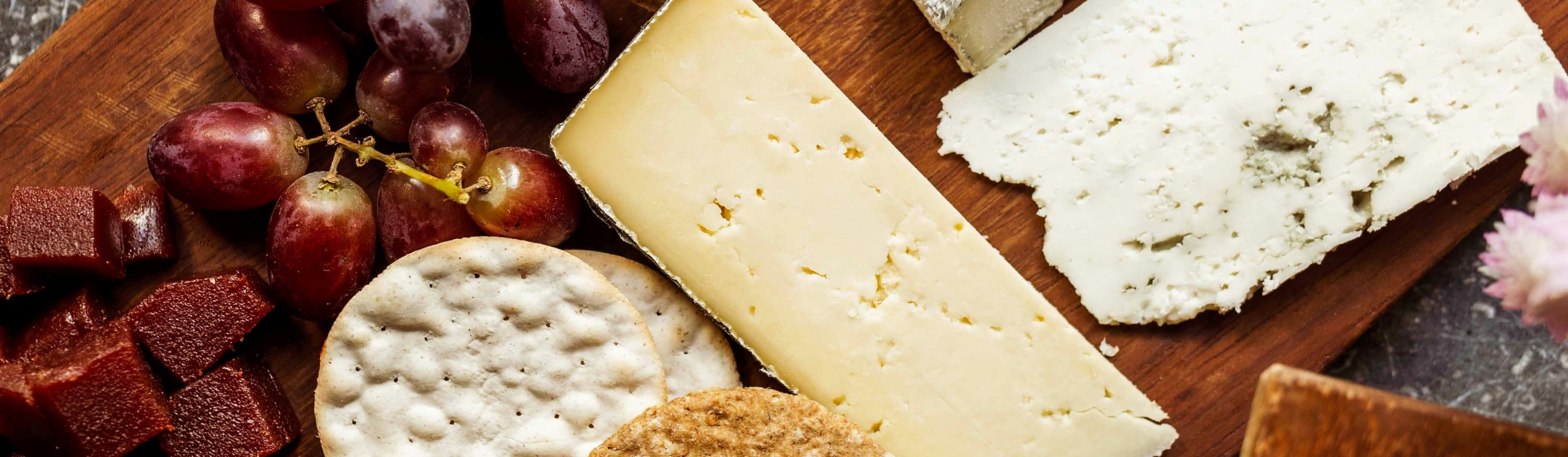
 Rodrigo Rodrigues | WOLF Λ R T on Unsplash
Food has always, always, been social. We trade recipes, recommend restaurants, copy what friends are making, and remember certain meals because of where we were when we ate them. Social media didn’t create that habit, but it has made it faster, more visual, and a whole lot harder to tune out.
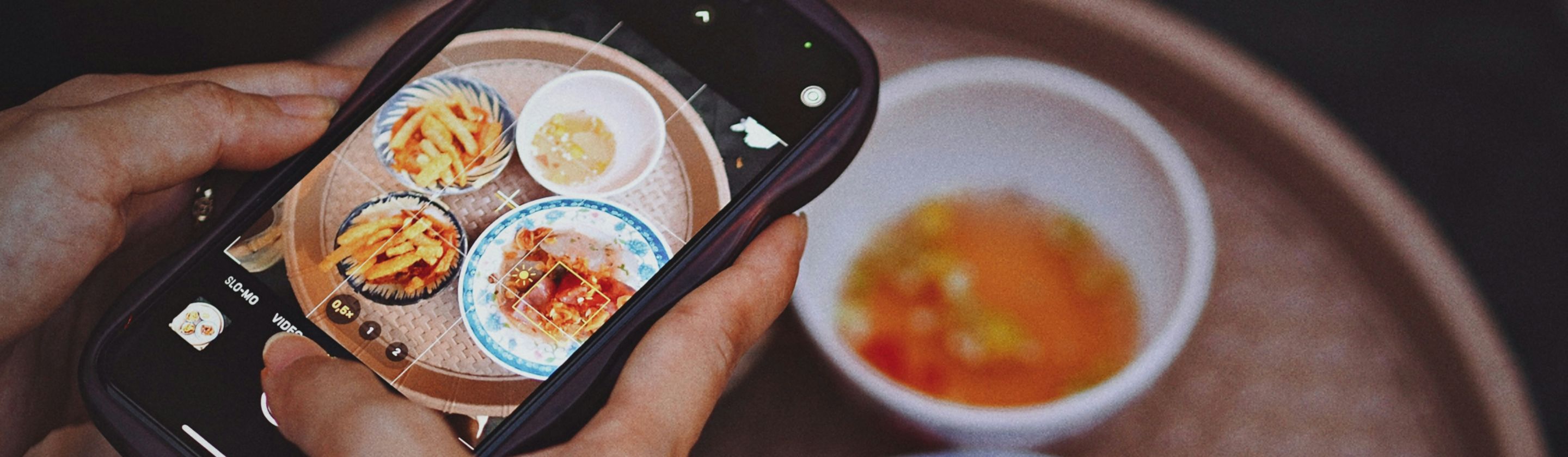
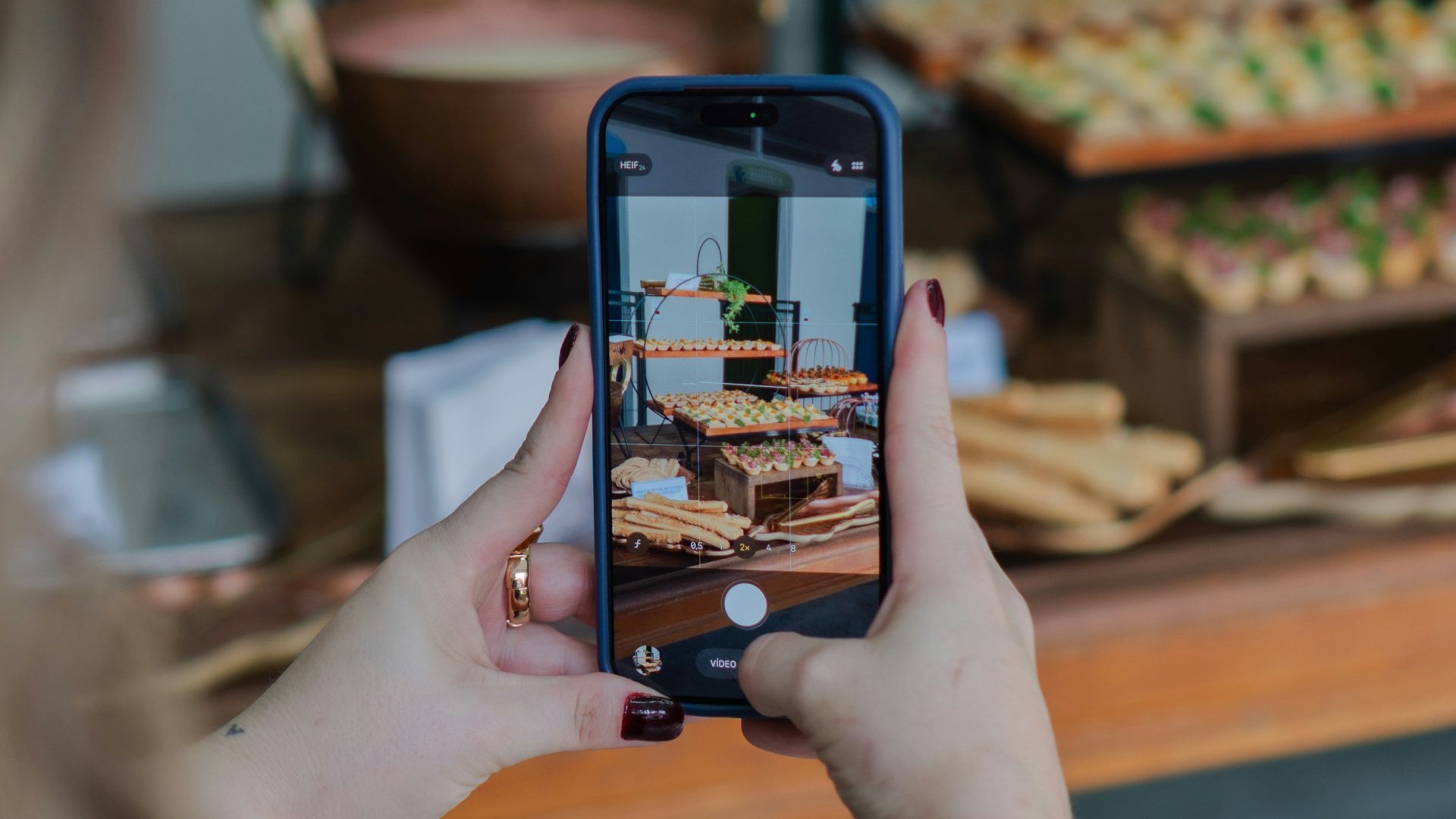
Now, food ideas don’t just come from cookbooks, family routines, grocery flyers, or restaurant menus. They show up in short videos, creator posts, grocery hauls, wellness clips, and restaurant reels while we’re doing something as ordinary as scrolling before bed. What we eat is increasingly shaped by what looks good on a screen, what gets shared, and what suddenly seems to be everywhere at once.
The Feed Became The New Cookbook
 Rodrigo Rodrigues | WOLF Λ R T on Unsplash
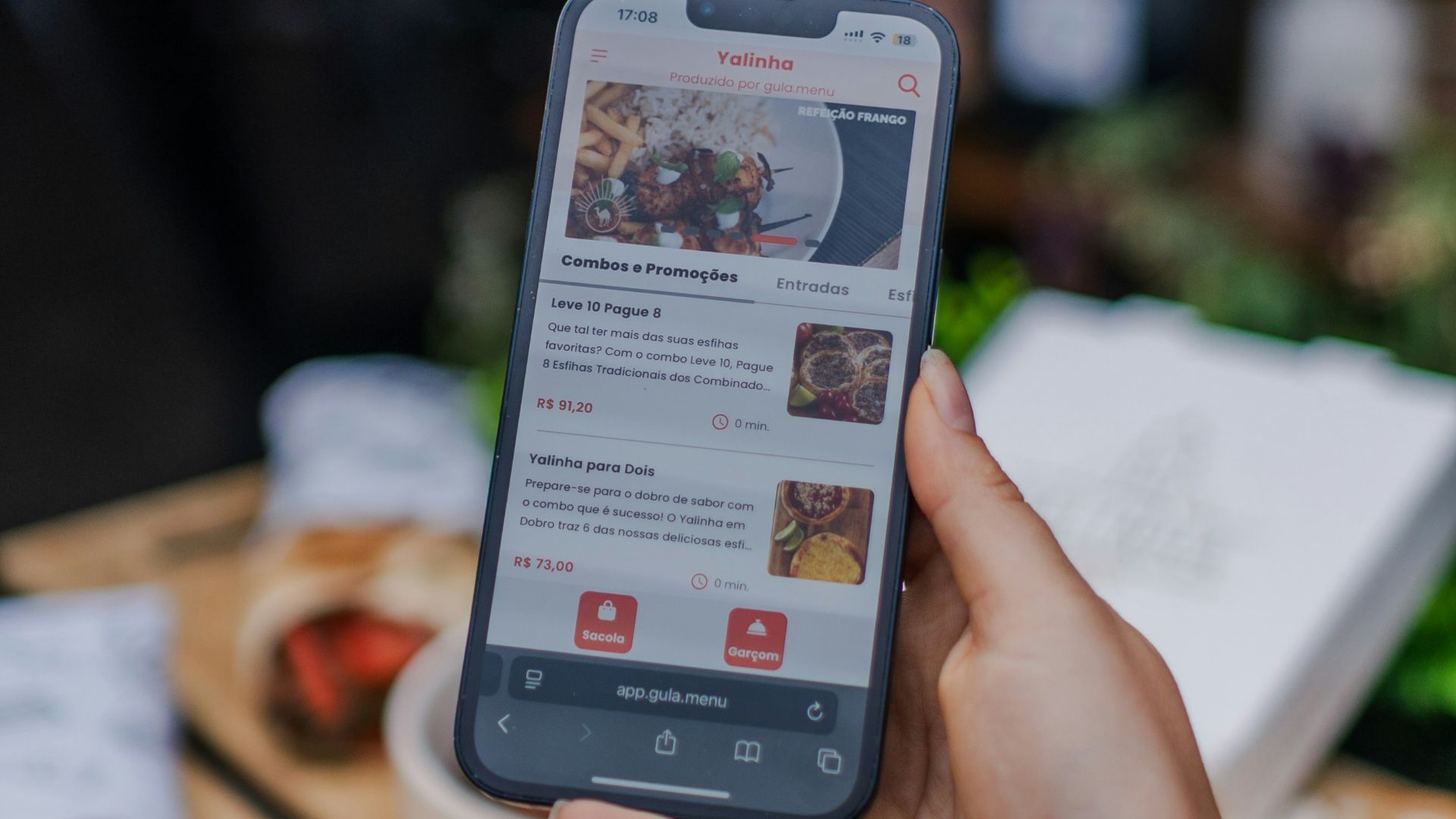
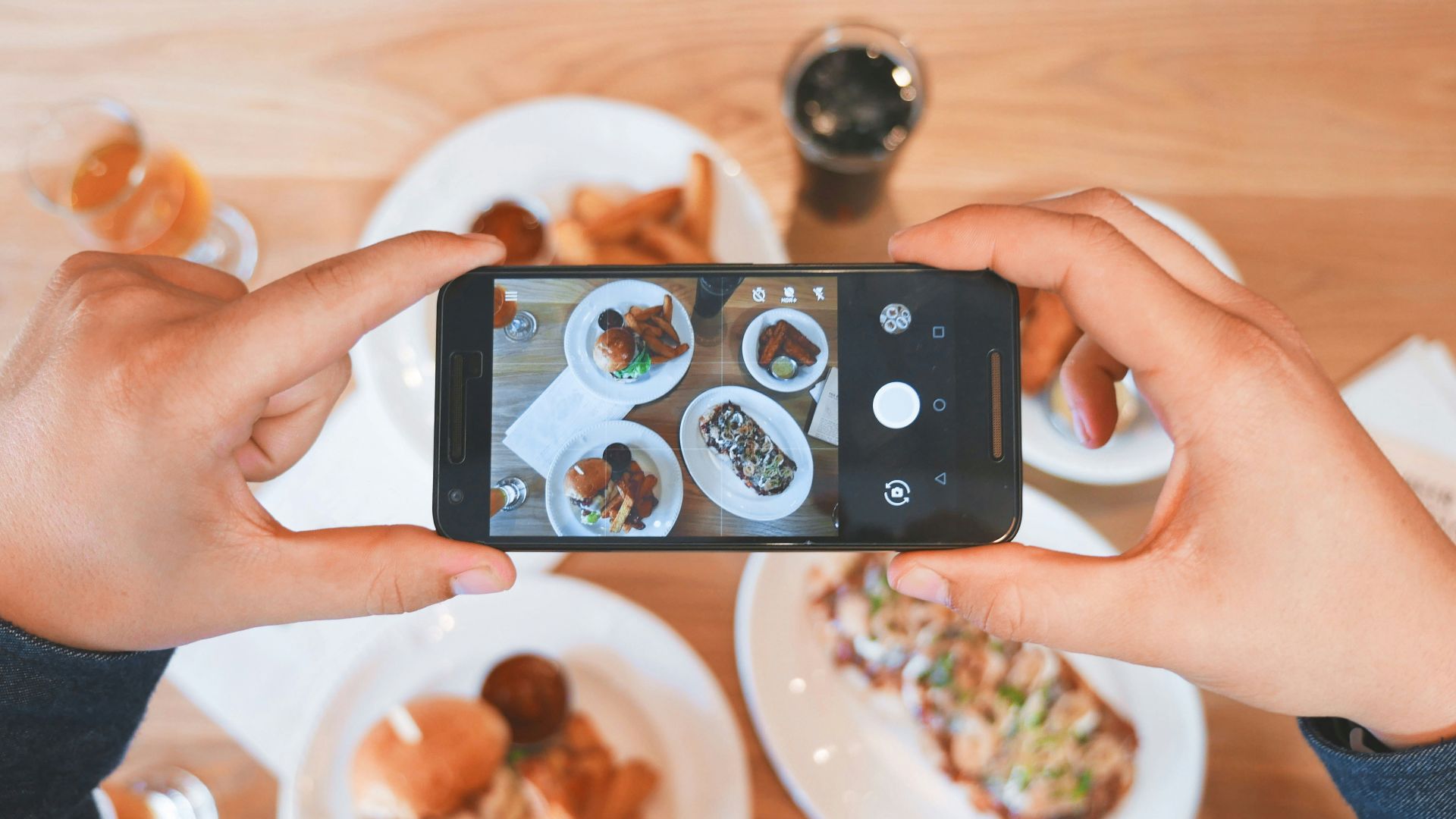
For years, learning to cook usually meant opening a cookbook, watching a cooking show, calling someone who knew what they were doing, or trusting a recipe printed on a box and hoping for the best. Now, recipes can find people before they’ve even decided they’re hungry. A quick video can show how to fold a wrap, crisp rice paper, build a bowl, or turn a few pantry staples into a high-end meal.
The International Food Information Council’s 2024 Food & Health Survey found that 54% of consumers had seen food or nutrition content on social media in the past year, up from 42% in 2023. That doesn’t mean every viewer changes how they eat, but it does show how common food content has become in ordinary feeds.
This can make cooking feel more approachable. Short videos show texture, timing, color, and technique in ways written recipes don’t always capture. For someone who didn’t grow up learning kitchen basics, watching a creator make dinner in real time can feel more useful than reading a long recipe intro about someone’s childhood vacation in Tuscany.
Viral Trends
Social media doesn’t just affect what people watch. It can also influence what they buy, cook, and order. Instacart’s 2021 Year in Groceries report, based on an online survey conducted by The Harris Poll among more than 2,000 U.S. adults, found that 44% of Americans tried making a social media food trend that year.
Restaurants have felt the shift too. The National Restaurant Association’s 2024 What’s Hot Culinary Forecast, based on input from more than 1,500 culinary professionals, identified incorporating social media trends into menus and marketing as the top macro trend. Social media isn’t only changing how diners talk about restaurants after they eat. It’s also shaping how restaurants plan dishes, promote specials, and think about the experience before guests even sit down.
That pressure can lead to playful, creative food. Colorful drinks, dramatic desserts, tableside presentations, limited-time specials, and highly visual dishes can make eating out feel more memorable. For small restaurants, a popular post can introduce them to new customers who may never have found them through a traditional review.
Still, the most shareable food isn’t always the most satisfying food. A dish can look stunning online and fall flat at the table. Viral recipes can be clever and practical, or they can be built mainly for the camera. The feed loves speed, novelty, and strong visuals, while actual eating still depends on flavor, texture, and taste.
Health And Food Advice
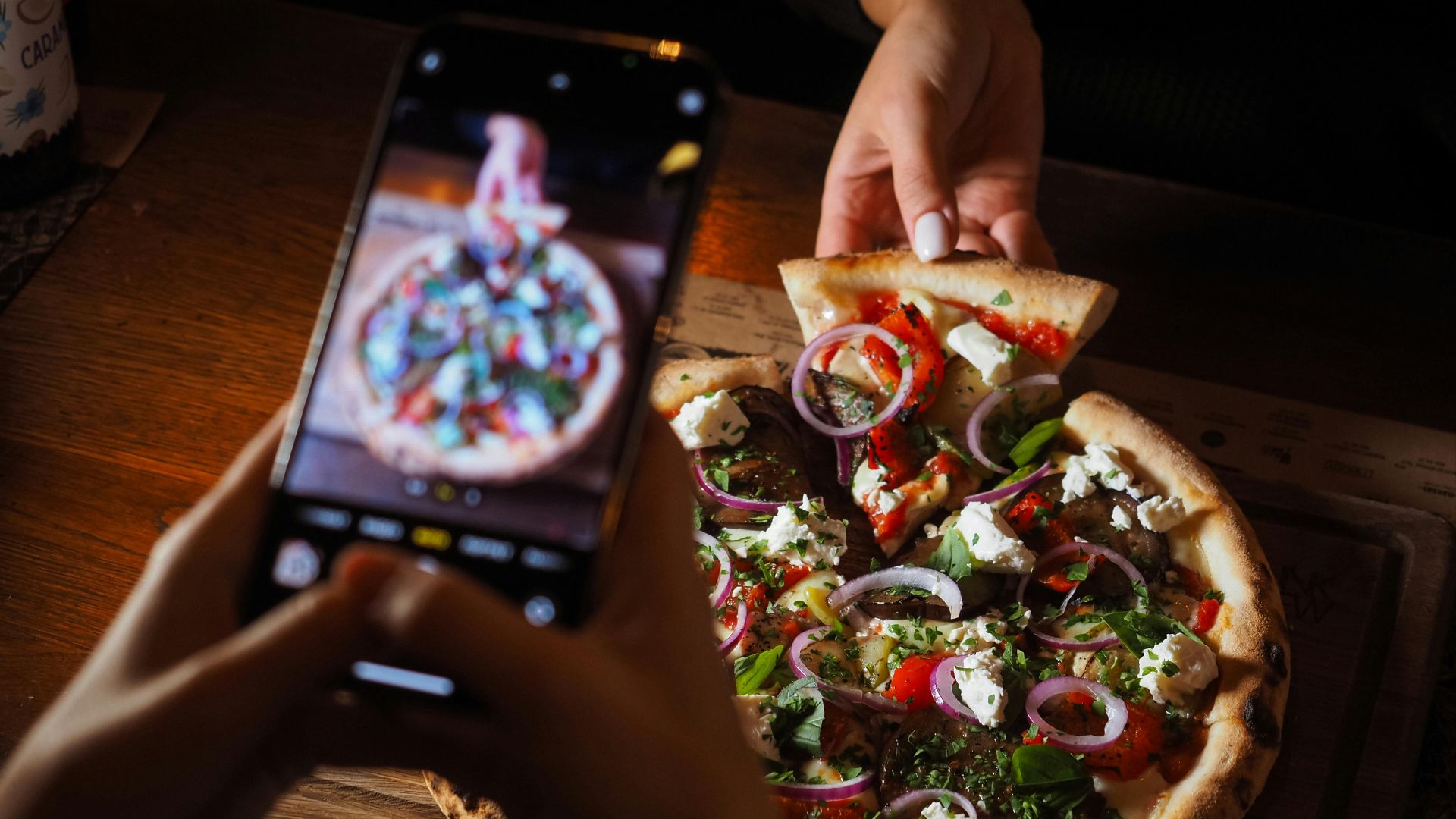
Social media has also changed how people think about healthy eating. There’s useful content online from registered dietitians, doctors, food scientists, chefs, and home cooks who make balanced meals feel realistic. At its best, food content can help people learn about fiber, protein, meal planning, food safety, and simple cooking without turning dinner into a joyless experience.
The harder part is that solid advice now sits beside fear-based claims, extreme diets, supplement promotions, and “what I eat in a day” videos that can make someone else’s routine look like a rule. Pew Research Center reported in 2026 that four in 10 U.S. adults, and half of adults under 50, get health and wellness information from social media influencers or podcasts. Pew also found that 41% of prominent health and wellness influencers in its analysis described themselves as some kind of health care professional, while coaches and entrepreneurs were also common.
That mix can be confusing for anyone trying to make normal food choices. Nutrition.gov warns that nutrition misinformation and fraudulent health claims can include false, incomplete, or misleading information about foods, nutrients, diets, supplements, or weight loss products. That doesn’t mean every casual food post is harmful, but it does mean viewers should pay attention to who is speaking, what they’re selling, and whether the advice sounds too neat to be real.
Marketing Warnings
Food marketing can also blend into everyday content more easily than it used to. A product might appear in a recipe video, grocery haul, restaurant review, or morning routine, and the sales pitch may not be obvious right away. The line between recommendation, entertainment, and advertising can get blurry.
This matters for younger audiences in particular. A study published in Public Health Nutrition found that self-reported exposure to food marketing and food messages on social media was positively associated with adolescent eating outcomes, including attitudes, behaviors, perceived norms, and food literacy.
The World Health Organization has also recommended stronger policies to protect children from marketing for foods and non-alcoholic drinks high in saturated fatty acids, trans-fatty acids, free sugars, and/or salt. Its 2023 guideline says food marketing affects children’s food choices, intended choices, dietary intake, and food norms. In digital spaces, that influence can be harder to spot because marketing often looks like entertainment, friendship, or even a casual recommendation.
Social media has made food culture more creative, accessible, and connected. It has helped people discover new dishes, support restaurants, learn basic cooking skills, and feel less intimidated in the kitchen. It has also made eating more performative, more trend-driven, and sometimes more confusing than it needs to be. The smartest approach is to treat food social media as inspiration, not authority: save the recipe, enjoy the restaurant reel, read the comments from people who actually cooked it, and double-check the nutrition advice.
KEEP ON READING
20 Fast Food Items With Surprisingly Weird Origins

20 Foods Only Rich Kids Ate Growing Up