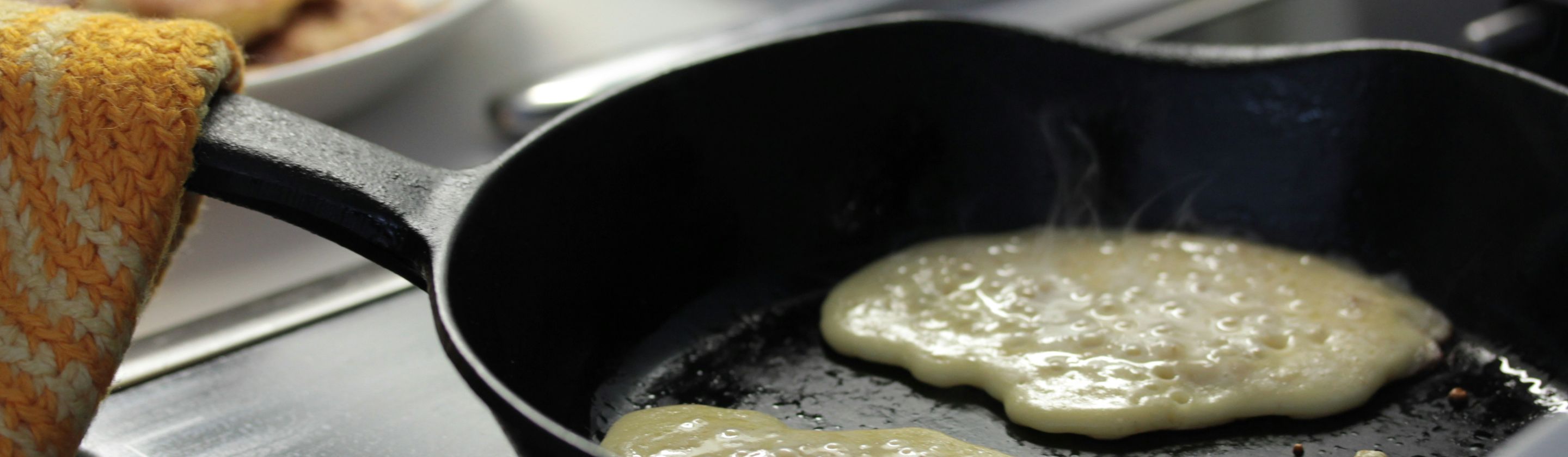
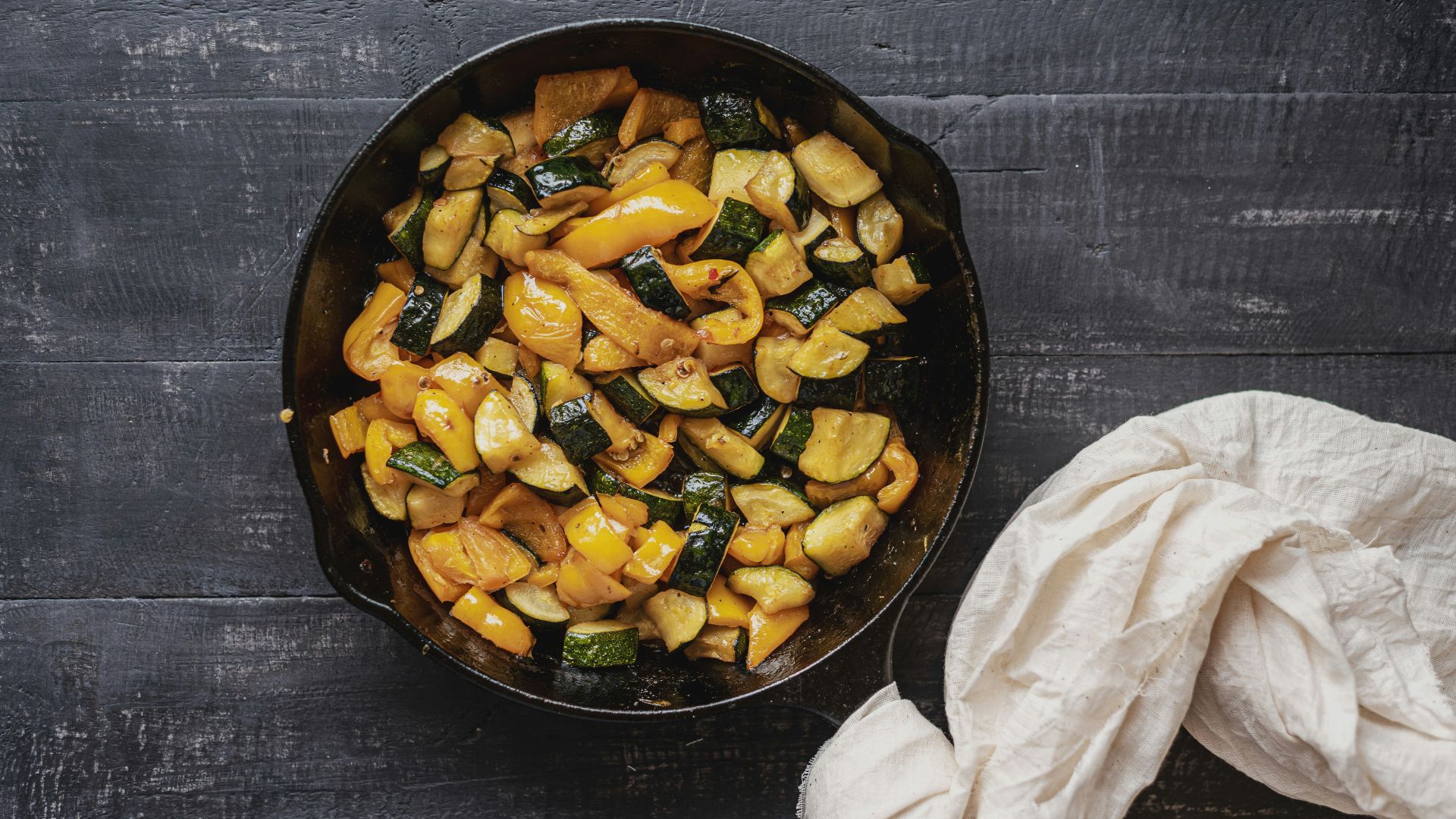
If you’ve ever stood in a kitchen staring at a crowded cabinet of pots and pans, you’ve probably wondered whether all of it is really necessary. Many home cooks eventually realize that most everyday meals tend to rely on just a few reliable tools rather than an entire collection. Over time, one piece of cookware often stands out as the most versatile and dependable. That tool is the cast-iron skillet, which has been used for centuries across many cooking traditions. While no single item can truly replace every specialized pan in every situation, cast iron comes closer than most. Its durability, heat performance, and adaptability make it a strong candidate for a lifelong kitchen staple.
Cast iron is extremely durable. Most modern nonstick pans will eventually become damaged with use. However, cast iron can often be restored to its former glory after years of use. Cooking pans made of cast iron have been known to last for generations. Cast iron holds heat incredibly well. If you heat up a cast iron pan, it will continue to stay hot. This works well if you want to keep something at a consistent temperature. It’s also ideal for creating that crispy sear on a piece of meat. Seasoning will develop over time with your cast-iron skillet. The surface will begin to become more nonstick as years of oil slowly begin to bond to the pan.
How It Handles Nearly Every Cooking Method
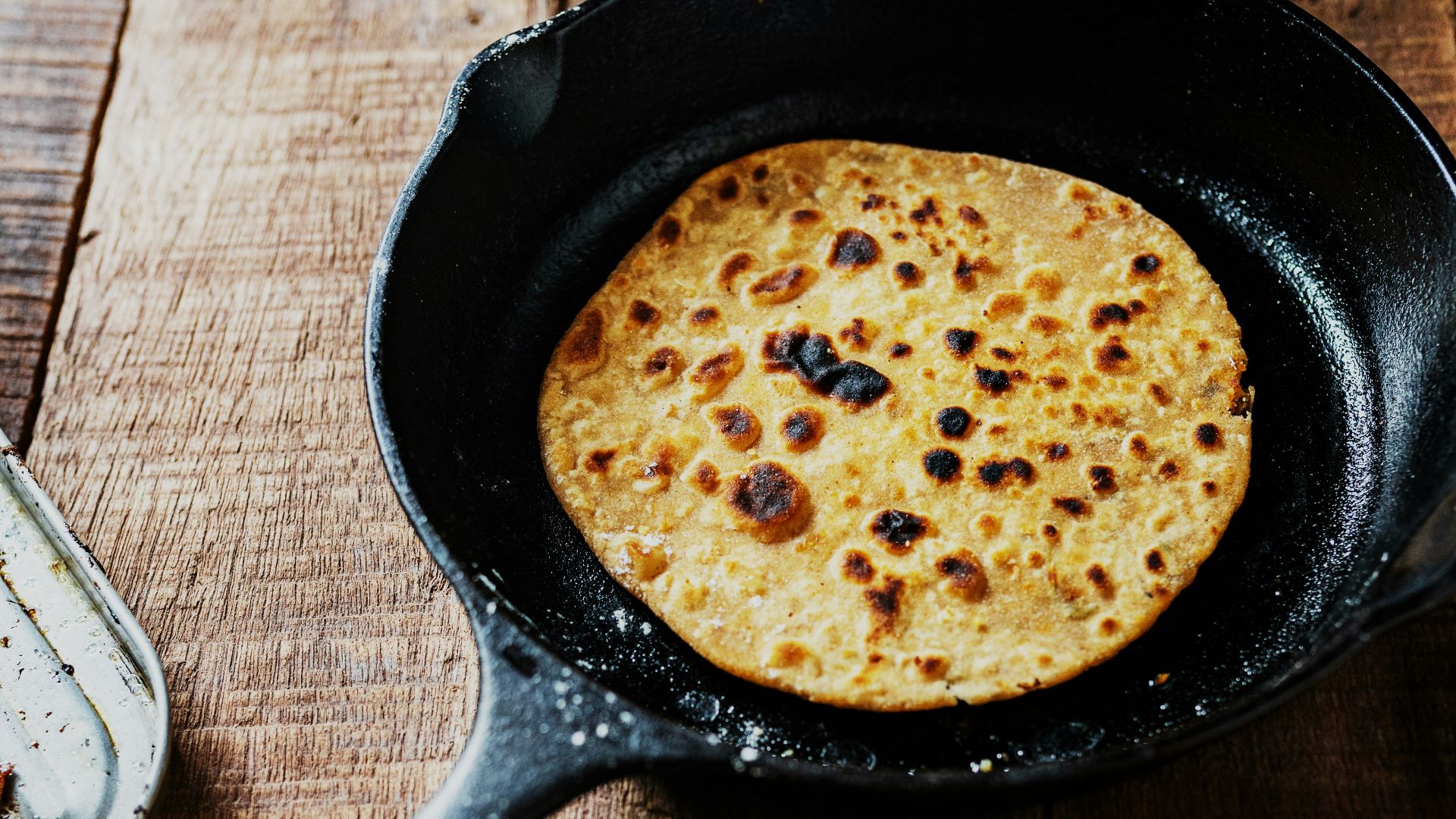
One of the most practical strengths of a cast iron skillet is its versatility across cooking methods. It can be used on the stovetop, in the oven, and even over open flames. This flexibility means you can move from searing to baking without changing cookware. The skillet performs particularly well with high-heat cooking techniques. Foods like steak or roasted vegetables benefit from the intense, even heat distribution it provides. This allows for browning and caramelization that are harder to achieve with thinner pans. It is also capable of handling slower cooking styles when needed. Dishes like baked cornbread or shallow braises can be prepared without switching tools. This adaptability reduces the need for multiple specialized pans in everyday cooking.
Cleaning methods differ slightly. Rather than soap and water, most require mild cleaning and then drying completely. This preserves the natural seasoning left on the skillet. It’s also advised to prevent rust. Since cast-iron pans are susceptible, it’s recommended to oil them lightly after cleaning. Store them away until your next meal. Theoretically, it will never go bad as long as you care for it. Don’t underestimate this cookware. The more you use it, the better quality it develops. After years of use, you’ll have built up a smooth and effective surface.
In today’s kitchens filled with specialized gadgets and nonstick coatings, cast iron still holds its place. Its ability to transition between cooking environments makes it more flexible than many modern alternatives. Even with newer materials available, few match its combination of strength and versatility. It also encourages a more intentional approach to cooking. Because it requires some care and attention, users often develop a stronger connection to the process of preparing food. This can lead to more mindful cooking habits over time. Perhaps most importantly, it reduces dependence on disposable or short-lived cookware. While it may not eliminate the need for every other kitchen tool, it significantly cuts down on replacements. That longevity is part of its quiet appeal in a world of fast-changing products.
A Tool That Grows With You
Rarely does kitchenware get better with time, but cast-iron skillets can seem as if they are alive. Each time you use it, the seasoned surface will become smoother. The skillet seems to learn from you and become more dependable with time. Cast-iron skillets also grow with your skill level. From whipping up beginner meals to using advanced techniques, a cast-iron skillet can be used for a variety of dishes. In the end, its value lies not just in what it can cook today, but in how it supports cooking over a lifetime. While it may not be the only piece of cookware you’ll ever encounter, it is one of the few that can genuinely stay with you through every stage of your kitchen journey.
In many ways, owning a cast-iron skillet is less about following a trend and more about building a relationship with a tool that responds to use. It rewards patience and consistency, quietly improving as it is cared for. Unlike disposable cookware that loses value quickly, it becomes more personal over time. Each meal adds subtle layers to its surface and its story. For many cooks, it eventually becomes the first pan they reach for without thinking, a dependable constant in an ever-changing kitchen environment. That long-term reliability is what keeps it relevant in modern kitchens year after year, too.
KEEP ON READING

10 Healthy School Snacks to Pack for Your Kid

Why Some Foods Become Comfort Foods
10 Foods Gen Z Is Bringing Back From the Dead
Why Leftover Rice Deserves Extra Caution
20 Grandpa Flavors You Get Judged For Liking