This Historical Figure Was The Most Notorious Picky Eater Of All
 Acme Newspictures on Wikimedia
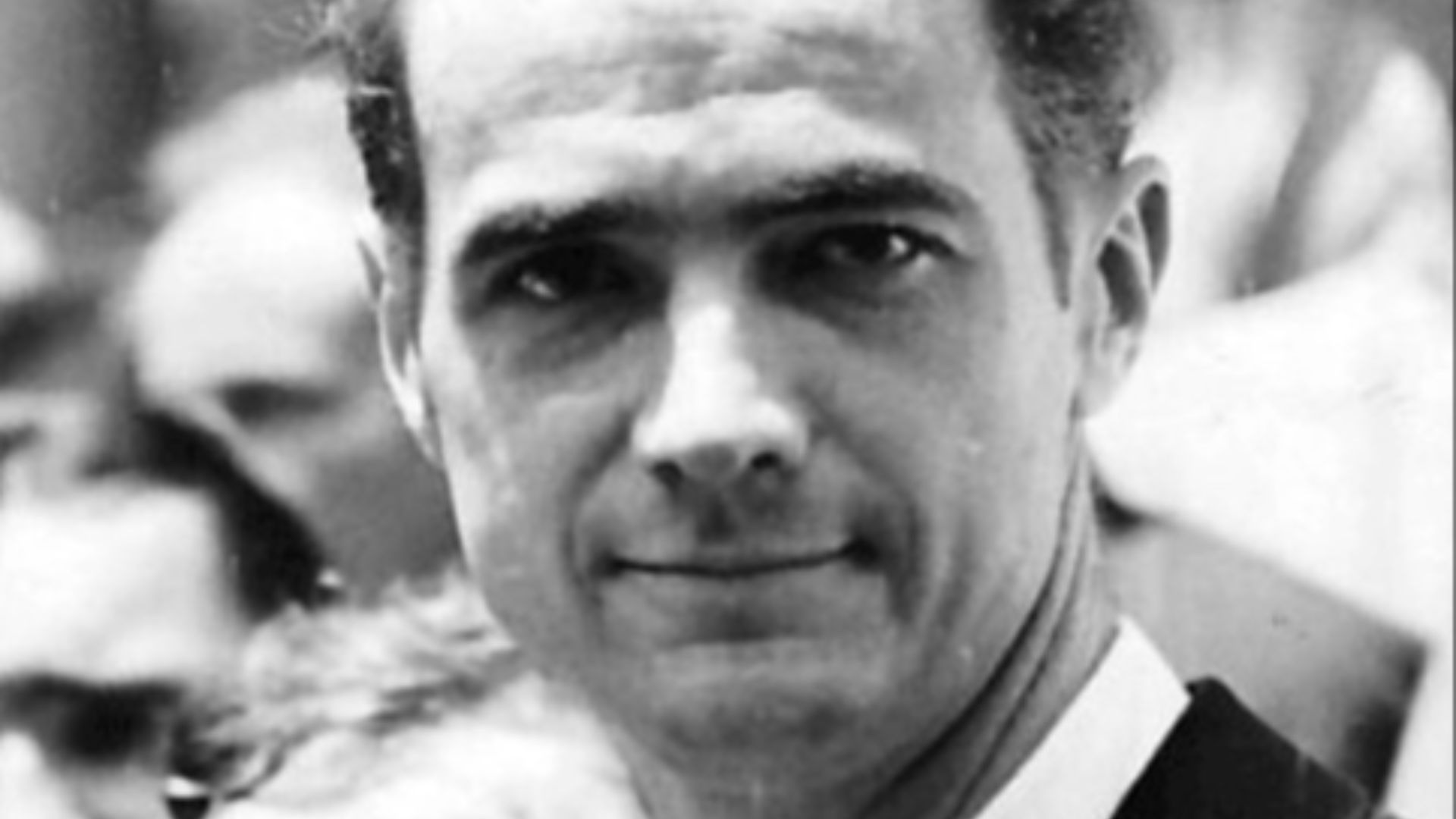
When you think of picky eaters, your mind probably drifts to toddlers who refuse to let their peas touch their mashed potatoes or friends who demand their salad dressing on the side. However, no modern fussy eater can possibly compete with the legendary aviation tycoon, filmmaker, and billionaire Howard Hughes. While he started his life as a dashing public figure who dated Hollywood's finest starlets, his relationship with food eventually spiraled into a realm of unprecedented obsession. For Hughes, eating was not an act of culinary enjoyment but a high-stakes battle against germs and imperfection that required absolute, microscopic control. If you think your own dining habits are a bit particular, looking at this billionaire's severe routine will completely recalibrate your definition of a difficult dinner guest.
The extreme nature of his dietary habits stemmed largely from an undiagnosed case of severe obsessive-compulsive disorder, which was heavily amplified by an intense lifelong fear of microscopic contamination. His mother had been profoundly obsessed with cleanliness during his childhood, a trait that took deep root in the young tycoon and eventually dictated his adult life. As his wealth expanded into the stratosphere, he possessed the endless resources necessary to force the entire world to cater to his increasingly bizarre culinary demands. He essentially transformed his private dining room into a sterile laboratory where his staff had to follow strict, multi-page manuals just to serve a simple snack. Understanding the lengths to which his staff had to go offers a fascinating, mind-bending glimpse into a life ruled by an unimaginable level of fastidiousness.
The Great Twelve Peas Ordeal
 AnonymousUnknown author on Wikimedia
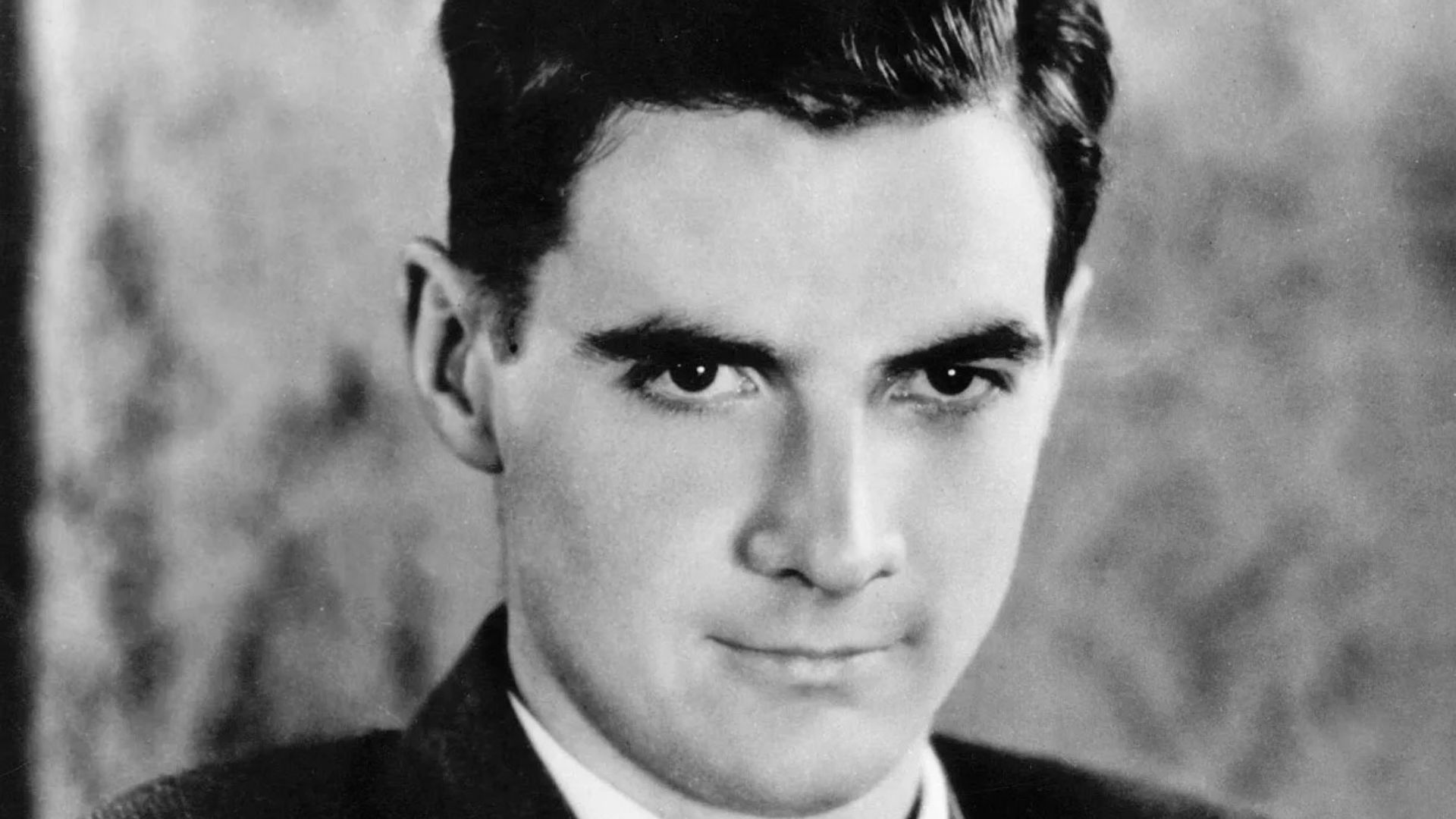
One of the most famous legends surrounding the billionaire's dining habits involves his intense relationship with a very specific side dish. Whenever he ordered his evening meal, he demanded a butterfly steak cooked precisely medium-rare, accompanied by exactly twelve green peas. The true catch was that every single one of those twelve peas had to be the exact same size as its neighbor. If the kitchen staff accidentally included a pea that was slightly larger or smaller than the others, Hughes would immediately send the entire plate back to be replaced.
To manage this incredibly stressful requirement, the billionaire utilized a specially designed fork to carefully measure and organize the green spheres on his plate. He would line them up in perfect, uniform rows before he would even consider taking a single bite of his food. This rigid mathematical approach turned a simple vegetable side dish into an intense geometry lesson that left his personal chefs completely terrified of making a mistake. You can easily see how this level of scrutiny would turn any standard restaurant kitchen upside down in a matter of minutes.
The obsession with consistency was so intense that Hughes eventually stopped relying on local casino kitchens altogether during his famous extended stays in Las Vegas. He insisted on employing his longtime personal chef from California to slice his steaks to his precise, customized standards. The kitchen would then pack these custom cuts into special containers and fly them directly to Nevada every few days on a private aircraft. This meant that a single dinner required a massive logistics network and a team of pilots just to ensure the beef was cut exactly the way he liked it.
The Hazmat Protocol for Canned Fruit
If you think the pea situation sounds exhausting, the rules governing how his assistants opened containers of fruit were infinitely more complex. Hughes drafted a massive, highly detailed instruction manual that his staff had to memorize and execute with surgical precision before presenting him with a snack. The process began with the staff member scrubbing their hands thoroughly with chemical soap and donning surgical gloves to ensure total sterility. They would then use an array of specialized tools to handle the can, ensuring that human skin never made direct contact with the metal surface.
The actual opening of a canned peach or pear became a highly choreographed ritual that resembled a high-security bomb disposal operation. The assistant had to wash the outside of the can multiple times with boiling water and soap, then carefully dry it with sterilized cloths. When it came time to pour the contents, the liquid had to be transferred into a pristine glass bowl without letting the fruit touch the outer rim of the tin. If the tin happened to graze the edge of the serving dish, the entire snack was deemed totally contaminated and thrown straight into the trash.
This extreme level of germaphobia meant that meals frequently took hours to prepare, even if the actual food was incredibly simple. His staff lived in constant fear of violating a single sentence in the instruction booklet, knowing that a minor slip could trigger a massive emotional meltdown from their employer. The kitchen environment was less about culinary creativity and much more about maintaining a sterile environment that could rival a modern hospital operating room. It was a stressful existence for everyone involved, proving that working for the world's richest man came with a heavy emotional price tag.
The Movie Theater Survival Diet
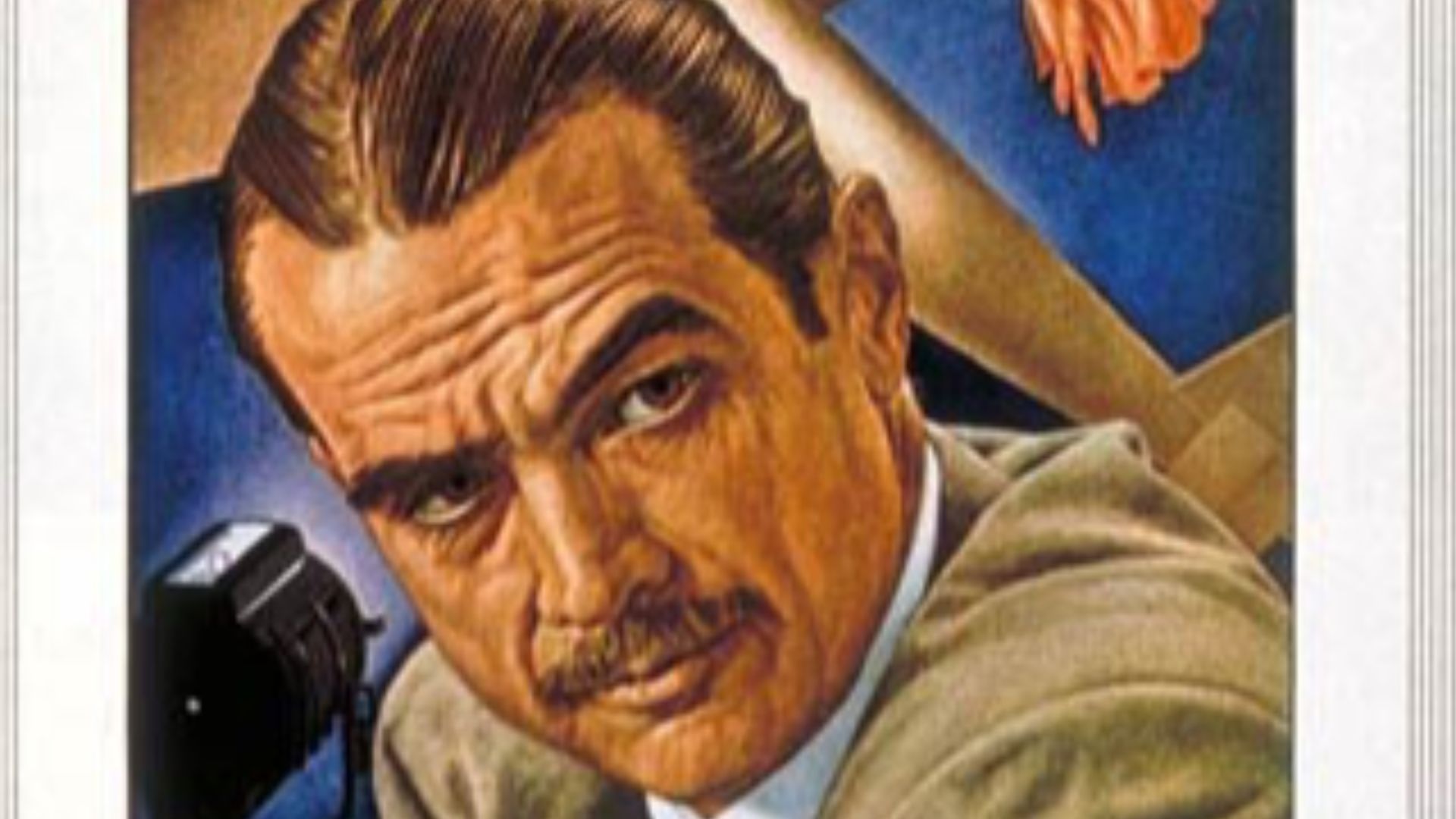
As the billionaire aged and retreated further from the public eye, his eating habits contracted into an even more alarming state of minimalism. He spent one famous four-month stretch living entirely inside a darkened film screening room at a Hollywood studio, completely cut off from society. During this unusual period of self-imposed isolation, he completely abandoned standard meals and refused to consume anything other than plain milk and Hershey's chocolate bars. He would sit in his chair for days at a time, watching movies on a loop while surrounded by empty wrappers and cardboard cartons.
This hyper-restricted menu was born out of a desire for absolute predictability, as processed chocolate bars and sealed milk cartons offered a guaranteed refuge from his feared germs. He knew exactly what to expect from a mass-produced candy bar, which eliminated the terrifying unpredictability of a chef touching his food. This sparse routine took a massive toll on his physical health, causing him to lose an immense amount of weight and appear incredibly emaciated. His friends and business associates begged him to eat a balanced meal, but he stubbornly stuck to his sugary survival strategy.
Ultimately, his relationship with the dinner table serves as a poignant reminder that immense wealth cannot purchase peace of mind. While he possessed the financial power to buy any restaurant on the globe, his psychological battles confined him to a highly restrictive, joyless menu. He went down in history not just for his incredible planes or cinematic achievements, but as a man who turned the simple act of eating into a clinical science. It is a wild historical tale that might just make you feel a little better about your own minor culinary quirks.
KEEP ON READING