A wine and cheese night can be one of the simplest ways to gather friends and family for a relaxed evening. Unlike formal dinner parties, these events encourage conversation, casual snacking, and a slower pace that allows guests to settle in and enjoy themselves. The best gatherings often feel effortless, even though a bit of planning usually happens behind the scenes. They create an opportunity for people to connect without the pressure of a full meal. That laid-back atmosphere is often what makes these events so memorable.
While there aren't official rules for hosting this type of event, experienced hosts tend to follow certain practices that help everything run smoothly. Small details can make a significant difference in how comfortable guests feel and how enjoyable the evening becomes. Understanding these unspoken guidelines can help you create a gathering that feels welcoming rather than stressful. Good hosting is often less about impressing people and more about helping them feel at ease.
Focus On Variety Rather Than Quantity
One of the most common mistakes new hosts make is purchasing too much of a single cheese or wine. Offering a small selection of different styles creates a more interesting experience for guests. Variety encourages conversation and allows everyone to discover something they enjoy. It also keeps the tasting experience from becoming repetitive too quickly.
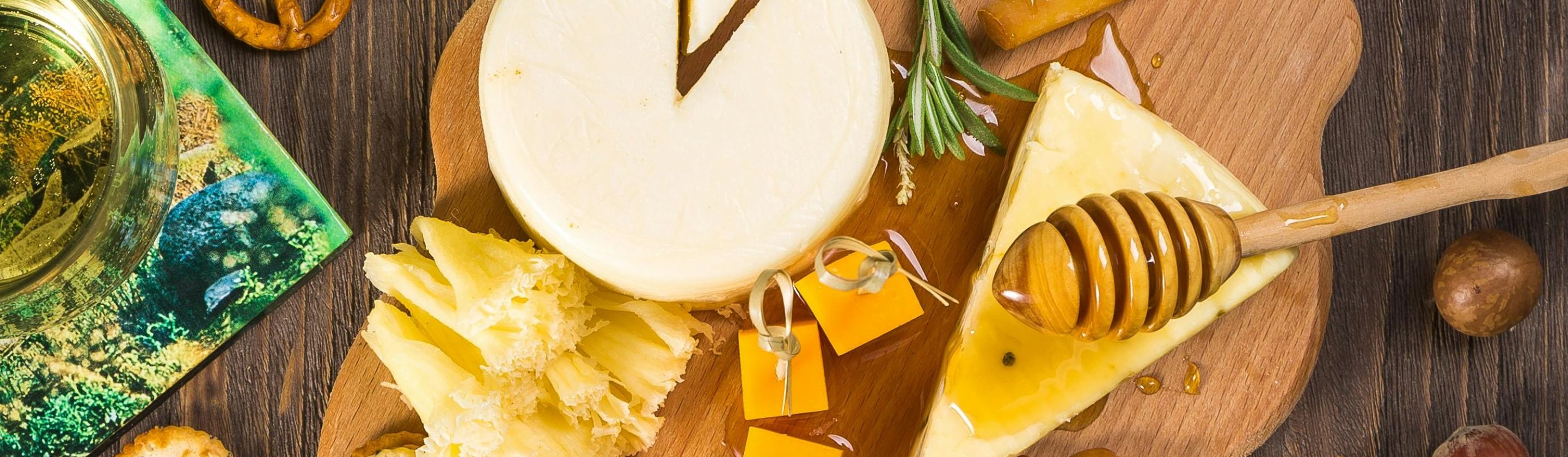
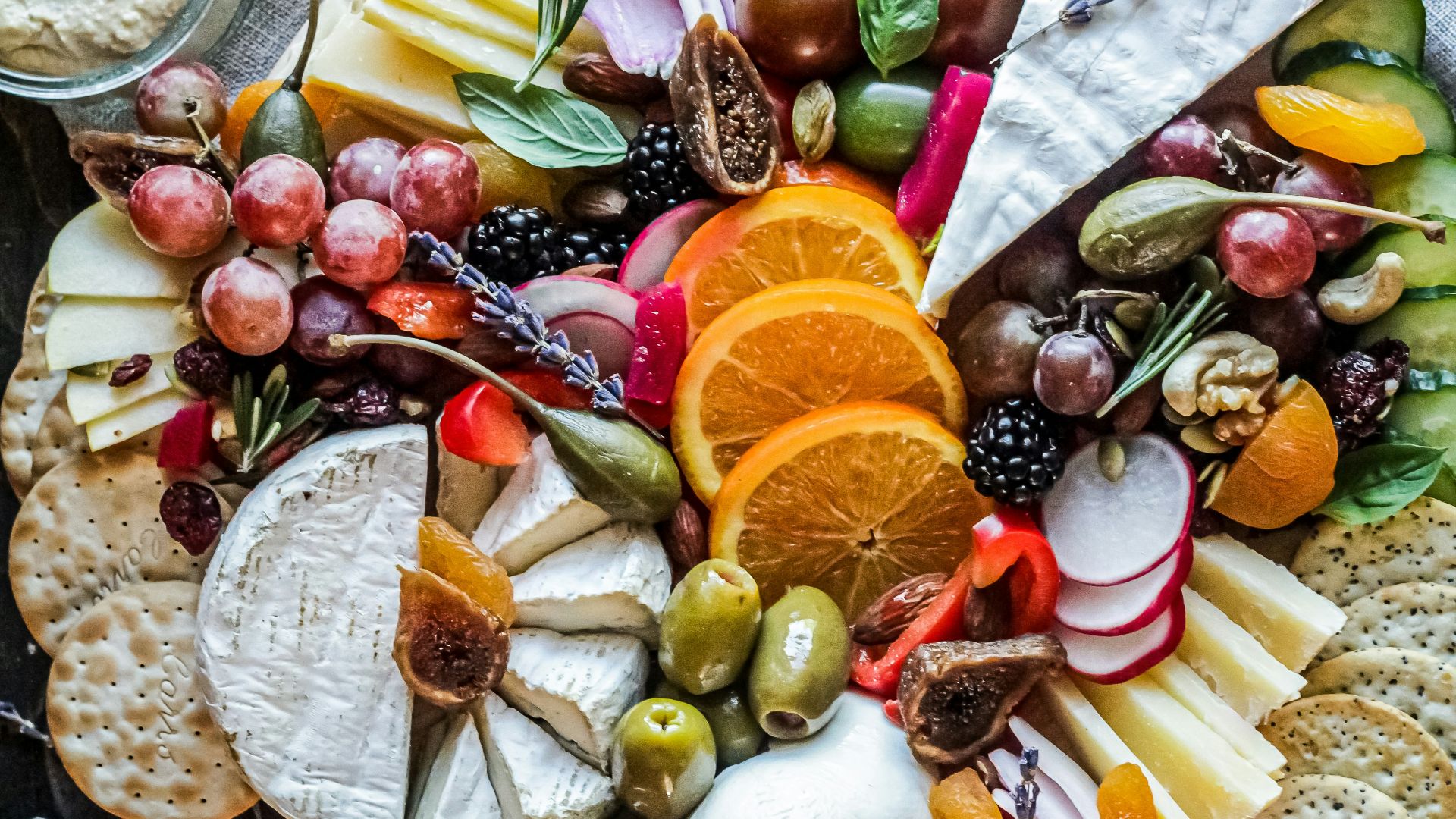
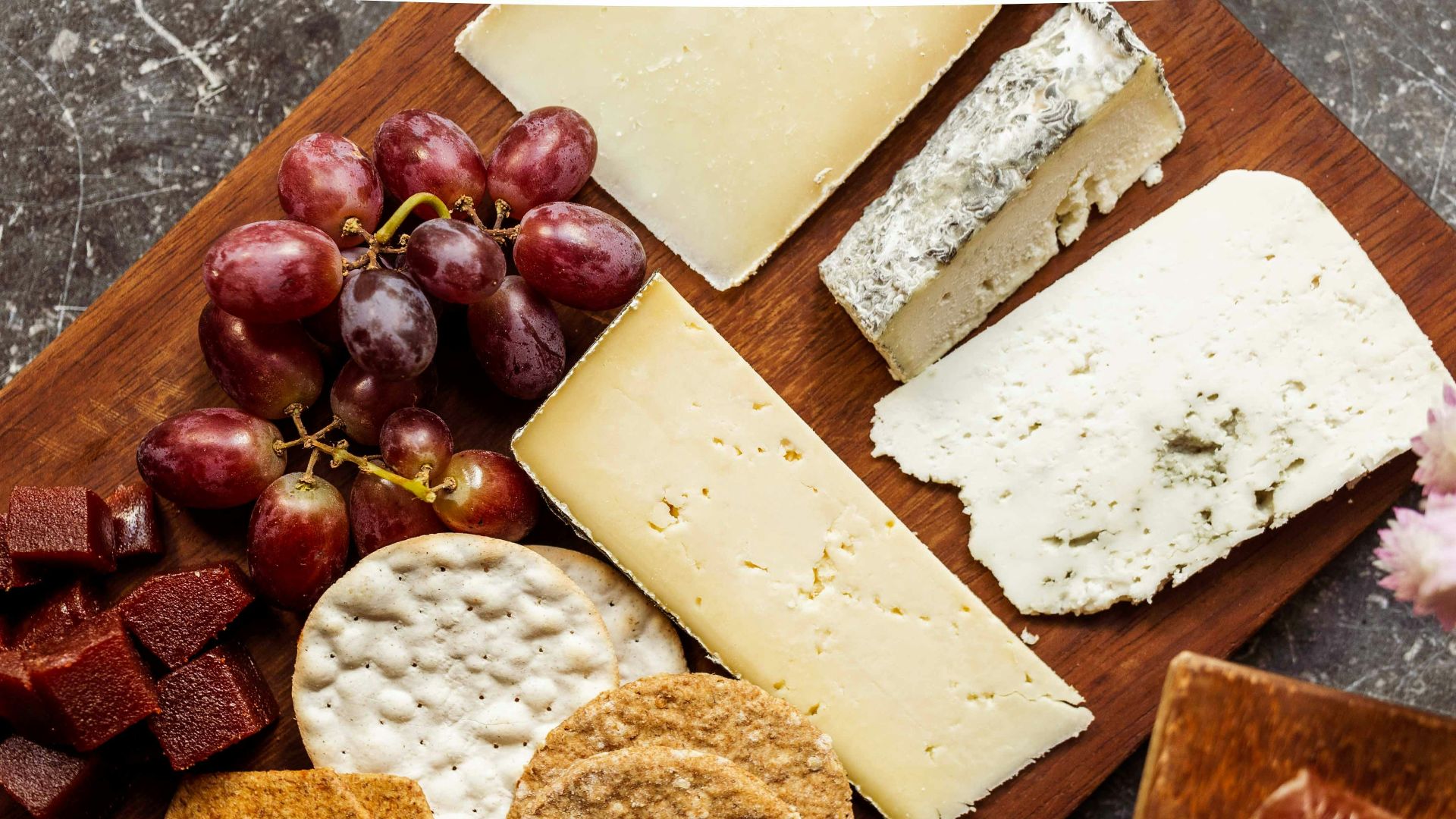
A balanced cheese board often includes a mix of textures and flavors. Soft cheeses, firm cheeses, aged varieties, and milder options can work together to provide contrast without overwhelming the palate. This approach also helps accommodate different preferences among your guests. Some people may enjoy stronger flavors while others prefer something more subtle. Providing options ensures that nearly everyone can find something appealing.
The same principle applies to wine selection. Instead of filling the table with numerous bottles of the same type, consider offering a few distinct options, such as a white, a red, and perhaps a sparkling wine. Guests appreciate having choices, and the variety can make tasting more engaging throughout the evening. Different wines also pair better with certain cheeses and accompaniments. This allows guests to experiment with combinations and discover new favorites.
Create A Comfortable And Relaxed Atmosphere
A wine and cheese night should feel inviting rather than overly structured. Guests generally enjoy the freedom to sample items at their own pace without feeling rushed through a formal tasting process. The goal is to encourage conversation and enjoyment rather than turn the gathering into a lesson.
Seating arrangements can play an important role in creating that relaxed mood. Make sure guests have easy access to food and drinks while still having space to mingle naturally. Comfortable seating and clear pathways can help people move around without feeling crowded. When guests aren't struggling to find a place to sit or stand, conversations tend to flow more easily.
Music can also contribute to the overall atmosphere. Soft background music adds energy to the room without competing with conversation. Keeping the volume low ensures that guests can easily talk with one another throughout the evening. Instrumental music or familiar songs often work particularly well for these occasions. The right soundtrack can help fill quiet moments without dominating the room.
Pay Attention To The Small Details
Serving tools are often overlooked until they're suddenly needed. Cheese knives, napkins, small plates, and wine glasses should be readily available before guests arrive. Having these basics prepared helps the evening feel organized and prevents unnecessary interruptions. Guests appreciate being able to serve themselves easily without having to ask for assistance. Simple preparation can eliminate many common hosting headaches.
It's also helpful to provide palate-cleansing options alongside the main offerings. Crackers, bread, fresh fruit, and water can complement the cheese and wine while giving guests a break between flavors. These additions help create a more balanced tasting experience. Fresh ingredients can also add color and visual appeal to the presentation. A well-rounded spread often feels more generous and inviting.
Another unspoken rule is to avoid making guests feel pressured to be experts. Not everyone knows wine terminology or cheese varieties, and that's perfectly fine. A welcoming host focuses on helping people enjoy themselves rather than testing their knowledge. Encouraging curiosity is far more effective than expecting expertise. When guests feel comfortable asking questions, the gathering becomes more enjoyable for everyone.
Hosting a successful wine and cheese night isn't about having the most expensive bottles or the rarest cheeses. The most memorable gatherings usually come from thoughtful preparation, a comfortable atmosphere, and a genuine desire to make guests feel at ease. When people leave having enjoyed good conversation and good company, you've accomplished exactly what this type of event is meant to achieve. Guests rarely remember every item that was served, but they do remember how the evening made them feel.
KEEP ON READING

The Most Popular Signature Dishes Around the World