 Gabriella Clare Marino on Unsplash
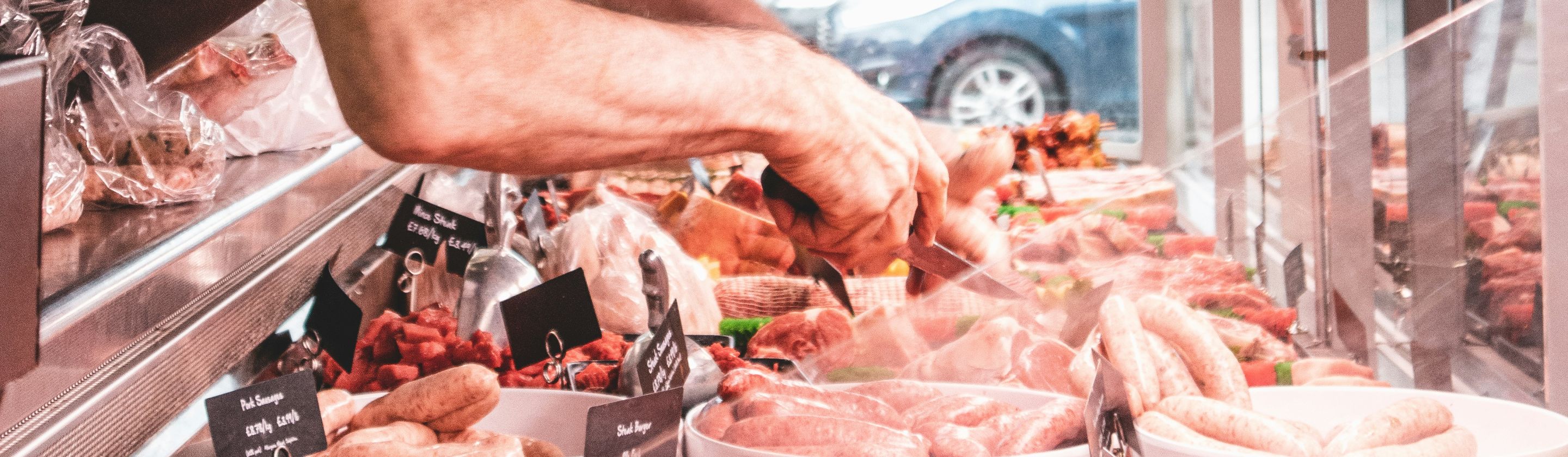
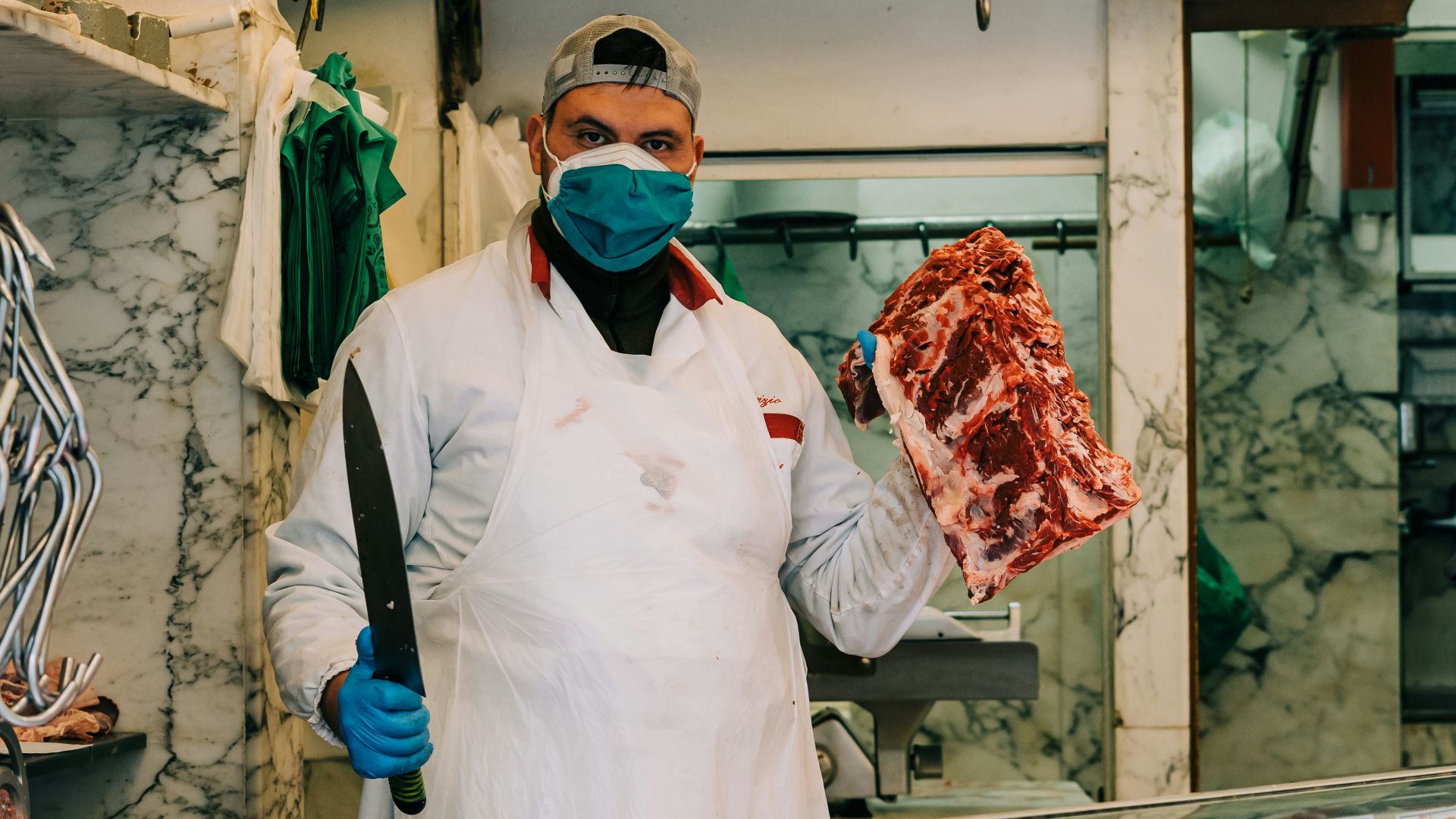
The meat counter can feel pretty straightforward. You choose a cut of meat from the refrigerated case, check the price, and head toward the register without giving much thought to what happened before that piece of chicken, beef, or pork reached the display. But grocery store butchers know there’s a lot more going on behind the counter than most shoppers realize.
Understanding a few basics can make buying meat easier, help you get more for your money, and even improve what ends up on your dinner table. From asking for custom cuts to understanding labels, many shoppers overlook services and information that are available simply by starting a conversation.
The Meat Counter Can Do More Than You Think
One thing butchers would like shoppers to know is that the package in the display case isn’t necessarily your only option. Depending on the store, staff may be able to cut steaks thicker or thinner, divide a roast, trim excess fat, or prepare a larger piece of meat to your specifications. If you're looking for something specific or have different tastes, it never hurts to politely ask the person behind the counter.
Timing also matters more than many people realize. Meat departments generally have their own routines for cutting, packaging, restocking, and marking products down. Asking when fresh cuts are typically put out can help you understand when the department has its widest selection.
Shoppers also shouldn't automatically assume the most expensive cut is the best choice for every meal. Tenderloin commands a premium because it’s exceptionally tender, but something like chuck, brisket, or pork shoulder may be far better suited to your recipe. Tell the butcher what you plan to make, and they may be able to point you toward a cut that costs less and works better.
Thickness can make a surprisingly big difference once you start cooking. A very thin steak behaves differently in a skillet or on a grill than one that's an inch or two thick. If you have a particular cooking method in mind, mentioning it at the counter can help the butcher recommend an appropriate cut and size.
There’s also no need to feel embarrassed about not knowing meat terminology. Butchers regularly deal with customers who don't know the difference between a rib roast and a ribeye or aren't sure which cut works best for stew. A simple question is usually more useful than grabbing something unfamiliar and hoping for the best.
Labels Don't Tell You Everything
Color is one of the first things shoppers notice, but it doesn't provide a complete picture of freshness or quality. Meat can change color because of its exposure to oxygen and the type of packaging used, so darker beef isn't automatically spoiled. Smell, texture, storage conditions, packaging integrity, and the use-by date all matter too.
Another thing you should know about is marbling. Those small streaks of fat running through the muscle can contribute to flavor, tenderness, and juiciness during cooking. That doesn't mean you always need the most heavily marbled steak available, but understanding what you're looking at can help you choose according to your preferences.
Package size can also be misleading when you're comparing prices. A larger tray might look like the better bargain until you check the price per pound. That small number on the label is often the easiest way to compare different packages, cuts, or brands without being distracted by the total sticker price.
Dates on meat packages are useful, but they're only part of safe handling. Once you bring raw meat home, refrigeration temperature and storage time become important considerations. If you aren't planning to cook something within the recommended refrigerator window of one to five days, going ahead and freezing it is usually the safer option rather than waiting until the last moment.
Preseasoned and marinated meats can be convenient, especially when dinner needs to happen quickly. Still, you may be paying extra for seasoning, preparation, or added ingredients that you could easily handle yourself. Checking the ingredient list and unit price helps you decide whether the convenience is worth the difference.
A Few Shopping Habits Make Everyone's Life Easier
Butchers appreciate when customers have at least a rough idea of what they need before placing a complicated order. Knowing how many people you're feeding, what dish you're preparing, and what specific quantity you need makes it much easier for staff to help. You don't need expert knowledge, just enough information to explain the goal.
If you're buying meat for a large gathering, waiting until the busiest part of Saturday afternoon may limit your choices. Calling ahead can be especially helpful for large roasts, specialty cuts, holiday orders, or unusually large quantities. It also gives the department a chance to prepare your order without holding up a crowded counter.
Sale items also deserve a closer look rather than an automatic pass. Meat nearing its sell-by date may be discounted because the store needs to move it quickly, not necessarily because something's wrong with it. If the package is intact and the product has been handled properly, buying it for immediate cooking or freezing can be a smart way to save money.
Butchers generally aren't expecting customers to know everything before approaching them. The meat counter is one of the few areas of a modern grocery store where you may still have direct access to someone who works closely with the product every day. Asking a couple of specific questions can turn an uncertain purchase into one that better fits your recipe, budget, and cooking plans.
KEEP ON READING