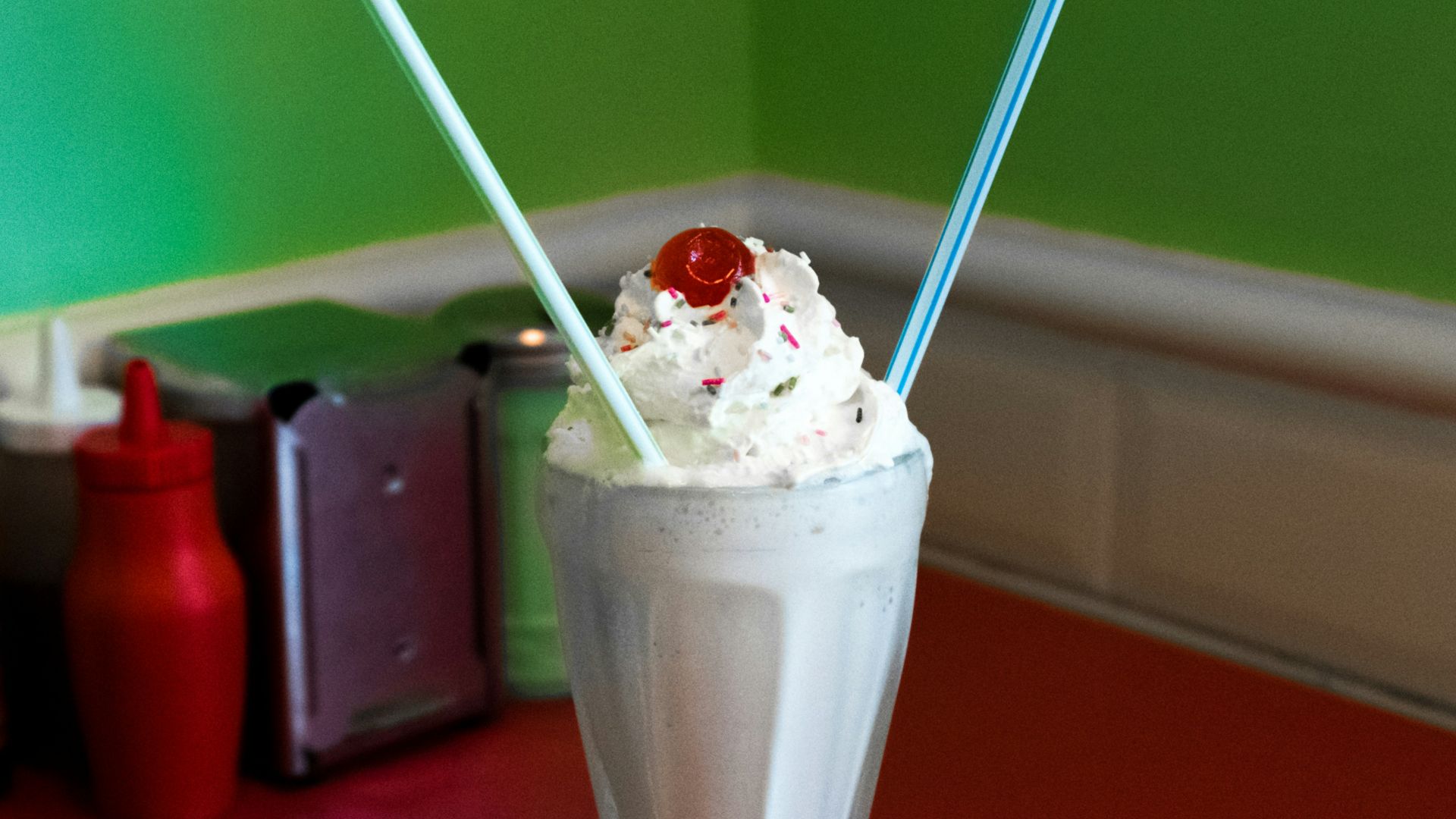
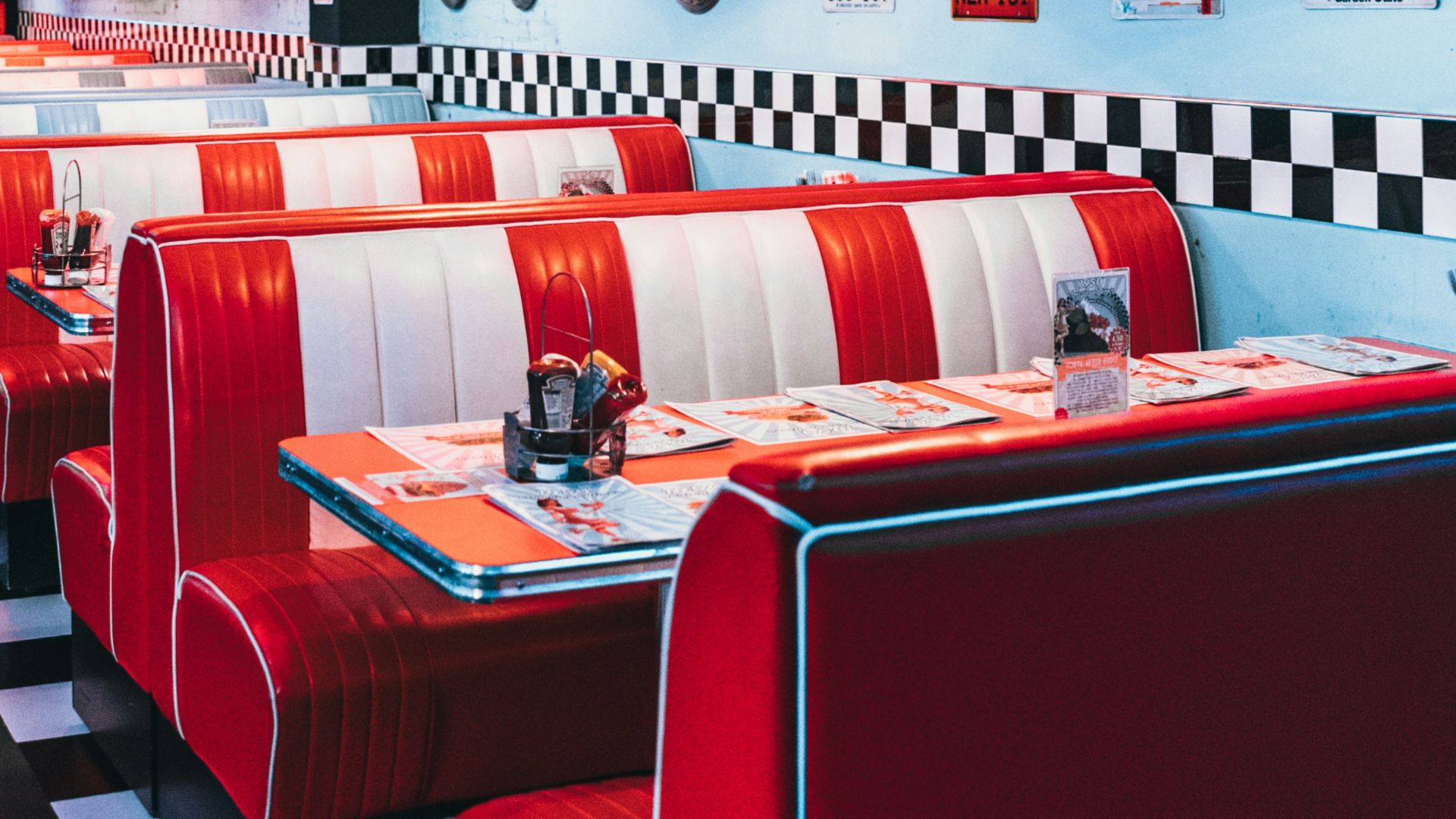
The classic American diner once seemed almost impossible to escape. These compact restaurants, with their chrome exteriors, counter stools, booths, bottomless coffee, and broad menus, became an important part of American roadside and urban life. Diners evolved from late-19th-century lunch wagons and gradually became more polished, family-friendly establishments, particularly during the 1920s through the postwar period.
But people didn't stop eating pancakes and cheeseburgers at diners. With the change in transportation and growth of suburbia, along with restaurants taking their place and people wanting to eat out and buying property, diners just didn't thrive as much. There are still tons of diners around today, just not as prevalent as before, mainly located in the Northeast.
As diners became popular, there were mobile lunch wagons that traveled to feed the masses in America's industrial cities in the late 1800s. Prefab diners started being created in the 1920s. Their portability was one of their biggest advantages because owners could put them where customers actually lived and worked.
When diners continued to flourish, they began to allow more types of people to come into their establishments. They had booths and bathrooms inside, which allowed them to attract more women and families. After World War II, the diner became an especially familiar part of American roadside culture, serving travelers, workers, families, and young people.
Their appeal was fairly straightforward. You could usually get a filling meal without spending a fortune, and the menu offered familiar American food that didn't require much explanation. Diners developed reputations for speedy service, reasonable prices, and generous portions, which made them particularly useful to travelers and people working unconventional hours.
The Automobile Changed Everything
The rise of the automobile helped diners expand beyond their original urban settings. By the 1930s, diners were increasingly appearing along roadsides, where they could serve motorists who needed somewhere convenient to stop for a meal. As car ownership and automobile travel expanded after World War II, diners became closely associated with America's increasingly mobile population.
The postwar period was particularly important because Americans were moving to new suburbs and traveling greater distances by car. The Interstate Highway System, construction of which began in 1956, transformed transportation and also changed where businesses could successfully operate. Highways helped large-scale food distribution and encouraged the growth of roadside businesses, while suburban development altered established patterns of urban commerce.
This presented a dilemma for diners. They had risen to popularity through auto culture, but this was giving rise to new competitors. Now that people were used to driving to their restaurants, other types of restaurants could begin to compete with the diner for this clientele.
They began to offer a better alternative to diners, with their food being able to be reproduced faster and more efficiently than what diners could offer. The growth of fast food was closely connected to highway construction, suburbanization, and Americans' increasing reliance on automobiles.
Not only did they start competing with burgers, but restaurants that allowed you to order from your car also became competitors. Drive-ins and later on, drive-throughs allowed customers to receive food without stepping foot in a restaurant. The National Park Service notes that the postwar growth of food stands eventually contributed to the enormous fast-food industry that became a dominant force in American dining.
Another problem that diners faced was their individual nature. Each diner could become known for its good food and have customers come back. But when companies started to open chains, they could create that same feel all over, which for some may have been worth the drive to get there.
Suburbanization Changed Where People Ate
As Americans moved into suburbs after World War II, their eating habits changed along with their daily routines. The growth of suburban communities and automobile travel shifted commercial activity away from many traditional urban centers. Restaurants increasingly had to compete for customers in places where parking, convenience, and quick service mattered.
Diners adapted to these changes to some extent. Their portability had always allowed them to move toward customers, and many expanded seating areas and adjusted their interiors for families. Even so, a small restaurant built around counter service and relatively compact spaces faced growing competition from purpose-built suburban restaurants and chains.
Along with this change, there was another influence that affected the dining experience for Americans. Post-1950, many people started trying new types of foods. They began to try new types of restaurants, food, and styles. Whether from traveling, foreigners moving to America, or the demand from consumers, there were many factors that led to a new trend in the food industry. The diner remained familiar, but it was no longer the only interesting option available.
Diners were usually able to attract business because most of the time you would go into a diner, sit down, order your food, eat, and leave. If that's what you're looking for, then there's nothing wrong with going to a diner. As time went on, people wanted to be able to have quick meals on the go or on the way to their destination. Restaurants that offered fast food took advantage of this.
The changing restaurant industry also introduced customers to increasingly standardized experiences. Chains could use centralized purchasing and consistent menus to keep operations efficient, while individual diners had to manage their own kitchens, suppliers, employees, and menus. The economics became more difficult when customers had plenty of alternatives.
KEEP ON READING

The Most Popular Signature Dishes Around the World