 Harris & Ewing / Adam Cuerden on Wikimedia
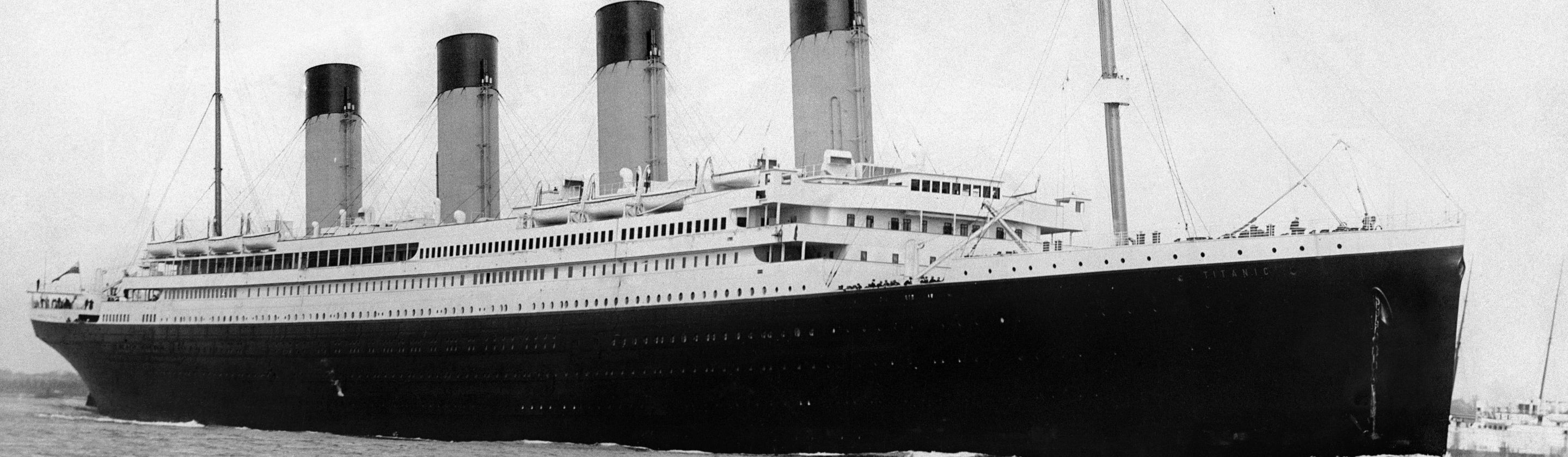
When you think about the Titanic, your mind probably goes straight to the dramatic Hollywood scenes or the haunting underwater footage of the wreckage. However, for the people on board on April 14, 1912, it was just another elegant evening at sea filled with the clinking of fine china and the smell of roasting meats. The kitchen staff was working tirelessly to ensure every guest, regardless of their ticket price, went to bed with a full stomach and a sense of Edwardian luxury. It’s fascinating to realize that while history was about to change forever, the immediate concern for most passengers was whether to choose the salmon or the roast duckling.
A Ten-Course Extravaganza in First Class
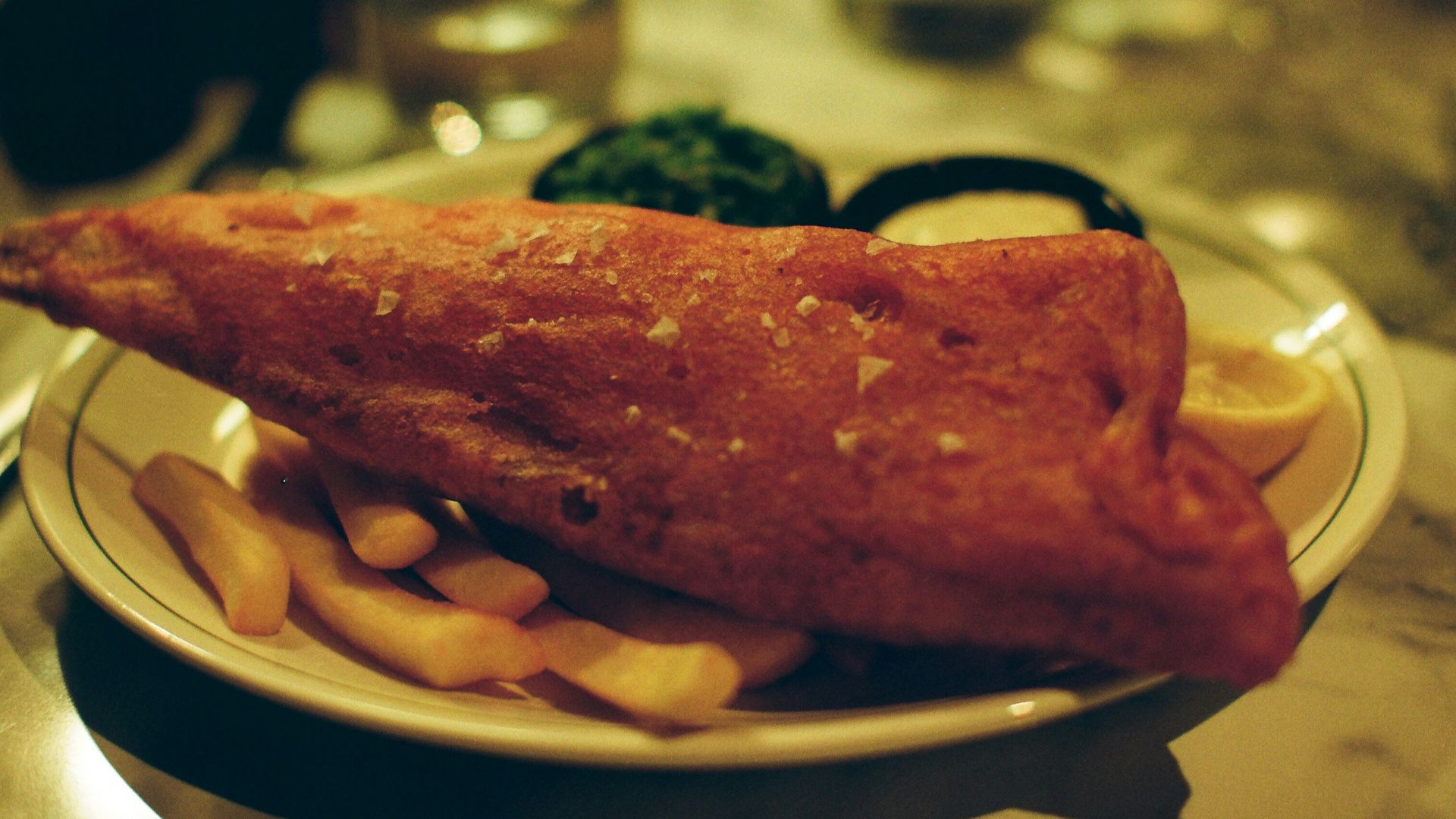
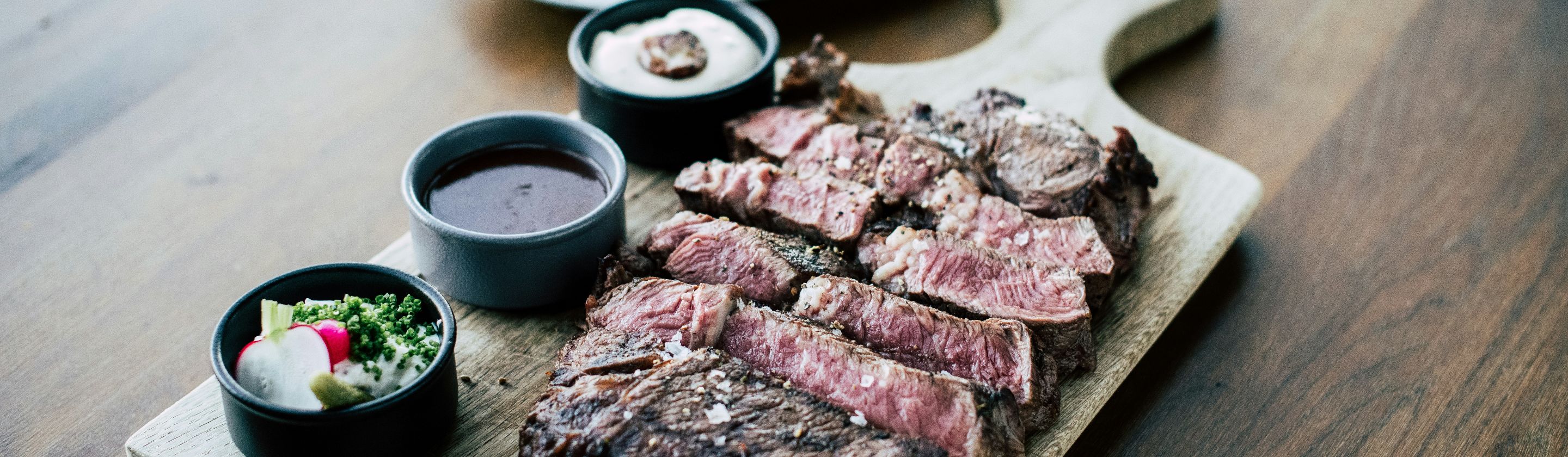
For the elite travelers in First Class, dinner was a marathon of luxury that required hours of formal social interaction and several changes of silverware. You’d start the evening with a selection of hors d'oeuvres like oysters or various canapés, followed by a light Consommé Olga or a Cream of Barley soup. This was just the beginning of a culinary journey designed to showcase the skill of the French chefs who were recruited specifically for the voyage. It wasn't uncommon for these wealthy passengers to spend nearly three hours at the table, discussing business and politics while sipping on the finest wines available.
Following the soup, the fish course featured poached salmon topped with a rich Mousseline sauce and garnished with crisp cucumbers. If you weren't a fan of seafood, the next several courses offered an incredible variety of meats, including Filet Mignons Lili, Saute of Chicken Lyonnaise, and Vegetable Marrow Farcie. The centerpiece of the meal was often the Roast Duckling with apple sauce or the Sirloin of Beef, served alongside Chateau Potatoes and creamed carrots. Every plate was meticulously arranged to reflect the high-society standards of the Gilded Age, ensuring that the visual presentation was just as impressive as the flavor profile.
As the meal wound down, the passengers were treated to Punch Romaine, a refreshing palate cleanser made with rum and shaved ice, before moving on to Roast Squab and cress. The dessert course was equally decadent, offering a choice between Waldorf Pudding, Peaches in Chartreuse Jelly, or Chocolate and Vanilla Eclairs.
Middle-Class Comforts and Second Class Delights
While it lacked the sheer number of courses found in First Class, the Second Class menu was still remarkably high-quality and far superior to what most people ate at home. You would have found yourself sitting in a dining room that was arguably more comfortable than the First Class sections of many other competing ships. The meal began with a hearty Consommé with Tapioca or a Cream of Tomato soup, setting a warm and welcoming tone for the evening's festivities. It was a sophisticated yet approachable menu that catered to the growing middle class of professionals and families traveling across the Atlantic.
Entrées for Second Class consisted of substantial and satisfying items like Baked Haddock with a Pepper Sauce or Curried Chicken with Rice. The diner also had his choice of Spring Lamb with mint sauce or Roast Turkey, accompanied by savory cranberry preserves, which offered a comforting touch of home for travelers heading to America.
Side dish options were mashed turnips, boiled rice, and roasted potatoes. For dessert, Second Class passengers dined on sweets like Plum Pudding, a British staple, or American Ginger Cake if they preferred something lighter.
Hearty Fare for the Third Class Travelers
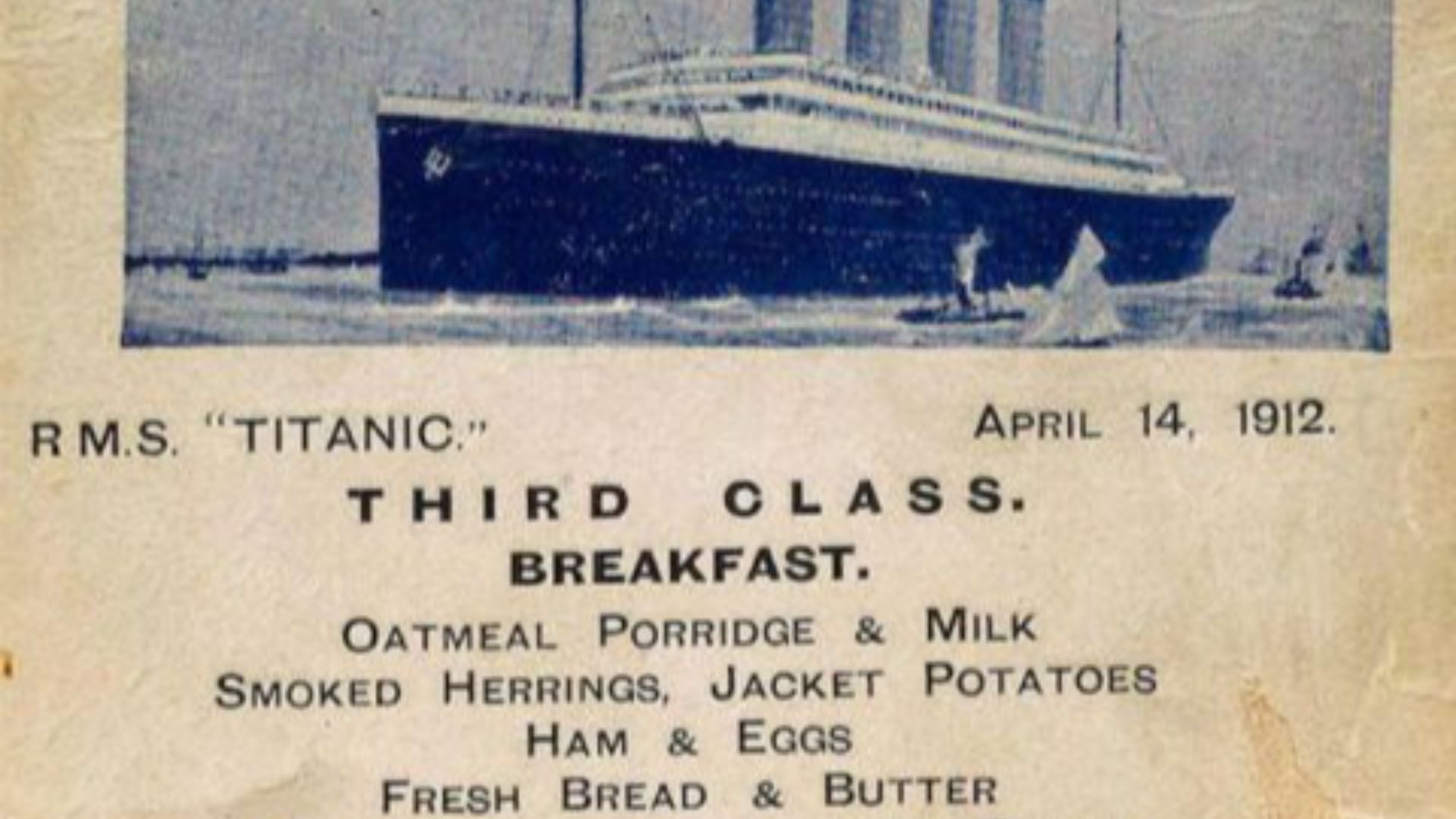
For those in Third Class, the final meal of the day was technically referred to as "Tea" or "Supper," but it was a substantial spread nonetheless. Unlike many other ships of the time that required steerage passengers to bring their own food, the Titanic provided three hot meals a day, included in the fare. You would have been served a comforting bowl of vegetable soup followed by a main course of roasted pork with sage and onion stuffing. It was simple, honest food that was meant to sustain the many immigrants who were looking forward to starting a new life in a new land.
Side dishes in Third Class didn't vary much: boiled potatoes, green peas, and fresh bread with butter were served most nights. There weren't ten courses, nor were there fancy sauces France would provide, but the ingredients served were surprisingly fresh. In fact, fresh ingredients were some of the biggest selling points developers boasted about when selling tickets. You may have even received some regional favorites such as Swedish bread or biscuits, due to so many different nationalities living down below.
Folks crowded around tables, chatting and dreaming aloud about what their future held as they dug into their meal. It was worlds away from the dining rooms up top. Dinner was always accompanied by some sort of sweet course, usually a fruit compote or a slice of Cabin Biscuits with cheese. That night, they were served a dish of gruel, thin porridge, though most opted for the sweeter options.