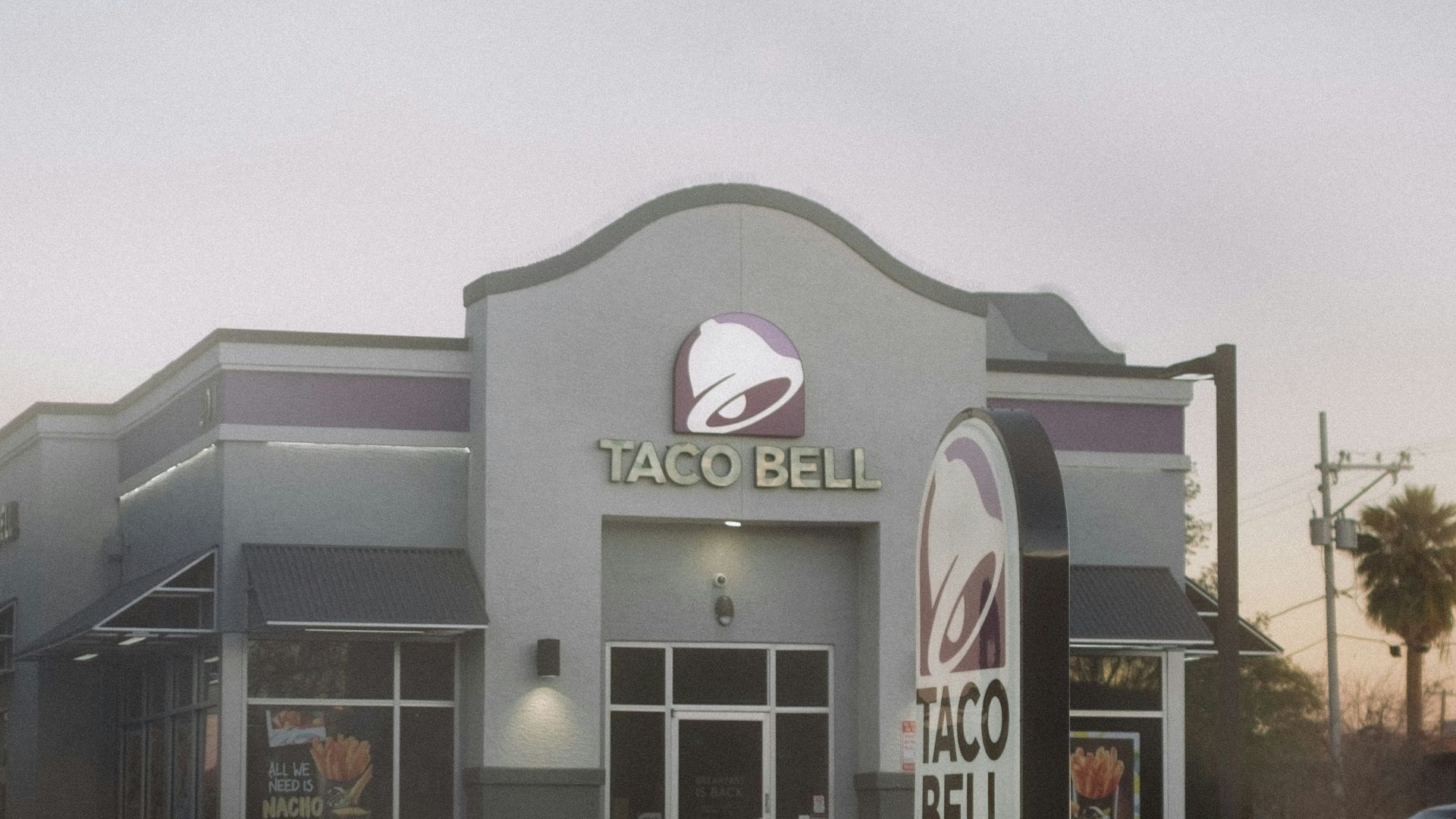
If you’ve ever driven down a main road, you might have noticed something odd. One burger joint looks almost identical to the next, from the color of the walls to the placement of the drive-thru. Whether it’s the big golden arches of McDonald’s or the bright red roof of Wendy’s, fast food chains have perfected a look that’s instantly recognizable. You could almost navigate a new city just by spotting these familiar structures.
This isn’t just a coincidence or laziness on the part of designers. The way these stores look is the result of decades of research, testing, and marketing strategies aimed at making you feel comfortable, find what you need quickly, and ultimately, spend more money. Today, we’ll take a closer look at why fast food stores all seem to share the same design blueprint and how it impacts both your dining experience and the industry as a whole.
The Psychology of Familiarity
One big reason fast food stores look the same is that familiarity drives comfort. When you see the same layout and color scheme every time, it reduces mental friction. You don’t have to think about where to order or find a seat; your brain already knows the routine. For customers, that sense of predictability feels safe.
Color choices also play a surprisingly strong role in your dining behavior. Reds and yellows dominate fast food branding because studies show they stimulate appetite and create a sense of urgency. That’s why, whether you’re at a Burger King in Texas or an In-N-Out in California, the visual cues are engineered to make you hungry and encourage faster decisions.
Even furniture and lighting aren’t left to chance. Seating is designed for efficiency—tables are easy to clean, chairs are lightweight, and lighting is bright enough to keep the space inviting but not so soft that customers linger too long. Everything about the environment is carefully calibrated to keep you moving, ordering, and coming back again.
The Business of Branding
Uniform store designs aren’t just about psychology—they’re about brand identity. Every fast food chain wants you to recognize it instantly, even from a distance.
That’s why logos, signage, and building shapes are consistent worldwide. When you see the familiar design, you know exactly what experience to expect.
Franchise models also drive sameness. Chains like McDonald’s or Chick-fil-A sell a specific set of instructions to franchisees, including blueprints for the building, floor layout, and even furniture choices. This ensures that no matter which franchise you walk into, the brand looks and feels the same. The goal is to protect the brand’s reputation and avoid surprises for customers.
Standardization also makes it easier to manage costs. Ordering the same materials, furniture, and signage in bulk reduces expenses, and workers can be trained faster when every location functions the same way. For the corporation, uniformity isn’t just about aesthetics—it’s a money-saving and efficiency-boosting strategy that benefits the bottom line.
Convenience Meets Corporate Control
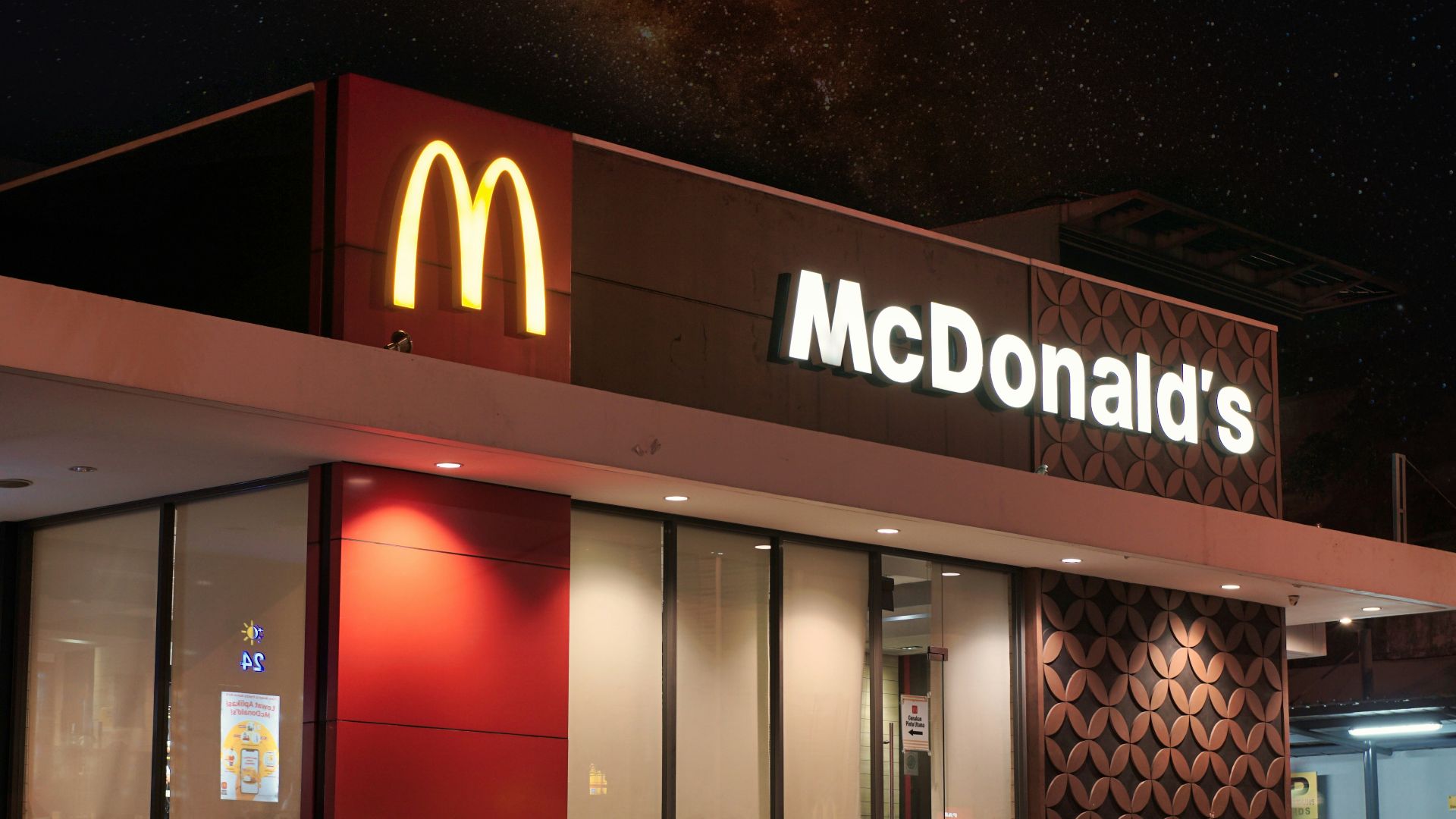
Another reason all fast food stores look alike is the relentless focus on convenience. Drive-thrus, pickup windows, and digital ordering kiosks are integrated into almost every location now. Chains have realized that if you can get your food fast and efficiently, you’re more likely to return. That need for speed naturally pushes toward a uniform layout across locations.
Technology also plays a big part.
Menu boards, digital ordering systems, and kitchen workflows are standardized so that staff can operate efficiently no matter where they are. The layout of the kitchen, the position of the fryer, and even the angle of the drink dispenser are planned to maximize speed. It might feel repetitive to customers, but it’s intentional. Every identical feature helps maintain a seamless operation.
Finally, corporate oversight ensures consistency. Regional managers and brand consultants regularly inspect stores to make sure they meet corporate standards. Any deviation in appearance, cleanliness, or layout is corrected to maintain a uniform experience. The result is a world where nearly every fast food restaurant looks like a carefully staged set, designed to make your visit predictable, quick, and comforting.
So the next time you pull into a fast food parking lot and feel a strange sense of déjà vu, now you know why. It’s not just design laziness—it’s a carefully crafted mix of psychology, branding, and operational efficiency. Fast food chains want you to recognize them instantly, move through their space quickly, and enjoy the familiarity that keeps you coming back. That’s why every burger joint, taco spot, and fried chicken chain looks like it was made from the same blueprint.
Even though it can feel repetitive, this uniformity serves a purpose.
It reduces confusion, makes operations smoother, and creates a brand experience that’s the same whether you’re in New York or Los Angeles. In the end, the sameness isn’t just about buildings—it’s about making your life, and your meals, a little bit easier and a lot more predictable.