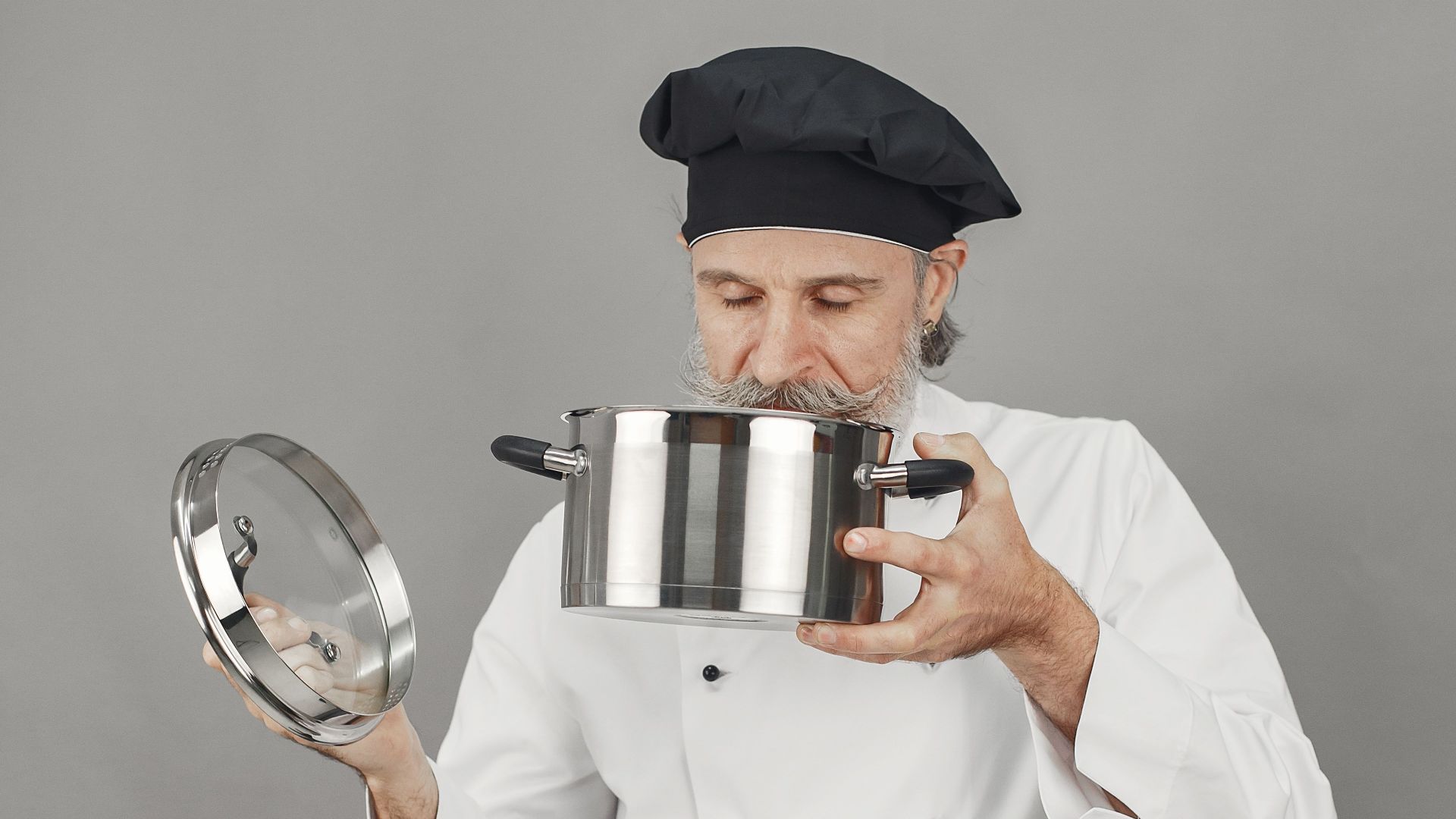
Leftovers are one of life’s small comforts. They save money, rescue busy weeknights, and make you feel grateful to your past self for cooking more than one serving of something. But then comes the familiar fridge moment: you open the container, lean in carefully, and ask your nose to serve as judge, jury, and food safety inspector.
The problem is that your nose is talented, but it’s not a laboratory. Bad smells can warn you that food has spoiled, but many germs that cause food poisoning don’t always change the smell, look, or taste of food. That means leftovers can seem perfectly fine while still being risky.
Smell Can Spot Spoilage, Not Safety
The smell test works best when food is obviously spoiled. Sour milk, rotten meat, or moldy leftovers should absolutely not be eaten. Odor can tell you that food quality has gone downhill, and that’s useful information. If something smells bad, the decision is easy: let it go.
Food safety is trickier because spoilage bacteria and illness-causing bacteria aren't the same thing. Spoilage organisms often create unpleasant odors, slimy textures, or visible mold. Pathogens, on the other hand, may grow without announcing themselves in any dramatic way. So a clean smell doesn’t automatically mean the food is safe.
That’s why “it smells fine” isn't the comforting sentence people think it is. Leftovers can contain bacteria such as Salmonella, Listeria, E. coli, or Bacillus cereus without smelling like disaster. These germs aren't required to send a warning note before causing trouble.
Time & Temperature Matter More Than Your Nose
The safer way to judge leftovers is by time and temperature. The USDA says cooked leftovers should generally be used within 3 to 4 days when refrigerated properly. After that, the risk of foodborne illness rises, even if the food still seems normal. The fridge slows bacteria down, but it doesn't press pause on reality forever.
How quickly food is refrigerated matters too. Perishable food should not sit out at room temperature for more than two hours, or one hour if the temperature is above 90°F. Once food spends too long in the danger zone, bacteria can multiply quickly. Putting it in the fridge later doesn't magically undo the time it spent auditioning for trouble.
Your refrigerator temperature also plays a big role. The FDA recommends keeping the fridge at or below 40°F to slow bacterial growth. If your fridge runs warm, leftovers may become risky sooner than expected. That's why it's worth investing in an accurate refrigerator thermometer.
Some Leftovers Are Riskier Than Others
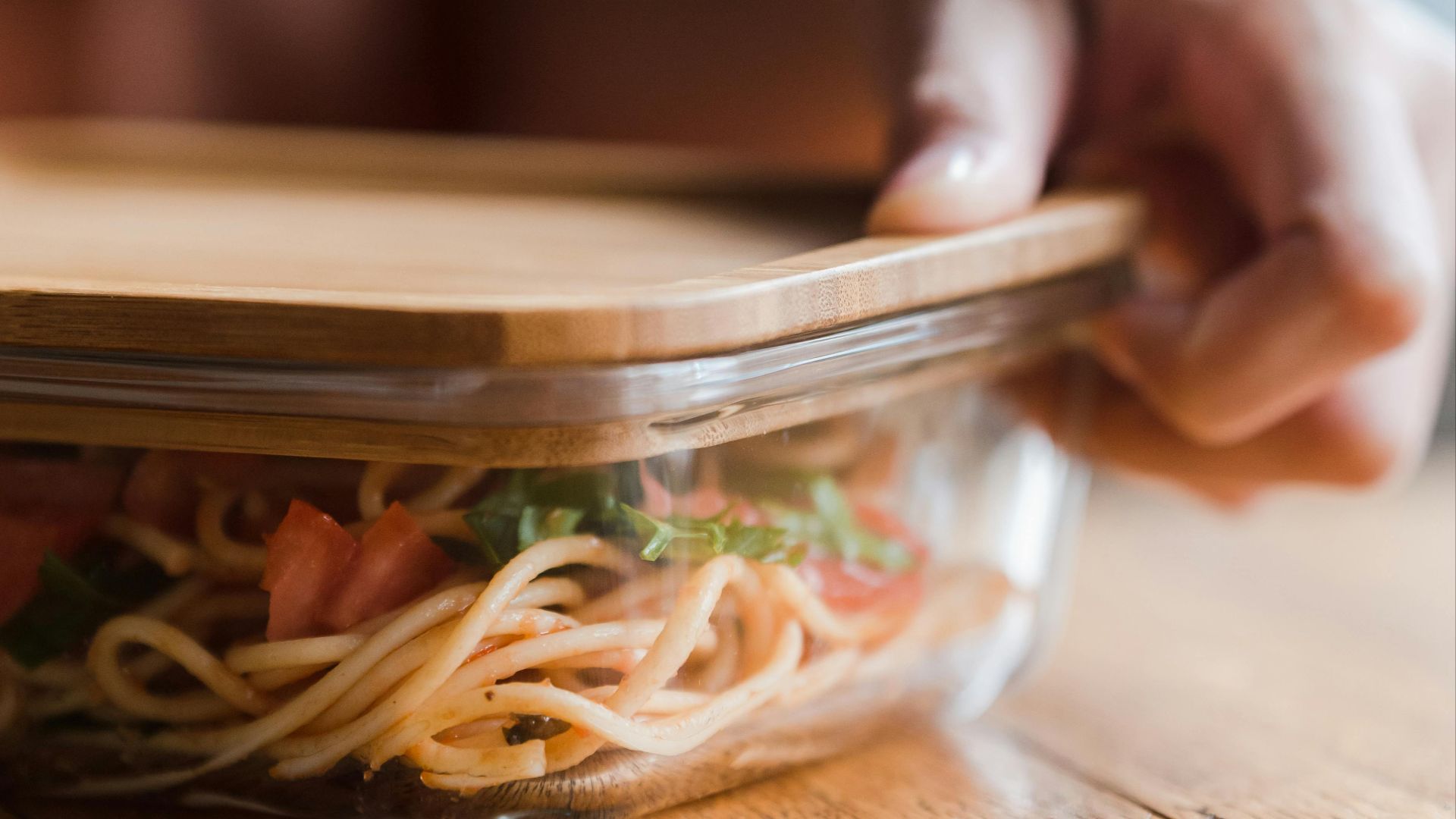
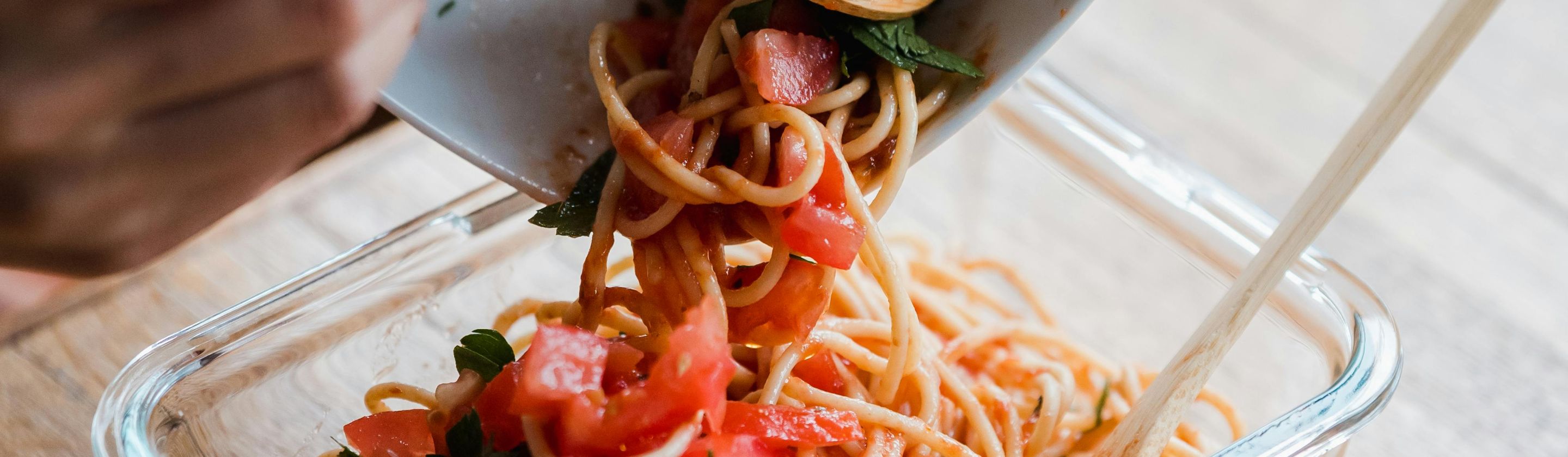
Certain foods deserve extra caution because they support bacterial growth easily. Cooked rice, pasta, meat, poultry, seafood, eggs, dairy-based dishes, gravies, soups, and casseroles should all be handled carefully. Rice and pasta can be especially sneaky because Bacillus cereus can survive cooking and create toxins if food sits too long. That leftover fried rice may look innocent, but it still needs rules.
Large containers of hot food can also be a problem. If you put a huge pot of soup or chili directly into the fridge, the middle may cool too slowly. During that slow cooling period, bacteria can keep multiplying. Dividing leftovers into shallow containers helps them cool faster and more evenly.
Takeout deserves the same caution as homemade food, if not more, because it may have already spent time in a delivery bag, on a counter, or in your car before reaching the fridge. The clock doesn't start only when you decide to store it.
Reheating Helps, but It Doesn’t Fix Everything
Reheating leftovers properly can reduce risk, but it isn’t a magic reset button. The USDA recommends reheating leftovers to 165°F, and soups, sauces, and gravies should be brought to a rolling boil. Heating food until it is “kind of warm” may leave cold spots where bacteria can survive. Microwaves are especially guilty of uneven heating, so stirring matters more than your grumbling stomach cares to admit.
Some toxins can remain even after reheating. Certain bacteria can produce toxins while food sits at unsafe temperatures, and heat may not always destroy those toxins. That means you cannot simply blast questionable leftovers in the microwave and declare victory. If the food was stored badly, reheating may make it hot, but not safe.
This is also why repeated reheating and cooling isn't ideal. Every time leftovers are warmed, cooled, forgotten, and reheated again, they get more chances to spend time in the temperature danger zone. It’s better to reheat only the portion you plan to eat.
Better Rules Than “It Smells Fine”
The easiest habit is to label leftovers with the date before putting them away. You don’t need a fancy system; tape, a marker, or a note on the container works. Once the date is visible, you no longer have to guess whether that stew is from Monday or from a previous era.
You can also freeze leftovers you won’t eat within a few days. Freezing keeps food safe much longer, although quality may decline over time. It’s best to freeze portions early rather than waiting until day four when the food is already looking tired. The freezer is a useful backup plan, not a retirement home for forgotten casseroles.
The real lesson is simple: use your senses, but don’t let them make the whole decision. If food smells bad, looks moldy, feels slimy, or tastes off, toss it immediately. If it smells fine but has been stored too long, left out too long, or reheated too many times, toss it anyway. Leftovers are wonderful, but no container of chicken Alfredo is worth gambling with your digestive system.
KEEP ON READING
The Most Popular Chocolate Bars in the USA
The Most Popular Candies in the USA
20 Annoying Foods That Get Stuck In Your Teeth