Your Bowl Deserves Better
Soup seems like one of the most forgiving dishes you can make: toss some ingredients into a pot, add liquid, apply heat, and you're done, right? Not quite. Even "easy" soup recipes require a bit of technique, and the difference between a flat, underwhelming bowl and one that has you reaching for seconds often comes down to a few smart decisions along the way. Whether you're a kitchen newbie or someone who's been cooking for years, these common mistakes and practical tips will help you get the most out of every pot you make.
1. Skipping the Sauté
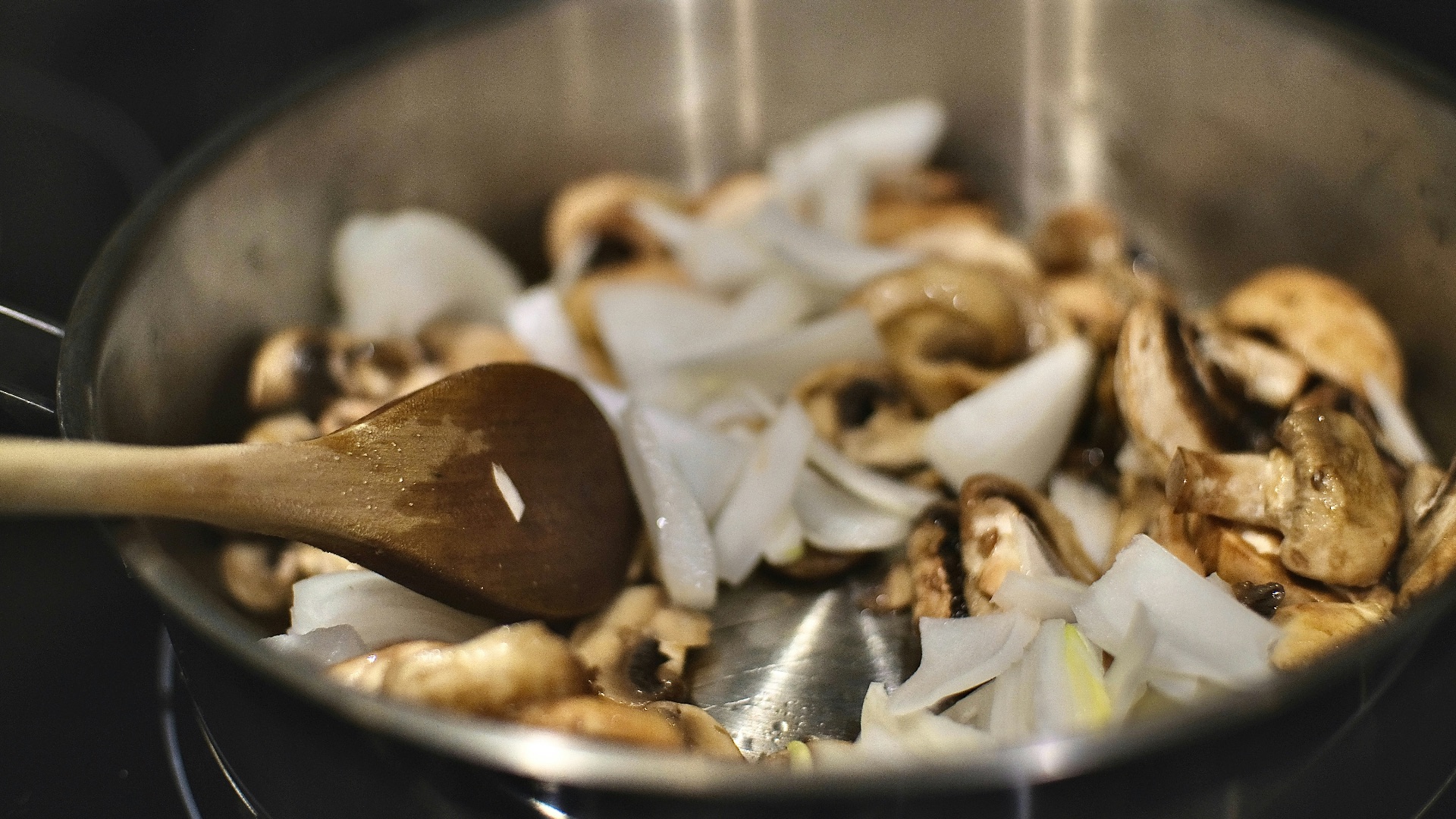
Dumping raw aromatics like onions, garlic, and celery straight into your broth without cooking them first is one of the most common soup missteps. Sautéing them in a bit of oil or butter before adding your liquid draws out their natural sugars and builds a deeper, more complex flavor base. Without that step, your soup will taste noticeably flatter and less developed, no matter how long you let it simmer.
2. Using Cold or Low-Quality Stock
The liquid you choose is the backbone of your soup, so starting with a watery or flavorless stock will drag down every other ingredient in the pot. Store-bought stock varies widely in quality, and the cheaper options are often thin, salty, and lacking in body. If you can't make your own, look for low-sodium versions from reputable brands so you can control the seasoning yourself.
3. Oversalting Too Early
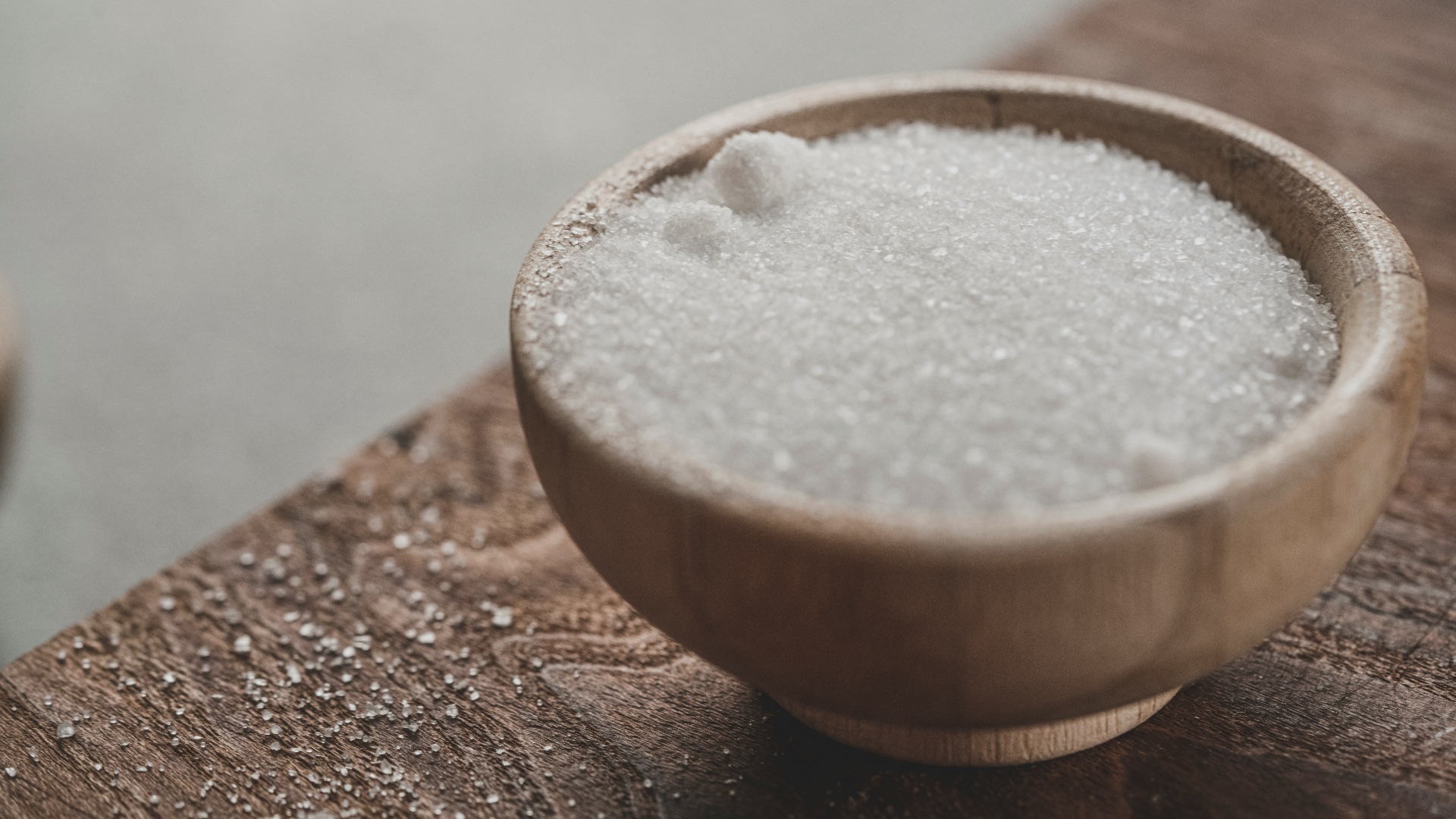
Seasoning your soup heavily at the start of cooking is a risky move, because as the liquid reduces and concentrates over time, so does the saltiness. It's much easier to add more salt toward the end than to try to fix an oversalted pot. Taste as you go and hold off on your final seasoning adjustment until the soup is close to done.
4. Boiling Instead of Simmering
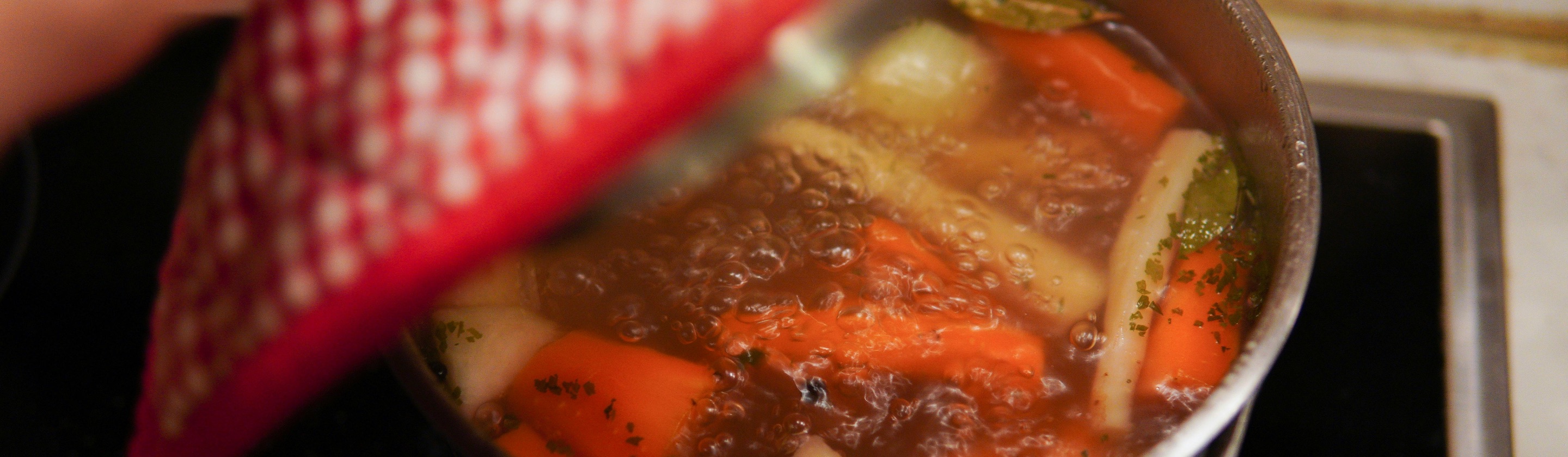
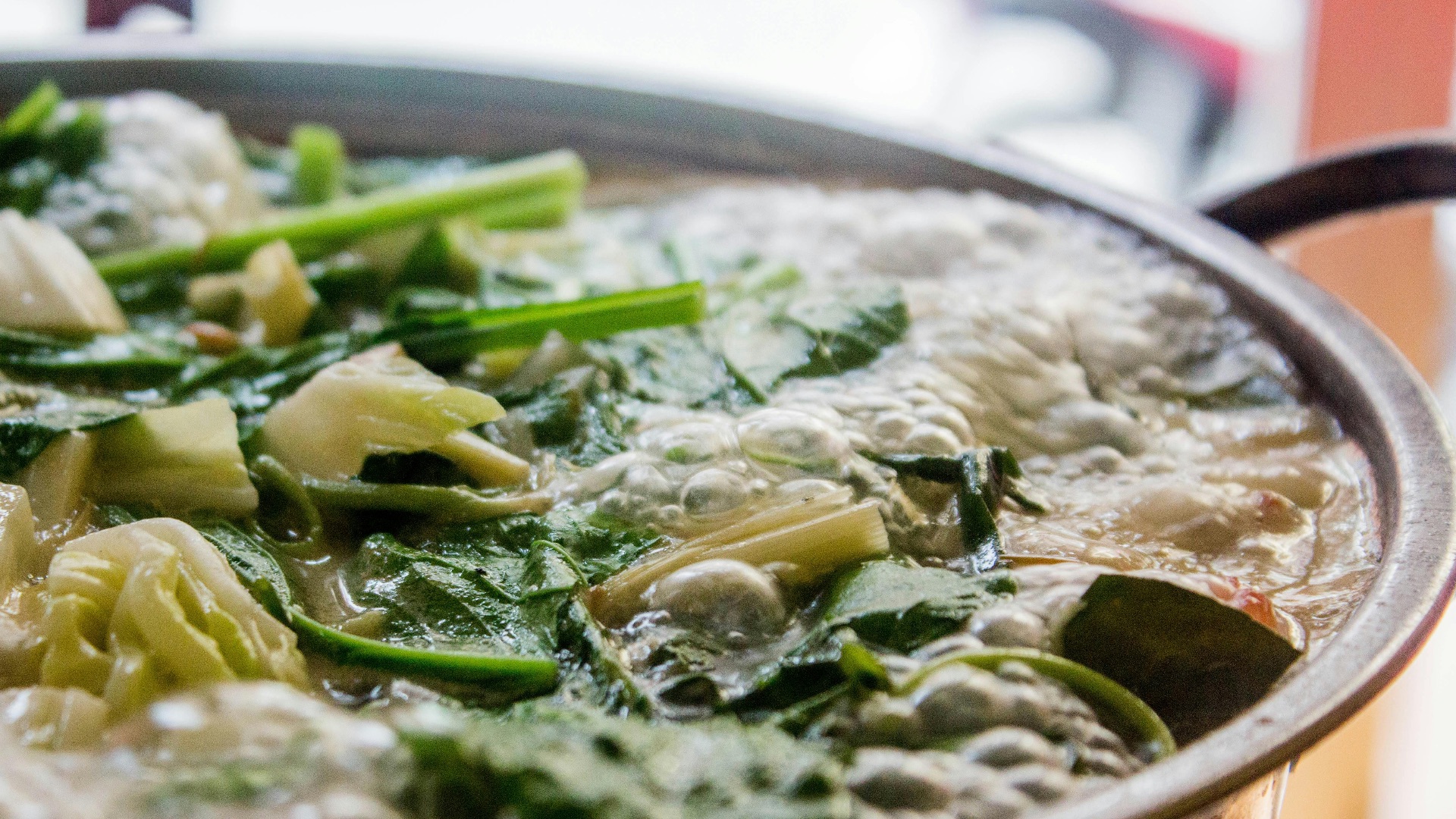
Cranking the heat and letting your soup roll at a full boil might feel efficient, but it actually works against you. Boiling toughens proteins like chicken or beans, breaks down vegetables into mush, and turns your broth cloudy rather than clear. A gentle, steady simmer is what coaxes out flavor without destroying the texture of your ingredients.
5. Adding Everything at Once
Throwing all of your ingredients into the pot at the same time ignores the fact that different foods have very different cooking times. Dense vegetables like carrots and potatoes need far longer than leafy greens or fresh herbs, which can turn limp and lifeless if added too early. Staggering your additions ensures that everything finishes cooking at the same time and that each component holds its texture.
6. Neglecting to Skim the Foam
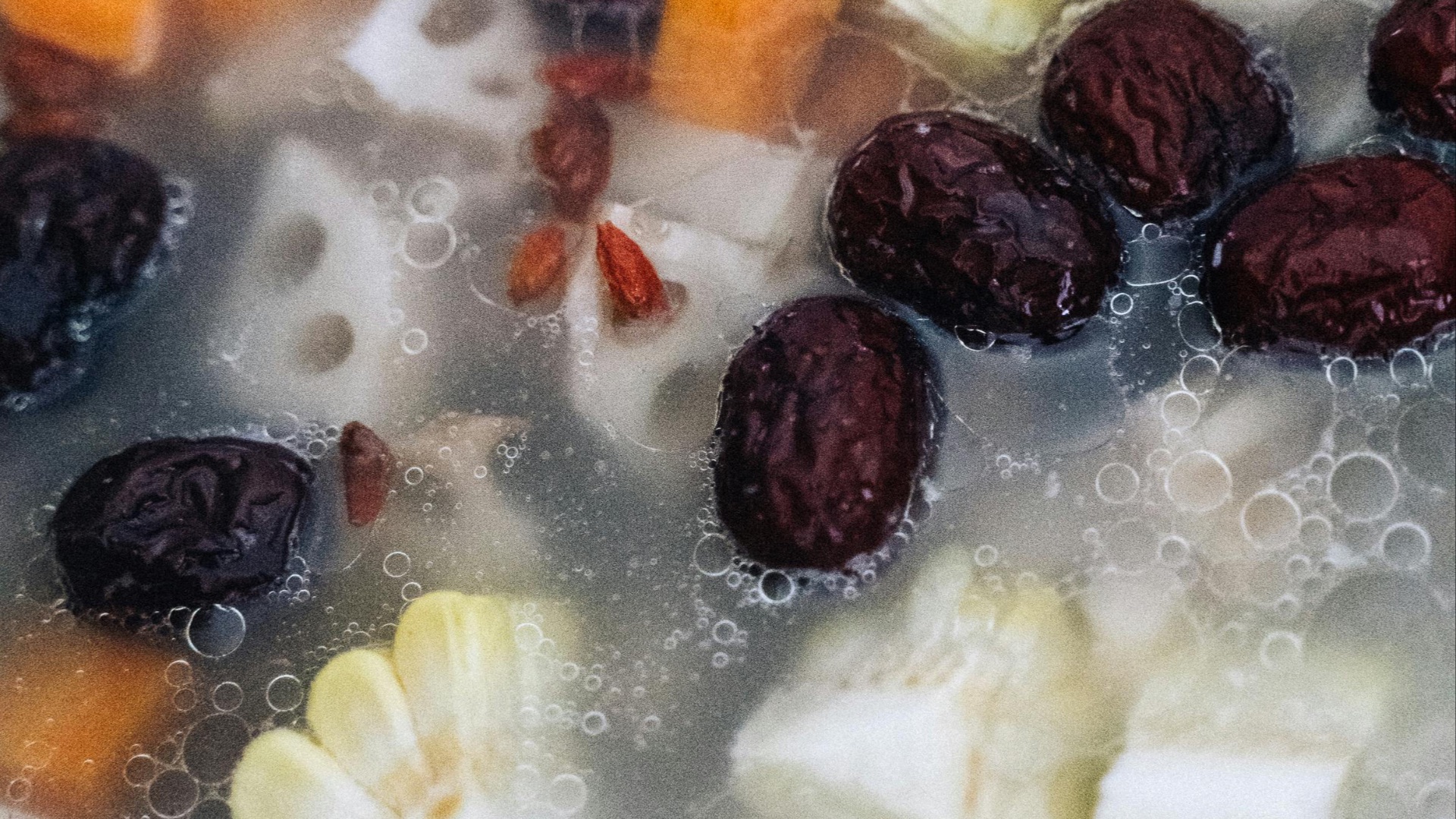
When proteins like meat or bones first hit hot liquid, they release a grayish foam that rises to the surface of your pot. Leaving it in won't ruin your soup, but it does contribute a slightly bitter, murky quality to the broth that most people don't want. A quick pass with a spoon or ladle during the first few minutes of cooking keeps your broth cleaner and clearer.

7. Underseasoning the Cooking Water for Pasta or Grains
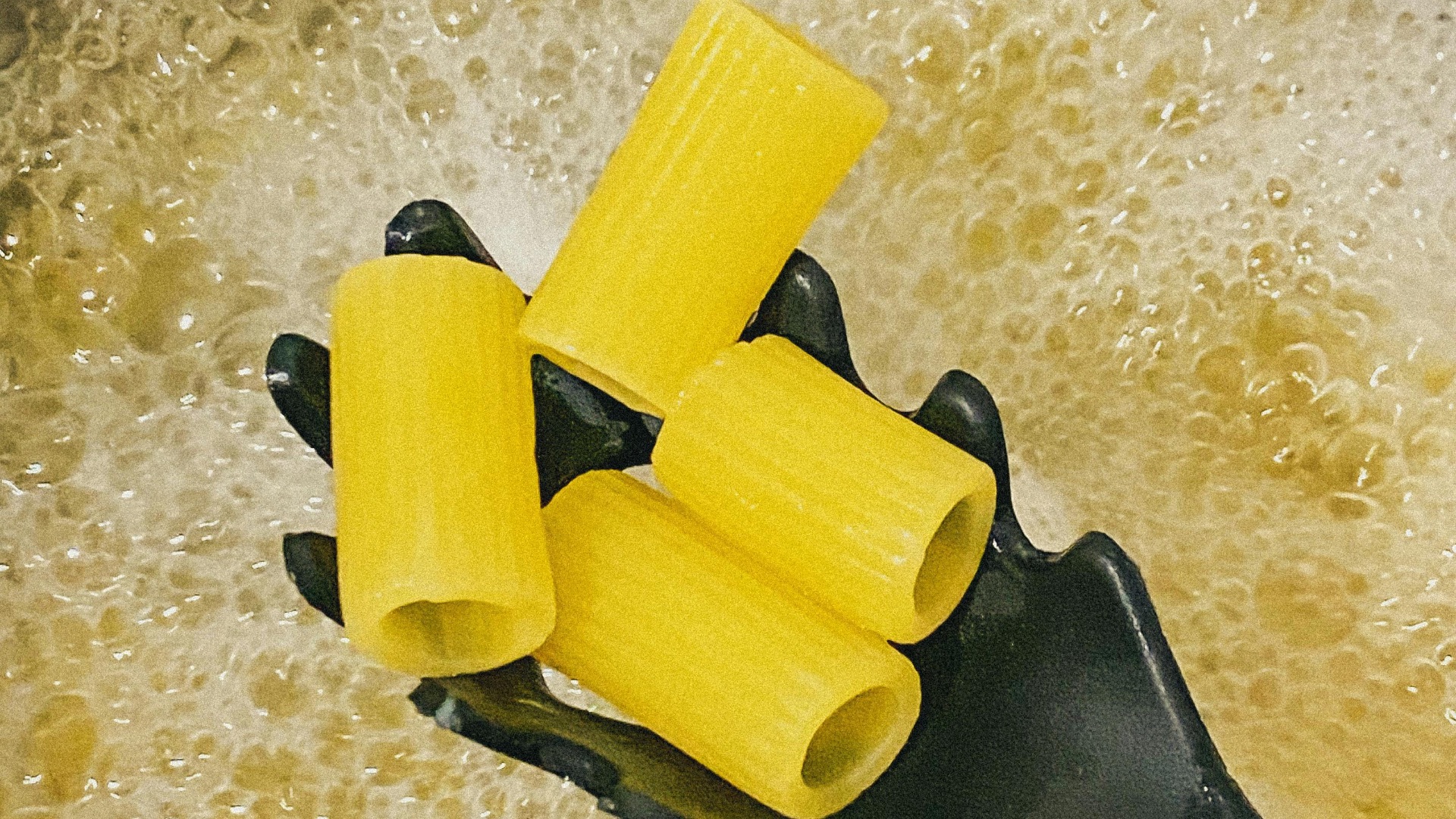
If your soup includes pasta, rice, or another grain cooked directly in the broth, it's easy to assume the surrounding liquid will handle all the seasoning. The problem is that starchy ingredients absorb a lot of flavor as they cook, and if your broth isn't adequately seasoned, the final dish will taste dull in the starchy bites. Make sure your broth is well-seasoned before the pasta or grains go in, and taste again once they're cooked.
 Annavitoria Martinssousa on Pexels
8. Forgetting Acid
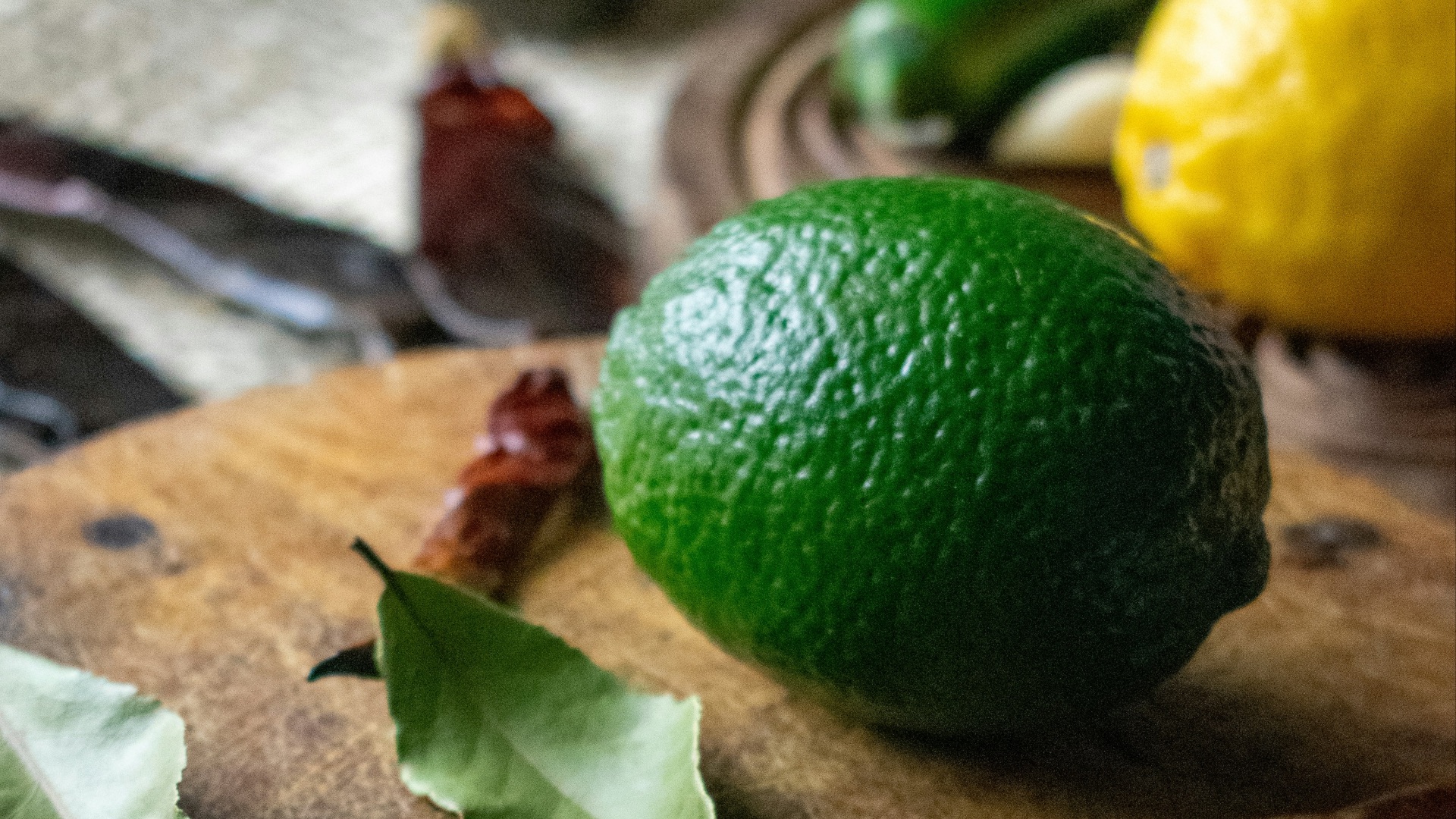
A finished soup that tastes somehow flat or one-dimensional is often missing a splash of acid rather than more salt. A squeeze of lemon juice, a small pour of vinegar, or even a spoonful of tomato paste can brighten all of the other flavors and make them feel more vibrant and complete. Many home cooks overlook this step entirely, and it's one of the simplest ways to make a noticeable difference in the final bowl.
9. Overcooking Dairy-Based Soups
If you're making a cream-based or cheese-based soup, high heat is your biggest enemy once the dairy goes in. Prolonged boiling causes cream to break and separate, and it can make cheese turn grainy and greasy rather than smooth and silky. Add dairy components toward the end of cooking, reduce the heat to low, and stir gently to keep the texture as smooth as possible.
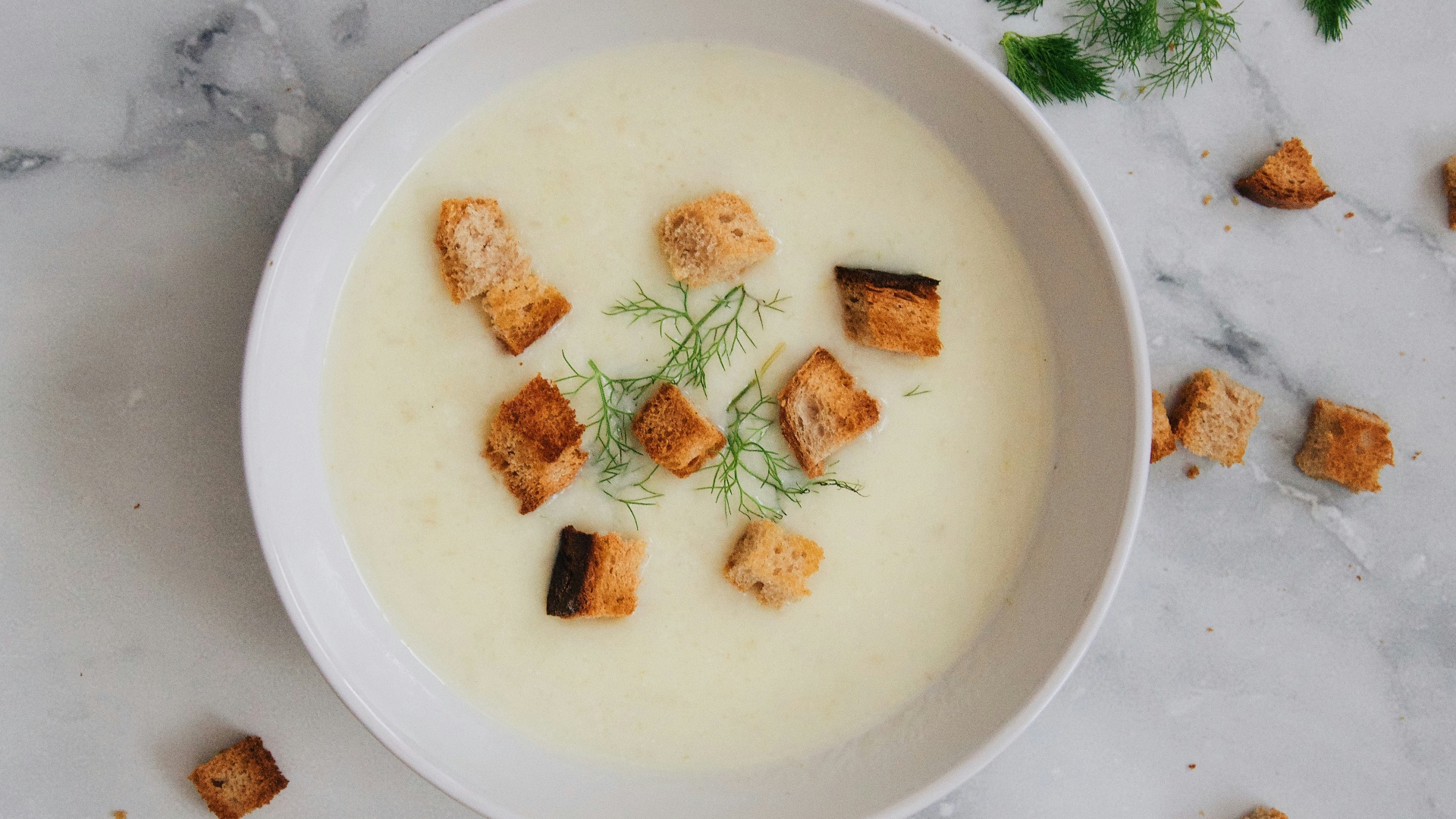
10. Serving It Straight from the Pot Without Tasting
It sounds obvious, but skipping a final taste before ladling your soup into bowls is a surprisingly common oversight. Even a well-executed recipe may need a last-minute adjustment—more salt, a crack of black pepper, or a little extra seasoning—depending on the specific ingredients you used. Taking thirty seconds to taste and correct before serving can make the difference between a good bowl and a great one.
Now that you know what to watch out for, it's time to shift gears. Avoiding mistakes will get you a solid soup, but the following tips will take you from good to the kind of bowl that people ask you to make again.
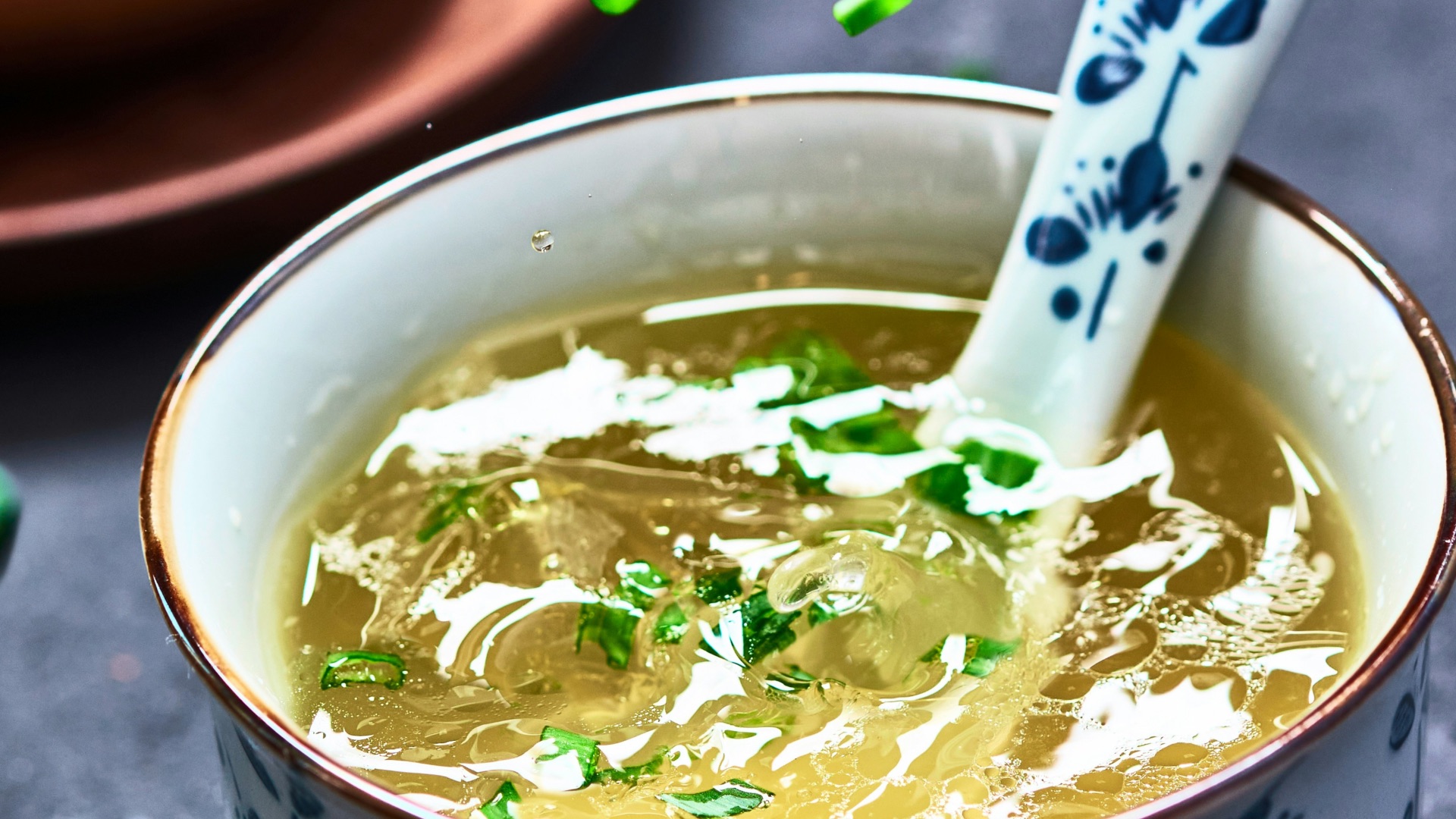
1. Toast Your Spices Before Adding Them
Dry spices that go straight from the jar into a wet pot of soup don't have the chance to reach their full flavor potential. Toasting them in a dry pan or in the oil at the beginning of your cook time activates their aromatic compounds and makes them taste noticeably more vibrant and complex. Just thirty seconds over medium heat is enough to make a real difference, so it's one of the easiest upgrades you can make.
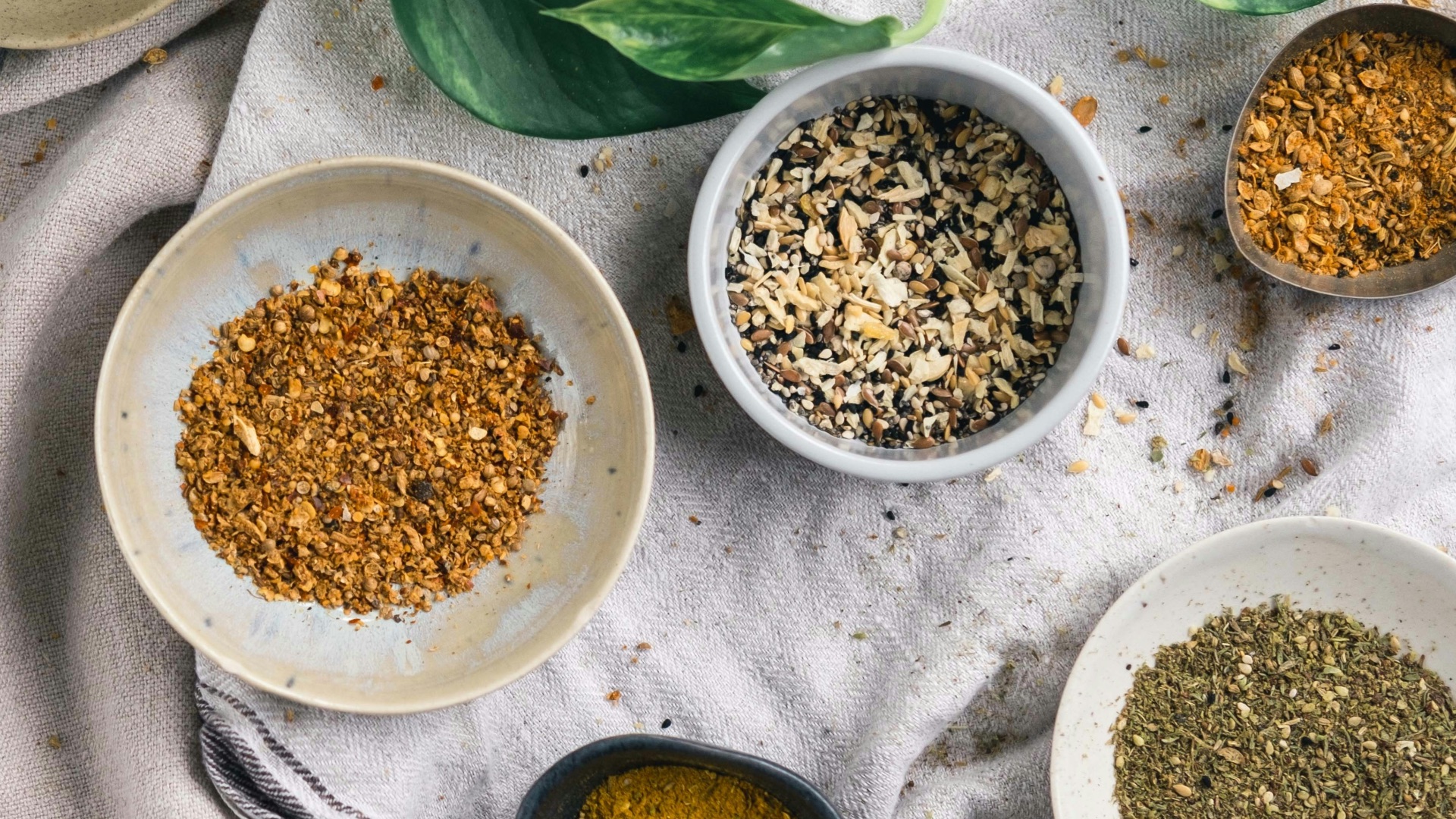
2. Add a Parmesan Rind
If you've never dropped a Parmesan rind into a pot of simmering soup, you're leaving a significant amount of flavor on the table, or rather, in the trash. The rind slowly releases a savory, umami-rich depth into the broth as it cooks, enriching everything from minestrone to vegetable soup without making it taste cheesy. Save your rinds in a zip-lock bag in the freezer so you always have one ready to go.
3. Deglaze the Pot After Browning
If you're browning meat or vegetables as part of your soup-building process, those browned bits stuck to the bottom of the pot are packed with concentrated flavor. Deglazing with a splash of wine, stock, or even water scrapes them up and incorporates that depth into your broth. Skipping this step means leaving some of the best parts behind.
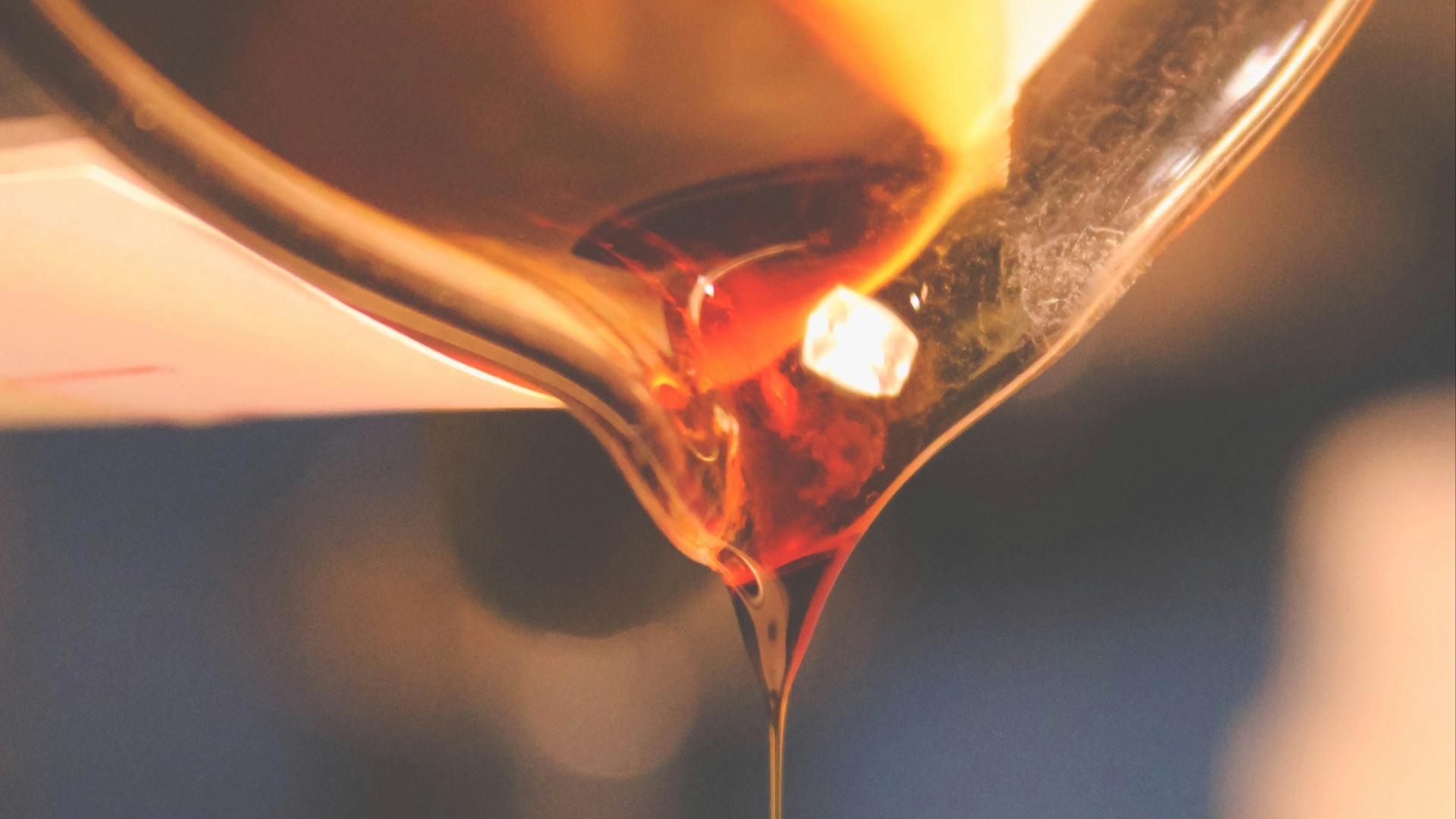
4. Layer Your Seasoning Throughout
Rather than seasoning only at the beginning or only at the end, try adding small amounts of salt and other seasonings at each stage of cooking. This builds flavor gradually from the inside out, so the seasoning feels integrated rather than like an afterthought sprinkled on top. The result is a soup that tastes fuller and more balanced in every spoonful.
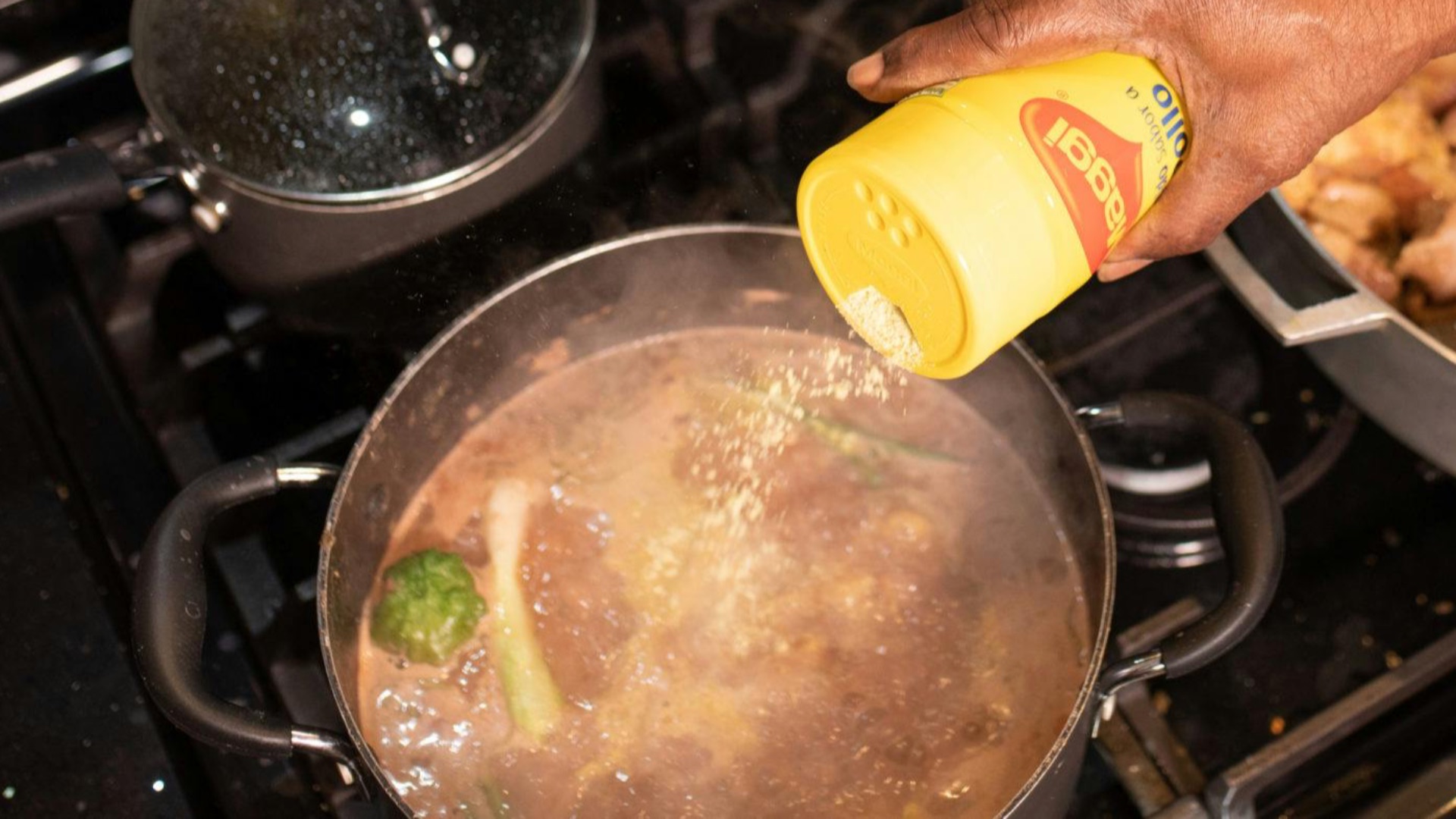
5. Use Homemade or Enhanced Stock
Even if you don't make stock from scratch very often, you can significantly improve store-bought stock by simmering it for twenty minutes with aromatics like onion halves, garlic, bay leaves, and peppercorns. This quick enhancement adds body and complexity that the packaged version can't offer on its own. It's a small investment of time that pays off clearly in the final flavor of your broth.
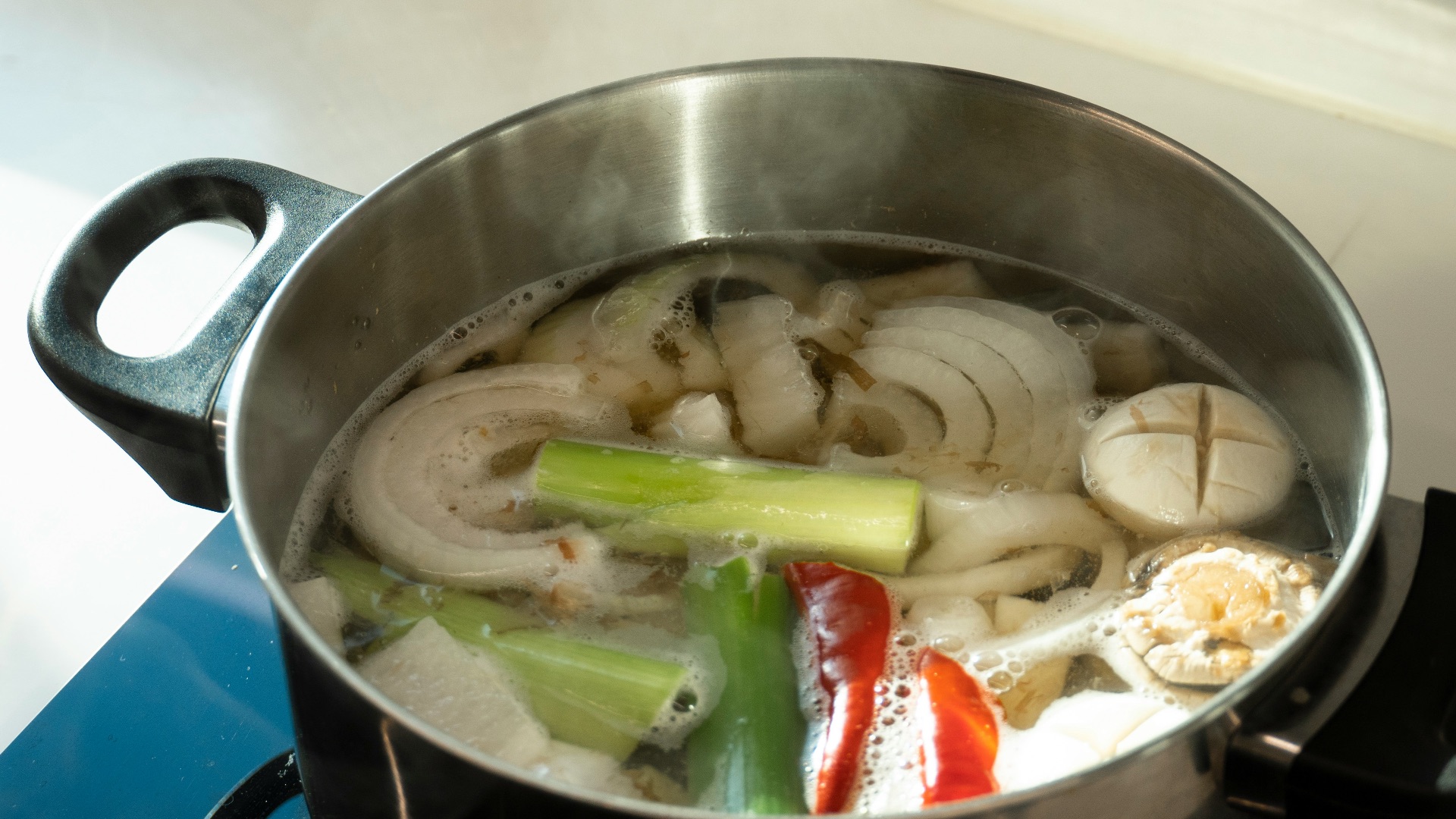
6. Finish with Fresh Herbs
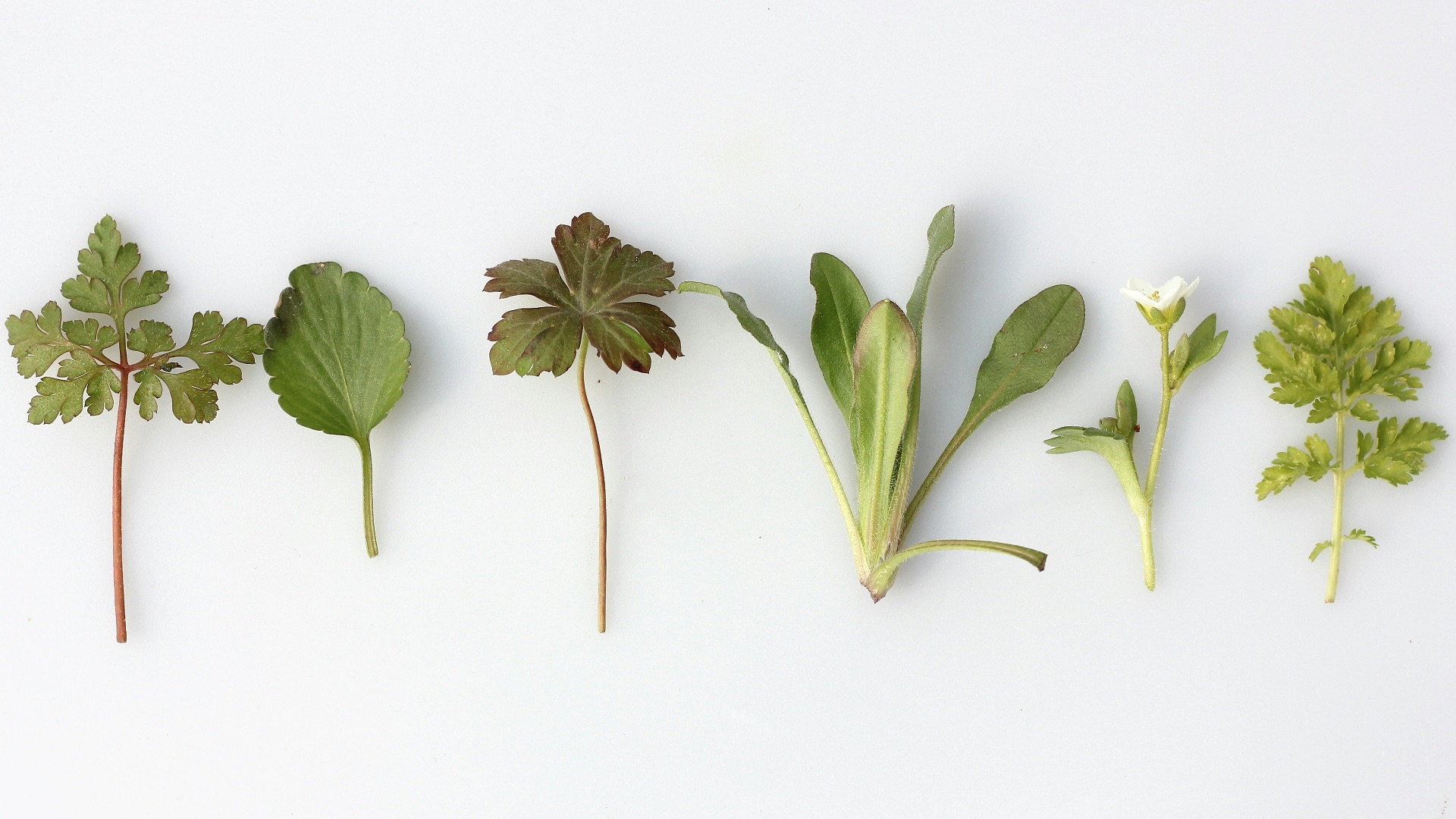
Dried herbs hold up well during long cooking times, but fresh herbs added right at the end of cooking bring a brightness and lift that dried ones simply can't replicate. A handful of fresh parsley, basil, dill, or chives stirred in just before serving can completely transform the aroma and flavor of a finished bowl. It's a finishing touch that looks great and tastes even better.
7. Don't Underestimate Umami Boosters
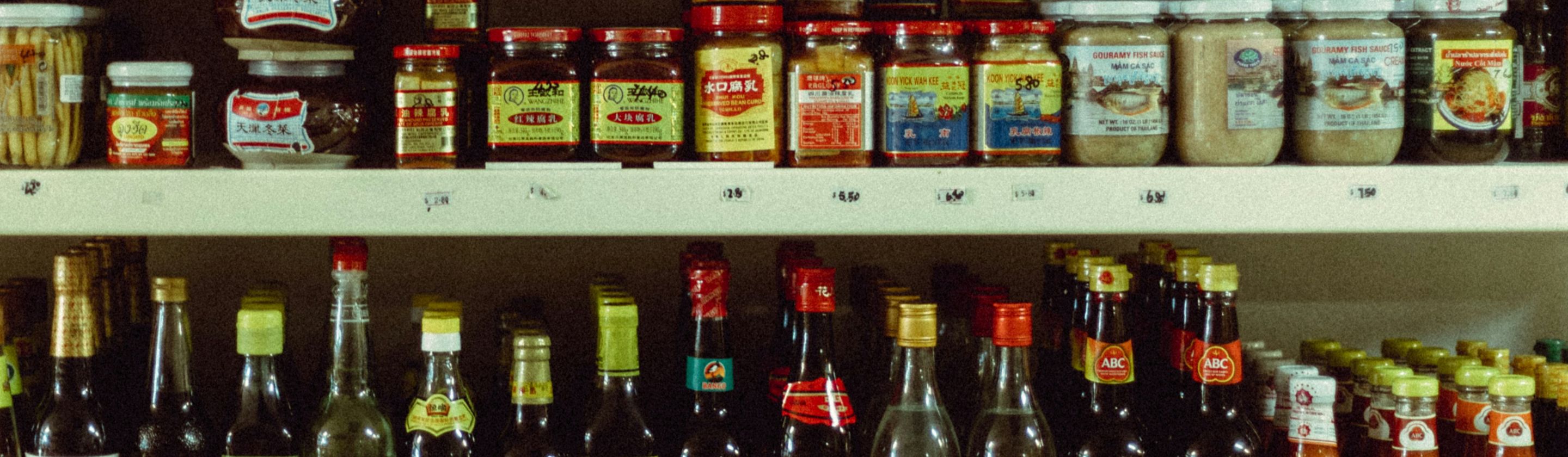
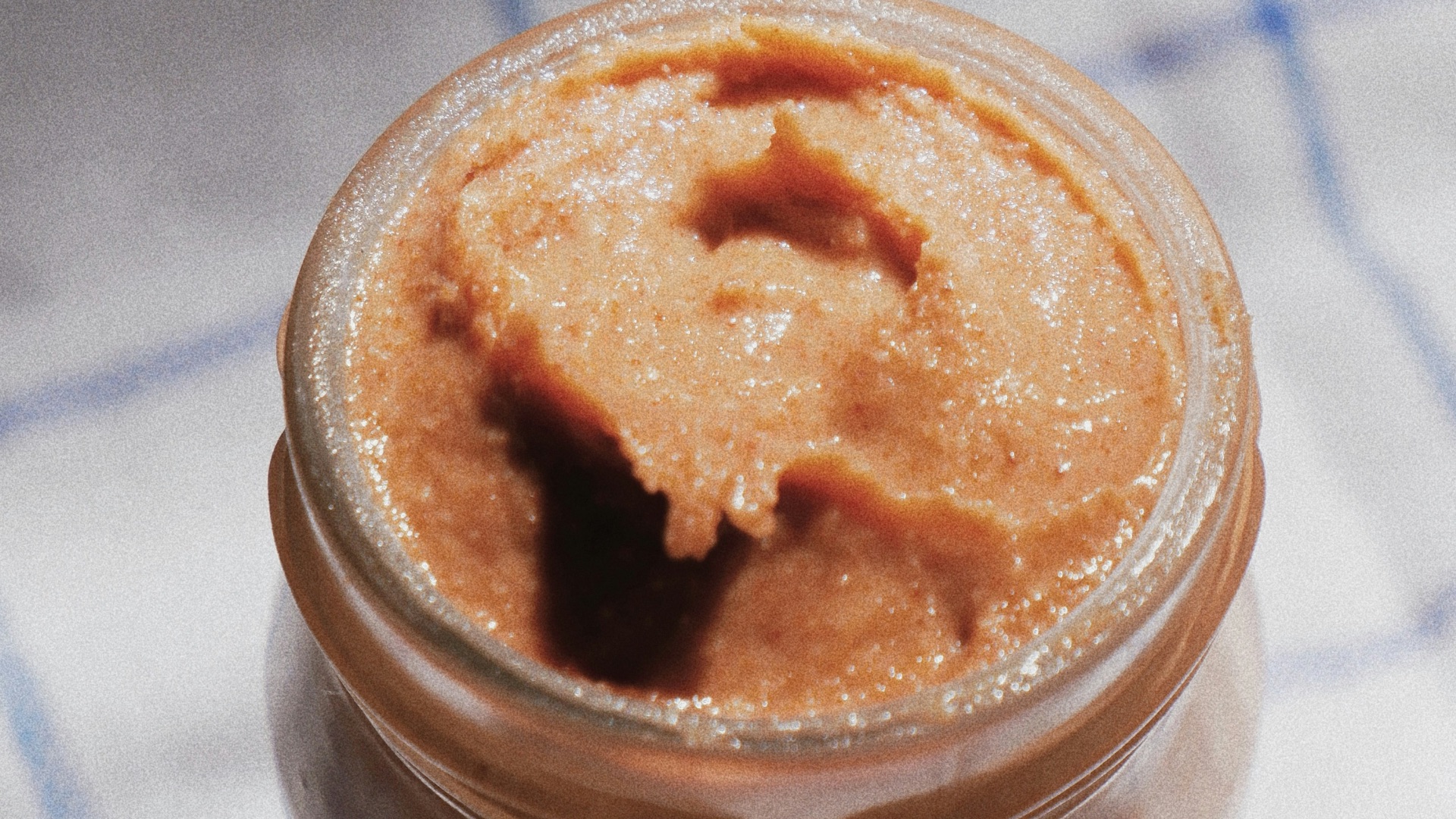
A small amount of a high-umami ingredient can make your broth taste significantly richer without adding an identifiable flavor of its own. Options like a splash of soy sauce, a dab of miso paste, or a small amount of fish sauce work particularly well in savory soups and stocks. Start with just a teaspoon and taste as you go, because a little goes a long way.
 Devi Puspita Amartha Yahya on Unsplash
8. Brown Your Bones or Meat First
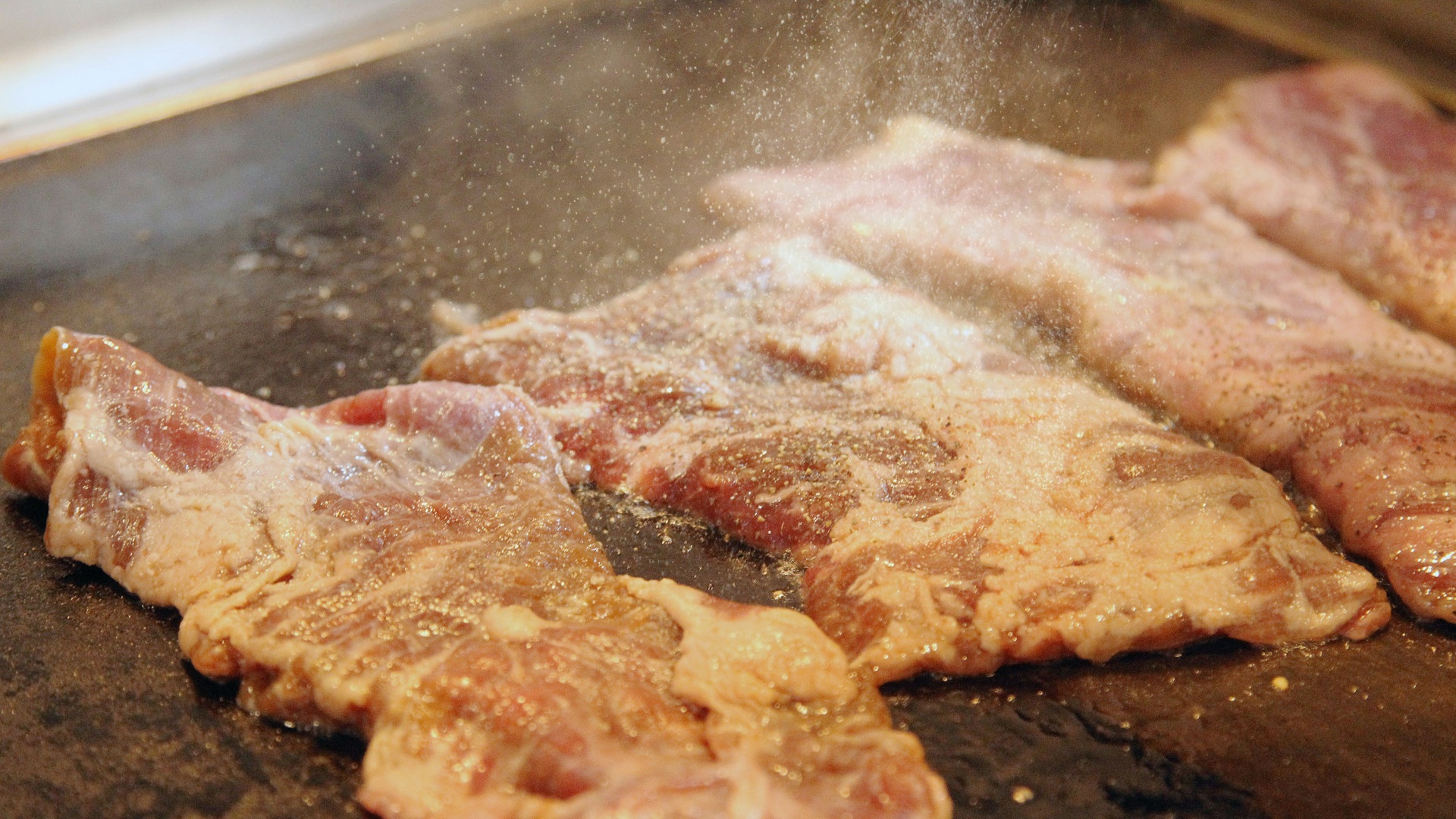
If you're making a bone-based broth or a meat-heavy soup, roasting the bones or browning the meat before they go into the pot adds a layer of richness that straight-simmered versions can't match. The browning process creates new flavor compounds through the Maillard reaction, giving your broth a deeper color and a more robust, savory taste. This step takes a bit of extra time, but the improvement it makes to the final broth is substantial.
9. Strain Your Broth for Clarity
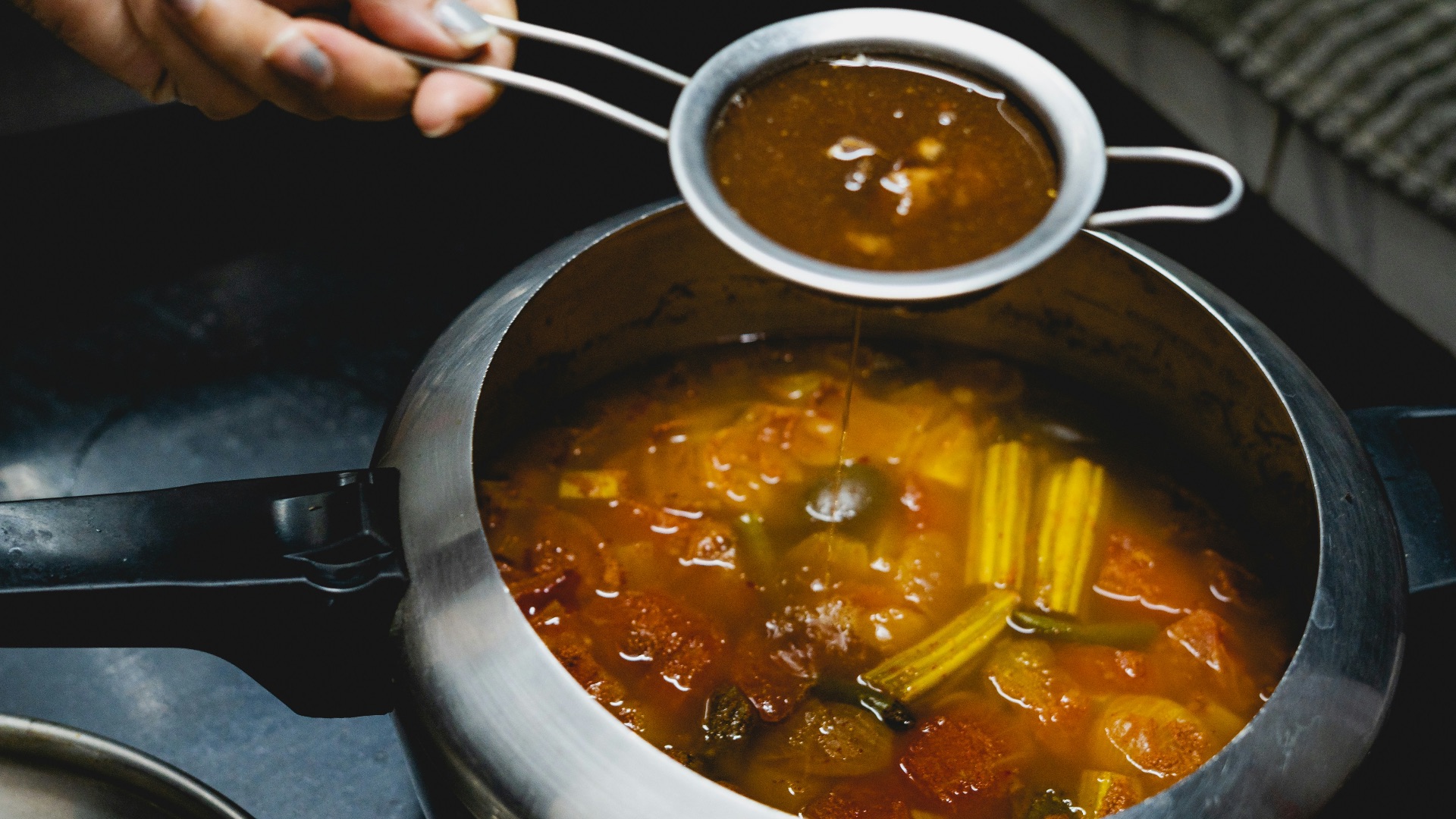
If presentation matters to you, or if you simply prefer a cleaner-tasting broth, straining it through a fine-mesh sieve or cheesecloth before finishing the soup is worth the extra step. This removes small particles, excess fat, and any bits of broken-down solids that can make a broth taste muddier than it should. The result is a cleaner, more refined bowl that looks and tastes noticeably more polished.
10. Let It Rest Before Serving
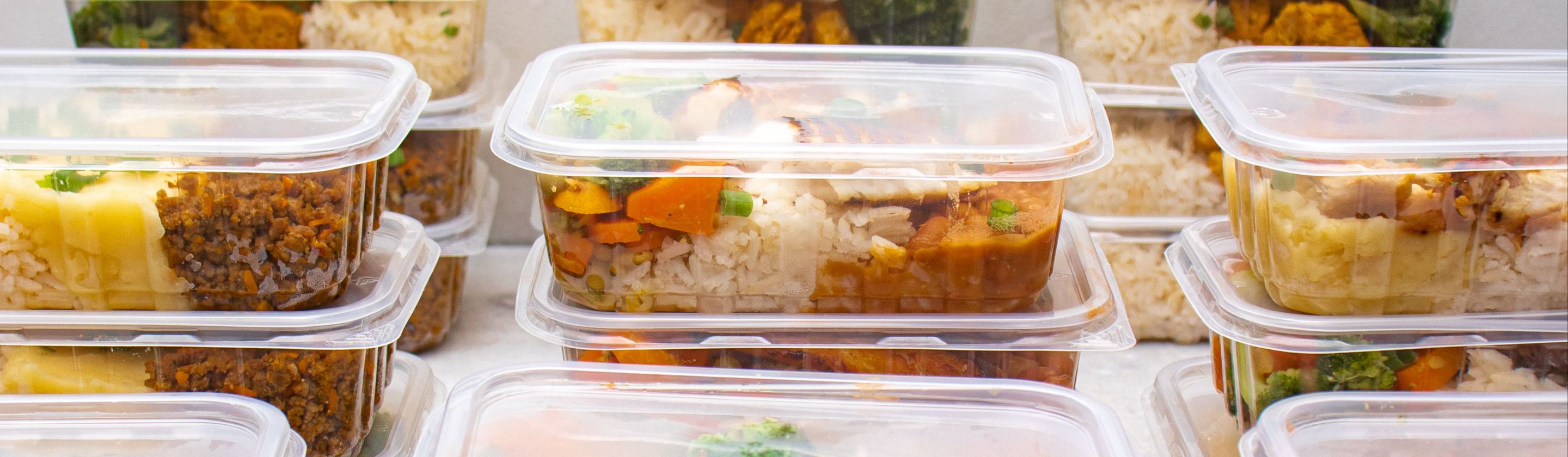
Just like roasted meat benefits from resting before it's cut, soup often tastes better after it's had a few minutes (or even a few hours) to sit off the heat. Resting gives the flavors time to meld together and settle into a more cohesive, well-rounded whole. If you can make your soup a day ahead, you'll often find that reheated leftovers taste even better than they did fresh out of the pot.

KEEP ON READING
Can You Have an Obsession with Eating Healthy?