No Eggs, No Problem: 10 Baked Goods You Can Make Without Eggs & 10 Common Egg Substitutes
No Eggs, No Problem: 10 Baked Goods You Can Make Without Eggs & 10 Common Egg Substitutes
Eggscellent Recipes
Ran out of eggs? That's okay; just because you're out of what you believe is a crucial ingredient doesn’t mean you have to scrap your baking plans altogether or run to the store mid-recipe. There are many reasons some people choose to go without eggs, whether it's allergies or different dietary preferences. The good news is that plenty of baked goods work just fine even without eggs—how eggscellent is that! Here are 10 egg-free baked goods you can whip up & 10 egg substitutes to try. Happy baking!
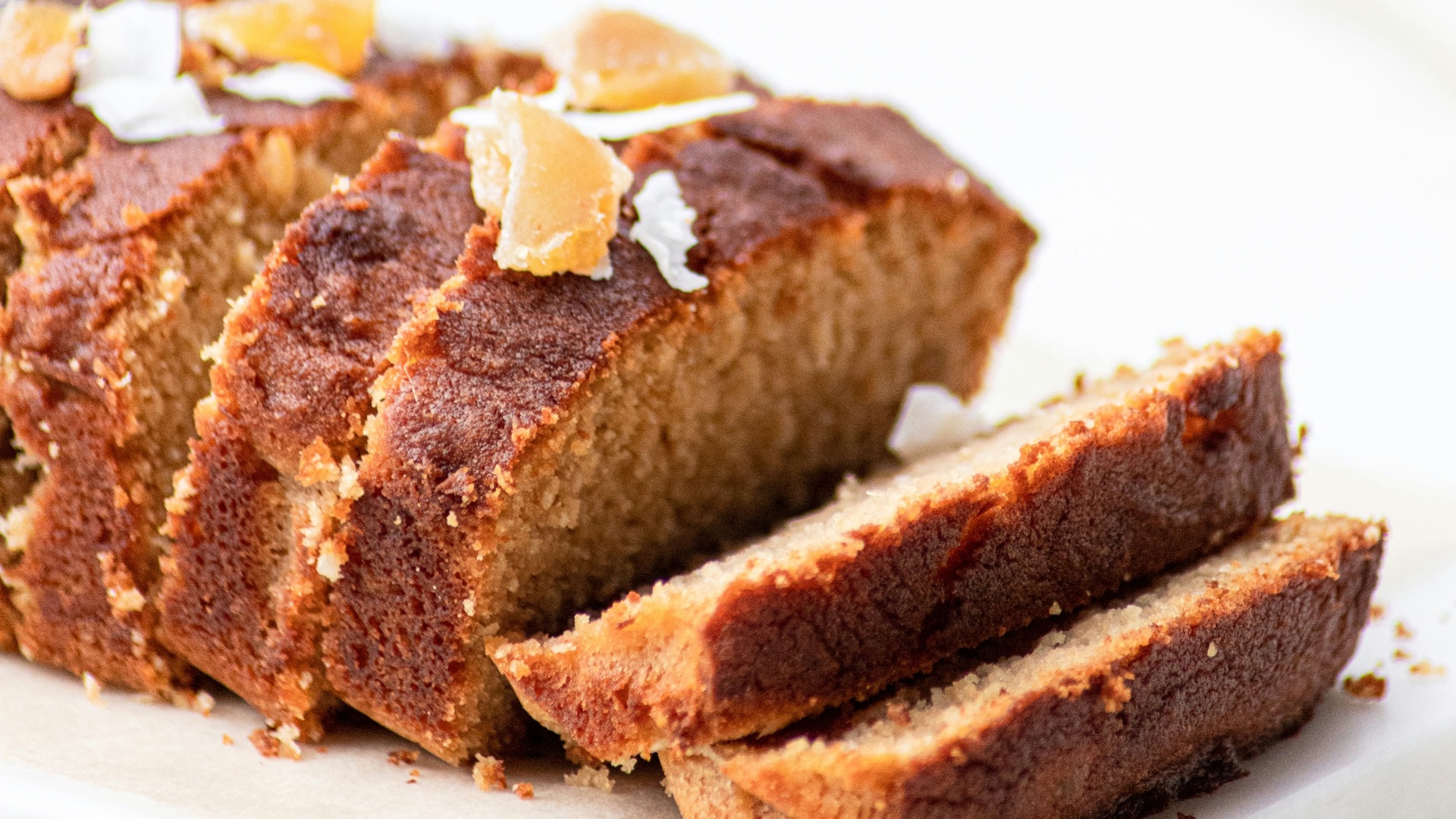
1. Brownies
Brownies are one of the most forgiving desserts when it comes to skipping eggs. Much of their structure and richness comes from fat and sugar rather than eggs, which is why egg-free versions often turn out dense and fudgy instead of dry. As long as moisture is balanced properly, most people won’t even realize anything is missing.
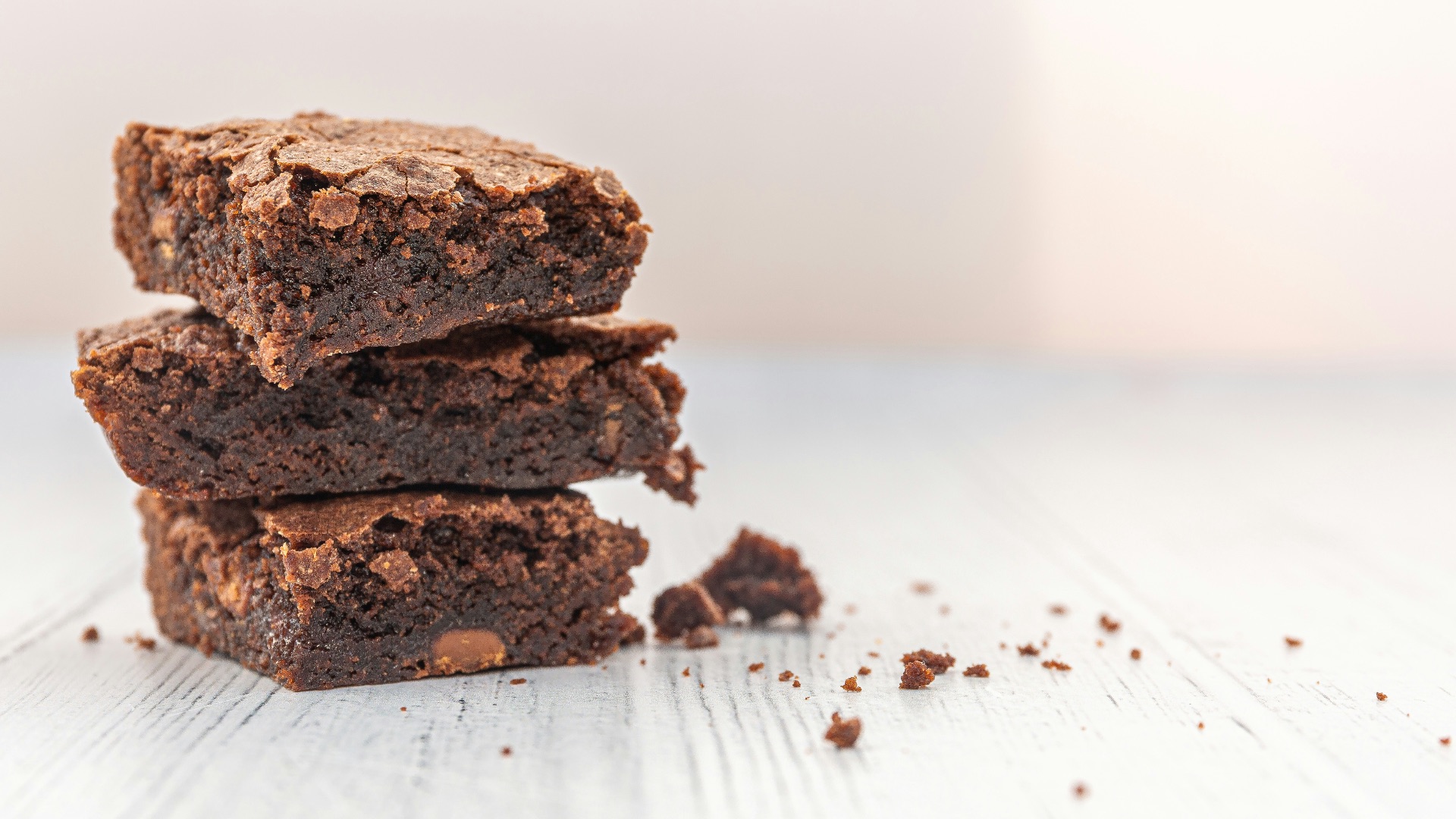
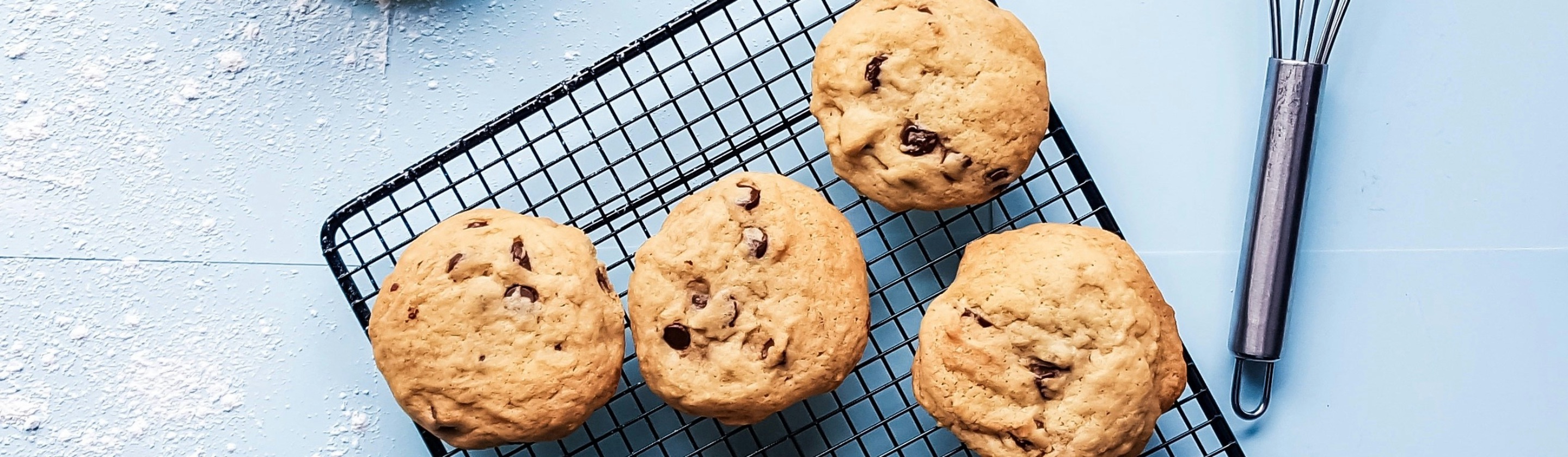
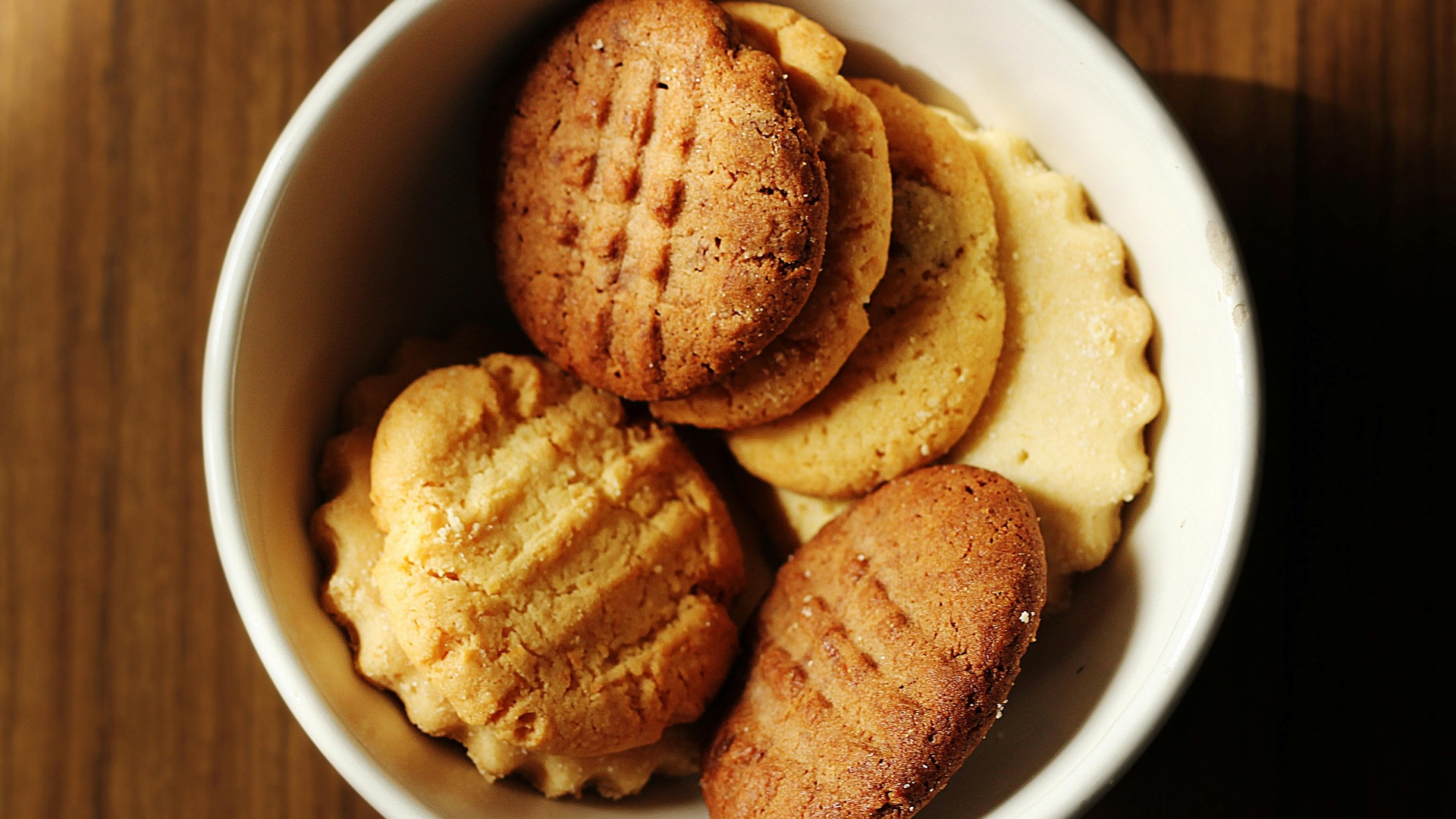
2. Cookies
Eggs help bind cookie dough, but they’re not always essential. With the right balance of butter, sugar, and flour, cookies can still hold together and bake evenly. While the texture may lean slightly softer or crumblier, the flavor remains just as delicious and satisfying.
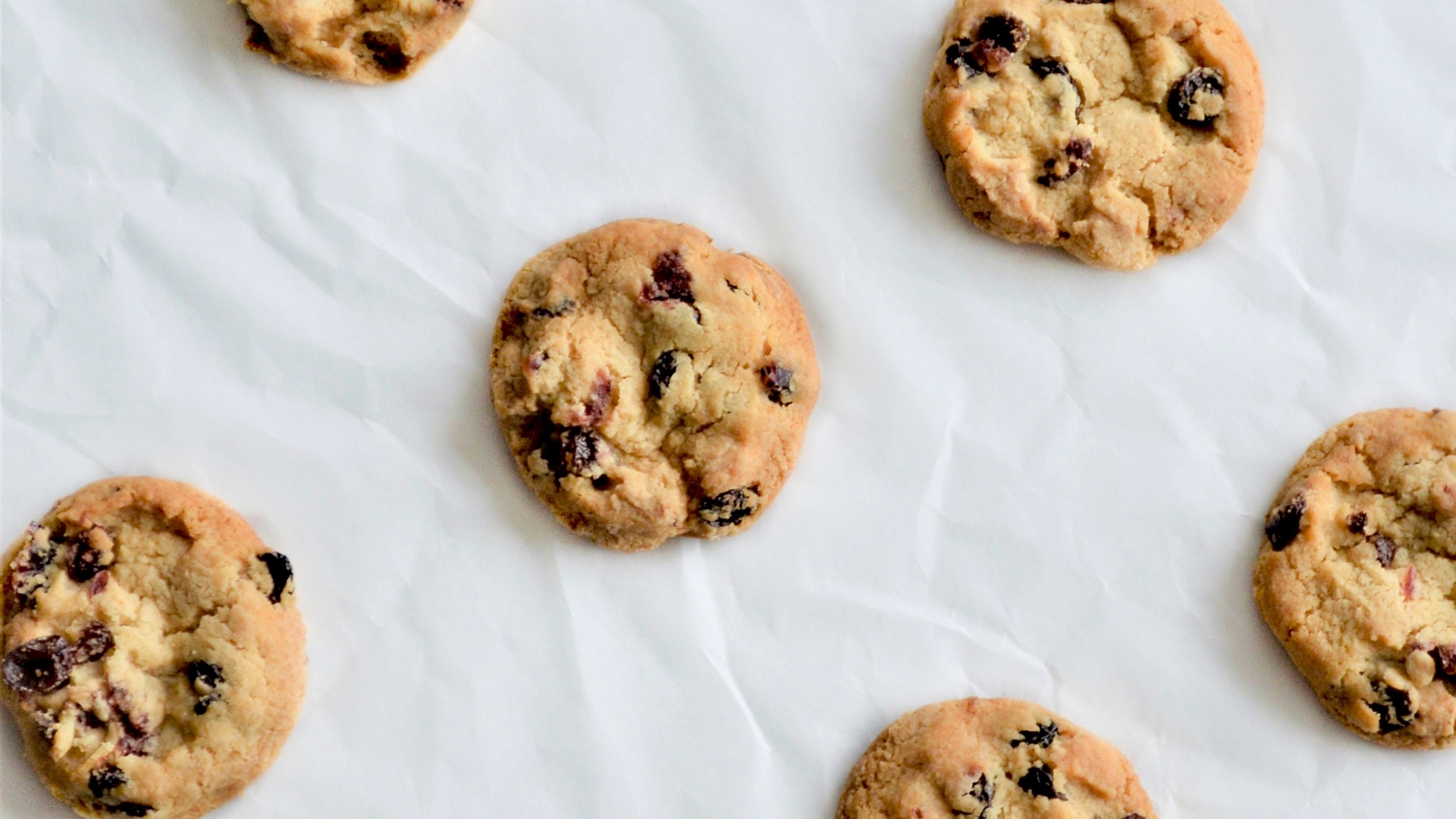
3. Banana Bread
Banana bread is already doing a lot of heavy lifting thanks to ripe bananas; their natural moisture and binding qualities make eggs optional rather than necessary. In fact, many egg-free versions taste just as rich and tasty as the original.
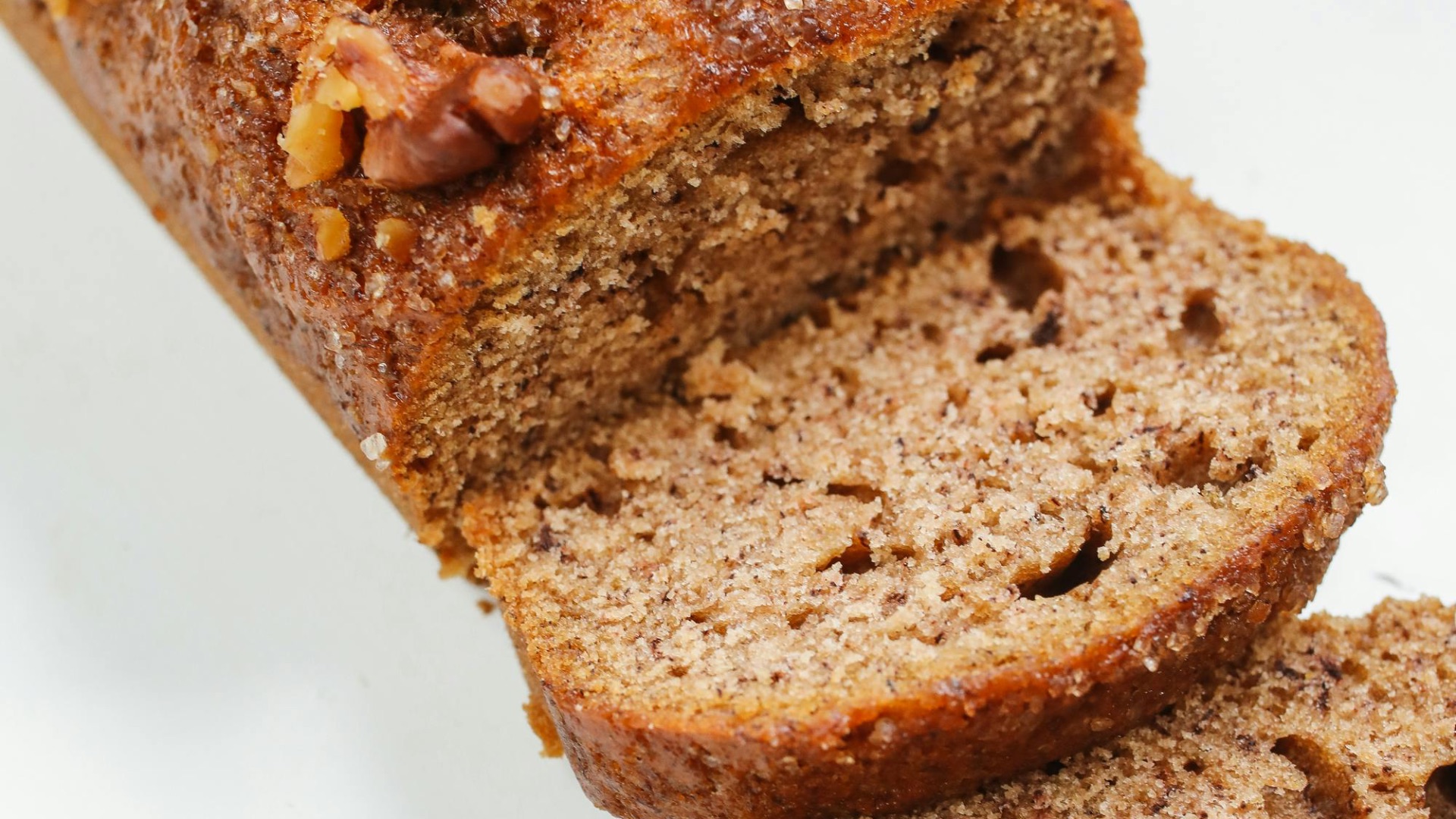
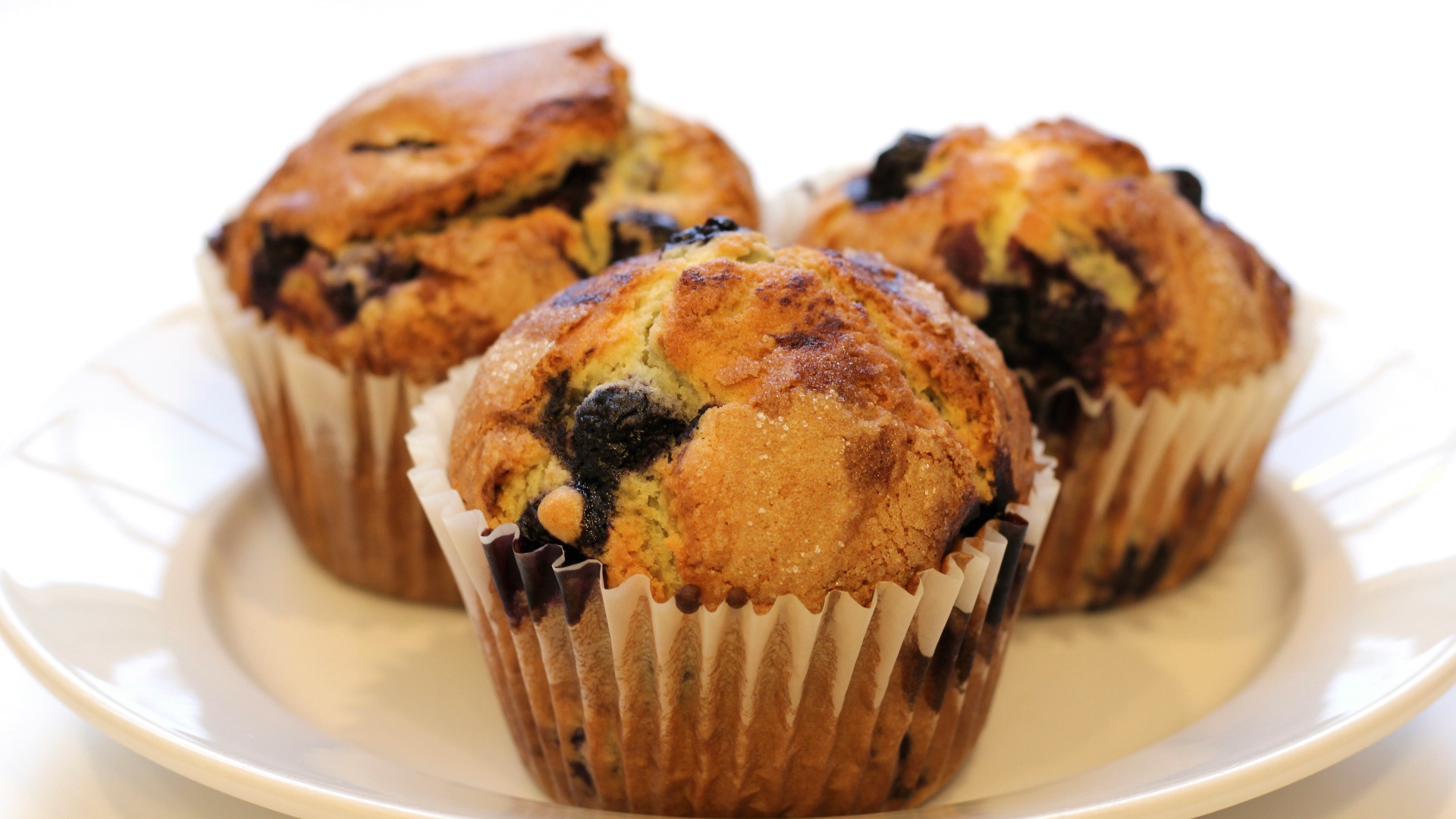
4. Muffins
Muffins tend to be more forgiving than cakes, especially when they include fruits, yogurt, or oil. Those ingredients help maintain moisture and structure without relying on eggs. As a result, egg-free muffins can rise just as well and, most importantly, are still tender to the bite.
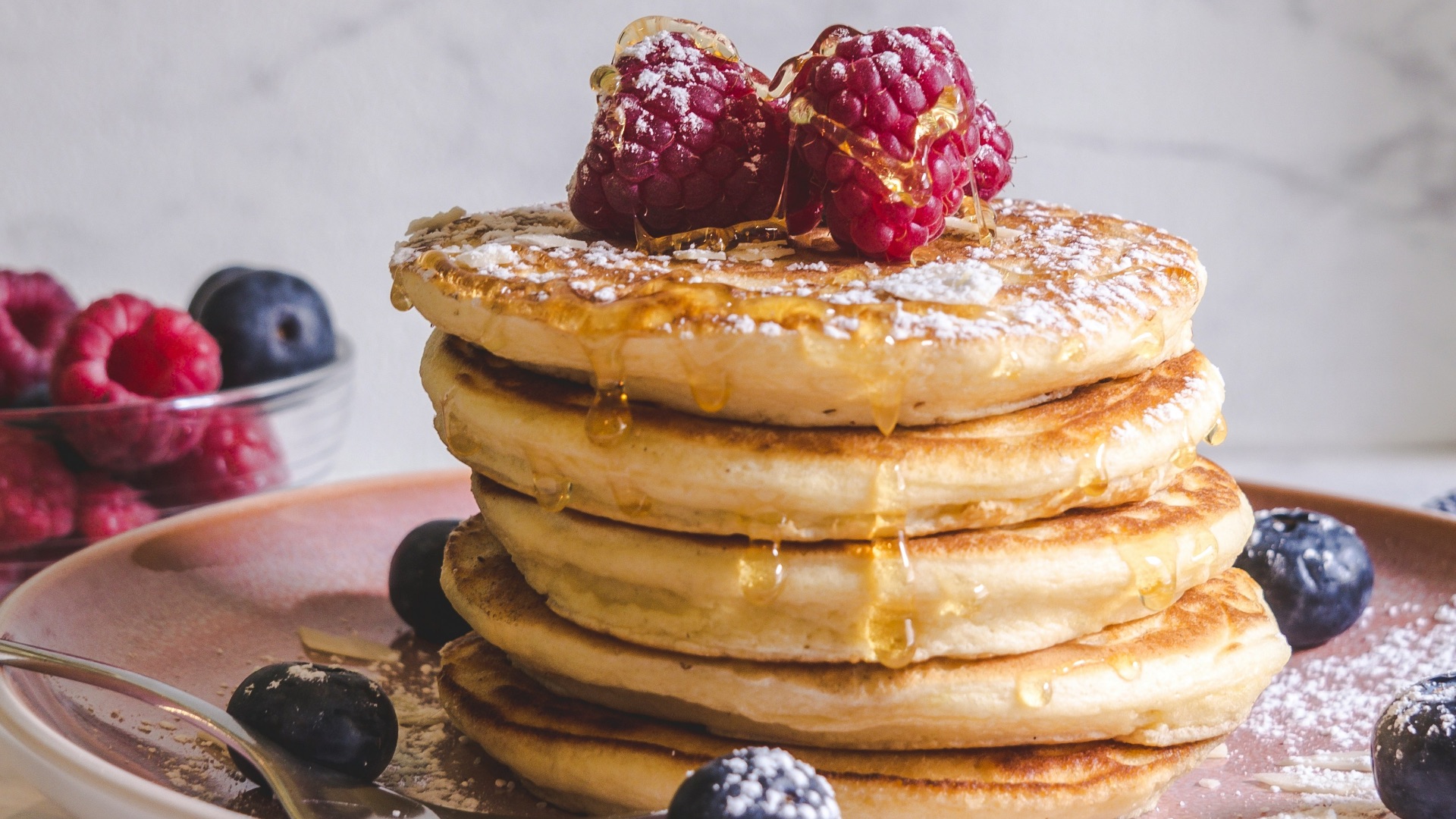
5. Pancakes
Pancakes rely far more on leavening agents than on eggs for their lift, meaning they don’t need eggs to be fluffy so long as the batter is mixed properly. Baking powder does most of the work, while milk and oil add moisture and richness. The end result is a stack that looks and tastes just right.
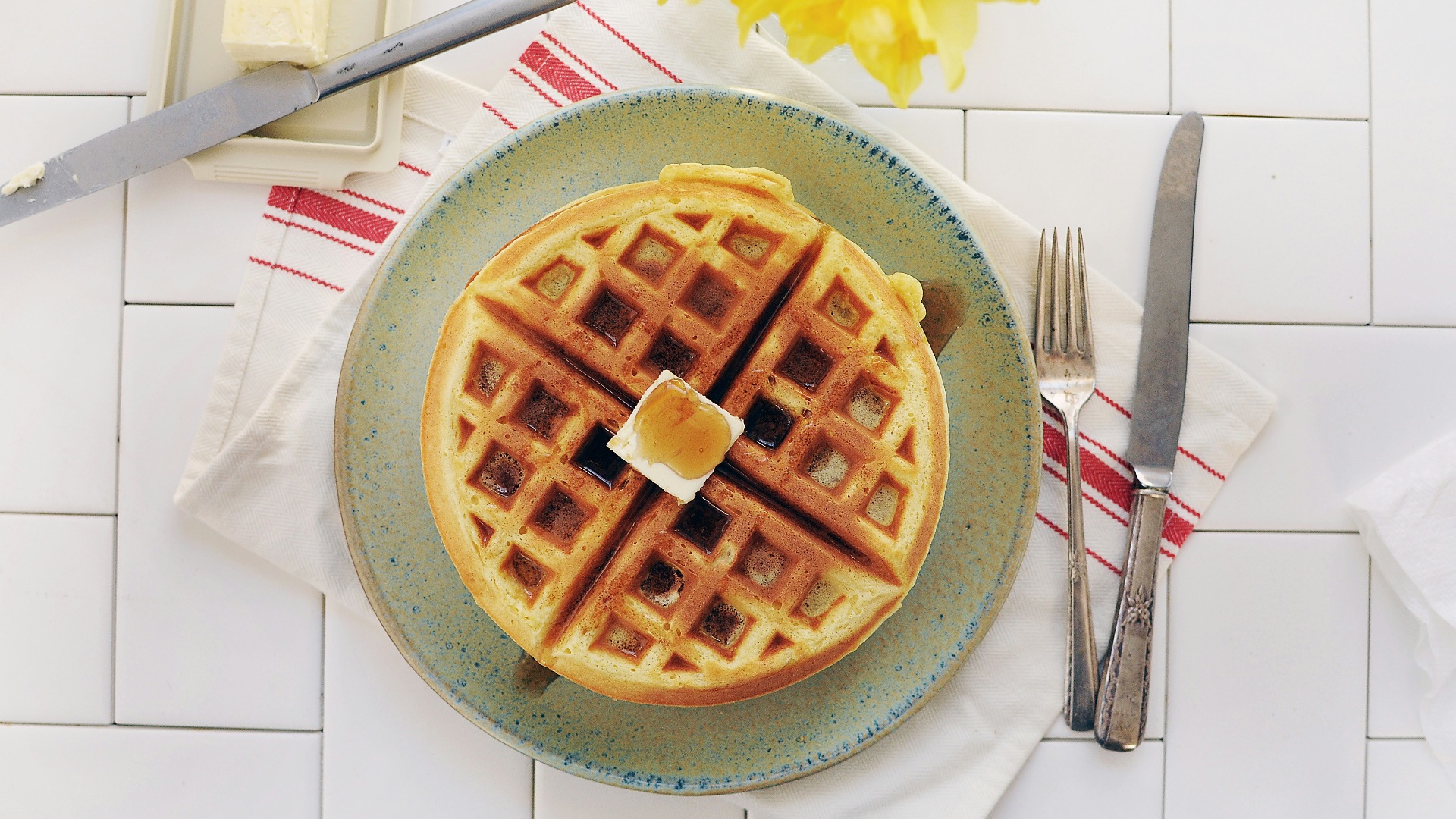
6. Waffles
Waffles traditionally use eggs for lightness, but that doesn’t mean they fall apart without them. Without eggs, waffles may be slightly less airy inside, but thankfully, they can still crisp up nicely on the outside. Using enough fat helps maintain that classic contrast between crisp edges and gooey, soft centers.
7. Croissants
Croissants might seem impossible without eggs, but classic croissant dough actually relies on yeast, butter, and technique rather than eggs for its structure. The lamination process is what creates those flaky layers, not egg content in the dough itself. As long as you’re comfortable skipping an egg wash or replacing it with milk or butter, croissants are very much on the table.

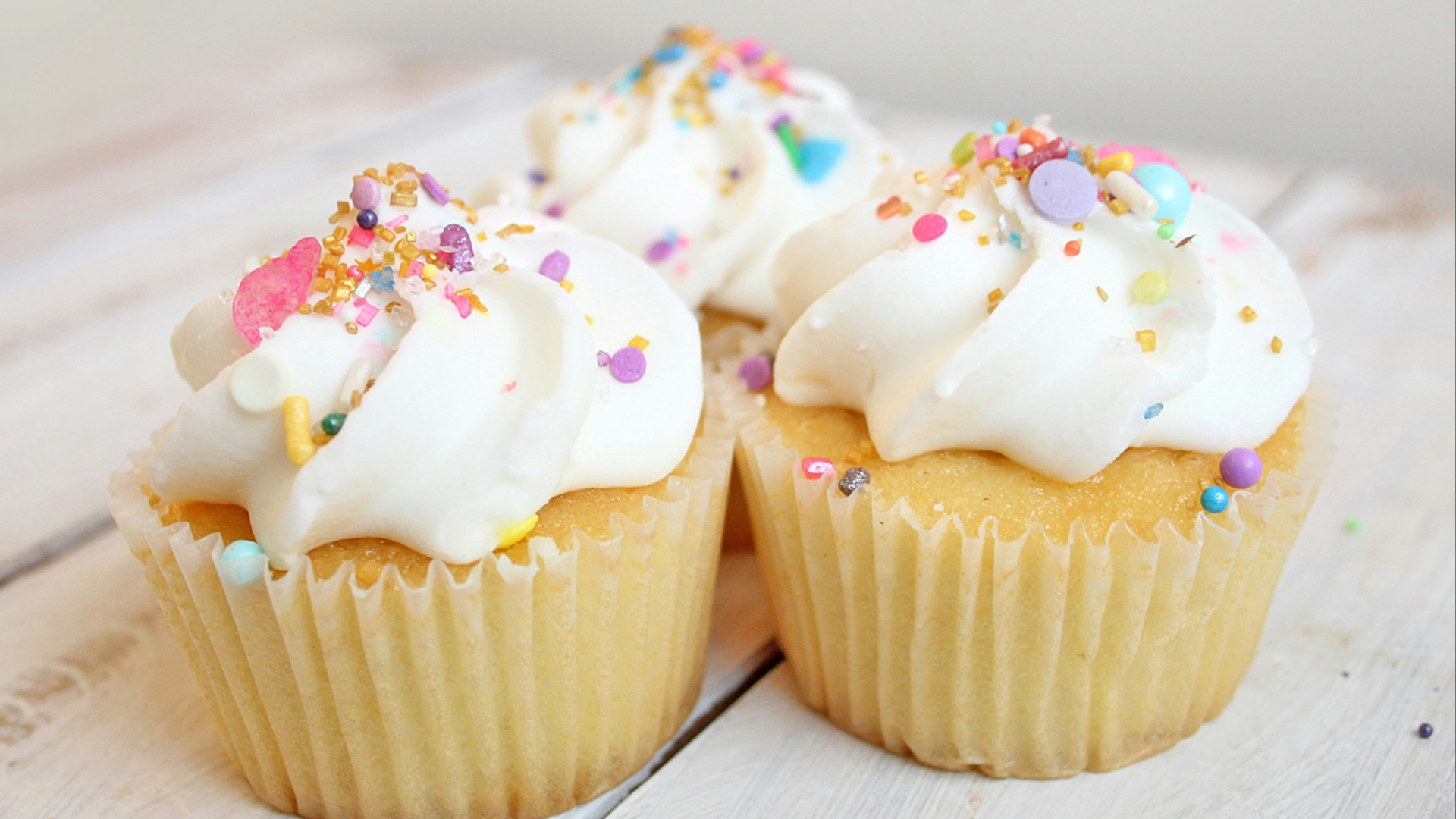
8. Cupcakes
Egg-free cupcakes work particularly well when oil or dairy alternatives are part of the recipe. These ingredients help prevent dryness and keep the crumb soft, which means you can rest assured that the cake is still delicious. Plus, once topped with frosting and sprinkles, no one will mind or be able to tell the difference.
9. Biscuits
Biscuits don’t rely on eggs at all, which is why they’ve always been a safe choice for egg-free recipes! Their flaky layers come from cold fat and proper handling, not binding agents. That simplicity is what makes them so dependable.
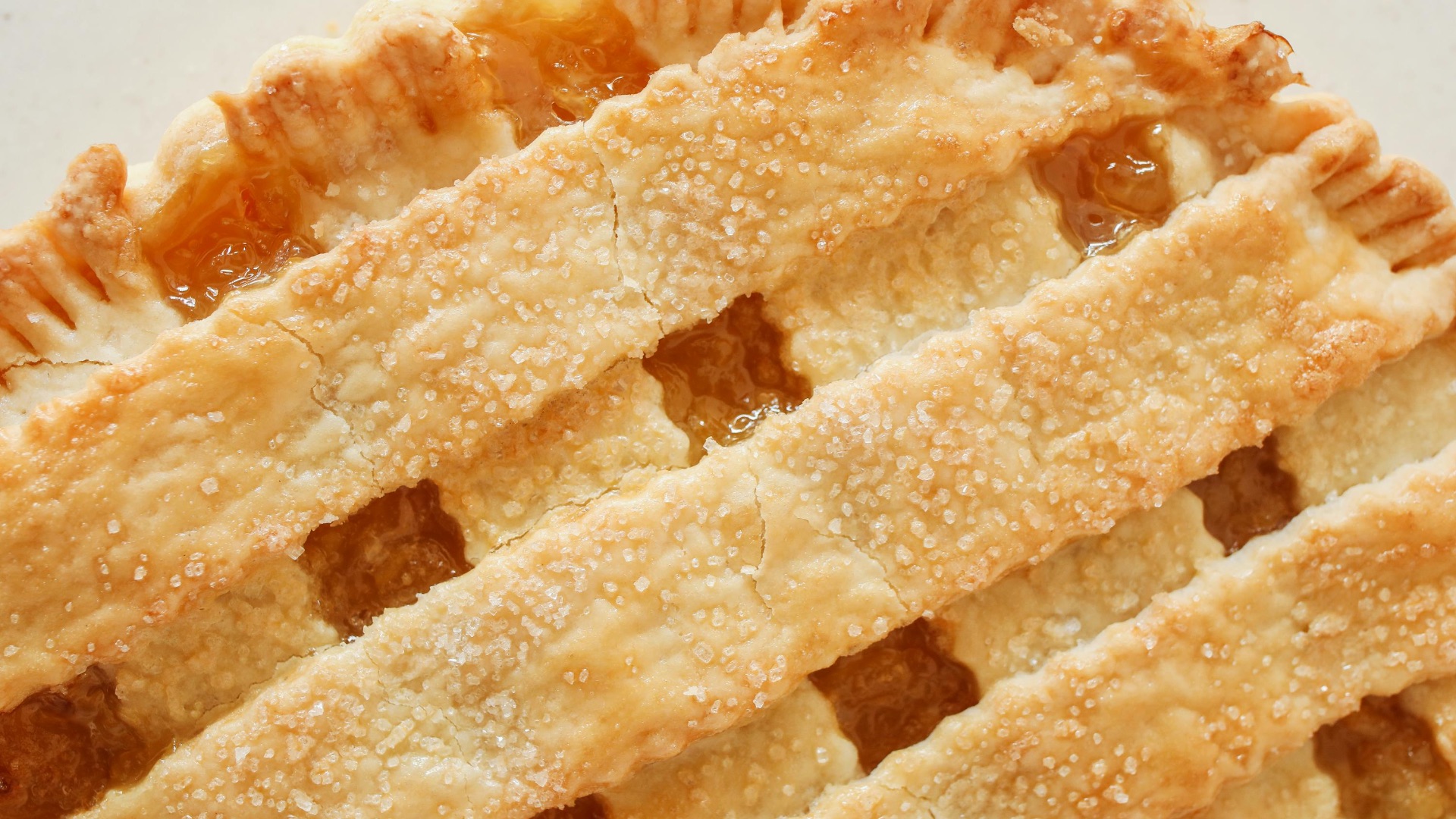
10. Pie Crust
Again, pie crust is another one of those recipes where you can choose to use eggs or leave them out. Fat provides structure, while cold water brings the dough together just enough to roll and shape. When baked properly, an egg-free crust is just as flaky and beautiful as any other.
But what about recipes that do strictly require eggs? Don't worry; there are plenty of substitutes out there that you can use, so read on!
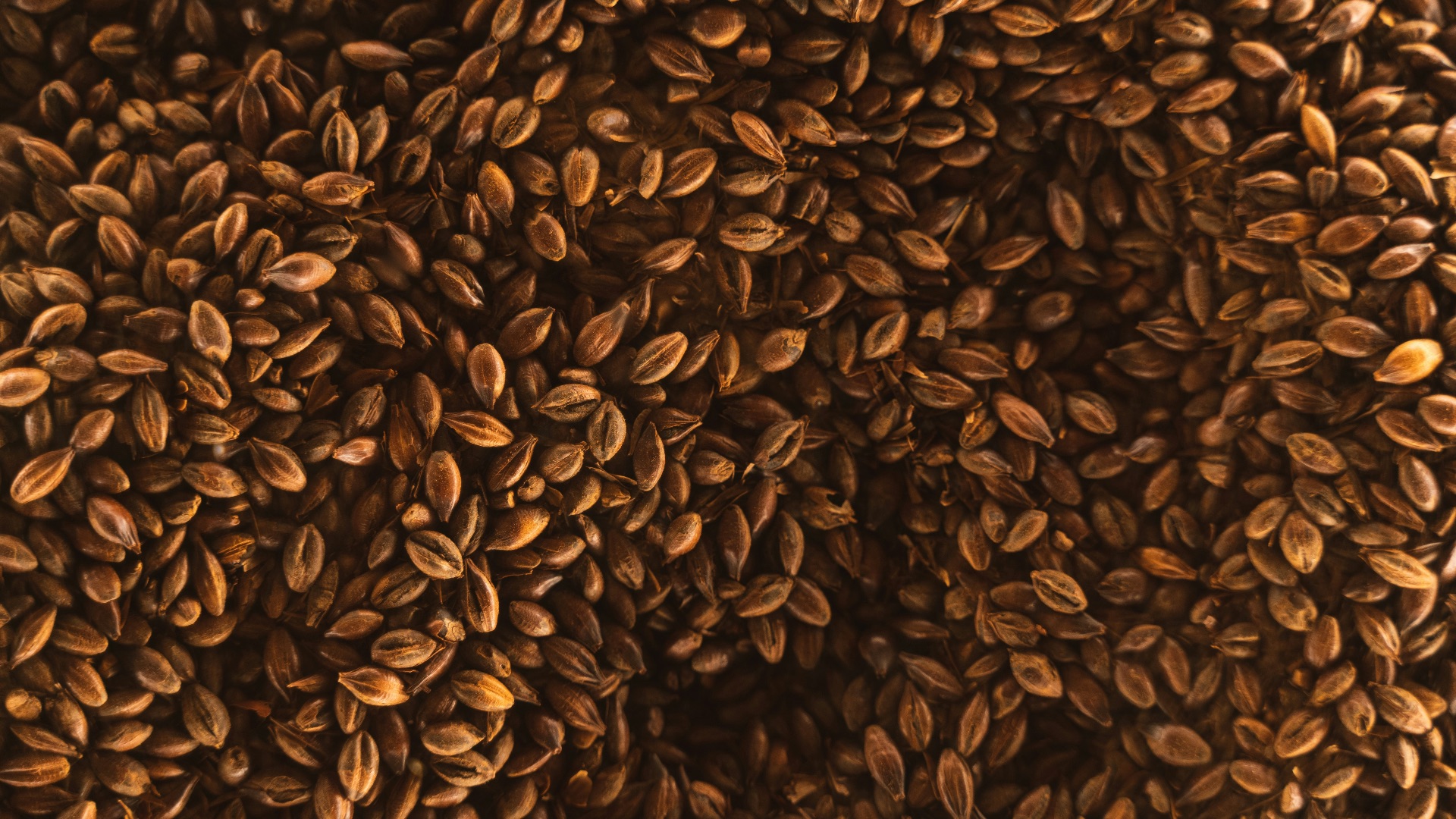
1. Ground Flaxseed
Ground flaxseed mixed with water turns into a gel that behaves a lot like an egg in batters. Stir 1 tablespoon of flax meal with 3 tablespoons of water, wait about 5 minutes, and it’ll thicken up. It works especially well in muffins, pancakes, and hearty cookies where a slightly nutty flavor fits right in.
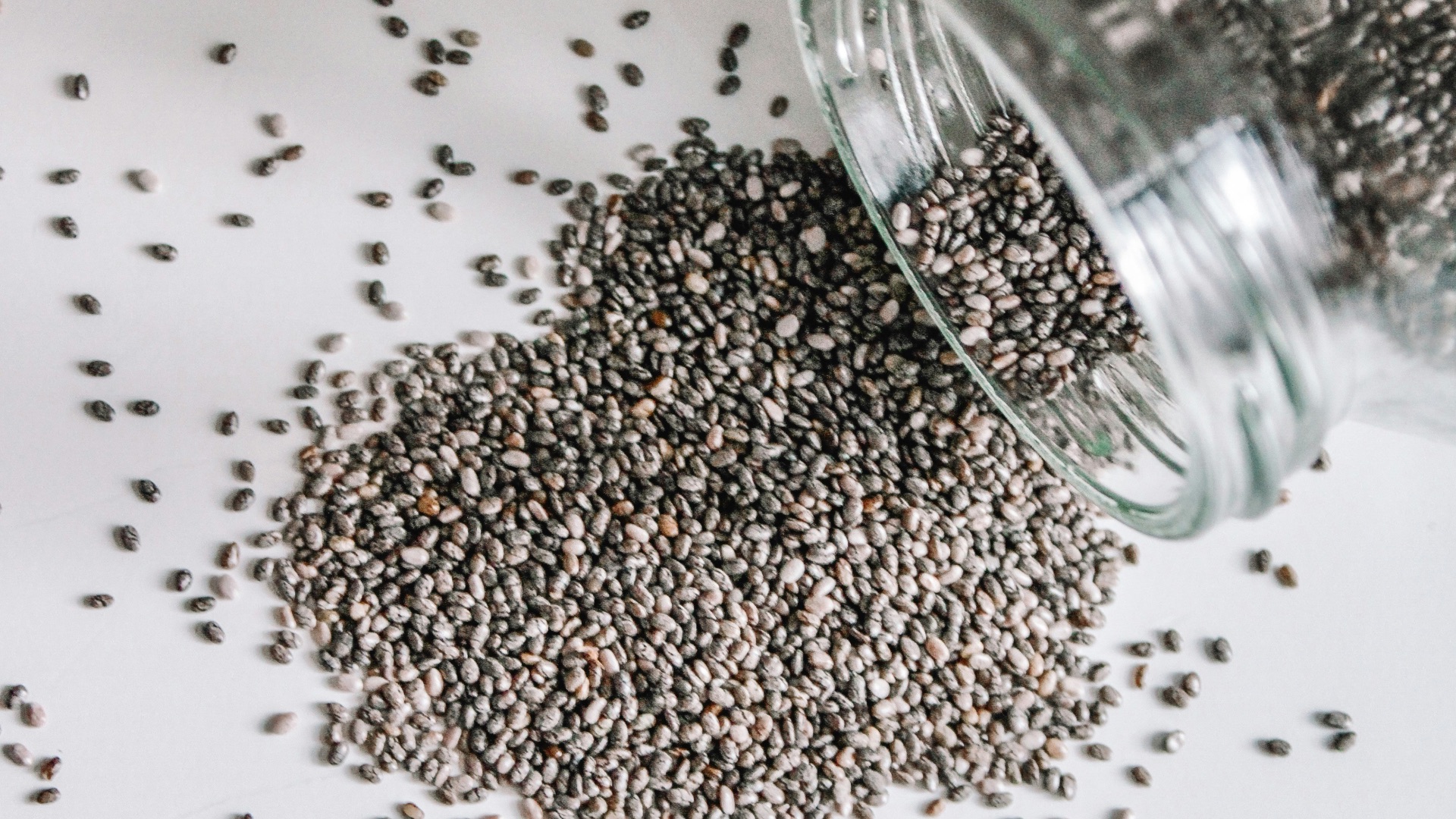
2. Chia Seed Gel
Chia seeds pull a neat magic trick by absorbing liquid and creating a jelly-like binder. Use the same 1-to-3 ratio with water, then give it time to set before adding it to your mix. Because the seeds stay visible, it’s a fun choice for snack loaves and oatmeal cookies that can handle a little texture.
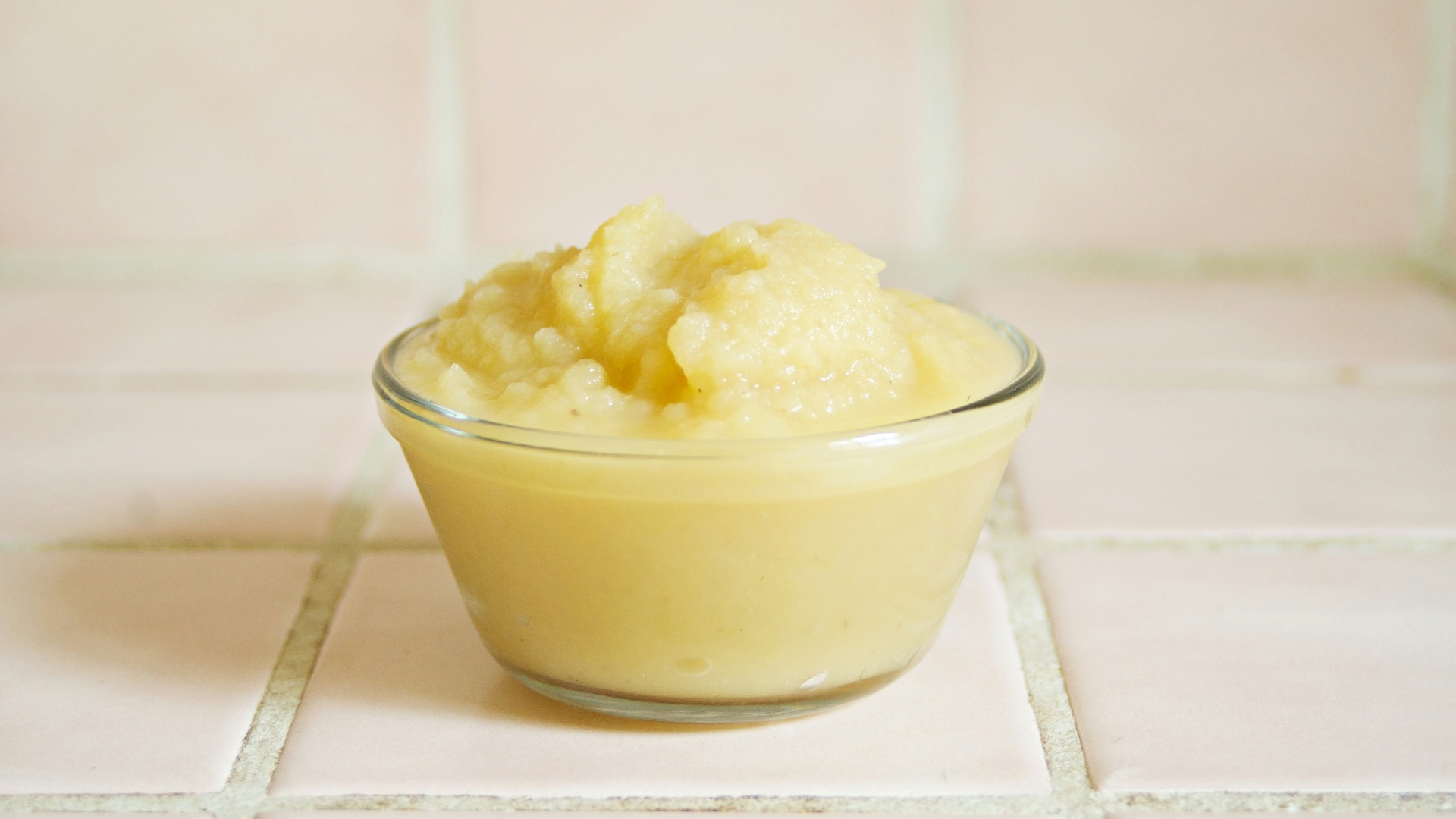
3. Unsweetened Applesauce
Unsweetened applesauce is the classic swap when you want moisture and gentle sweetness without eggs. It keeps cakes and brownies soft, although it can make the crumb a bit more tender and less springy. Try replacing each egg with about a quarter cup, then tweak if you want a firmer slice.
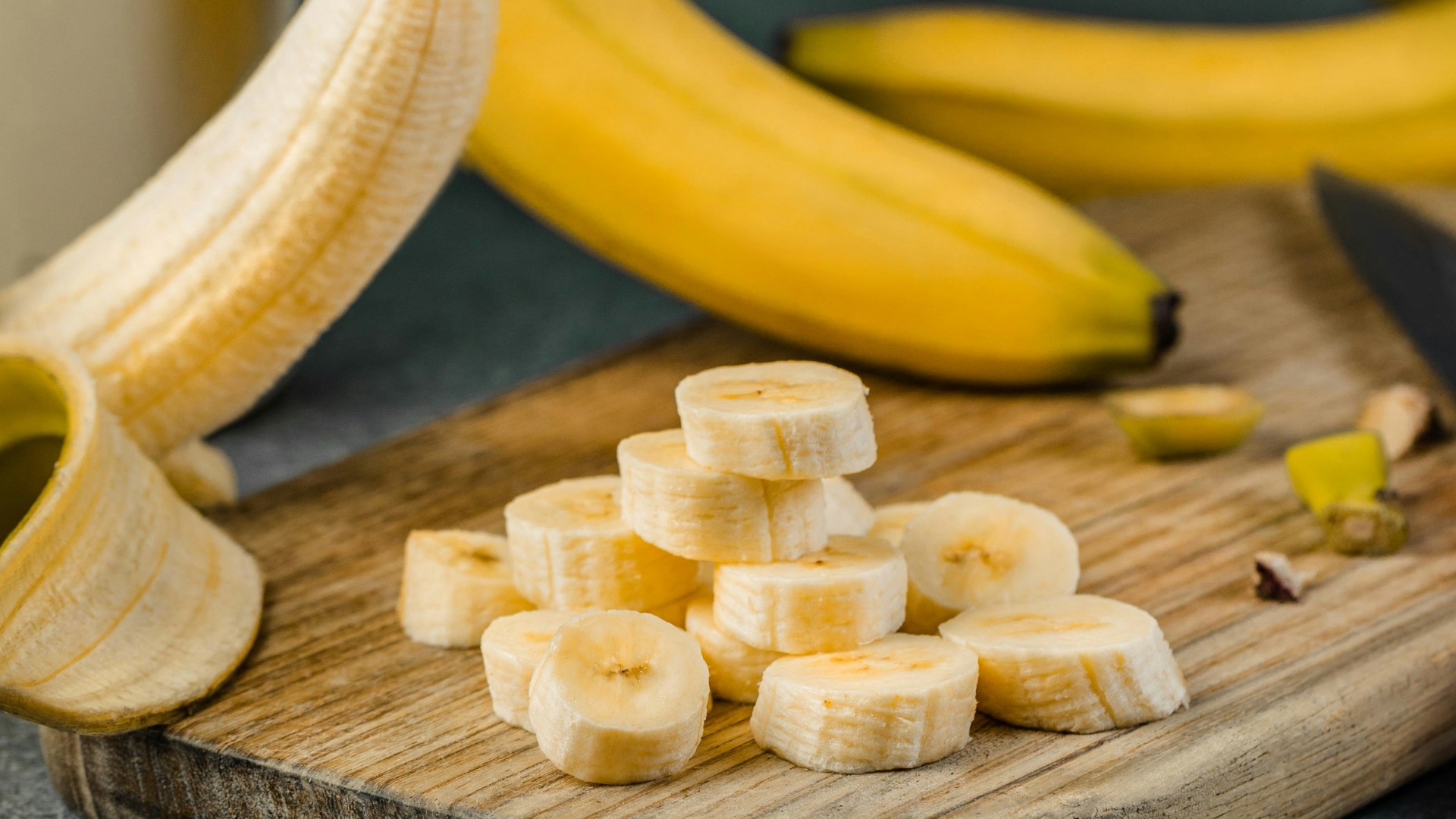
4. Mashed Banana
Mashed ripe banana brings binding power plus a dessert vibe that smells amazing in the oven. It’s a natural match for banana bread, breakfast muffins, and waffles, but it can also overwhelm the flavor if you lean too hard on it. Half a medium banana usually covers one egg, and a pinch of salt helps balance the sweetness.
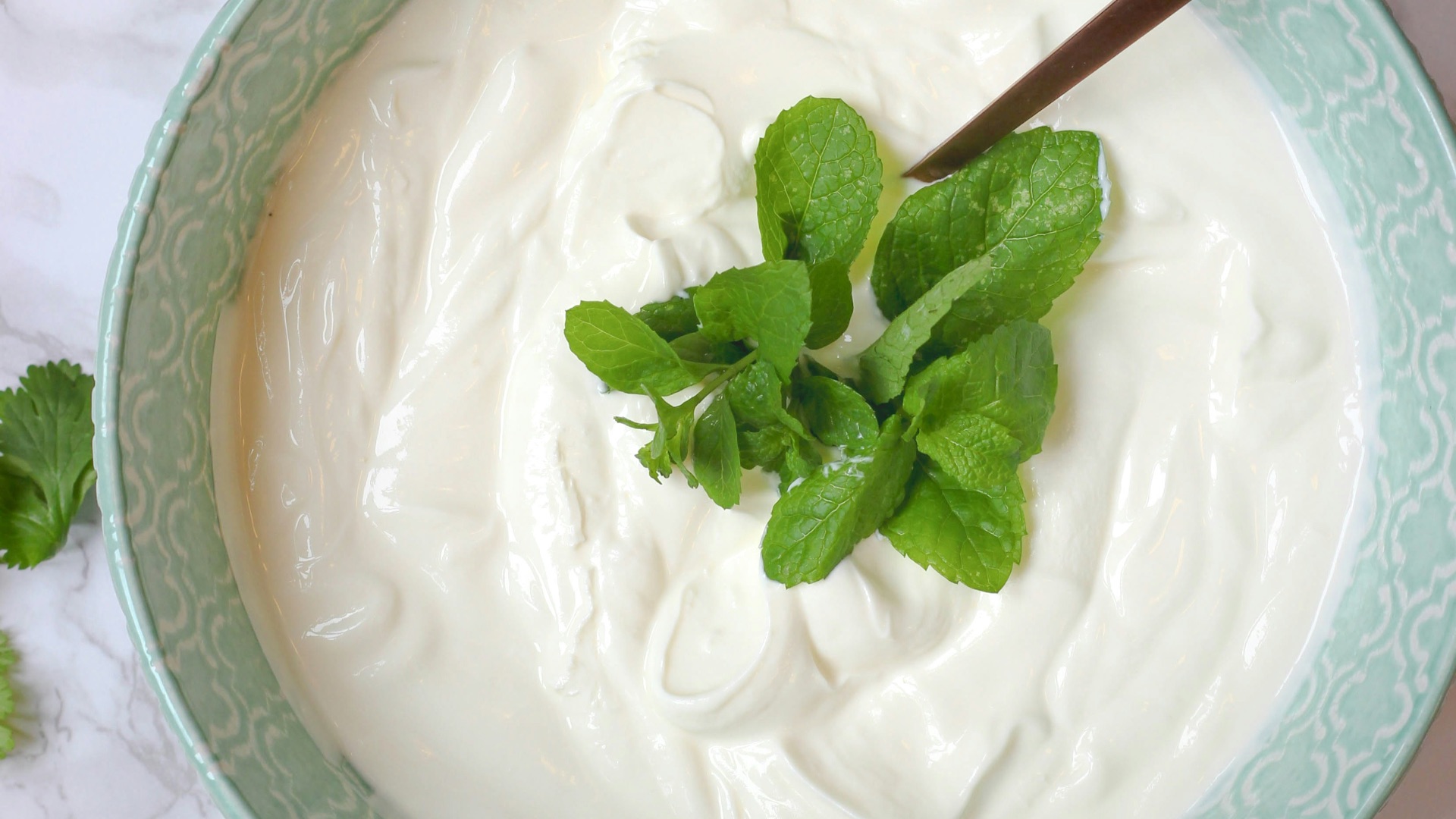
5. Plain Yogurt or Buttermilk
Plain yogurt or buttermilk adds tang, protein, and moisture, which helps batters hold together when eggs are out of the picture. This swap shines in cupcakes, tender snack cakes, and biscuits, where a little dairy richness is already welcome. Start with 3 to 4 tablespoons per egg and trim other liquids slightly so your batter doesn’t get too runny.
 micheile henderson on Unsplash
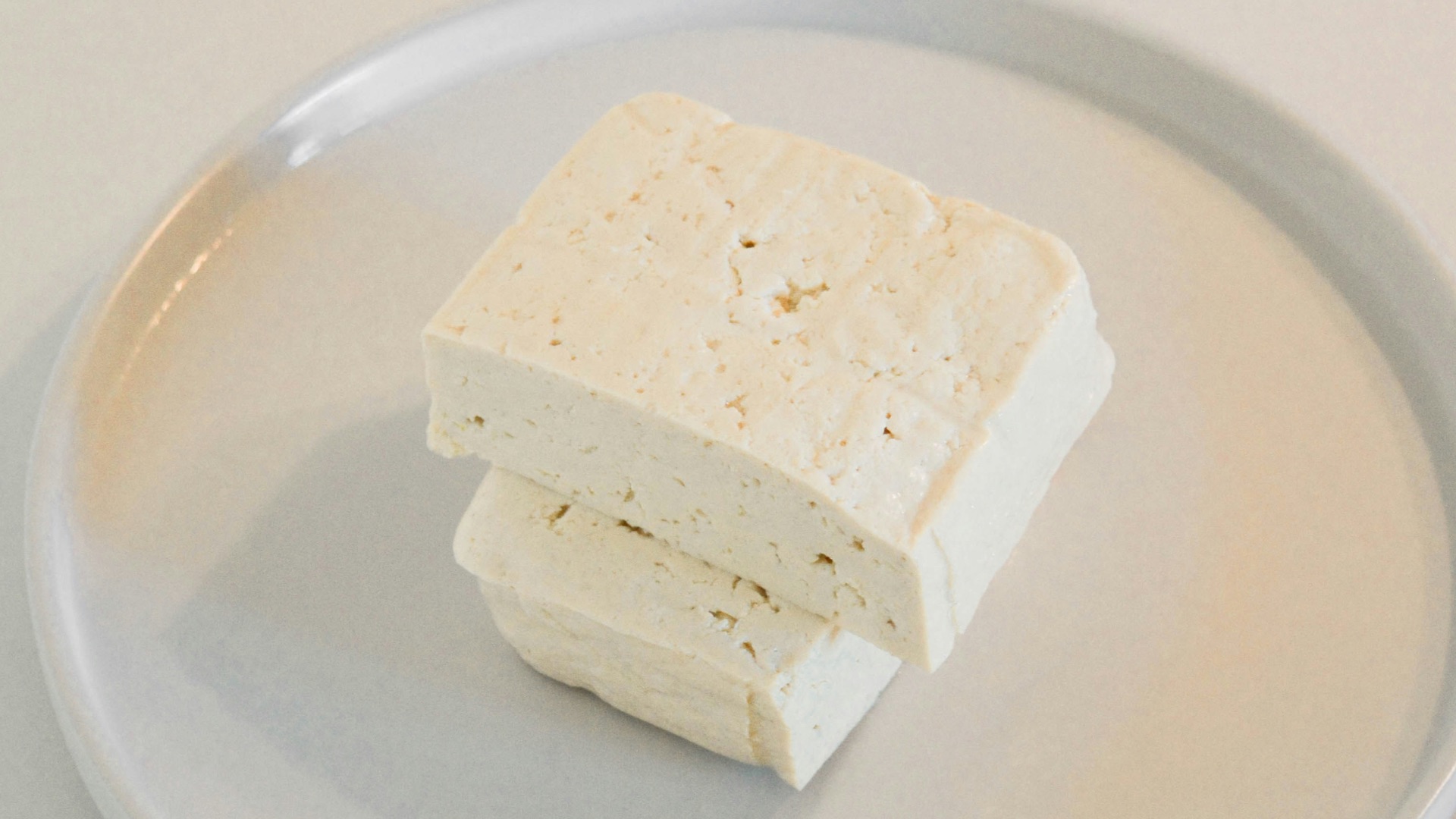
6. Silken Tofu
Silken tofu is the stealthy option because it blends smoothly and mostly disappears into chocolatey or spiced recipes. Puree it until creamy, then use about 60 grams (a few big spoonfuls) in place of one egg. You’ll get a dense, fudgy texture that’s fantastic for brownies and bar cookies.
 Christina Deravedisian on Unsplash
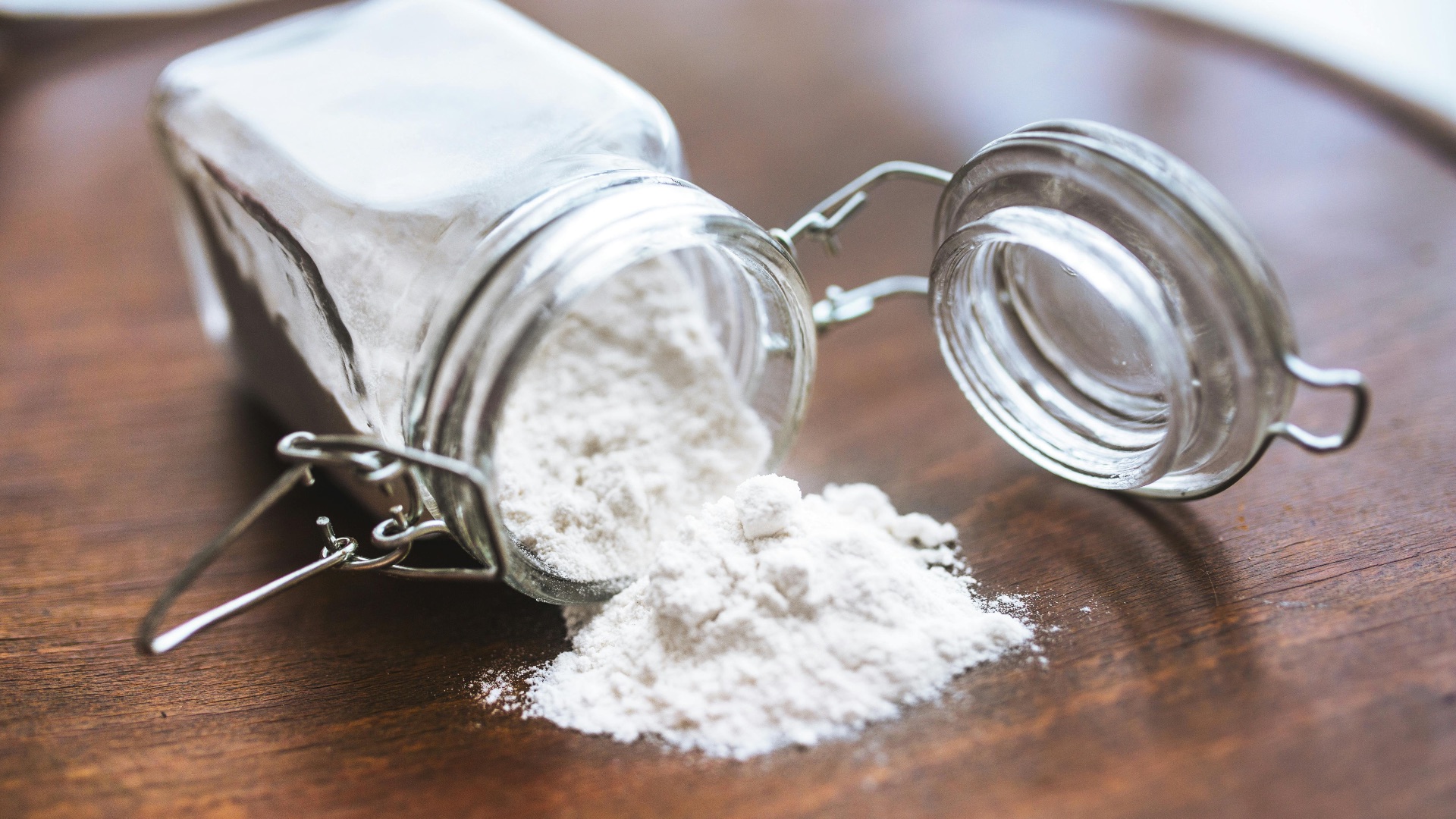
7. Vinegar & Baking Soda
Combine vinegar with baking soda and you’ll create instant bubbles that help a cake rise when you aren’t using eggs. It’s not a binder on its own, but it can replace the "lift" role eggs sometimes play in lighter batters. Mix 1 tablespoon of vinegar with 1 teaspoon of baking soda and add it quickly so the fizz does its job before it fades.
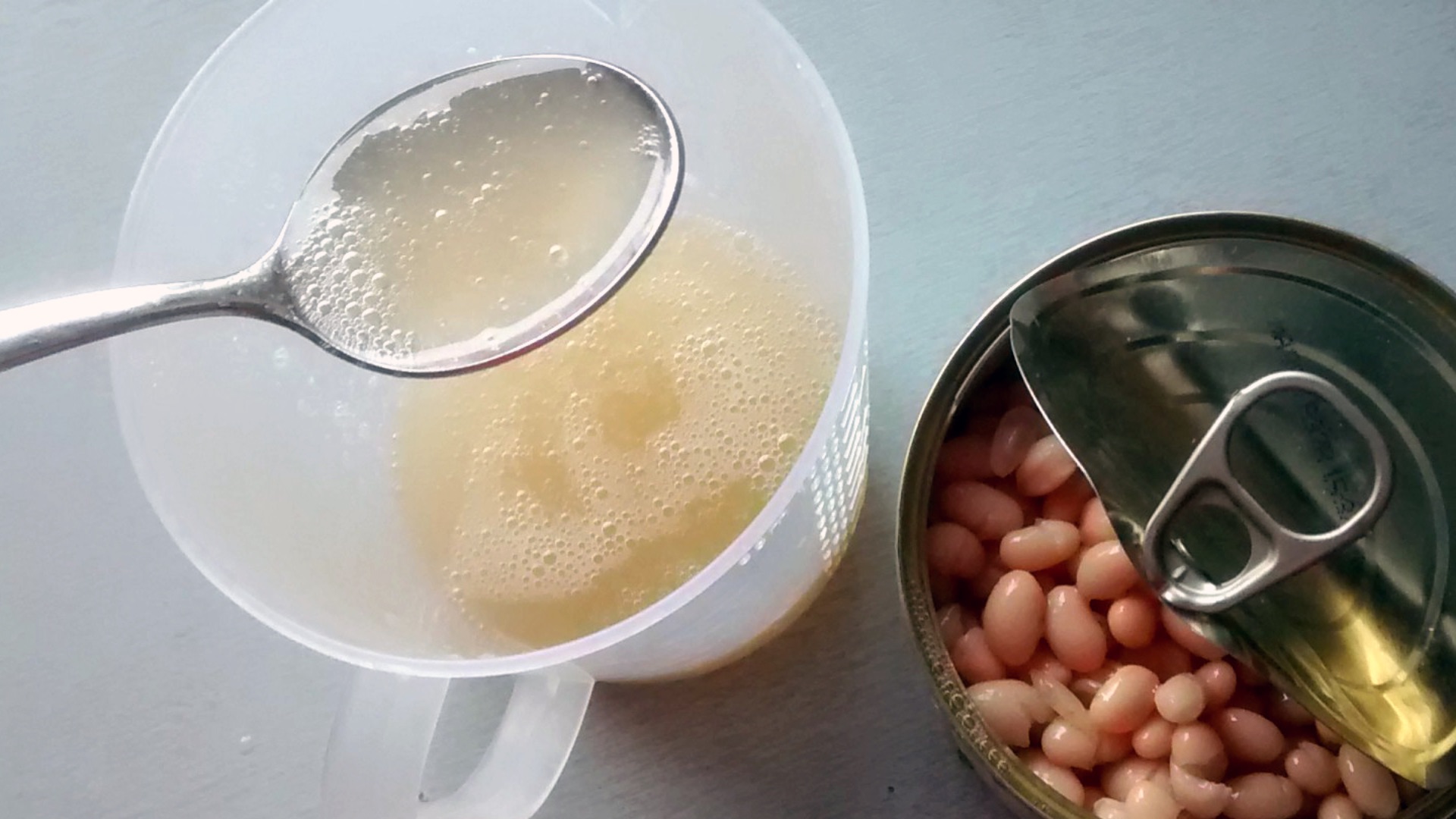
8. Aquafaba
Aquafaba, the liquid from canned chickpeas or other legumes, can whip up into foamy peaks that mimic egg whites surprisingly well. Beat it with sugar for meringues or fold it into mousse, and you’ll feel like you’ve unlocked a new kitchen cheat code. As a rough guide, 3 tablespoons replaces one whole egg, while 2 tablespoons stands in for one egg white.
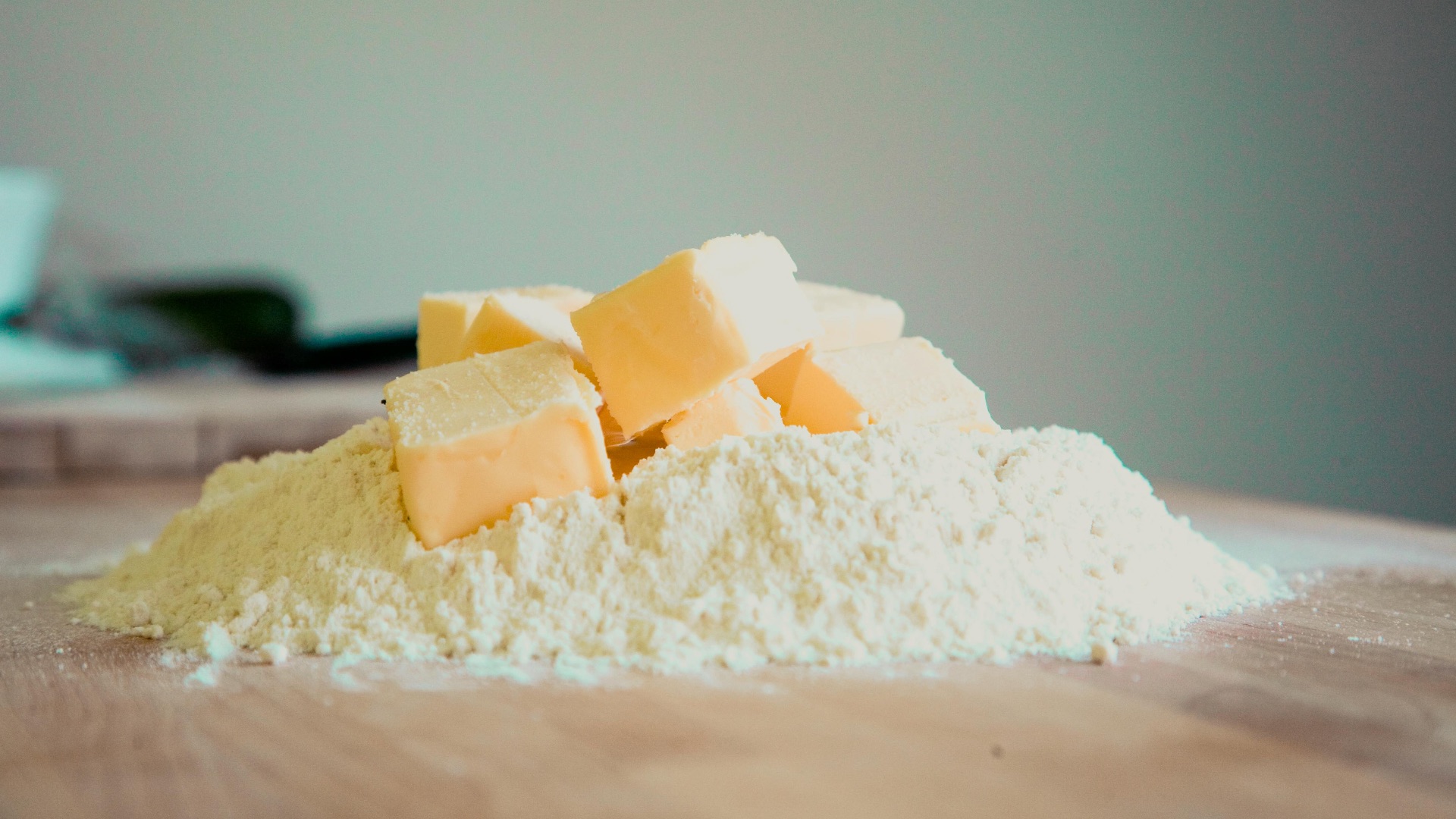
9. Store-Bought Egg Replacer
Store-bought egg replacer powders are handy when you want consistency and don’t feel like experimenting. They’re usually starch-based, so they’re great for cookies and cakes where you mainly need binding and a bit of lift. Follow the package ratios and keep an eye on browning, since some mixes color a little faster.
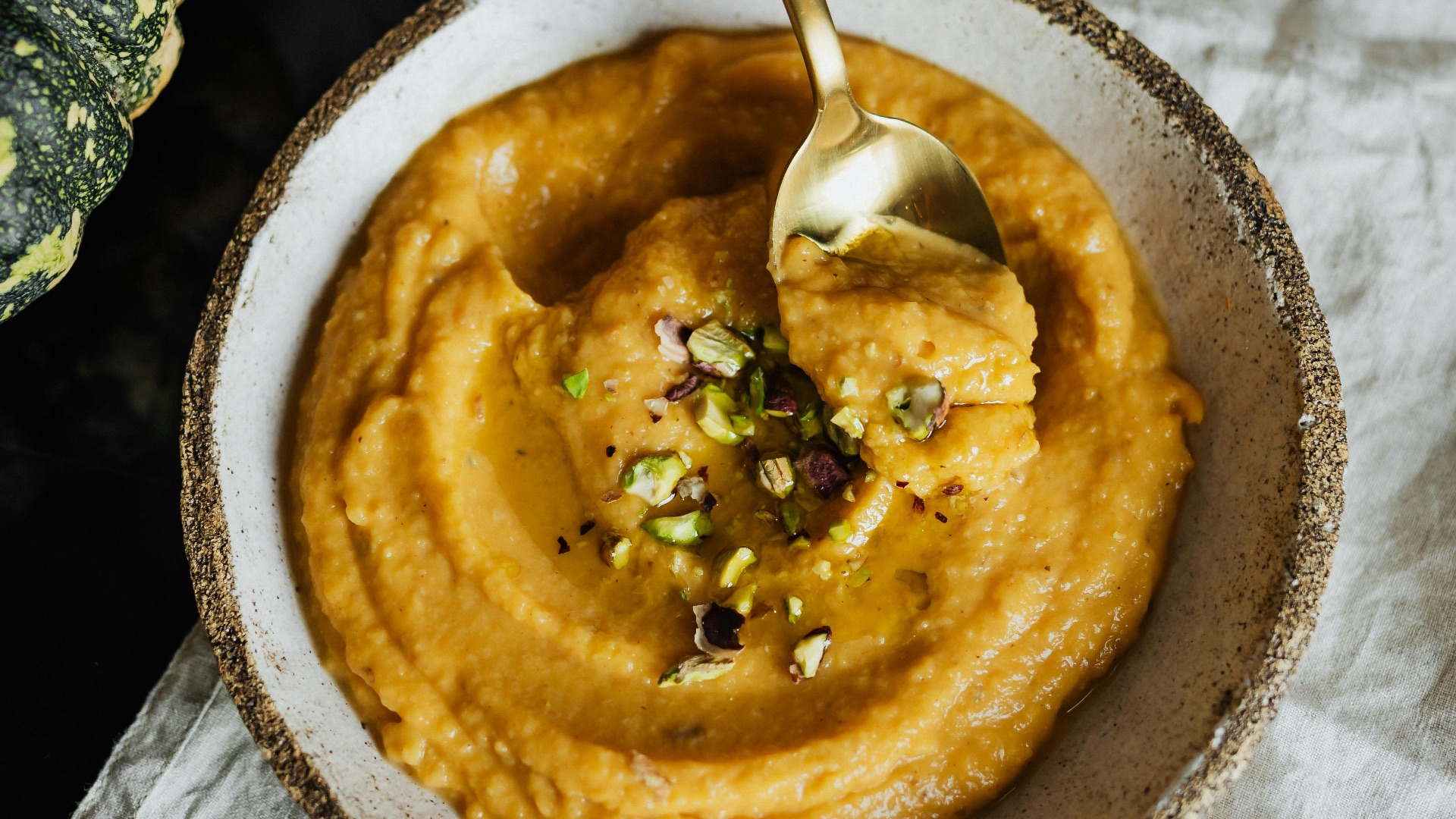
10. Pumpkin Puree
Pumpkin puree gives baked goods a warm color and a moist crumb, even when eggs are nowhere in sight. It pairs beautifully with spices like cinnamon and ginger, making it ideal for muffins, snack cakes, and soft cookies. Begin with a few heaping spoonfuls to stand in for an egg, then cut back other wet ingredients so the texture stays tender instead of gummy.
KEEP ON READING
The Most Popular Chocolate Bars in the USA

The Most Popular Candies in the USA