10 Dangerous Foods That Are Choking Hazards & 10 That Are Easier (and Safer) to Eat
Chew on This
Choking is one of those hazards most people don't think much about until it actually happens, and the bitter truth is that some of the most familiar foods in your kitchen are also among the most dangerous. Whether you're feeding a toddler, caring for an older adult, or just paying closer attention to your own eating habits, knowing which foods require extra care at the table is valuable information worth having so you don't end up in a panicked situation. Here are 10 foods you should exercise caution with, along with 10 that are generally softer and safer to eat.
1. Whole Grapes
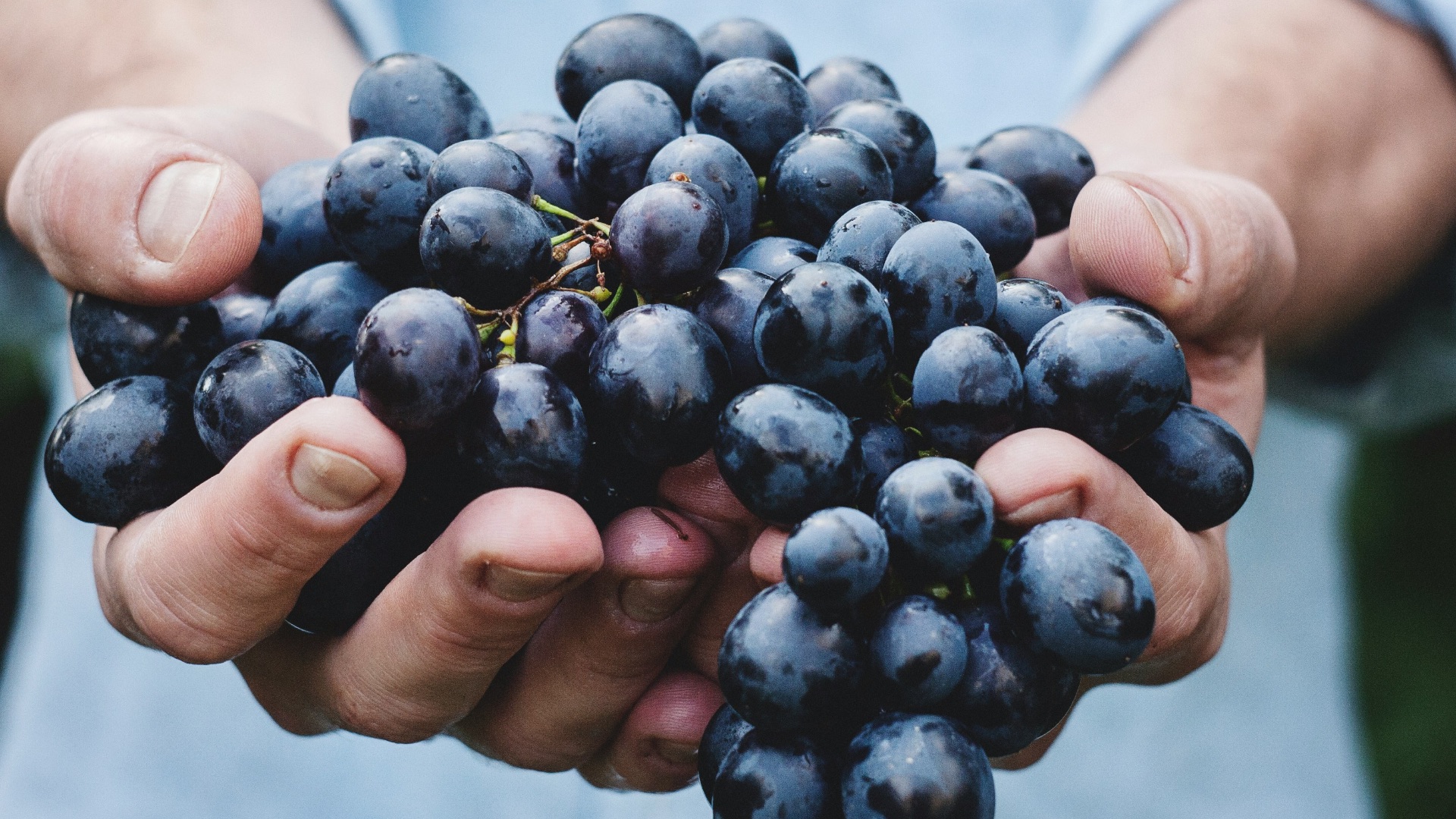
Their smooth, round shape and slippery skin make whole grapes one of the most frequently cited choking hazards for young children, appearing on nearly every pediatric safety list for good reason. Because they're firm and don't compress easily, they can seal off a child's airway rather than break apart under pressure. Always cut grapes in half lengthwise before serving them to children under five, and even adults should be mindful of eating them too quickly.
2. Hot Dogs
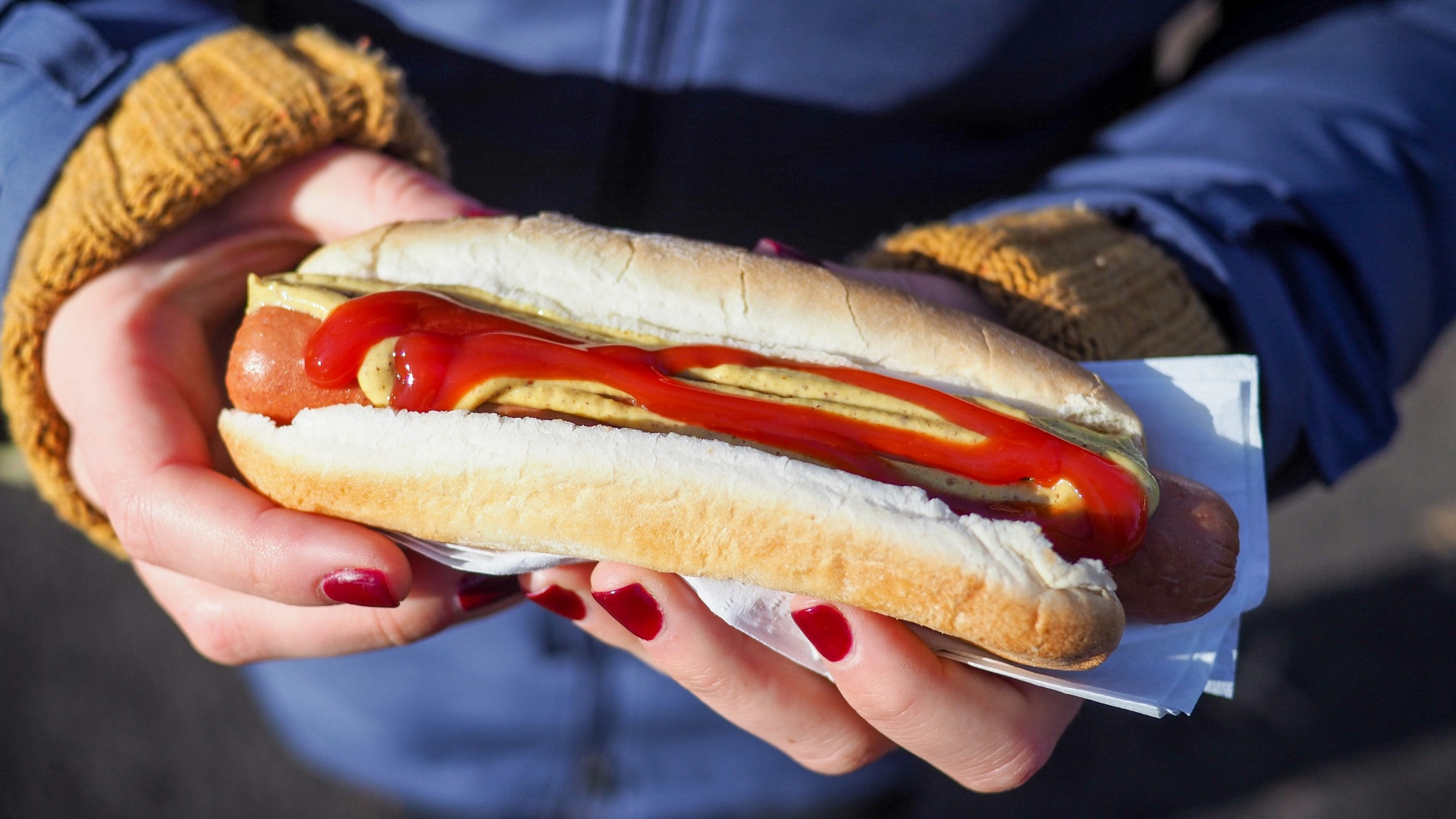
A backyard barbecue staple, hot dogs carry a choking risk that often gets overlooked because they seem so soft and harmless at first glance. Their cylindrical shape is almost precisely sized to fit a young child's airway, and the spongy texture compresses in a way that makes them especially difficult to dislodge once they're stuck. Cutting them into small, irregular pieces rather than the classic coin-shaped rounds significantly lowers the risk.

3. Popcorn
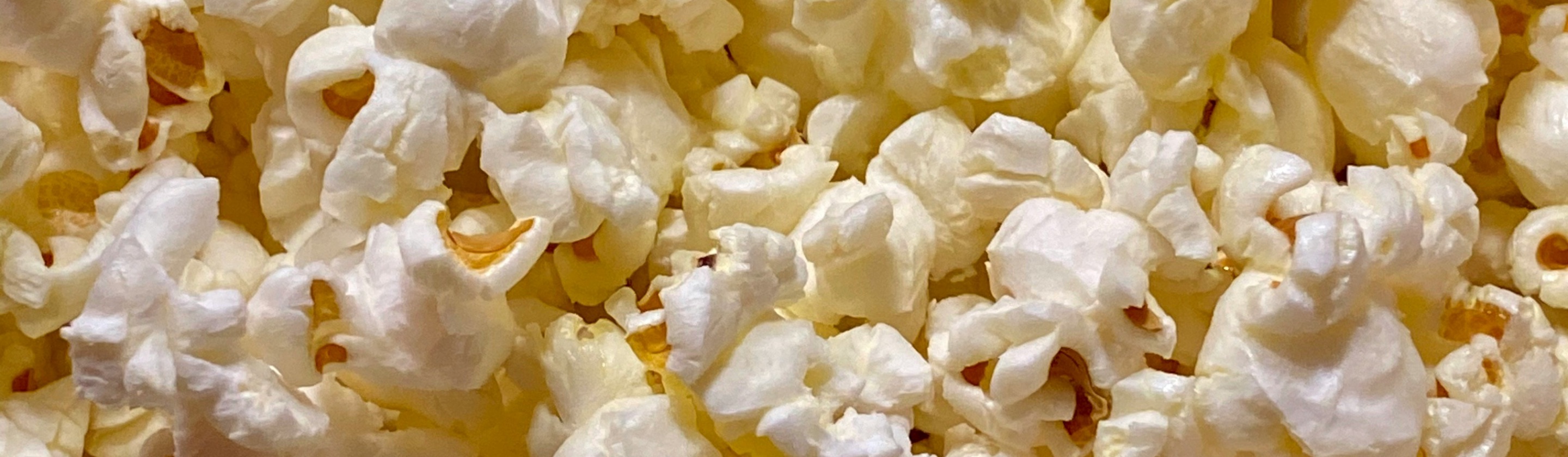
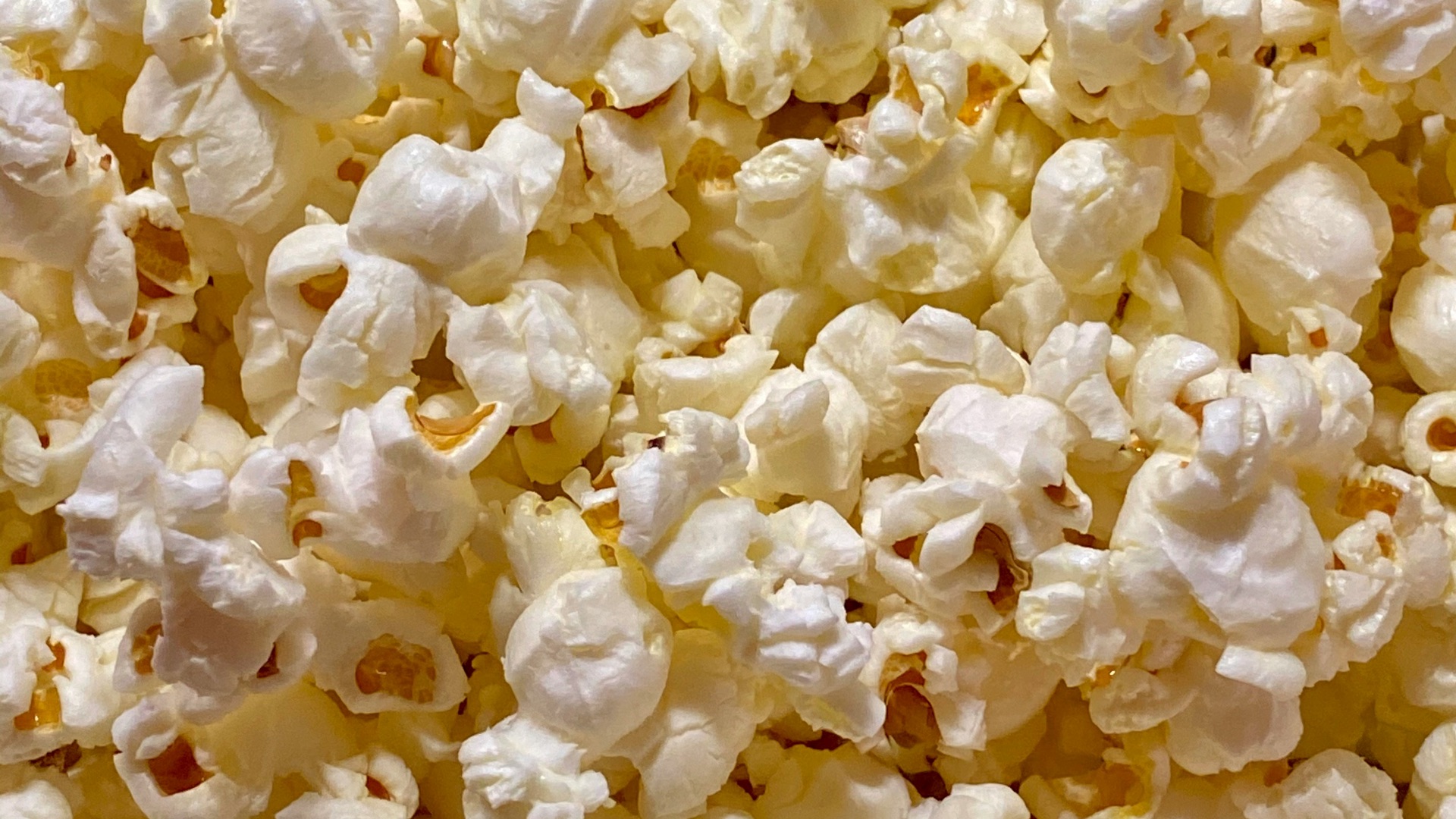
Few snacks are as fun to share at movie night as popcorn, but it comes with a couple of choking risks that are easy to underestimate. The unpopped kernels hiding at the bottom of the bowl are hard enough to crack a tooth or become lodged in the throat, and the light, airy popped pieces can go down the wrong way before you've had a chance to chew them properly. Most pediatric health organizations recommend waiting until children are at least four years old before introducing popcorn into their diet.
4. Hard Candy
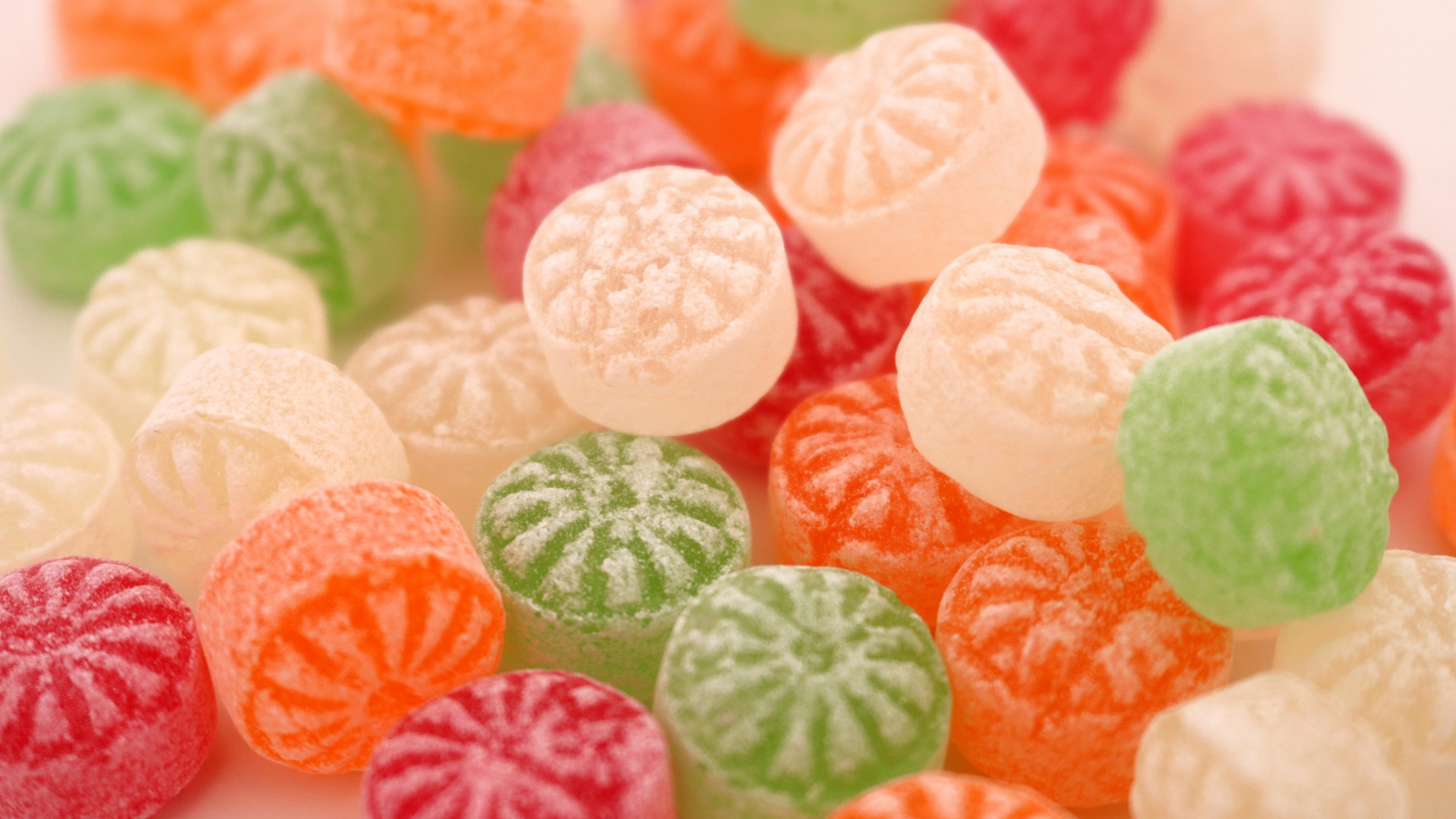
Among the most well-known choking hazards, hard candy earns its reputation because it's small, smooth, and dissolves far too slowly to prevent an airway blockage when things go wrong. Children are especially at risk because they tend to bite down on candy rather than letting it dissolve, which can send sharp, unpredictable pieces toward the throat. The safest approach is to keep hard candy out of reach of young children entirely and save it for older kids who understand to let it dissolve rather than chew it.
5. Chunks of Meat
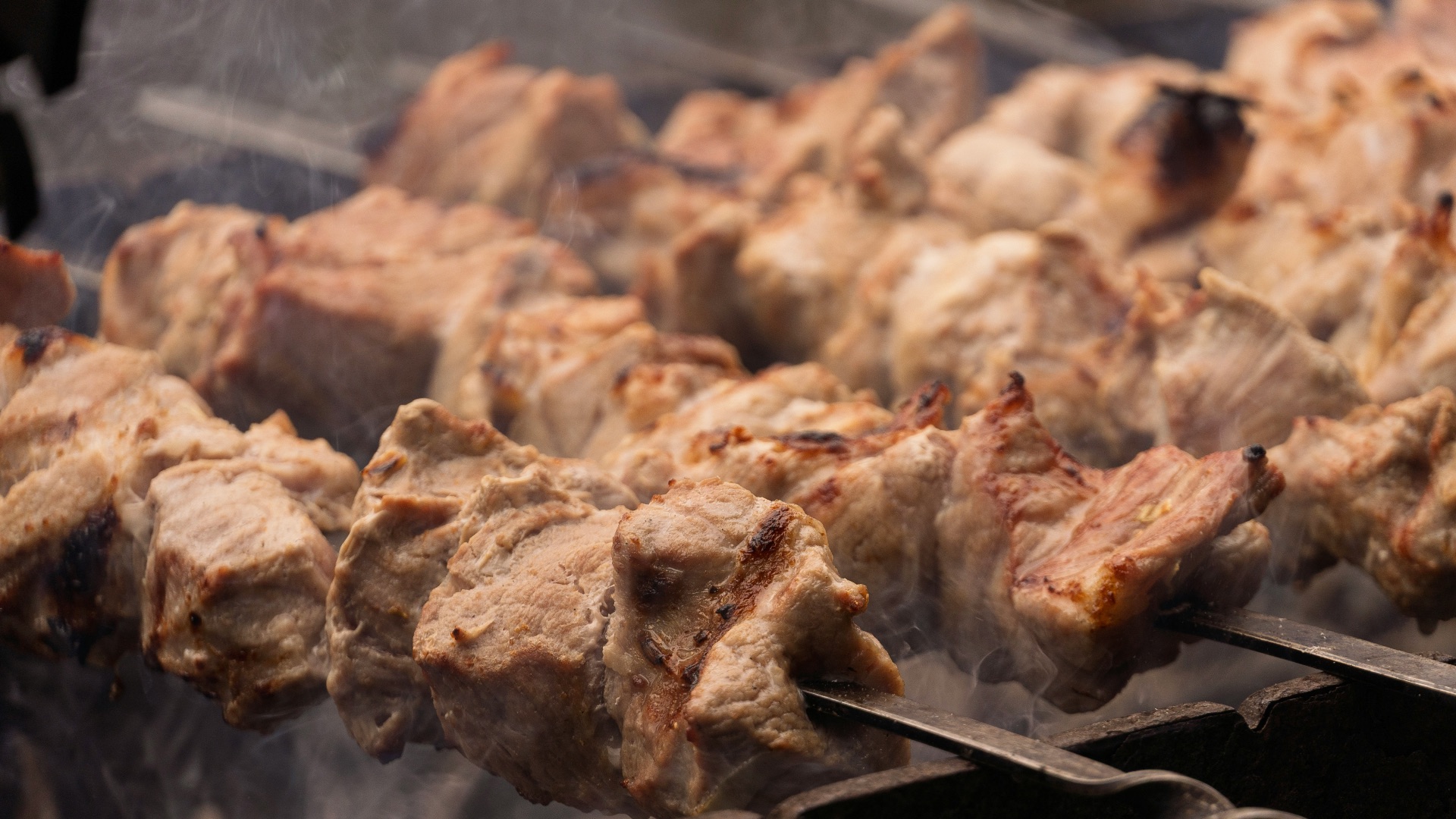
Dense cuts of meat like steak or chicken breast become a serious choking risk when they aren't trimmed to an appropriate size before you eat. The tough, fibrous texture means pieces don't break down quickly during chewing, particularly for people who eat fast or who have dental issues that affect how thoroughly they can chew. Taking the time to cut meat into small, bite-sized portions before sitting down to eat makes the whole process considerably safer.
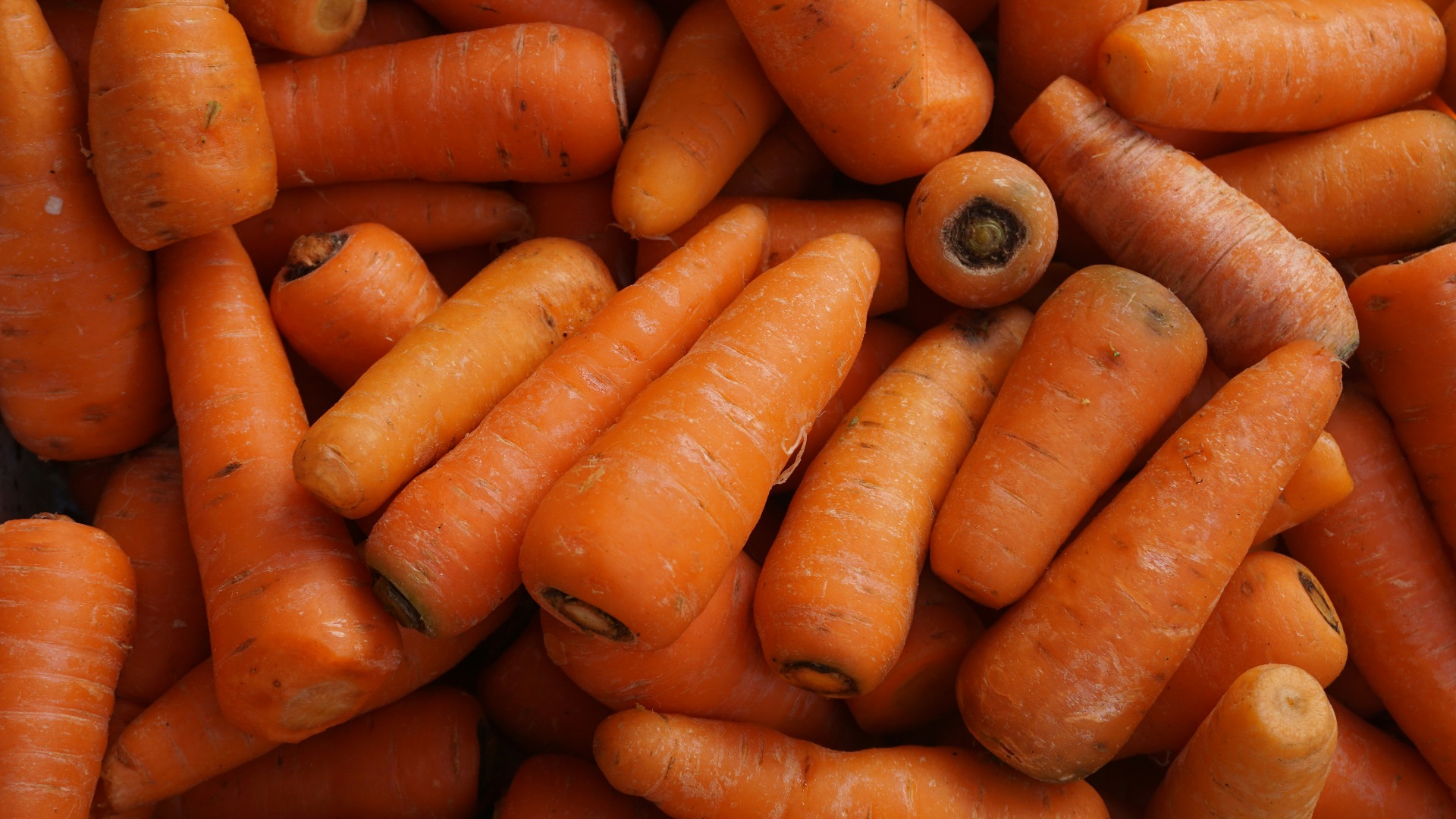
6. Raw Carrots
Despite being one of the most nutritious vegetables you can snack on, raw carrots present a real choking hazard due to their hard texture and the firm, chunky pieces they break into when bitten. Toddlers and older adults are especially vulnerable because they may not have the chewing strength to break those pieces down fully before swallowing. Cooking carrots until tender or slicing them into thin strips rather than thick rounds makes them far safer to serve and eat.
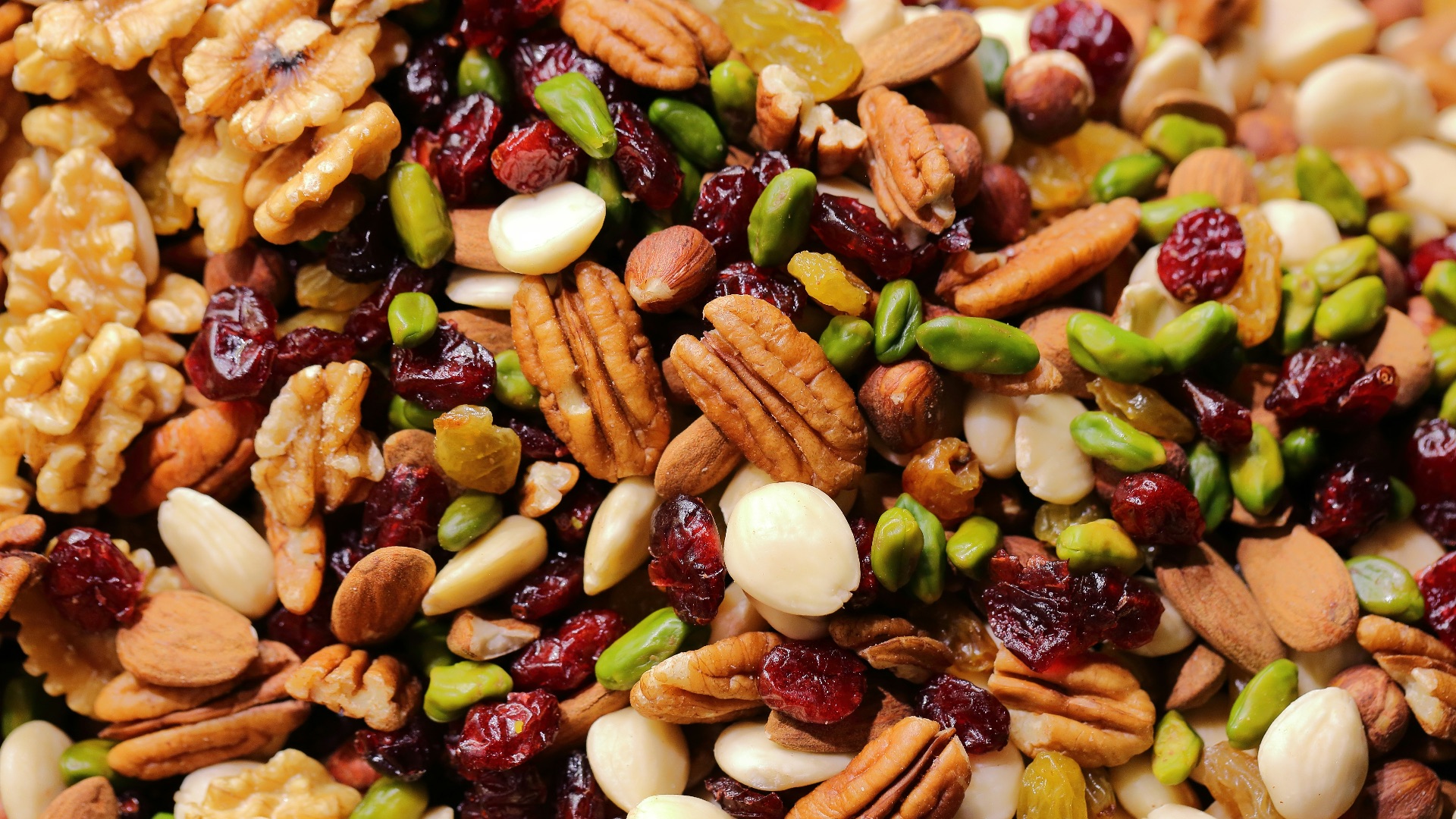
7. Nuts and Seeds
For children under three, whole nuts and seeds are a significant choking concern because their small size and hard texture make them easy to inhale rather than chew. Peanuts, almonds, and similar snacks can travel into the airway without much resistance, and their solid composition means they don't break apart the way softer foods would under pressure. Nut butters and finely ground seeds offer comparable nutrition without the same level of risk.
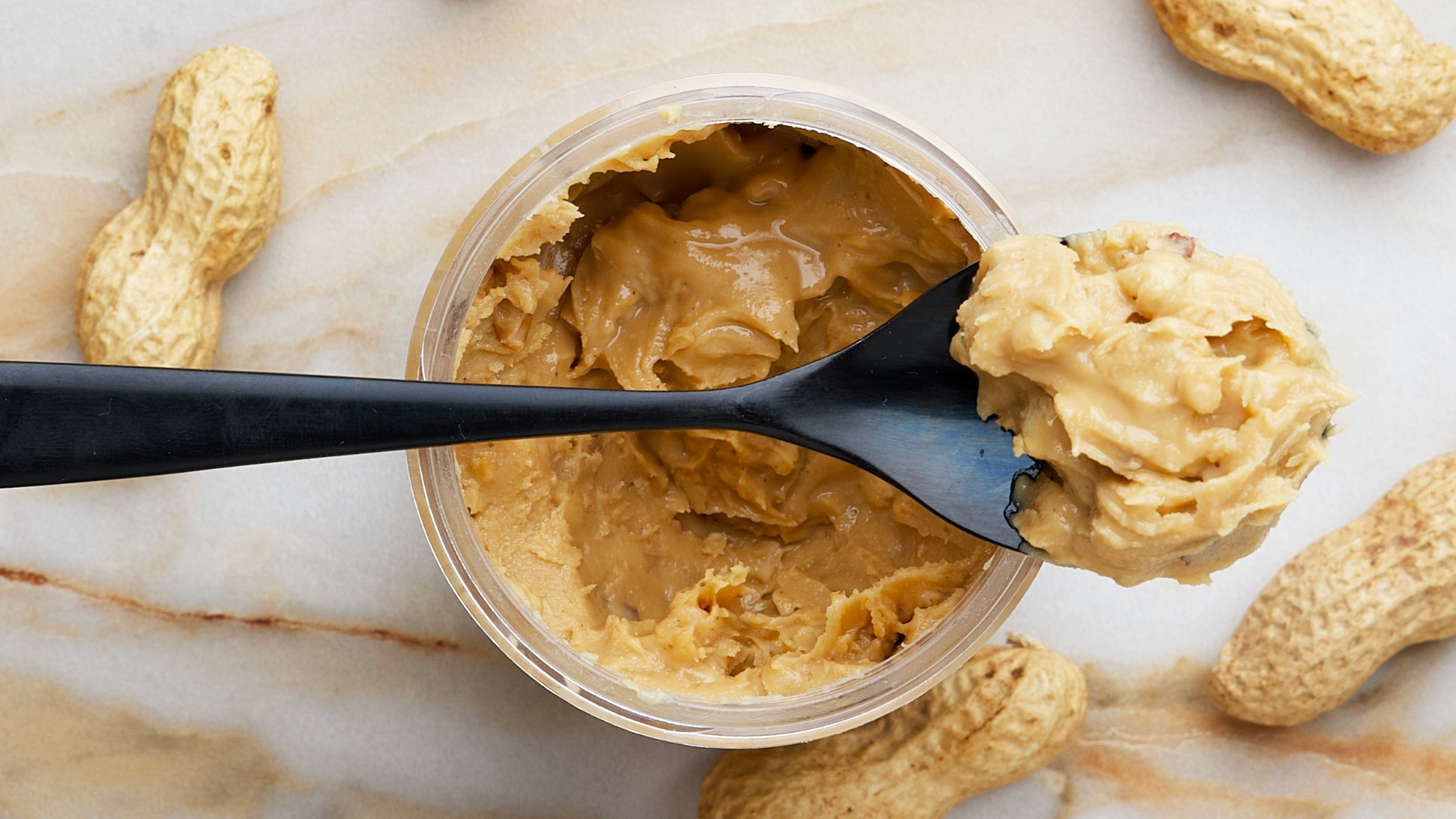
8. Thick Spoonfuls of Peanut Butter
Nutritious as it is, eating peanut butter straight from a large spoon is a surprisingly common choking hazard that doesn't get nearly enough attention. Its thick, sticky consistency can coat the throat and make swallowing difficult, even in healthy adults with no underlying conditions. Spreading a thin layer onto toast or crackers is a much safer way to enjoy it, and it makes the texture considerably easier to manage bite by bite.
 Corleto Peanut butter on Unsplash
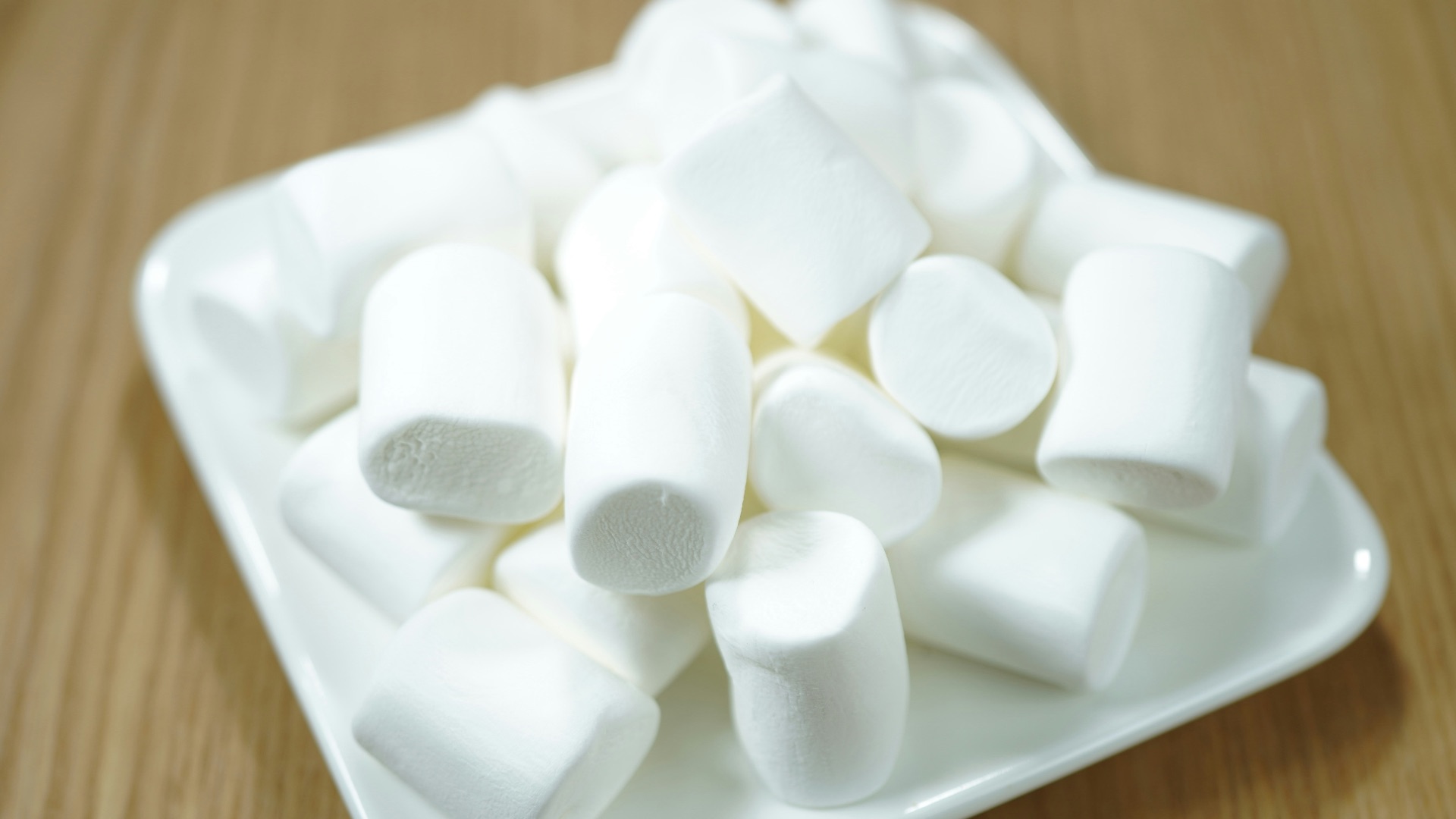
9. Large Marshmallows
It might seem surprising that something as light and squishy as a large marshmallow could pose any kind of choking risk, but that very softness is what makes them dangerous. They compress easily under pressure, meaning they can mold to the shape of the airway and block it more effectively than you'd expect. Smaller marshmallows carry less risk, though even those should be eaten carefully rather than tossed into the air and caught in the mouth.
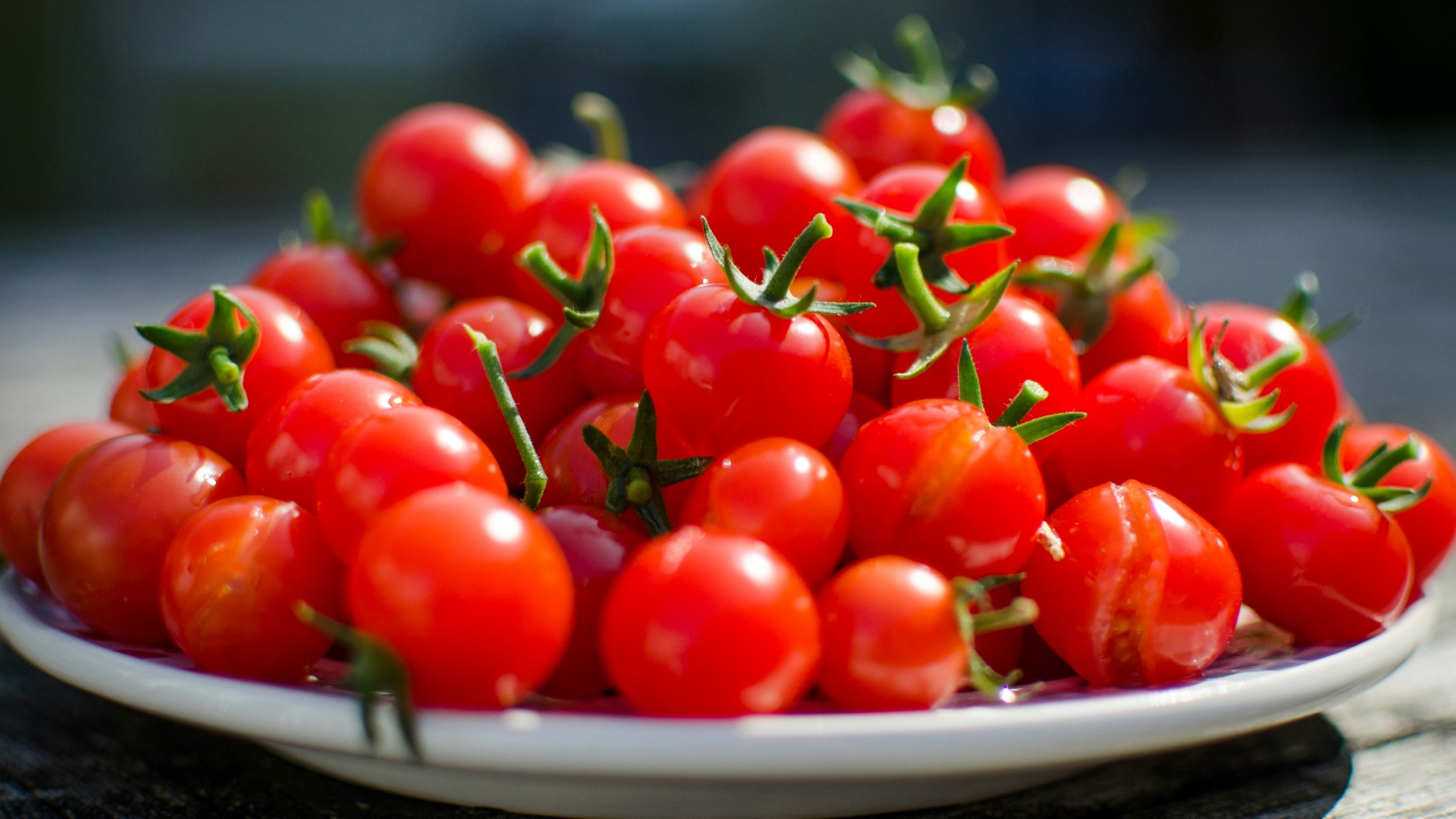
10. Cherry Tomatoes
Often packed into lunchboxes and tossed into salads, cherry tomatoes share the same key risk factors as whole grapes: they're round, slippery, and just the right size to become lodged in a young child's throat. Their firm skin doesn't compress easily, so they don't break apart under pressure the way softer foods would. Always make sure to cut them into quarters before serving to children.
Now that you're familiar with which foods call for extra caution, let's look at the positive side. Thankfully, there are plenty of nutritious and delicious options that are far less likely to cause concern.
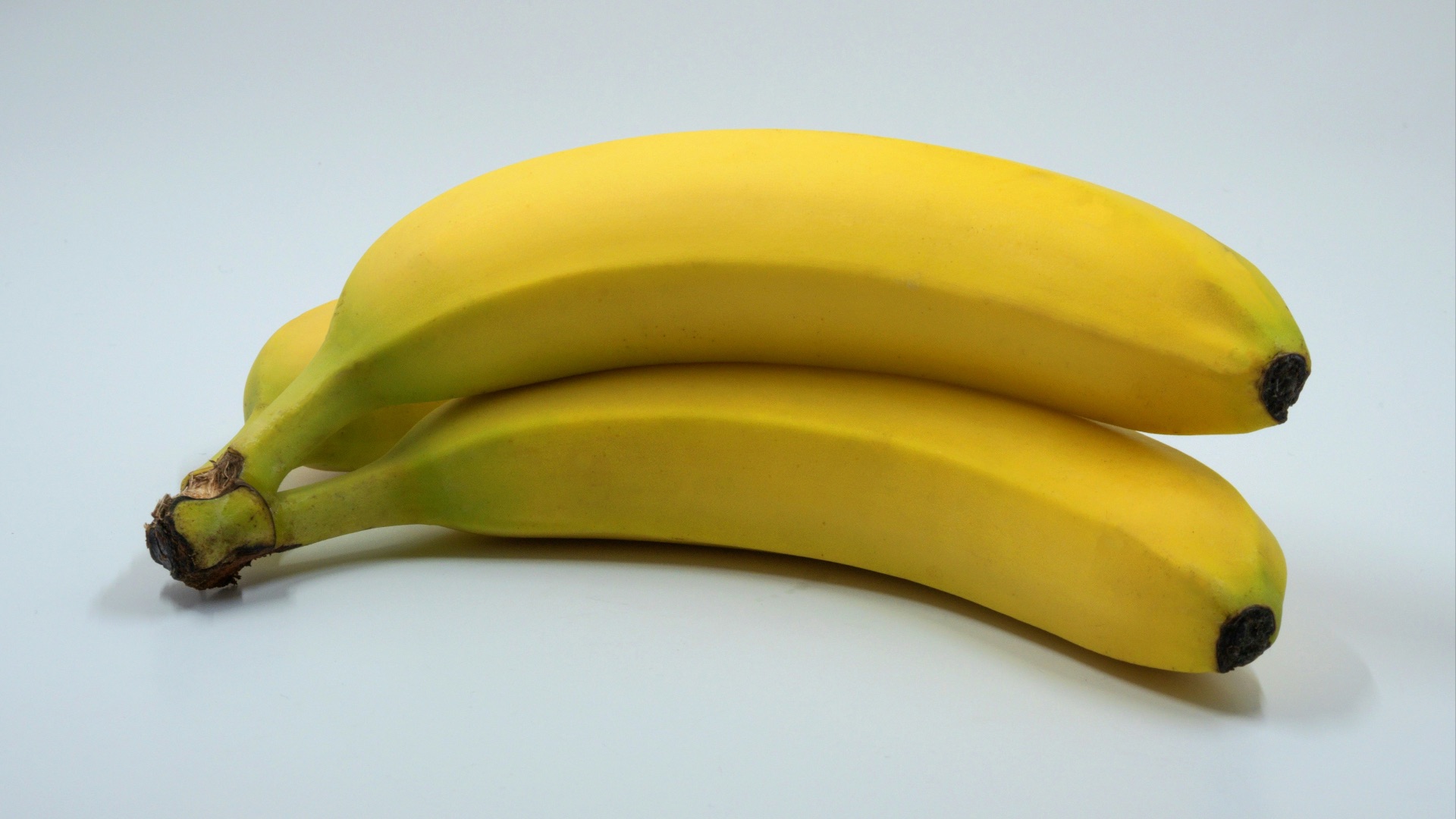
1. Bananas
Of all the fruits you could reach for, bananas are one of the safest options available, thanks to a soft, yielding texture that breaks down with minimal chewing effort. They're one of the first foods recommended for babies, largely because their consistency is easy to mash and swallow without posing any significant risk. They're also rich in potassium and natural sugars, making them a nutritionally strong choice at every stage of life.
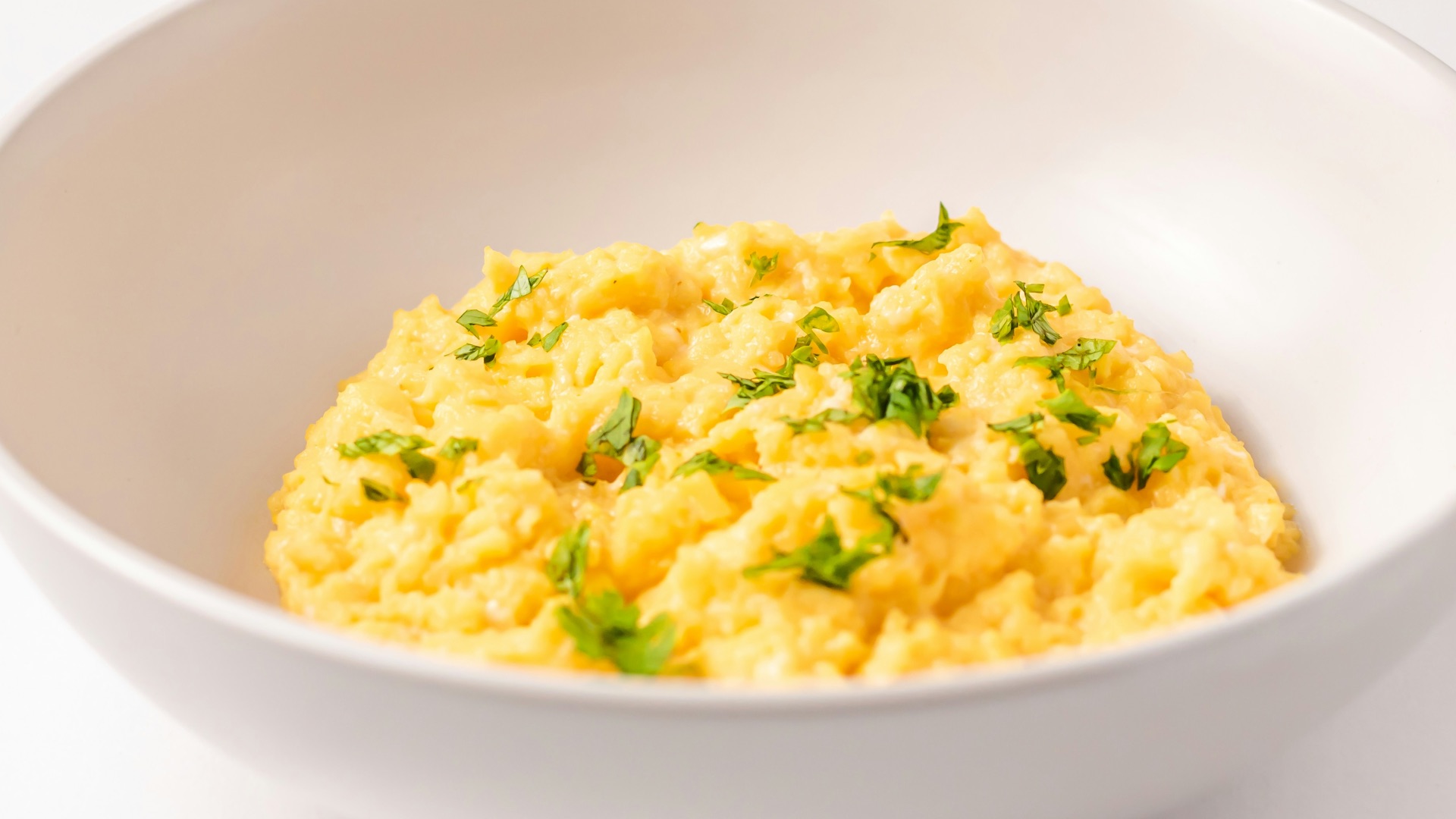
2. Scrambled Eggs
There's a reason scrambled eggs appear on so many lists of recommended first foods for infants; they're soft, moist, and require almost no chewing to swallow safely. When cooked gently over low heat, they stay tender and break apart with the lightest pressure, making them just as suitable for older adults as they are for young children. Adding a splash of milk while whisking helps keep the texture especially soft and easy to manage.
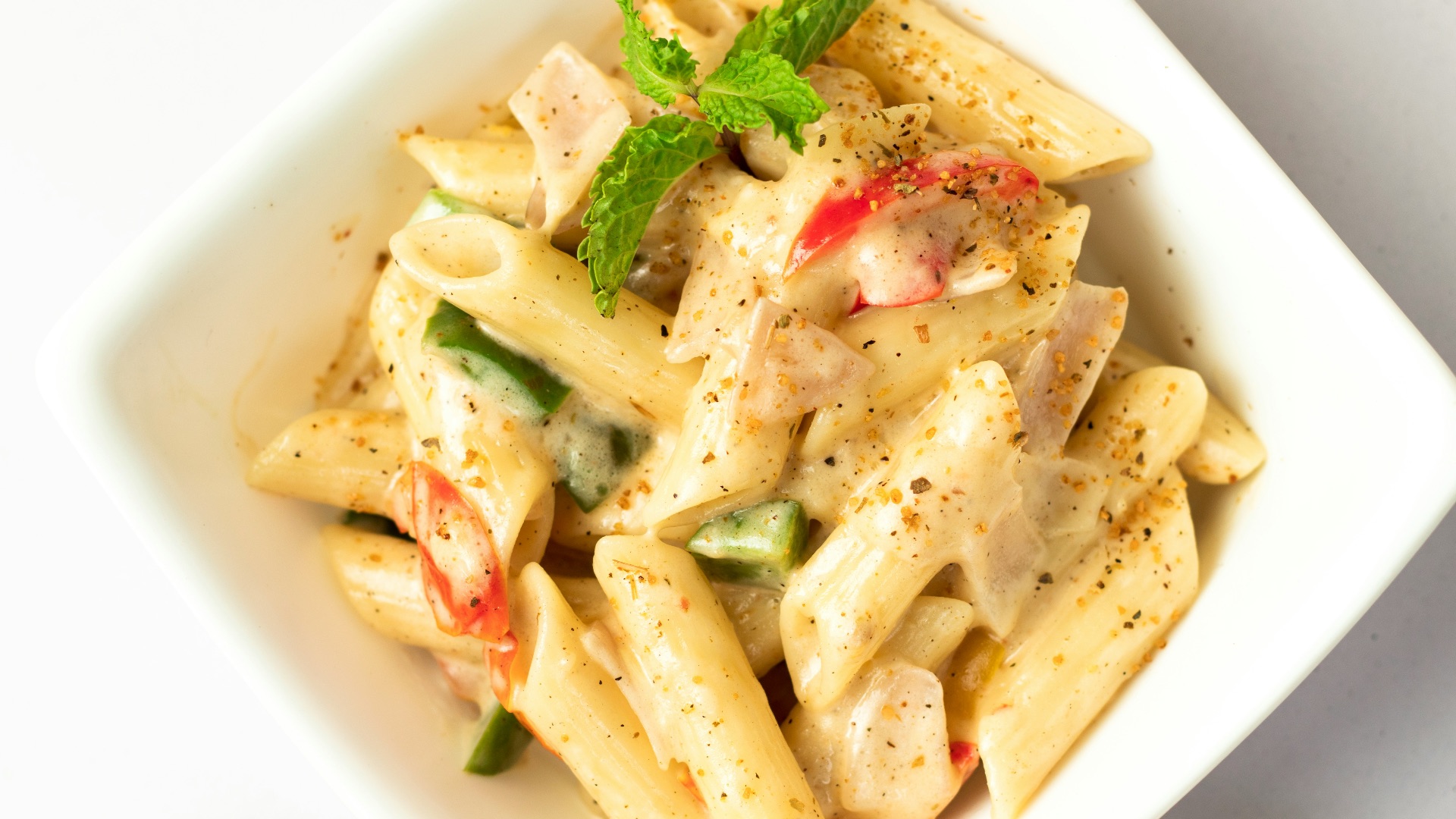
3. Soft-Cooked Pasta
When pasta is cooked until fully tender rather than pulled from the pot al dente, it becomes one of the most forgiving foods in terms of texture and ease of swallowing. It breaks apart under the slightest pressure and requires very little jaw effort, making it a reliable everyday option for children and elderly individuals alike. Short shapes like penne or farfalle are particularly practical since they can be eaten in single bites without any need for cutting.
 Pixzolo Photography on Unsplash
4. Yogurt
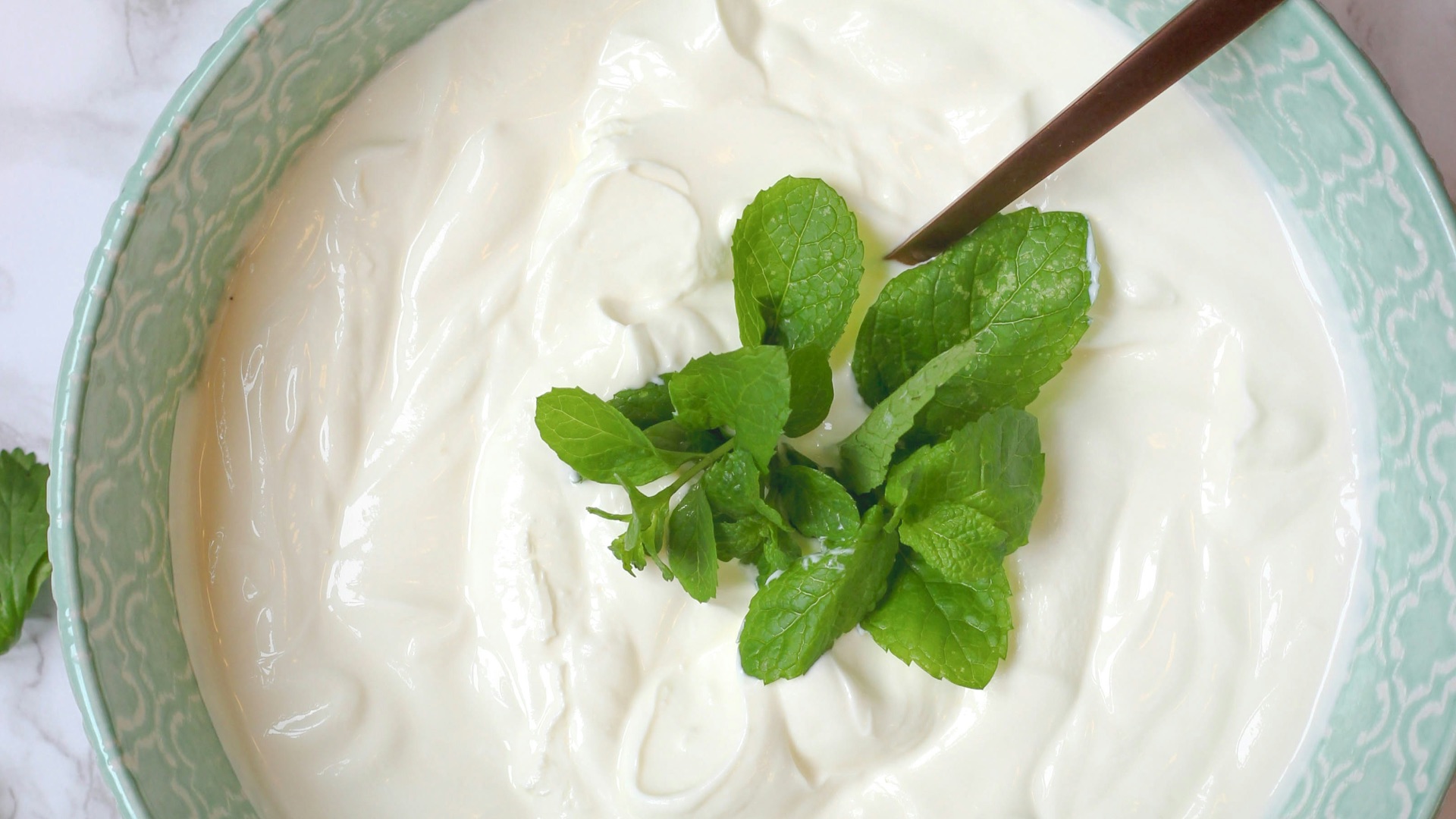
Because yogurt requires no chewing whatsoever, it holds a unique position among low-risk foods: it can be eaten quickly or slowly with equal ease and without any concern about swallowing difficulties. Its smooth, uniform consistency means it moves through the throat without resistance, regardless of pace. It's also highly versatile, working equally well as a quick snack, a filling breakfast, or the base of a blended smoothie.
 micheile henderson on Unsplash
5. Avocado
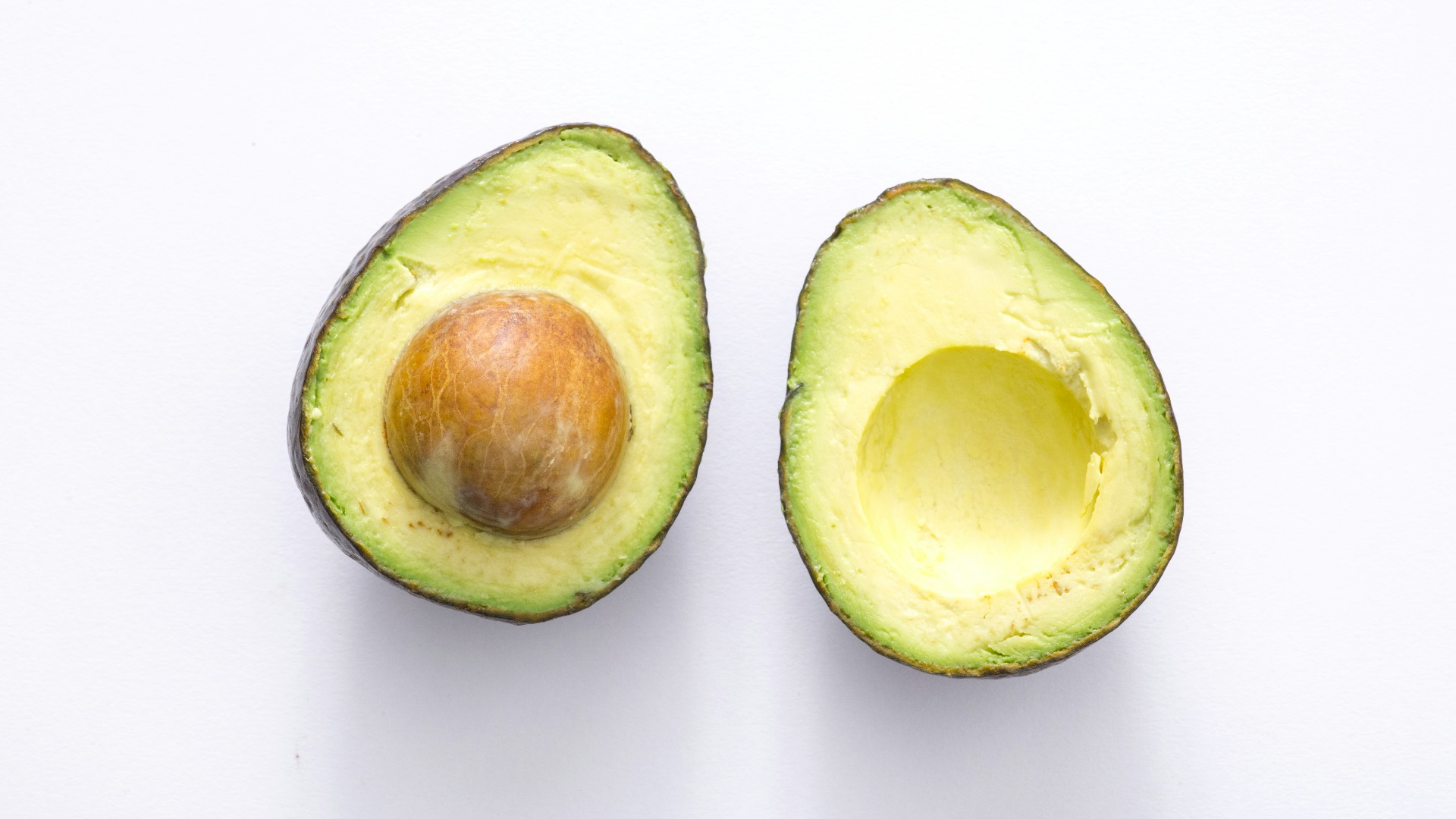
A ripe avocado's naturally creamy texture makes it one of the easiest solid foods to eat without any choking concern. It requires very little chewing, breaks apart almost immediately under gentle pressure, and has no hard or fibrous components that could cause trouble once swallowed. Serving it sliced, mashed, or spread thinly on soft bread are all equally safe and satisfying preparations.
6. Steamed Broccoli
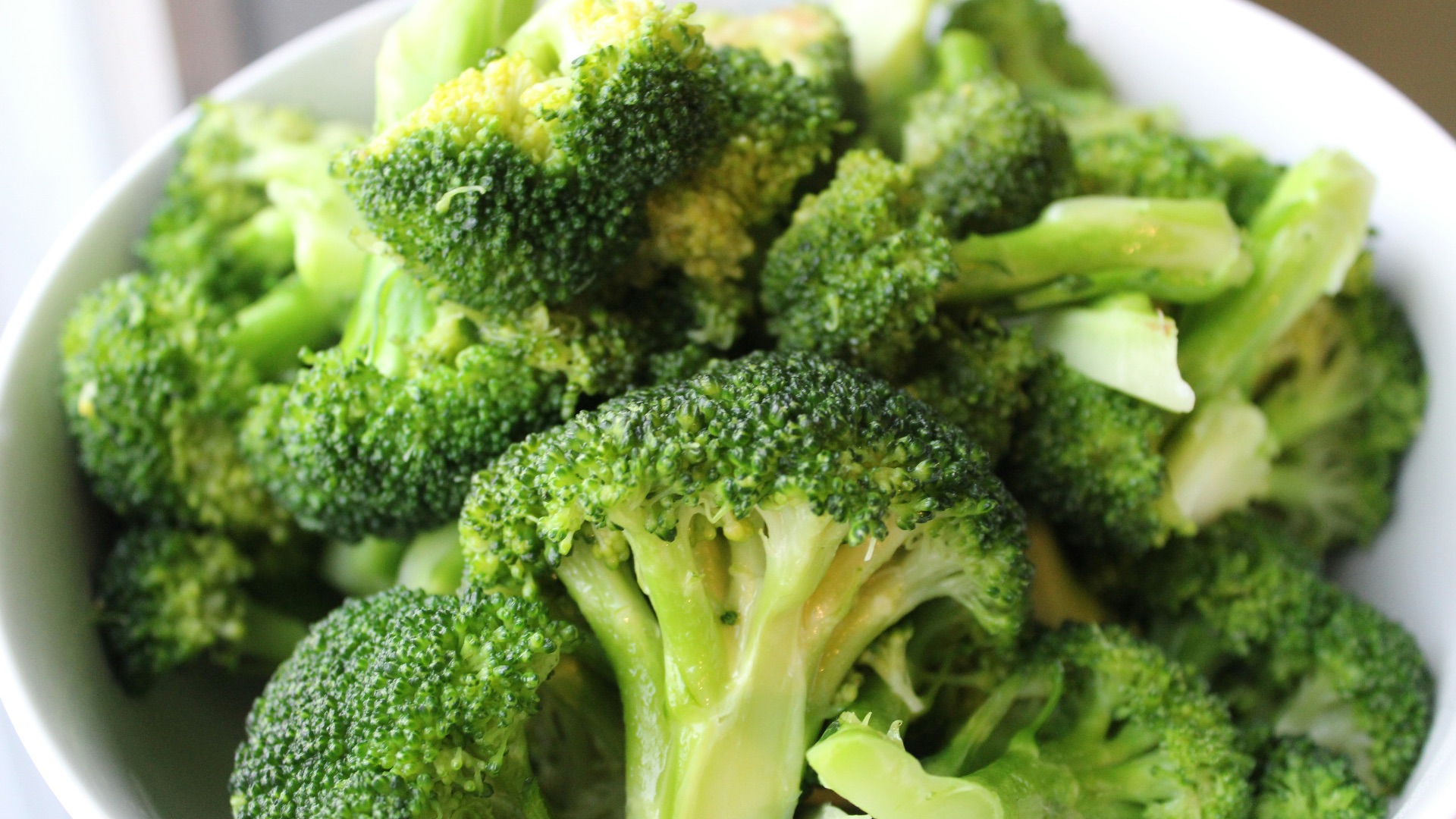
The safety difference between raw and steamed broccoli is more significant than most people realize; once steamed to full tenderness, the florets become soft enough to break down with minimal effort, which is a far cry from the rigid crunch of their raw form. Steaming also preserves most of the vegetable's nutritional value, so you're not giving much up by cooking it thoroughly before serving. It's a reliable way to keep broccoli on the menu for children and older adults without any of the risks that come with eating it raw.
 Tyrrell Fitness And Nutrition on Unsplash
7. Cooked Sweet Potato
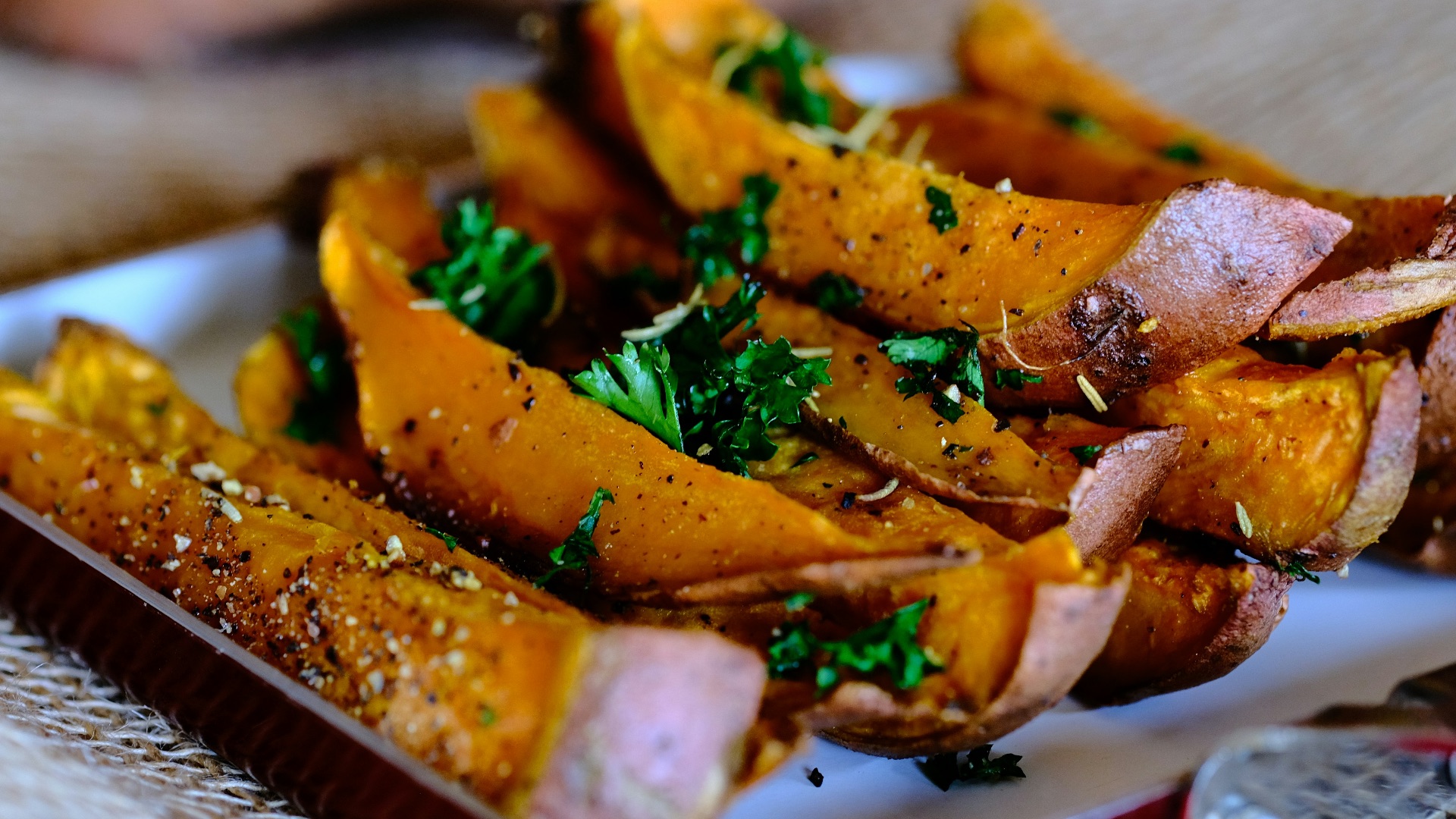
Cooked sweet potato is a standout option for safe eating, since baking, steaming, or boiling it yields a naturally soft flesh that can be mashed, cubed, or pureed depending on who's eating it. That adaptability makes it useful across every stage of life, from baby food to adult side dishes, without any special preparation concerns. Its mild, natural sweetness also means it tends to be well accepted by children who are still warming up to vegetables.
8. Soft Cheese
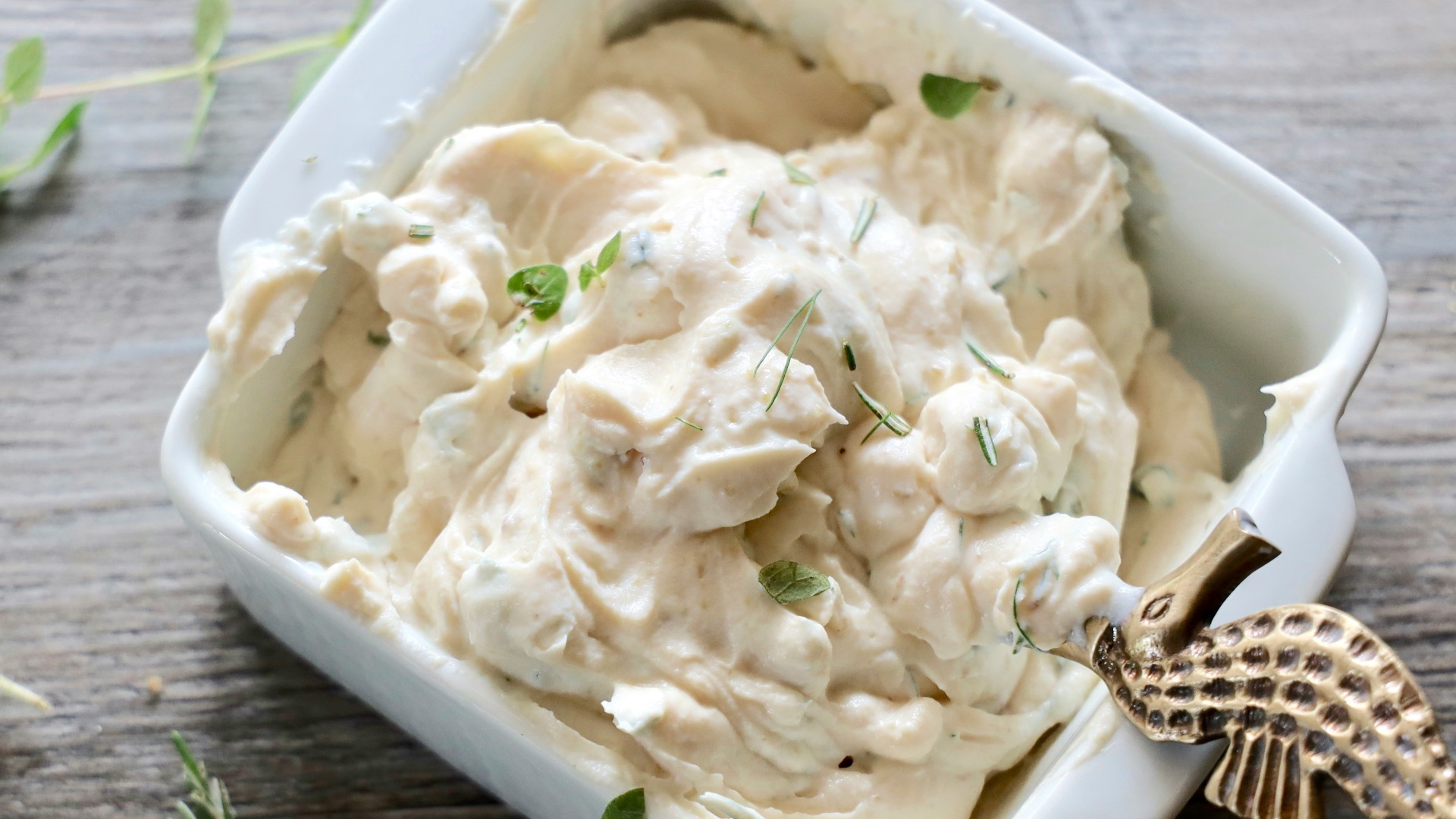
Unlike hard cheeses that need to be bitten through and chewed down before swallowing, soft varieties like ricotta, brie, and cream cheese have a texture that breaks apart almost immediately on contact. Their spreadable, melt-in-your-mouth quality eliminates much of the chewing effort altogether, making them a low-risk option for children and adults alike. They're also rich in protein and fat, so you're not sacrificing any nutritional value by choosing them over firmer alternatives.
9. Oatmeal
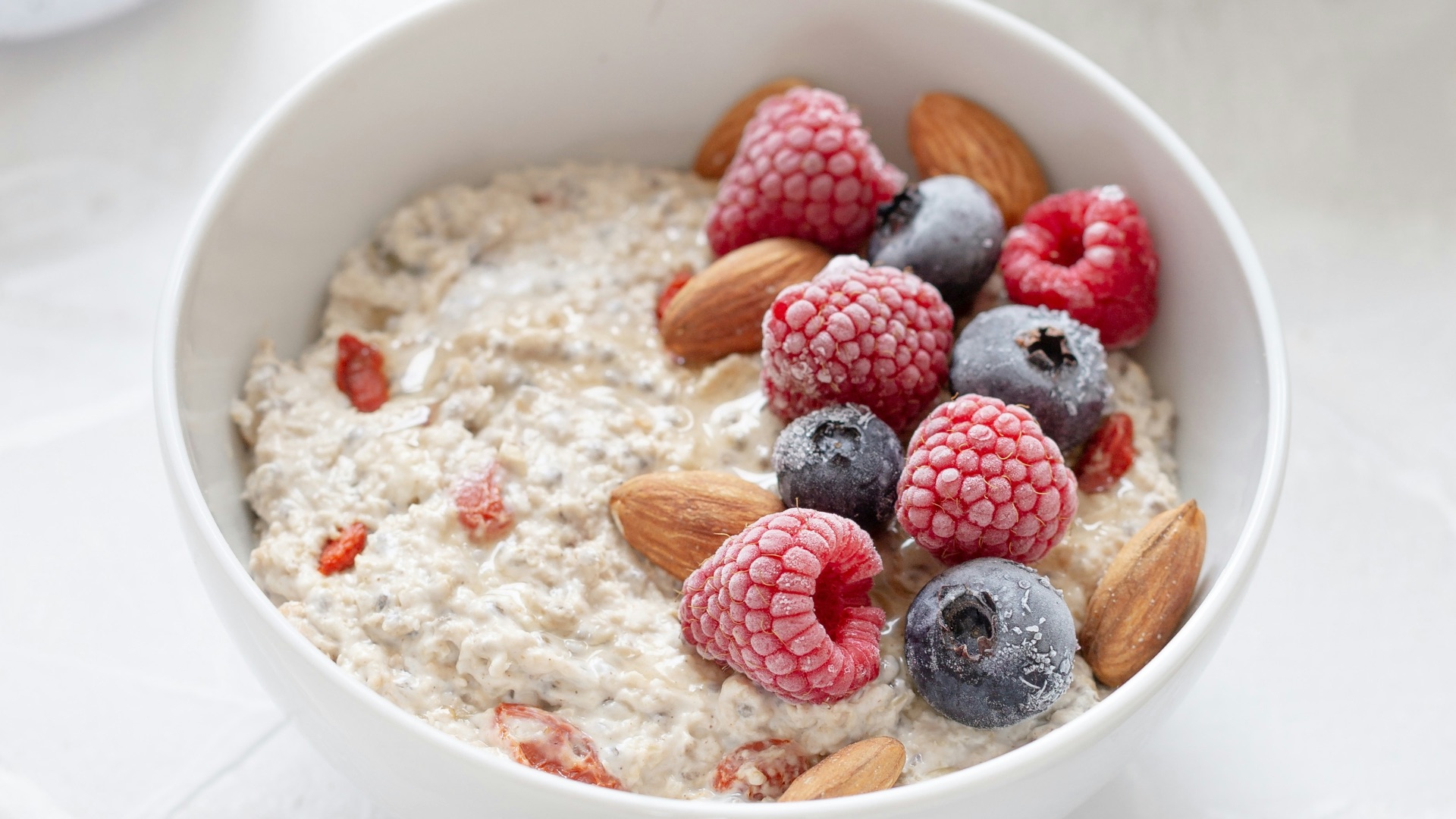
Warm, cooked oatmeal has a smooth, moist consistency that requires no chewing to break down before swallowing, which puts it firmly in the category of low-risk foods. It moves through the throat without resistance and can be made thicker or thinner depending on the preferences and needs of the person eating it. Steel-cut oats cooked to full tenderness are just as safe as quick oats; they simply need a bit more time on the stove to reach the right consistency.
10. Canned or Well-Cooked Beans
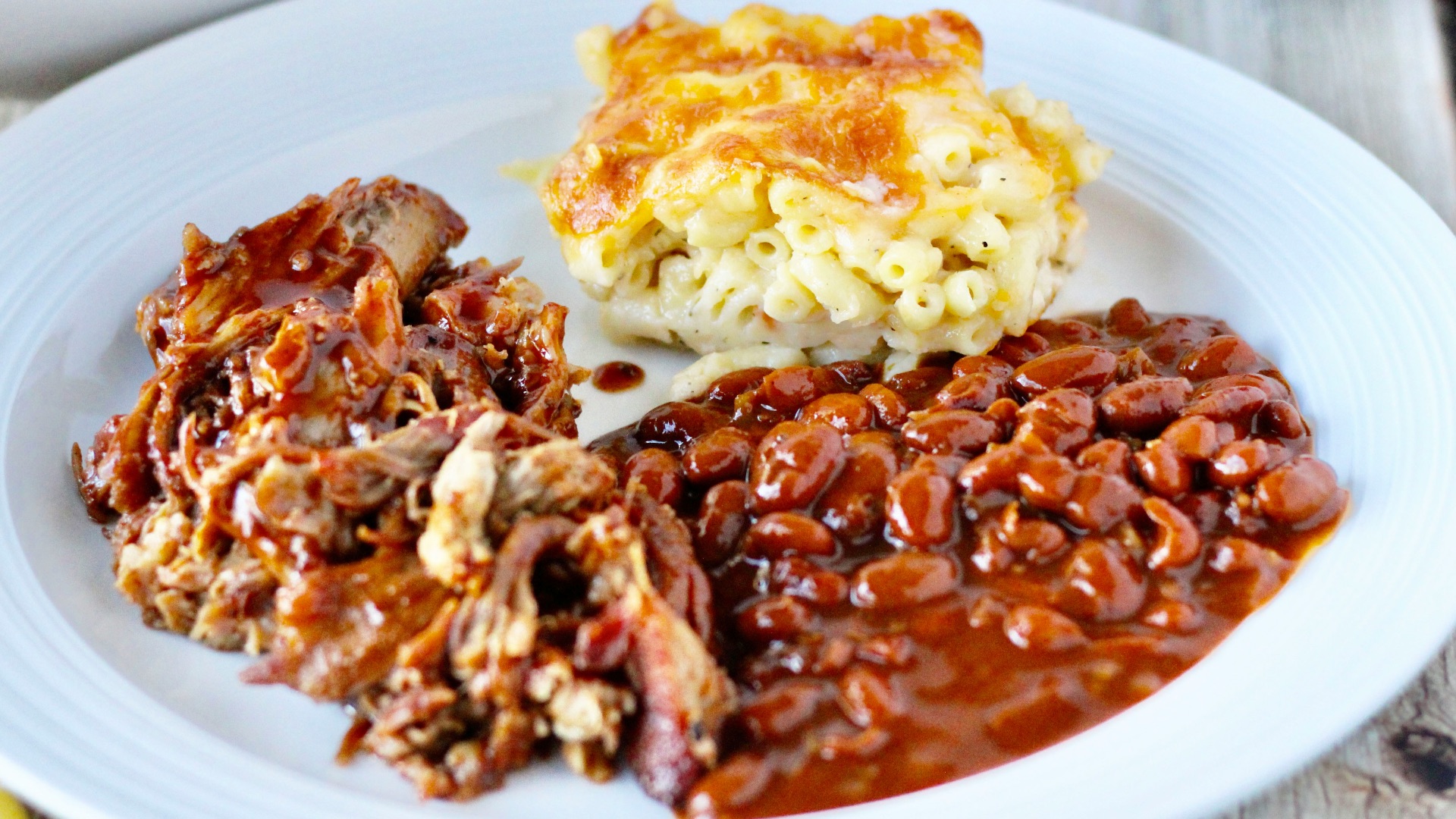
Whether you're using canned beans or a batch cooked from scratch until very soft, beans in either form have a tender, easily mashed texture that presents minimal choking risk. They can be served whole, blended into a spread, or stirred into soups and stews, making them one of the more adaptable items in your pantry. Their combination of versatility, nutritional value, and ease of eating makes them a particularly smart staple for households with young children or older adults at the table.
KEEP ON READING