10 Fast Food Chains Coasting On Their Reputation & 10 That Earn Their Popularity
Brand Loyalty vs. Actual Quality
Fast food loyalty runs deep, built on childhood memories and a jingle that's been stuck in your head since 1997. Some chains have coasted on that goodwill for decades, serving food that's slipped while the brand recognition stayed exactly where it was. Others have kept earning it, tightening up consistency and quality while their reputation grew right alongside the food. The difference between the two groups isn't always about taste alone; sometimes it's about whether a chain still cares about the details nobody's forcing them to get right. Here's 10 chains coasting on their reputation, and 10 that actually earn the hype.
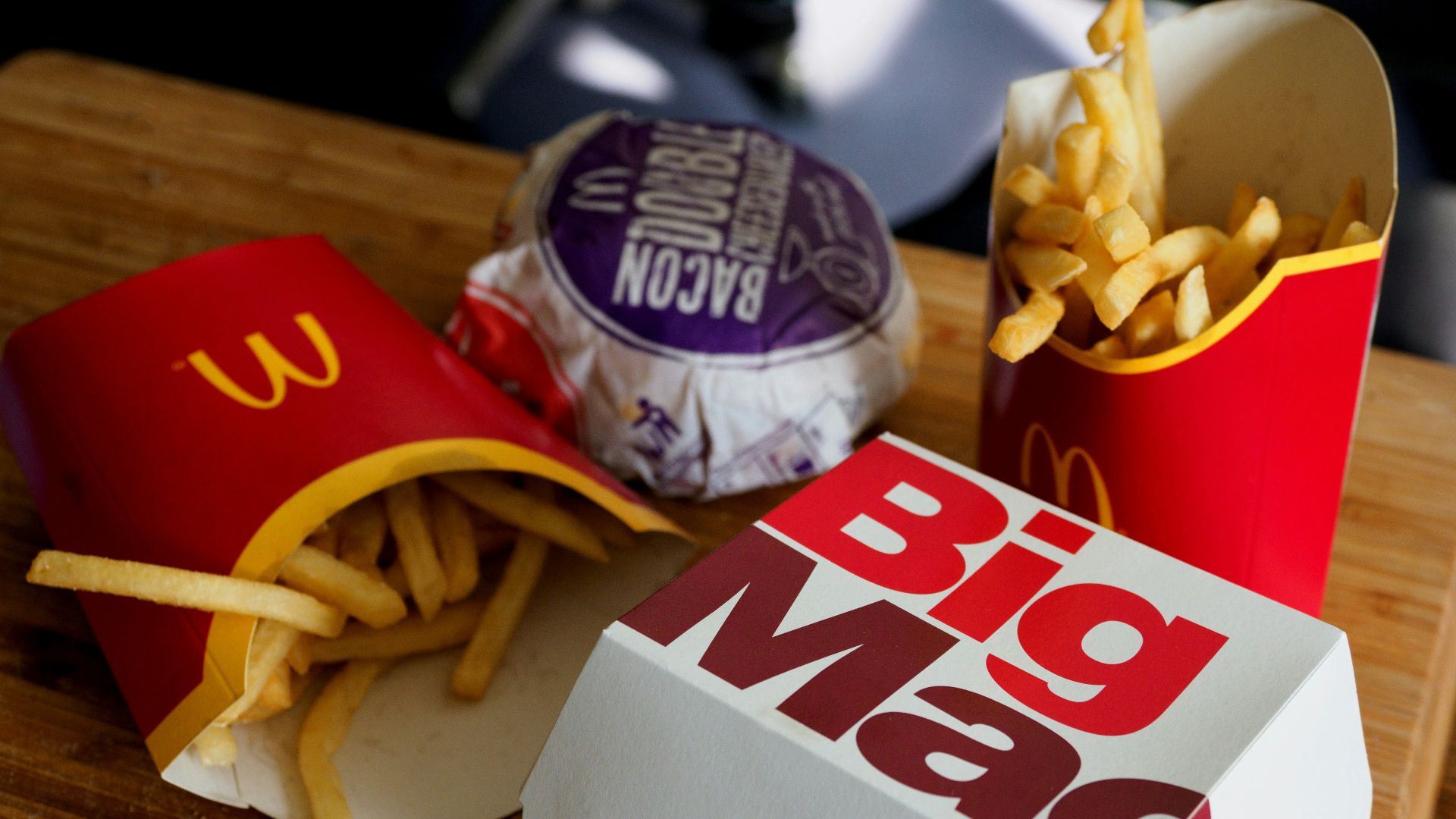
1. McDonald's
The fries still hit, and the brand recognition is unmatched anywhere on the planet, but the actual food quality has drifted over the past decade. Complaints about undercooked patties and broken ice cream machines have become their own running joke. People keep coming back mostly out of habit and convenience, not because the food's improved.
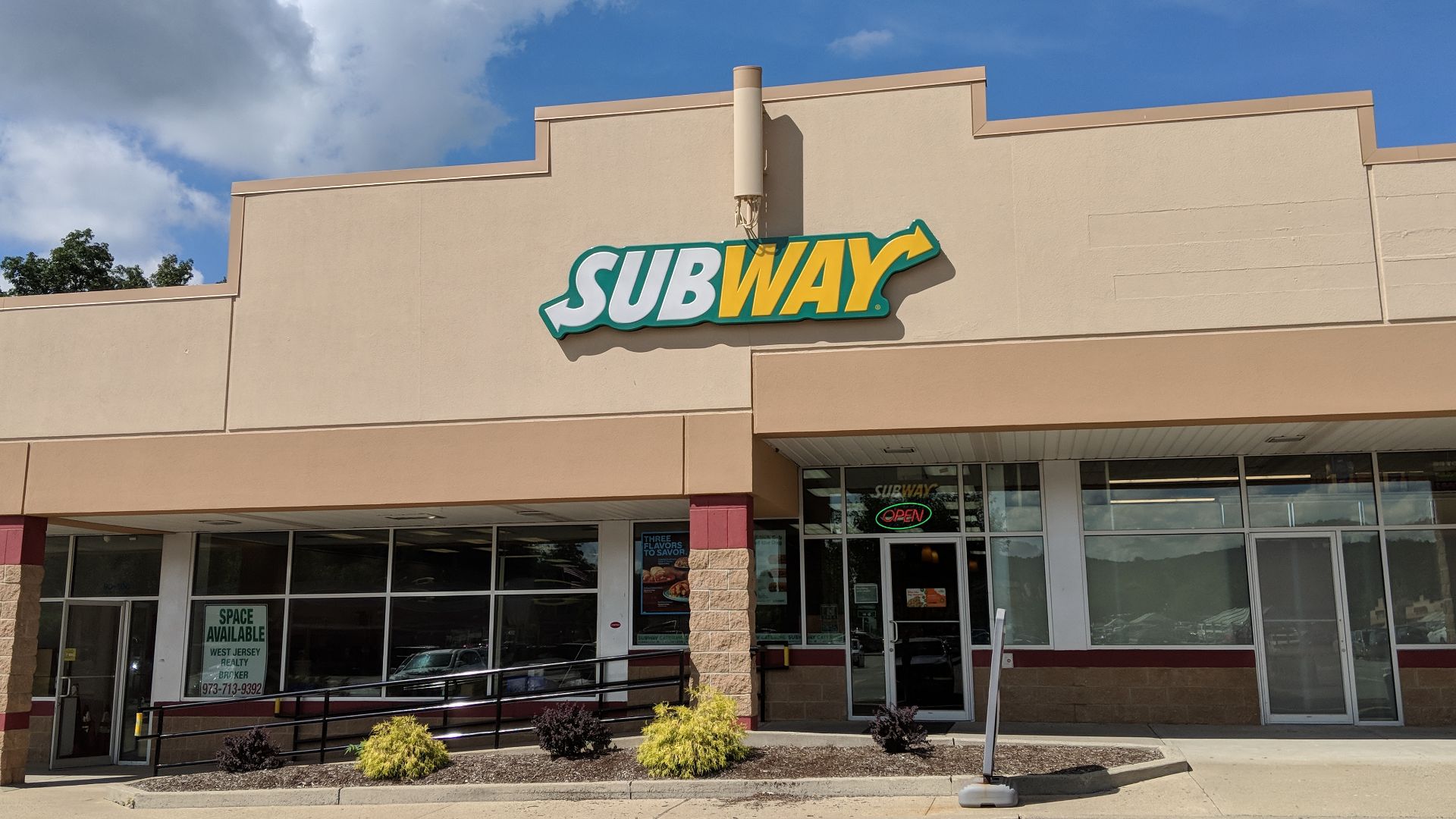
2. Subway
The "sandwich artist" concept promised customization and freshness, but most locations deliver thin meat portions and bread that varies wildly from store to store. A recent menu overhaul helped some, but the brand spent years running on nostalgia for the five-dollar footlong era rather than actual food quality. Loyalty here often comes from proximity, not preference.
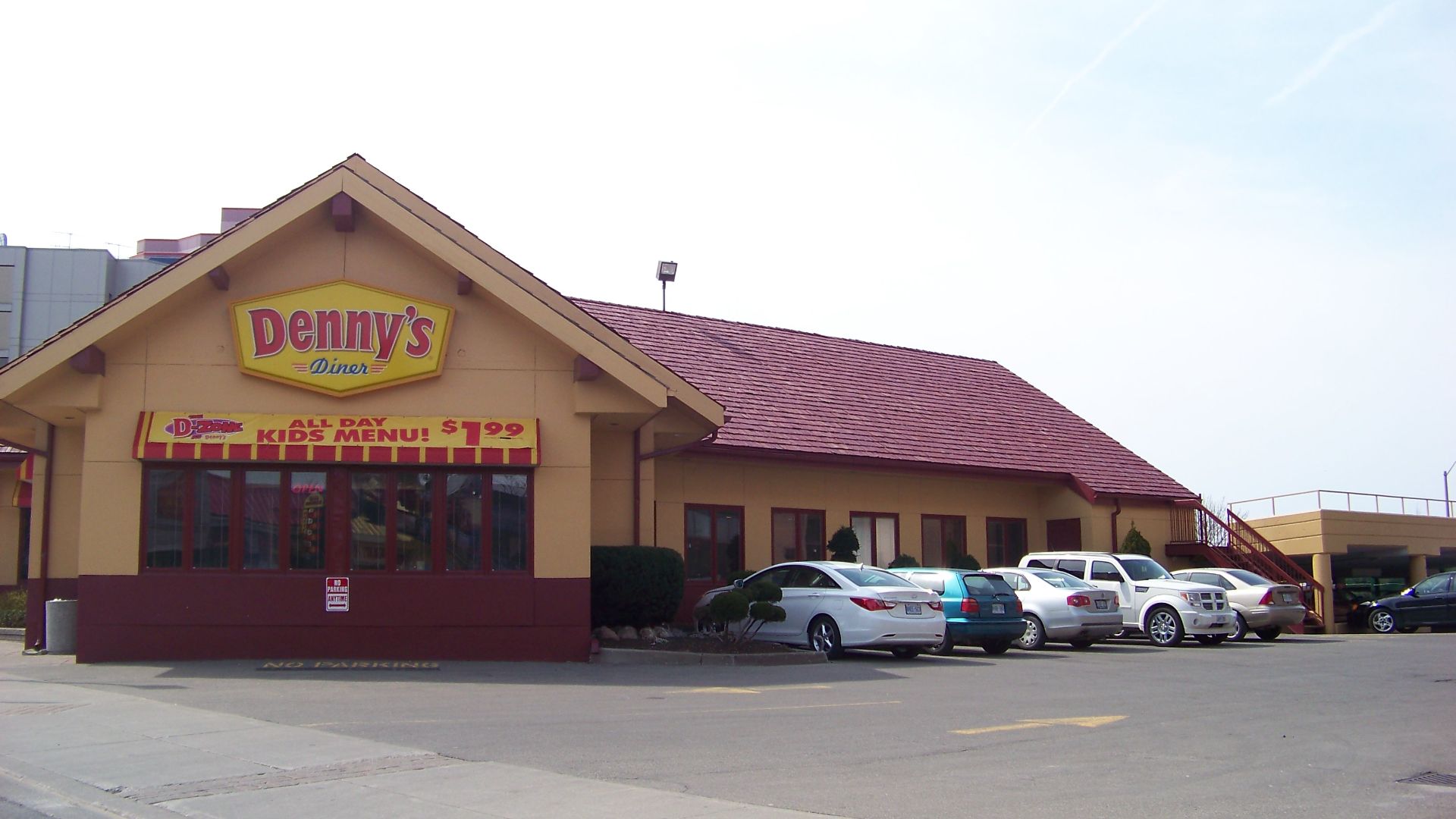
3. Denny's
Open 24 hours, Denny's still pulls in late-night crowds mostly because there's rarely another option nearby. The food itself, from watery eggs to inconsistent hash browns, rarely gets mentioned as a reason people choose to go there. It survives on convenience and memory more than menu strength.
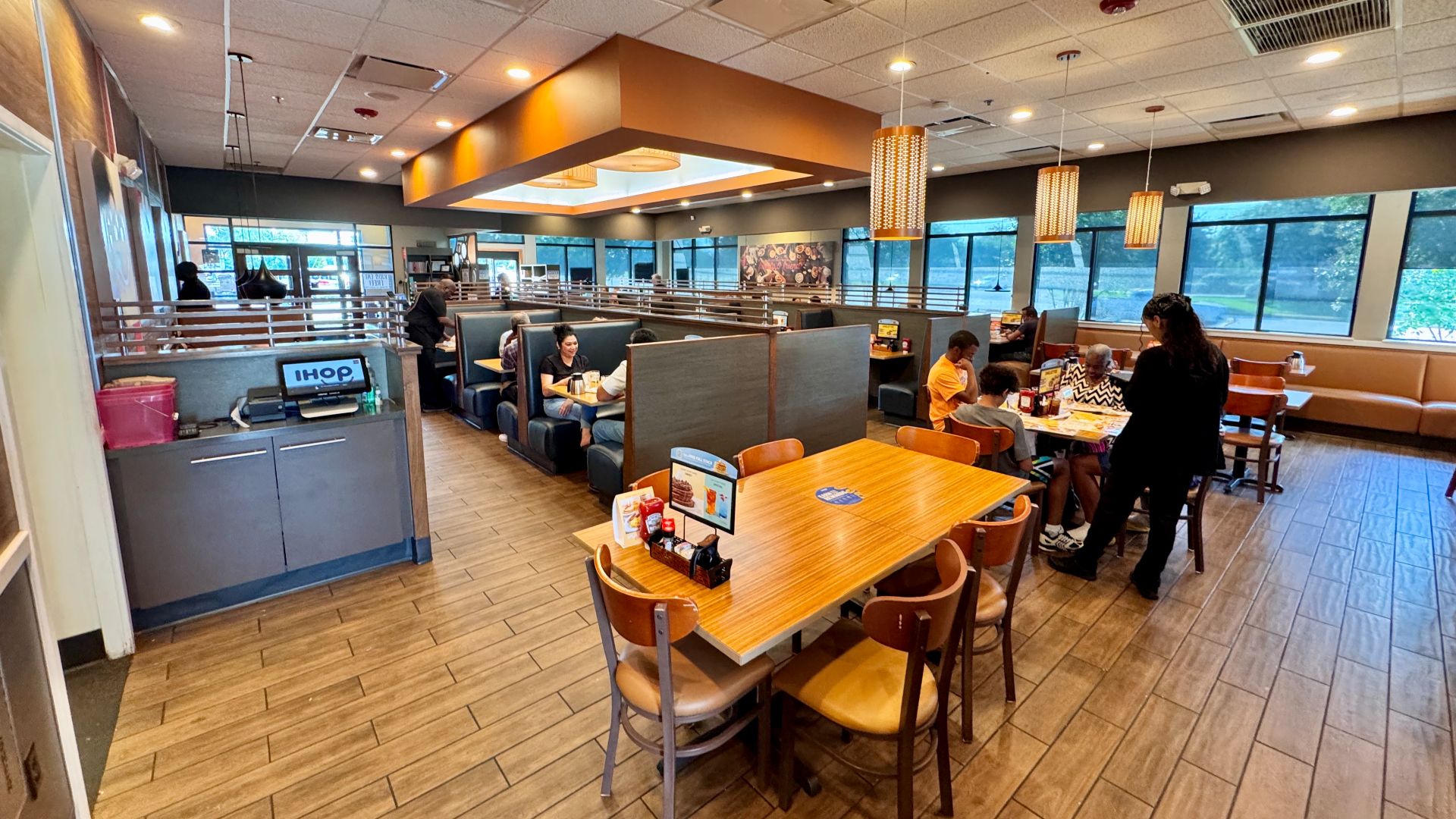
4. IHOP
Pancakes remain the anchor of the brand, but the rest of the menu has expanded into territory that feels like it's trying too hard to be a regular diner. Portion sizes and quality vary by location more than a national chain really should allow. The syrup selection still gets people in the door, even when the eggs disappoint.
5. Red Lobster
Cheddar Bay biscuits built a following strong enough to outlast years of financial trouble and shrinking menus at the company behind them. Seafood quality has become a gamble depending on the location and the day, which is a rough position for a chain built entirely around seafood. The biscuits alone have carried more of the brand's reputation than they probably should.
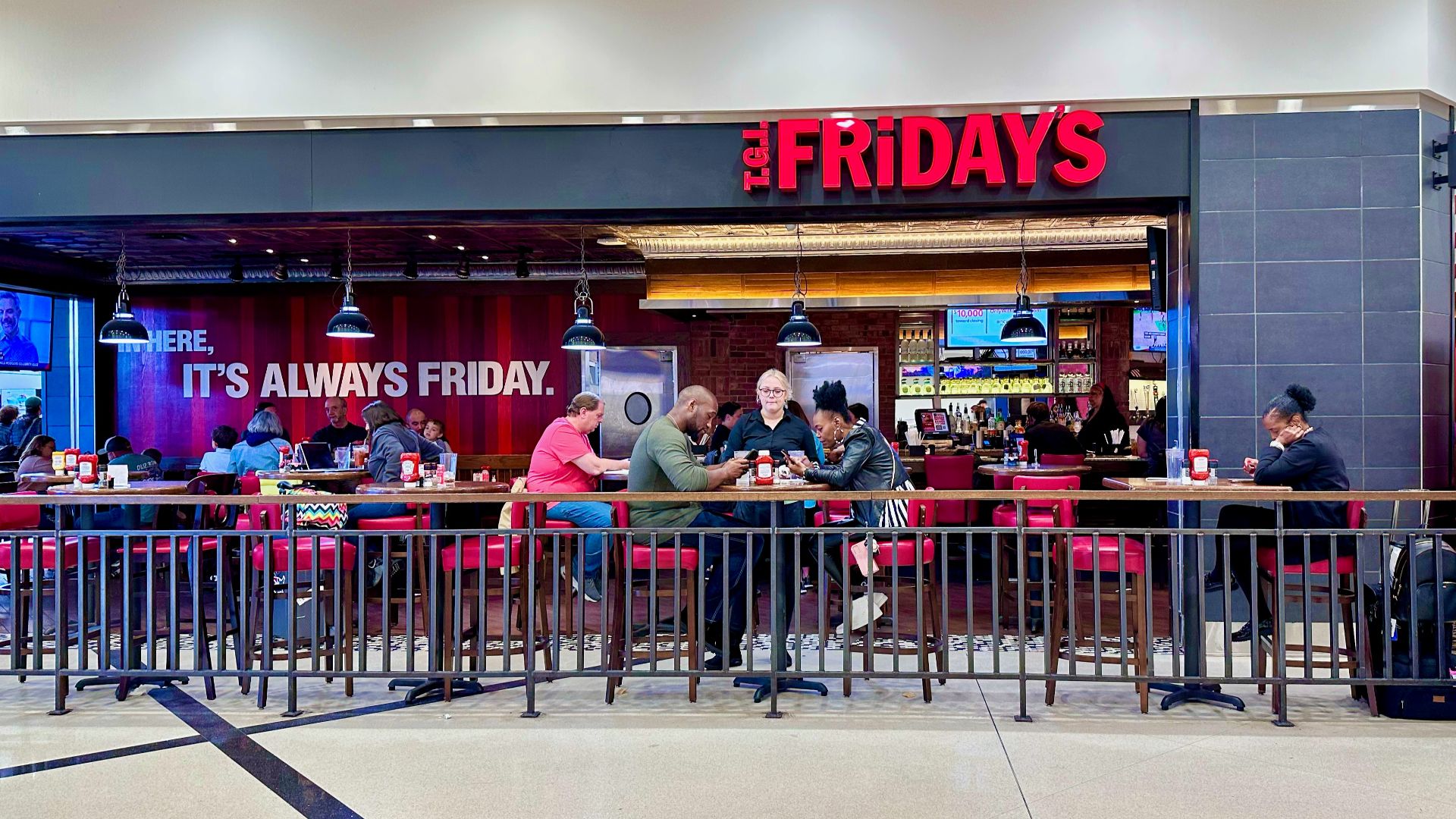
6. TGI Fridays
Once a real destination for casual dining, Fridays has spent the last several years closing locations and shrinking its footprint across the country. The menu still leans on the appetizer sampler formula that made it famous decades ago, without much evolution since. Brand recognition has outlasted the actual dining experience by a wide margin.
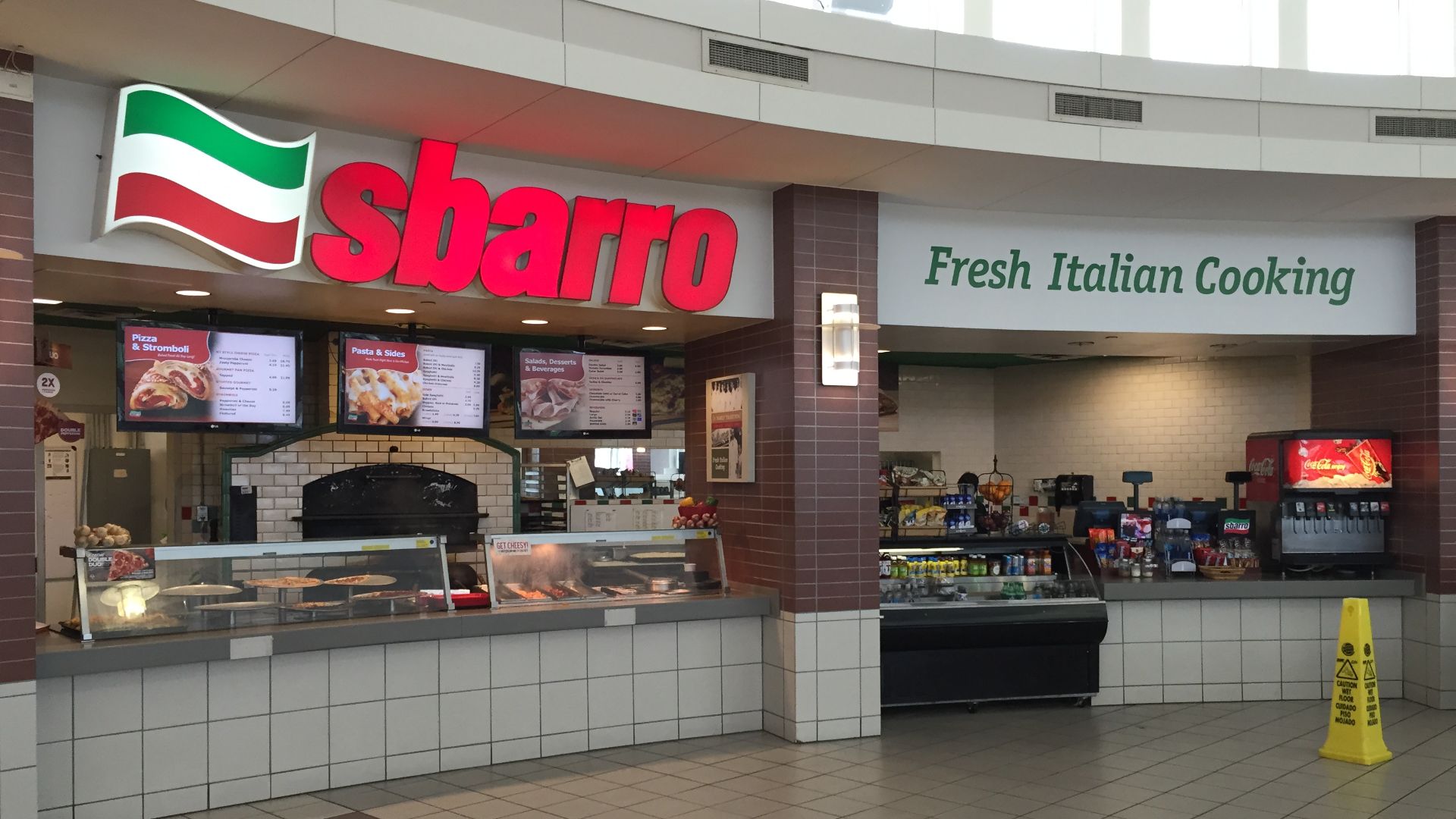
7. Sbarro
Mall food courts made Sbarro a household name, mostly by being the only pizza option within walking distance of a department store. The pizza itself sits under heat lamps for hours at a time, and most people ordering it know exactly what they're getting into. It survives on location monopoly more than any real culinary reputation.
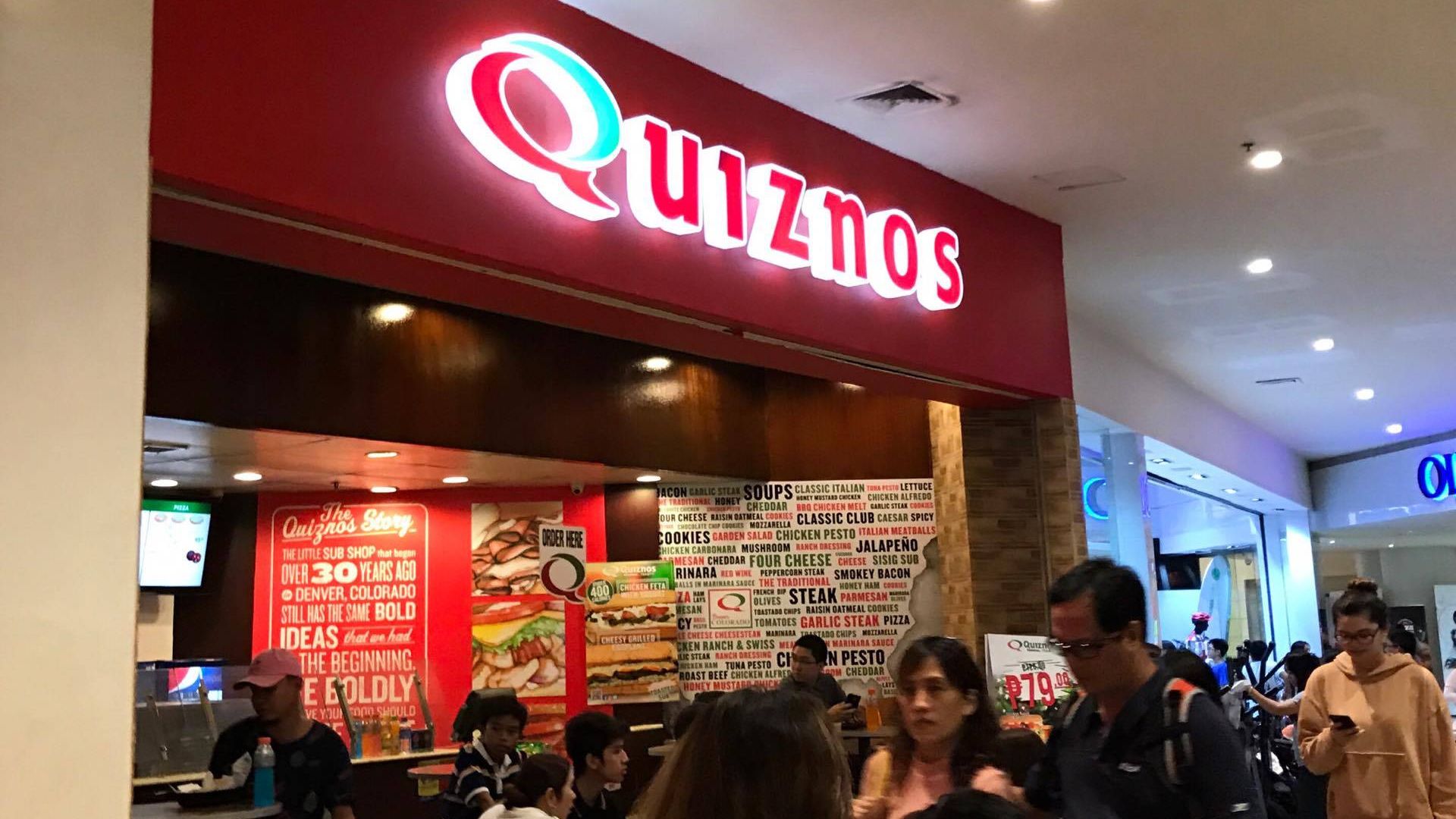
8. Quiznos
Quiznos used to compete directly with Subway on quality and toasted bread, but aggressive franchise costs and quality slips led to a wave of closures that shrank the brand dramatically. What's left trades almost entirely on memories from a decade when it actually mattered. Finding one at all has become the bigger challenge these days.
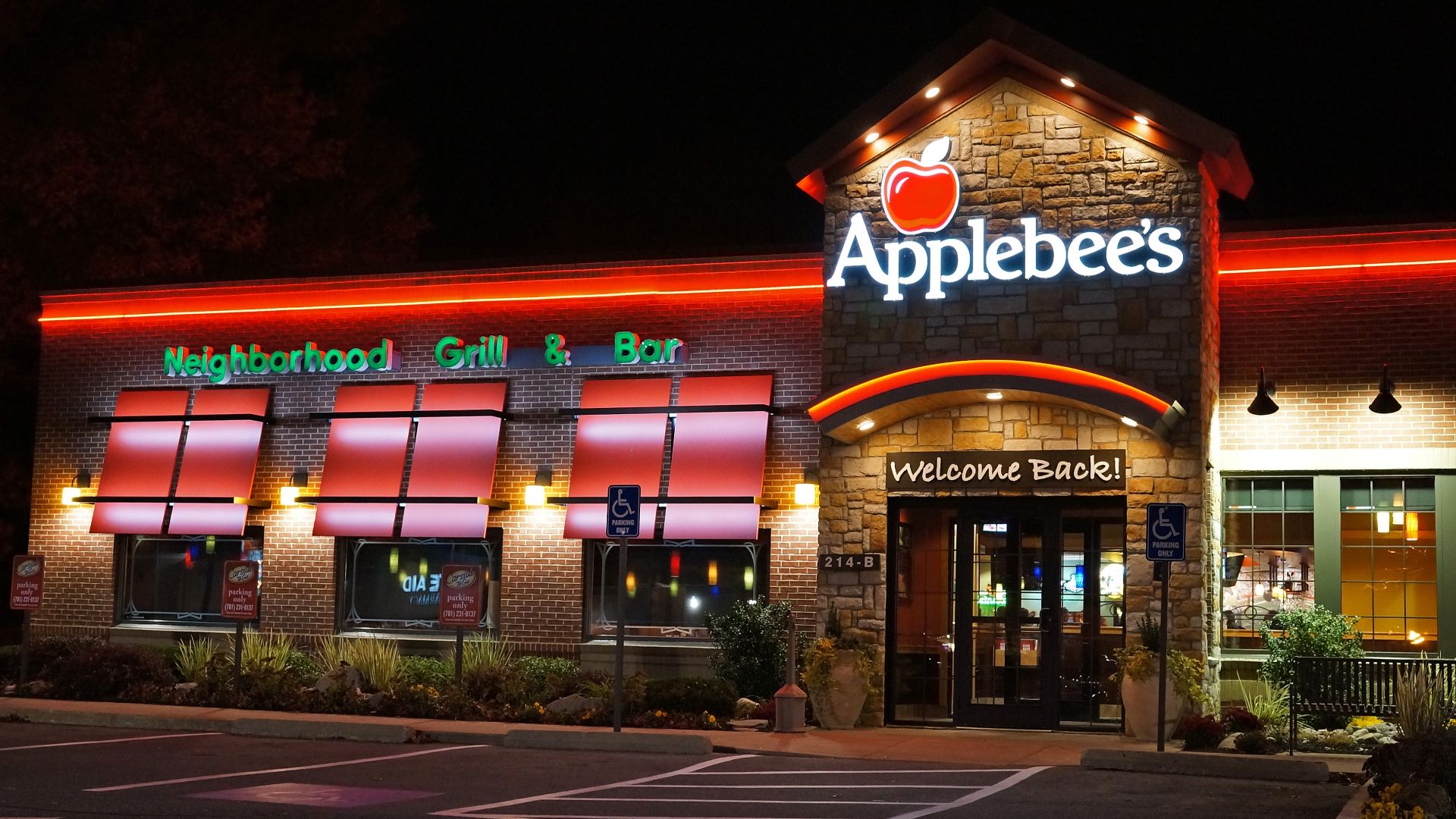
9. Applebee's
Half-price appetizers and a familiar dining room layout kept Applebee's relevant through sheer consistency of experience rather than food that stands out. Menu items rotate through trends without ever building a dish people specifically crave. The brand functions more as a reliable meeting spot than a food destination.
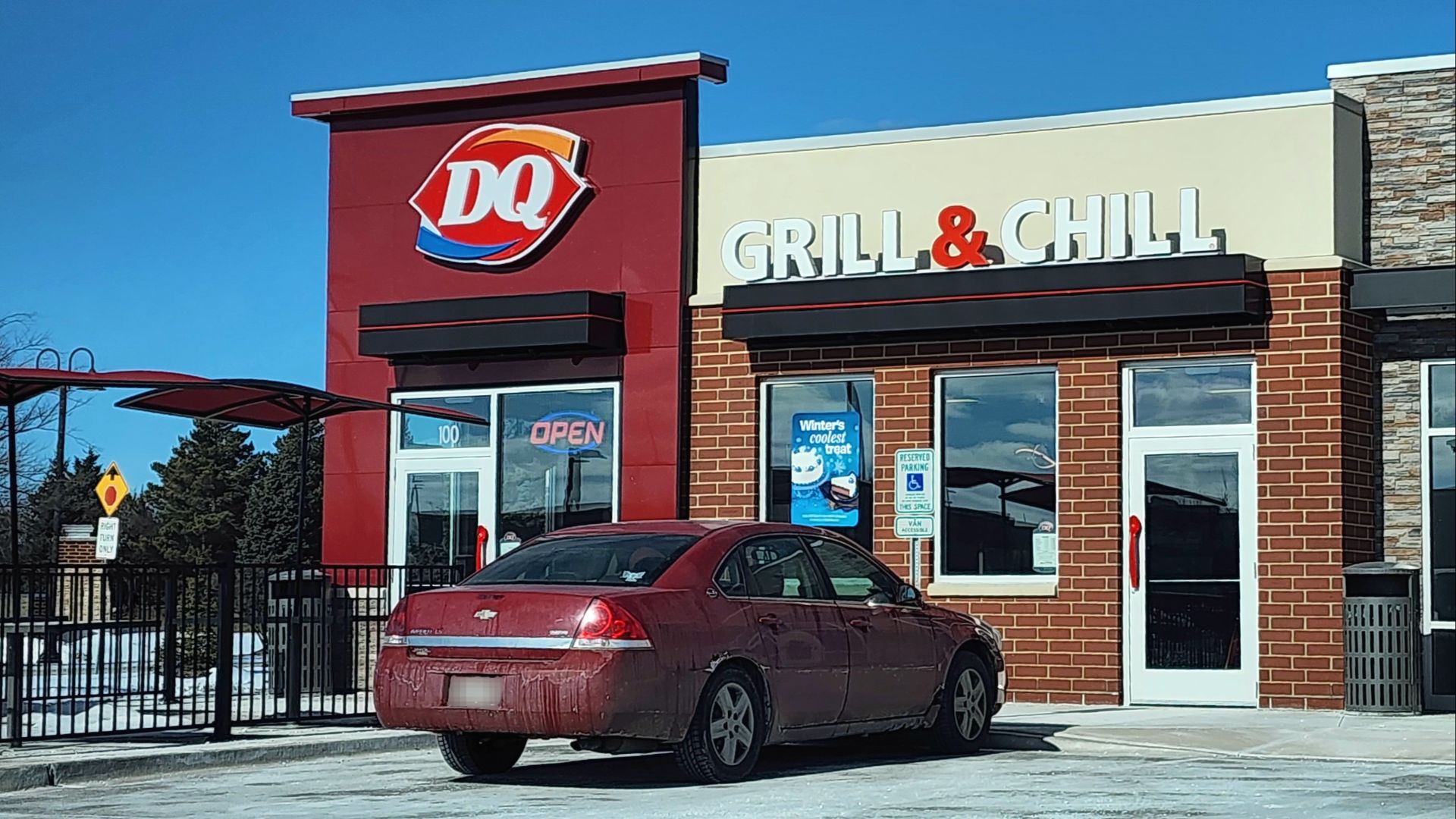
10. Dairy Queen
The Blizzard carries the entire brand on its back, strong enough that most people forget Dairy Queen also sells burgers and fries at all. Food menu items rarely get mentioned in the same breath as the ice cream, and that imbalance says plenty about where the loyalty actually comes from. It's a dessert brand wearing a fast food chain's name tag.
Now, here's 10 that actually earn the hype.
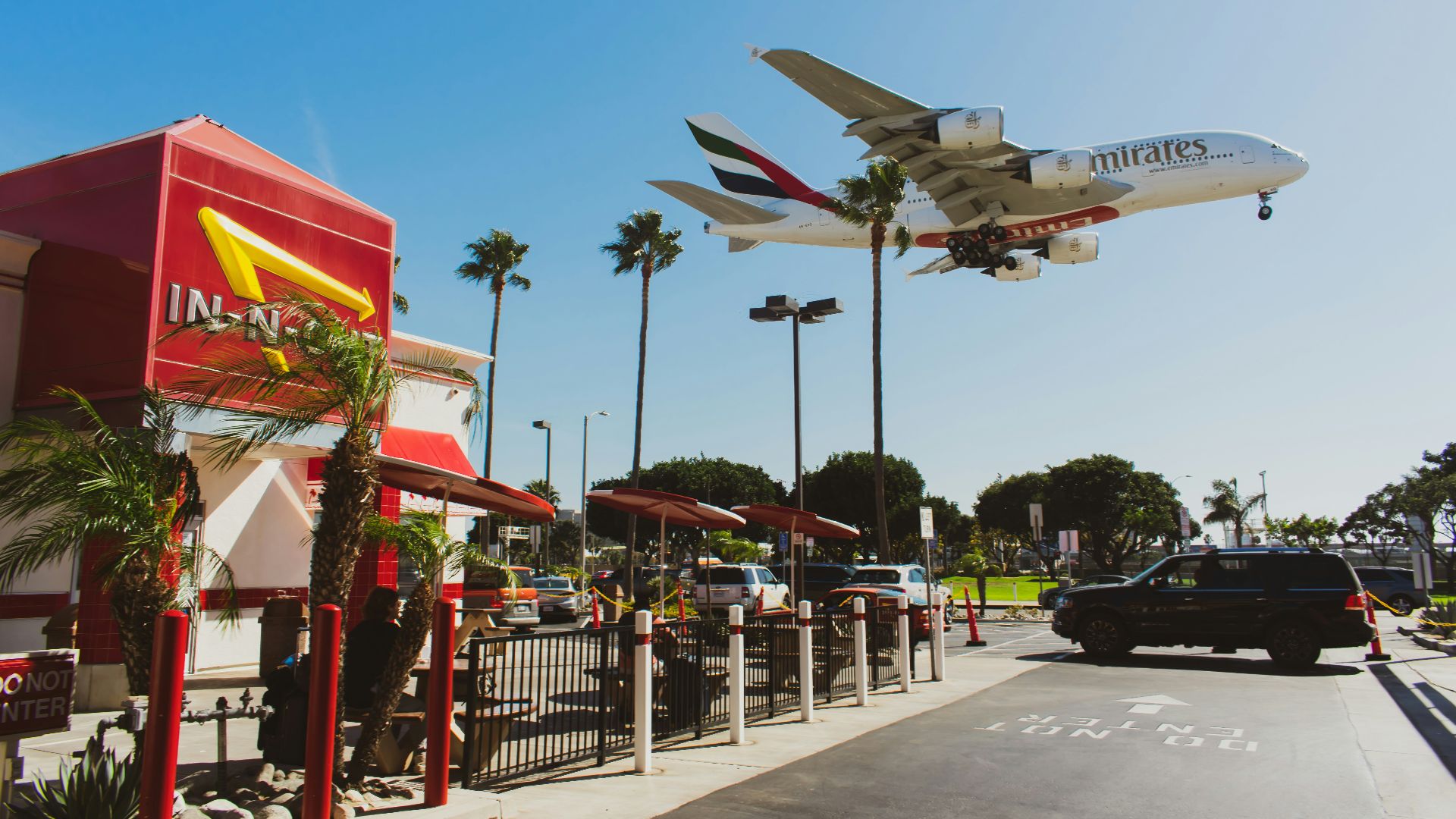
1. In-N-Out
A short menu and a refusal to franchise outside a tight radius have kept In-N-Out's quality remarkably consistent for decades. Fresh ingredients and simple preparation do the rest. The "secret menu" became a cultural phenomenon built entirely on word of mouth, not corporate marketing.
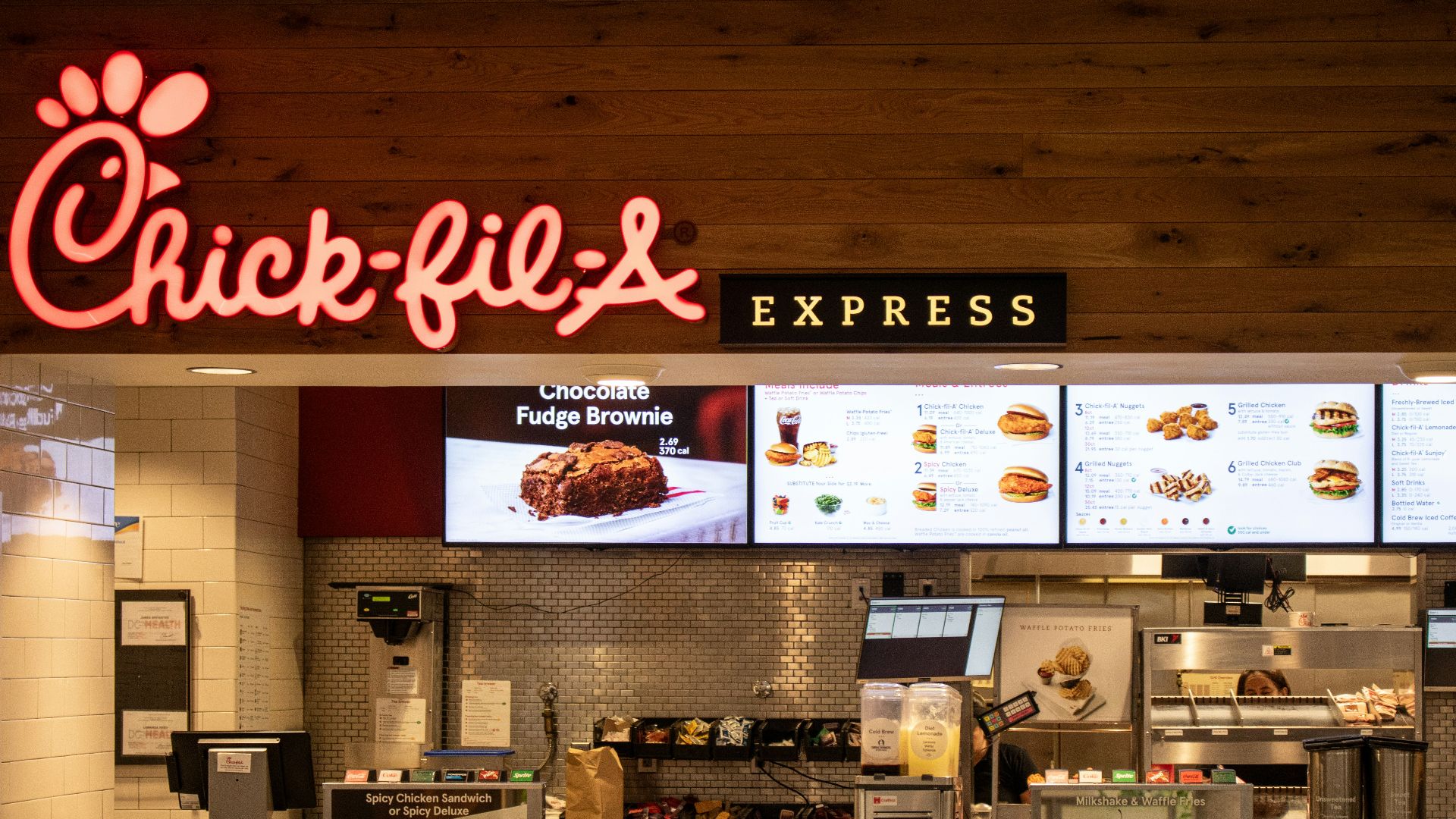
2. Chick-fil-A
Closed on Sundays and still consistently ranked at the top of fast food satisfaction surveys, Chick-fil-A built its reputation on service speed and food consistency rather than nostalgia. Drive-thru lines wrap around buildings, and somehow the operation still moves faster than competitors with half the volume. The sauce alone has spawned its own fan culture.
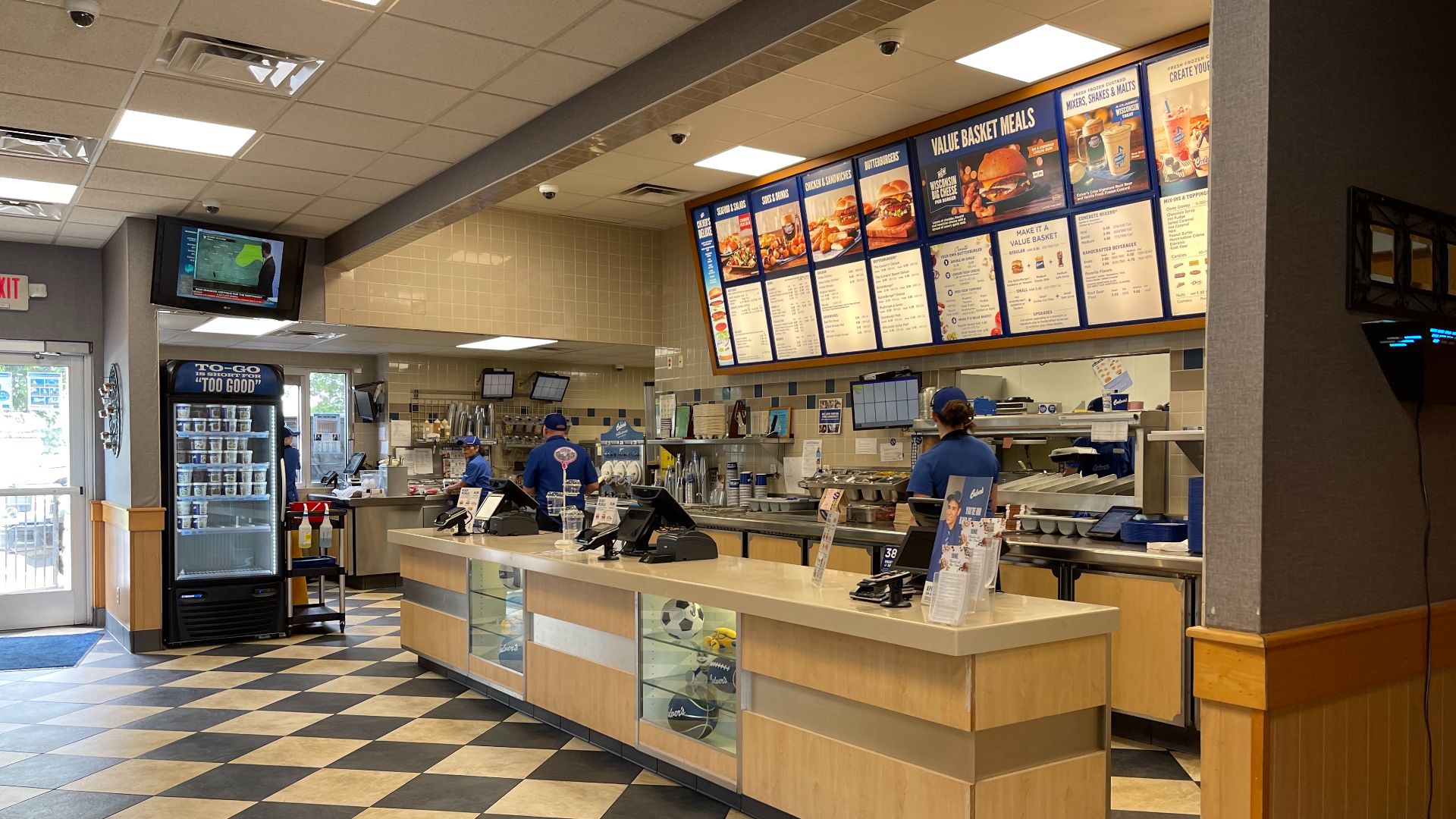
3. Culver's
ButterBurgers and frozen custard built a cult following that spread from Wisconsin roots into a national chain without losing the quality that made it popular in the first place. Staff hospitality gets mentioned almost as often as the food itself in customer reviews. Expansion happened slowly enough that quality control never seemed to slip.
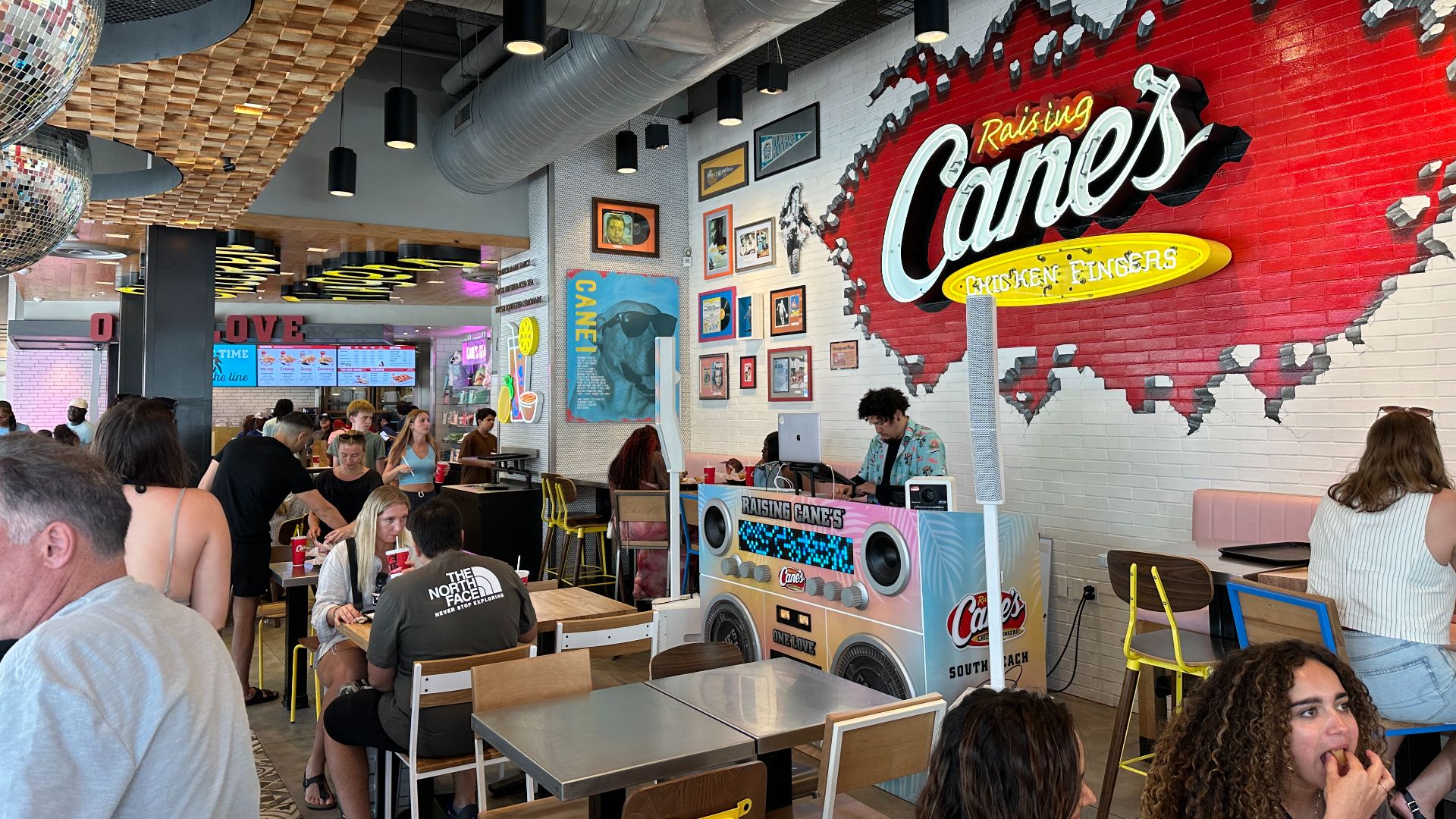
4. Raising Cane's
A four-item menu sounds like a risky bet, but Cane's turned that simplicity into one of the most consistent fast food experiences available anywhere. The sauce recipe stayed locked down and unchanged since the beginning, and customers treat it like a trade secret worth protecting. Lines out the door happen regularly, and the food backs up the hype every time.
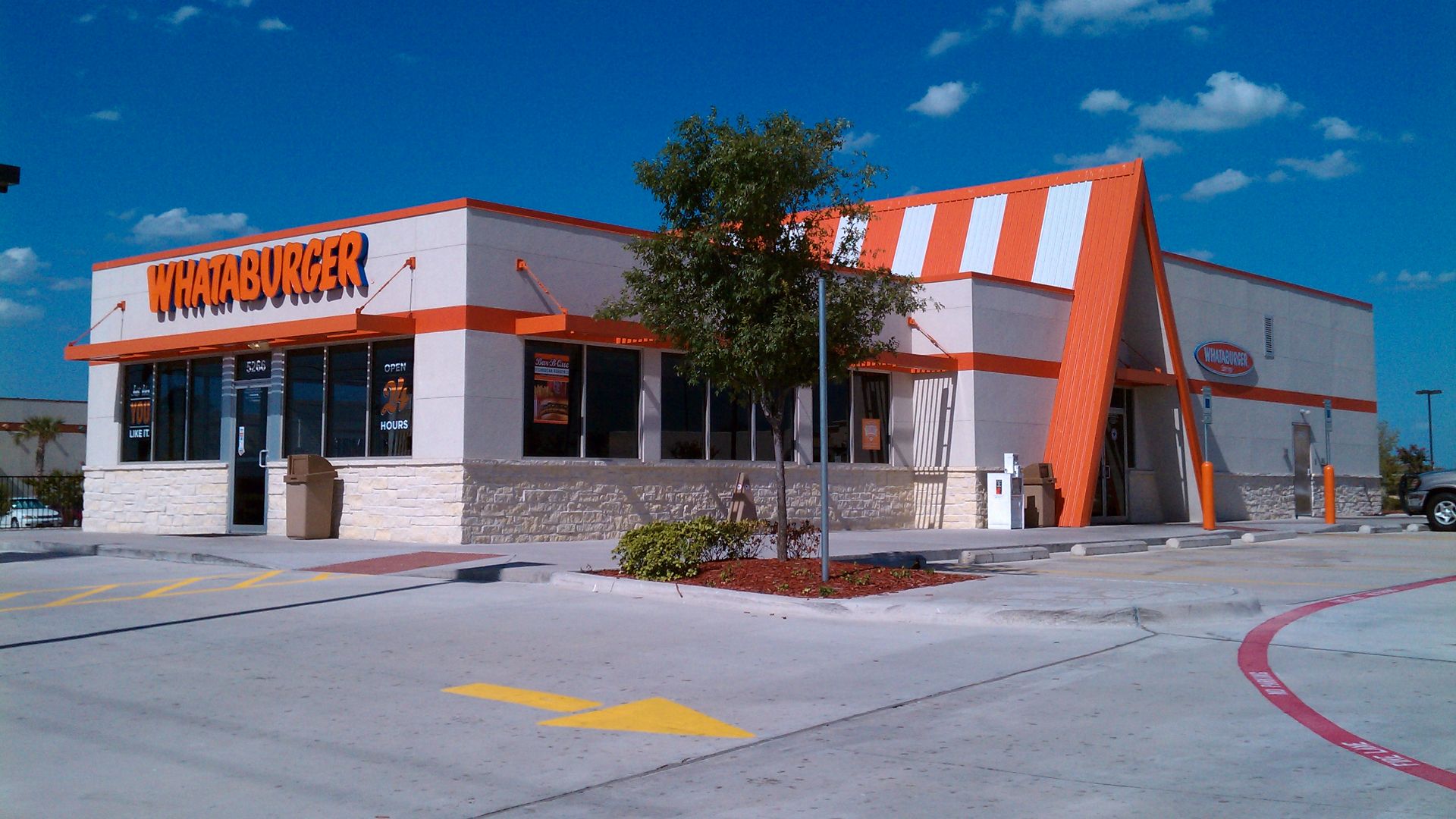
5. Whataburger
Texas loyalty runs deep, but Whataburger earned that loyalty through a menu that stayed distinct from national competitors instead of chasing every trend. The orange and white stripes became a real point of regional pride rather than just a logo. Expansion outside Texas has been slow and careful, protecting the consistency that built the following.
 Jonesdr77 at en.wikipedia on Wikimedia
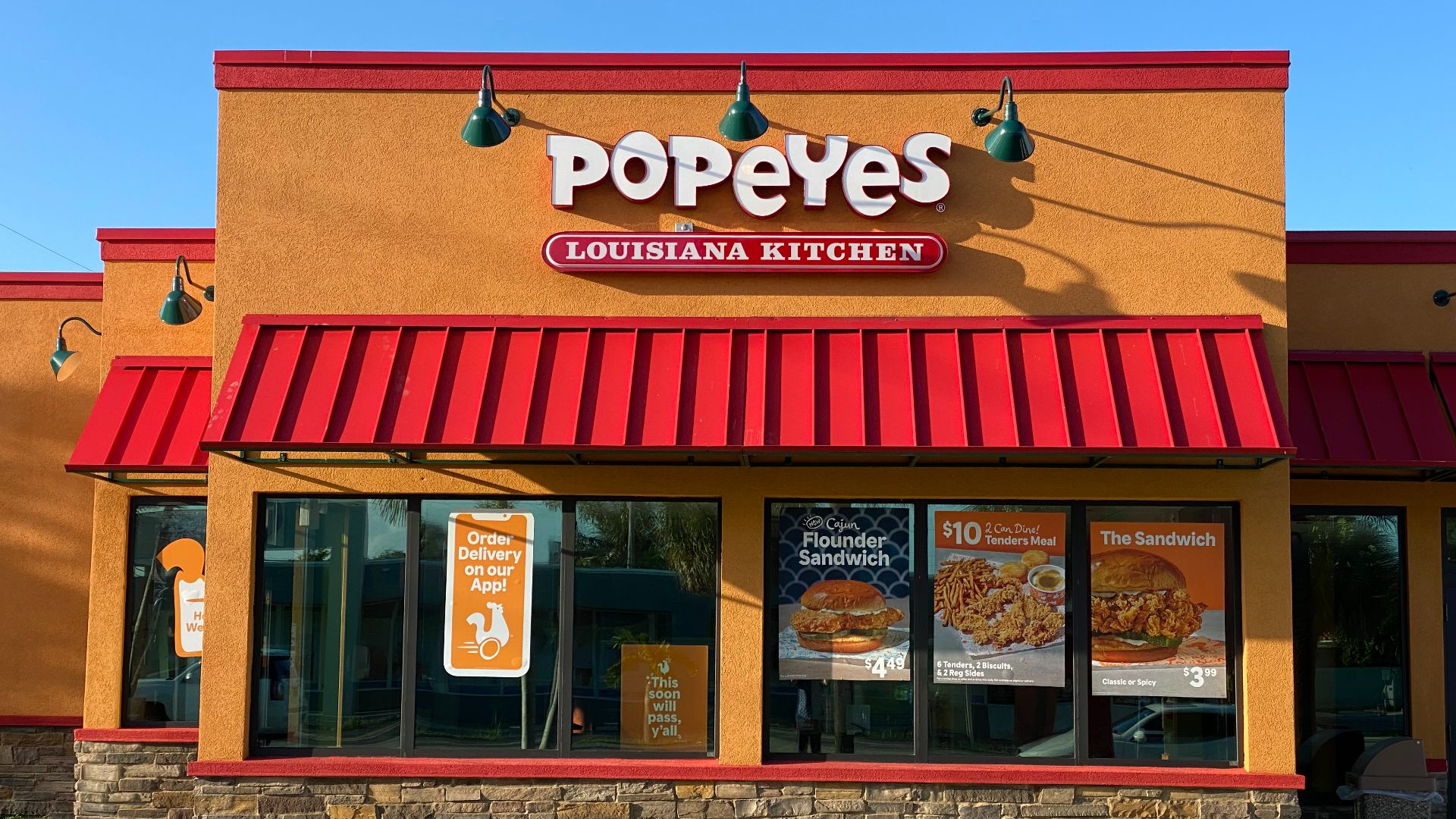
6. Popeyes
The chicken sandwich launch in 2019 turned into a cultural moment, backed by a product that actually held up to the hype once people got their hands on it. Popeyes built on that momentum instead of letting it fade, expanding the menu while keeping the fried chicken quality that started the whole conversation. The brand's reputation grew because the food kept delivering after the initial buzz.
7. Wendy's
Fresh, never-frozen beef became more than a slogan once people actually noticed the difference in the burgers themselves. The brand's social media presence built a modern following, but the food quality is what turned that attention into actual customers. Wendy's earned a reputation for punching above its weight against much bigger competitors.
8. Chipotle
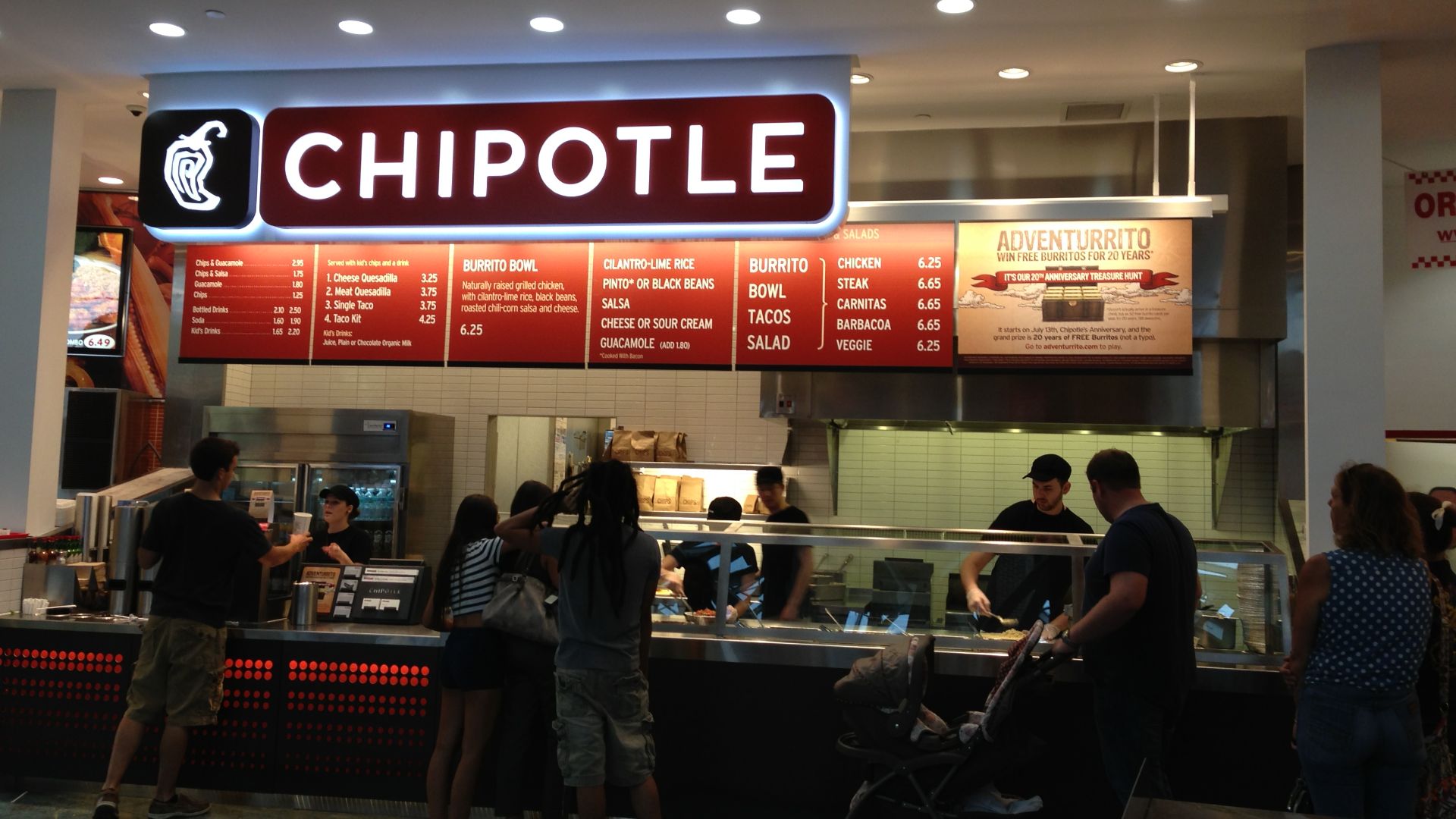
Despite a rough stretch with food safety issues years back, Chipotle rebuilt trust by overhauling ingredient sourcing and kitchen practices rather than just running new ad campaigns. Portion size and customization kept customers loyal even during the recovery period. The comeback itself became part of the brand's credibility.
9. Five Guys
Burgers cooked to order with a fully customizable topping list built a following based on the food, not marketing gimmicks or mascots. The peanuts in the waiting area and the massive fry portions became beloved quirks rather than corporate decisions. Five Guys earned its price point by consistently delivering on quality.
10. Portillo's
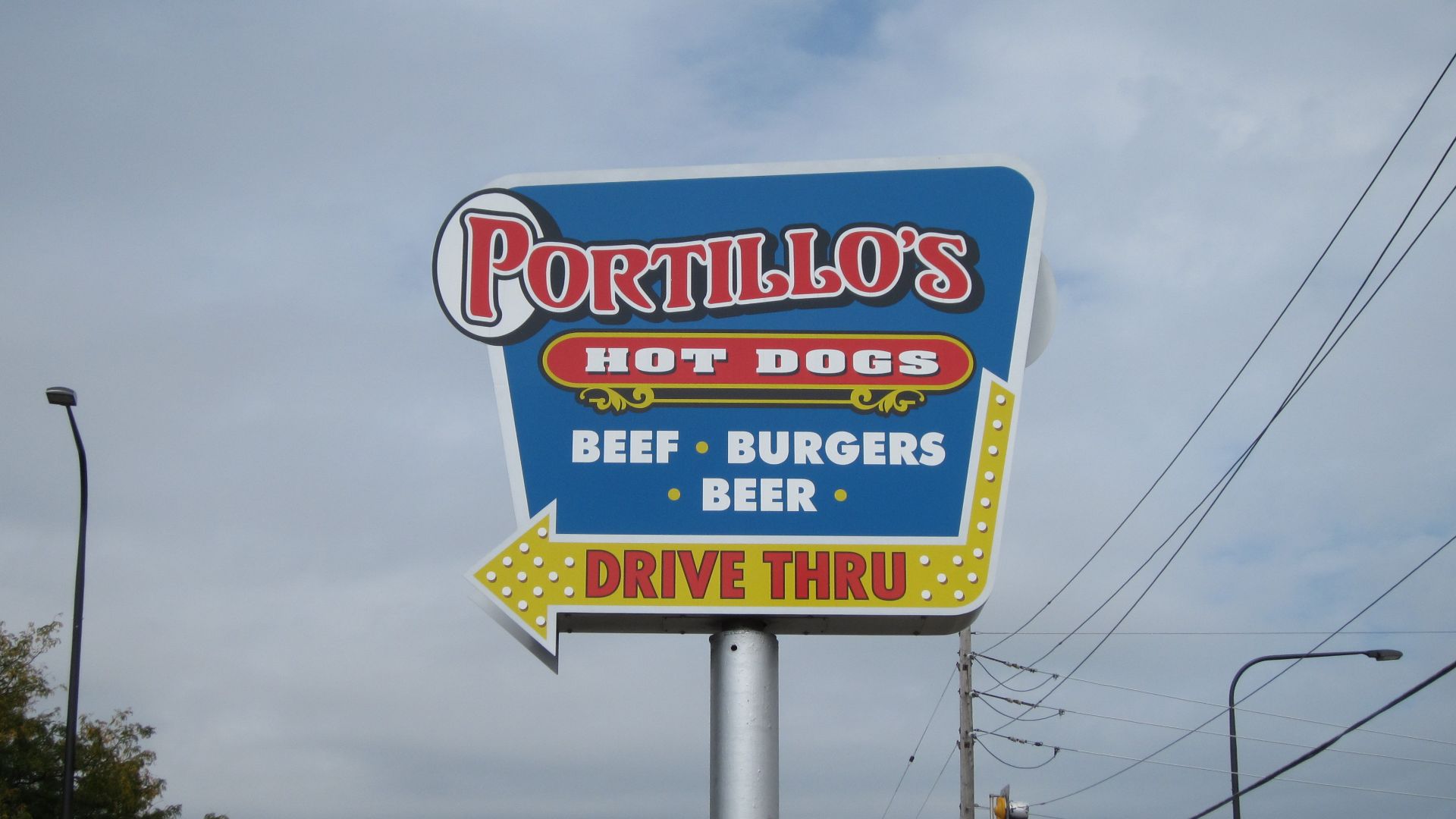
A regional Chicago favorite that expanded carefully enough to protect the Italian beef and hot dog quality that built its original following. Lines wrap around the building at most locations, and customers treat the wait as part of the experience. Portillo's reputation grew from the food first, with the brand recognition following behind it.