Fast Food's Success or Failure Beyond Its Home Market
Expanding a fast food chain internationally sounds straightforward until different eating habits, local competitors, real estate costs, supply chains, and cultural expectations enter the picture. Some brands have become remarkably skilled at keeping their recognizable identity while adjusting menus and operations for individual countries, allowing them to build substantial businesses far from home. These 10 fast food chains successfully moved abroad, while another 10 found that international expansion doesn't always go according to plan.
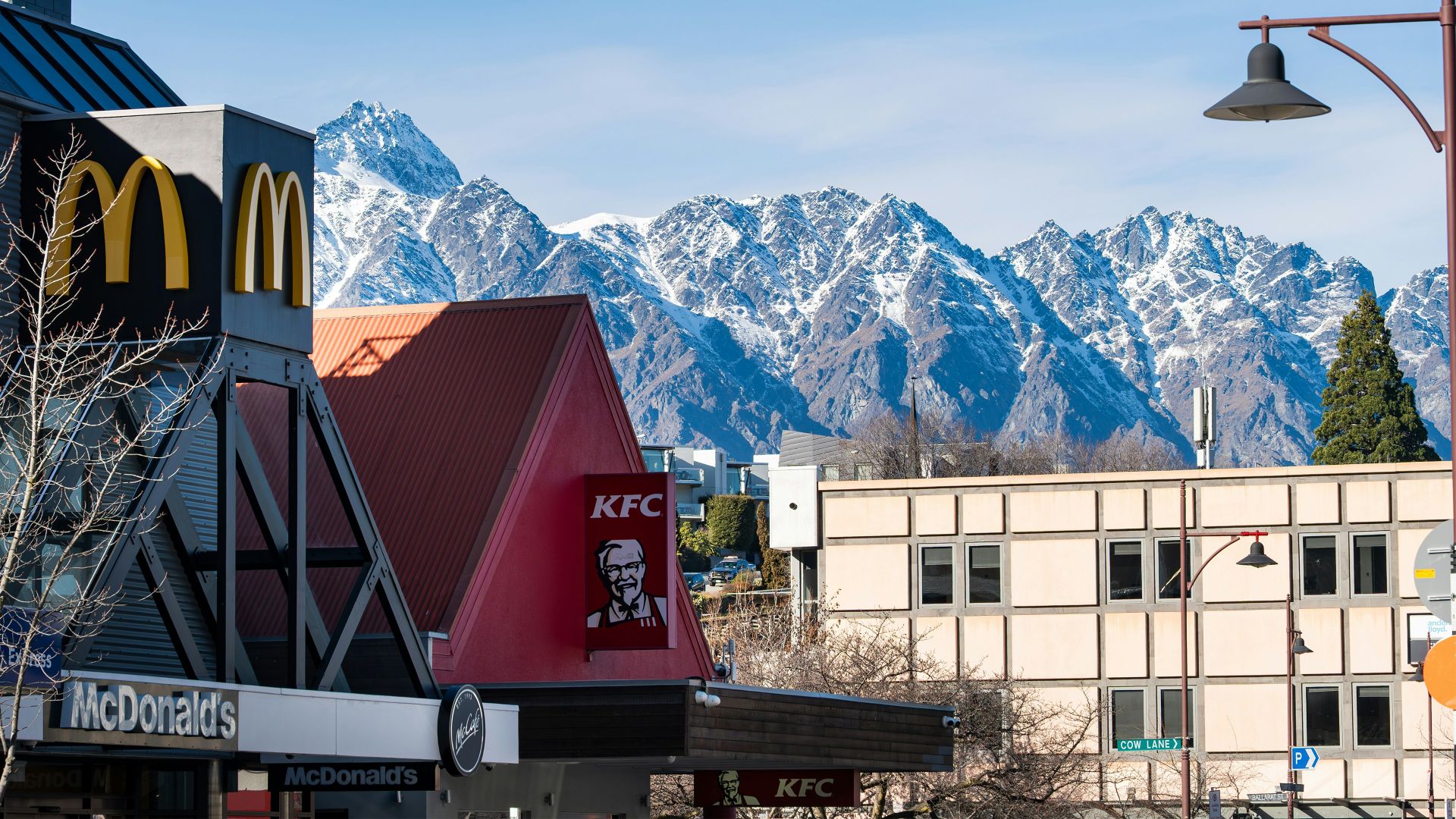
1. McDonald’s
Few restaurant chains demonstrate international expansion more clearly than McDonald’s, which now operates in more than 100 markets. Its familiar burgers and fries provide consistency, while regional menus allow individual countries to accommodate local tastes, dietary customs, and eating habits.
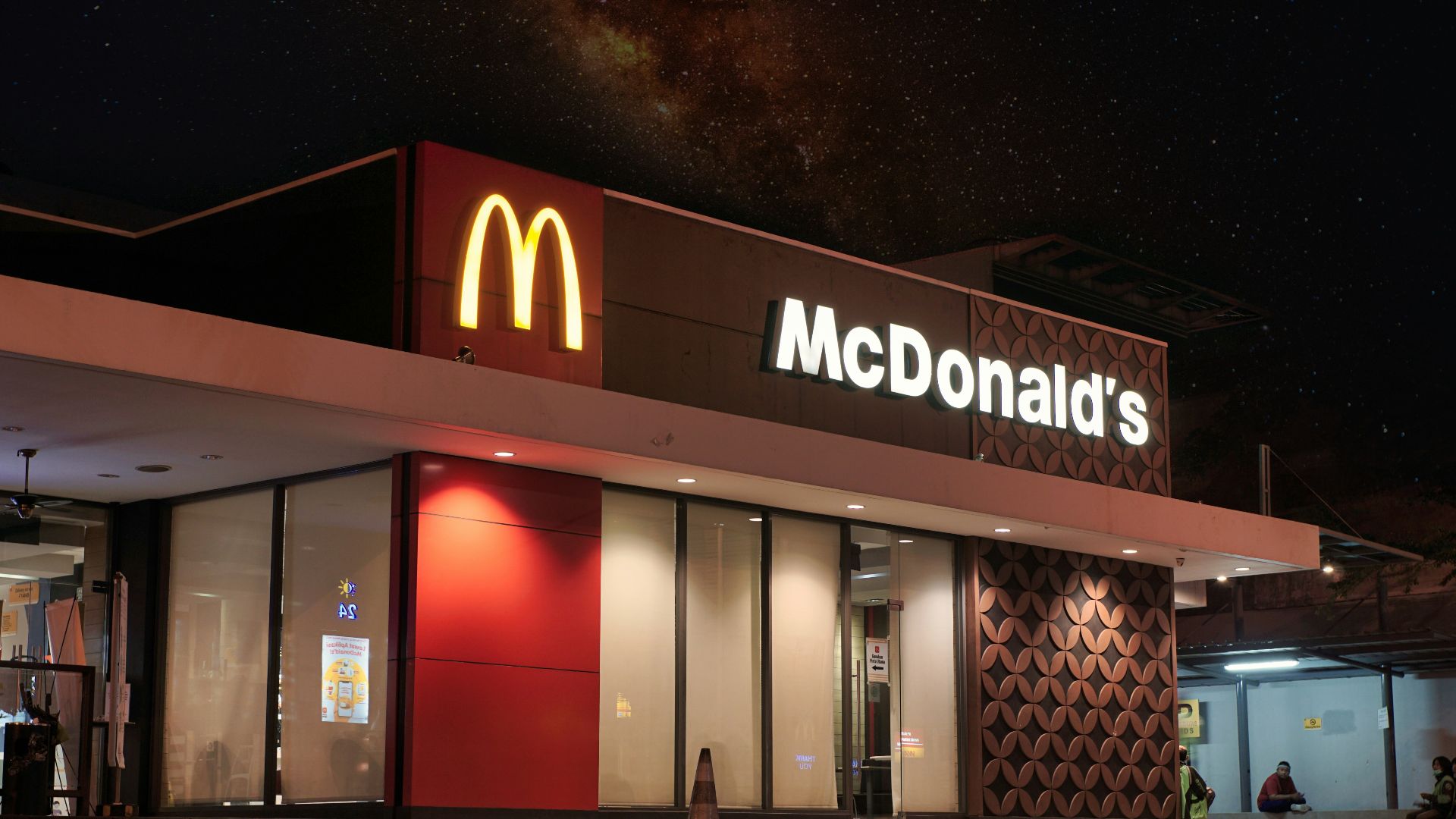
2. KFC
KFC transformed American fried chicken into an enormous international business with restaurants in more than 150 countries. The chain has been successful in Asian, African, and Middle Eastern markets, where local operators frequently adapt side dishes, spice levels, and limited-time products.

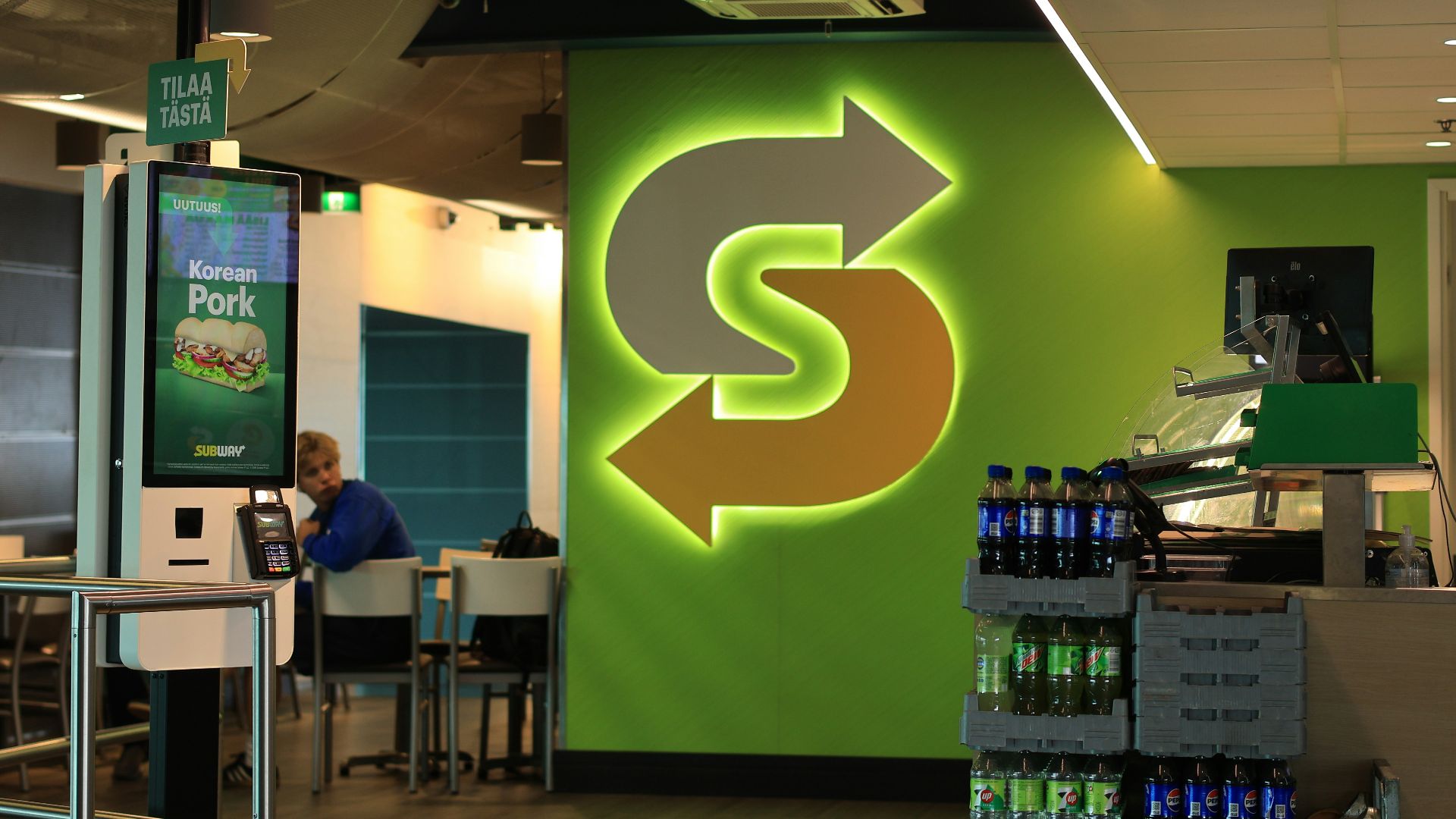
3. Subway
Subway's made-to-order sandwich format proved easy to transport internationally because customers can customize fillings according to local preferences. Menus aren't identical everywhere, but the recognizable counter-service system means customers usually understand the concept immediately.
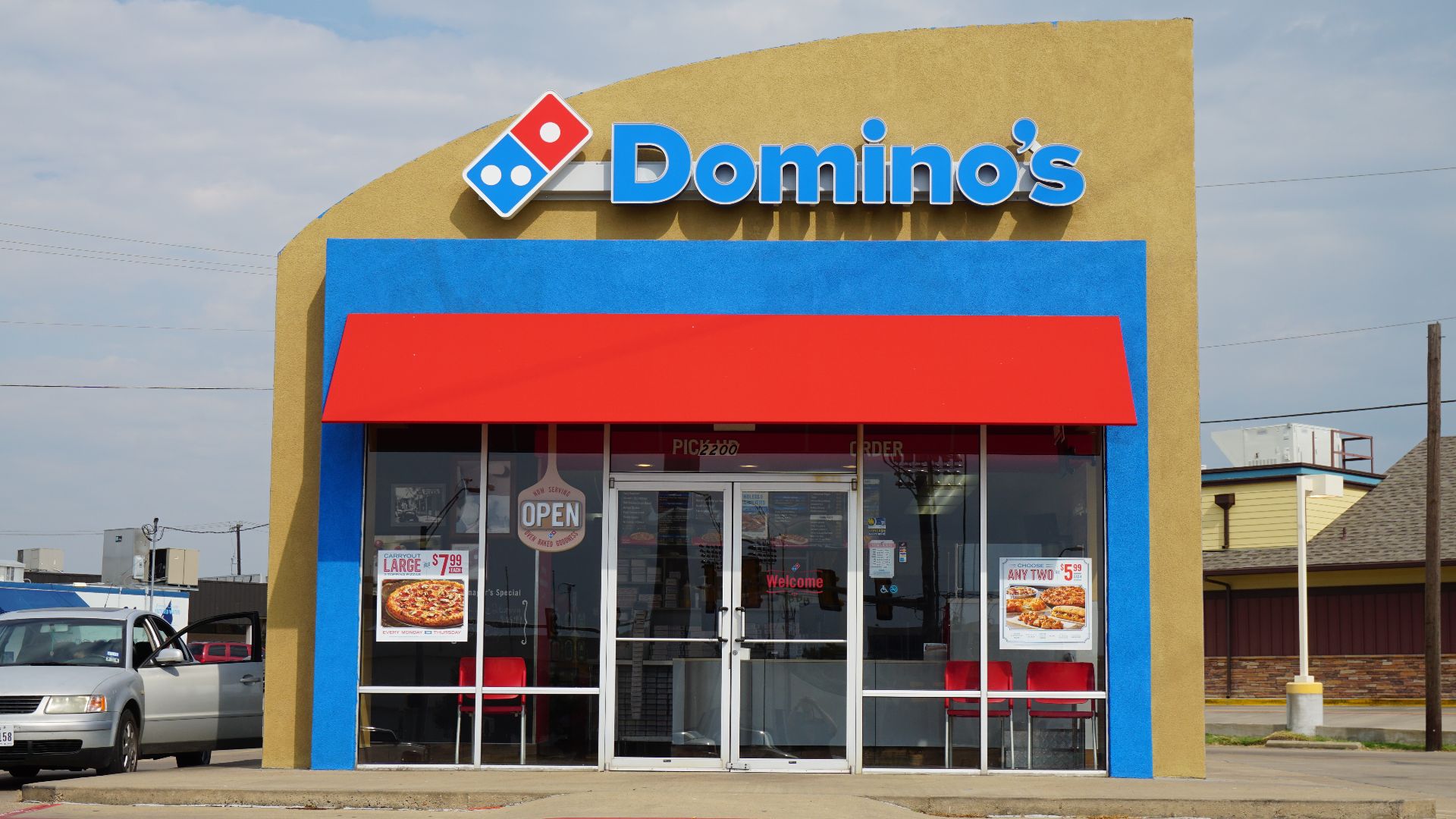
4. Domino’s
Domino’s expanded far beyond its American origins by combining delivery expertise with menus designed for individual markets. India became an especially important international business, where vegetarian toppings and locally familiar flavors helped broaden its customer base.
5. Starbucks
Starbucks took an American coffeehouse model abroad and managed to build major businesses in countries with very different existing coffee traditions. Japan became its first market outside North America in 1996, followed by extensive expansion across Asia, Europe, and the Middle East.

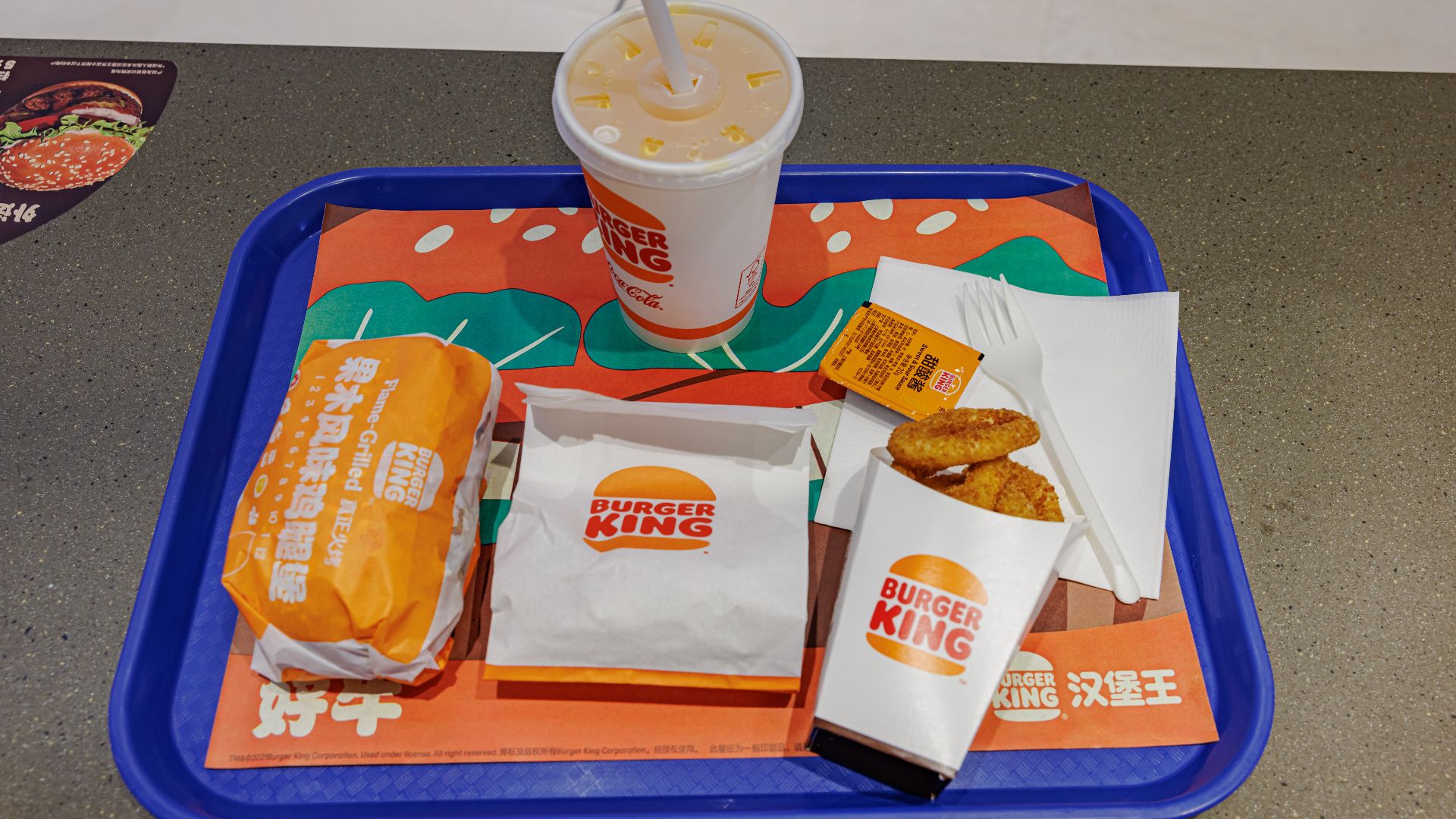
6. Burger King
Burger King has maintained a large international footprint by adapting its core flame-grilled burger concept rather than replacing it completely. Markets including the United Kingdom, Spain, Brazil, and several Asian countries have supported substantial restaurant networks.
7. Pizza Hut
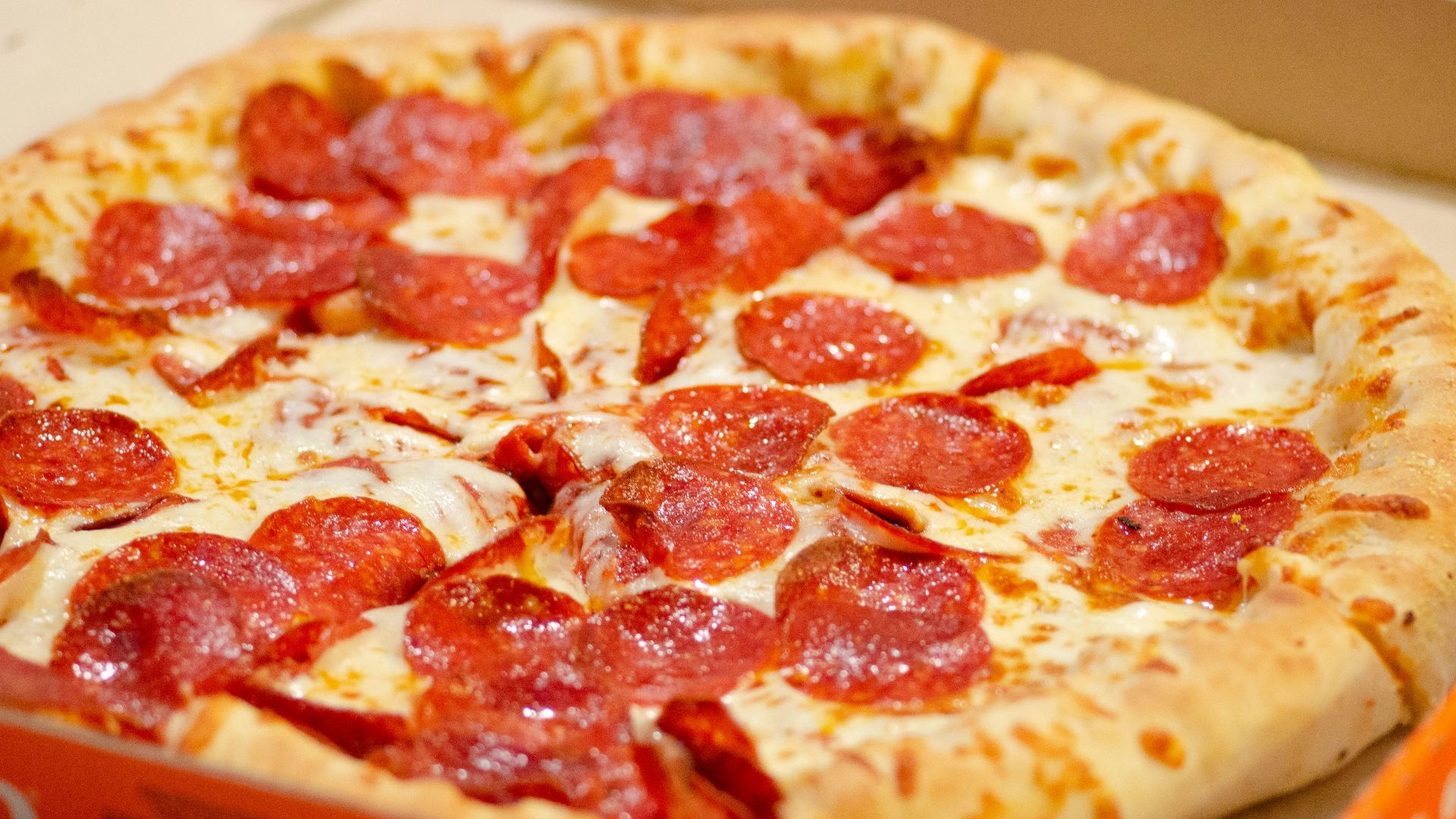
Pizza Hut began expanding internationally decades ago and became particularly prominent across Asia and other regions where its restaurants often evolved beyond the American delivery model. Some countries received larger dine-in menus with locally tailored pizzas, appetizers, and desserts.
8. Jollibee
Philippine-born Jollibee demonstrates that successful international fast food expansion isn't limited to American companies. The chain has established restaurants across North America, the Middle East, Europe, and parts of Asia, often attracting both Filipino communities and new local customers.

9. Tim Hortons
Tim Hortons moved beyond Canada with stores in markets including the United States, the United Kingdom, and several Middle Eastern countries. Coffee and baked goods travel relatively easily, while international locations can adjust food selections and store formats to suit local habits.

10. Popeyes
Popeyes has steadily expanded its Louisiana-style fried chicken into international markets across Europe, Asia, Latin America, and the Middle East. Its arrival in the United Kingdom attracted considerable attention, while other countries have supported growing restaurant networks through franchise partners.
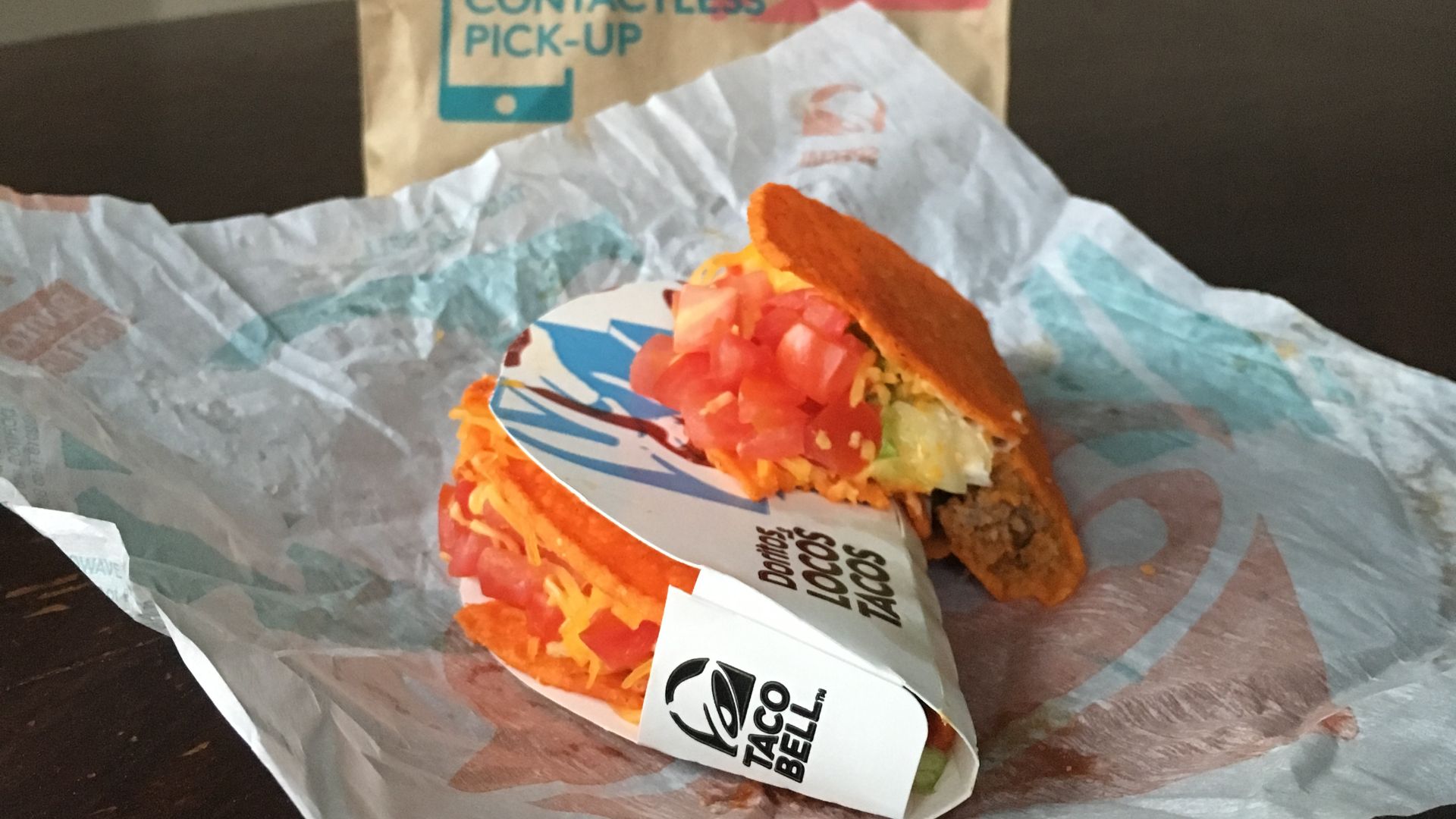
1. Taco Bell In Mexico
Selling Americanized Mexican food in Mexico always presented Taco Bell with an odd and unusual challenge. The chain attempted the market more than once but couldn't build a durable business against inexpensive, familiar local alternatives that customers already understood.
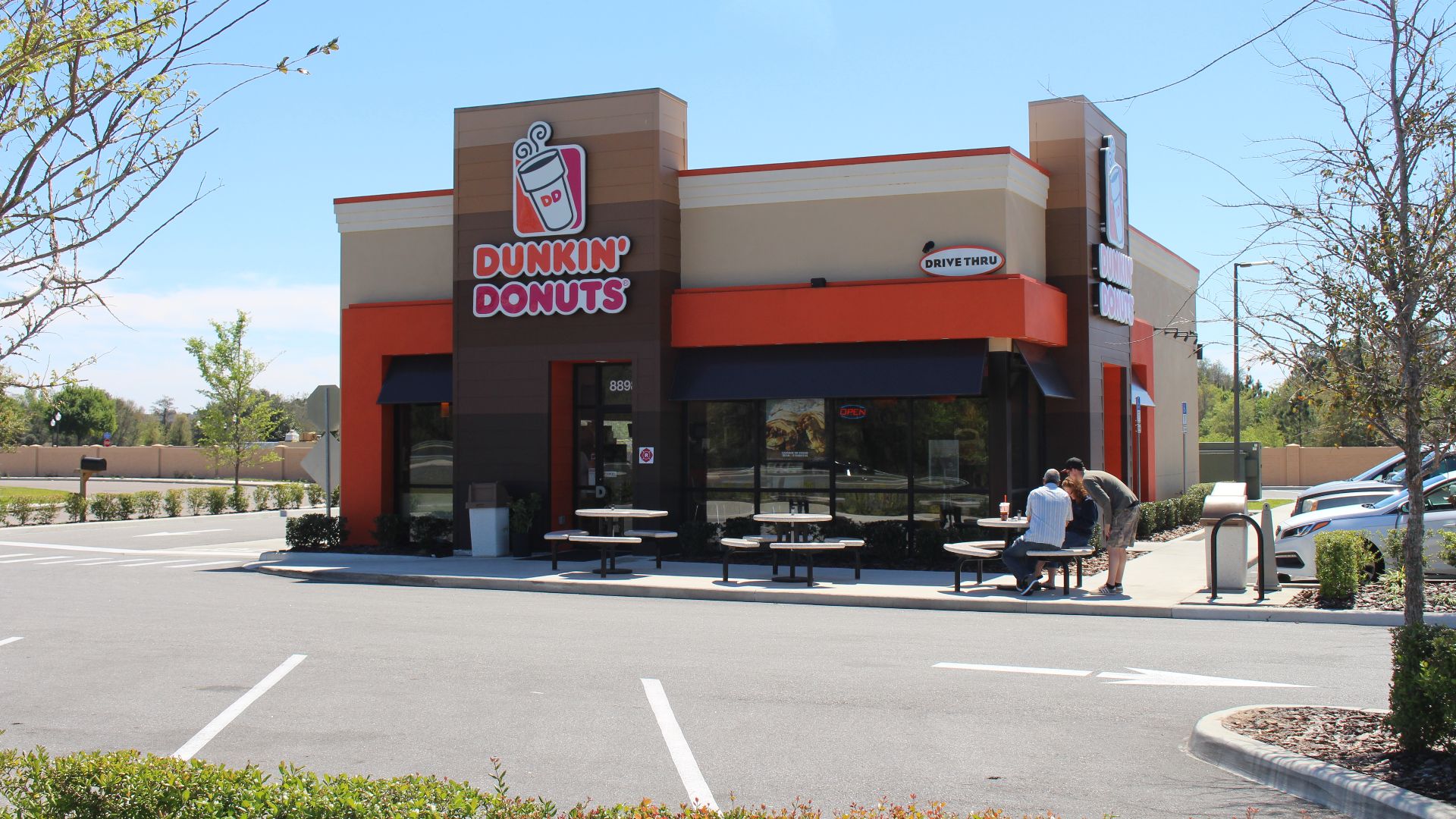
2. Dunkin’ In India
Dunkin entered India in 2012 and initially expanded rapidly, but coffee and doughnuts never became the everyday combination the company hoped they would. The operation experimented with burgers and other savory items as it searched for a stronger position in a highly competitive market.
3. Little Caesars In The United Kingdom
Little Caesars has now tried Britain more than once without establishing a lasting foothold. An earlier expansion eventually disappeared, and a new attempt beginning in 2022 produced restaurants in locations including Derby, Nottingham, and London.

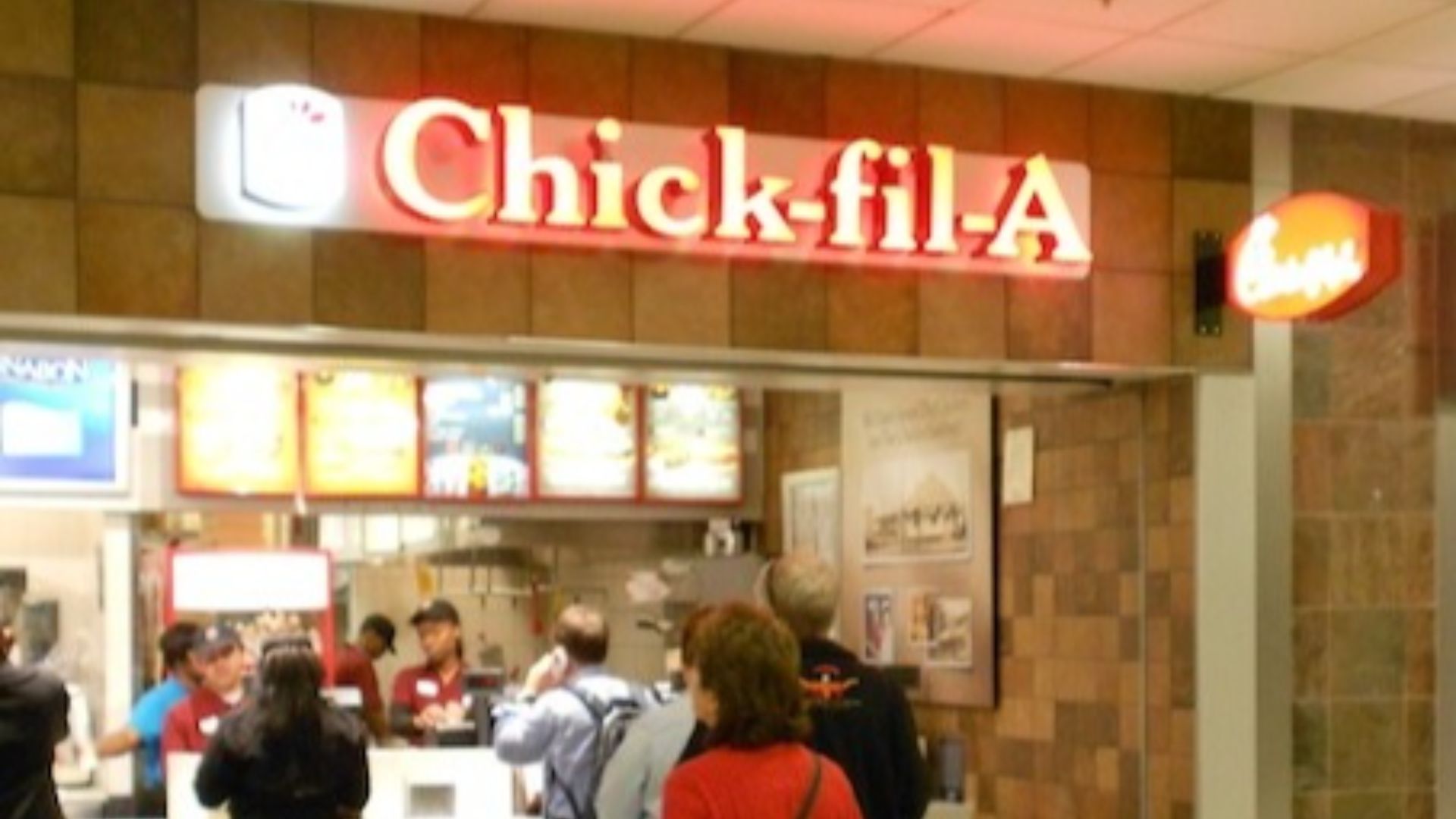
4. Chick-fil-A In South Africa
Chick-fil-A made one of its earliest international attempts in South Africa during the 1990s. Restaurants opened in Johannesburg and Durban, but the company struggled to build sufficient awareness and profitable operations. By 2001, it had withdrawn from the country, although the chain has since approached international expansion much more cautiously in markets such as Canada.
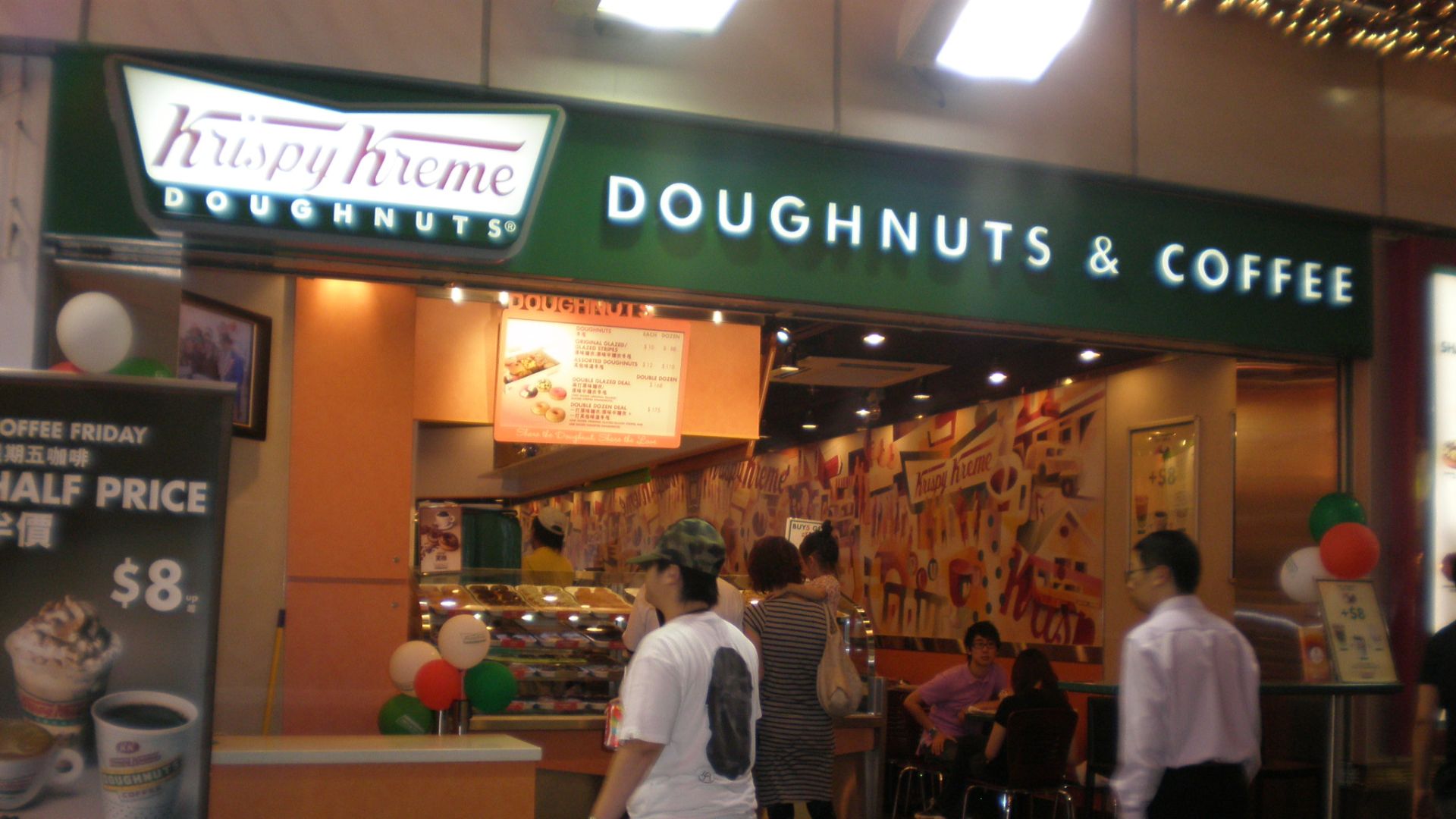
5. Krispy Kreme In Hong Kong
Krispy Kreme arrived in Hong Kong in 2006 with several stores and the considerable recognition surrounding its glazed doughnuts. The local franchise later suffered losses amid high operating costs, with expensive rents becoming a particularly serious problem.
6. Denny’s In Australia
Denny’s entered Australia in 1982 with ambitious plans to establish its American-style family restaurant model across major cities. The network eventually reached roughly 15 locations, yet its owner abandoned the restaurant business before those larger expansion plans materialized.

7. Quiznos In Australia
Quiznos began establishing Australian franchises during the early 2000s, but the expansion became troubled rather than producing a strong national network. Australia’s competition regulator later raised concerns about representations made to prospective franchisees concerning profitability, costs, and how thoroughly the system had been tested locally.
8. Carl’s Jr. In Australia
Carl’s Jr. once had plans for hundreds of Australian restaurants, but those expectations ran into a fiercely competitive burger market and rising operating costs. In 2024, its Australian master franchisee entered voluntary administration, immediately closing 20 company-operated restaurants.
9. Guzman Y Gomez In The United States
Australian chain Guzman y Gomez appeared to have an advantage when entering the United States because its founders were originally from New York. Its Chicago-area restaurants nevertheless struggled to generate enough business to justify continued investment in a crowded Mexican-food market.
10. White Castle In Japan
White Castle experimented with international franchising during the late 1980s and 1990s, including an attempt to establish its small square burgers in Japan. White Castle eventually withdrew, along with unsuccessful ventures in several other foreign markets, and has remained overwhelmingly concentrated in the United States.
KEEP ON READING