Plastic on the Menu
Would you like some plastic with your food? You might not think much about it when you're having your morning tea or munching on an apple, but the everyday foods you eat may contain far more plastic than you'd like. Microplastics have unfortunately turned up in a surprisingly broad range of eats and drinks, from carrots to milk and cheese, entering the food supply through polluted water and soil as well as processing, storage, and plastic packaging. Researchers still don't have a standardized way to measure these particles, though, so it's important to note that a high count in one study doesn't necessarily establish a universal ranking. Even so, certain foods have repeatedly produced less-than-ideal results, and you may want to think twice before digging into these 20 dishes.
1. Tea Brewed in Plastic Tea Bags
A cup of tea can contain an unexpectedly large number of plastic particles when the bag itself contains plastic. One widely cited laboratory study found that a single plastic tea bag, when steeped in hot water, released about 11.6 billion microplastic particles and 3.1 billion nanoplastic particles, with nylon and polyethylene terephthalate among the materials identified. Of course, it's important to note that those enormous numbers don't apply to every tea bag, since the study specifically examined bags made with plastic materials and measured particles released under its particular brewing conditions.

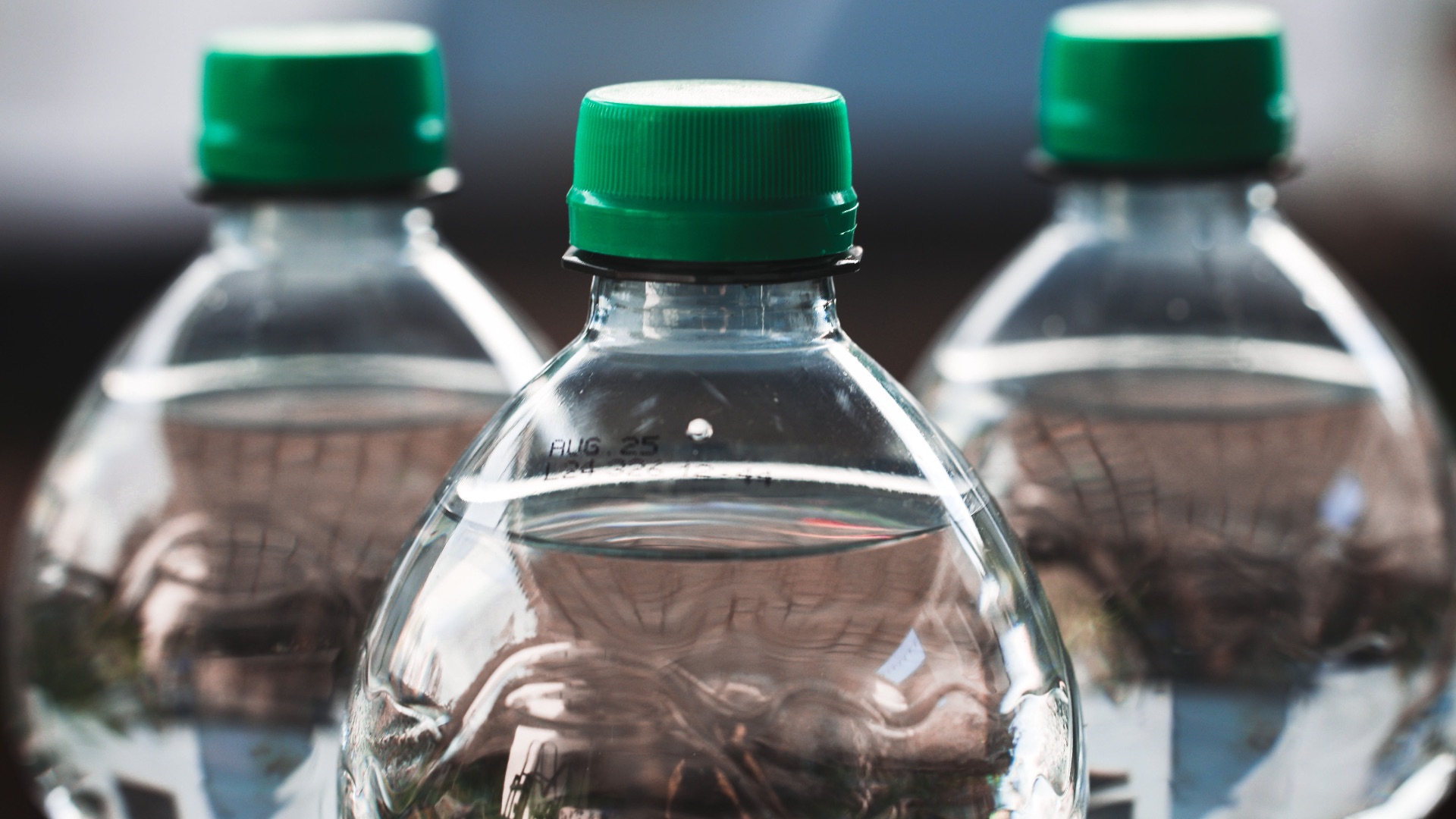
2. Bottled Water
Bottled water has become one of the most closely studied sources of dietary plastic exposure, particularly as researchers have developed methods capable of detecting much smaller particles. A 2024 study examining three popular bottled-water brands estimated an average of approximately 240,000 detectable plastic particles per liter, with samples ranging from roughly 110,000 to 370,000 particles per liter. Researchers have suggested that some particles may come from the bottle, cap, filtration equipment, and other parts of the production process.
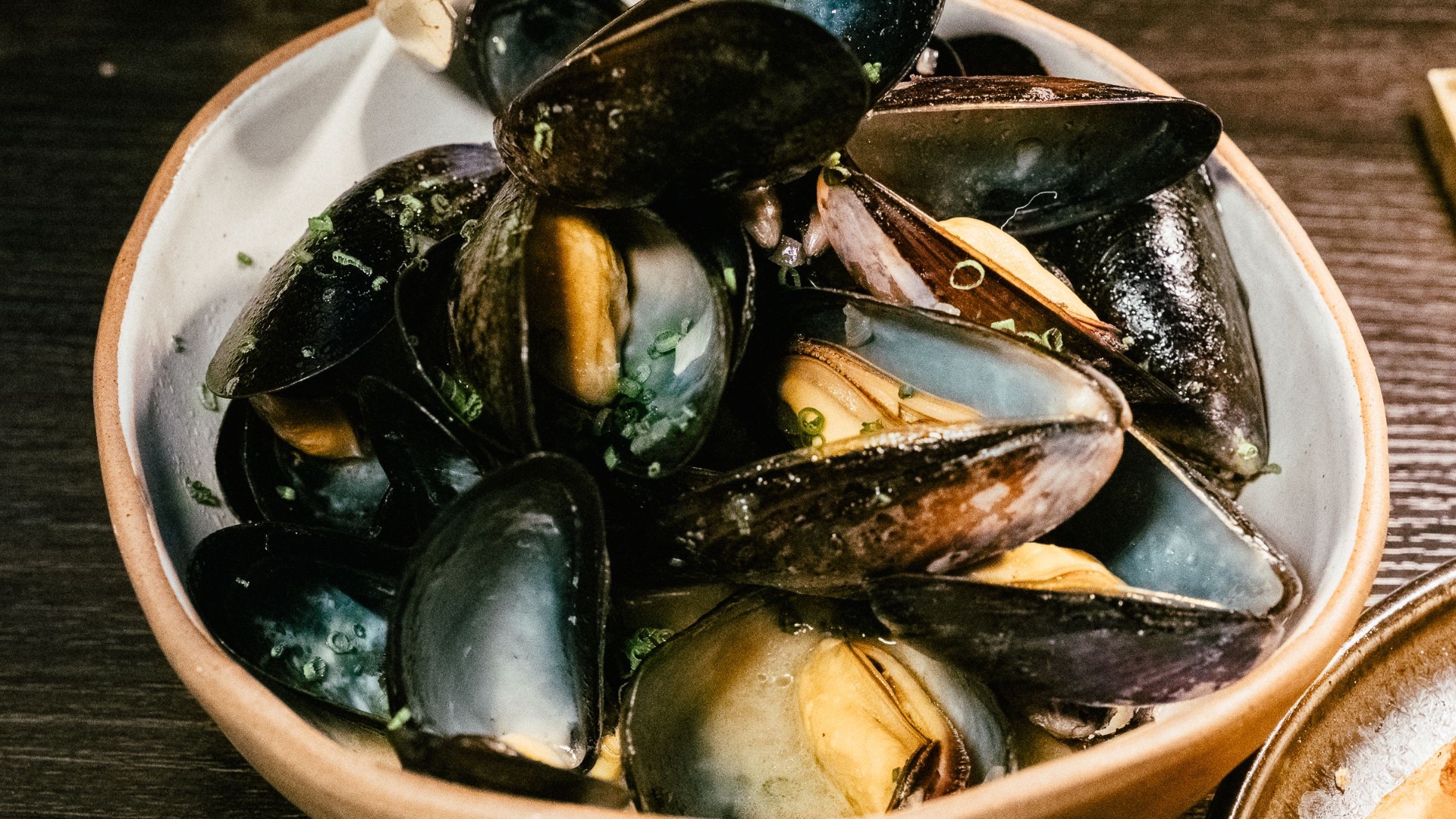
3. Mussels
Mussels filter large quantities of water as they feed, making it easy for tiny particles suspended in their environment to end up inside their bodies. Unlike many larger fish, mussels are typically eaten whole, so anything present in their digestive tissues may also wind up on your plate. Studies from multiple coastal regions have detected microplastics in mussels, sometimes at several particles per gram of edible tissue.
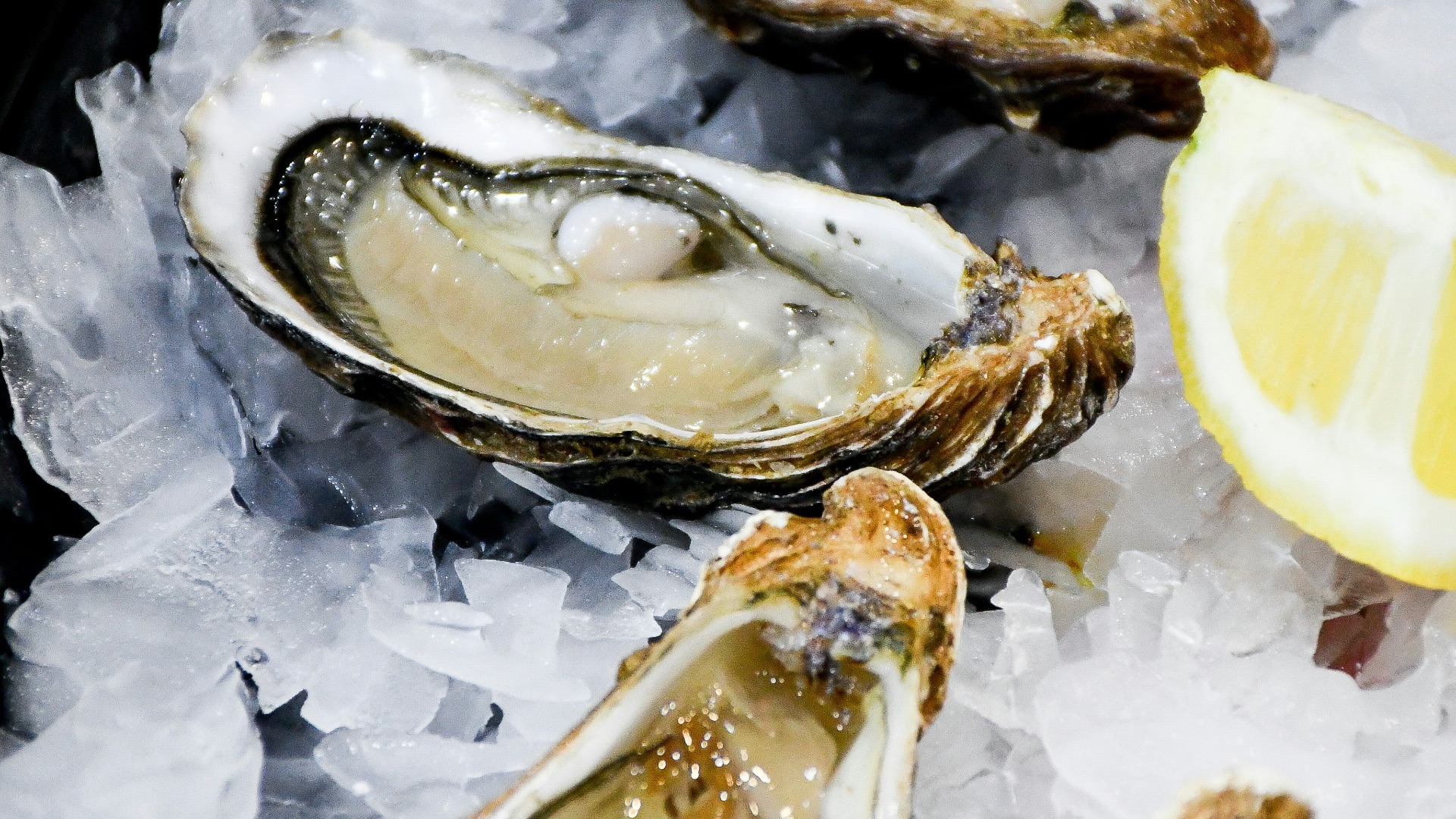
4. Oysters
Oysters share many of the same exposure problems as mussels because they're also filter-feeding shellfish. Research has found plastic fibers and fragments in oyster tissue, including studies in which individual oysters contained dozens of suspected microplastic particles. Their exposure can vary considerably depending on local water quality, aquaculture conditions, and nearby sources of plastic pollution.
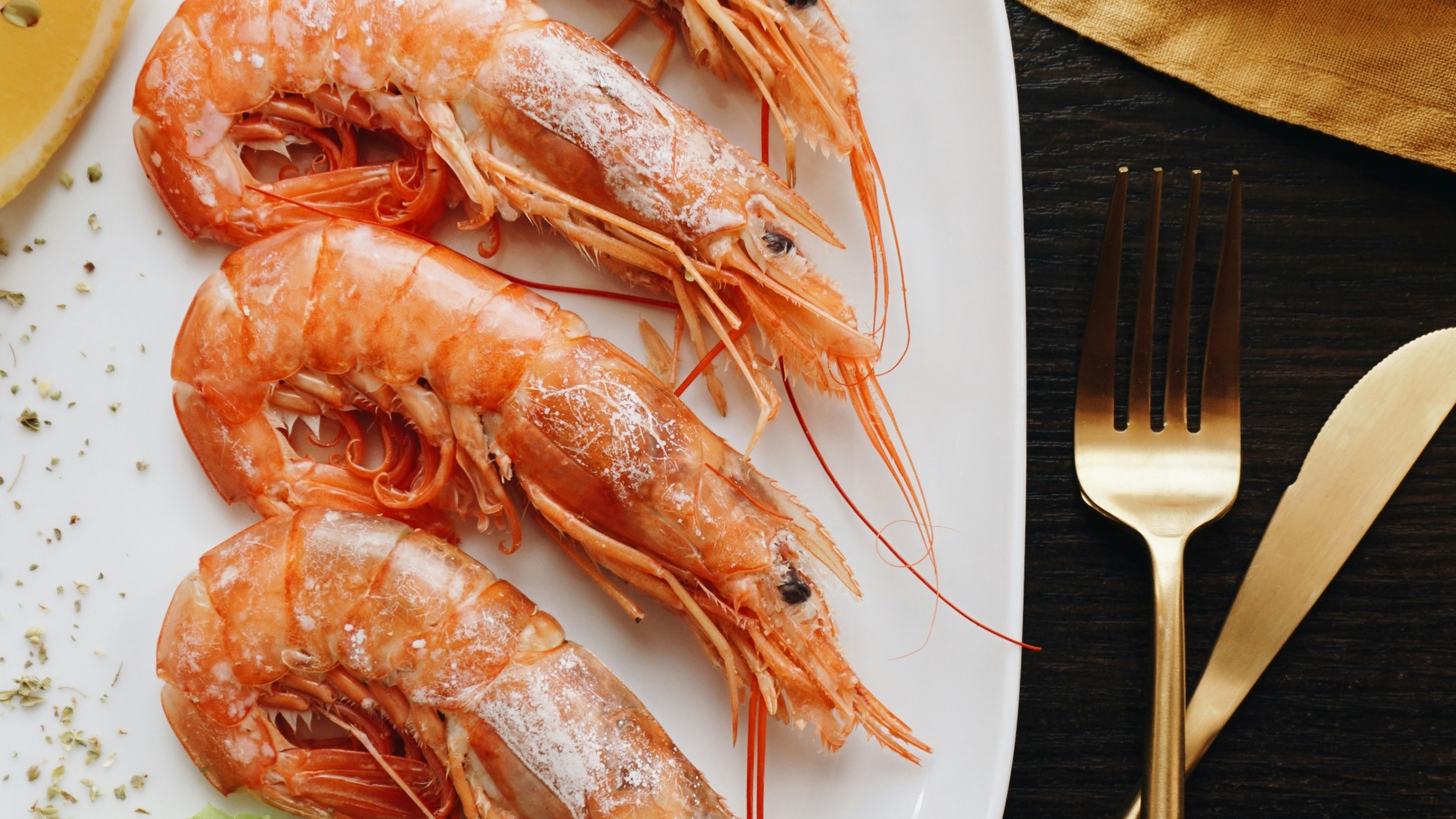
5. Shrimp and Prawns
Small crustaceans live and feed in environments where plastic fibers and fragments can collect in water and sediment. Microplastics have been detected in shrimp and similar shellfish, particularly in digestive tissues, although contamination levels vary considerably among species and locations. Eating the entire animal rather than removing the digestive tract can also influence how many particles ultimately reach the consumer.
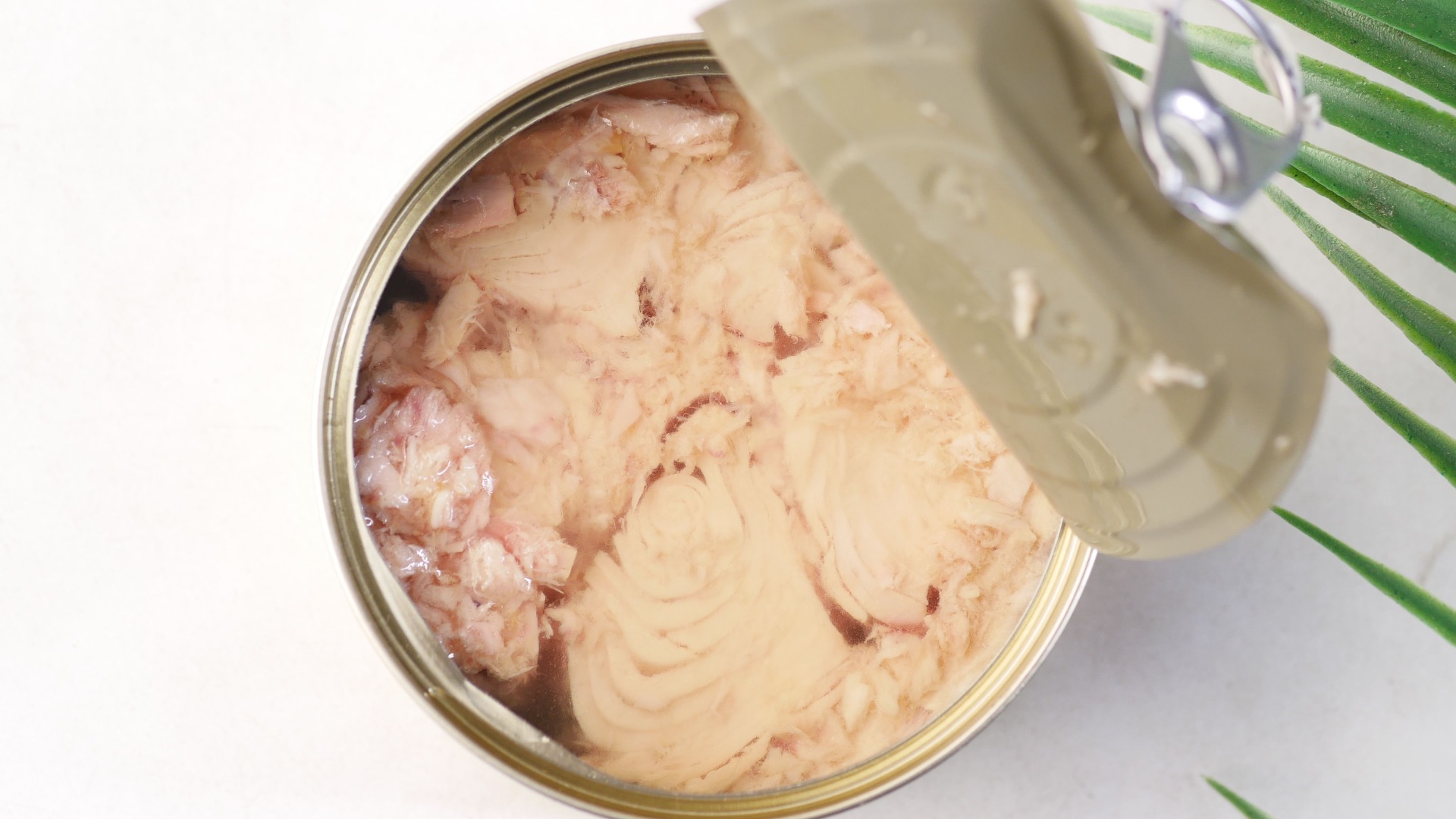
6. Fish and Canned Seafood
Plastic contamination isn't limited to shellfish, since marine and freshwater fish can encounter microplastics through both surrounding water and their prey. Studies have found particles in fish sold for human consumption, while commercial food surveys have also reported them in products such as tuna and canned sardines. Removing the digestive organs may reduce exposure from some fish, but processing and packaging can introduce additional opportunities for contamination.
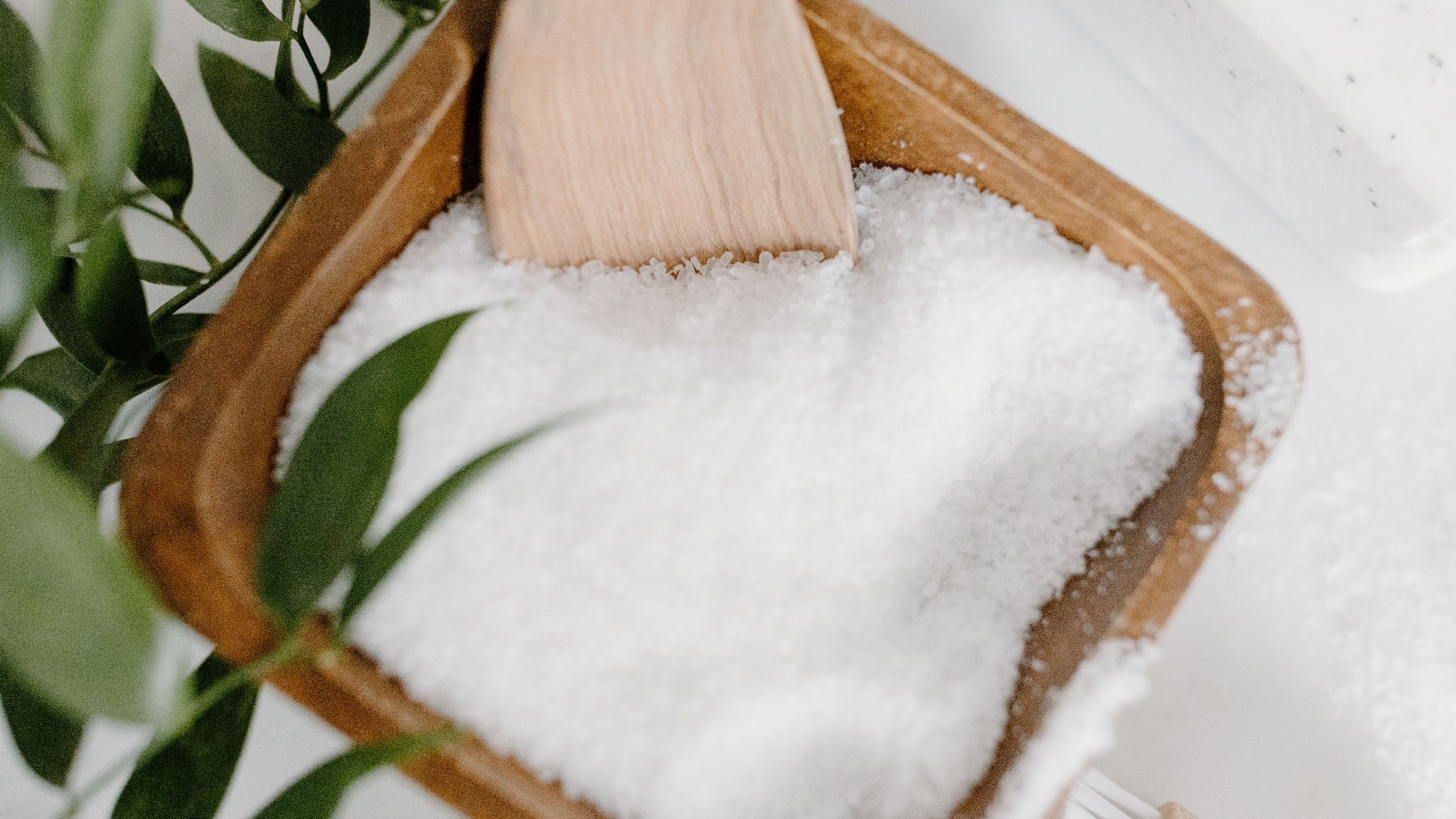
7. Salt
Salt regularly appears in microplastic studies because plastic pollution has reached both marine and terrestrial environments where salt is produced. Researchers have identified fibers, fragments, films, and other particles in commercial salt from numerous regions, although concentrations differ widely among brands and production methods. Because salt is consumed so routinely, even relatively small amounts can contribute to ongoing dietary exposure.
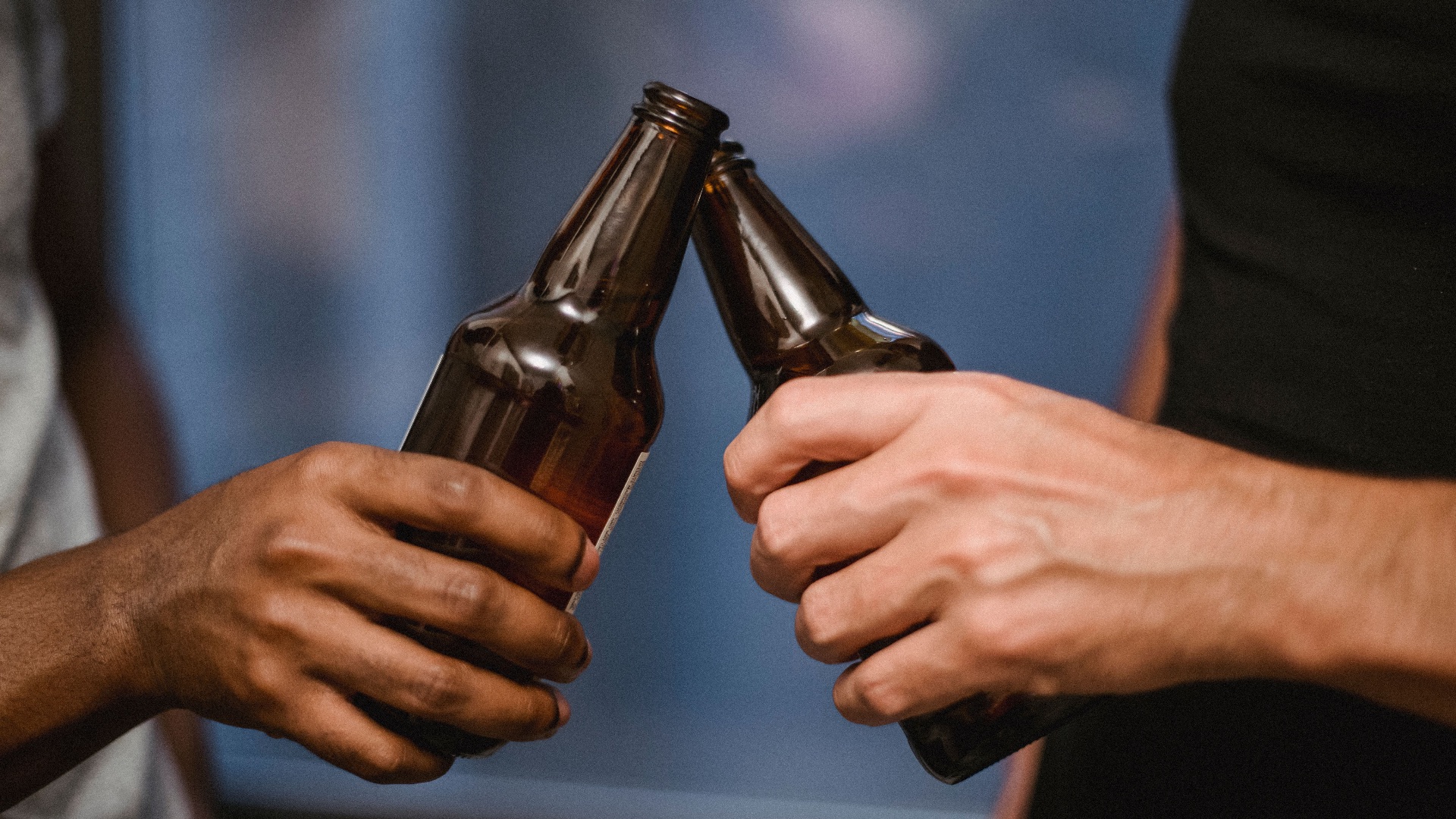
8. Beer
Your bottle or glass of beer may contain more than malt, hops, yeast, and water. Microplastic particles have been detected in commercial beers, potentially entering through water supplies, ingredients, processing equipment, packaging, or airborne contamination during production. Beer also matters from an exposure standpoint because people who drink it regularly can consume it in much larger quantities than foods such as salt or honey.
9. Honey
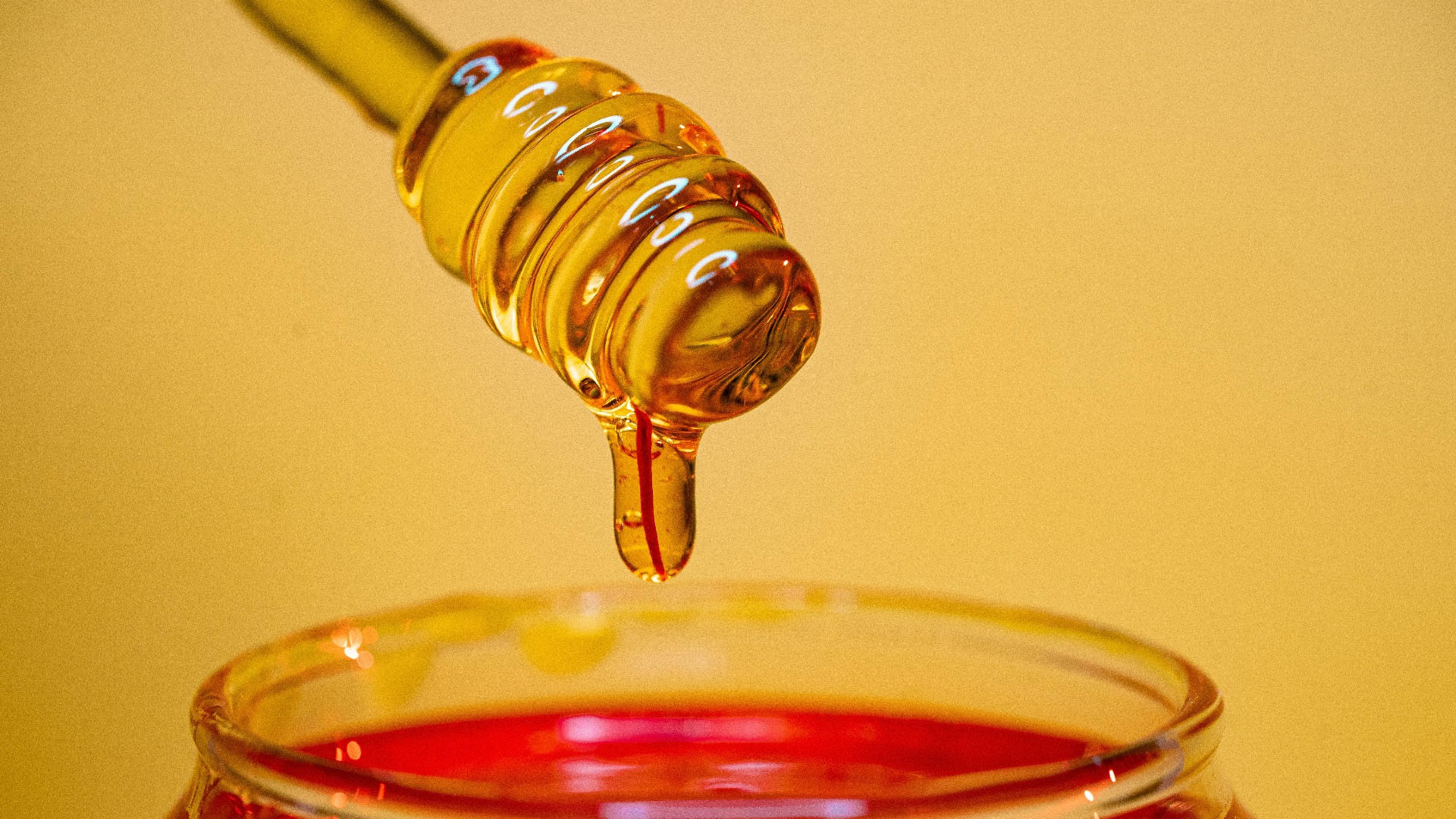
Even a product made by bees isn't isolated from environmental plastic pollution. Researchers have reported synthetic fibers and microplastic particles in commercial honey, with possible sources ranging from airborne fallout and flowers to processing and packaging. Concentrations aren't consistent from one product to another, which makes honey another reminder that plastic contamination can occur well before food reaches the grocery shelf.
10. Sugar
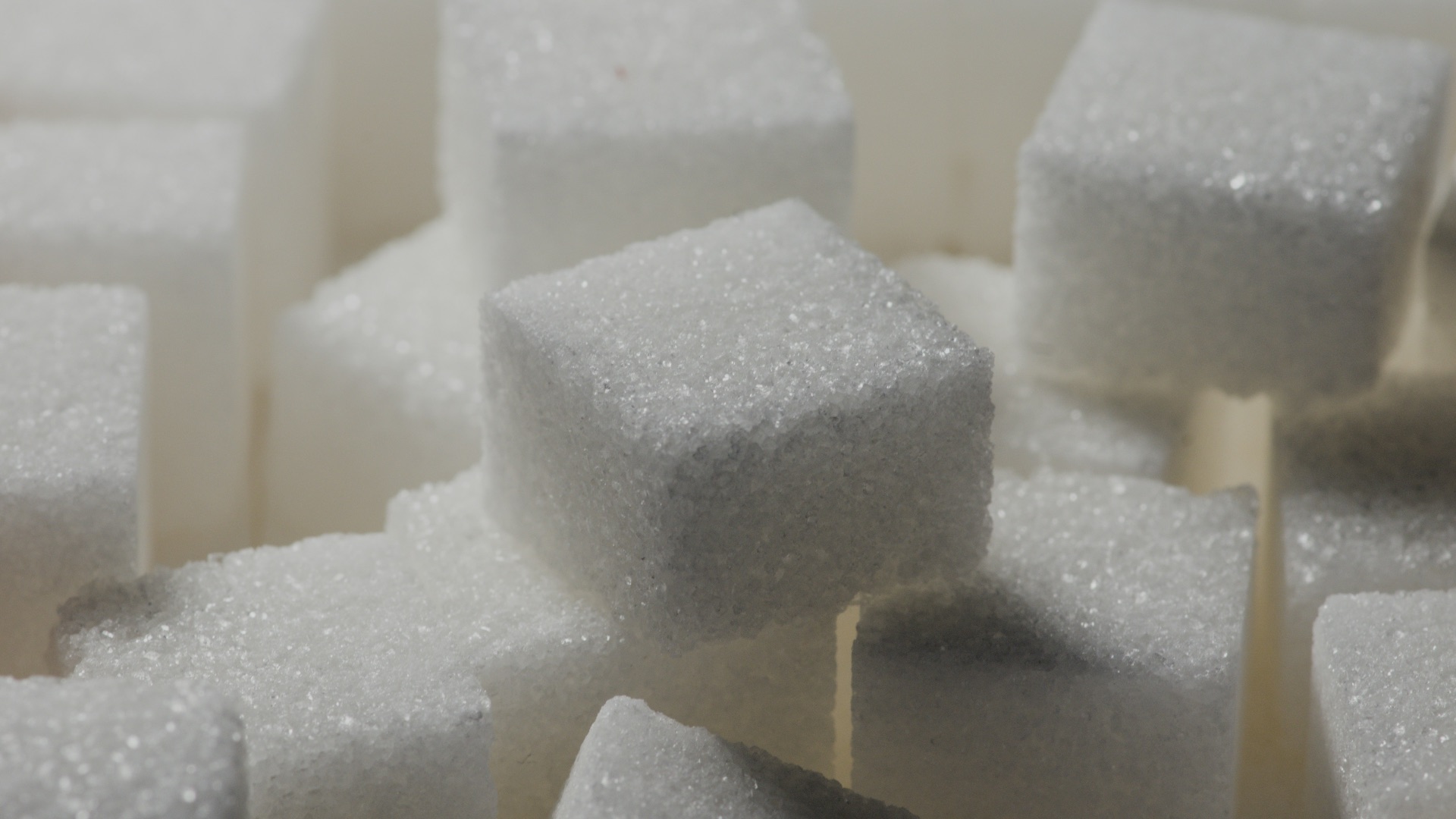
Commercial sugar has also tested positive for microplastic contamination in several investigations. Particles can potentially enter during agricultural production, refining, transportation, processing, or packaging, giving contamination several opportunities to occur before the product reaches your kitchen. Studies that examined everyday supermarket foods have found microplastics in sugar alongside products such as salt, beverages, and honey.
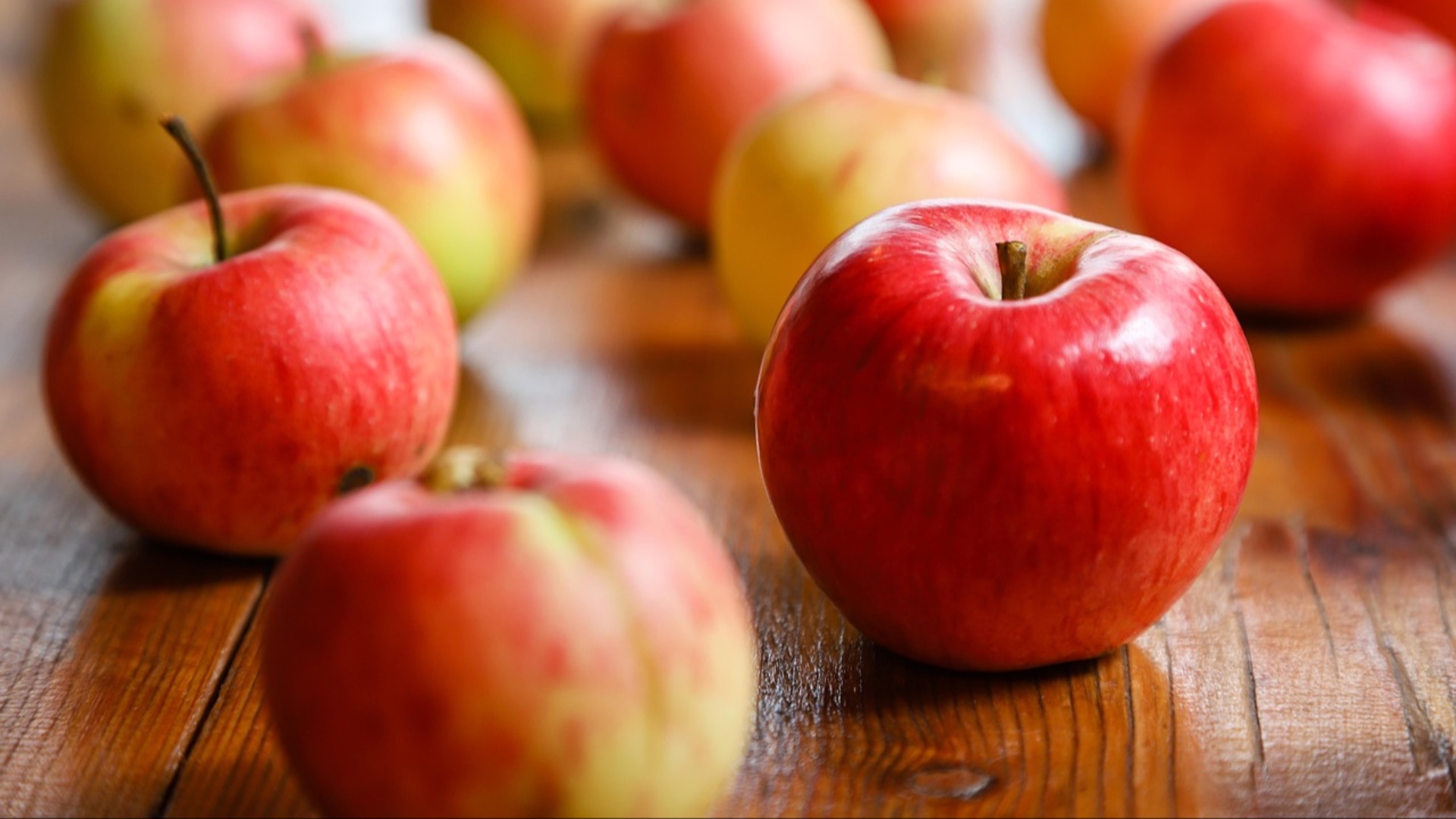
11. Apples
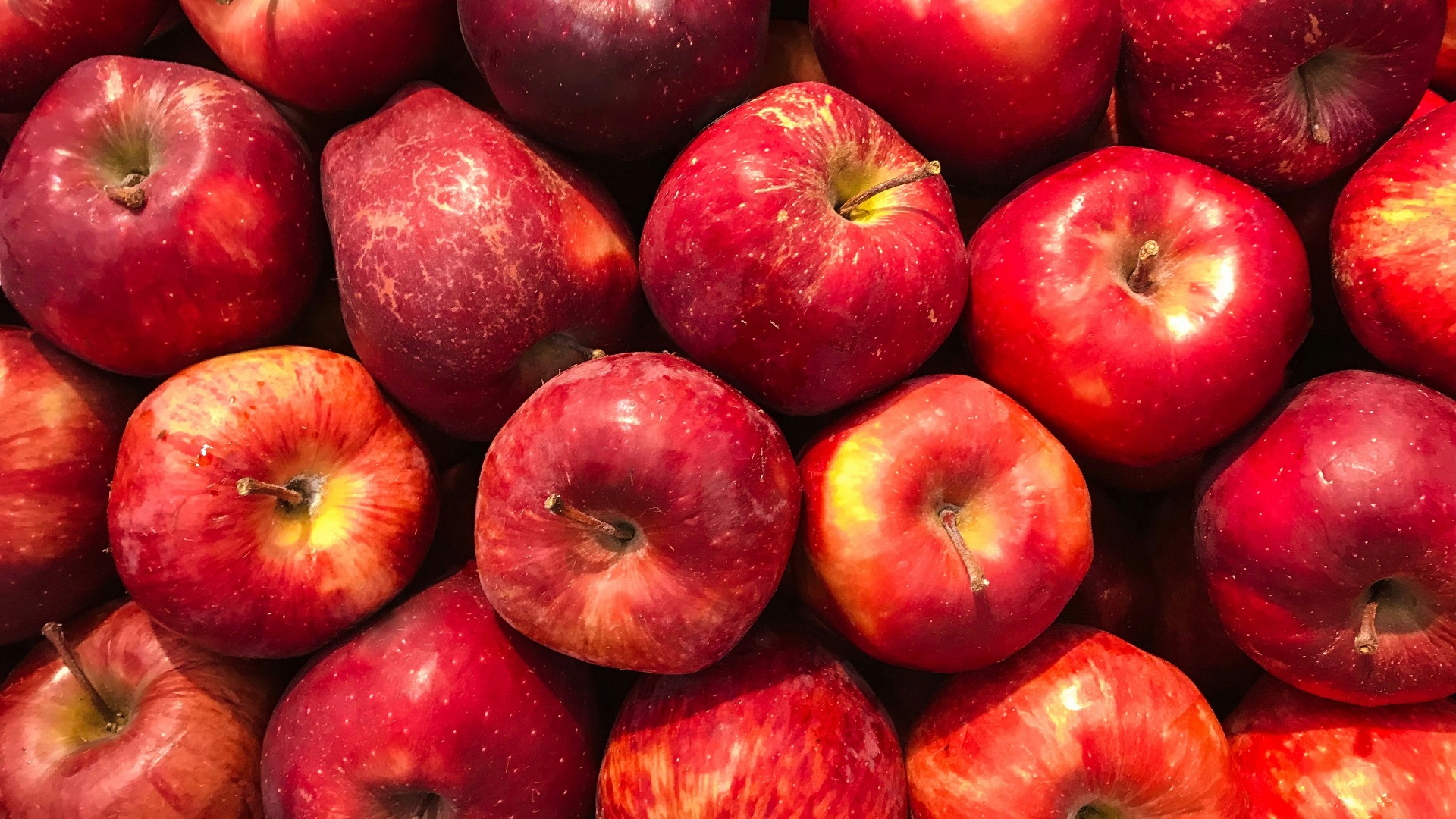
Fruit might not be the first place you'd expect researchers to find plastic, but apples have produced some notable results. In a study examining several commonly consumed fruits and vegetables for extremely small plastic particles, apples had the highest measured concentrations among the fruits tested, with reported levels exceeding 100,000 particles per gram. Across the fruit samples in that research, the median concentration was 223,000 particles per gram, though the results varied considerably from sample to sample. Researchers are still investigating exactly how particles reach edible plant tissues, although contaminated soil and water are important areas of study.
12. Carrots
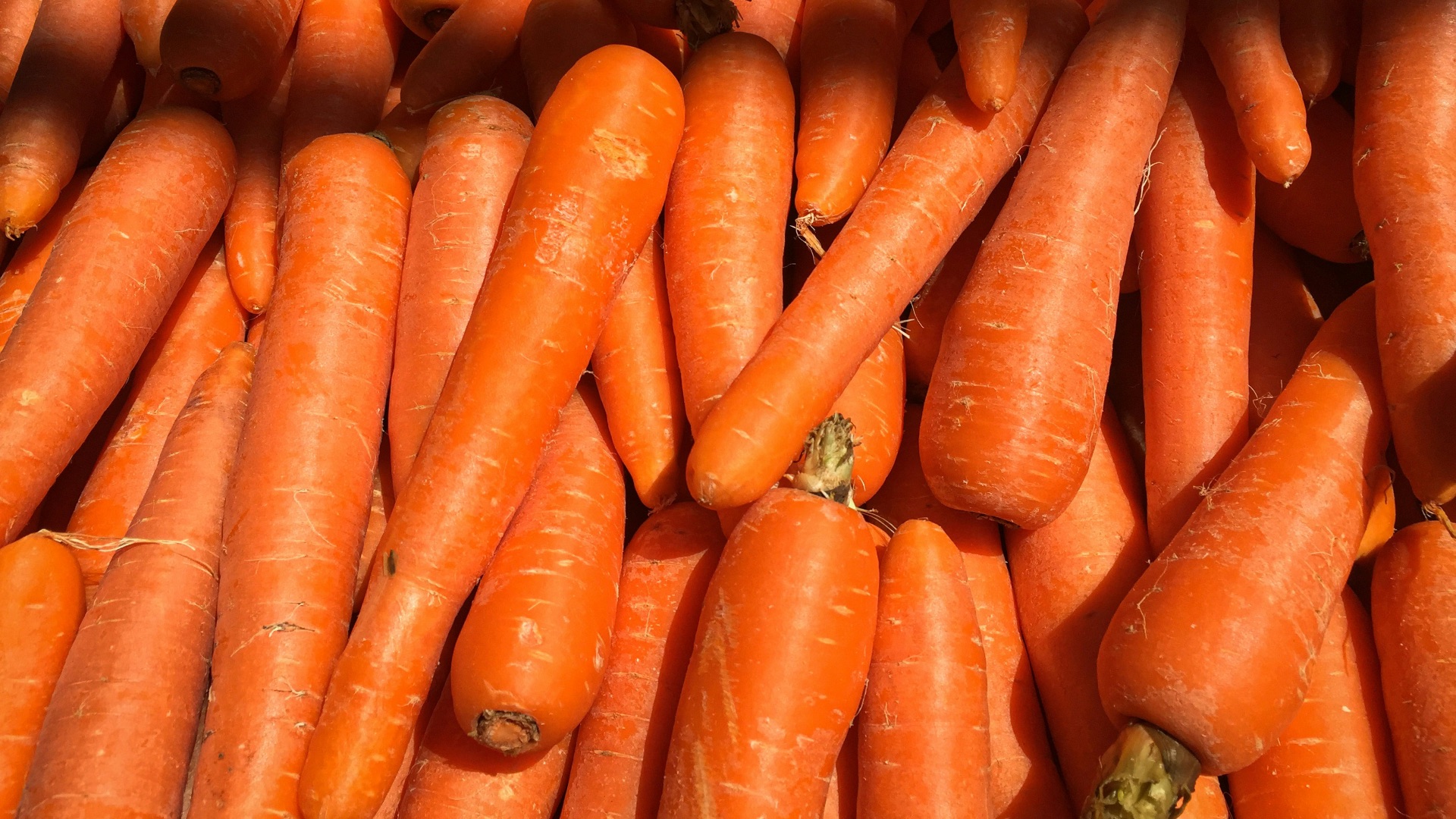
Carrots stood out among the vegetables tested in the same research that drew attention to microplastics in apples, again reaching more than 100,000 particles per gram. They also contained the smallest plastic particles found among the produce samples, with some measuring only about 1.5 micrometers. Because carrots develop directly in soil, their growing environment provides a possible route for contact with plastic particles originating from agricultural materials, irrigation water, fertilizers, or environmental pollution. Researchers are particularly interested in how tiny plastic particles may enter roots and move into plant tissues.
 JACQUELINE BRANDWAYN on Unsplash
13. Rice
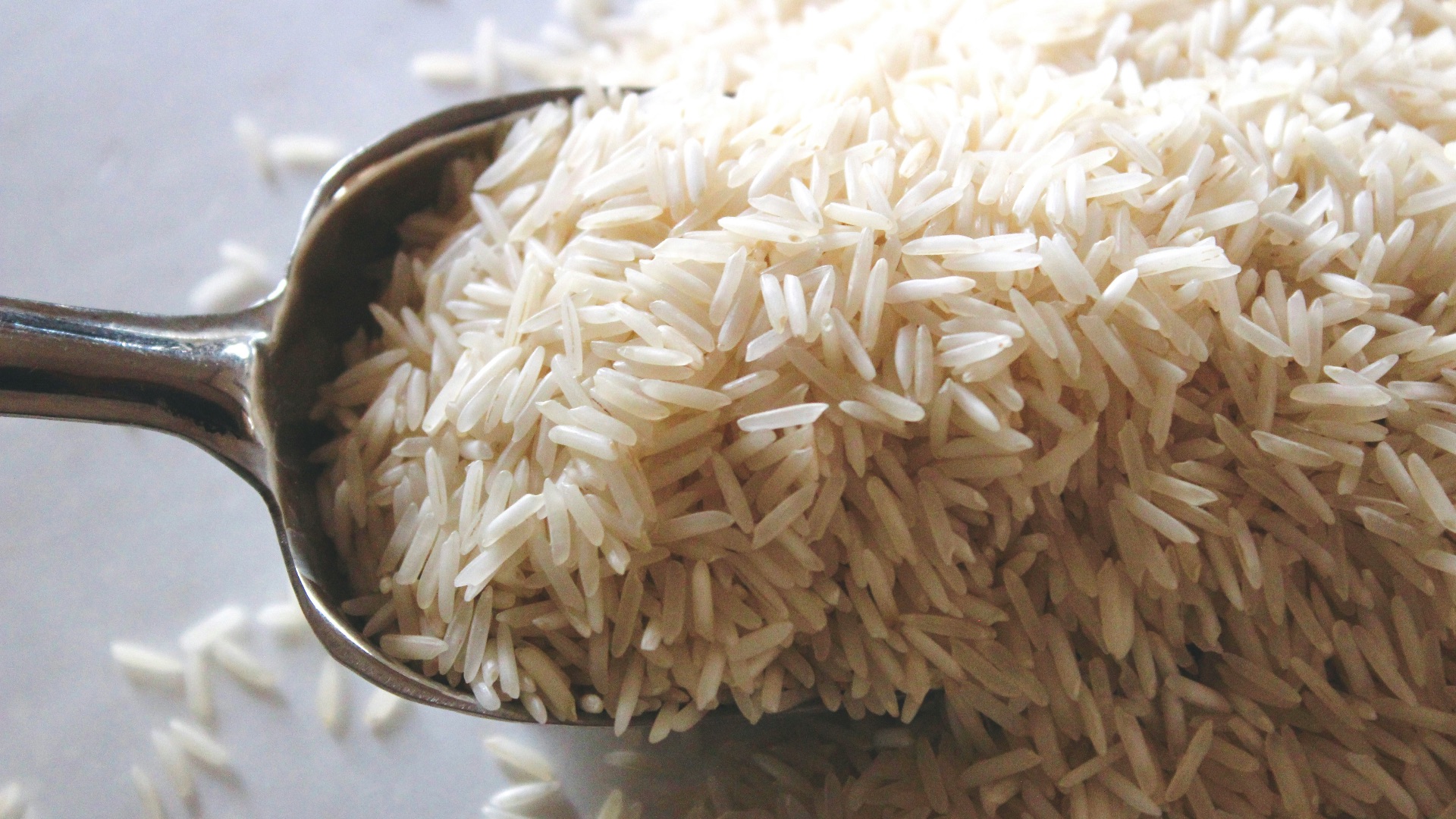
Conventional rice isn't plastic-free either, with researchers estimating roughly 3 to 4 milligrams of plastic for every 100 grams of uncooked rice. There is one silver lining: washing the grains before cooking reduced plastic contamination by as much as about 40% in the same research. That means a simple preparation step may significantly lower the amount you're exposed to before the food reaches your plate, so don't ever skip the rinse.
14. Milk Powder
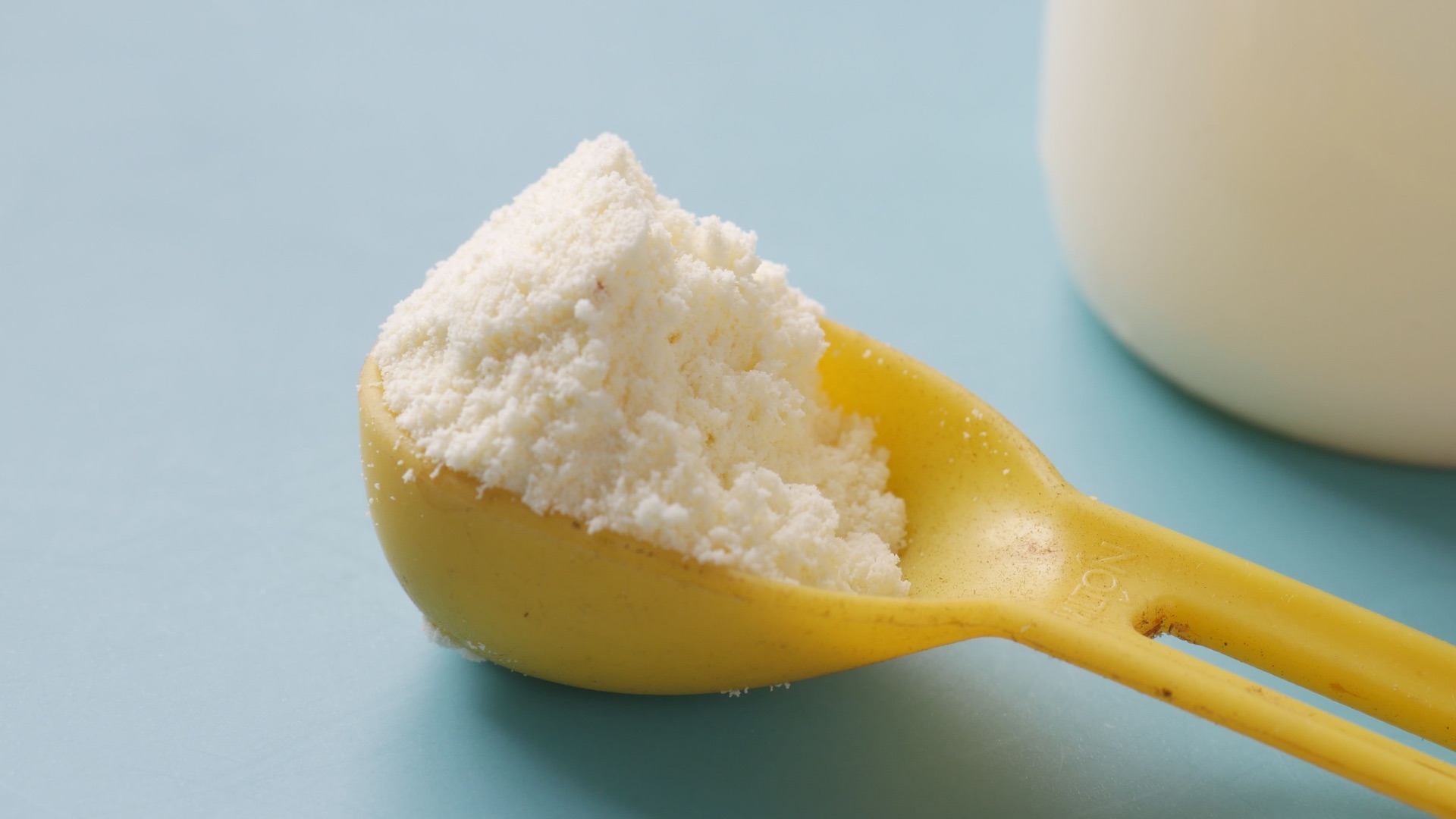
Powdered milk has emerged as a notable dairy product in microplastic research. One study examining skim-milk powders used in cheesemaking identified hundreds of plastic particles representing numerous polymer types, while broader reviews have reported comparatively high levels in milk powder among dairy categories. Production equipment, drying processes, storage, and packaging all provide possible opportunities for particles to enter the product.
15. Packaged Milk
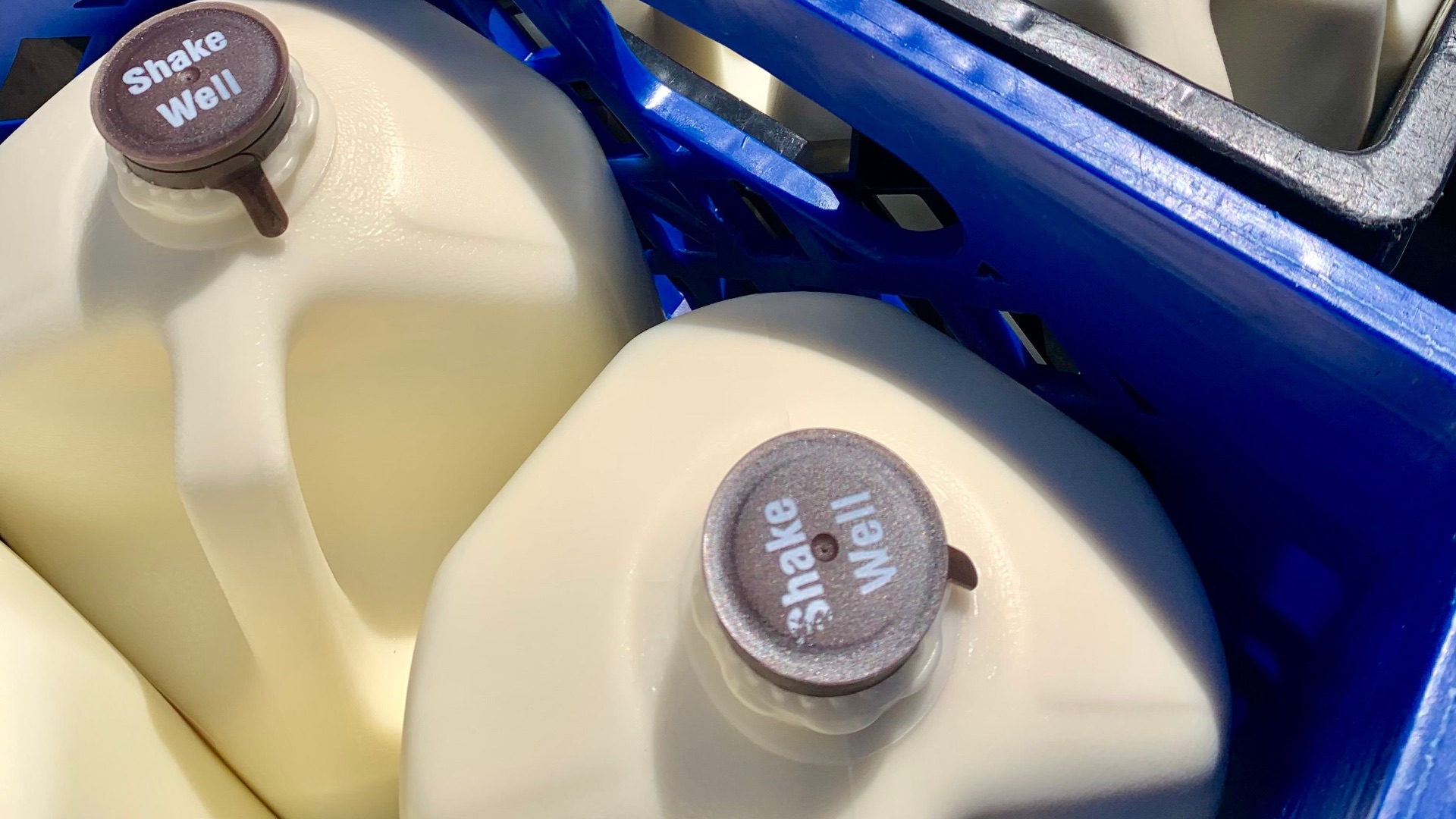
Regular liquid milk isn't exempt from contamination either. Studies of commercially packaged milk have detected microplastics, and some research has found higher levels in processed packaged milk than in samples collected closer to the farm, suggesting contamination can occur at several points between milking and refrigeration, including processing, pumping, storage, and packaging. In particular, a 2025 study found particles in milk, fresh cheese, and ripened cheese: microplastics were detected in 26 of 28 dairy samples, with an average concentration of about 350 particles per kilogram in milk.
16. Cheese
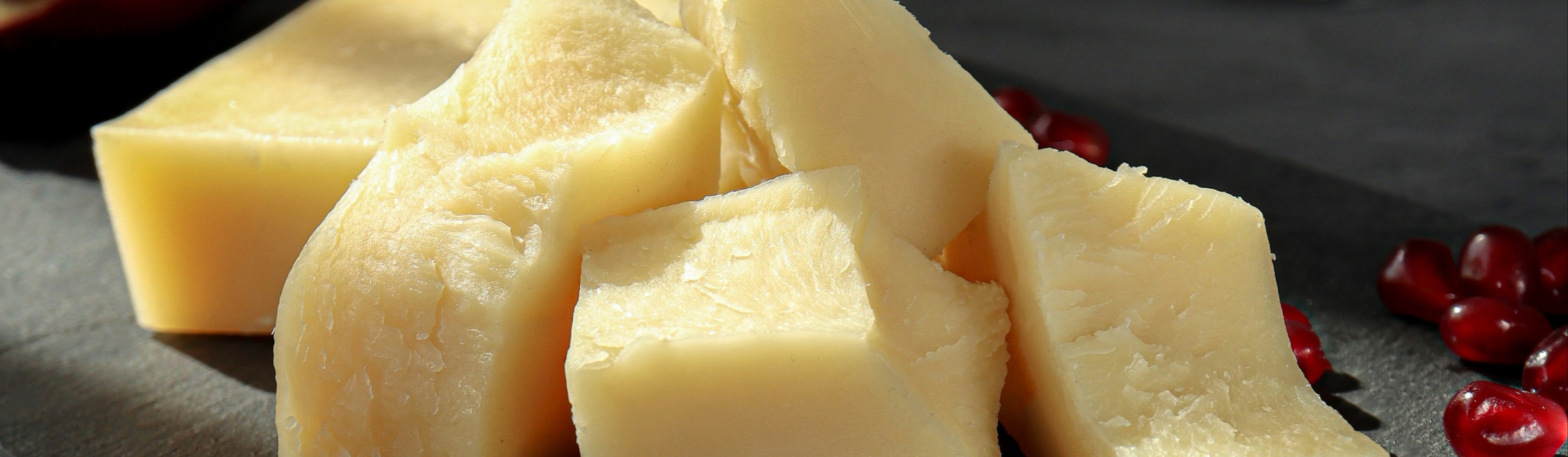
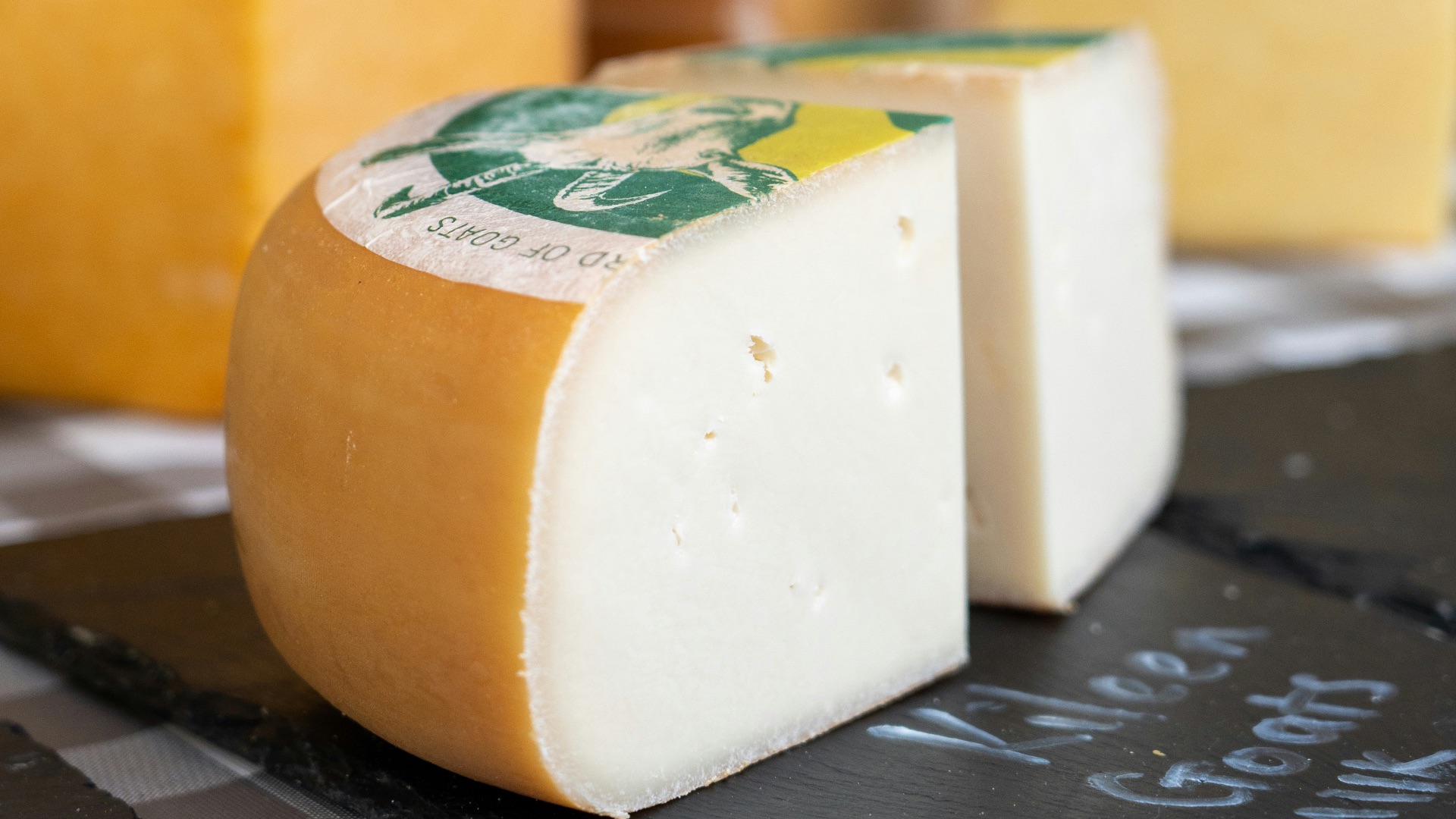
As mentioned in the previous point, cheese is another dairy product containing microplastics, with researchers detecting particles in both fresh and ripened varieties: 1,280 particles per kilogram in fresh cheese, and 1,857 in ripened cheese. Because cheesemaking involves multiple processing stages and extensive contact with equipment, containers, wrapping, and storage materials, there are several possible points where particles could enter. Recent dairy research has also found that the types and amounts of plastic can differ depending on the product and how it's manufactured.
17. Seaweed
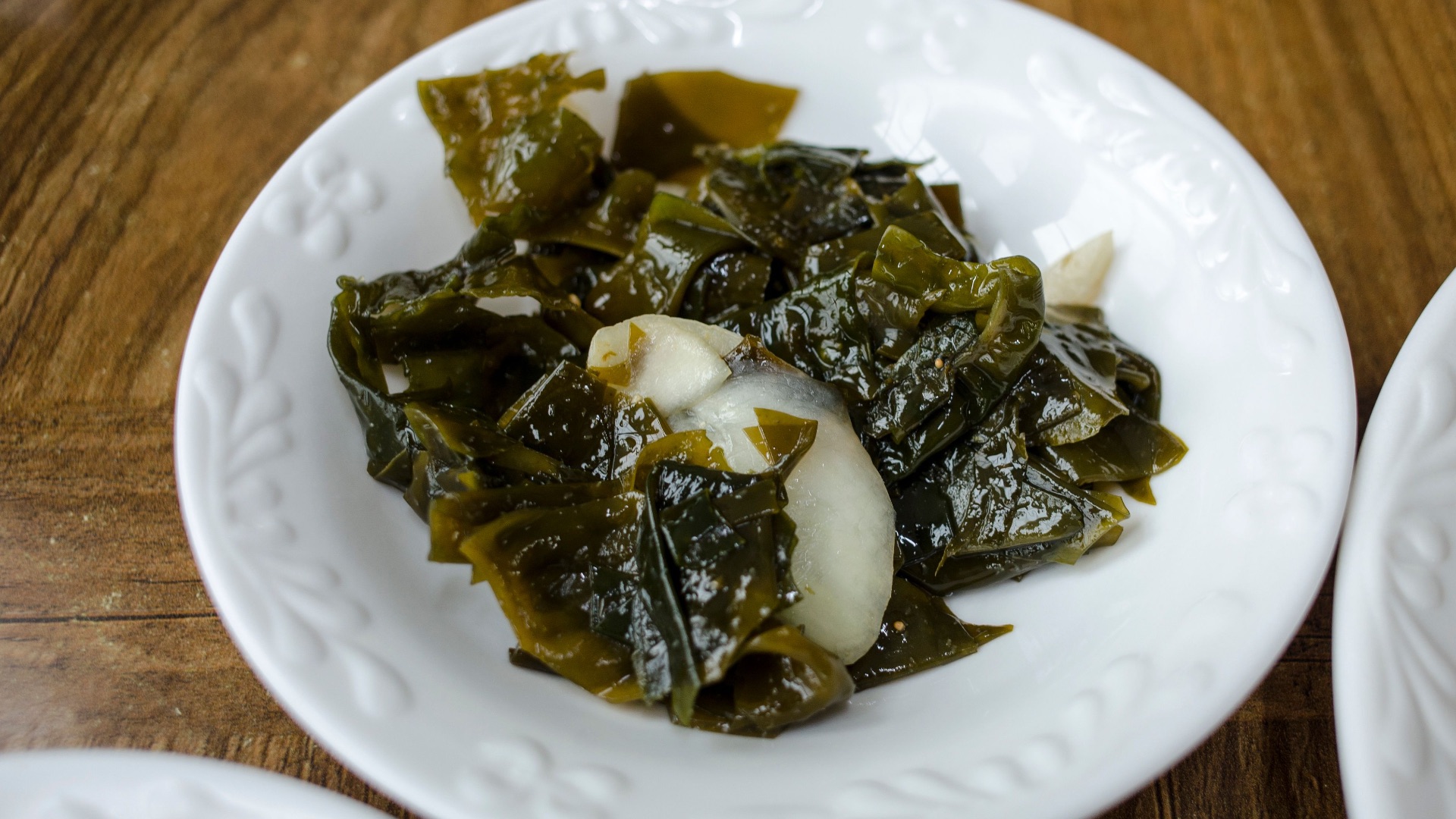
Seaweed grows while surrounded by water that may already contain synthetic fibers and plastic fragments, so contamination isn't especially surprising. Commercial food testing has detected microplastics in edible seaweed products, adding another category of marine food to the exposure picture. Particles may adhere to seaweed surfaces in the environment or appear later during drying, processing, transportation, and packaging.
18. Fish Sauce
Fish sauce combines marine ingredients with lengthy processing and storage, creating more than one possible route for microplastic contamination. Surveys of commercially available foods have detected plastic particles in fish sauce, along with salted seafood, seaweed, and other ocean-derived products. The source can't always be traced to a single stage because particles may already be present in the fish or salt before manufacturing begins.
19. Soy Sauce
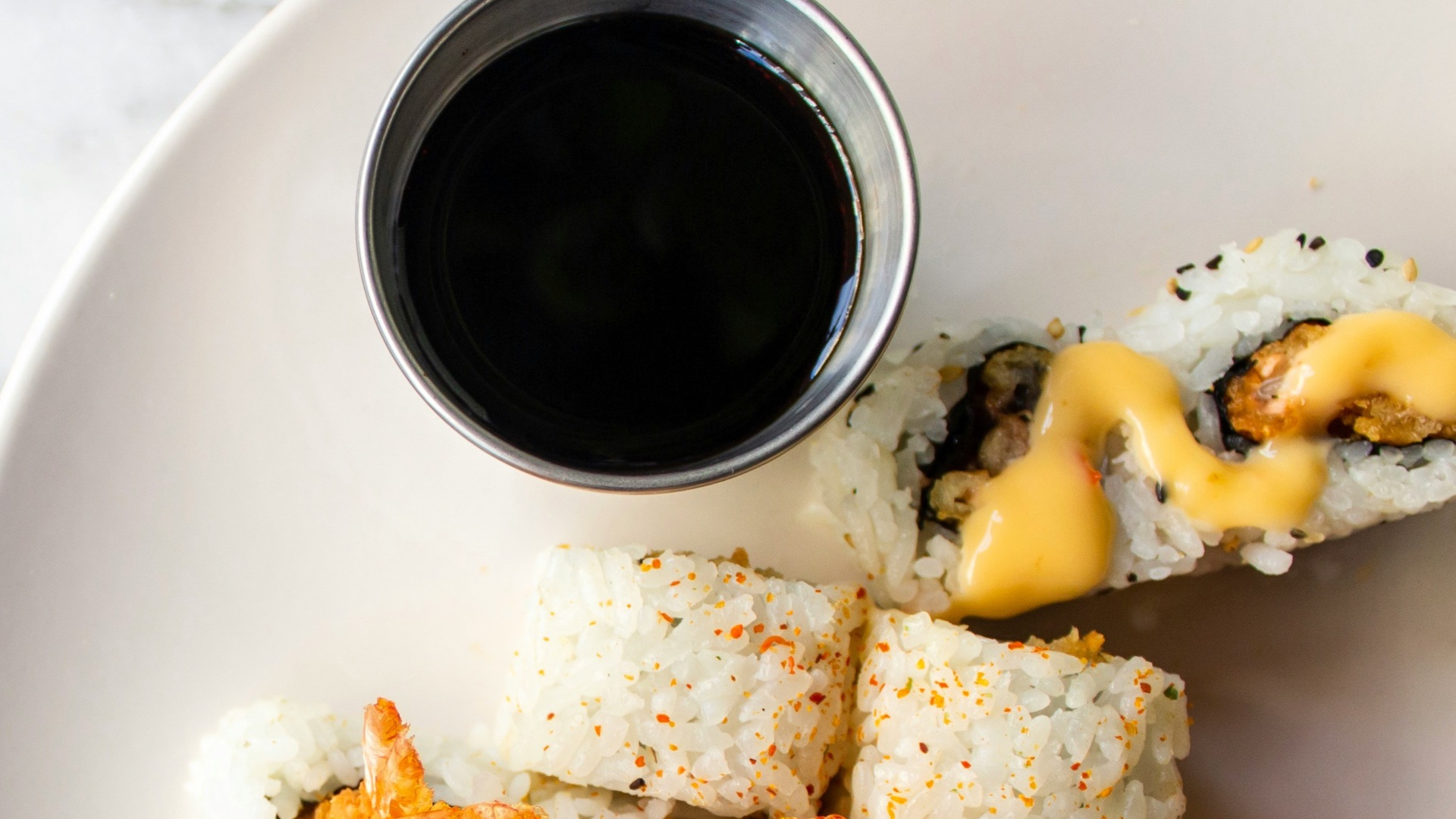
Even soy sauce has shown up in studies examining microplastics in everyday foods. Researchers testing commercially sold condiments have detected particles in soy sauce samples, demonstrating that contamination isn't restricted to products that originate in the ocean. Water, raw ingredients, processing machinery, bottling, and packaging are all potential contributors that scientists continue to investigate.
20. Juice and Soft Drinks
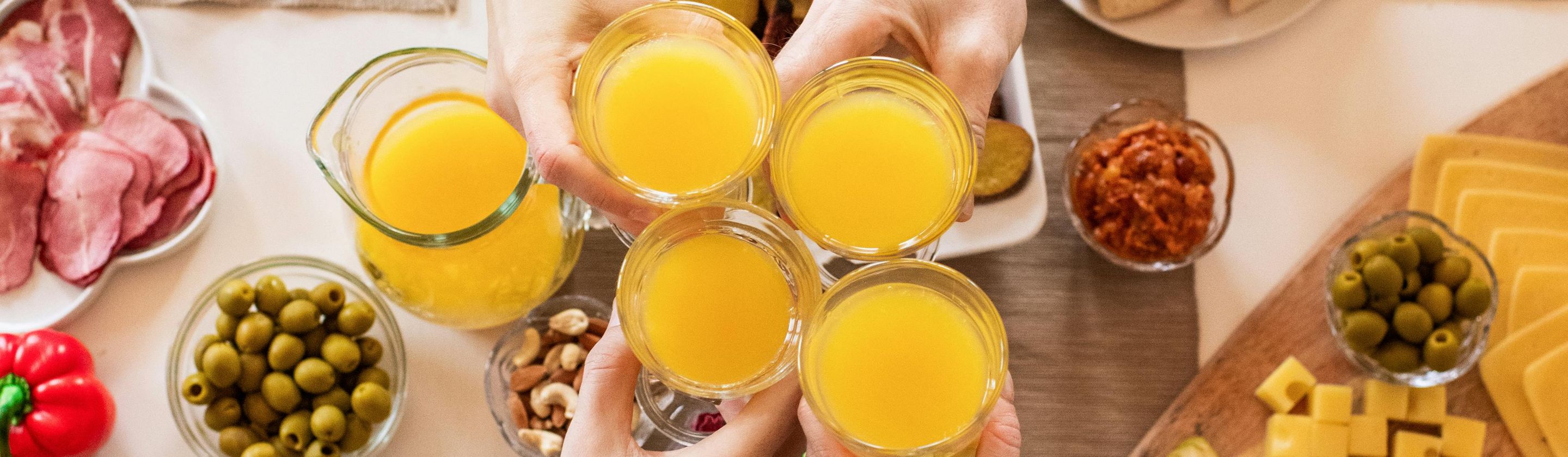
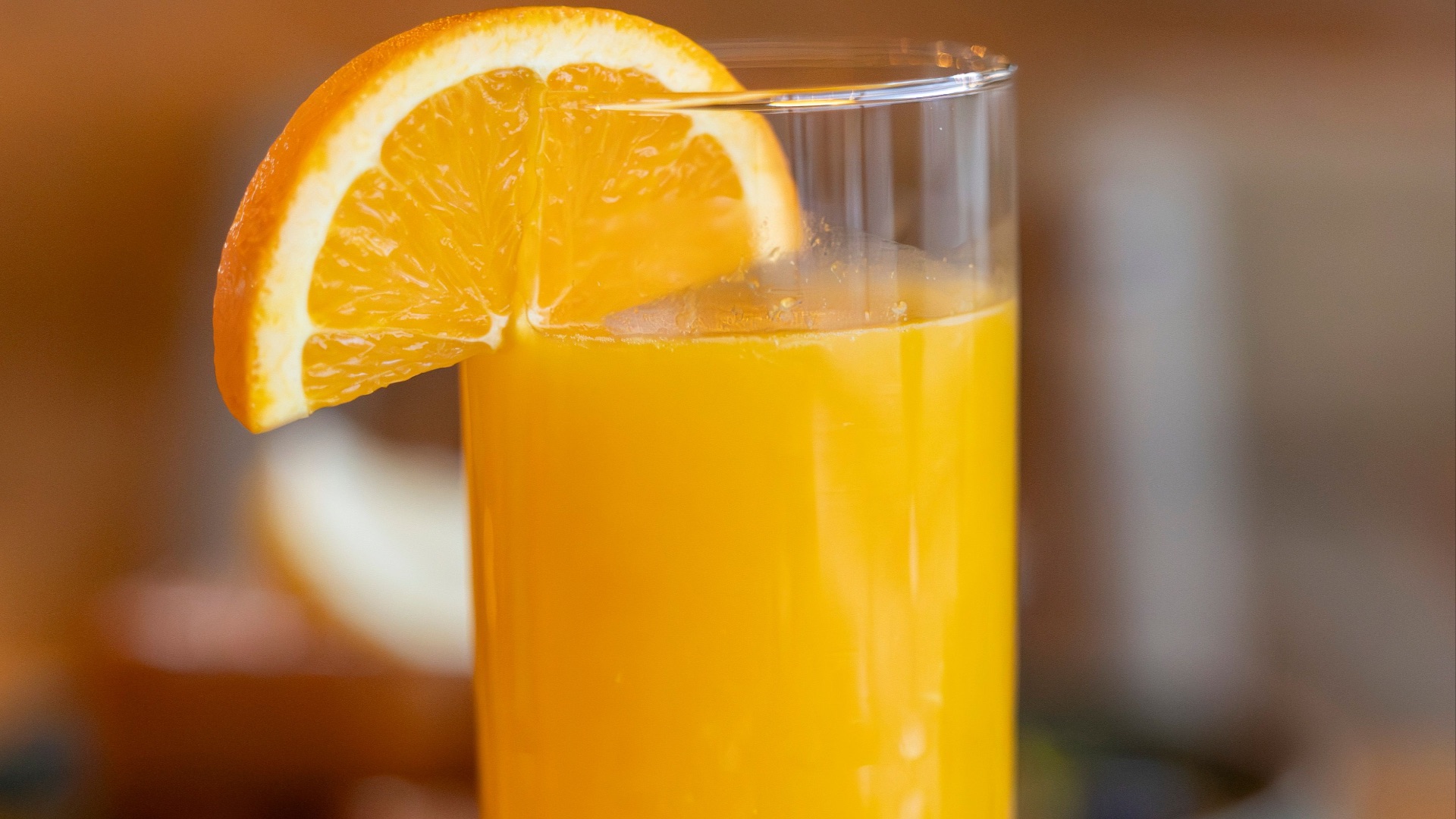
Packaged juices and soft drinks round out the list because studies of commercial beverages have repeatedly detected small plastic particles in them. Contamination may come from the water used to make the drink, industrial processing systems, airborne particles, or contact with plastic bottles and caps. The amount can differ enormously between products, but the findings show that choosing something other than bottled water doesn't necessarily eliminate dietary exposure to microplastics.
KEEP ON READING