10 Foods Chefs Rarely Order at Restaurants & 10 They Happily Pay For
What Professional Chefs Really Think About Restaurant Menus
When you spend your days cooking for other people, you're bound to develop some pretty strong opinions about what's actually worth ordering at a restaurant. Professional chefs know which dishes take real skill, and which are nothing more than an unnecessarily high price tag. Of course, not every chef agrees on everything, but certain foods tend to earn more respect than others. Some restaurant favorites become less appealing once you understand how they're prepared, while other dishes are absolutely worth leaving to the professionals. Here are 10 foods chefs often avoid ordering when dining out, followed by 10 they're more than happy to spend their money on.
1. Basic Pasta With Tomato Sauce
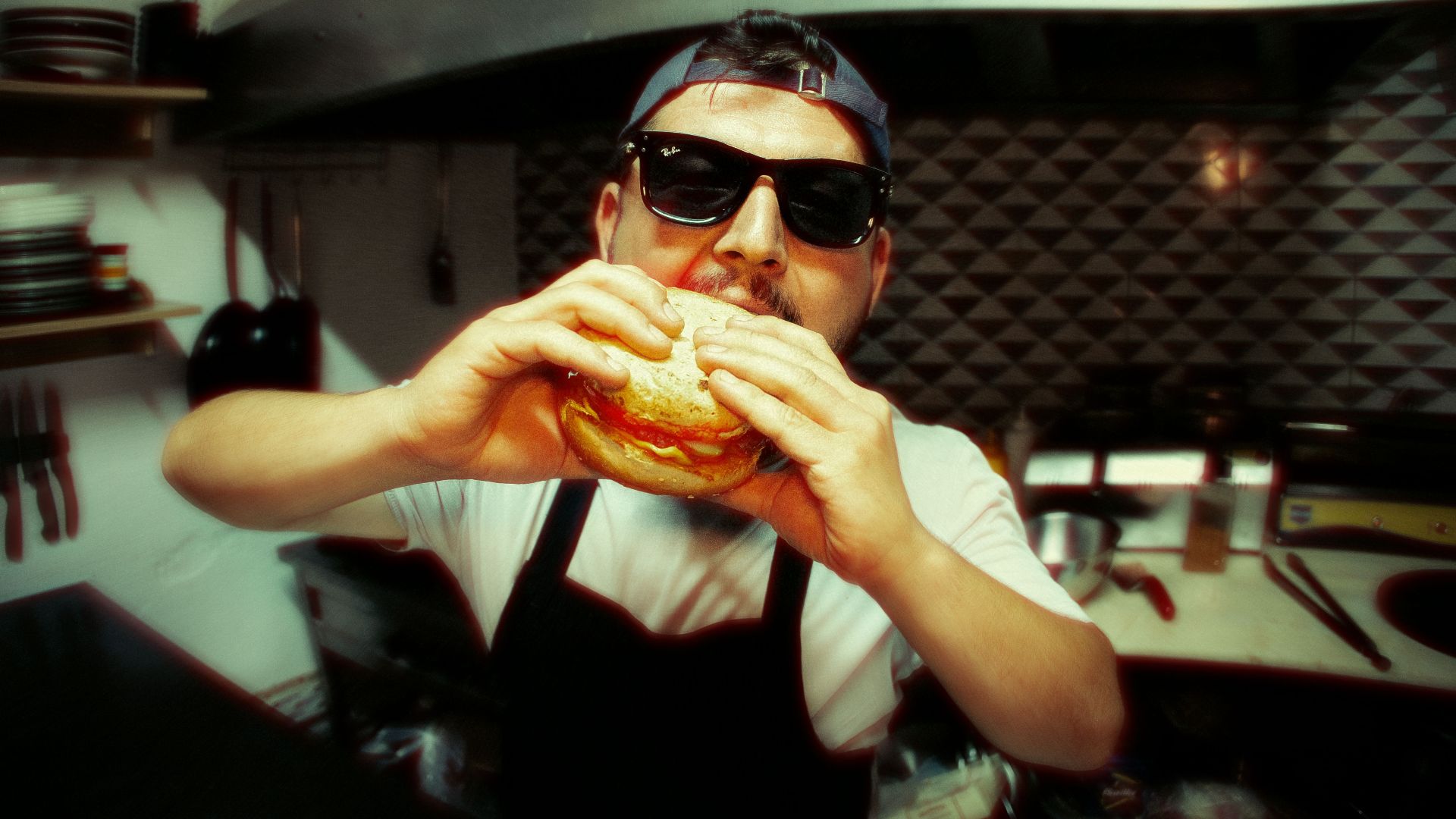
A simple plate of spaghetti with marinara sauce might be comforting, but plenty of chefs would rather whip it up at home. The ingredients are cheap, and making a decent version yourself doesn't require any special equipment or advanced cooking skills. Unless a restaurant specializes in fresh pasta or serves an outstanding house-made sauce, spending $25 on something you could prepare in 20 minutes isn't particularly tempting.
2. Lobster Mac & Cheese
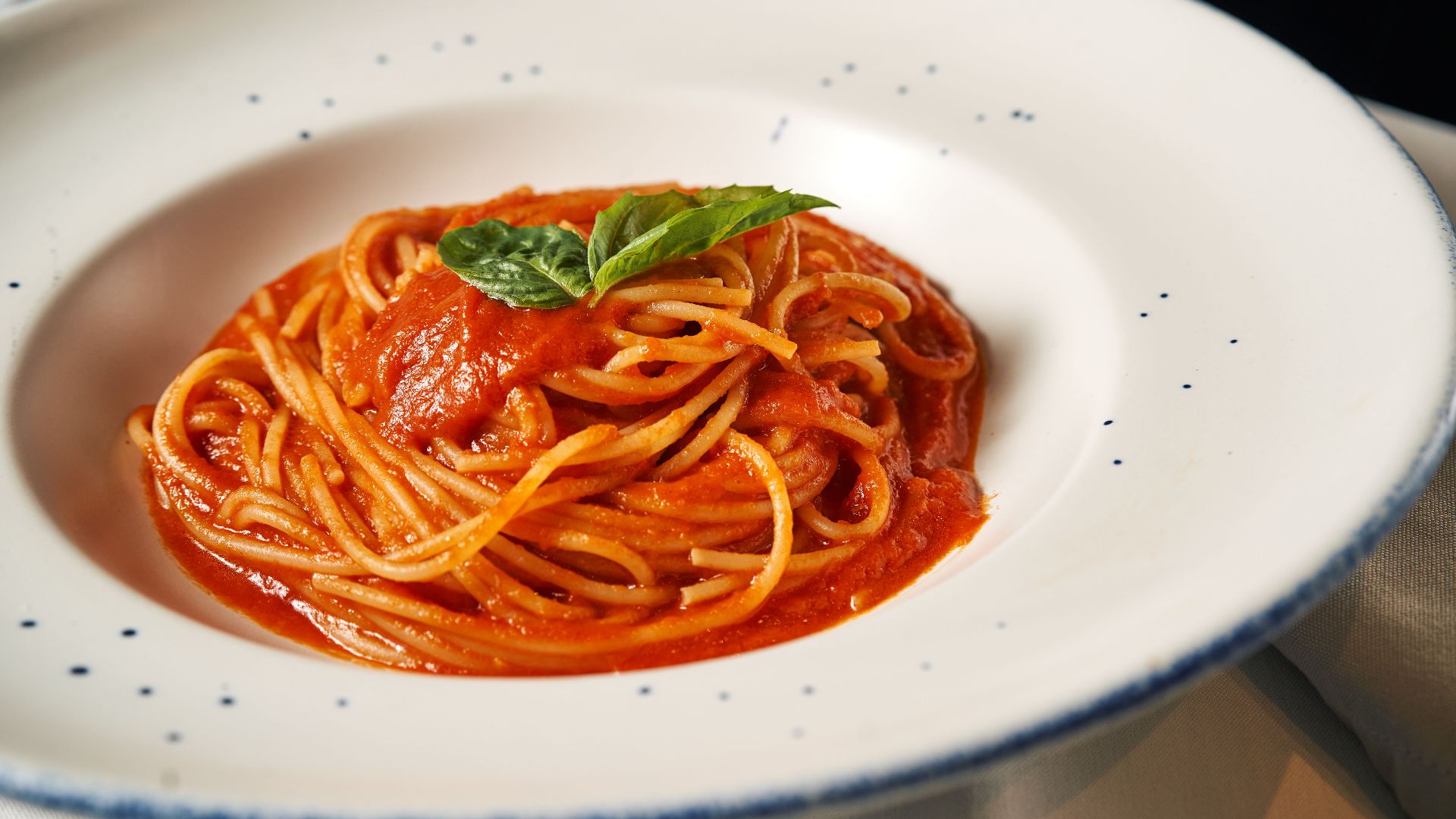
Lobster mac and cheese sounds like an indulgent restaurant treat, but many chefs know that the combination doesn't always justify its hefty price tag. Restaurants can charge significantly more for the dish simply because it contains lobster, even when the actual amount of seafood is relatively small. With all that rich cheese sauce competing against the lobster's delicate flavor, some chefs would rather order the seafood on its own or stick with a really good, traditional mac and cheese.
 Ahmad Mohammadnejad on Unsplash
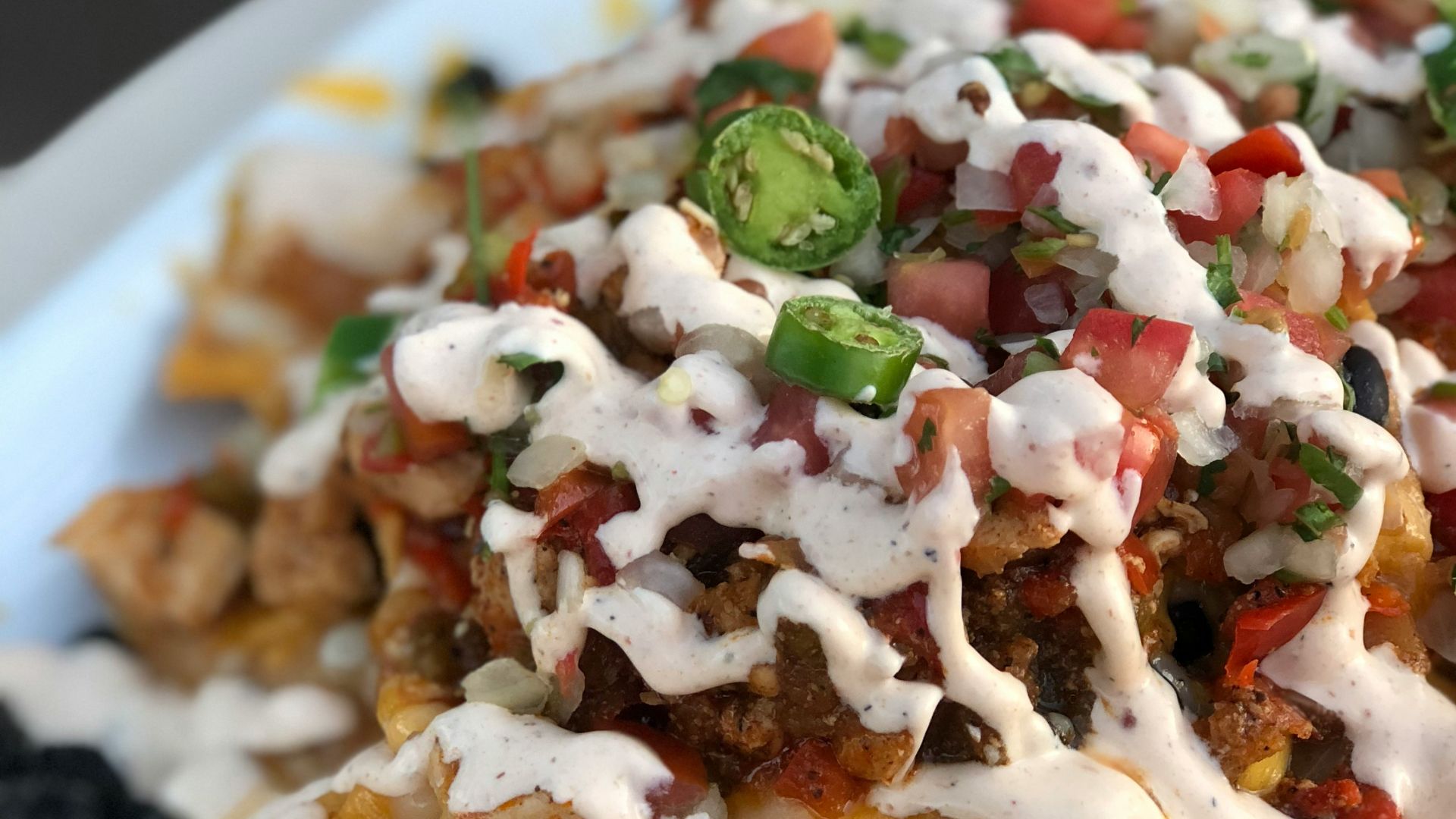
3. Overloaded Nachos
A massive plate of nachos buried under cheese, sour cream, meat, and several different sauces might look impressive, but the results can be surprisingly underwhelming. Chefs understand that throwing a bunch of ingredients onto tortilla chips often leads to uneven portions, with some chips completely soggy and others barely getting any toppings. Unless the kitchen makes an effort to layer everything properly, this popular appetizer doesn't always justify its price.
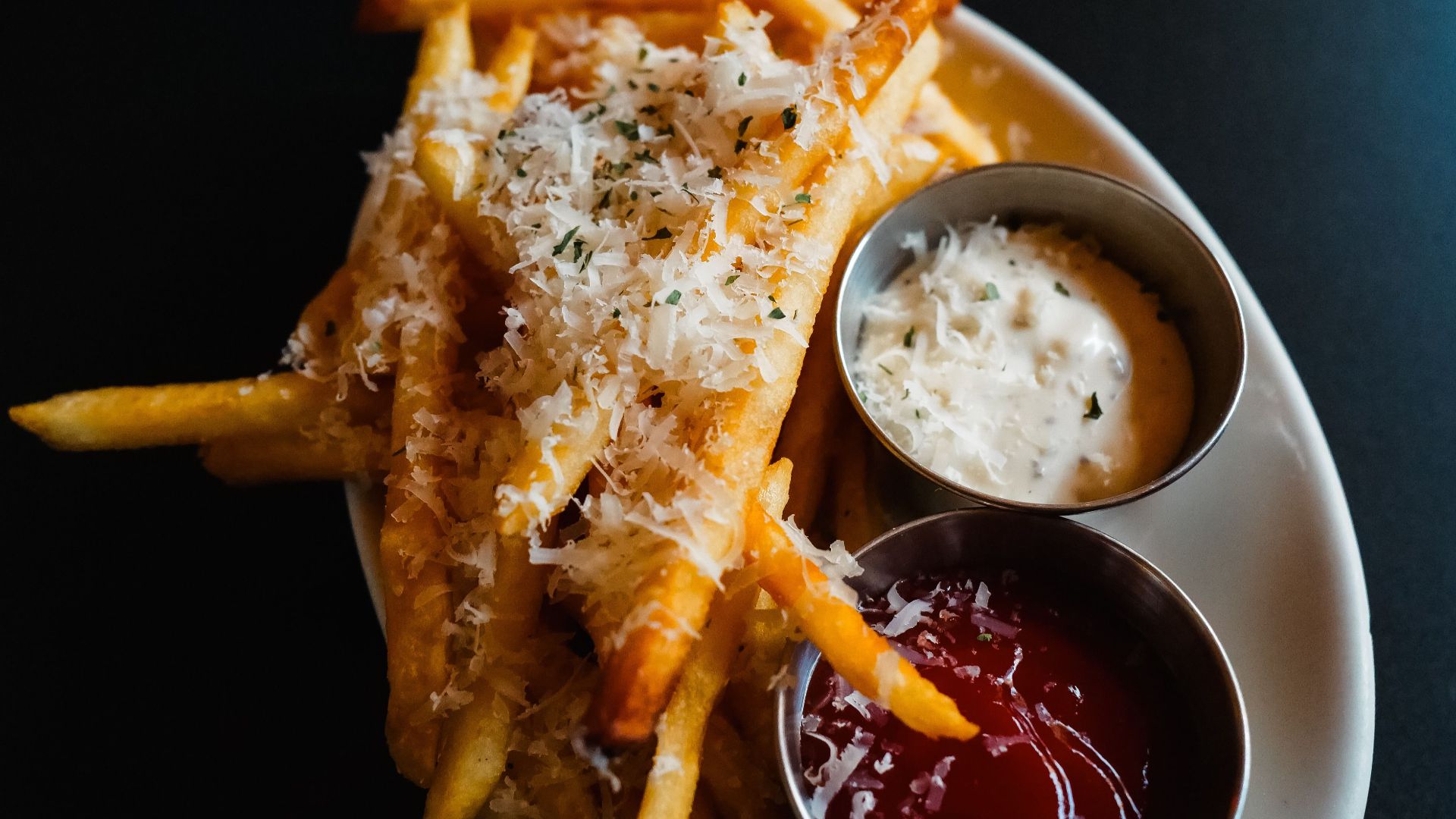
4. Truffle Oil Fries
Truffle fries have become a popular restaurant upgrade, often adding several dollars to the price of an otherwise ordinary side dish. However, many commercial truffle oils contain added flavoring compounds rather than real truffles, something chefs know all too well. Most would probably prefer a perfectly cooked and seasoned normal batch of fries over paying extra for an overwhelming imitation truffle flavor.
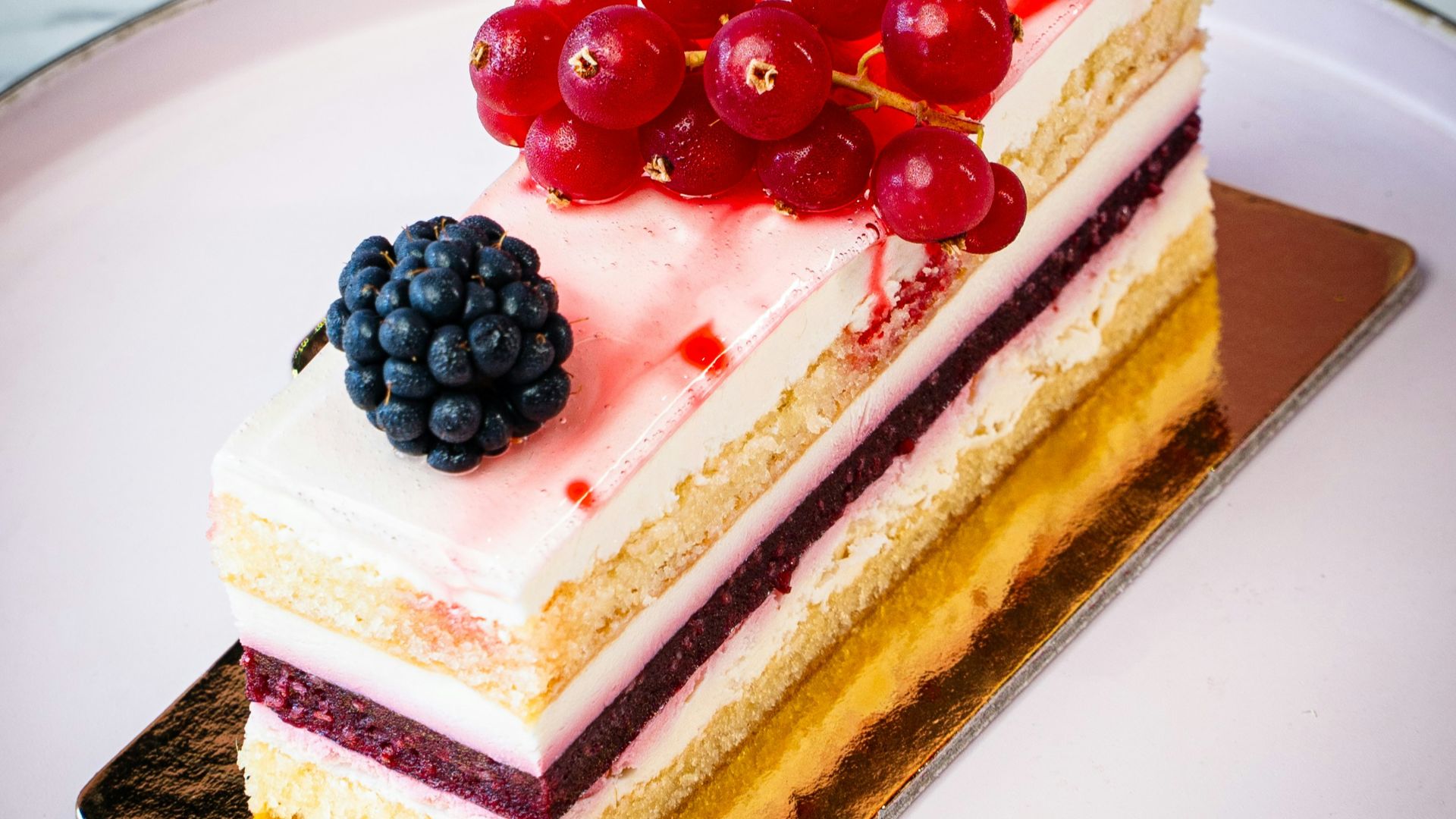
5. Pre-Made Desserts
Not every restaurant makes its desserts from scratch, and professional chefs are well aware of how common commercially supplied cakes and pastries have become. A slice of frozen cheesecake or mass-produced chocolate cake might taste perfectly fine, but that doesn't necessarily make it worth the premium price. Chefs who genuinely appreciate a good dessert are more likely to order something from a restaurant with a dedicated pastry program or a selection of house-made specialties.
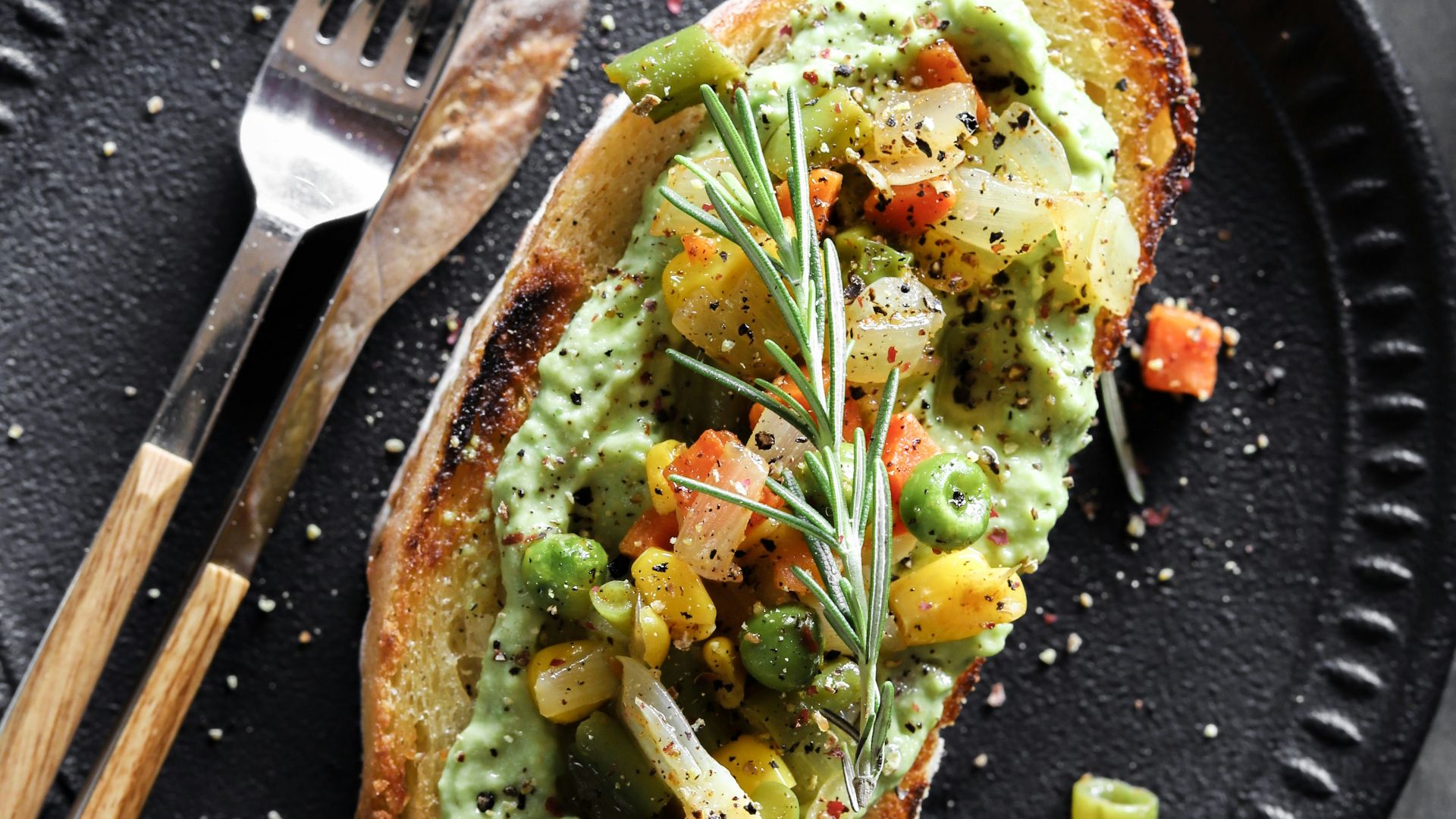
6. Avocado Toast
There's nothing wrong with enjoying avocado toast, but its simplicity makes those restaurant markups especially noticeable to people who cook for a living. After all, a couple of slices of bread, mashed avocado, and some basic seasonings don't exactly require hours of preparation. Chefs might happily order a version featuring exceptional bread, interesting toppings, or thoughtfully prepared accompaniments, but the most basic offering probably won't catch their attention.
7. Grilled Chicken Breast
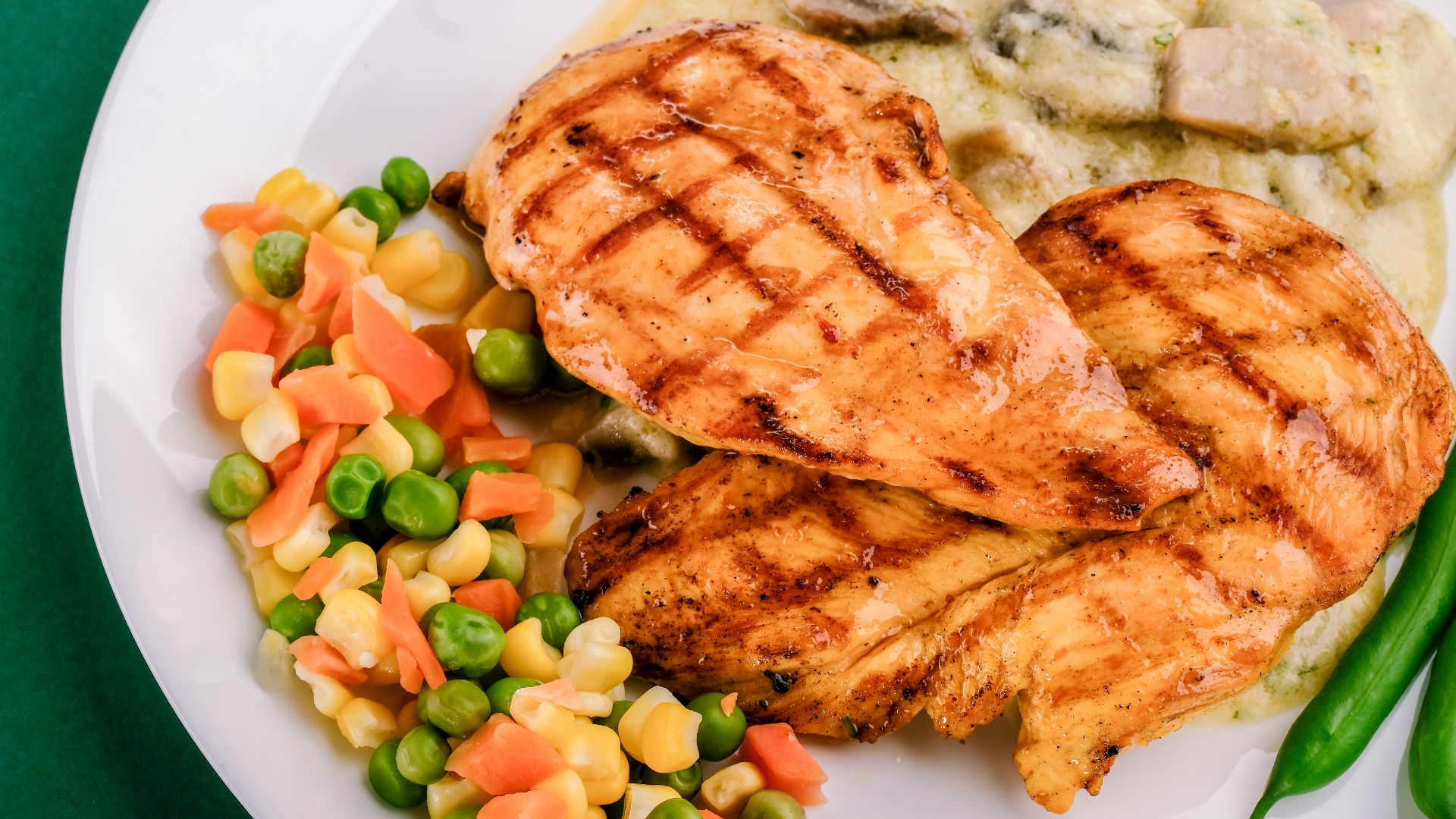
A plain grilled chicken breast served alongside steamed vegetables and rice isn't necessarily a bad meal, but it doesn't do much to showcase a restaurant's abilities. Experienced cooks know that boneless chicken breasts are notoriously easy to overcook, especially in busy kitchens where speed takes priority. Without an interesting marinade, flavorful sauce, or creative cooking technique, this predictable menu option rarely gives chefs much reason to order it.
8. Mozzarella Sticks
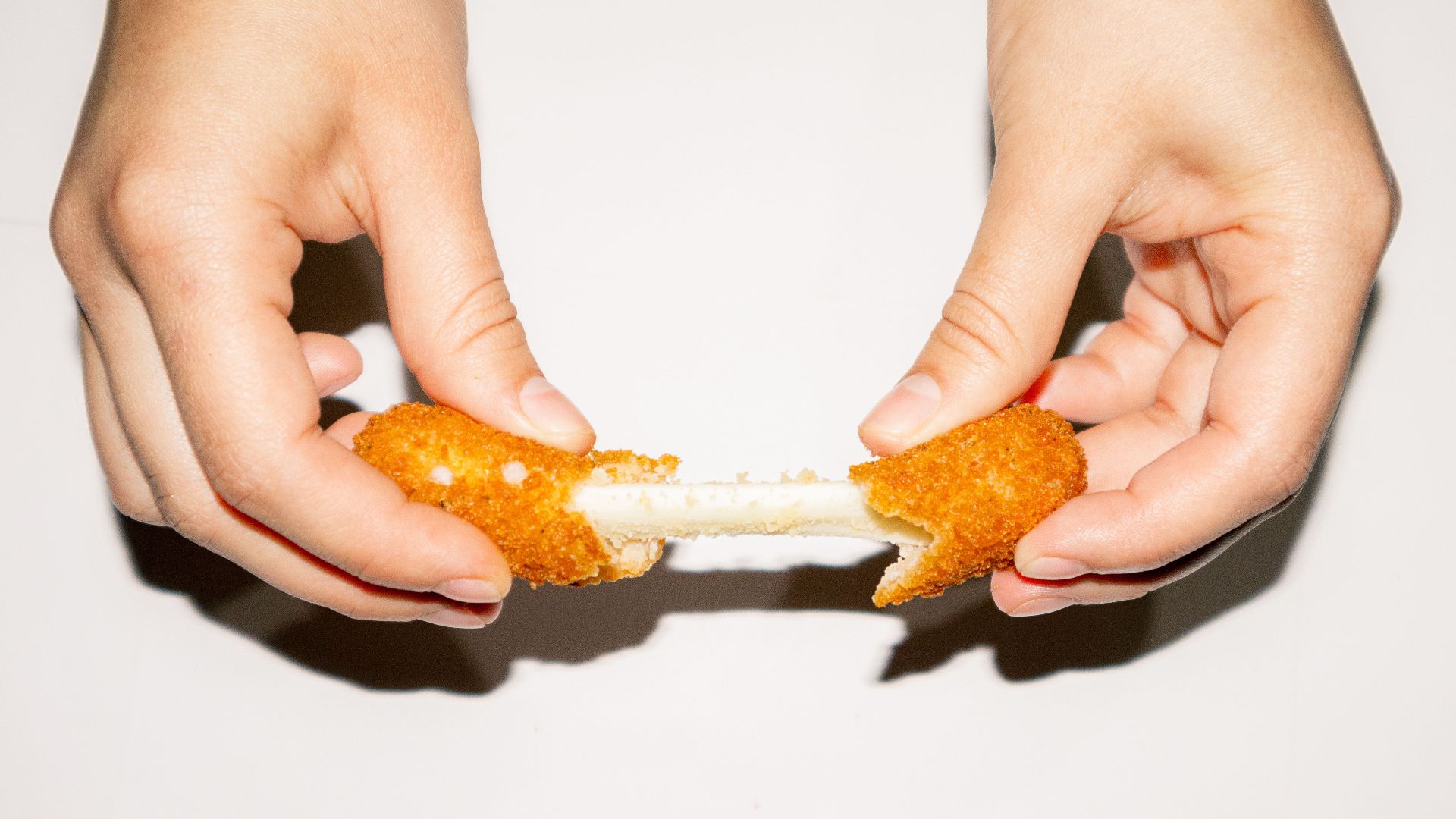
Fried cheese is undeniably delicious, but the mozzarella sticks at most restuarants come straight pre-made from a commercial freezer, and most chefs know that. This means customers are essentially paying restaurant prices for something they could easily buy at the grocery store. A chef looking for an appetizer might be more interested in something prepared in-house that actually highlights what the kitchen does best.
 José Pérez (Artesano) on Pexels
9. Oversized Burgers With Too Many Toppings
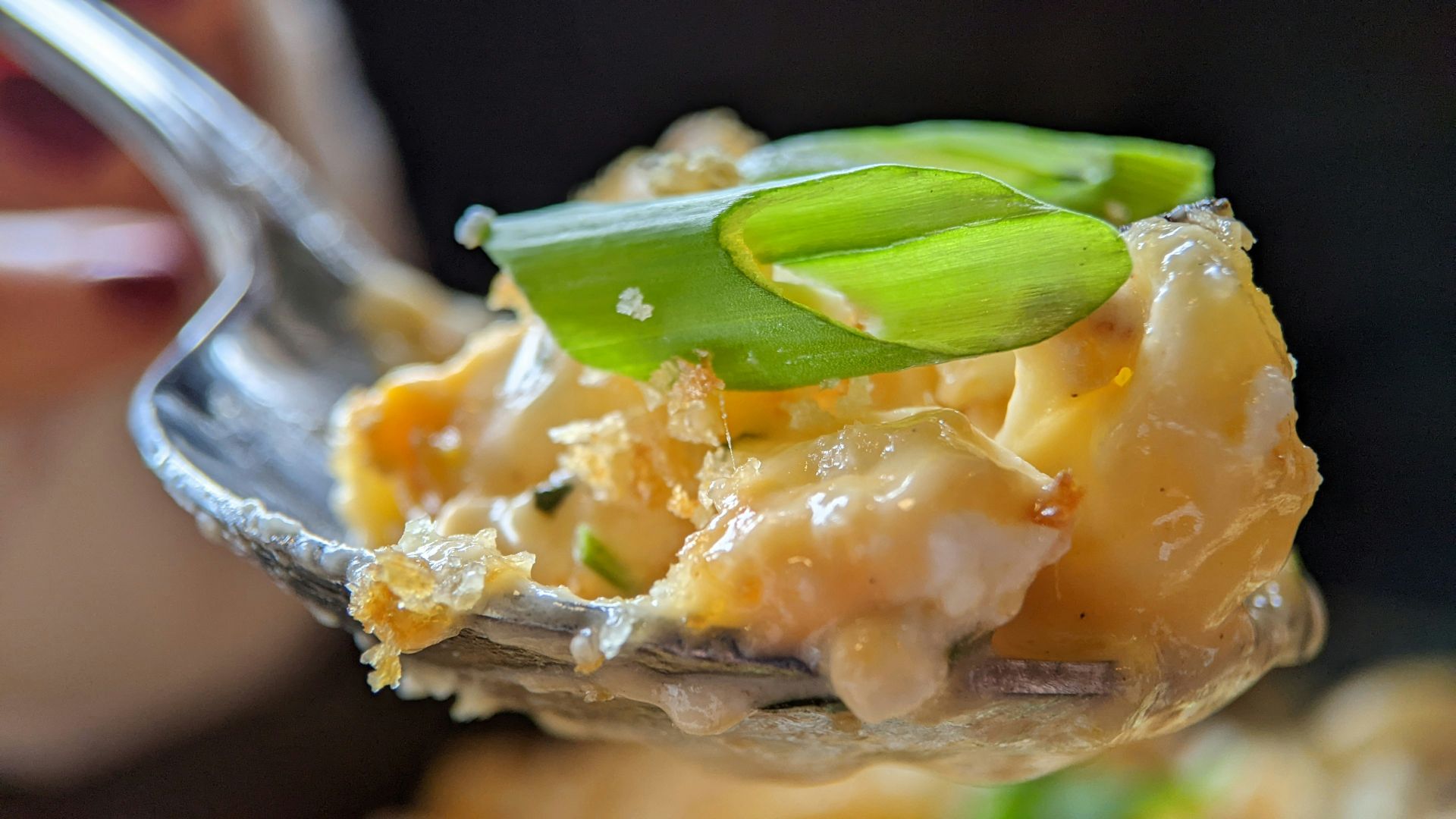
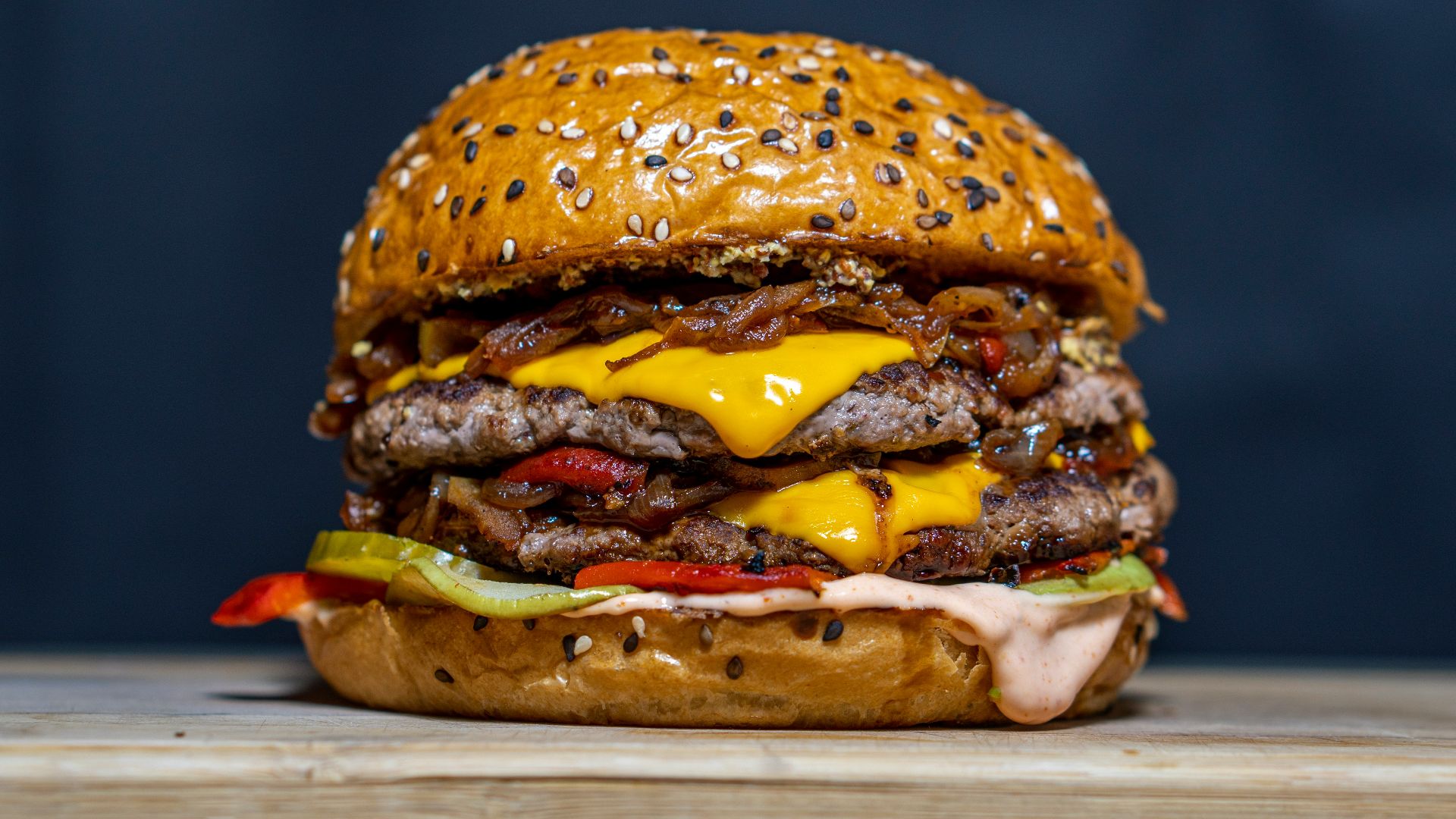
Some restaurants seem determined to squeeze as many ingredients as possible into a single burger, piling on extra patties, bacon, fried onions, multiple cheeses, and several sauces. While these monstrous creations certainly get people's attention, professional cooks understand that more toppings don't automatically mean better flavor. A well-seasoned patty served on excellent bread with a few carefully chosen additions can be far more satisfying than a burger that's practically impossible to eat.
 amirali mirhashemian on Unsplash
10. Ordinary Caesar Salad
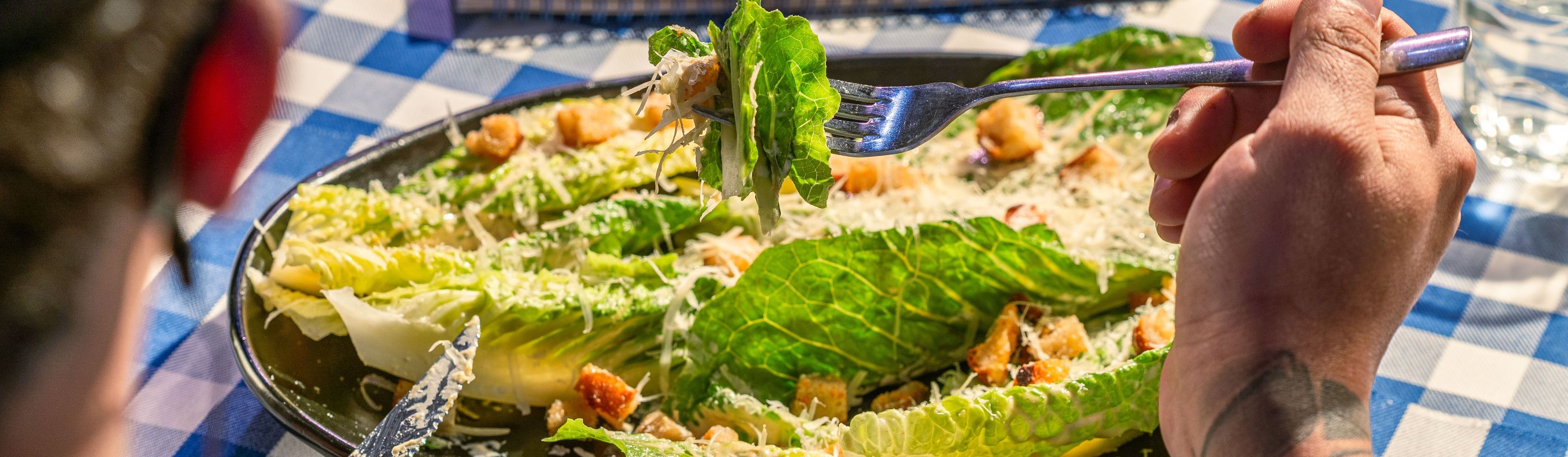
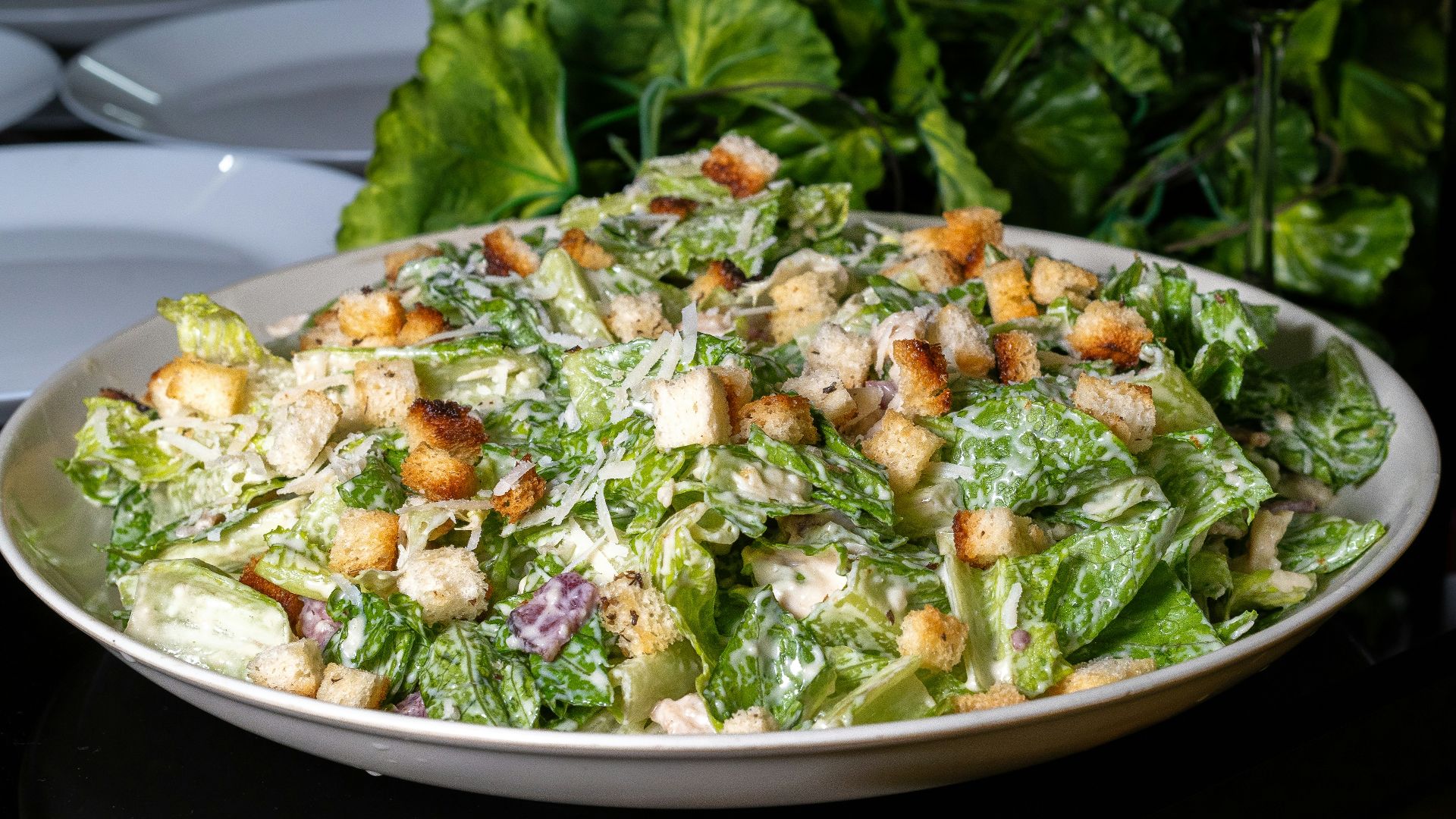
Caesar salad appears on countless restaurant menus, but chefs know that a few small details can make or break the dish. Using bottled dressing, packaged croutons, and pre-shredded Parmesan can quickly turn a potentially excellent salad into something pretty forgettable. If the kitchen isn't making its own dressing or paying particular attention to ingredient quality, many chefs would rather spend their money on something less ordinary.
Now that we've talked about the menu items chefs never order at restaurants, let's cover the ones that they actually get excited about.
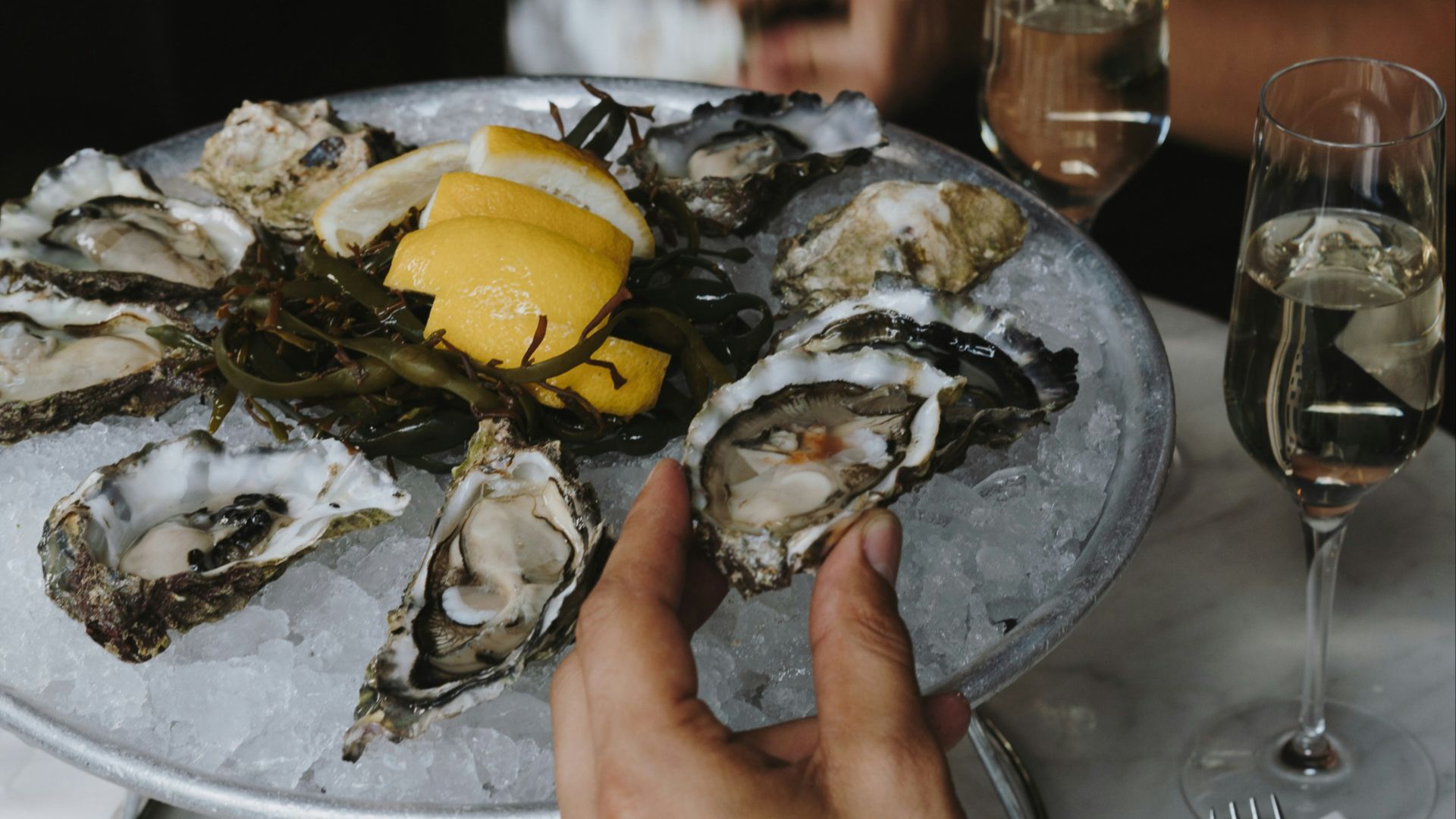
1. Freshly Shucked Oysters
Oysters are one of those foods that many chefs genuinely enjoy ordering from restaurants that specialize in seafood. Proper storage, careful handling, and experienced shucking all make a difference, especially when you're dealing with high-quality oysters. Instead of worrying about the mess and equipment involved in preparing them at home, chefs can appreciate having someone knowledgeable handle everything for them.
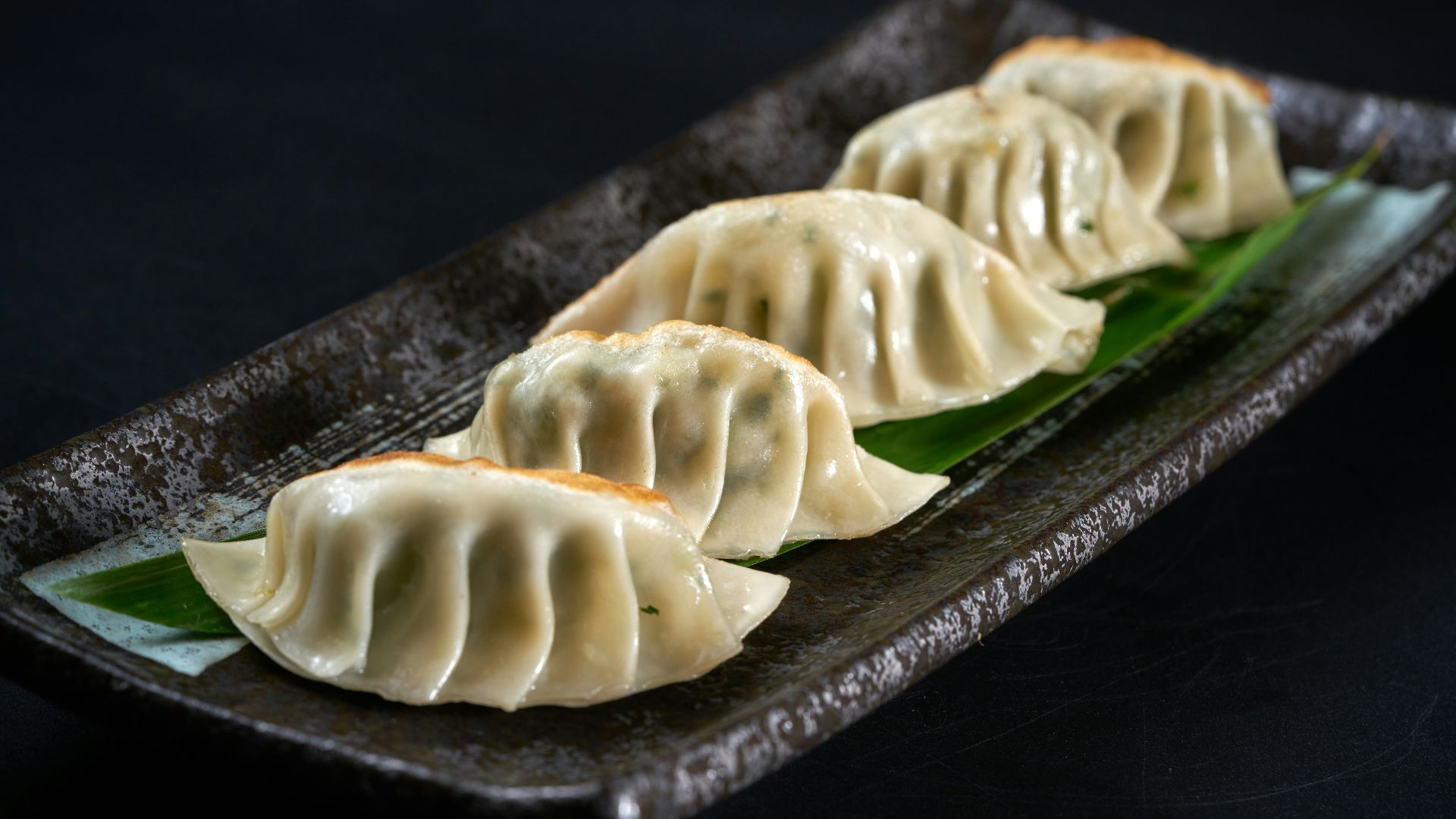
2. Handmade Dumplings
Anyone who's made dumplings from scratch knows there's much more work involved than the finished product suggests. Between preparing the filling, rolling out wrappers, carefully folding each piece, and making sure all the components are perfectly cooked, the process can take quite a while. That's why chefs often appreciate restaurants specializing in handmade dumplings, particularly when they feature regional recipes or interesting fillings that aren't easy to recreate at home.
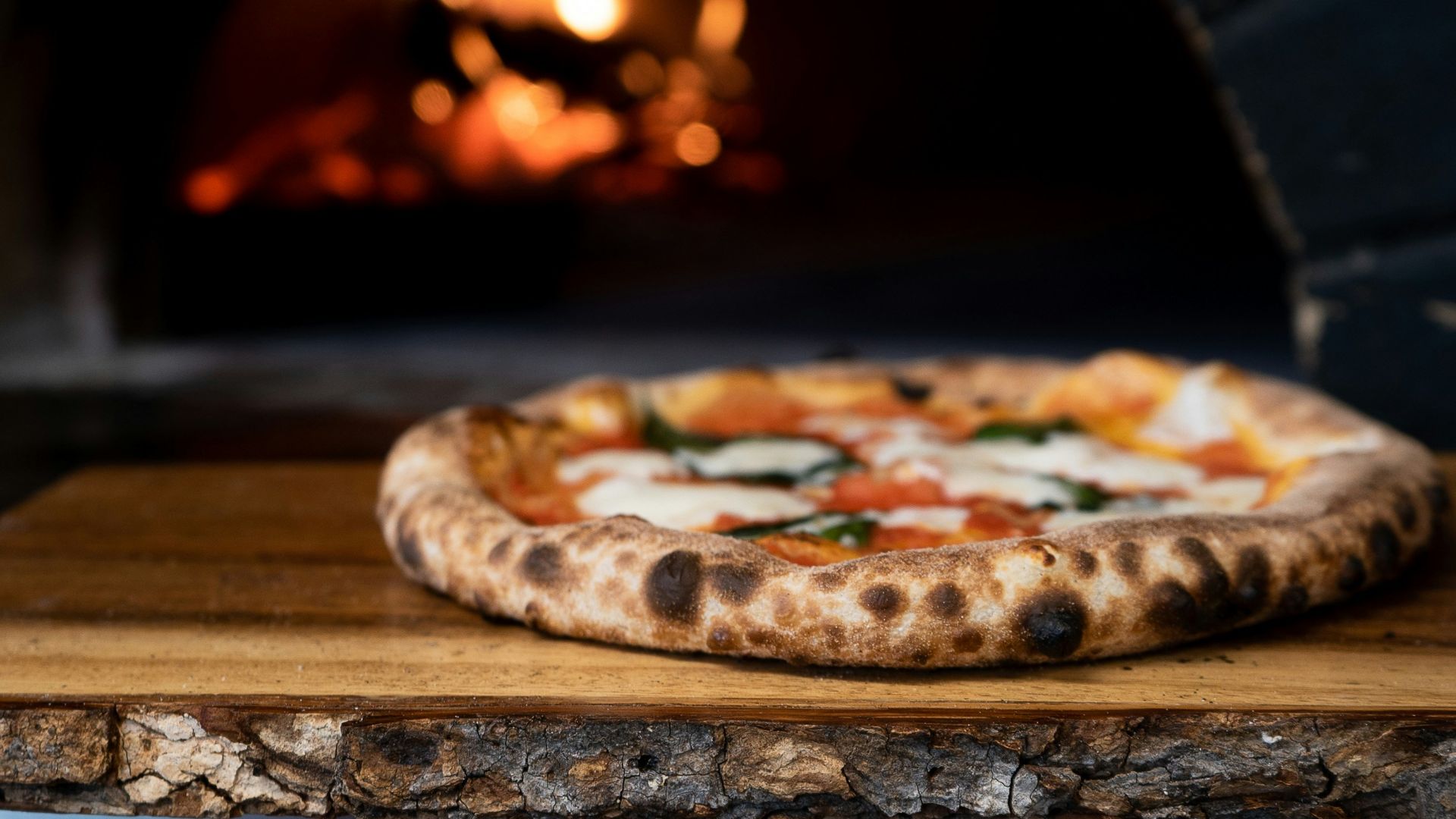
3. Authentic Wood-Fired Pizza
Making an excellent Neapolitan-style pizza takes a lot more than decent dough and fresh mozzarella, which is something professional chefs certainly understand. Traditional wood-fired ovens can reach temperatures far beyond those of standard home ovens, allowing pizzas to develop their distinctive crusts in remarkably little time. When a pizzeria gets everything right, from the dough to the toppings and baking technique, the results are difficult to replicate in an ordinary kitchen.
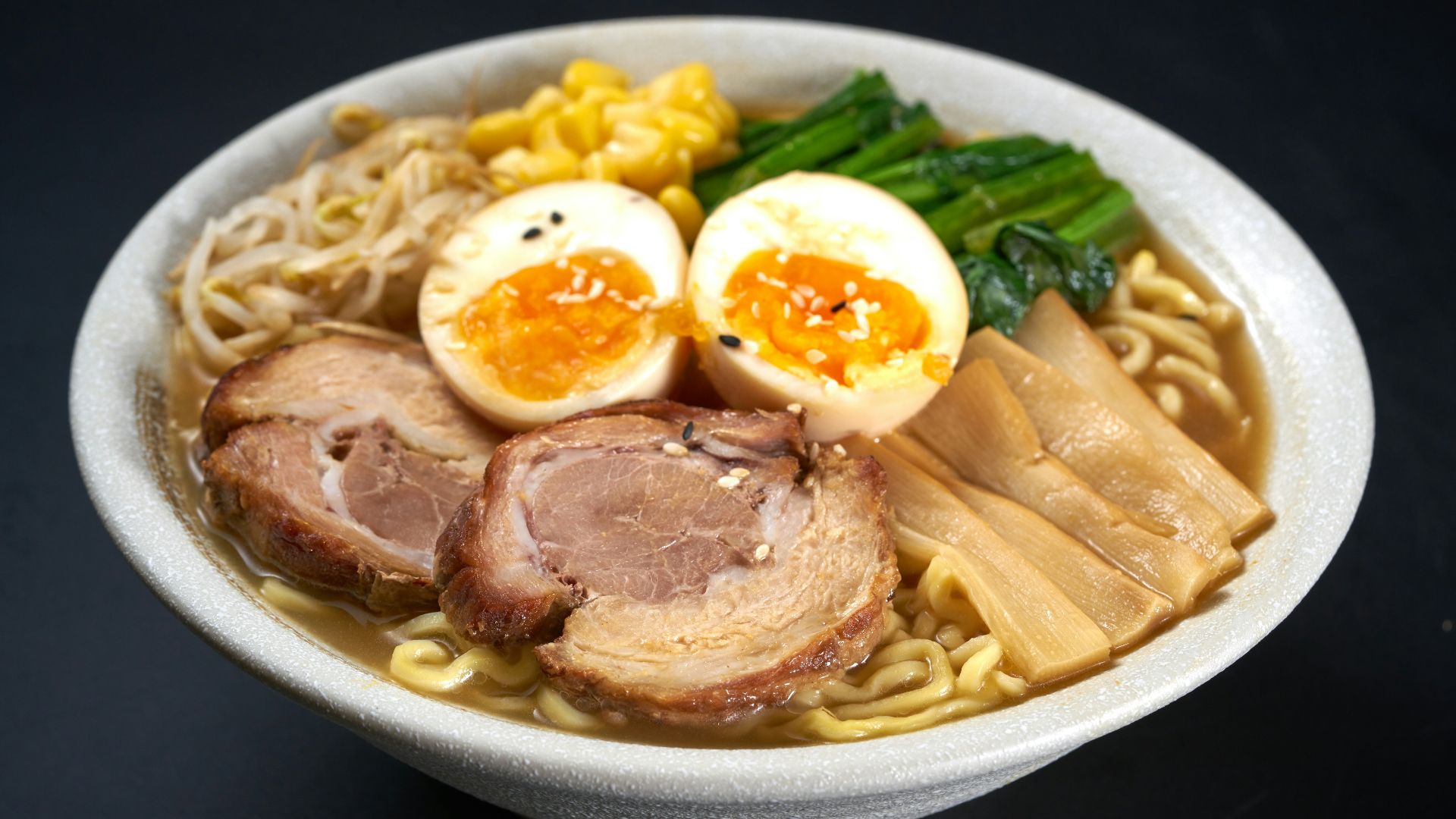
4. Traditional Ramen
A really good bowl of ramen involves far more preparation than most people would expect, with some components taking hours to get right. Restaurants specializing in the dish often spend considerable time developing rich broths, preparing aromatic oils, marinating eggs, and getting their noodles to the perfect consistency. Chefs who understand the effort behind each of these elements usually have no problem paying for a bowl that's been expertly prepared.
5. Perfectly Prepared Sushi
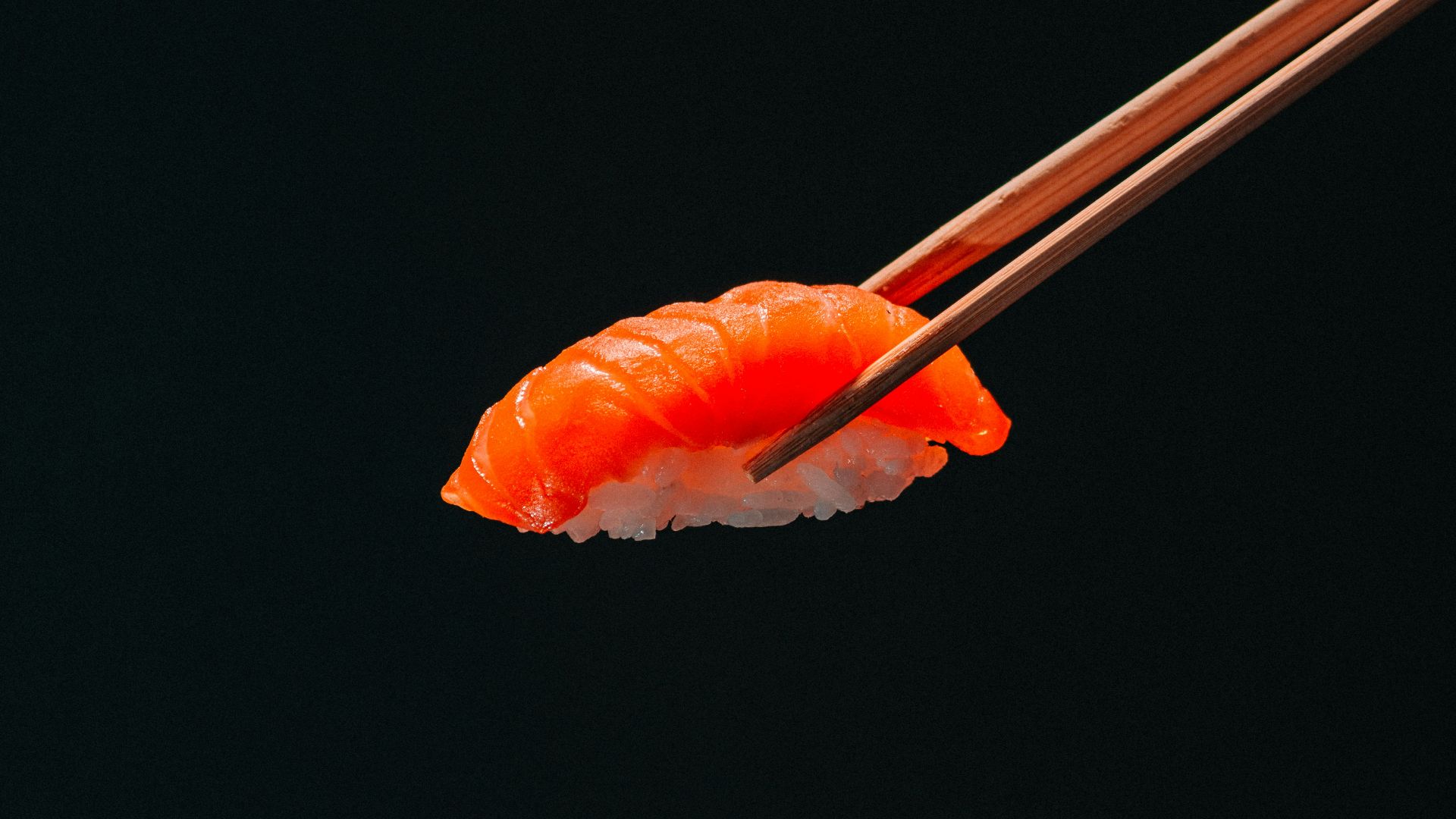
Experienced chefs have a particular appreciation for sushi because even the simplest-looking pieces require impressive precision. Everything from properly seasoned rice and careful knife work to ingredient freshness and temperature control plays an important role in the final result. Visiting a reputable sushi counter also gives diners access to specialized seafood and the knowledge of someone who's spent years perfecting techniques that most home cooks wouldn't attempt.
6. Slow-Braised Short Ribs
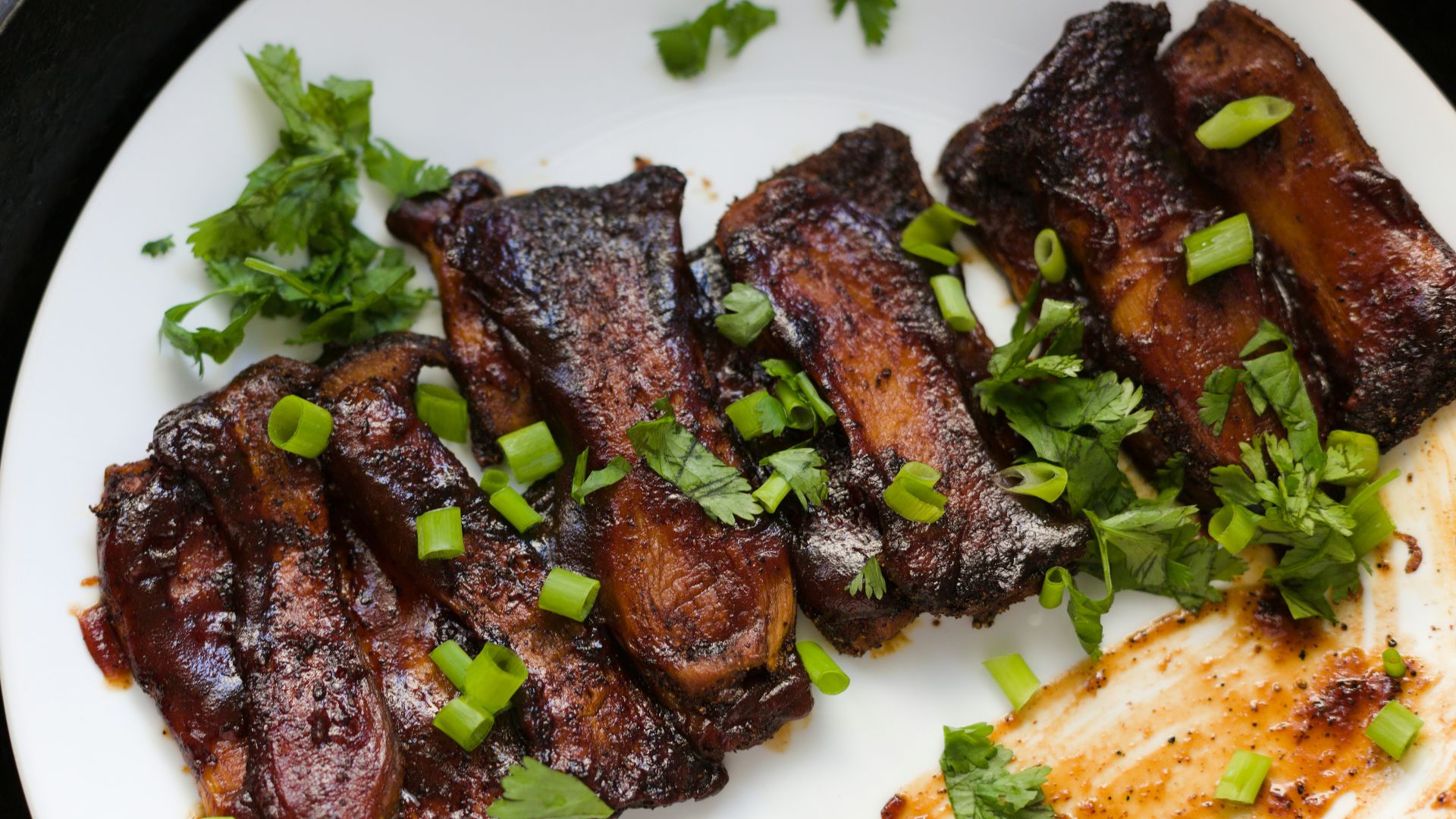
When prepared correctly, beef short ribs become wonderfully tender and flavorful, but getting them to that point takes a lot of patience. Restaurants may spend several hours developing a rich cooking liquid and slowly braising the meat until it's tender without completely falling apart. Although professional chefs certainly know how to make short ribs themselves, they're often happy to let someone else take care of the lengthy cooking process when they're dining out.
7. Freshly Baked Croissants
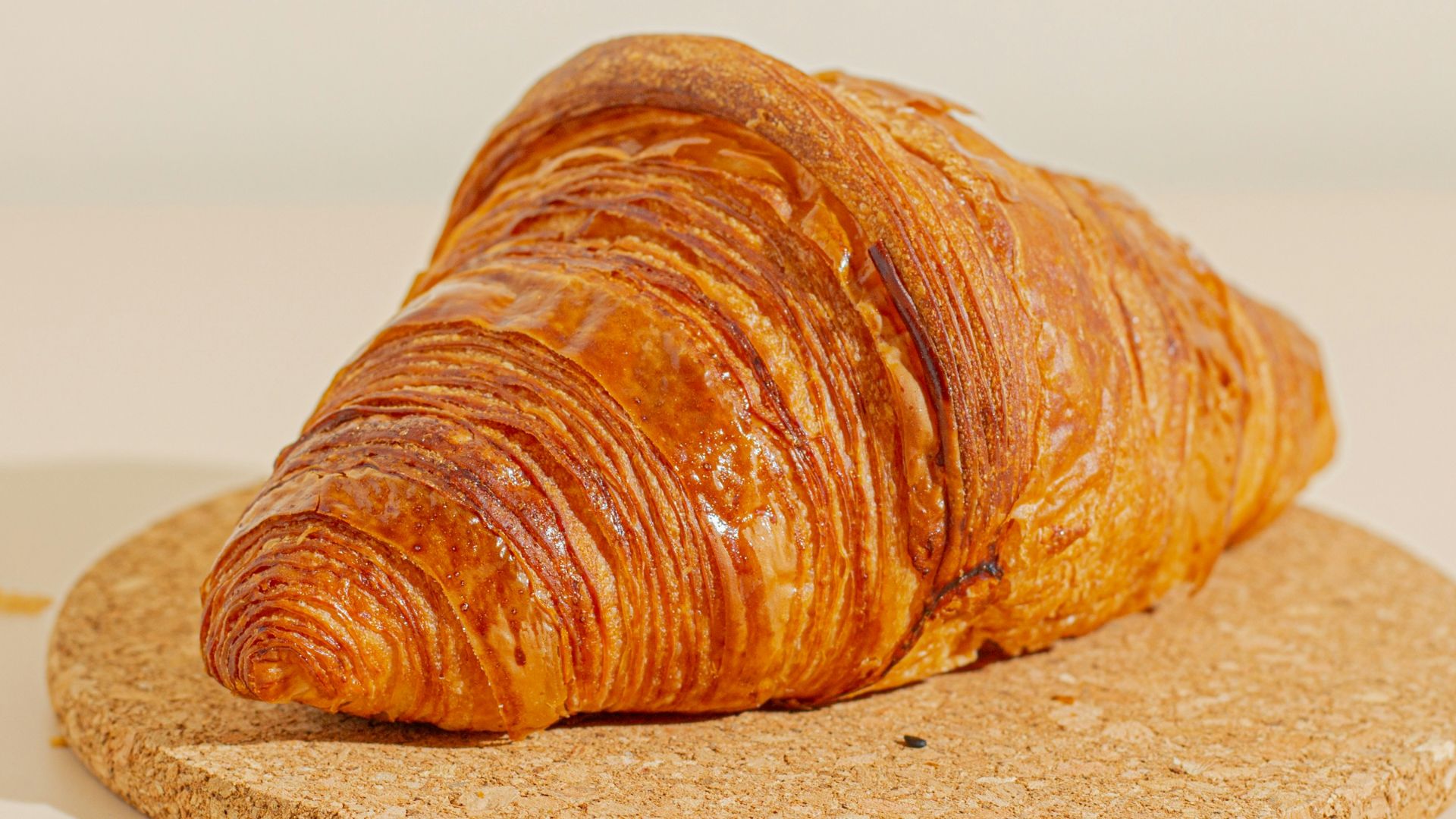
If you've ever tried making traditional croissants from scratch, you'll understand why skilled pastry chefs deserve so much credit. Creating those delicate, flaky layers involves repeatedly folding butter into dough, carefully managing fermentation, and keeping everything at the proper temperature throughout the process. Even experienced chefs will happily pay for an excellent croissant from a quality bakery because they understand how many very precise steps are involved.
8. Traditional Barbecue Brisket
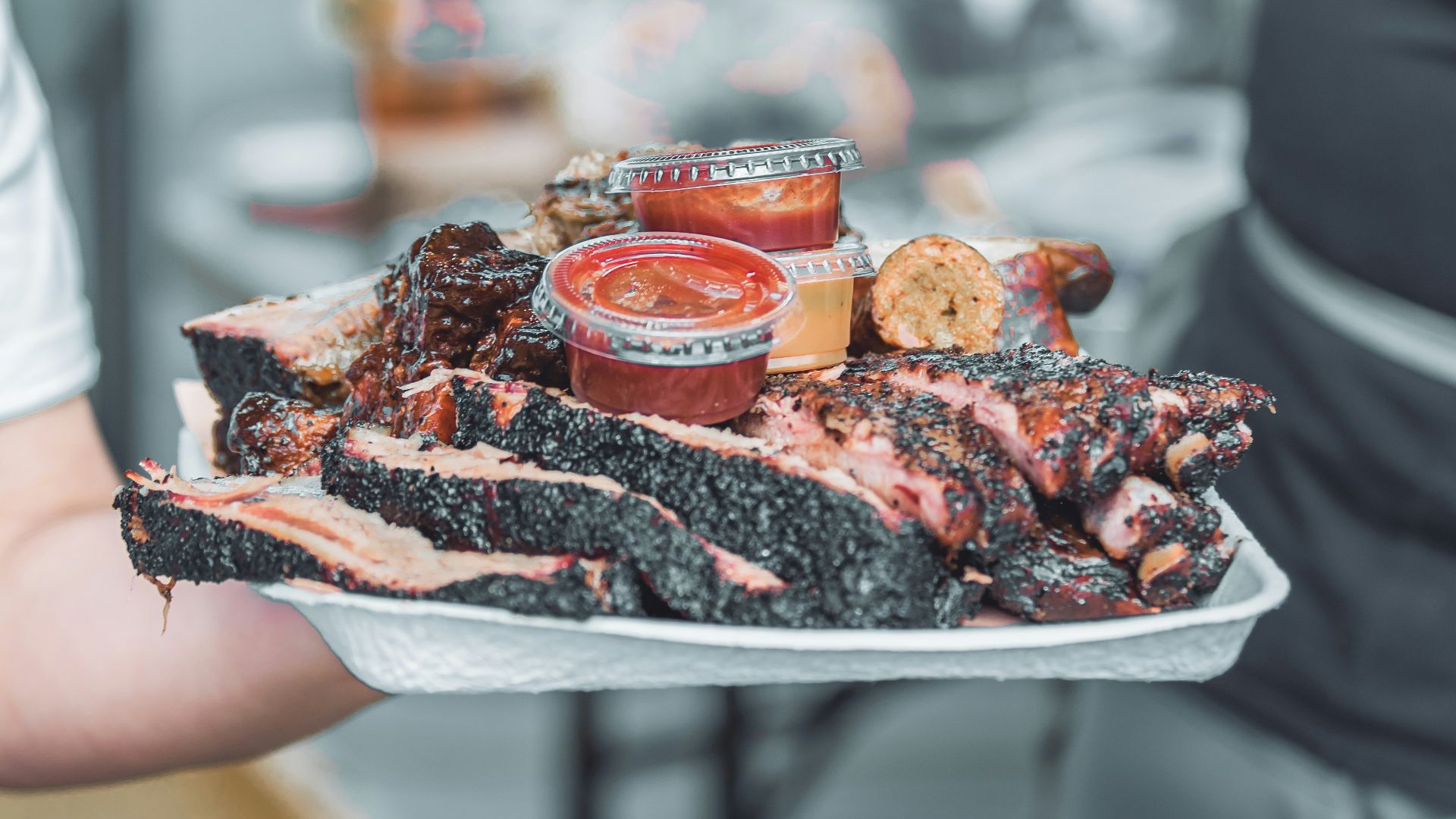
Properly smoked brisket takes an enormous amount of time, specialized equipment, and experience, especially when it's cooked using traditional low-and-slow methods. Pitmasters have to monitor their smokers carefully while adjusting for differences in the meat's size, fat content, and cooking behavior. Even chefs who are perfectly comfortable preparing beef might prefer visiting a respected barbecue restaurant instead of spending most of their day tending to a smoker.
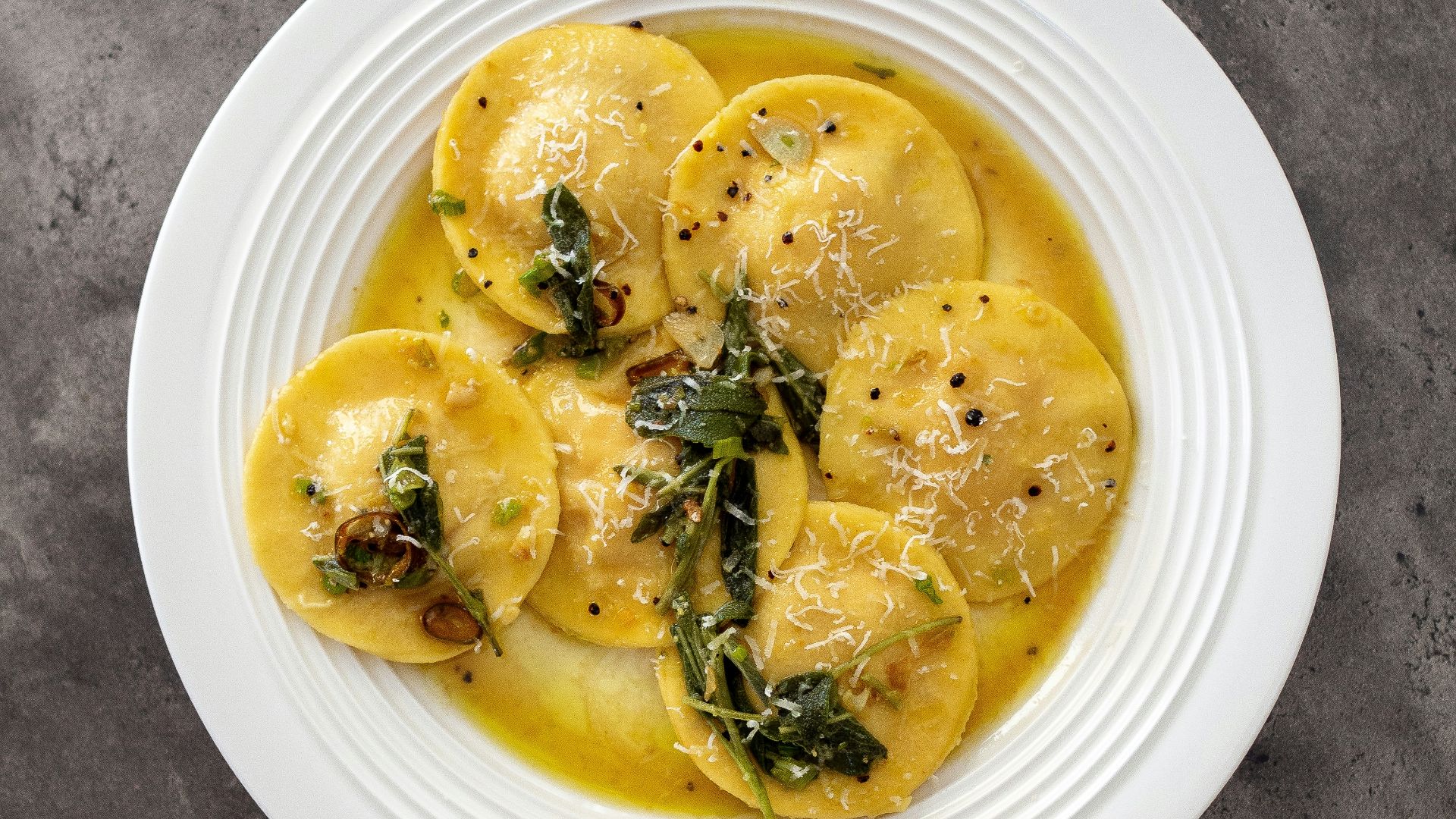
9. Handmade Ravioli
Fresh ravioli might seem relatively simple when it arrives at your table, but there's quite a bit of technique involved in preparing it properly. The pasta dough needs to be rolled to just the right thickness, the filling must have the correct consistency, and every piece has to be sealed carefully so it doesn't burst during cooking. Chefs often enjoy ordering handmade ravioli with seasonal ingredients or creative fillings because it's a dish that allows a kitchen to show off both its technical skills and imagination.
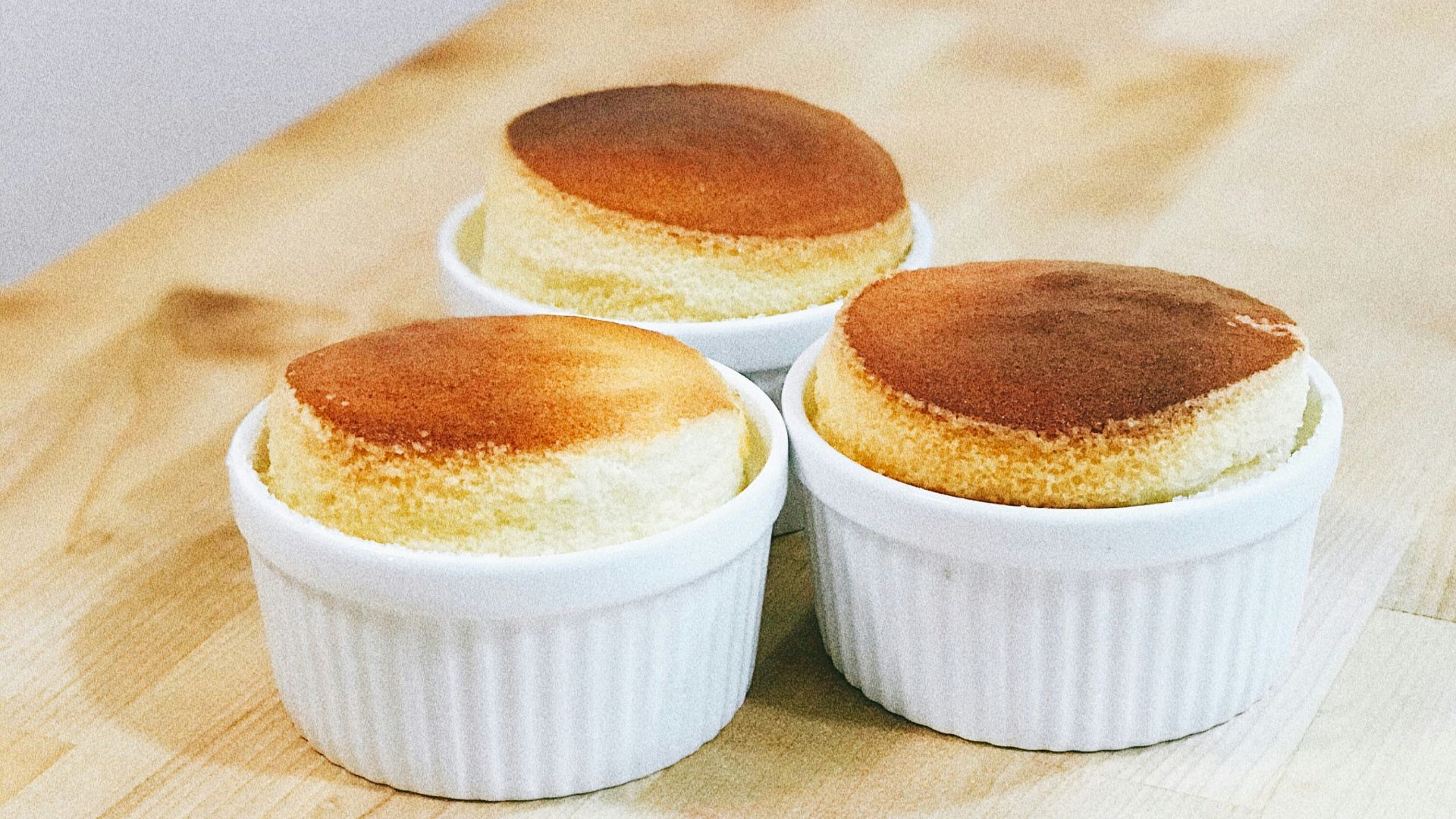
10. A Properly Made Soufflé
Few restaurant desserts require quite as much precision and careful timing as a traditional soufflé. Achieving that impressive rise and delicate texture means whipping egg whites correctly, gently folding the ingredients together, and carefully controlling the baking process. Even though professional chefs understand exactly how a soufflé works, there's something particularly appealing about having someone else handle a dessert that demands attention right up until the moment it's served.
KEEP ON READING