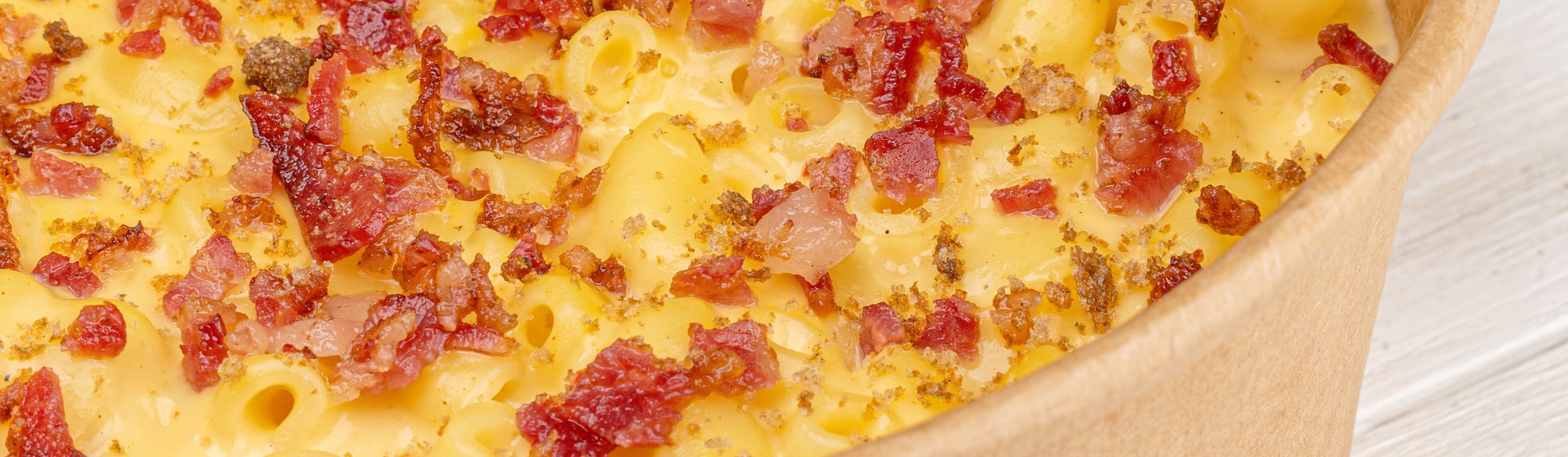
10 Foods That Immediately Spike Your Blood Pressure & 10 Healthier Options to Eat Instead
10 Foods That Immediately Spike Your Blood Pressure & 10 Healthier Options to Eat Instead
Foods That Affect Your Numbers
When you're meticulously watching your blood pressure, it can feel like everything you eat spikes your numbers no matter what. Sure, not every food will cause the same reaction in everyone, and you know to avoid the usual suspects (a.k.a. the salty bunch), but some choices can still temporarily push your range higher, especially if you're sensitive to either one. From instant noodles to mac and cheese and even your favorite fast-food breakfast wraps and sandwiches, it just goes to show that some things are just too good to be true.

1. Instant Ramen
A packet or cup of instant ramen can pack a surprisingly large amount of sodium into what looks like a modest meal. Much of it comes from the seasoning packet, so finishing all the broth can increase your sodium intake even further. For someone who's salt-sensitive, that concentrated dose may contribute to a rise in blood pressure as the body retains more fluid. Using only part of the seasoning helps, but instant ramen still deserves a close look at the nutrition label.
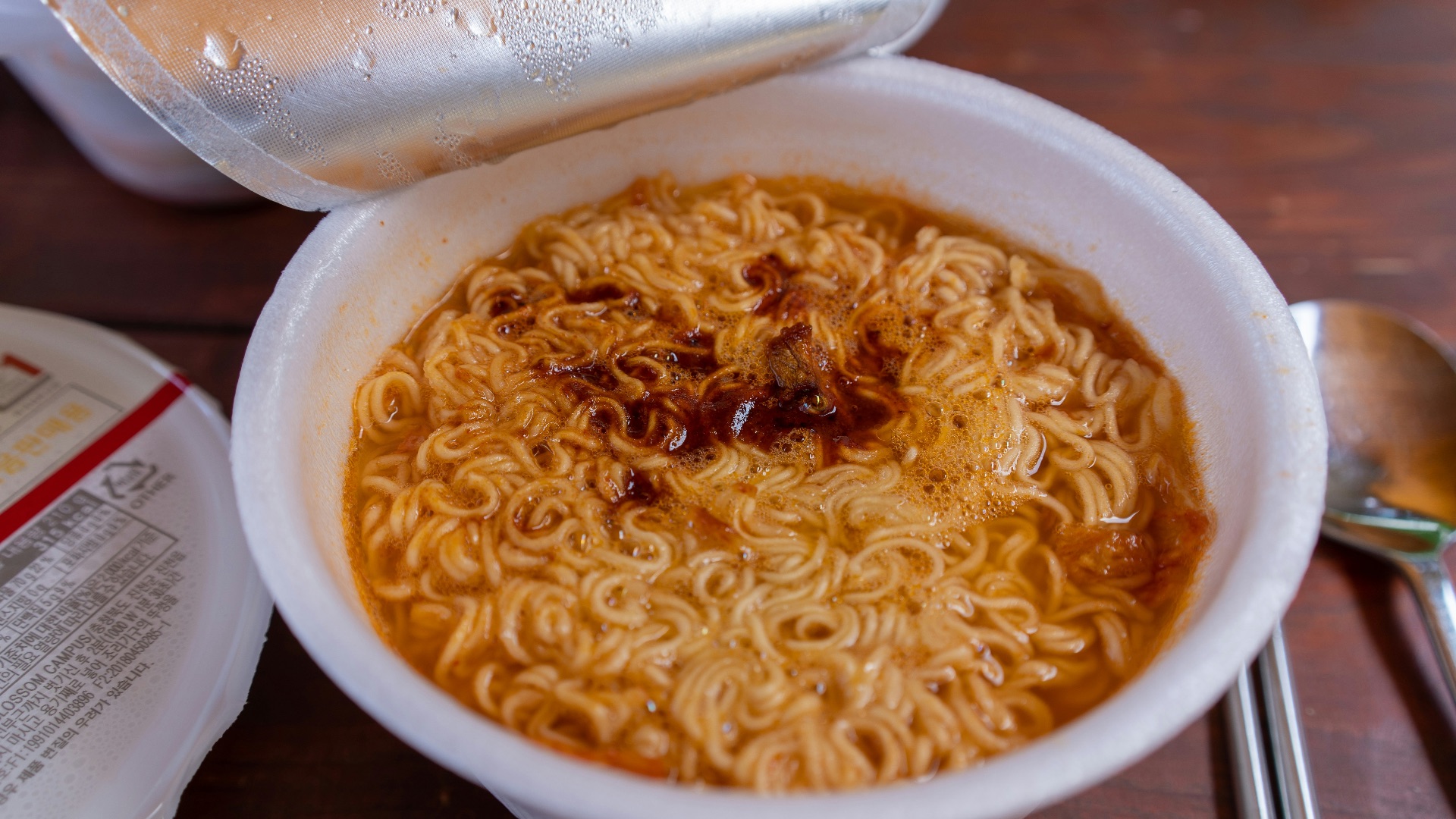
2. Soy Sauce-Heavy Takeout
Soy sauce can turn an otherwise reasonable meal into a major source of sodium, particularly when restaurants use it liberally in stir-fries, noodles, fried rice, and dipping sauces. Adding extra sauce at the table only increases the total. Because restaurant portions tend to be generous, you can consume considerably more sodium than you realize in a single sitting. Asking for sauce on the side gives you much more control over how much actually ends up on your plate.
3. Fast-Food Breakfast Sandwiches
Breakfast sandwiches from drive-through restaurants often combine cheese, seasoned eggs, salty bread, and other sodium-heavy ingredients in one compact meal. Even without bacon or sausage, the total sodium can climb quickly because salt is present in several components. That makes these sandwiches particularly easy to underestimate if you're watching your blood pressure. Preparing eggs and toast at home lets you decide exactly how much sodium goes into breakfast.

4. Boxed Macaroni and Cheese
The convenience of boxed mac and cheese comes with a downside for anyone trying to cut back on sodium. Cheese powder and prepared sauces usually contain plenty of salt, and some varieties supply a significant portion of a day's recommended sodium in a large serving. Eating several portions at once can therefore deliver a concentrated sodium load. If mac and cheese is a favorite, smaller servings and lower-sodium homemade versions can be easier to fit into your routine.
5. Nachos
Nachos aren't just salty because of the chips. Prepared cheese sauce, seasoned meat, olives, restaurant salsa, and other toppings can all contribute additional sodium, so the total adds up fast. A large restaurant serving can be especially difficult to gauge because there's no obvious way to see how much salt has been used. If you want nachos, starting with unsalted or lightly salted ingredients at home gives you far more control.

6. Salty Snacks
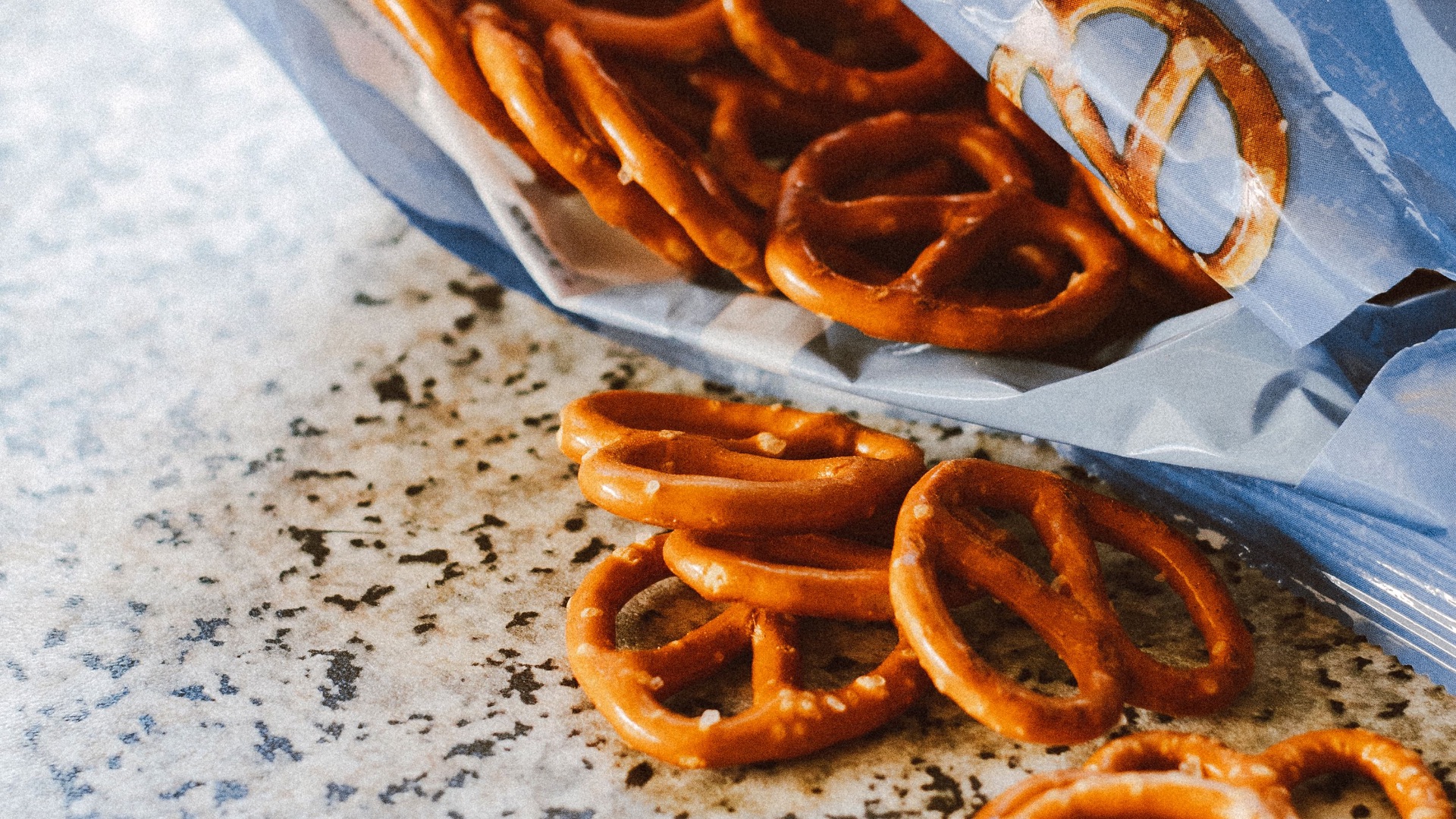
Pretzels, flavored crackers, seasoned cereal pieces, and salted nuts can make snack mixes particularly sodium-dense. They're also easy to eat by the handful, which means a serving or two can disappear before you've paid much attention to the portion. That combination makes it simple to consume a hefty amount of sodium within a short period. Choosing an unsalted mix or assembling your own from plain nuts, seeds, and whole-grain cereal keeps the snack convenient without the same salt load.
7. Smoked Fish
Fish itself can be an excellent part of a balanced diet, but smoked varieties are a different matter when sodium is a concern. Smoking and curing preparations commonly involve salt, so foods such as smoked trout or smoked whitefish may contain far more sodium than their fresh counterparts. A generous serving can therefore affect your daily total more than you might expect. Freshly baked, grilled, or roasted fish is usually the easier choice when you're trying to keep sodium down.

8. Instant Gravy and Seasoning Packets
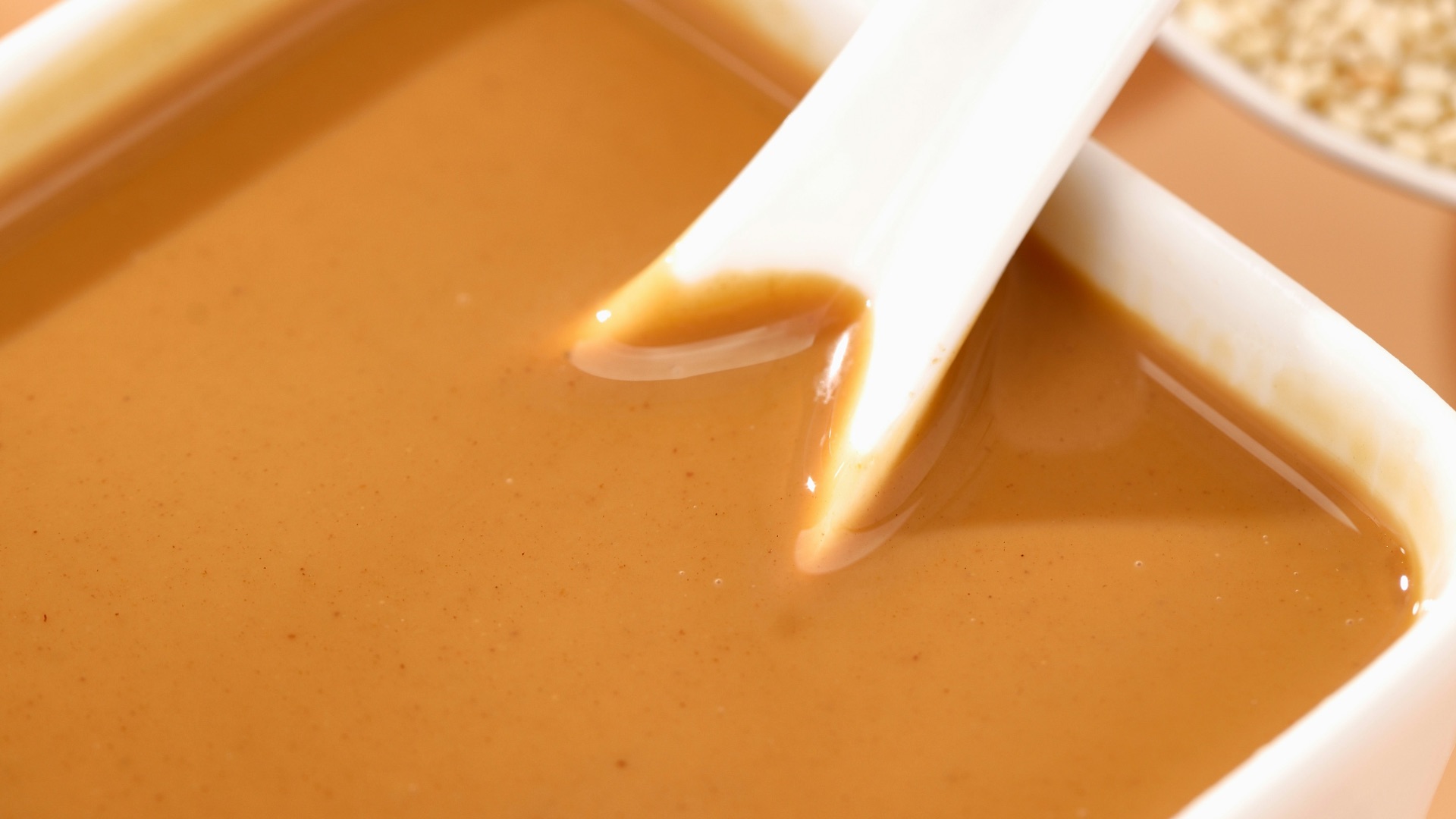
Those little packets in the pantry can contain much more salt than their size suggests. Instant gravies, powdered sauce mixes, and seasoning blends often rely heavily on sodium to deliver strong flavor quickly. When they're poured over an already seasoned meal, you're adding another substantial layer of salt without necessarily noticing it. Making a simple sauce with herbs, spices, garlic, citrus, or unsalted broth puts you in charge of the seasoning.
9. High-Sodium Electrolyte Drinks
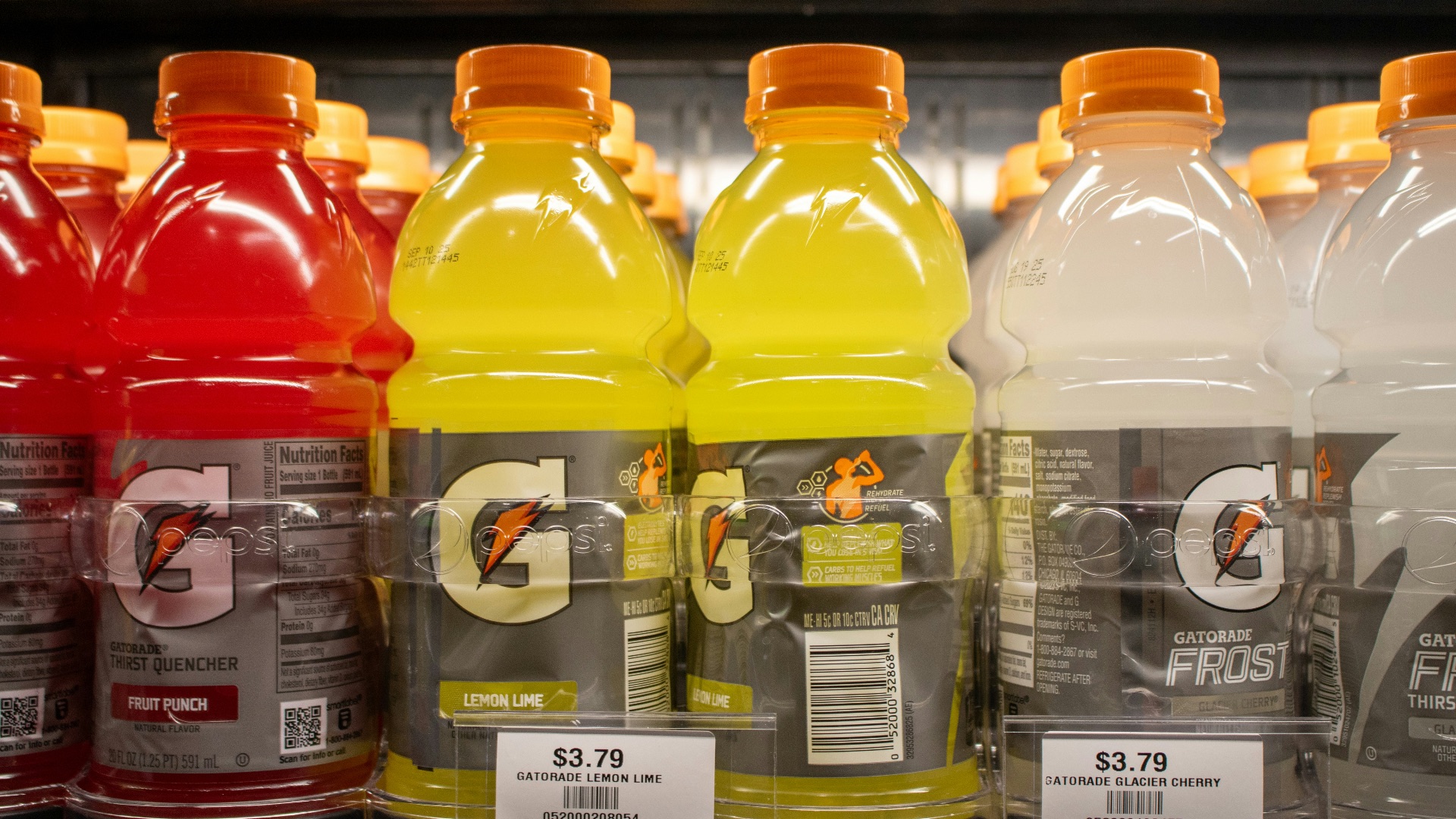
Electrolyte beverages can be useful in certain situations, particularly after prolonged sweating or intense activity, but they're not automatically a healthier substitute for water. Some drinks and powdered mixes contain sizable amounts of sodium, which you may not need during an ordinary day. Drinking them routinely on top of a sodium-heavy diet can make it harder to stay within recommended limits. Check the label first, and don't assume that every hydration product is designed for everyday sipping.
10. Large Energy Drinks
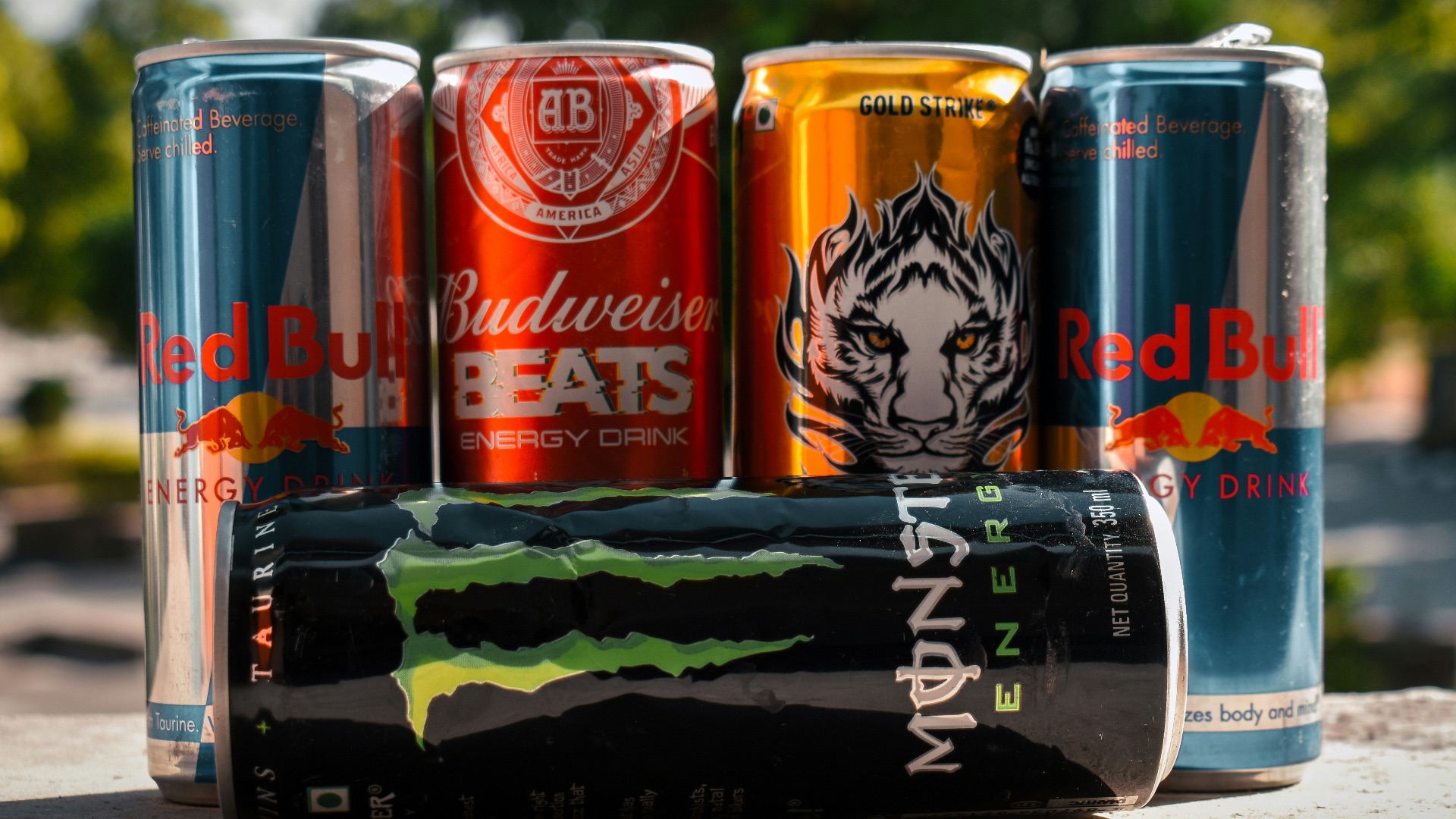
Caffeine is one of the few dietary substances that can cause a fairly rapid, temporary increase in blood pressure in some people. Energy drinks can deliver substantial amounts of it at once, and individual sensitivity varies considerably. The effect may be more noticeable if you don't consume caffeine regularly or if you're already dealing with high blood pressure. If you notice your readings climb after caffeinated drinks, reducing the amount or choosing a caffeine-free option may be worth discussing with your healthcare provider.
Yet, while you might want to avoid the foods we've mentioned, it's not always sustainable to swear off salt forever. Making lower-sodium foods your everyday choices, however, can shift your overall diet in a better direction. So, instead of focusing only on what to remove, let's take a look at some nutritious options you should be eating.
1. Lentils and Beans
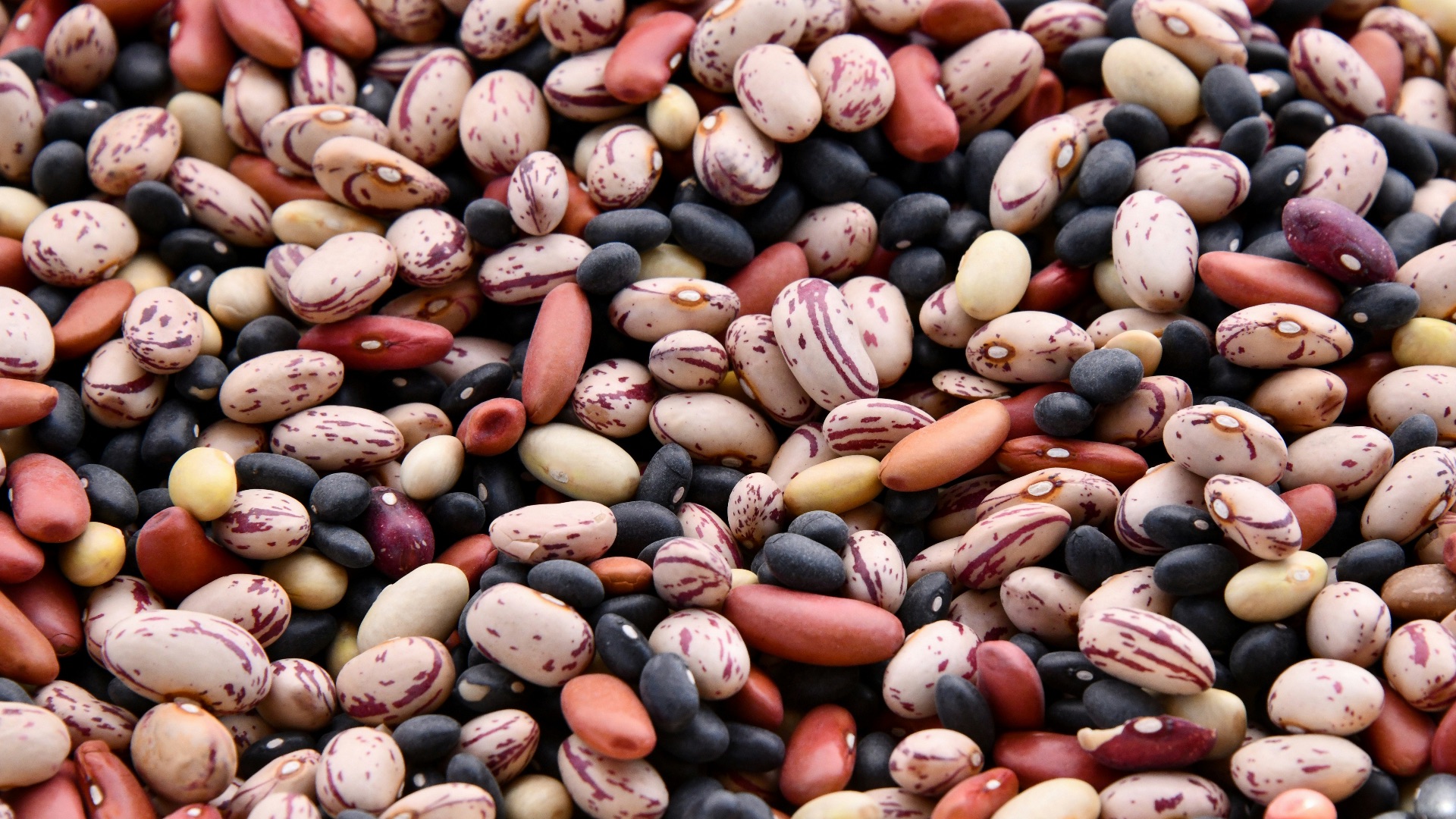
Lentils, chickpeas, kidney beans, and other legumes give you protein, fiber, minerals, and plenty of flexibility at mealtime. When you choose dried beans or no-salt-added canned versions, they're naturally much easier on your sodium budget than many packaged entrees. They work well in salads, grain bowls, tacos, soups, and simple one-pan dinners. If you use regular canned beans, draining and rinsing them can also help reduce some of the sodium.
2. Plain Greek Yogurt
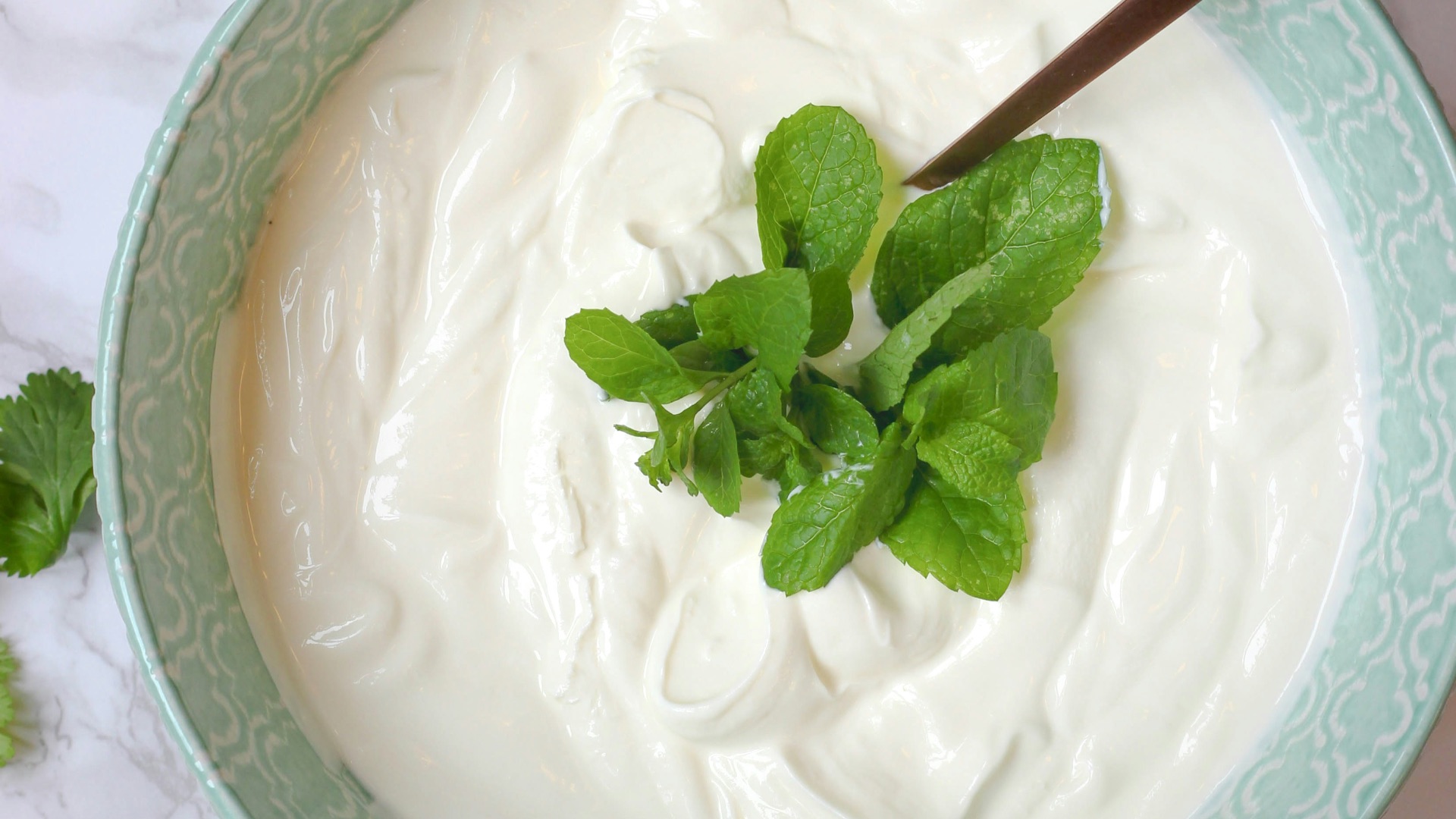
Plain Greek yogurt provides protein and calcium without requiring the heavy sodium found in many convenience meals. You can turn it into breakfast with fruit and nuts or use it as the base for dips and sauces instead of relying on heavily seasoned packaged versions. Choosing an unsweetened variety also keeps added sugar under control. It's an easy refrigerator staple when you need something filling without much preparation.
 micheile henderson on Unsplash
3. Sweet Potatoes
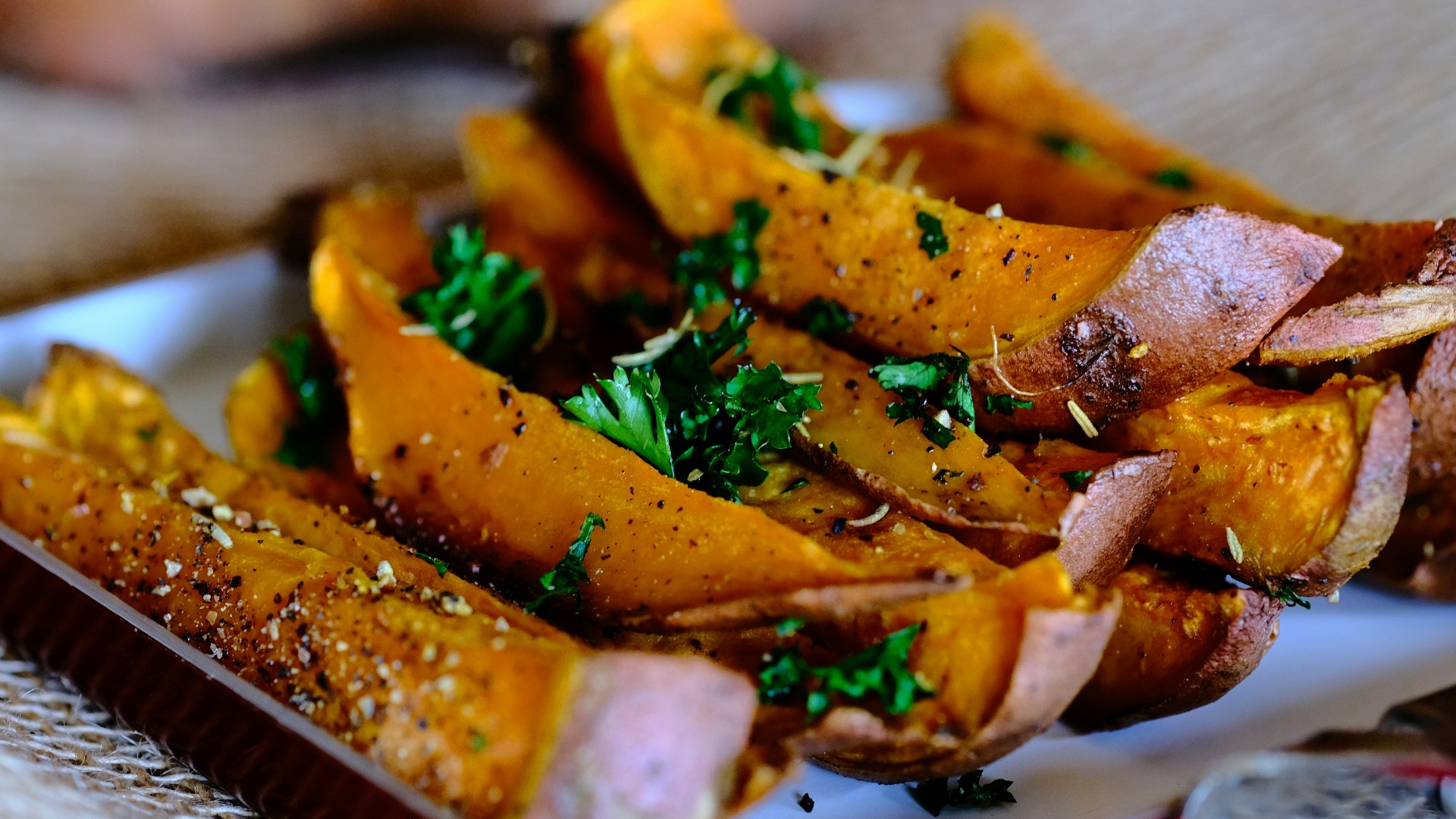
Sweet potatoes are naturally rich in potassium, one of the nutrients emphasized in eating patterns designed to support healthy blood pressure. Baking or roasting them without a lot of salt gives you a substantial side dish that doesn't depend on processed seasonings for flavor. Cinnamon, paprika, cumin, herbs, or a little olive oil can change the taste without requiring a salt-heavy topping. Keeping the skin on also adds more fiber.
4. Avocado
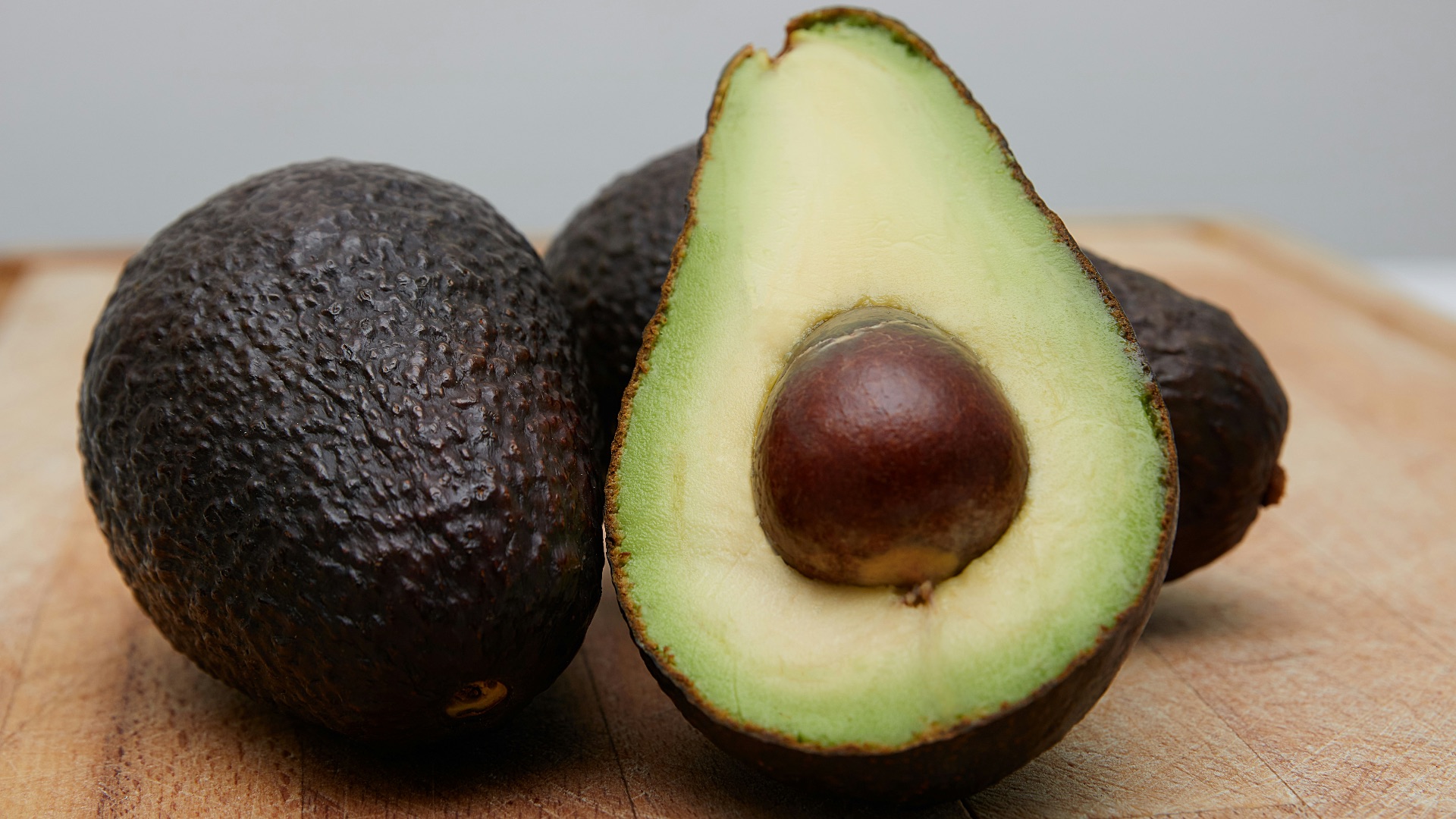
Avocado offers potassium, fiber, and unsaturated fats in a food that's naturally very low in sodium before seasonings are added. It can add richness to sandwiches, grain bowls, eggs, and salads without relying on salty sauces or cheese. The main thing to watch is what you pair with it, since heavily salted chips or seasonings can quickly change the nutritional picture. Used simply, avocado fits easily into a heart-conscious diet.
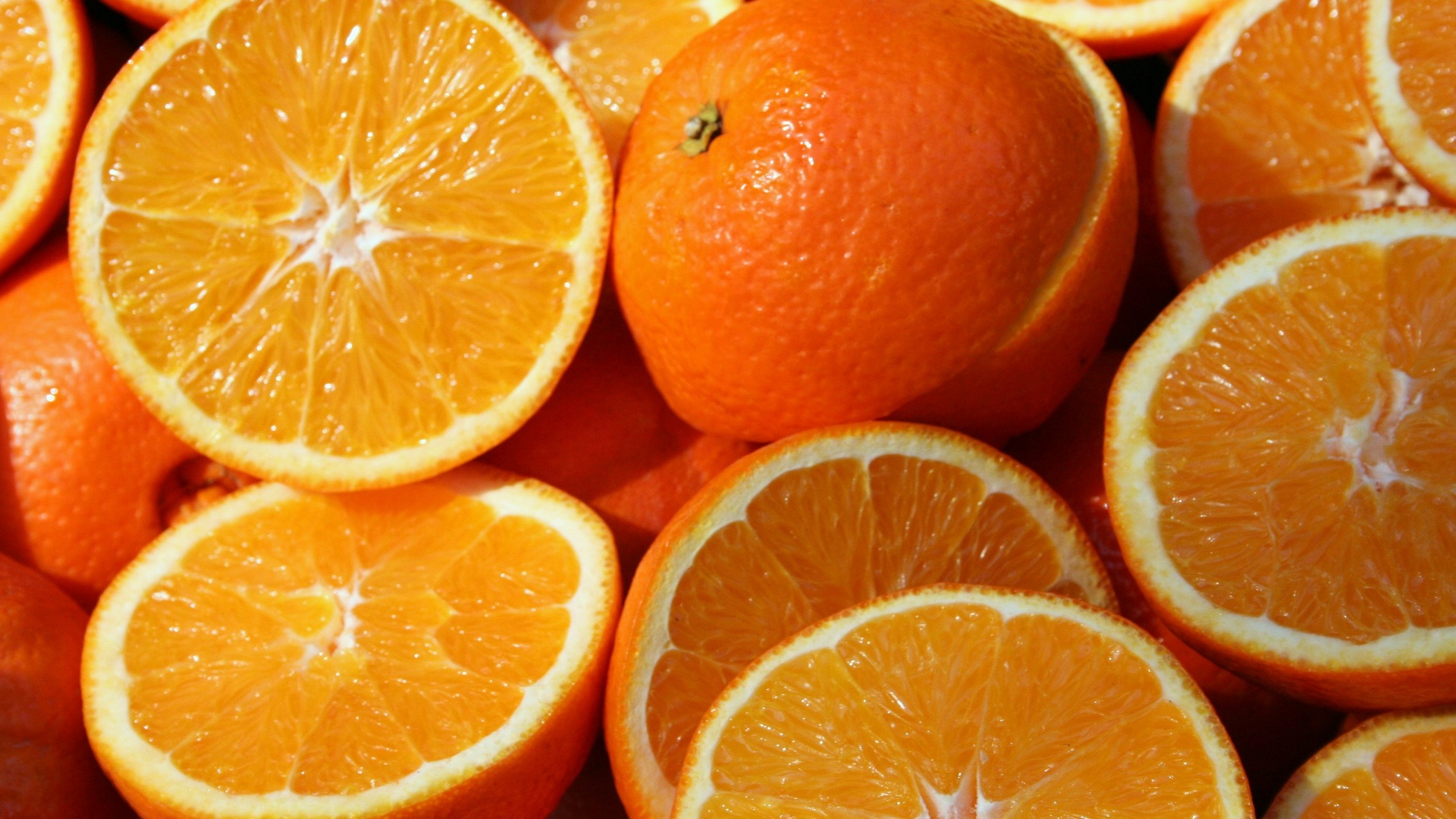
5. Oranges
Oranges give you potassium along with vitamin C, fiber, and plenty of natural flavor without adding sodium. Eating the whole fruit is especially useful because you get fiber that isn't present in the same amount in juice. An orange also makes a convenient replacement for packaged snacks that depend heavily on salt for flavor. Grapefruit and other citrus fruits can offer similar nutritional benefits, although grapefruit can interact with certain medications.
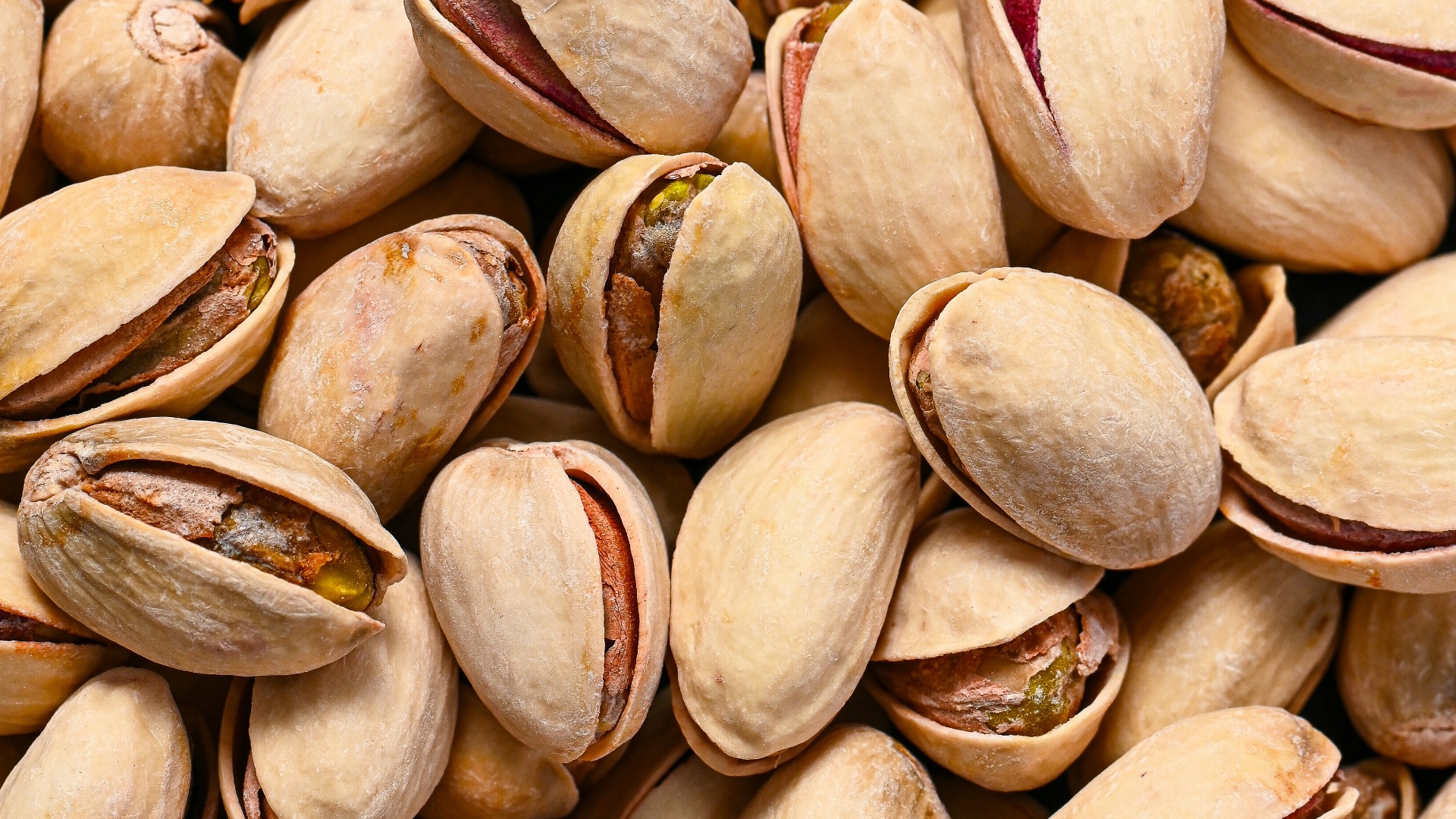
6. Unsalted Pistachios
If you like having something crunchy between meals, unsalted pistachios are a useful alternative to chips and heavily seasoned snack mixes. Nuts provide unsaturated fats, plant protein, minerals, and fiber, all within a small serving. Choosing the unsalted version matters because flavored varieties can contain considerably more sodium. Portioning some into a bowl instead of eating straight from the bag can also help keep the serving reasonable.
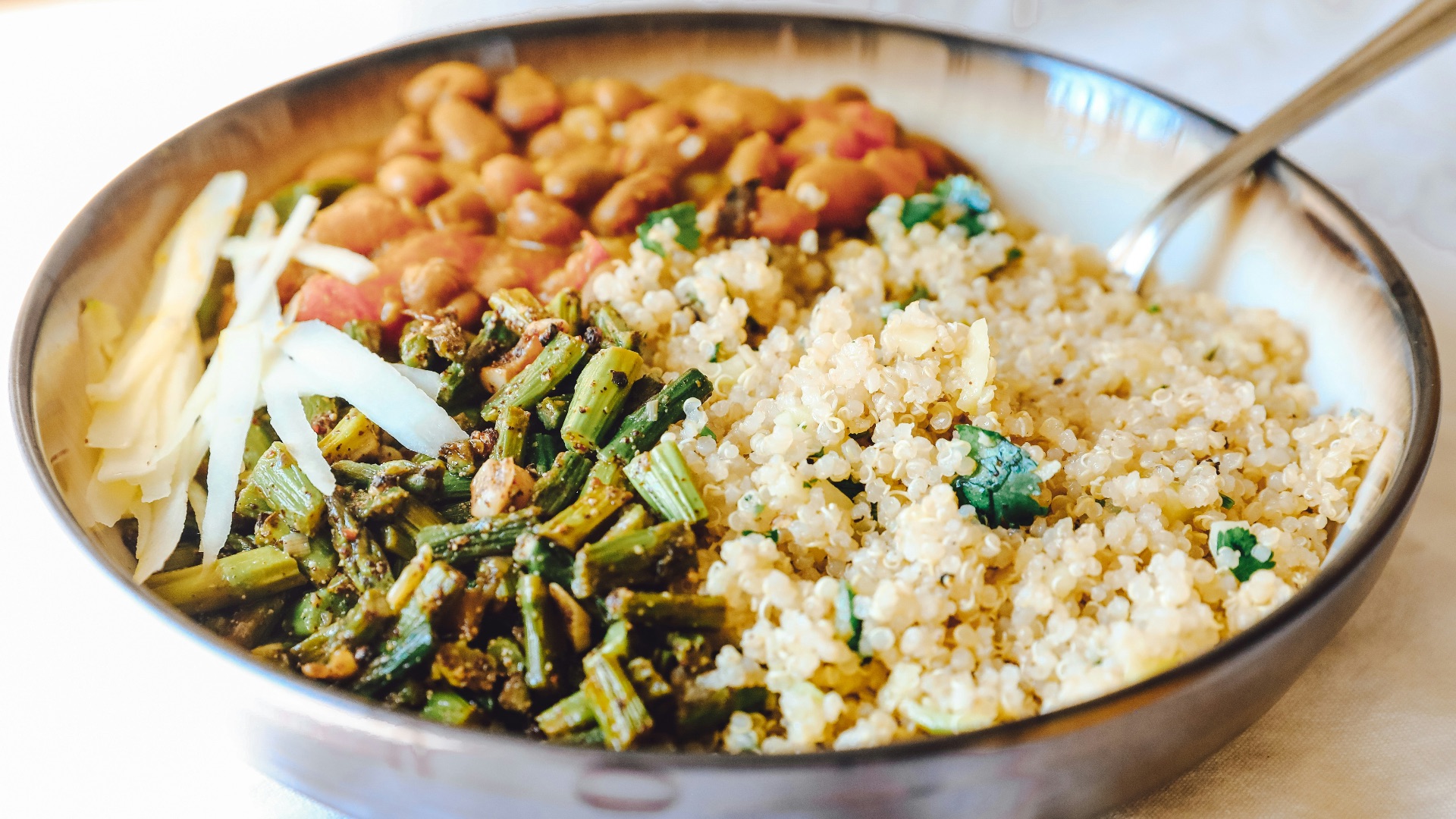
7. Quinoa
Quinoa makes a versatile base for meals when you want something more substantial than a salad but don't want to rely on salty packaged sides. It provides fiber, protein, magnesium, and other nutrients while containing very little sodium when cooked without added salt. You can mix it with vegetables, beans, herbs, nuts, or a homemade dressing for a complete meal. Cooking it in low-sodium or unsalted broth adds flavor without turning it into a sodium-heavy side dish.
 Shashi Chaturvedula on Unsplash
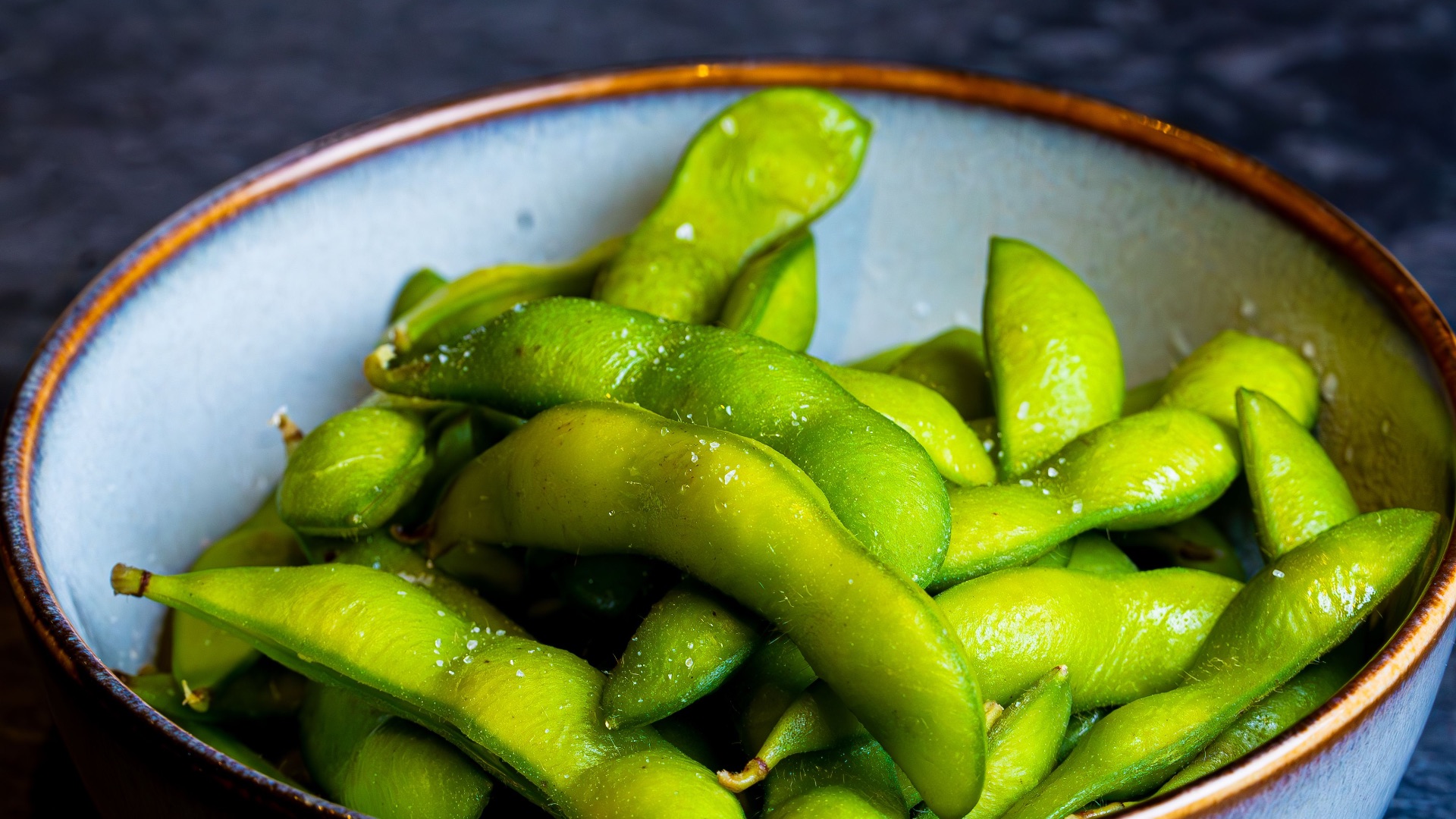
8. Unsalted Edamame
Edamame gives you plant protein, fiber, potassium, and magnesium in a form that's easy to add to lunches and dinners. Frozen versions are convenient, but it's worth checking the package because some are sold already salted. Plain edamame can be tossed into grain bowls, salads, or stir-fries and seasoned to your own taste. A squeeze of lemon or a sprinkle of salt-free spices keeps the flavor interesting without depending on a heavy coating of sodium.
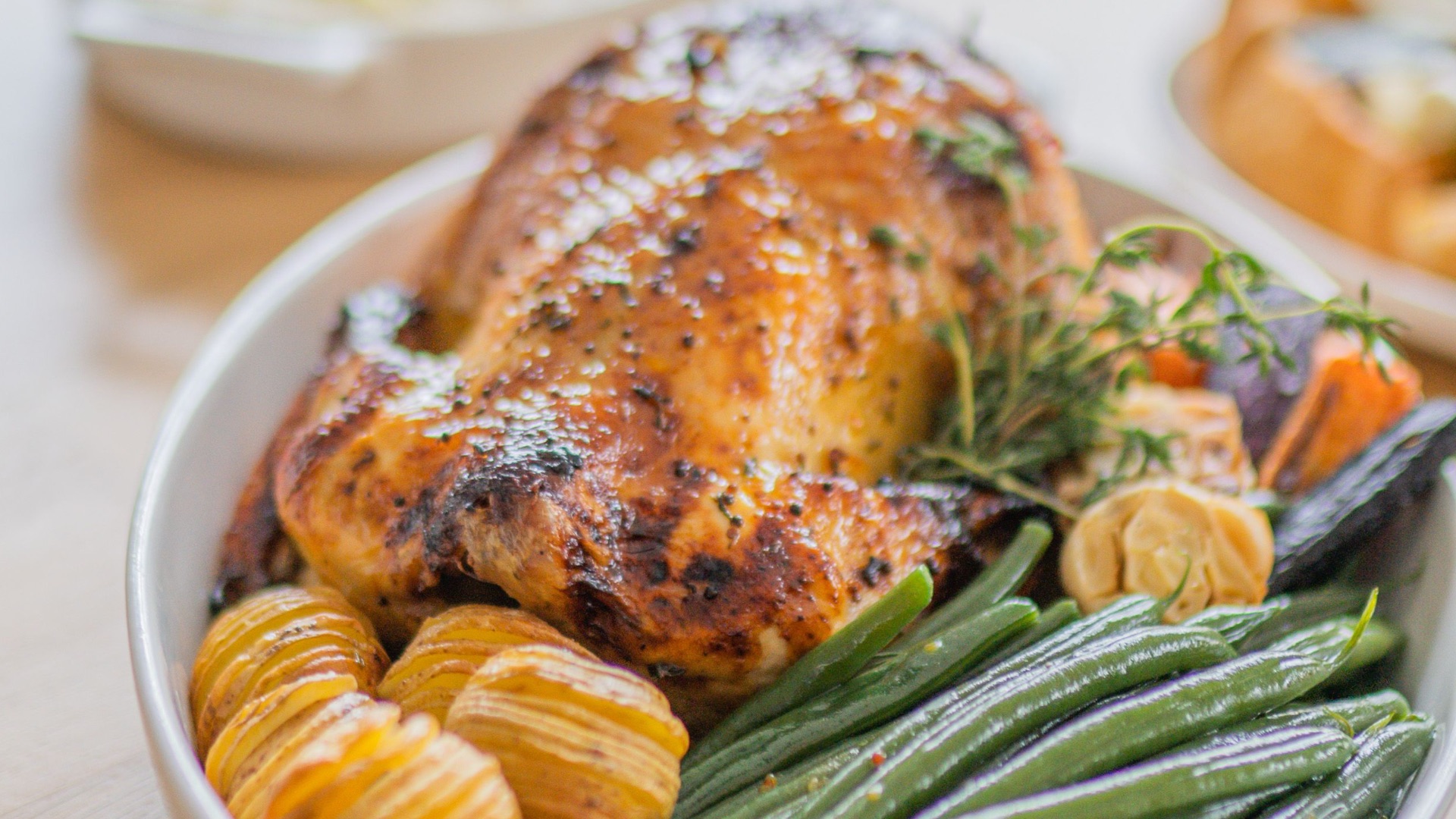
9. Fresh Herb-Roasted Chicken
Preparing fresh chicken yourself can dramatically change how much control you have over the sodium in your meal. Instead of relying on heavily seasoned restaurant versions or packaged preparations, you can flavor it with rosemary, thyme, black pepper, lemon, paprika, or other salt-free seasonings. Just check the label when shopping, since some poultry is sold with added sodium solutions.
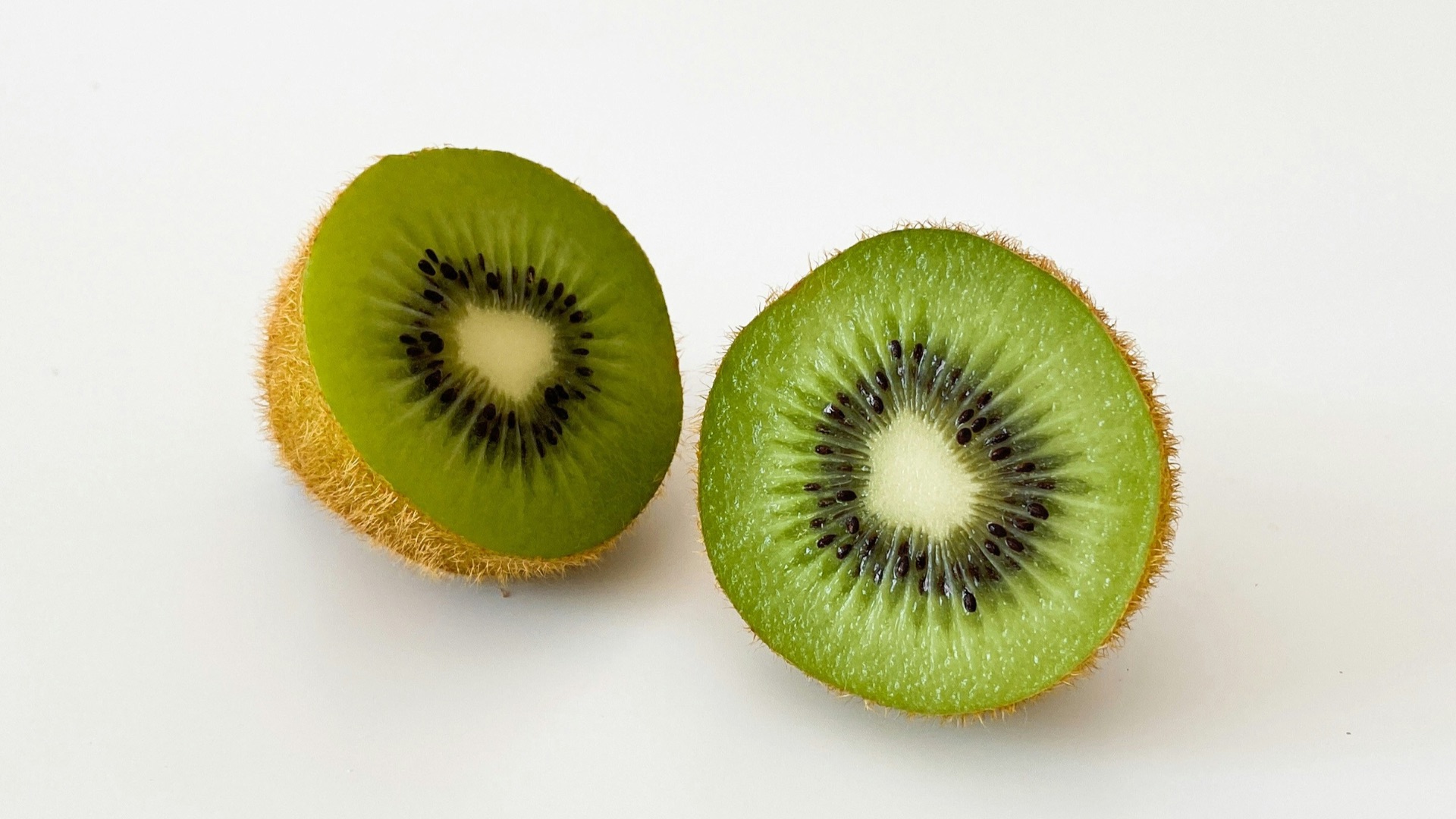
10. Kiwi
Kiwi is another potassium-containing fruit that can add variety if bananas and berries aren't your usual choice. It also provides fiber and vitamin C while being naturally very low in sodium. You can eat it on its own, slice it over plain yogurt, or add it to a fruit salad for a simple snack or dessert. Making fresh fruit a regular part of your diet is one practical way to build meals around the foods encouraged in blood-pressure-friendly eating patterns.
KEEP ON READING

20 Food Requests Only Spoiled People Ask For

20 Hardest Foods on Earth To Eat

Do Vitamin Supplements Actually Make You Healthier?